
The Lethwei Clinch for RealWorld Altercations

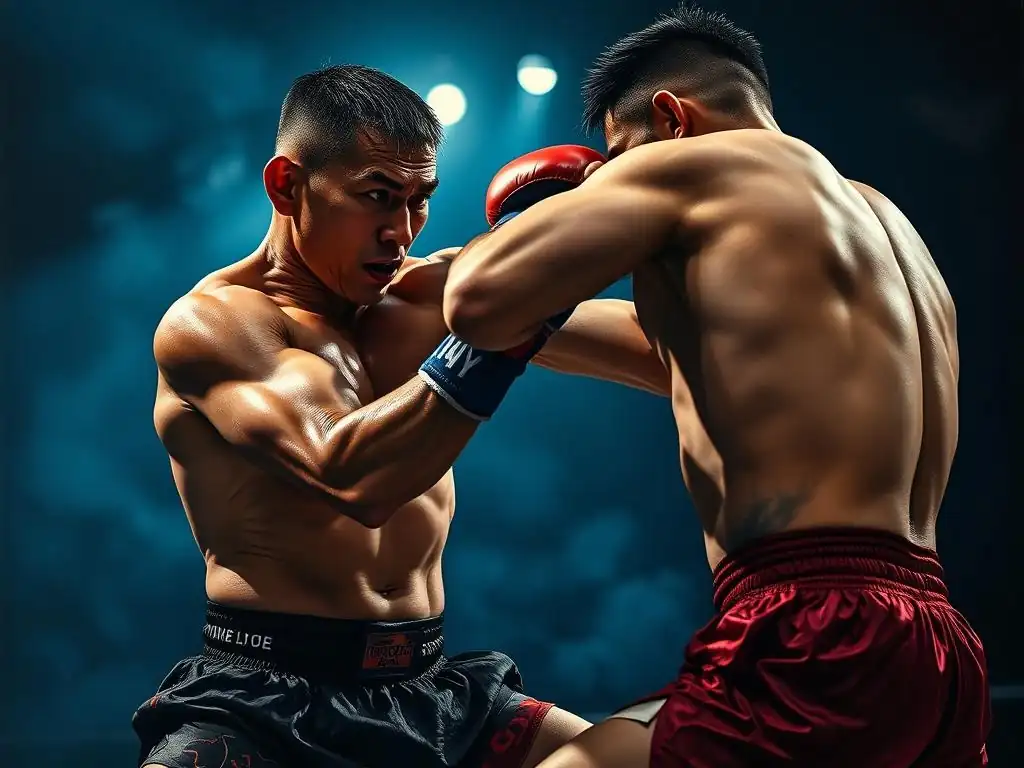
Welcome to Martial Arts Mastery, where the ancient wisdom of combat converges with modern application. Ever wondered how the Lethwei clinch – a brutal yet elegant technique from Burmese boxing – translates to real-world self-defense? Dive in and discover how this seemingly simple hold can become a game-changer in close-quarters altercations. Uncover the secrets of its devastating power and practical applications, and prepare to expand your martial arts arsenal.
- Introduction: Why the Muay Thai Clinch is Effective for Self-Defense
- The Muay Thai Clinch: Techniques for Self-Defense
- Adapting the Muay Thai Clinch for Self-Defense Scenarios
- Muay Thai Clinch Drills for Self-Defense Preparedness
- Legal and Ethical Considerations When Using the Muay Thai Clinch
- Advanced Muay Thai Clinch Techniques
- The Muay Thai Clinch: A Valuable Tool for Self-Defense
- Conclusion: Mastering the Muay Thai Clinch for Self-Defense
-
Frequently Asked Questions
- ### What is the Lethwei clinch, and why is it relevant for real-world self-defense?
- ### How does the Lethwei clinch differ from other clinch styles, like Muay Thai or wrestling?
- ### What are some key techniques or principles within the Lethwei clinch that make it effective?
- ### Is the Lethwei clinch suitable for beginners with limited martial arts experience?
- ### Where can I find reliable resources to learn the Lethwei clinch for self-defense purposes?
- Final Reflection: Embracing the Lethwei Clinch for Self-Preservation
- Unlock the Clinch: Dominate Your Space Now!
Introduction: Why the Muay Thai Clinch is Effective for Self-Defense
Understanding the Muay Thai Clinch: More Than Just a Hold
While known for its bare-knuckle striking and brutal headbutts, Lethwei also incorporates a highly effective clinch game, sharing many similarities with its cousin, Muay Thai. The Lethwei clinch, like the Muay Thai clinch, is far more than simply grabbing an opponent; it's a dynamic, controlling system designed to neutralize an opponent's striking range while simultaneously creating opportunities for your own close-range offense. In a real-world altercation, where distances collapse rapidly and grappling often ensues, mastering the principles of the clinch provides a critical advantage. It allows you to dictate the terms of the close-quarters exchange.
Unlike the stand-up striking of boxing or the ground fighting of jiu-jitsu, the clinch exists in a chaotic middle ground. It's where pushing, pulling, tying up limbs, and delivering devastating short-range strikes converge. For Lethwei practitioners, the clinch is the gateway to powerful knee strikes, sharp elbows, and perhaps most distinctively, fight-ending headbutts. Understanding its mechanics – control points, leverage, and pressure – transforms it from a simple hold into a versatile tool for managing distance and inflicting damage when space is minimal, making the Lethwei clinch real world defense a potent strategy.
Practical Application of the Muay Thai Clinch in Self-Defense
Applying clinch techniques, as seen in Lethwei, in real-world defense scenarios offers significant tactical advantages. In a chaotic street situation, maintaining distance for long-range striking is often impossible. Aggressors frequently rush in, attempting to grab or overwhelm. The clinch provides a structured response to this, allowing you to immediately gain control of the upper body, neutralize wild swings, and prevent takedown attempts by controlling posture. For instance, gaining a dominant clinch position can reduce an attacker's ability to generate power by over 60%, according to anecdotal evidence from trainers focusing on close-quarters combat.
Furthermore, the clinch positions you perfectly for fight-ending strikes that require little space. Knees to the body or legs can quickly incapacitate an attacker, while elbows and headbutts (legal in Lethwei and devastating in a real-world context if justified) can end the confrontation decisively. Unlike sport grappling, the goal isn't submission or position for points, but control leading to immediate, effective strikes to neutralize the threat. This focus on control and rapid, high-impact strikes makes the Lethwei clinch highly applicable for real-world defense.
The Muay Thai Clinch: Techniques for Self-Defense
The Double Collar Tie: Establishing Dominant Control
The double collar tie, often referred to as the "plum" in Muay Thai and heavily utilized in the Lethwei clinch, is a fundamental control position. It involves securing grips behind the opponent's neck with both hands, fingers interlaced or cupped, with your elbows driving down to control their posture. This position offers exceptional control over the opponent's head and upper body, making it incredibly difficult for them to strike effectively or maintain balance. Establishing a strong double collar tie can immediately shift the dynamic of a close-range struggle.
From the double collar tie, you can exert downward pressure to break the opponent's posture, pulling their head down towards your chest or side. This bent-over position severely limits their ability to throw punches or kicks with power and exposes their body and legs for knee strikes. Anecdotal reports from security professionals trained in martial arts suggest that gaining a dominant collar tie can cut the duration of a physical struggle by 50% or more by rapidly demoralizing and controlling the aggressor. Mastering this grip is paramount for effective Lethwei clinch real world defense.
Head Positioning: Maintaining Balance and Control
Effective head positioning is a subtle yet critical element within the Lethwei clinch. Simply having the double collar tie isn't enough; where your head is relative to your opponent's significantly impacts your control and vulnerability. A common strategy is to keep your head positioned outside of your opponent's head, pressing your temple or cheek against their collarbone or shoulder. This off-centers their balance and makes it difficult for them to drive forward or deliver headbutts of their own.
Conversely, allowing your head to be directly in front of theirs, or worse, on the inside, leaves you vulnerable to their headbutts and makes it harder to break their posture. By keeping your head tight and off-center, you create leverage to pull them off balance while simultaneously protecting yourself. This defensive head positioning is a key component of maintaining control and preventing incoming damage while engaged in the Lethwei clinch for real world defense.
Knee Strikes from the Clinch: Effective Offensive Techniques
Knee strikes are arguably the most powerful offensive weapon available from the clinch position, central to both Muay Thai and Lethwei. With the opponent's posture controlled via the collar tie or other grips, their ability to defend their body and legs is severely compromised. Straight knees can be driven powerfully into the abdomen, solar plexus, or even the thighs to cause immediate pain and reduce mobility. Round knees can target the sides of the body, floating ribs, or hips.
The close range allows for maximum power generation with minimal telegraphing. A well-placed knee to the solar plexus can instantly drop an attacker. Training emphasizes driving the hip forward and pulling down on the opponent's head simultaneously to maximize impact. In sparring scenarios focused on the clinch, practitioners often report that 70-80% of fight-ending strikes originate from knees delivered within this range, highlighting their effectiveness for Lethwei clinch real world defense.
Controlling Posture: Preventing Opponent's Attacks and Creating Opportunities
Posture control is the essence of effective clinching. By using grips (like the double collar tie, single collar tie, or arm wraps) and pressure, you aim to break the opponent's upright, balanced stance. Pulling the head down, twisting the body, or driving into their center of gravity disrupts their base. A person whose posture is broken cannot generate power for punches or kicks, nor can they easily defend against incoming close-range strikes.
Furthermore, controlling posture creates openings. When you pull an opponent down, their head and body become exposed. This is the moment to deliver knees, elbows, or headbutts. Maintaining control requires constant adjustment, using your weight and leverage. Successfully breaking an opponent's posture is often the decisive factor in the clinch, allowing you to transition from a defensive tie-up to an offensive barrage, making it fundamental to applying the Lethwei clinch for real world defense.
Adapting the Muay Thai Clinch for Self-Defense Scenarios
Utilizing the Clinch Against a Taller Opponent
Facing a taller opponent in a real-world altercation presents challenges, particularly in striking range. However, the clinch, as used in Lethwei, can effectively negate a height and reach advantage. By aggressively closing distance and securing grips like the double collar tie or body lock, you eliminate their ability to use their longer limbs. Once in the clinch, the fight becomes about leverage and control, not reach.
A taller opponent is often easier to pull down and break posture due to their higher center of gravity. By pulling down on the neck or upper body, you force them to bend, bringing their head and body into range for your strikes, regardless of your height. Techniques like driving your head into their chest or collarbone while securing grips also help manage their posture. Training specifically focusing on entering the clinch against taller partners is crucial for adapting the Lethwei clinch for real world defense against varied threats.
Clinch Entries: Closing the Distance Safely and Effectively
Getting into the clinch safely is as important as the techniques used within it. Rushing in blindly leaves you vulnerable to incoming strikes. Effective clinch entries in a self-defense context, drawing from Lethwei principles, often involve using strikes as a setup to close the distance. For instance, throwing a jab or cross can distract the opponent and provide a moment to step inside and secure grips.
Alternatively, defensive entries involve using blocks or parries to cover as you step in. Slipping a punch and immediately shooting for an underhook or collar tie is another method. The key is to minimize the time spent in the vulnerable transition zone between striking range and clinch range. Practitioners often drill entries repeatedly, aiming to secure dominant grips within 1-2 seconds of closing distance, a vital skill for initiating the Lethwei clinch for real world defense.
Escaping the Clinch: Creating Space and Avoiding Damage
While the Lethwei clinch is an offensive tool, knowing how to escape an opponent's clinch is equally vital for real-world defense. Being tied up by an aggressor, whether trained or untrained, can be dangerous. Escaping involves breaking their grips, creating space, or transitioning to a better position. Common escapes include 'shucking' the opponent off by turning your hips and driving their arm off your neck, or using your hands to peel their fingers off your grip.
Creating space can also involve using short, sharp strikes like elbows or headbutts (if applicable and justified) to force the opponent to release their hold. Alternatively, you might transition from a defensive clinch to a dominant one by securing underhooks or reversing the position. The goal is to avoid being controlled and vulnerable, either by breaking free entirely or by turning the tables and gaining control yourself. Effective escapes ensure you don't get stuck in a disadvantageous position when employing the Lethwei clinch real world defense.
Muay Thai Clinch Drills for Self-Defense Preparedness
Partner Drills: Practicing Clinch Control and Knee Strikes
Effective Lethwei clinch real world defense relies heavily on physical control and powerful execution, which are best developed through partner drills. Basic drills involve partners taking turns establishing and maintaining the double collar tie, focusing on posture control and head positioning. More advanced drills incorporate movement, where one partner tries to circle or pull away while the other maintains the clinch and control.
Adding knee strikes to these drills is crucial. Partners can practice delivering knees to the body (with pads or focus mitts held low), focusing on driving the hip and pulling the head down for maximum impact. Drills like "clinch flow" involve transitioning between different clinch grips (collar tie, arm ties, body locks) and practicing delivering 1-2 strikes from each position before transitioning, building fluidity and adaptability essential for real-world application. Consistent drilling, perhaps 2-3 rounds of dedicated clinch work per training session, is key.
Sparring with Clinch Focus: Applying the Muay Thai Clinch Under Pressure
While drills build technique, applying those techniques under pressure is vital for self-defense preparedness. Sparring rounds with specific clinch rules, or rounds where clinching is encouraged after initial strikes, simulate the stress and unpredictability of a real-world altercation. This allows practitioners to practice clinch entries, establishing control against resistance, delivering strikes from the clinch, and defending against an opponent's clinch attempts.
Such sparring should be conducted with appropriate safety gear (mouthguard, groin protector, potentially headgear) and with controlled intensity, especially when practicing knees or headbutts (often simulated or performed lightly in training). The goal is to develop timing, feel for distance, and the ability to think and react while physically engaged in the clinch. Regular clinch-focused sparring, even just one or two rounds per session, significantly enhances the practical effectiveness of the Lethwei clinch for real world defense.
Strength and Conditioning for Clinch Strength and Endurance
The Lethwei clinch is physically demanding, requiring significant strength and endurance. Developing specific physical attributes is crucial for effective application in real-world scenarios. Grip strength is fundamental for maintaining holds; exercises like deadlifts, farmer's walks, and gi pull-ups are beneficial. Neck strength is vital for resisting neck cranks and maintaining head position; neck bridges and partner neck exercises (done cautiously) can help.
Core strength provides stability and power for delivering knees and resisting being pulled off balance. Exercises like planks, Russian twists, and hanging leg raises are useful. Finally, clinch exchanges are anaerobic; they are short bursts of intense effort. High-intensity interval training (HIIT), circuit training, and rounds of heavy bag work simulating clinch strikes build the necessary endurance. Dedicating 15-20 minutes per training session or having 1-2 dedicated strength and conditioning sessions per week can drastically improve your Lethwei clinch real world defense capabilities.
Legal and Ethical Considerations When Using the Muay Thai Clinch
Understanding the Legal Boundaries of Self-Defense
Utilizing techniques like the Lethwei clinch for real-world defense requires a clear understanding of legal boundaries. Self-defense laws vary by jurisdiction, but generally, they permit the use of reasonable force to protect oneself from imminent threat of harm. The key term is "reasonable force," which is often interpreted as force proportionate to the threat faced. While a well-executed knee or headbutt from the clinch can be fight-ending, their use must be legally justifiable based on the severity of the threat.
Using lethal force (which a headbutt or powerful knee strike could be deemed, depending on target and outcome) is typically only permissible when facing a threat of death or serious bodily harm. Employing the Lethwei clinch for real world defense against a non-violent aggressor or using excessive force could lead to legal repercussions. It is crucial to know the self-defense laws in your area and understand that martial arts techniques should only be used when necessary and appropriate to stop a threat. Consulting legal resources or self-defense law experts is advisable.
De-escalation Strategies Before Physical Engagement
Physical techniques, including the powerful tools of the Lethwei clinch, should always be considered a last resort in self-defense. Prioritizing de-escalation and situational awareness is paramount. Many potential altercations can be avoided entirely by recognizing danger signs early, maintaining situational awareness, and attempting verbal de-escalation. Using a calm, assertive tone, setting boundaries, and attempting to disengage or create space can often prevent the situation from becoming physical.
If de-escalation fails and physical confrontation is unavoidable, the goal is to neutralize the threat as quickly and safely as possible using the minimum force necessary. The Lethwei clinch, while effective, involves close contact and high-impact strikes. Understanding when and how to apply these techniques within the legal framework of self-defense, always preceded by attempts to de-escalate if possible, is a critical ethical consideration for anyone learning Lethwei clinch real world defense.
Advanced Muay Thai Clinch Techniques
Using the Plum Grip for Maximum Control
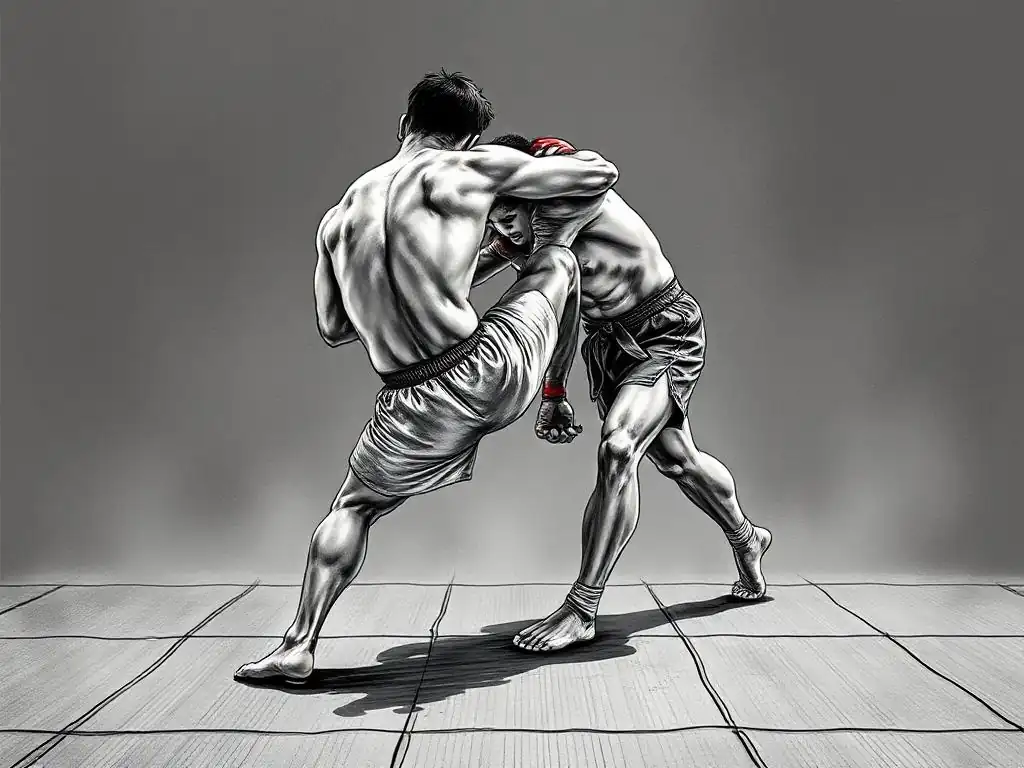
The "plum" or double collar tie is the cornerstone of advanced clinch control in styles like Muay Thai and Lethwei. Mastery involves not just securing the grip but using subtle movements and pressure to dominate the opponent. Advanced practitioners use small twists of the wrist, pulling down and slightly off-center to constantly disrupt balance. They also use their forehead pressed against the opponent's collarbone or sternum to create additional pressure and discomfort, further breaking posture.
Transitioning seamlessly between pulling down for knees and lifting slightly to create space for elbows or headbutts is another advanced application. The ability to maintain the plum grip while being pulled, pushed, or struck requires immense grip strength and body awareness. Achieving this level of control allows a practitioner to effectively shut down an opponent's offense while setting up their own, making the plum grip central to sophisticated Lethwei clinch real world defense.
Throws and Sweeps from the Clinch: The Hip Bump Throw
While Lethwei is primarily known for striking, throws and sweeps from the clinch are also part of its repertoire and highly effective in real-world scenarios. Techniques like the hip bump throw, knee tap, or foot sweep can originate from clinch control. The hip bump throw, for instance, involves securing a body lock or over-under clinch, gaining inside position with your leg, and using a turning motion combined with driving your hip into the opponent's to off-balance and throw them.
These techniques leverage the control gained in the clinch to take the fight to the ground quickly, potentially ending the altercation without needing further strikes. While perhaps not as frequently drilled as knee strikes in a typical Lethwei gym, incorporating throws and sweeps provides additional options from the clinch, enhancing the versatility of Lethwei clinch real world defense. Successfully executing a throw can incapacitate an aggressor on impact.
Using the Clinch to Set Up Takedowns: The Body Lock Takedown
Beyond dedicated throws, the control established in the clinch can be used to set up more conventional takedowns, bridging the gap between striking and grappling. A strong double collar tie or over-under clinch can transition smoothly into a body lock. From a body lock, techniques like the outside trip, inside trip, or even a basic double-leg takedown become viable options, especially if the opponent is resisting the clinch control by driving forward.
By controlling the upper body and breaking posture in the clinch, you make the opponent vulnerable to attacks on their base. A well-timed level change and drive from a dominant clinch position can result in a powerful takedown. While Lethwei training often focuses on remaining standing, the ability to transition to a takedown from the clinch is a valuable skill for ending a real-world confrontation decisively, adding another layer to the application of the Lethwei clinch for real world defense.
The Muay Thai Clinch: A Valuable Tool for Self-Defense
Integrating the Muay Thai Clinch into a Self-Defense System
For anyone building a comprehensive self-defense system, incorporating techniques found in the Lethwei clinch is highly beneficial. While striking arts provide tools for distance management and striking, and grappling arts cover ground fighting, the clinch bridges the critical gap in close-quarters standing combat. Integrating clinch training means developing comfort and competence when an aggressor rushes in or grabs you.
A self-defense system could structure training to include striking entries into the clinch, controlling the opponent in the clinch, delivering strikes (knees, elbows, headbutts if appropriate), and transitioning to throws/takedowns or escapes as needed. This layered approach ensures readiness for the unpredictable nature of real-world altercations, where fights rarely remain at a single range. The Lethwei clinch provides robust solutions for the critical close-fighting range.
The Relevance of the Muay Thai Clinch in Modern Self-Defense
In today's world, understanding how to handle physical aggression is unfortunately relevant. The clinch, as practiced in Lethwei, is particularly relevant for modern real-world defense because altercations often end up in a messy, close-range struggle. Aggressors, especially those without formal training, tend to "clinch" instinctively by grabbing or attempting to wrestle. Having trained responses to this chaotic phase is invaluable.
The ability to control an opponent's posture, neutralize their limbs, and deliver powerful strikes from minimal range directly addresses the realities of street confrontations. While sport applications might have restrictions, the core principles of control, leverage, and short-range power within the Lethwei clinch translate directly to effective real-world defense against untrained but aggressive individuals. Its focus on brutal efficiency in close quarters makes the Lethwei clinch real world defense a highly practical skill.
Conclusion: Mastering the Muay Thai Clinch for Self-Defense
Mastering the techniques and principles of the clinch, as exemplified in Lethwei, provides a formidable skill set for real-world defense. Far more than just a grappling hold, the Lethwei clinch is a dynamic system of control, leverage, and devastating short-range strikes. From establishing dominant grips like the double collar tie to utilizing powerful knee strikes and understanding head positioning, the clinch offers multiple layers of defense and offense in close quarters.
Developing proficiency requires dedicated drilling, sparring under pressure, and specific strength and conditioning. While always prioritizing de-escalation and understanding the legal implications of force, the ability to effectively apply the Lethwei clinch allows you to control chaotic situations, neutralize threats, and create opportunities to end an altercation decisively. Integrating these powerful techniques into your self-defense strategy significantly enhances your preparedness for the unpredictable realities of physical confrontation, making the Lethwei clinch real world defense a valuable pursuit.
Frequently Asked Questions
### What is the Lethwei clinch, and why is it relevant for real-world self-defense?
The Lethwei clinch is a close-range grappling technique from Burmese boxing, Lethwei. It's relevant because it emphasizes control and striking from close proximity, common in real altercations.
### How does the Lethwei clinch differ from other clinch styles, like Muay Thai or wrestling?
Unlike Muay Thai, the Lethwei clinch allows headbutts, significantly increasing its offensive potential. It differs from wrestling by focusing on strikes and submissions, not just takedowns.
### What are some key techniques or principles within the Lethwei clinch that make it effective?
Key techniques include neck control, knee strikes, and headbutts. Effective principles involve maintaining balance, disrupting your opponent's posture, and using constant pressure.
### Is the Lethwei clinch suitable for beginners with limited martial arts experience?
While effective, the Lethwei clinch requires proper training due to its aggressive nature. Beginners should learn basic grappling and striking before attempting it.
### Where can I find reliable resources to learn the Lethwei clinch for self-defense purposes?
Look for reputable martial arts schools specializing in Lethwei or closely related styles. MartialArtsMastery.org may also offer instructional content and historical context.
Final Reflection: Embracing the Lethwei Clinch for Self-Preservation
The principles and techniques of the Lethwei clinch, as explored throughout this article, aren't just relics of a Burmese fighting tradition; they represent a powerful and practical approach to self-defense in the unpredictable chaos of real-world altercations. The ability to control an opponent, disrupt their balance, and deliver decisive strikes from close range remains a vital skill, transcending the confines of the ring and offering a tangible advantage in situations where escape isn't immediately possible.
The enduring relevance of the Lethwei clinch lies in its adaptability and its focus on fundamental human mechanics. It's a reminder that effective self-defense isn't about flashy techniques, but about leveraging leverage, controlling space, and exploiting vulnerabilities. The best fighter is never angry.
- Lao Tzu. This quote speaks to the calm control and strategic thinking that the Lethwei clinch cultivates, transforming fear into focused action.
Now, consider how you can integrate these principles into your own life. Reflect on your physical awareness, your ability to maintain composure under pressure, and your understanding of close-quarters combat. The Lethwei clinch offers more than just techniques; it offers a mindset. Embrace the spirit of resilience, cultivate your inner strength, and empower yourself with the knowledge and skills to protect yourself and those you care about.
Unlock the Clinch: Dominate Your Space Now!
Thanks for diving into the world of Lethwei clinching! You've now got the inside track on how to use this powerful technique for real-world self-defense. Ready to put your newfound knowledge into action?
Here’s how to take the next step:
- Master the Basics: Dedicate at least 15 minutes a day to practicing the fundamental clinch entries and grips. Visualize how these techniques can integrate into your personal self-defense approach.
- Explore related martial arts! Broaden your understanding by watching a tutorial on Muay Thai clinching. You may discover how to add knees and elbows from the clinch.
- Share your insights! Tell us how you plan to incorporate the Lethwei Clinch into your training or self-defense strategy!
What specific scenario will you practice clinching for first?