
"Know Thyself": Unpacking the Core Principles of Breathing, Relaxation, and Movement in Ryabko's Systema


Welcome to Martial Arts Mastery, your gateway to the world's most compelling fighting traditions!
Delve into the fascinating world of Ryabko Systema breathing techniques and discover how they underpin this powerful and unique martial art. But how can simple breathing unlock such resilience and control? Join us as we explore the core principles of relaxation and movement championed by a true legend, and begin to understand the secrets within.
- "Know Thyself": Unpacking the Core Principles of Breathing, Relaxation, and Movement in Systema
- Introduction to Systema: A Holistic Approach to Self-Defense
- Systema Breathing Techniques: The Foundation of Control
- Relaxation in Systema: Beyond Physical Tension Release
- Movement Principles in Systema: Fluidity and Adaptability
- Integrating Breathing, Relaxation, and Movement: Practical Applications in Systema
- The Influence of Systema: Inspiring a Holistic Approach to Self-Defense
- Conclusion: Embracing the Core Principles of Systema
-
Frequently Asked Questions
- What is the primary focus of Ryabko Systema, according to MartialArtsMastery.org?
- How does Ryabko Systema differ from other martial arts disciplines, as described on MartialArtsMastery.org?
- What role do "breathing techniques" play in Ryabko Systema training, according to MartialArtsMastery.org?
- Does MartialArtsMastery.org's article highlight any historical context or legendary practitioners related to Ryabko Systema?
- What practical self-defense strategies does Ryabko Systema offer, as discussed on MartialArtsMastery.org?
- Final Reflection: The Breath Within
- Unleash Your Inner Potential: Embrace the Systema Way!
"Know Thyself": Unpacking the Core Principles of Breathing, Relaxation, and Movement in Systema
Introduction to Systema: A Holistic Approach to Self-Defense
Systema's Roots: Understanding the Russian Martial Art
Systema is a unique Russian martial art with roots tracing back through centuries of Russian history, influenced by the needs of battlefield survival and the practical demands of warfare. Unlike many Eastern martial arts focused on rigid forms or complex katas, Systema emphasizes natural movement, adaptability, and efficiency in combat situations. Its development was heavily influenced by Cossack fighting styles and the training methods employed by Soviet special forces, evolving over time to incorporate principles of psychology, physiology, and combat strategy.
Vladimir Vasiliev and Mikhail Ryabko are widely recognized for bringing Systema to the international stage. Ryabko, having served in special operations units, refined the system based on extensive real-world experience, focusing on principles applicable under extreme stress. The core curriculum under Ryabko's guidance does not rely on belts or ranks but on the progressive understanding and application of fundamental principles: breathing, relaxation, and movement, all underpinned by a strong psychological component aimed at managing fear and aggression.
Holistic Principles: Breathing, Relaxation, and Movement Intertwined
At the heart of Systema lies the understanding that the human body and mind function as a single, interconnected system. Effective self-defense, therefore, requires addressing the whole person, not just teaching physical techniques. The three core principles—breathing, relaxation, and movement—are not isolated components but are deeply intertwined, each supporting and enhancing the others. Mastering Ryabko Systema breathing techniques is considered foundational, as proper respiration directly impacts one's ability to relax under pressure and move efficiently.
This holistic perspective means that training in Systema is less about memorizing specific moves and more about developing innate physical and psychological capabilities. A practitioner learns to maintain a state of calm awareness, regulate their physiological responses through controlled breathing, and move fluidly and unpredictably. This integrated approach allows a Systema practitioner to adapt to any situation, whether facing a single attacker or multiple opponents, in confined spaces or open ground, making the art applicable to a wide range of self-defense scenarios.
Systema Breathing Techniques: The Foundation of Control
The Abdominal Breath: Mastering the Core of Systema Breathing
Central to Ryabko Systema breathing techniques is the emphasis on abdominal or diaphragmatic breathing. Unlike shallow chest breathing, which is often associated with stress and tension, abdominal breathing allows for deeper oxygenation and promotes relaxation. This method involves inhaling deeply, allowing the abdomen to expand, and exhaling fully, often with a slight sound or vibration to aid release. Practitioners are taught to breathe through both the nose and mouth, depending on the situation and need for rapid air exchange.
Mastering the abdominal breath is not just about getting more air; it's about establishing a physiological baseline of calm. In training, students spend significant time practicing this breathing while standing, moving, and even under light pressure or impact. For example, during impact drills, practitioners learn to exhale sharply upon receiving a strike to dissipate force and prevent internal injury, a technique directly enabled by controlled abdominal breathing. This deep breathing also helps regulate the nervous system, counteracting the 'fight or flight' response.
Emphasis on Natural Breathing Rhythms and Recovery
Systema teaches practitioners to identify and utilize their natural breathing rhythms, adapting them to the demands of the moment. While deep, controlled breathing is the default, the system recognizes that situations require variations—from holding the breath briefly to rapid, powerful exhalations. The focus is always on maintaining a continuous, non-strained flow of air, avoiding breath-holding under tension, which is seen as detrimental to both physical performance and mental clarity.
A key aspect of Systema breathing is its role in recovery. After strenuous activity or receiving impact, the ability to quickly return to a calm, deep breathing pattern is crucial for rapid recovery, maintaining stamina, and staying focused. Practitioners train specifically to breathe through pain and fatigue, using the breath to actively release tension and regain composure. This emphasis on breathing for recovery allows individuals to sustain effort over longer periods and remain effective even when physically challenged.
Applications of Systema Breathing: From Combat to Stress Management
The applications of Ryabko Systema breathing techniques extend far beyond physical confrontation. While essential for managing fear, pain, and exertion in combat or self-defense scenarios, these techniques are equally valuable for everyday stress management. The ability to consciously regulate breathing provides a powerful tool for calming the mind, reducing anxiety, and improving focus in any situation, from public speaking to dealing with difficult personal circumstances.
In training, specific drills focus on applying breathing under simulated stress. For instance, students might perform physical exercises while being given complex instructions or facing unexpected obstacles, requiring them to maintain controlled breathing amidst confusion and physical demand. This deliberate practice translates directly into real-world resilience, enabling individuals to handle pressure with greater equanimity. The principles learned for surviving a physical altercation become tools for navigating the challenges of daily life, highlighting the holistic nature of Systema.
Relaxation in Systema: Beyond Physical Tension Release
Psychological Relaxation: Cultivating a Calm Mind Under Pressure
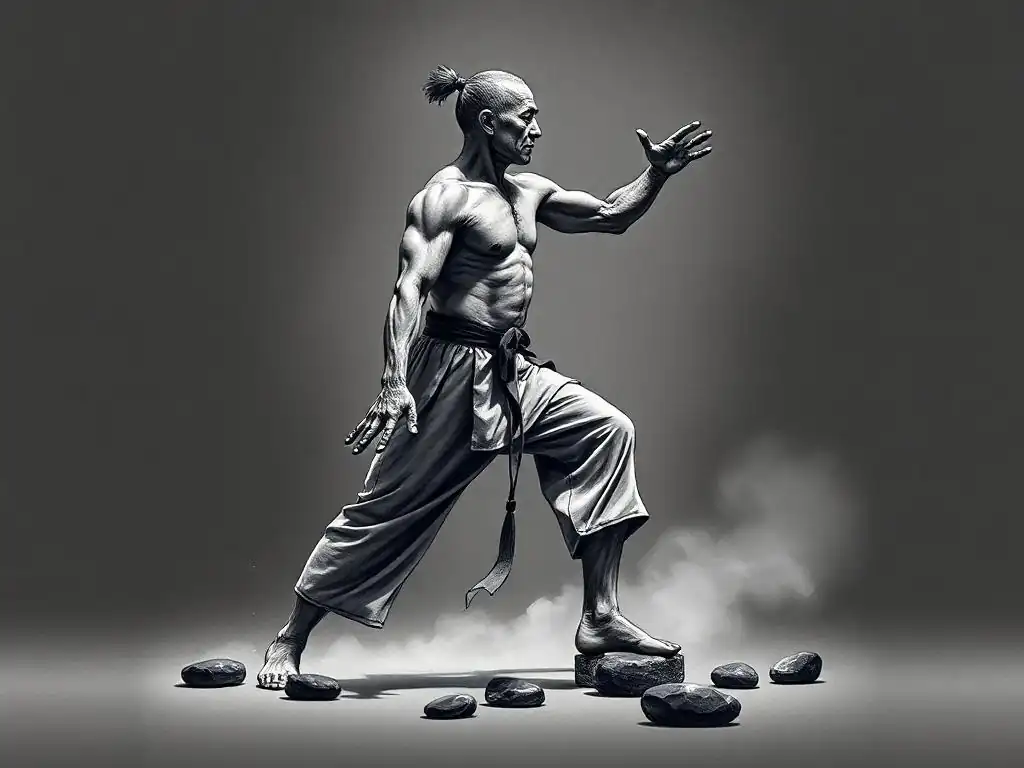
Relaxation in Systema is not merely about loosening muscles; it is fundamentally about cultivating a state of psychological calm and presence, especially under duress. Fear, anxiety, and anger are recognized as primary inhibitors of effective action. They cause physical tension, restrict movement, impair judgment, and deplete energy rapidly. Systema training actively addresses these psychological states, teaching practitioners to observe their emotional responses without being controlled by them.
This cultivation of psychological relaxation is achieved through various means, including mindful awareness during drills, learning to accept discomfort or pain without panic, and utilizing Ryabko Systema breathing techniques to regulate physiological responses associated with stress. For example, practitioners might train in scenarios designed to induce fear, such as being surrounded or working in darkness, specifically to practice maintaining a calm mind and relaxed body despite the environmental stress. The goal is to foster an internal state where logical thought and instinctive action can coexist.
Physical Relaxation: Efficient Movement and Energy Conservation
Physical relaxation in Systema is the key to efficient movement, power generation, and energy conservation. Tension in the body restricts range of motion, slows reactions, and makes one's movements predictable and easily countered. A relaxed body, conversely, moves fluidly, can absorb impact more effectively, and allows for sudden bursts of speed or power when needed. This principle is often counter-intuitive for those accustomed to martial arts that emphasize muscular tension for generating force.
Systema training emphasizes finding the minimum amount of tension required for any given action and releasing all unnecessary tension. This is practiced through various exercises, including ground movement drills, joint mobility work, and receiving slow, controlled strikes to learn how to absorb force through relaxation and proper structure rather than muscular bracing. By remaining physically relaxed, a practitioner can move more freely, react faster to changing circumstances, and conserve energy, allowing them to remain effective for longer durations in a confrontation.
The Interplay of Breathing and Relaxation in Systema Training
Breathing and relaxation are inextricably linked in Systema methodology. Proper Ryabko Systema breathing techniques are the primary tools used to achieve and maintain both physical and psychological relaxation. When a practitioner holds their breath or breathes shallowly, tension naturally increases throughout the body and mind. Conversely, deep, continuous breathing signals to the nervous system that it is safe to relax.
Training constantly reinforces this connection. During exercises involving impact, stress, or complex movement, instructors guide students to focus on their breath to release tension. For instance, a drill might involve being held in an uncomfortable position; the student is coached to use their breath to find points of tension and consciously relax them, allowing for escape or greater comfort. This constant interplay means that improving one's breathing directly enhances their ability to relax, and increased relaxation facilitates more effective breathing, creating a positive feedback loop essential for Systema mastery.
Movement Principles in Systema: Fluidity and Adaptability
Natural Movement: Reclaiming Instinctive Motion
Systema prioritizes natural, instinctive movement over learned, artificial techniques. It seeks to unlock the body's inherent ability to move efficiently and adaptively, much like a child or an animal. This involves shedding movement patterns conditioned by sedentary lifestyles or rigid sports and reconnecting with fundamental human biomechanics. The focus is on functional movement that allows the body to operate as a unified, coordinated system.
Training often begins with simple, fundamental movements like walking, running, and falling, but approached with an emphasis on relaxation, proper structure, and continuous breathing. Ground movement, for example, teaches practitioners to navigate complex terrain or recover from falls seamlessly, utilizing the whole body in a coordinated manner. The goal is to move without unnecessary effort or tension, allowing for greater speed, agility, and resilience.
Unpredictability and Deception: Disrupting the Opponent's Expectations
A key outcome of Systema's emphasis on natural, relaxed movement is unpredictability. Because the practitioner is not relying on a fixed set of techniques performed in a rigid sequence, their actions are harder for an opponent to anticipate. Movement can shift instantaneously from soft and yielding to explosive and powerful, making it difficult to predict the timing, direction, or nature of an attack or defense.
Deception is also a natural byproduct of this fluidity. By maintaining a relaxed posture and avoiding telegraphing intentions through tension, a Systema practitioner can appear non-threatening or passive until the moment of action. Feints and subtle shifts in weight or direction can be used to misdirect an opponent's attention and create openings. This unpredictability is a significant advantage in dynamic, chaotic self-defense situations where fixed patterns are easily countered.
Connecting Movement with Breathing and Relaxation: The Systema Flow State
The synergy between breathing, relaxation, and movement is what enables the practitioner to enter a state often described as "flow" or "Systema flow." In this state, action becomes intuitive and effortless, reactions are instantaneous, and the practitioner can adapt seamlessly to unfolding events. It is a state of heightened awareness combined with physical and mental ease.
Movement in Systema is not performed despite tension or poor breathing, but enabled by relaxation and regulated breath. A movement that is tense will be slow and inefficient; by consciously relaxing and breathing into the movement, it becomes faster, more powerful, and less taxing. Drills frequently combine all three elements, requiring practitioners to move under pressure, receive impact, and perform tasks while maintaining continuous breathing and releasing tension, solidifying the integrated nature of these core principles.
Integrating Breathing, Relaxation, and Movement: Practical Applications in Systema
Drills and Exercises to Cultivate Systema Principles
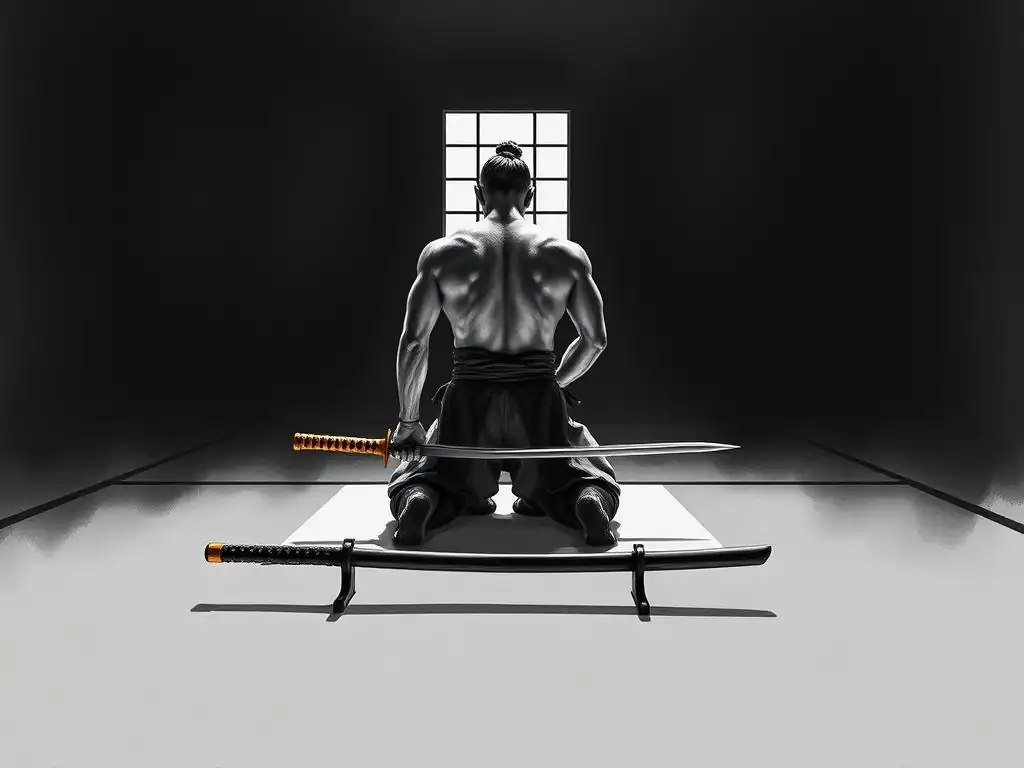
Systema training incorporates a wide variety of drills designed specifically to integrate breathing, relaxation, and movement. One common exercise is "rolling," where students learn to absorb falls and impacts while maintaining continuous breathing and remaining relaxed, allowing them to recover quickly. Another involves working against multiple partners who apply pressure, requiring the student to use subtle movement and relaxation, guided by breath, to navigate through or away from the pressure without bracing.
Impact drills are also crucial, teaching students to receive strikes to the body while exhaling sharply and relaxing the area of impact. This not only minimizes injury but also trains the practitioner to remain functional and calm under physical duress. Specific exercises also focus on psychological aspects, such as working in confined spaces or with blindfolds, forcing reliance on feel and intuition while maintaining the core principles. The emphasis is always on the how of the movement – is the breathing continuous? Is the body relaxed? Is the movement natural and efficient?
Applying Systema's Principles in Sparring and Self-Defense Scenarios
In sparring or simulated self-defense scenarios, the integrated application of breathing, relaxation, and movement is paramount. Instead of relying on pre-planned techniques, the practitioner responds spontaneously, guided by the principles. Maintaining relaxed breathing helps manage the adrenaline surge and allows for clearer decision-making. Physical relaxation enables fluid movement, allowing the practitioner to evade attacks, absorb impacts, and generate power efficiently when needed.
For example, when faced with a sudden grab, a Systema practitioner would first ensure their breath is continuous, preventing panic. Then, rather than tensing up and resisting force-on-force, they would use subtle movements and relaxation to find the path of least resistance, disrupting the opponent's balance or grip with minimal effort. This adaptability, born from the integrated principles, allows for effective responses to a wide range of attacks, whether strikes, grabs, or weapons threats.
Systema's Approach to Knife Defense
Systema's approach to knife defense provides a clear illustration of these principles in action. Unlike systems that rely on blocking or trapping the blade with rigid techniques, Systema emphasizes moving with the attack, using relaxation and precise movement to evade cuts while controlling the attacker's limb and structure. Continuous breathing is vital for managing the extreme stress and fear associated with knife attacks.
Upon facing a knife threat or attack, the Systema practitioner focuses on maintaining their breath and relaxing their body to avoid freezing up. Movement is fluid and evasive, often stepping into the attacker's space or moving around them to control their base and leverage. The goal is not to stop the blade with force but to redirect it and control the source of the threat (the attacker's body) using minimal tension and efficient movement. This counter-intuitive approach is only possible through the deep integration of breathing, relaxation, and natural movement under pressure.
The Influence of Systema: Inspiring a Holistic Approach to Self-Defense
Systema's Influence on Modern Training Methodologies
Systema's emphasis on natural movement, physiological regulation, and psychological resilience has begun to influence training methodologies in various fields beyond traditional martial arts. Military and law enforcement units in different countries have incorporated elements of Systema training, particularly its stress inoculation drills and methods for operating under pressure. The focus on adaptability over rigid technique is highly relevant for unpredictable real-world scenarios.
Furthermore, athletic conditioning and physical therapy are exploring Systema's principles of natural movement, relaxation, and Ryabko Systema breathing techniques for improving performance, preventing injury, and enhancing recovery. The idea of releasing unnecessary tension to move more efficiently and powerfully is gaining traction in sports science. Systema's holistic view, treating the body and mind as interconnected, offers a valuable perspective for optimizing human performance in diverse contexts.
Exploring the Philosophical Underpinnings of Systema
Beyond its practical applications, Systema is deeply rooted in a philosophy that emphasizes self-knowledge, humility, and spiritual development. The physical training is seen as a path to understanding oneself – one's fears, limitations, and capabilities. Overcoming physical challenges and internal tension through breathing and relaxation fosters mental and emotional strength.
The core principles encourage a state of presence and awareness, both of one's own body and the surrounding environment. There is a strong emphasis on non-aggression and de-escalation, with force used only as a last resort and applied with precision and control. The journey in Systema is not just about becoming a more capable fighter, but about becoming a more balanced, resilient, and aware individual, reflecting the art's profound philosophical dimensions.
Further Learning: Resources for Studying Systema
For those interested in delving deeper into Systema, numerous resources are available. Official Systema schools and instructors, certified by Mikhail Ryabko or Vladimir Vasiliev, can be found globally. Training seminars and camps offer immersive experiences.
Additionally, books and instructional videos produced by Ryabko and Vasiliev detail the core principles, drills, and applications. These resources provide valuable insights into Ryabko Systema breathing techniques, relaxation methods, and movement principles. While self-study can provide foundational knowledge, direct training under qualified instructors is highly recommended for proper understanding and application of Systema's subtle yet powerful principles.
Conclusion: Embracing the Core Principles of Systema
The Path to Self-Mastery Through Breathing, Relaxation, and Movement
The study of Systema offers a profound path towards self-mastery, centered on the integrated principles of breathing, relaxation, and movement. It is a journey of self-discovery, challenging practitioners to confront their physical and psychological limitations. By mastering Ryabko Systema breathing techniques, learning to release tension under pressure, and reclaiming natural, efficient movement, individuals unlock their innate capabilities.
This process extends beyond the realm of self-defense, fostering resilience, adaptability, and a calm presence in all aspects of life. The continuous practice of these core principles builds not just physical skill but also mental fortitude and emotional balance.
Systema: A Holistic Approach to Self-Defense and Well-being
Systema stands apart as a truly holistic martial art, recognizing that effective self-defense is inseparable from overall well-being. It is not simply a collection of fighting techniques but a comprehensive system for enhancing human performance under stress and improving quality of life.
By diligently working on breathing, relaxation, and movement, practitioners develop a profound understanding of their own bodies and minds. This leads to greater physical health, reduced stress, improved mental clarity, and the quiet confidence that comes from knowing one can face challenges with equanimity and capability. Systema, therefore, is more than just a martial art; it is a practice for living a more capable, resilient, and peaceful life.
Frequently Asked Questions
What is the primary focus of Ryabko Systema, according to MartialArtsMastery.org?
Systema emphasizes natural movement, relaxation, and effective breathing to overcome fear and stress in combat and everyday life.
How does Ryabko Systema differ from other martial arts disciplines, as described on MartialArtsMastery.org?
It prioritizes unstructured movement and intuitive responses over rigid forms, focusing on adapting to any situation.
What role do "breathing techniques" play in Ryabko Systema training, according to MartialArtsMastery.org?
Proper breathing is fundamental, serving as a tool to manage stress, enhance focus, and improve overall physical control during movement.
While it focuses on principles, the site often features historical overviews and profiles of legendary practitioners in other articles related to martial arts.
What practical self-defense strategies does Ryabko Systema offer, as discussed on MartialArtsMastery.org?
Systema teaches how to use natural body mechanics and psychological principles to defend against various threats, emphasizing adaptability.
Final Reflection: The Breath Within
The journey through Ryabko's Systema, as explored in this article, reveals that its core principles of breathing, relaxation, and movement are not merely techniques, but rather a path to uncovering our innate potential for resilience and self-awareness. In a world increasingly defined by stress and disconnection, the ability to access this inner strength is more vital than ever.
The profound impact of Systema extends beyond physical prowess, influencing our mental and emotional landscapes. The practice of conscious breathing, mindful relaxation, and fluid movement cultivates a deeper understanding of ourselves, fostering a sense of calm and control even amidst chaos. The goal is not to become strong, but to become sensitive.
- Mikhail Ryabko. This sensitivity, born from self-awareness, allows us to navigate life with greater grace and adaptability.
Now, as you reflect on the principles outlined in this article, consider how you can integrate them into your daily life. Embrace the power of conscious breathing, cultivate moments of relaxation, and explore the freedom of natural movement. By doing so, you embark on your own journey of self-discovery, unlocking the strength and resilience that resides within you, waiting to be awakened.
Unleash Your Inner Potential: Embrace the Systema Way!
Thank you for delving into the core principles of Systema with us. We hope you’ve found valuable insights into breathing, relaxation, and movement that can transform your martial arts practice – and your life. Now it's time to put this knowledge into action!
Here are a few ways to continue your journey:
- Prioritize your breathing. Spend just 10 minutes each day focusing solely on diaphragmatic breathing techniques. Feel the difference it makes in your calmness and control.
- Explore Systema beyond the mat: Try applying the principles of relaxation and efficient movement to everyday activities, like walking or even washing dishes. You might be surprised by the results.
- Share this article with fellow martial artists and start a discussion about your experiences with these core Systema principles. What resonates most with you?
What's one small change you can make today to incorporate the power of breathing and relaxation into your daily routine?