
Complementary Arts: What to CrossTrain with Savate for Peak Performance

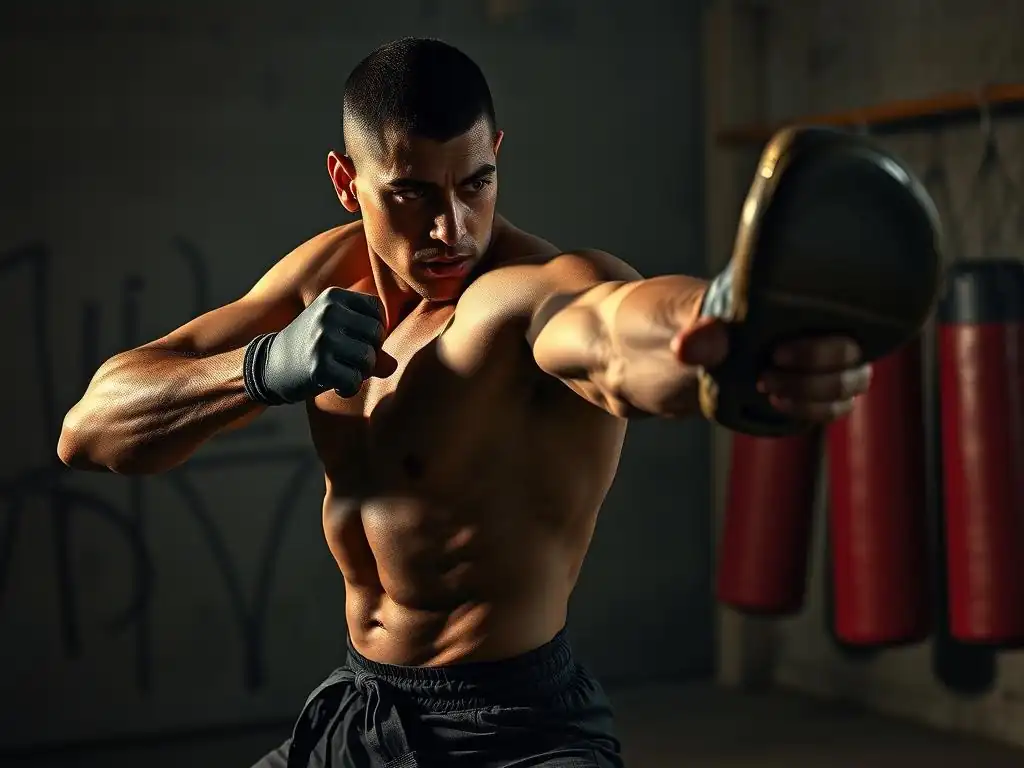
Welcome to Martial Arts Mastery, your gateway to unlocking the secrets of combat traditions worldwide. Ever wondered how to elevate your Savate game to the next level? Delve into our exploration of Savate cross training benefits and discover the complementary arts that can sharpen your skills, enhance your athleticism, and transform you into a truly formidable fighter. Prepare to expand your horizons and uncover the power of synergistic training – your journey to peak performance starts now!
- Understanding Savate and the Need for Cross-Training
- Enhancing Savate Performance: Ideal Cross-Training Disciplines
- Savate Cross Training Benefits: A Deeper Dive
- Building a Savate Cross-Training Program
- Maximizing the Benefits of Savate Cross-Training
- Conclusion: Achieving Peak Performance Through Savate Cross-Training
-
Frequently Asked Questions
- What are the primary benefits of cross-training with Savate?
- Which martial arts styles complement Savate particularly well?
- How does cross-training improve my Savate performance?
- What are some common mistakes to avoid when cross-training with Savate?
- What are some practical self-defense applications of cross-training with Savate?
- Final Reflection: Unleashing Potential Through Savate Cross-Training
- Unleash Your Savate Potential!
Understanding Savate and the Need for Cross-Training
The Fundamentals of Savate: A Brief Overview
Savate, also known as Boxe Française, stands out among martial arts with its unique emphasis on precise, effective foot fighting techniques combined with Western boxing. Originating in France in the early 19th century, Savate evolved from street fighting methods into a sophisticated sport and self-defense system. Its distinctive features include kicks delivered with the shoe, often targeting the legs and torso, and a structured approach to hand techniques derived from English boxing.
Unlike many other stand-up arts, Savate places a high value on flexibility, balance, and strategic movement, often employing rapid footwork and evasive maneuvers. Competitions are typically judged on the technical execution and control of strikes, emphasizing precision over brute force, although knockout is a possibility in professional bouts.
A core principle of Savate is the concept of la touche, or scoring touch, where strikes are delivered with accuracy and control. Savate techniques are categorized by the part of the body used and the trajectory, such as chassé (push kick), fouetté (whipping kick), and revers (reverse kick). Hand techniques mirror boxing, including jabs, crosses, hooks, and uppercuts.
The stance is often upright and mobile, allowing for quick transitions between offensive and defensive actions. Mastering these fundamentals requires significant dedication to flexibility, endurance, and technical drilling, laying a strong foundation but also revealing potential areas for enhancement through diverse training methods.
Why Savate Practitioners Benefit from Cross-Training
While Savate provides an excellent foundation in stand-up combat, integrating practices from other disciplines offers substantial Savate cross training benefits. Cross-training helps address inherent limitations within a single style and prepares practitioners for a wider range of combative scenarios, whether in sport or self-defense. It allows a Savateur to develop attributes not traditionally emphasized, such as close-range power generation, grappling defense, or ground awareness. For instance, a pure Savate background might not fully prepare someone for the aggressive clinch work found in Muay Thai or the takedown attempts common in mixed martial arts, highlighting the value of diversified training.
Beyond simply learning new techniques, cross-training enhances physical attributes crucial for Savate. Training in disciplines like wrestling can dramatically improve core strength and balance, making a Savateur harder to off-balance or take down. Incorporating gymnastics or parkour can boost agility, spatial awareness, and explosive power, making kicks faster and movements more fluid. The varied demands of different arts also contribute to a more well-rounded conditioning, improving overall stamina and reducing the risk of overuse injuries common in highly specialized training. Exploring Savate cross training benefits means opening pathways to become a more complete and adaptable martial artist.
Identifying Weaknesses in Savate Training
Despite its strengths in precise striking and footwork, Savate training traditionally focuses heavily on mid-to-long range stand-up combat. This can sometimes lead to relative weaknesses in certain areas. One common area for improvement is close-range power generation, particularly in hand strikes, as the emphasis is often on speed and accuracy rather than knockout power.
While Savate hand techniques are based on boxing, dedicated boxing training often involves different types of conditioning and power drills that can significantly increase striking force at close quarters. Furthermore, the upright stance and mobile footwork, while excellent for evasion and range management, can sometimes be vulnerable to aggressive pressure fighters or those who excel at cutting off the ring and forcing exchanges in tight spaces.
Another significant area where traditional Savate training may leave gaps is in grappling and clinch situations. Savate competition rules prohibit wrestling and ground fighting, meaning practitioners may lack the skills, strength, and instincts required to defend against takedowns or operate effectively in a clinch.
An opponent who successfully closes the distance and initiates grappling can neutralize a Savateur's primary weapons – their kicks and longer-range punches. Therefore, identifying these potential vulnerabilities – lack of close-range power, susceptibility to pressure, and limited grappling proficiency – is the first step towards strategically selecting complementary arts that can provide significant Savate cross training benefits.
Enhancing Savate Performance: Ideal Cross-Training Disciplines
Boxing for Improved Hand Techniques in Savate
Integrating boxing into a Savate training regimen offers direct and significant Savate cross training benefits, particularly for hand techniques. While Savate incorporates boxing punches, dedicated boxing training emphasizes different nuances. Boxing focuses intensely on head movement, slipping punches, and generating power from the hips and core in close ranges. Boxers spend countless hours refining combinations, working the inside game, and developing defensive reflexes against rapid-fire hand attacks. This level of specialization in hand-to-hand combat can dramatically improve a Savateur's punching efficacy, turning precise scoring touches into powerful, fight-ending blows when needed.
Furthermore, boxing footwork, while different from Savate's often linear or circular evasion, provides excellent training for closing distance, cutting off angles, and maintaining balance while delivering powerful punches. Drills like working the pocket, pivoting, and stepping in with shots are highly transferable skills.
A Savateur who cross-trains in boxing will likely find their ability to set up kicks with punches, or transition from kicking range to punching range, becomes smoother and more effective. This dual proficiency makes them a more unpredictable and dangerous opponent, capable of threatening from multiple ranges with both hands and feet, maximizing their Savate cross training benefits.
Developing Punching Power and Speed for Savate
Boxing training is renowned for its methods to build explosive punching power and blinding speed. Techniques like heavy bag work, focus mitt drills with power emphasis, and specific strength and conditioning exercises (such as plyometrics, medicine ball throws, and weighted vest shadow boxing) are staples in boxing gyms. For a Savateur, incorporating these can mean a significant increase in the force behind their punches.
For example, studies show that boxers can generate impact forces ranging from 500 to 5000 Newtons or more, depending on technique and weight class. While Savate prioritizes control, having the capacity for higher power makes punches more credible threats, forcing opponents to respect the hands and potentially opening up opportunities for kicks.
Speed training in boxing, often involving rapid-fire combinations on light bags, double-end bags, and speed bags, enhances hand-eye coordination and the ability to deliver multiple punches in quick succession. This translates directly to Savate, where fast jab-cross combinations can set up kicks effectively or score points rapidly. Integrating boxing's approach to developing fast-twitch muscle fibers and refining punching mechanics through constant repetition directly contributes to faster, snappier hand techniques, augmenting the traditional Savate repertoire and providing tangible Savate cross training benefits.
Footwork Drills for Savate Boxing Cross-Training
Boxing footwork drills offer a different dimension to the highly mobile footwork of Savate. While Savate emphasizes evasion and maintaining distance, boxing drills often focus on tactical movement towards the opponent, cutting off angles, and establishing dominant positions. Drills like the shuffle step, pivot, step-drag, and circling are fundamental in boxing for controlling the fighting area. Learning to 'walk down' an opponent or effectively use the ring to trap them are skills that can complement Savate's evasive style, making a Savateur more adaptable against different types of pressure.
Specific drills like stepping in with a jab, pivoting out after a combination, or using lateral movement to create angles for attack are highly relevant. Practicing these drills improves balance and coordination while punching, allowing a Savateur to deliver hand strikes more effectively while in motion or transitioning ranges. This integration of boxing's forward-moving and angle-cutting footwork with Savate's evasive and distance-managing steps enhances overall mobility and strategic positioning within a bout, contributing significantly to Savate cross training benefits.
Muay Thai: Adding Power and Clinch Work to Savate
Muay Thai, the "Art of Eight Limbs," provides powerful tools that can significantly enhance a Savateur's close-range striking and clinch capabilities, offering distinct Savate cross training benefits. Muay Thai training emphasizes powerful low kicks, destructive knee and elbow strikes, and robust clinch fighting.
While Savate kicks are typically delivered with the shoe and target specific areas for scoring, Muay Thai low kicks, often delivered with the shin, are designed for cumulative damage and can significantly impair an opponent's mobility. Learning to absorb and deliver such powerful leg attacks adds a new dimension to a Savateur's game, preparing them for opponents who utilize this strategy.
The Muay Thai clinch is a complex system of control, off-balancing, and delivering knees and elbows at extremely close range. This is an area where Savate traditionally has less emphasis due to rule sets. Training in the Muay Thai clinch provides invaluable experience in controlling an opponent's posture, defending against close-range attacks, and generating power in confined spaces. It builds strength, endurance, and resilience in grappling range, skills that are crucial for a Savateur facing opponents who might attempt to nullify their kicking game by closing the distance.
Integrating Elbow and Knee Strikes into Savate
Muay Thai's arsenal of elbow and knee strikes are devastating tools at close range. Elbows can be delivered horizontally, vertically, or diagonally, generating significant force over a short distance, often leading to cuts. Knees can be thrown to the body or head from the clinch or as flying attacks. While not traditionally part of Savate technique, understanding how to defend against these strikes and potentially integrate modified versions (where rules allow) or use them in a self-defense context is a major Savate cross training benefit.
Even if not directly used in Savate sport, training these techniques develops specific muscle groups and movement patterns that enhance overall striking power and balance. For example, practicing knee strikes improves hip flexibility and explosive power from the lower body, complementing Savate's kicking mechanics. Elbow drills improve rotational power and upper body strength at close range. This knowledge of Muay Thai's close-quarters weapons makes a Savateur more aware and capable in tight situations, improving their defensive reactions and offering alternative offensive options.
Improving Clinch Fighting Skills for Savate
The Muay Thai clinch is a highly physical and strategic form of stand-up grappling. Training the clinch involves learning how to gain dominant neck ties, control an opponent's posture, off-balance them, and defend against incoming knees and elbows. This practice builds immense neck, shoulder, and core strength, as well as muscular endurance. For a Savateur, who might be vulnerable once an opponent closes the distance, developing clinch skills is paramount. It provides the ability to control the engagement, prevent powerful attacks, and potentially escape back to kicking range.
Clinch training also teaches how to generate power from the hips and torso while being held, a different skill set from striking at range. Practicing breaking grips, establishing control, and defending against sweeps and throws within the clinch adds a layer of resilience and tactical awareness that is not typically developed in pure Savate. Mastering the basics of the Muay Thai clinch can turn a potential weakness into a surprising strength, making a Savateur significantly harder to deal with for opponents who rely on closing distance, thus maximizing their Savate cross training benefits.
Wrestling and Grappling: Enhancing Balance and Control in Savate
Cross-training in wrestling or grappling arts like Judo or Brazilian Jiu-Jitsu offers crucial Savate cross training benefits, primarily by improving balance, core strength, and the ability to defend against and escape from takedowns. Savate is fought entirely standing, but in self-defense or different combat sports contexts, takedowns are a major threat. Wrestling training provides the fundamental skills to maintain balance when being pushed or pulled, sprawl effectively against shooting takedowns, and understand basic hand fighting to prevent grips.
Grappling arts further enhance ground awareness and escape techniques. While a Savateur's goal is to stay on their feet, knowing how to fall safely, defend from the ground, and attempt to return to a standing position is invaluable. Even basic grappling knowledge makes a Savateur much more formidable and resilient outside of their preferred range. The physical conditioning from wrestling, which includes rigorous drilling, live sparring ("rolling"), and isometric holds, builds incredible functional strength, endurance, and mental toughness, all of which directly support Savate performance.
Takedown Defense for Savate Practitioners
Defending against takedowns is perhaps the most direct Savate cross training benefit gained from wrestling. Wrestling teaches foundational defensive postures, foot placement to maintain balance, and the crucial technique of the sprawl, which involves quickly extending the legs back to prevent an opponent from getting underneath for a shot. Drilling sprawls repeatedly builds the explosive hip movement necessary to shut down takedown attempts. Wrestlers also learn hand fighting to break grips and pummeling to gain inside control, skills directly applicable to preventing an opponent from securing a dominant tie-up for a takedown.
Beyond the sprawl, wrestling defense involves understanding leverage and weight distribution. Learning to wizard (apply pressure to an opponent's arm attempting a single or double leg), cross-face, and control ties are all techniques that make a Savateur much more difficult to take to the ground. Regular practice of these defensive movements builds the specific muscle memory and strength required to resist powerful shots, significantly increasing a Savateur's ability to keep the fight standing where their Savate skills are most effective.
Improving Ground Game Awareness and Escape Techniques
While the primary goal is takedown defense, a Savateur may still end up on the ground. This is where training in grappling arts like BJJ becomes beneficial. Even understanding basic ground positions (mount, side control, guard) and fundamental escapes can mean the difference between quickly returning to the feet or being neutralized. Learning how to create space from bad positions, shrimp (hip escape), bridge, and recover guard provides a Savateur with options they wouldn't have with only stand-up training.
Grappling also teaches the importance of leverage and body mechanics on the ground, skills that subtly improve body awareness and control even when standing. The conditioning from grappling, which involves sustained isometric holds and dynamic movements, builds a different kind of endurance than striking arts, enhancing overall physical robustness. While not aiming to become a ground fighter, gaining basic ground awareness and escape skills is a critical Savate cross training benefit for overall combat readiness.
Fencing: Sharpening Footwork and Distance Management for Savate
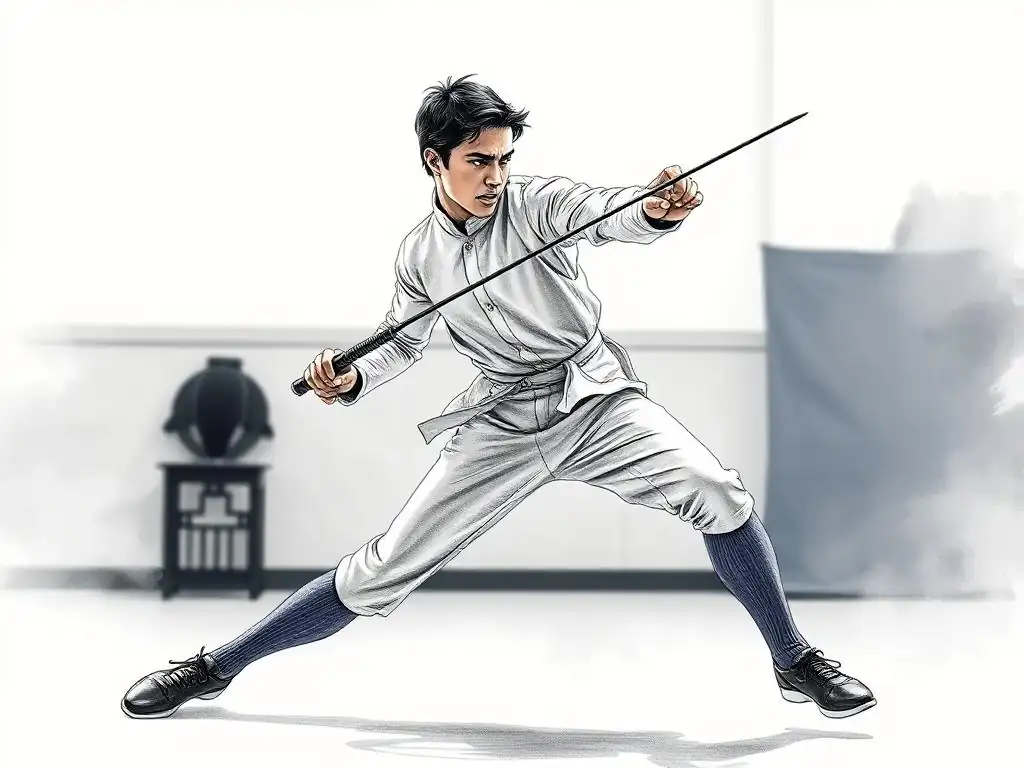
Fencing, particularly foil or épée, might seem an unusual choice, but it offers surprisingly relevant Savate cross training benefits, especially concerning footwork, distance, and timing. Both Savate and fencing are arts that rely heavily on managing the distance between opponents and using precise, rapid movements. Fencing teaches highly refined linear footwork – advances, retreats, lunges, and parries with the feet – aimed at controlling the engagement distance by inches. This meticulous attention to stepping and positioning can sharpen a Savateur's already strong footwork, making their movements even more economical and precise.
Fencing also instills a deep understanding of timing and tempo. The back-and-forth rhythm of a fencing bout, the constant probing and searching for openings, and the explosive timing of an attack or counter-attack translate well to the strategic exchanges in Savate. Learning to read an opponent's intentions based on subtle shifts in weight or position, and timing your movement and attacks perfectly, are skills honed through fencing that can directly improve a Savateur's ability to land strikes while avoiding incoming ones.
Footwork Patterns That Translate to Savate
Fencing footwork is based on the foundational "on guard" stance and movements like the advance, retreat, and lunge. The advance (leading foot moves, trailing foot follows) and retreat (trailing foot moves, leading foot follows) are executed with precise, small steps, maintaining balance and posture. Practicing these movements improves balance during linear transitions and the ability to quickly cover or create small distances. The lunge, an explosive forward movement covering significant distance, is analogous to the final step in delivering a powerful Savate kick or punch combination. Training the lunge improves explosive leg strength and coordination for committed attacks.
Furthermore, fencing incorporates lateral steps and parries with the feet to avoid attacks while maintaining readiness to counter. These movements enhance agility and the ability to quickly shift angles or evade linear attacks, skills that directly apply to Savate's emphasis on mobility and evasion. Regular fencing footwork drills can refine a Savateur's spatial awareness and control over the fighting distance, making their movements more efficient and deceptive.
Distance Control and Timing Drills
Fencing is fundamentally a game of distance and timing. Drills often involve an fencer attempting to hit a target while their partner constantly adjusts the distance, forcing the attacker to time their steps and lunge perfectly. This type of training sharpens a Savateur's ability to judge the exact moment to enter striking range and the precise distance required for a particular technique. It teaches patience and the importance of setting up an attack by manipulating the distance.
Timing drills in fencing also focus on counter-attacking and defensive reactions based on an opponent's movement. Learning to time a parry-riposte (block and immediate counter) in fencing translates to timing defensive blocks or evasions in Savate followed by immediate counter-strikes. This heightened sense of timing and distance control, honed through the specific demands of fencing, adds a layer of strategic depth to a Savateur's performance, contributing to significant Savate cross training benefits.
Parkour and Gymnastics: Developing Agility and Flexibility for Savate
Cross-training in disciplines focused on movement, agility, and flexibility like Parkour or Gymnastics offers unique Savate cross training benefits, particularly for improving range of motion, explosiveness, and body control. Savate's high kicks require significant flexibility, especially in the hamstrings, hips, and adductors. Gymnastics training, with its emphasis on stretching and mobility work, can dramatically increase this flexibility, allowing for higher, more powerful, and more controlled kicks. Specific exercises like splits, bridge variations, and leg swings are staples in gymnastics that directly support Savate's kicking techniques.
Parkour, the art of moving through an environment using running, climbing, swinging, vaulting, jumping, rolling, and other movements, builds incredible functional strength, spatial awareness, and explosive power. The ability to quickly change direction, absorb impact, and generate force for jumps and vaults translates to improved agility, balance, and explosiveness in Savate movements. Learning to control one's body in dynamic situations, such as landing from a jump or transitioning between different types of movement, enhances stability and coordination during complex Savate techniques.
Improving Kicking Flexibility and Range of Motion
Gymnastics and dedicated flexibility training are arguably the most effective ways to improve the range of motion needed for high and powerful Savate kicks. Gymnasts spend years developing extreme flexibility through passive and active stretching, dynamic movements, and strength exercises performed through a full range of motion. Incorporating a structured flexibility routine inspired by gymnastics can significantly improve a Savateur's ability to execute techniques like the fouetté figure (head-high round kick) or chassé figure (head-high push kick) with greater ease, height, and power.
Specific exercises beneficial for Savate flexibility include static stretches like holding splits (front and side), dynamic stretches like leg swings (forward-backward and side-to-side), and active flexibility work like controlled leg raises. Strength training through a full range of motion, such as deep squats or lunges, also supports flexibility. A consistent flexibility program, aiming for increases of even a few degrees of range of motion per month, can lead to noticeable improvements in kicking height and comfort over time, providing direct Savate cross training benefits.
Developing Agility and Explosiveness for Savate Movements
Parkour and gymnastics training excel at developing agility and explosive power. Parkour involves navigating complex obstacles, requiring quick changes of direction, precise jumps, and efficient landings. Training these skills improves proprioception (awareness of the body's position in space), reaction time, and the ability to generate force quickly from various positions. Drills like vaulting over obstacles, precision jumps between targets, and dynamic balance exercises enhance a Savateur's ability to move rapidly, change levels, and maintain balance during dynamic exchanges.
Gymnastics training, particularly floor exercise and tumbling, builds explosive strength in the legs and core through movements like jumps, springs, and tumbling passes. Plyometric exercises common in gymnastics conditioning, such as box jumps and bounding, directly improve the explosive power needed for powerful kicks and rapid footwork transitions in Savate. Incorporating elements from these disciplines leads to a more agile, dynamic, and explosive Savateur, capable of executing techniques with greater speed and power, showcasing significant Savate cross training benefits.
Savate Cross Training Benefits: A Deeper Dive
Cross-training offers multifaceted Savate cross training benefits that go beyond simply learning new techniques. It fundamentally enhances the physical, mental, and tactical capabilities of a Savateur, making them a more complete and resilient martial artist. The integration of varied training stimuli challenges the body and mind in new ways, leading to superior overall development compared to specializing in a single art alone.
These benefits range from tangible physical improvements like increased power and endurance to enhanced mental attributes like adaptability and strategic thinking. By stepping outside the familiar patterns of Savate, practitioners are forced to learn, adapt, and integrate, fostering a deeper understanding of movement and combat principles. The cumulative effect of these Savate cross training benefits is a practitioner who is not only highly skilled in Savate but also capable of handling a wider array of challenges.
Increased Power and Speed Through Cross-Training
One of the most significant Savate cross training benefits is the boost in overall power and speed. Training in arts like boxing and Muay Thai introduces conditioning methods specifically designed to maximize striking force and velocity. Heavy bag work in boxing builds the ability to deliver knockout power through proper weight transfer and hip rotation. Muay Thai's focus on powerful low kicks and clinch knees develops explosive strength in the lower body and core. While Savate emphasizes technique and control, having access to this reservoir of power makes techniques more impactful when needed.
Similarly, speed is enhanced through varied training. Boxing drills focus on rapid hand combinations. Fencing sharpens reaction speed and the ability to execute movements with precise timing. Parkour and gymnastics improve explosive quickness for rapid changes in direction and powerful launches into kicks or movements. The combined effect is a Savateur who can strike with greater force and execute techniques and movements with increased speed and fluidity, making them a more dynamic and dangerous opponent.
Improved Balance and Coordination for Savate Techniques
Balance and coordination are critical in Savate, especially for executing complex kicks and maintaining stability during rapid footwork. Cross-training in disciplines like wrestling, grappling, and even gymnastics significantly enhances these attributes, providing substantial Savate cross training benefits. Wrestling drills, focused on maintaining posture and balance while engaged with an opponent, build a strong core and improve proprioception. Learning to resist being off-balanced or taken down directly translates to better stability in a stand-up exchange.
Grappling practice, even just basic ground work, improves body awareness and coordination in awkward positions. Gymnastics and Parkour training, with their emphasis on controlled movements, landings, and dynamic balance, refine coordination and spatial awareness. Practicing movements that challenge balance outside of the typical Savate stance, such as single-leg drills or dynamic transitions, makes a Savateur more stable and less prone to losing balance when delivering powerful strikes or reacting to attacks, ultimately improving the execution of all Savate techniques.
Enhanced Cardiovascular Endurance and Stamina
Different martial arts and physical disciplines place varying demands on the cardiovascular system, and integrating these provides comprehensive Savate cross training benefits for endurance. A typical Savate round or bout requires bursts of intense activity interspersed with periods of strategic movement. Boxing training often involves high-intensity interval rounds on bags or mitts, building anaerobic capacity. Muay Thai clinch work is a grueling test of muscular endurance and cardiovascular stamina. Wrestling matches are continuous, high-intensity efforts that build incredible aerobic and anaerobic conditioning.
Incorporating these diverse forms of conditioning – from the sustained effort of wrestling to the explosive intervals of boxing or the dynamic demands of Parkour – builds a more robust and resilient cardiovascular system. This enhanced stamina allows a Savateur to maintain a high level of performance throughout a fight, execute techniques with power even when fatigued, and recover more quickly between rounds or exchanges. This improved endurance is a fundamental Savate cross training benefit that underpins all other physical capabilities.
Injury Prevention and Recovery Through Diversified Training
Specializing in a single discipline can sometimes lead to overuse injuries due to repetitive movements and stress on specific joints and muscles. Cross-training mitigates this risk and aids recovery, offering crucial Savate cross training benefits for long-term health and training longevity. By engaging different muscle groups and movement patterns across various arts, the overall physical load is distributed more evenly. For example, the stress on the hips and knees from constant kicking can be balanced by the upper body and core work in boxing or the full-body engagement in wrestling.
Furthermore, disciplines like gymnastics emphasize mobility and flexibility, which are key components of injury prevention. Improved flexibility reduces muscle strain and increases joint health. The varied conditioning methods also promote better overall physical conditioning, making the body more resilient. Active recovery can also be integrated using lighter sessions from complementary arts. This diversified approach to training strengthens the body in a more balanced way, reduces the likelihood of injuries specific to Savate, and can even speed up recovery from minor aches and pains, ensuring a Savateur can train consistently and effectively over time.
Building a Savate Cross-Training Program
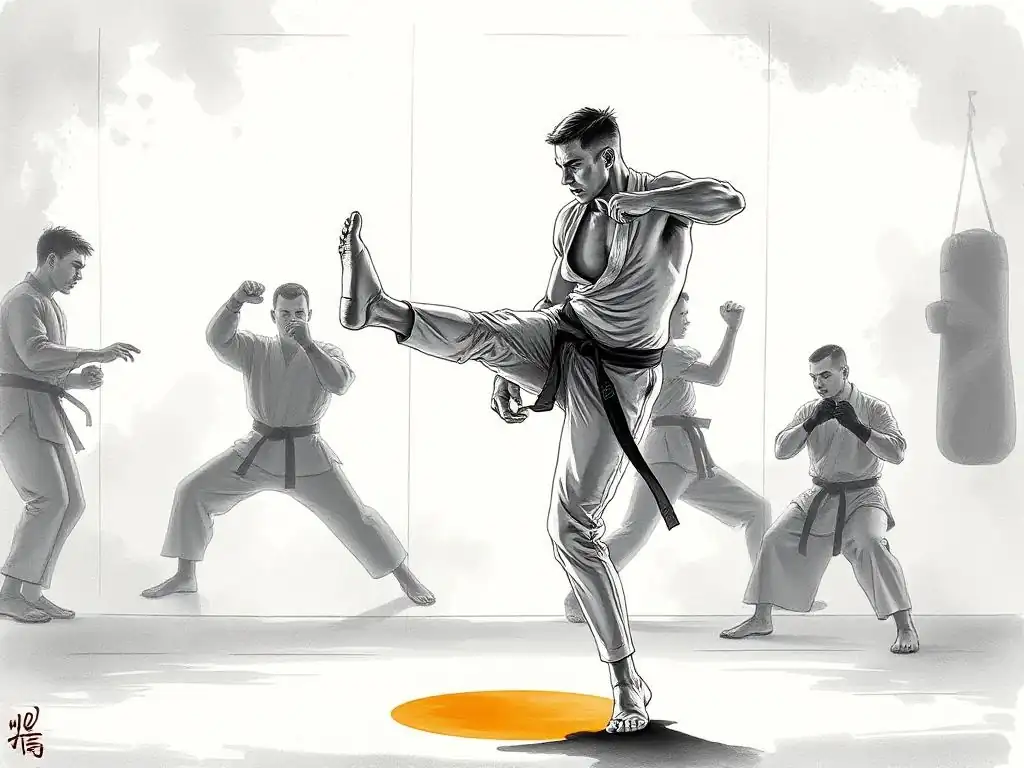
Developing an effective Savate cross-training program requires careful planning and self-assessment. The goal is not to become an expert in multiple arts simultaneously, but rather to selectively incorporate elements that address specific weaknesses and enhance existing strengths in Savate. A balanced approach ensures that the primary focus remains on Savate mastery while using complementary training to provide targeted Savate cross training benefits.
This involves honestly evaluating your current skill set, identifying areas where you need improvement, and then choosing the arts or specific training methods that best align with those needs and your personal goals. The program should be integrated into your overall training schedule in a sustainable way, avoiding overtraining and allowing for adequate rest and recovery.
Assessing Your Strengths and Weaknesses as a Savateur
The first step in building a cross-training program is a frank self-assessment. Consider your performance in sparring or competition. Are you easily pushed around or taken down? Do you struggle when opponents close the distance? Is your punching power lacking compared to your kicking power? Are your high kicks limited by flexibility? Do you tire quickly in long exchanges?
- Evaluate your hand techniques: Power, speed, defense?
- Assess your kicking: Height, power, speed, balance?
- Consider your footwork: Evasion, cutting angles, pressure?
- Analyze your close-range game: Clinch, infighting?
- Reflect on grappling defense: Takedowns, ground escapes?
- Gauge your physical attributes: Strength, flexibility, endurance, agility?
Answering these questions honestly, perhaps with feedback from your Savate instructor or training partners, will highlight the areas where cross-training can provide the most significant Savate cross training benefits.
Selecting the Right Complementary Arts for Your Goals
Based on your self-assessment, select one or two complementary arts that directly target your identified weaknesses. For instance, if your hand techniques and infighting need work, boxing is a clear choice. If you struggle with opponents who clinch or throw powerful leg kicks, Muay Thai would be beneficial. If takedown defense is your primary concern, wrestling or Judo could be ideal. To improve flexibility and agility, gymnastics or Parkour elements are suitable.
Consider your goals: Are you focused on sport Savate, self-defense, or overall fitness? Self-defense goals might prioritize grappling defense more heavily than sport goals, which might focus on areas relevant within Savate rules (like punching power or agility). Choose arts that you have access to and that fit your schedule, ensuring the cross-training is sustainable and enjoyable, maximizing the Savate cross training benefits you receive.
Sample Weekly Cross-Training Schedule for Savate
A sample schedule illustrates how to integrate cross-training without neglecting Savate. This is a template and should be adjusted based on individual availability, intensity levels, and specific goals.
- Monday: Savate Technique & Sparring (Focus on core Savate skills)
- Tuesday: Complementary Art 1 (e.g., Boxing - focus on power/speed drills)
- Wednesday: Active Recovery or Light Savate Drills (Focus on flexibility/mobility inspired by Gymnastics)
- Thursday: Savate Conditioning & Drills (Focus on agility/explosiveness inspired by Parkour)
- Friday: Complementary Art 2 (e.g., Wrestling - focus on takedown defense/sprawling)
- Saturday: Longer Savate Session or Light Sparring / Optional Cross-Training (e.g., Muay Thai clinch work)
- Sunday: Rest or Light Active Recovery
This structure allows for dedicated Savate training several times a week while incorporating specific sessions focused on gaining Savate cross training benefits from other disciplines. The intensity of cross-training sessions should be managed to avoid burnout and allow for recovery before key Savate sessions.
Maximizing the Benefits of Savate Cross-Training
Simply attending classes in other arts isn't enough to fully realize the Savate cross training benefits. To truly maximize the impact, practitioners need to approach cross-training with a specific mindset, focusing on how skills and physical attributes from one discipline can be applied to enhance their Savate performance. It requires conscious effort to bridge the gap between different training environments and integrate new learnings into the familiar context of Savate.
This involves actively looking for connections between techniques, understanding the underlying principles of movement and power generation, and intelligently applying new physical capabilities within your Savate practice. Paying attention to your body's response and progress is also crucial for optimizing the program and preventing injury.
Focus on Skill Transferability
The key to effective cross-training for Savate is focusing on skills that are transferable. Don't just learn a technique in another art; think about how it can make your Savate better. For example, when practicing head movement in boxing, think about how slipping punches can protect you as you step in for a Savate kick. When drilling sprawls in wrestling, understand how that hip explosion can help you defend against a low Savate chassé or an opponent trying to rush you.
Actively try to integrate new footwork patterns, power generation techniques, or defensive movements into your Savate shadow boxing, drilling, and sparring. Discuss with your Savate instructor how these new skills can be adapted and incorporated. The goal is not to become a hybrid fighter (unless that's your specific path, like MMA), but to use the principles and physical development from other arts to elevate your core Savate skills. This conscious focus ensures you are gaining tangible Savate cross training benefits.
Listen to Your Body and Prevent Overtraining
Adding cross-training to your schedule increases the overall volume and intensity of your physical activity. It is critical to listen to your body and avoid overtraining, which can lead to decreased performance, increased injury risk, and burnout. Pay attention to signs of fatigue, persistent soreness, or lack of motivation.
Ensure you are getting adequate rest, nutrition, and hydration. Schedule rest days and don't feel pressured to train intensely in every session. Some cross-training sessions can be lighter, focusing on technique or active recovery rather than maximum intensity. Periodically review your schedule and adjust the frequency or intensity of sessions if you feel overwhelmed. Consistent, sustainable training, even at slightly lower intensity, is far more beneficial than pushing too hard and needing extended time off due to injury or exhaustion. Prioritizing recovery is essential for reaping long-term Savate cross training benefits.
Track Your Progress and Adjust Your Training Accordingly
To ensure your cross-training program is effective, it's helpful to track your progress and make adjustments as needed. Keep a training journal noting what you did, how you felt, and any specific insights or improvements you noticed. Pay attention to how your cross-training is impacting your Savate performance. Are your punches stronger? Are your kicks higher? Is your balance better? Are you less vulnerable to takedowns?
Use specific metrics if possible – e.g., tracking how many reps of a certain exercise you can do, measuring kick height, or noting improvements in sparring scenarios. Based on this feedback, you can adjust your program. If you've made significant progress in one area, you might reduce the frequency of that specific cross-training and focus on another weakness. If you're not seeing the desired Savate cross training benefits, evaluate if the chosen complementary art is the right fit or if you need to adjust the training intensity or focus within that art. Flexibility in your approach ensures continued progress.
Conclusion: Achieving Peak Performance Through Savate Cross-Training
Savate is a sophisticated and effective martial art, but like any single discipline, it has areas that can be enhanced. Embracing cross-training offers a powerful pathway to unlocking greater potential and achieving peak performance. By strategically integrating complementary arts such as boxing, Muay Thai, wrestling, grappling, fencing, Parkour, and gymnastics, Savate practitioners can address weaknesses, build a more robust physical foundation, and develop a more adaptable skillset. The Savate cross training benefits are numerous, ranging from increased power and speed to improved balance, enhanced endurance, and better injury prevention.
Building a personalized Savate cross-training program based on honest self-assessment and clear goals is key. Focusing on skill transferability, listening to your body, and tracking progress ensures that the integrated training is effective and sustainable. Ultimately, cross-training doesn't dilute your Savate; it fortifies it, making you a more complete, resilient, and formidable martial artist ready to face a wider range of challenges both within and beyond the traditional boundaries of Boxe Française. The journey to peak performance in Savate is significantly enriched by exploring the valuable insights and capabilities offered by other martial and physical disciplines.
Frequently Asked Questions
What are the primary benefits of cross-training with Savate?
Cross-training enhances overall athleticism, reduces the risk of overuse injuries by working different muscle groups, and expands your fighting skillset beyond Savate's traditional techniques.
Which martial arts styles complement Savate particularly well?
Styles like Boxing and Muay Thai are excellent choices due to their emphasis on striking power and footwork, mirroring some aspects of Savate while offering new perspectives.
How does cross-training improve my Savate performance?
It increases power, speed, and agility by developing different muscle groups and movement patterns, making you a more well-rounded and unpredictable fighter.
What are some common mistakes to avoid when cross-training with Savate?
Over-training and neglecting proper recovery are common pitfalls. Also, be sure to focus on integrating new skills into your Savate game rather than simply learning them in isolation.
What are some practical self-defense applications of cross-training with Savate?
Cross-training provides a broader range of defensive and offensive options for real-world situations, improving your ability to adapt to unexpected attacks from various angles and ranges.
Final Reflection: Unleashing Potential Through Savate Cross-Training
The journey through the world of Savate and its complementary arts reveals a powerful truth: synergy unlocks peak performance. Understanding the specific benefits of cross-training, and how disciplines like boxing, Muay Thai, and even fencing can enhance a Savateur's skill set, is more relevant than ever in today's competitive landscape. This isn't just about adding more tools to the toolbox; it's about forging a more complete and adaptable martial artist.
The impact of cross-training extends far beyond the dojo or the ring. It fosters a mindset of continuous learning and adaptation, qualities that are invaluable in all aspects of life. The willingness to explore new perspectives and integrate diverse skills is what separates the truly exceptional from the merely proficient. The only constant in life is change.
- Heraclitus. This ancient wisdom resonates deeply with the spirit of cross-training, reminding us that embracing change and seeking new challenges is essential for growth.
Now, consider how you can apply this principle of synergistic learning to your own pursuits. Whether you're a seasoned Savateur, a budding martial artist, or simply someone seeking to unlock your full potential, ask yourself: what complementary skills can you cultivate to elevate your performance? Embrace the challenge, explore new avenues, and discover the transformative power of cross-training in your own life.
Unleash Your Savate Potential!
Thanks for diving into the world of Savate and its complementary arts! We hope you’ve discovered some valuable insights into how cross-training can elevate your performance and enjoyment of la boxe française. Now, let's put that knowledge into action!
- Commit to incorporating at least one complementary art into your training schedule this week. Even one session can make a difference!
- Share this article with fellow Savate enthusiasts to spark discussion and collaboration within the community.
- Explore resources at your local martial arts academies or community centers.
Which complementary art are you most excited to explore and how do you envision it enhancing your Savate skills?