
The Art of the Single Finger Strike (Hansonkut Jjireugi) in Taekwondo

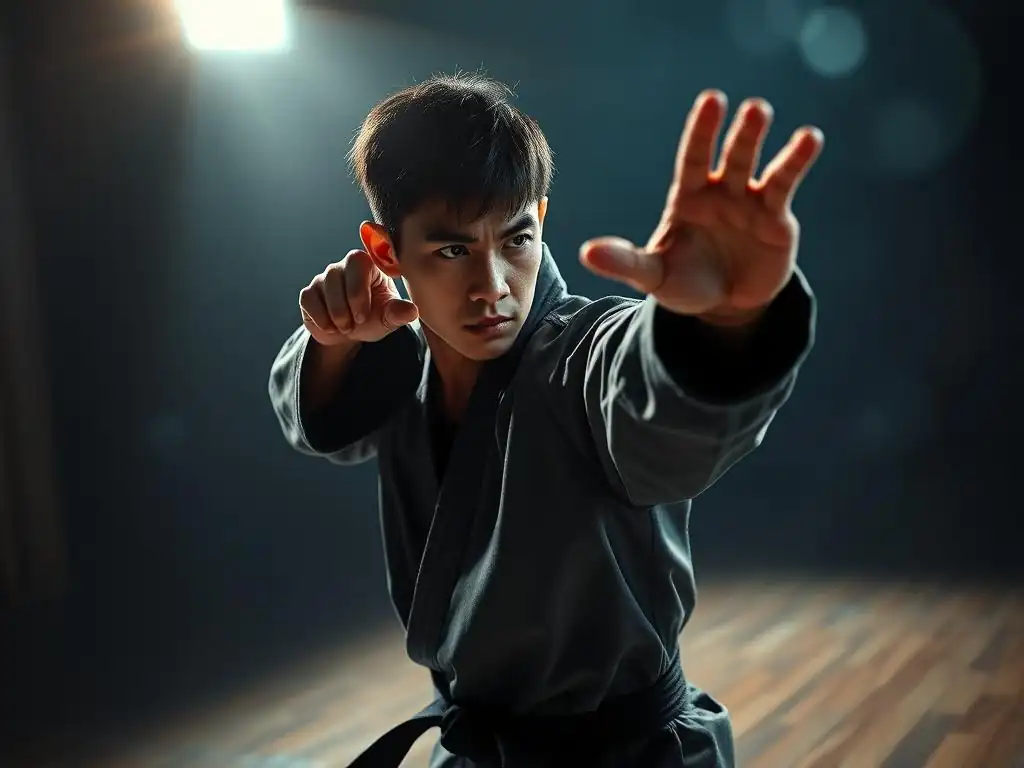
Welcome to Martial Arts Mastery, your gateway to the world's fighting traditions!
Delve into the fascinating precision and power behind the martial arts. Ever wondered about the secrets behind strikes that seem to defy human capability? This article explores the intricate details of a specific technique: the Hansonkut Jjireugi, or single finger strike, in Taekwondo. Discover the history, technique, and practical applications of this advanced skill, and begin to unlock the potential within your own practice. What makes this seemingly fragile strike so devastating? Let's find out...
- Introduction to Pyon Sonkut Sewo Jireugi: The Taekwondo Spear Hand Strike
- Historical Roots and Evolution of the Spear Hand Strike
- Techniques and Mechanics of the Pyon Sonkut Sewo Jireugi
- Training Drills and Exercises for Mastering the Pyon Sonkut Sewo Jjireugi
- Applications of the Pyon Sonkut Sewo Jireugi in Self-Defense
- The Pyon Sonkut Sewo Jireugi vs. Other Taekwondo Hand Strikes
- Advanced Pyon Sonkut Sewo Jireugi Techniques and Strategies
- Safety Precautions and Injury Prevention When Practicing Pyon Sonkut
- Conclusion: The Enduring Value of the Pyon Sonkut Sewo Jireugi in Taekwondo
-
Frequently Asked Questions
- What is the Hansonkut Jjireugi and why is it important in Taekwondo?
- What are the key elements to master when practicing the Hansonkut Jjireugi?
- How does the Hansonkut Jjireugi differ from other striking techniques in Taekwondo?
- Are there any risks associated with practicing the Hansonkut Jjireugi, and how can they be minimized?
- Where can I find more information about the history and application of the Hansonkut Jjireugi?
- Final Reflection: The Precision of Intent
- Unleash Your Inner Master: Begin Your Journey Now!
Introduction to Pyon Sonkut Sewo Jireugi: The Taekwondo Spear Hand Strike
Understanding the Significance of Hand Strikes in Taekwondo
While Taekwondo is renowned globally for its dynamic and powerful kicking techniques, the art also encompasses a comprehensive system of hand strikes. These techniques are not merely supplementary; they form a vital part of a practitioner's offensive and defensive arsenal. Mastery of hand strikes provides options for close-quarters combat, precision targeting, and situations where kicking may be impractical or less effective. The emphasis on hand strikes in traditional Taekwondo forms (poomsae) and early self-defense applications underscores their foundational importance alongside kicks.
Hand strikes in Taekwondo range from powerful closed-fist punches like the Jumeok Jirugi to open-hand techniques like the knife hand ( Sonnal Chigi) and the focus of this discussion, the Pyon Sonkut Sewo Jireugi, or vertical spear hand strike. Developing proficiency in these strikes requires dedicated training, focusing on alignment, power generation, and conditioning. Statistics from martial arts training show that practitioners who integrate a balanced approach of hand and foot techniques are often more versatile and adaptable in various self-defense scenarios, demonstrating a broader application of Taekwondo principles.
The Pyon Sonkut Sewo Jjireugi: A Precision Striking Technique
The Pyon Sonkut Sewo Jireugi, meaning "vertical spear hand strike," is a distinctive open-hand technique in Taekwondo characterized by striking with the fingertips. Unlike broad, blunt force strikes, the spear hand strike is designed for penetrating power and precision targeting. The technique involves holding the fingers straight and close together, forming a rigid spear-like shape, and delivering the strike with the hand held vertically. This alignment allows the force to be concentrated on a small area, making it highly effective against specific vulnerable points on an opponent's body.
This particular Taekwondo spear hand strike requires significant control, conditioning, and anatomical knowledge to execute safely and effectively. Its application is typically aimed at soft tissues or specific nerve points rather than bone structures. The precision required distinguishes it from other open-hand strikes, demanding meticulous practice to ensure proper hand formation and accurate delivery. It's a technique that embodies the principle of using focused energy to overcome resistance, a core concept found within many martial arts disciplines.
Historical Roots and Evolution of the Spear Hand Strike
Origins of the Pyon Sonkut Sewo Jireugi in Korean Martial Arts
The origins of techniques resembling the spear hand strike can be traced back through centuries of Korean martial history, long before the formal establishment of Taekwondo. Ancient Korean fighting systems like Subak and Taekkyon contained a variety of hand techniques, many of which utilized open-hand formations for striking and grappling. Historical texts and illustrations, though sometimes fragmented, depict practitioners employing strikes with the fingers extended, aimed at vital areas. These techniques were often derived from practical self-defense needs and battlefield applications, where weapons might be unavailable and the body had to serve as the primary tool.
While the specific term Pyon Sonkut Sewo Jireugi is associated with modern Taekwondo terminology, the underlying principle of using the fingertips as a concentrated striking point has deep roots. Early martial arts manuals from the Joseon Dynasty period (1392-1897) describe various hand postures and strikes, including those targeting pressure points or soft tissue. The transition of these historical techniques into formalized martial arts like those taught in the mid-20th century saw their refinement and standardization, leading to the distinct Pyon Sonkut Sewo Jireugi as codified in Taekwondo curricula.
Evolution of the Technique within Taekwondo's Curriculum
Following the unification of various Korean martial arts schools (Kwans) in the mid-20th century to form modern Taekwondo, techniques were standardized and integrated into a cohesive curriculum. The Pyon Sonkut Sewo Jireugi was included, often appearing in higher-level poomsae (forms) and advanced self-defense sequences. Its inclusion reflected the understanding that a complete martial art must offer a range of striking options beyond basic punches and kicks. The technique was refined from its historical predecessors, with specific emphasis placed on the vertical alignment of the hand and the precise targeting required for effectiveness.
Over the decades, the teaching methodologies for the Taekwondo spear hand strike have evolved. Early training often involved rigorous conditioning against hard surfaces, a practice that is now largely discouraged due to the high risk of injury. Modern Taekwondo training emphasizes developing the necessary muscle control and joint stability first, using padded targets and controlled partner drills before any significant conditioning is attempted. This evolution reflects a greater understanding of sports science and safety within martial arts training, ensuring practitioners can learn the technique effectively while minimizing potential harm.
Influences from Traditional Korean Fighting Styles
The Pyon Sonkut Sewo Jireugi, like many Taekwondo techniques, bears the influence of traditional Korean fighting styles that predated its formation. Elements from Gwonbeop (Korean boxing) and various regional open-hand systems contributed to the diverse array of hand strikes found in Taekwondo. These older arts often focused on practical, no-nonsense techniques for self-preservation, and the concept of targeting vulnerable points with focused strikes was a common theme.
For example, techniques found in historical accounts of Taekkyon sometimes involved quick, snapping hand movements aimed at the face or neck, demonstrating an understanding of targeting sensitive areas. The rigid hand formation used in the Taekwondo spear hand strike also echoes principles seen in certain postures from traditional Korean sword or spear arts, where the hand might mimic the rigidity and focus of a weapon tip.
While Taekwondo systematized and adapted these influences, the core idea of using the hand as a penetrating weapon, focused on a small point of impact, remained a significant legacy from these traditional Korean fighting styles.
Techniques and Mechanics of the Pyon Sonkut Sewo Jireugi
Proper Hand Formation for the Spear Hand Strike
Executing a proper Taekwondo spear hand strike ( Pyon Sonkut Sewo Jireugi) begins with the hand formation. The fingers must be held tightly together and perfectly straight. This is crucial to prevent the fingers from bending backwards on impact, which could cause severe injury. The thumb should be tucked securely against the palm or alongside the index finger, ensuring it does not protrude and become vulnerable. The wrist must be kept straight and locked, forming a rigid line from the forearm through the fingertips.
Maintaining this rigid, straight alignment is paramount for transferring the kinetic energy generated by the body efficiently through the arm and into the strike's point of impact. A bent wrist or loose fingers will dissipate power and dramatically increase the risk of sprains, fractures, or dislocated joints. Training often involves exercises to strengthen the finger extensors and wrist stabilizers, as well as practicing the hand formation repeatedly until it becomes natural and can be held firmly upon impact.
Generating Power and Focus: Body Mechanics and Stance
Generating power for the Pyon Sonkut Sewo Jireugi involves utilizing the entire body, not just the arm. The power originates from the ground up, engaging the legs, hips, and core in a coordinated movement. As the strike is delivered, the hips rotate sharply, driving the torso forward and adding significant force to the arm's extension.
The stance provides the necessary base of support and allows for this rotational power generation. A stable stance, such as a walking stance ( Ap Seogi) or front stance ( Ap Kubi Seogi), is typically used, depending on the direction and target of the strike.
Focus, known as Kihap or concentration of energy, is also vital. This involves channeling all physical and mental energy into the point of impact. The final snap or thrust of the arm should be accompanied by a sharp exhalation or Kihap shout, further tightening the core muscles and maximizing penetration. The combination of proper body mechanics, hip rotation, and focused energy transfer ensures that the relatively small striking surface of the fingertips can deliver a potent and effective blow.
Target Areas for Effective Pyon Sonkut Sewo Jireugi Application
The effectiveness of the Taekwondo spear hand strike, Pyon Sonkut Sewo Jireugi, lies in its ability to target vulnerable areas with focused force. Ideal targets are soft tissues or points where nerves are close to the surface. Examples include:
- Solar plexus: A strike here can disrupt breathing and incapacitate an opponent.
- Neck: Targeting the trachea or sides of the neck (carotid sinus) can have serious effects, including stunning or disrupting blood flow.
- Eyes: A highly vulnerable target, though extreme caution and control are needed due to the risk of permanent injury.
- Ribs: While less effective against bone, a strike to the floating ribs or intercostal muscles can cause pain and difficulty breathing.
- Abdomen: Particularly effective against the stomach or liver area, especially if the opponent is not expecting the strike.
Due to the inherent risks involved in targeting sensitive areas, training on anatomical dummies or focusing on precision drills against specific points on pads is crucial. Practitioners learn to identify these targets quickly and accurately, understanding the potential consequences of striking each area. Responsible training emphasizes control and awareness of the power generated by this focused technique.
Different Variations of the Spear Hand Strike
While the vertical Pyon Sonkut Sewo Jireugi is a standard form, variations exist within Taekwondo and related martial arts. One common variation is the horizontal spear hand strike ( Pyon Sonkut Af Jireugi), where the hand is held parallel to the ground. This variation might be used for different angles of attack or targeting areas like the side of the neck or ribs.
Another variation involves the angle of the wrist or the specific combination of fingers used, although the core principle of using the fingertips as a focused point remains. Some systems might differentiate between striking with all five fingers, four fingers, or even just two fingers (though the latter is often termed a different technique, like Iji Jireugi).
The choice of variation depends on the specific curriculum, the target area, and the tactical situation. Regardless of the variation, the fundamental requirements of hand rigidity, wrist alignment, and body mechanics remain consistent for effective and safe execution of any Taekwondo spear hand strike.
Training Drills and Exercises for Mastering the Pyon Sonkut Sewo Jjireugi
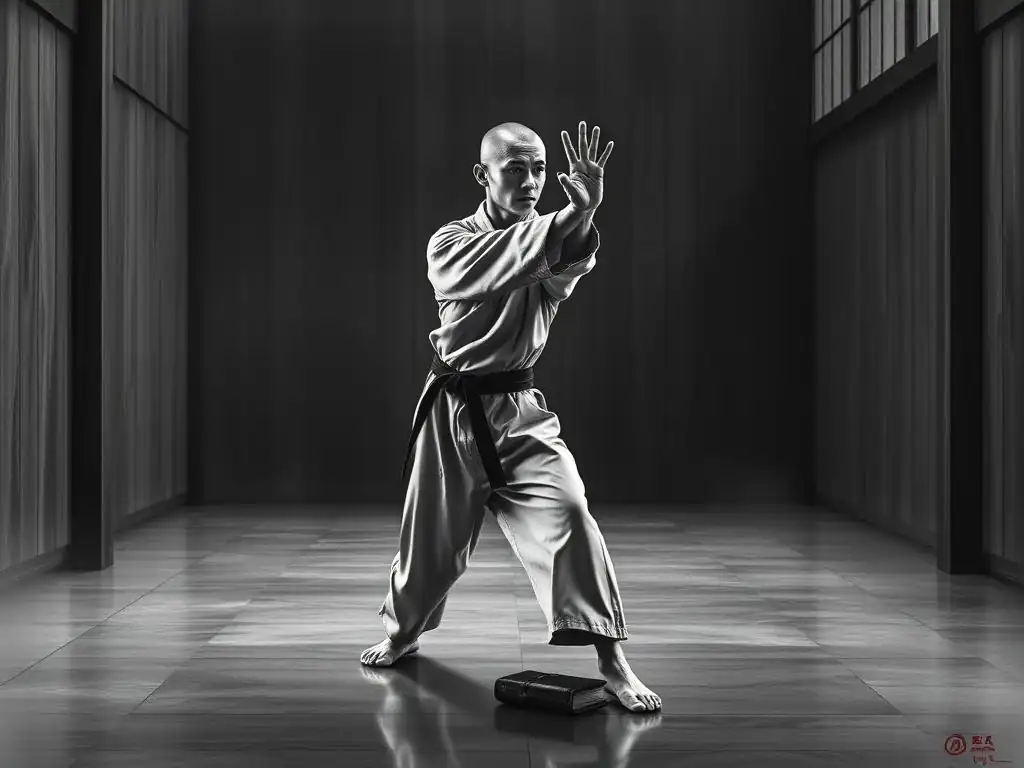
Conditioning the Hand for Impact (Pyon Sonkut Conditioning)
Conditioning the fingertips and wrist is a traditional aspect of training for the Taekwondo spear hand strike, Pyon Sonkut Sewo Jireugi. Historically, this involved striking hard surfaces like sand, gravel, or even wood, gradually increasing the resistance. Modern approaches are far safer and focus on strengthening the supporting structures and toughening the skin without causing long-term damage.
Current conditioning methods often include:
- Push-ups on the fingertips (starting on knees, progressing to toes).
- Striking padded surfaces like focus mitts or heavy bags specifically designed for hand conditioning.
- Using resistance bands to strengthen finger extensors and flexors.
- Performing hand exercises with grip strengtheners or by squeezing various materials.
- Applying liniments or therapeutic balms after training to aid recovery and toughen skin gradually.
These methods build the necessary resilience in the fingers, knuckles, and wrist joints while minimizing the risk of fractures, nerve damage, or chronic issues associated with striking overly hard surfaces. A structured conditioning program, progressing slowly, is essential for safely developing the hand for the demands of the spear hand technique.
Practicing Accuracy and Precision Drills
Developing accuracy and precision is paramount for the effective application of the Taekwondo spear hand strike. Since the target area is small and often vulnerable, a miss can be ineffective or even dangerous. Drills focus on hitting specific points rather than just a general area.
Examples of precision drills include:
- Striking small targets drawn on a heavy bag or wall pad (e.g., circles representing vital points).
- Using hanging targets, like a tennis ball or small foam pad, to practice striking a moving, small object.
- Partner drills with focus mitts, where the partner holds the mitt at specific heights and angles, requiring the practitioner to hit a designated spot on the mitt.
- Performing the strike slowly and deliberately, focusing on the exact trajectory and point of impact, before adding speed.
These drills help practitioners develop the muscle memory and hand-eye coordination needed to deliver the Pyon Sonkut Sewo Jireugi accurately under pressure. Consistent practice on these drills, focusing on hitting the intended mark every time, is far more valuable than simply practicing power generation against a large target.
Partner Training for Realistic Application of the Spear Hand Strike
Partner training is indispensable for learning to apply the Taekwondo spear hand strike in dynamic situations. While solo drills build mechanics and precision, partner work introduces variables like movement, timing, and distance management. Controlled drills allow practitioners to practice targeting realistically while minimizing risk to the partner.
Partner training scenarios might include:
- Practicing the strike as a counter to a specific attack (e.g., a grab or a punch).
- Drilling entry techniques to close distance and create an opening for the spear hand strike.
- Using padded training gear (like padded vests or headgear with face shields) to allow for more realistic targeting practice without causing injury.
- Slow-motion practice where partners move gently, allowing the striker to find the correct distance and angle for the Pyon Sonkut Sewo Jireugi.
Effective partner training for the spear hand technique emphasizes control, communication, and mutual safety. It helps bridge the gap between practicing the technique in isolation and potentially using it in a self-defense scenario, highlighting the importance of timing and opportunity.
Integrating Pyon Sonkut Sewo Jireugi into Taekwondo Poomsae
Taekwondo poomsae (forms) are pre-arranged sequences of techniques that represent defensive and offensive movements. The Pyon Sonkut Sewo Jireugi is incorporated into several advanced poomsae, serving as a method to practice the technique within a structured flow of movements. Examples might include its appearance in forms like Taegeuk Pal Jang or higher dan-level poomsae.
Practicing the Taekwondo spear hand strike within poomsae helps practitioners:
- Understand its application in combination with other blocks, stances, and strikes.
- Develop the correct timing and transition for the technique.
- Reinforce proper body mechanics and focus in a fluid sequence.
- Memorize and internalize the technique as part of the broader Taekwondo system.
While poomsae practice is not the same as live application, it is a fundamental training method that preserves techniques and ensures that practitioners develop a holistic understanding of how individual movements like the Pyon Sonkut Sewo Jireugi fit into the overall art. It provides a framework for consistent, disciplined practice of complex techniques.
Applications of the Pyon Sonkut Sewo Jireugi in Self-Defense
Using the Spear Hand Strike in Close-Quarters Combat
The Taekwondo spear hand strike ( Pyon Sonkut Sewo Jireugi) is particularly well-suited for close-quarters self-defense situations where there may not be enough space to generate power for a full punch or kick. Its linear, thrusting motion allows it to be delivered effectively from a relatively short range. In a grappling or clinching situation, or when an attacker is very close, a sudden, sharp spear hand strike to a vulnerable point can create the necessary space or opportunity to escape or follow up with other techniques.
Unlike techniques requiring a large range of motion, the Pyon Sonkut Sewo Jireugi can be delivered with minimal wind-up, making it a surprise attack. This makes it valuable in scenarios like being grabbed or cornered. A quick, focused strike to the neck or solar plexus can momentarily incapacitate an assailant, allowing the defender to break free and move to safety or a more advantageous position.
Strategic Targeting for Maximum Effect
Effective application of the Pyon Sonkut Sewo Jireugi in self-defense relies heavily on strategic targeting. As discussed earlier, the technique is most effective against soft tissues and nerve centers, not bone. Knowing the location of these vulnerable points is crucial for maximizing the strike's impact. Targeting areas like the eyes, throat, or solar plexus can cause significant pain, disorientation, or difficulty breathing, disrupting the attacker's ability to continue their assault.
For instance, a study on pressure points indicates that a focused strike to the solar plexus (located just below the sternum) can trigger the vagus nerve response, leading to a sudden drop in blood pressure and temporary paralysis or unconsciousness. While such precise effects are not guaranteed in a chaotic self-defense scenario, targeting these areas significantly increases the likelihood of achieving a debilitating effect compared to striking a less vulnerable area. Responsible self-defense training emphasizes the serious nature of targeting these areas and their potential to cause severe injury.
Combining Pyon Sonkut with Other Taekwondo Techniques
The Pyon Sonkut Sewo Jireugi is rarely used in isolation in practical self-defense. Its strength lies in its ability to be combined seamlessly with other Taekwondo techniques to create effective sequences. For example, a spear hand strike could be used as a distraction or to create an opening, immediately followed by a powerful kick or a different hand strike.
Consider a scenario where an attacker attempts a headlock. A quick, upward Pyon Sonkut Sewo Jireugi to the chin or nose could momentarily stun them, allowing the defender to execute a block and escape. Alternatively, a low spear hand strike to the groin or abdomen could set up an opportunity for a high kick to the head. Integrating the spear hand technique into a flow of movements, including blocks ( Maki), kicks ( Chagi), and other strikes ( Jirugi or Chigi), enhances its overall effectiveness and provides a more versatile response to threats.
Legal and Ethical Considerations for Self-Defense
While Taekwondo techniques like the Pyon Sonkut Sewo Jireugi are taught for self-defense, it is crucial to understand the legal and ethical implications of their use. The level of force used in self-defense must be reasonable and proportionate to the threat faced. Using a technique like the spear hand strike, which targets vulnerable areas and has the potential to cause serious injury, should generally be reserved for situations where there is a clear and imminent threat of significant harm to oneself or others.
Laws regarding self-defense vary significantly by jurisdiction. It is the responsibility of the practitioner to be aware of the legal framework in their area. Ethically, martial artists are often taught to avoid conflict whenever possible and use their skills only as a last resort. The power and precision of the Taekwondo spear hand strike mean it should be employed with extreme caution and a full understanding of its potential consequences, used only when absolutely necessary to protect life or prevent serious injury.
The Pyon Sonkut Sewo Jireugi vs. Other Taekwondo Hand Strikes
Comparison with the Knife Hand Strike (Sonnal Chigi)
The knife hand strike ( Sonnal Chigi) is another prominent open-hand technique in Taekwondo, but it differs significantly from the Pyon Sonkut Sewo Jireugi. The knife hand strikes with the outside edge of the hand, from the little finger down to the wrist, with the fingers held straight and together, and the thumb tucked. This creates a wider striking surface compared to the fingertips of the spear hand.
While both techniques involve an open hand and straight fingers, the Sonnal Chigi is typically used for striking broader targets like the side of the neck, collarbone, or ribs, or for powerful blocking actions. The force is distributed along the edge of the hand. In contrast, the Pyon Sonkut Sewo Jireugi concentrates force onto a very small area (the fingertips), making it suitable for penetrating strikes against specific, small, vulnerable points. Think of the knife hand as a cleaver and the spear hand as a needle; both are cutting/penetrating tools, but used for different purposes and against different targets.
Differences from the Ridge Hand Strike (Batangson Chigi)
The ridge hand strike ( Batangson Chigi), also known as the palm heel strike ( Sonbadak Chigi), uses the base of the palm as the striking surface. The fingers are typically bent or held loosely, and the power is delivered through the dense, padded area at the heel of the hand. This creates a blunt, forceful impact.
The primary difference from the Pyon Sonkut Sewo Jireugi lies in the striking surface and the nature of the impact. The ridge hand delivers a concussive force over a relatively larger area compared to the spear hand's focused, penetrating force. Ridge hand strikes are often aimed at areas like the jaw, nose, or sternum, where blunt force is effective.
The spear hand, conversely, is designed to pierce or disrupt soft tissue or nerve centers with minimal surface area contact. They serve different tactical purposes, with the ridge hand being more about impact and the spear hand about penetration and precision.
Unique Advantages of the Pyon Sonkut Sewo Jireugi
The Taekwondo spear hand strike, Pyon Sonkut Sewo Jireugi, possesses several unique advantages that distinguish it from other Taekwondo hand techniques. Its primary advantage is the ability to deliver highly focused force to a very small area. This allows it to target specific vulnerable points with precision, potentially causing significant disruption or pain with less overall force than might be required from a punch or kick.
Furthermore, the relatively short range of motion needed for the spear hand strike makes it highly effective in close-quarters situations where other techniques are impractical. It can be delivered quickly and deceptively. The vertical alignment often used in Pyon Sonkut Sewo Jireugi can sometimes allow it to slip through narrow openings in an opponent's guard that might block a wider strike like a knife hand or punch. This combination of precision, focus, and adaptability in close range makes the spear hand strike a valuable, albeit advanced, weapon in the Taekwondo practitioner's arsenal.
Advanced Pyon Sonkut Sewo Jireugi Techniques and Strategies
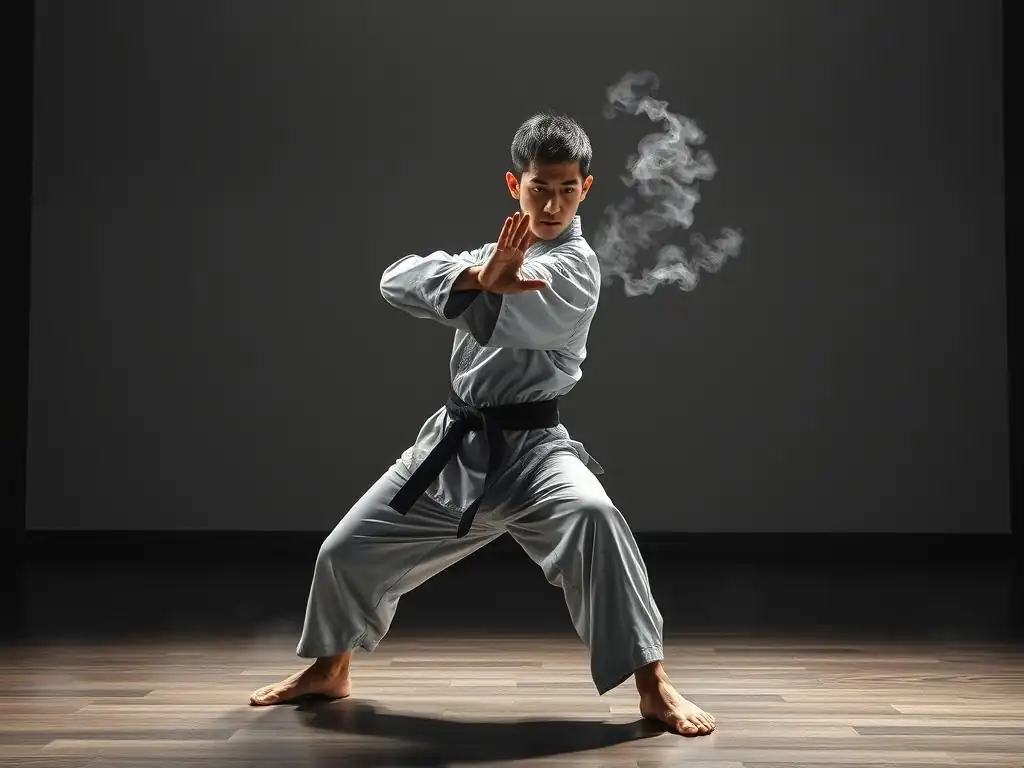
Utilizing Breath Control to Enhance the Strike
Advanced practitioners of the Taekwondo spear hand strike understand the critical role of breath control in maximizing power and focus. This goes beyond the basic Kihap shout. Proper breathing synchronizes muscle tension and relaxation, allowing for a more efficient transfer of energy. Inhaling during the preparation or chambering phase and exhaling sharply and completely at the exact moment of impact helps to tighten the core and focus internal energy (often referred to as Ki or Chi in various martial arts).
This coordinated breathing technique, known as Ho-heup in Korean martial arts, not only enhances the physical power of the Pyon Sonkut Sewo Jireugi but also sharpens mental focus. By expelling air forcefully, the body naturally tenses the abdominal muscles, providing a stable base for the strike and ensuring that the energy is directed outwards through the fingertips. Mastering this level of breath control requires years of dedicated practice, often guided by experienced instructors who understand its subtle nuances.
Feinting and Deception with the Spear Hand Strike
The Pyon Sonkut Sewo Jireugi's precision and relatively small motion make it an excellent technique for feinting and deception. A practitioner can begin the motion for a spear hand strike, drawing the opponent's defense to protect vulnerable areas like the face or throat, and then switch to a different attack. This could be a punch to a now-open target on the body, a kick as the opponent shifts their weight, or even a grapple entry.
Conversely, a feint with a larger technique (like a punch or kick) can draw the opponent's attention away from the precise, smaller target vulnerable to the spear hand. The deceptive nature of the Pyon Sonkut Sewo Jireugi lies in its ability to appear less threatening than a full-power punch or kick, potentially lulling an opponent into a false sense of security regarding their vulnerable points until the focused strike is delivered. Incorporating feints requires timing, reading the opponent's reactions, and seamless transitions between techniques.
Combining Pyon Sonkut with Footwork and Evasion
Effective application of the Taekwondo spear hand strike in a dynamic situation is heavily dependent on proper footwork and evasion. Simply standing and delivering the strike is rarely effective against a moving opponent. Advanced strategies involve using footwork to manage distance, create angles, and set up opportunities for the strike.
For instance, a sidestep or an angle step ( Yup Step or Daegak Step) can move the practitioner off the line of attack while simultaneously bringing them into an optimal position to deliver a Pyon Sonkut Sewo Jireugi to a now-exposed target. Evasive movements, like slipping or weaving, can create openings as the opponent overextends, presenting a vulnerable area for a quick spear hand thrust. Integrating the precise hand movement with agile footwork ensures that the technique can be applied effectively against a resisting, moving opponent, maximizing both offensive potential and defensive safety.
Application in Sparring
Applying the Pyon Sonkut Sewo Jireugi in sparring requires significant control and adaptation due to safety rules and the padded equipment worn. Full-force spear hand strikes to vulnerable areas are strictly prohibited in Taekwondo sparring (Kyorugi). However, practitioners can still train aspects of the technique for competitive application.
In point sparring or continuous sparring with appropriate padding, practitioners might practice:
- Using the motion of the spear hand strike as a feint to draw a reaction.
- Lightly touching or tapping scoring areas with the fingertips to demonstrate precision and speed, without generating significant force (often scoring points in point sparring).
- Using the rigid hand formation in blocking or parrying motions.
- Practicing the footwork and distance management necessary to get into position for a potential spear hand target, even if the strike itself is pulled or redirected.
While the full power and intended targets of the Pyon Sonkut Sewo Jireugi are not demonstrated in competitive sparring, training its mechanics, timing, and integration with footwork remains valuable for developing overall Taekwondo proficiency and understanding the technique's potential applications outside of a sport context.
Safety Precautions and Injury Prevention When Practicing Pyon Sonkut
Proper Warm-up and Cool-down Exercises
Practicing the Taekwondo spear hand strike, Pyon Sonkut Sewo Jireugi, places specific stresses on the fingers, wrist, and elbow joints. Therefore, thorough warm-up and cool-down exercises are crucial for injury prevention. A proper warm-up should include general cardiovascular activity to raise the body temperature, followed by dynamic stretching focusing on the wrists, fingers, shoulders, and elbows. Rotating the wrists, gently flexing and extending the fingers, and performing arm circles help prepare the joints and muscles for the demands of training.
Cool-down should involve static stretching of the forearms, wrists, and fingers to improve flexibility and aid recovery. Gentle massage of the hand and forearm muscles can also help reduce soreness and prevent stiffness. Neglecting these steps increases the risk of sprains, strains, and repetitive stress injuries, particularly in the wrist and finger joints which are under significant pressure during the spear hand technique.
Gradual Progression in Training Intensity
Mastering the Pyon Sonkut Sewo Jireugi requires building strength and resilience in the striking hand gradually. Attempting to strike hard targets with full force too early is a common cause of severe injuries, including fractures and permanent joint damage. Training should follow a clear progression, starting with practicing the hand formation and movement in the air ( shadow boxing), then moving to soft targets like air shields or padded focus mitts.
Only after significant time and consistent practice on soft targets, and with proper hand conditioning methods (as discussed earlier), should practitioners consider striking harder surfaces, and even then, the intensity should be increased incrementally. This might involve starting with bags filled with soft material and gradually moving to denser bags. Listening to the body and resting when needed is critical; pain is a signal that should not be ignored when conditioning for techniques like the Taekwondo spear hand strike.
Recognizing and Addressing Potential Injuries
Despite precautions, injuries can occur when practicing the Pyon Sonkut Sewo Jireugi. Common issues include sprained wrists, jammed or fractured fingers, and tendonitis in the wrist or elbow. It is vital for practitioners to recognize the signs of injury and address them promptly. Symptoms like persistent pain, swelling, bruising, limited range of motion, or clicking/grinding sensations in the joint should be evaluated by a qualified medical professional.
Ignoring pain or attempting to "tough it out" can lead to chronic conditions or permanent damage. Treatment may involve rest, ice, compression, elevation (R.I.C.E. ), physical therapy, or in severe cases, medical intervention. Proper recovery and rehabilitation are essential before returning to training the spear hand technique, often requiring modifications or temporary cessation of specific drills to allow the injured area to heal completely.
Importance of Experienced Instruction
Training the Pyon Sonkut Sewo Jireugi, like many advanced martial arts techniques, carries inherent risks if not taught correctly. The importance of learning from an experienced and certified Taekwondo instructor cannot be overstated. A qualified instructor can provide personalized feedback on hand formation, body mechanics, and target selection, ensuring the technique is practiced safely and effectively.
An experienced instructor also understands the proper progression for conditioning and power generation, guiding students through the necessary steps to build resilience without causing injury. They can spot common errors in technique that increase risk and provide corrections. Furthermore, instructors can impart the crucial understanding of the legal and ethical considerations surrounding the use of potentially dangerous techniques like the Taekwondo spear hand strike in self-defense, emphasizing restraint and responsibility.
Conclusion: The Enduring Value of the Pyon Sonkut Sewo Jireugi in Taekwondo
Mastering the Pyon Sonkut: A Testament to Dedication
Mastering the Taekwondo spear hand strike, Pyon Sonkut Sewo Jireugi, is a significant achievement that reflects a practitioner's dedication and commitment to the art. It requires not only physical strength and precision but also patience, discipline, and a deep understanding of body mechanics and targeting. The journey involves rigorous conditioning, countless repetitions of forms and drills, and careful attention to detail. Achieving proficiency in this technique demonstrates a high level of technical skill and control, moving beyond basic strikes to embrace the more nuanced and potentially devastating aspects of Taekwondo's hand arsenal.
For many practitioners, the ability to execute a powerful and accurate Pyon Sonkut Sewo Jireugi represents a milestone in their training. It signifies the development of focused power and the ability to utilize the body as a versatile weapon, capable of both broad force and pinpoint precision. This mastery is a testament to the practitioner's perseverance and their embrace of the demanding path of traditional Taekwondo training.
The Spear Hand Strike: A Powerful Tool for Self-Defense and Personal Growth
Beyond its technical complexity, the Taekwondo spear hand strike serves as a powerful tool for both self-defense and personal growth. In a self-defense context, its ability to deliver focused force to vulnerable targets in close quarters makes it a valuable option when other techniques may not be feasible. While its use must always be governed by principles of proportionality and legality, knowing how to effectively employ the Pyon Sonkut Sewo Jireugi can provide confidence and enhance one's ability to protect themselves in dangerous situations.
On a personal level, the demanding nature of training this technique fosters discipline, focus, and resilience. The process of conditioning the hand, perfecting the form, and understanding the underlying mechanics contributes to a deeper connection with one's body and its capabilities. Overcoming the challenges associated with mastering the Pyon Sonkut Sewo Jireugi builds mental fortitude and a sense of accomplishment, contributing significantly to a practitioner's overall growth within Taekwondo.
Further Exploration of Taekwondo Hand Strike Techniques
The Pyon Sonkut Sewo Jireugi is just one example of the rich variety of hand strike techniques found within Taekwondo. Exploring other strikes, such as the various forms of punches ( Jirugi), knife hand strikes ( Sonnal Chigi), ridge hand strikes ( Batangson Chigi), elbow strikes ( Palkup Chigi), and backfist strikes ( Deung Jumeok Chigi), reveals the depth and breadth of Taekwondo's empty-hand combat system. Each technique has its unique mechanics, applications, and strategic advantages.
Understanding and practicing this full spectrum of hand strikes provides a more complete picture of Taekwondo as a martial art. It highlights that Taekwondo is not solely focused on kicking but is a comprehensive system that integrates powerful foot techniques with versatile and precise hand techniques. Continuing to explore and refine these various strikes is essential for any practitioner seeking to achieve true mastery of Taekwondo.
Frequently Asked Questions
What is the Hansonkut Jjireugi and why is it important in Taekwondo?
The Hansonkut Jjireugi is a single finger strike in Taekwondo. It's important because it demonstrates precision, focus, and control, crucial elements of advanced technique.
What are the key elements to master when practicing the Hansonkut Jjireugi?
Key elements include proper hand positioning, precise targeting, and generating sufficient power from the core and legs. Practice and careful attention to detail are crucial.
How does the Hansonkut Jjireugi differ from other striking techniques in Taekwondo?
Unlike palm strikes or punches, the Hansonkut Jjireugi focuses on concentrated force delivered through a single fingertip. This requires a higher degree of accuracy and control.
Are there any risks associated with practicing the Hansonkut Jjireugi, and how can they be minimized?
Yes, there's a risk of finger injury if performed incorrectly. Minimizing risk involves gradual progression, proper warm-up, and guidance from a qualified instructor.
Where can I find more information about the history and application of the Hansonkut Jjireugi?
You can find more information on websites like MartialArtsMastery.org, in Taekwondo textbooks, and through expert instruction in a qualified dojang (training hall).
Final Reflection: The Precision of Intent
The journey through the intricacies of the Hansonkut single finger strike reveals more than just a Taekwondo technique; it unveils a philosophy of focused power and unwavering intention. In a world often characterized by complexity and scattered attention, the Hansonkut serves as a potent reminder of the strength that lies in concentrated effort, a principle profoundly relevant to our daily lives.
The enduring appeal of Taekwondo, and specifically the Hansonkut, lies in its ability to cultivate not only physical prowess but also mental discipline. This dedication to precision, both in form and intent, resonates deeply with the human desire for mastery and self-improvement. The mind is everything. What you think you become.
- Buddha. This ancient wisdom underscores the essence of the Hansonkut: a technique that demands not only physical execution but also a clear and unwavering mental focus.
As we conclude this exploration of the Hansonkut single finger strike, I invite you to consider the power of focused intent in your own life. Where can you apply the principles of precision, discipline, and unwavering focus to achieve your goals? Embrace the art of the single finger strike, not just in Taekwondo, but in every endeavor you pursue, and unlock the extraordinary potential that lies within.
Unleash Your Inner Master: Begin Your Journey Now!
Thank you for exploring the precision and power of the Single Finger Strike! We hope this article has sparked your curiosity and provided valuable insights into this advanced Taekwondo technique. Now, let's put that knowledge into action.
- Master the Hansonkut Jjireugi: Dedicate time to practicing the fundamental motions. Focus on precision and control.
- Share your insights: Share this article with fellow martial artists to inspire their Taekwondo practice.
- Reflect and Record: Document your experiences and insights with the Single Finger Strike technique in a journal or training log.
What specific drill will you incorporate into your training to refine your Single Finger Strike technique this week?