
The Strategic Advantage of Gi Training: Slowing Down the Pace for Mastery

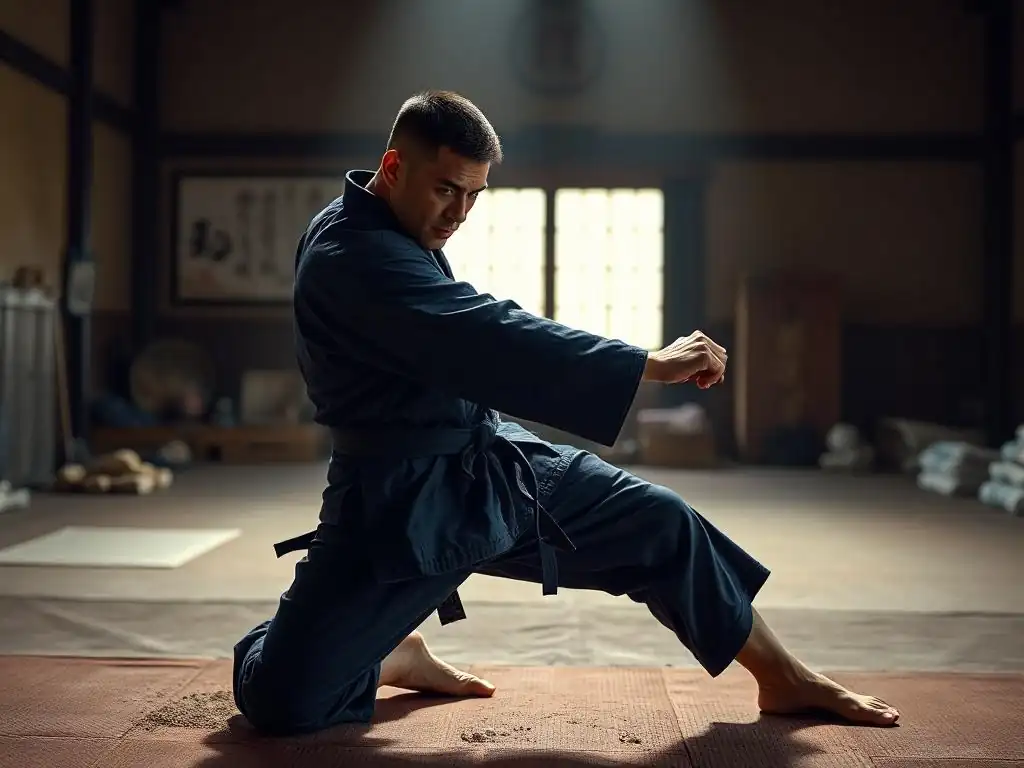
Welcome to Martial Arts Mastery, where we delve into the rich tapestry of combat traditions worldwide. Ever wondered how a simple piece of fabric could unlock a deeper understanding of grappling and control? This article, " The Strategic Advantage of Gi Training: Slowing Down the Pace for Mastery", explores the profound Gi training benefits that extend far beyond the mat. Prepare to uncover how this seemingly traditional approach can accelerate your journey toward true martial arts mastery, enhancing your technique and strategic thinking in ways you never imagined. Dive in and discover the secrets!
- Introduction: Unlocking BJJ Mastery Through Gi Training
- Understanding the Gi: More Than Just a Uniform
- The Benefits of Gi Training for BJJ Mastery
- Gi Training vs. No-Gi Training: A Comparative Analysis for Skill Development
- Strategic Advantages of Gi Training: Building a Strong BJJ Foundation
- Gi Training: Cultivating Patience and Strategic Thinking
- Integrating Gi Training into Your BJJ Journey: A Path to Mastery
- The Long-Term Benefits of Gi Training for BJJ Practitioners
- Conclusion: Gi Training - A Strategic Investment in BJJ Mastery
-
Frequently Asked Questions
- What are the main Gi training benefits mastery?
- How does Gi training differ from No-Gi training in terms of skill development?
- Why is slowing down the pace considered a strategic advantage in Gi training?
- How does Gi training contribute to a martial artist's overall mastery?
- Does Gi training only benefit grappling-based martial arts, or are there broader applications?
- Final Reflection: Weaving Threads of Mastery Through the Gi
- Embrace the Gi: Unlock Your Untapped Potential!
Introduction: Unlocking BJJ Mastery Through Gi Training
BJJ Mastery: Embracing the Gi for Enhanced Skill Development
Brazilian Jiu-Jitsu, often dubbed the "gentle art," places a profound emphasis on leverage, technique, and strategy over brute strength and athleticism. While the sport has evolved to include popular no-gi formats, traditional Gi training remains a cornerstone for practitioners seeking true mastery. The presence of the Gi fundamentally alters the dynamics of grappling, introducing a complex layer of grips, friction, and control points that are absent in no-gi.
This unique environment forces practitioners to slow down, think critically, and execute techniques with precision, directly contributing to a deeper understanding of BJJ principles and accelerating the journey towards BJJ mastery. The benefits of Gi training extend beyond physical conditioning, cultivating patience, strategic thinking, and a meticulous approach to technique execution, all vital components for achieving high-level proficiency.
Engaging in Gi training provides a structured pathway to developing a robust technical foundation. Unlike the often-slippery and fast-paced nature of no-gi, the Gi allows for sustained control and deliberate movement, creating opportunities to analyze positions and submissions in detail. This deliberate pace is crucial for beginners learning the intricate mechanics of techniques and for advanced practitioners refining their understanding of timing and leverage.
For example, mastering a specific sweep from open guard in the Gi requires understanding how lapel and sleeve grips affect your opponent's balance and posture – nuances often lost in the rapid exchanges of no-gi. This focus on detail is precisely why Gi training benefits mastery, instilling habits of analysis and precision that are transferable to all aspects of grappling.
Gi Training: A Foundational Element in Brazilian Jiu-Jitsu
Historically, Brazilian Jiu-Jitsu originated from Judo, a martial art inherently tied to the use of a training uniform, the Gi. The early development of BJJ techniques, particularly throws, sweeps, and submissions, was deeply intertwined with the possibilities offered by gripping the opponent's clothing. This historical context underscores the Gi's foundational role; it wasn't merely an outfit but an integral part of the fighting system itself. Techniques like the collar choke, lapel guard, or sleeve grip passes are impossible without the Gi, representing a vast library of strategies and tactics unique to this training format.
For many BJJ academies worldwide, Gi training is the primary mode of instruction, especially for fundamental classes. This emphasis reflects the belief that the structured environment of Gi training provides the most comprehensive introduction to BJJ's core principles of leverage, weight distribution, and control.
Beginners learn how to manage distance, establish control through various grips, and understand positional hierarchy in a way that builds solid defensive and offensive structures. This foundational exposure ensures that practitioners develop a deep appreciation for the art's strategic depth before potentially exploring the different demands of no-gi, highlighting why Gi training is considered essential for building a complete BJJ game and achieving mastery.
Understanding the Gi: More Than Just a Uniform
The Gi's Role: Grips, Control, and Strategic Maneuvering
The Gi transforms the grappling landscape by introducing a myriad of gripping opportunities that dramatically influence control and strategic maneuvering. Unlike no-gi, where control often relies on body hooks and underhooks, the Gi allows practitioners to grab sleeves, collars, lapels, and pant legs. These grips act as powerful levers and anchors, enabling a level of control over an opponent's posture, balance, and movement that is simply not possible in no-gi.
A well-established collar grip, for instance, can completely break an opponent's posture, setting up sweeps, submissions, or transitions. Similarly, controlling a sleeve can prevent an opponent from framing or defending effectively.
This extensive system of grips elevates BJJ from a purely physical contest to a complex strategic battle. Practitioners must not only understand how to apply grips effectively but also how to fight grips, break their opponent's holds, and prevent their own Gi from being used against them. This adds layers of tactical depth, requiring constant adjustment and adaptation.
The ability to utilize the Gi for control is a hallmark of advanced BJJ practitioners, allowing them to dictate the pace and direction of the roll. Mastering grip fighting and the strategic use of the Gi for positional control is a critical aspect of why Gi training benefits mastery in Brazilian Jiu-Jitsu.
Gi Material and Construction: Influence on Training and Technique
The material and construction of a BJJ Gi significantly impact training dynamics and technique execution. Gis are typically made from cotton or a cotton/polyester blend, with varying weaves such as single weave, double weave, gold weave, pearl weave, and ripstop. The weave affects the Gi's weight, durability, and stiffness, all of which influence how easily grips can be established and maintained.
For example, a thick double weave Gi is harder to grip and more durable but also heavier and potentially hotter. A lighter pearl weave is common for competition due to its balance of weight and durability, while ripstop pants are often used for their lightness and resistance to tearing.
The cut and fit of the Gi also play a role. A properly fitting Gi is crucial; one that is too loose offers too much fabric for an opponent to grip easily, while one that is too tight restricts movement. Specific areas like the collar are reinforced to withstand pulling and gripping.
The stiffness of the collar, often achieved through a rubber or foam core, can make certain chokes harder to apply but also provides a strong point for offensive grips. Understanding how different Gi characteristics affect training allows practitioners to choose appropriate gear and adapt their techniques accordingly, further illustrating the intricate relationship between the uniform and the practice, and how Gi training benefits mastery through subtle technical advantages.
The Benefits of Gi Training for BJJ Mastery
Slowing Down the Game: Precision and Deliberate Movements in Gi Training
One of the most significant benefits of Gi training for BJJ mastery is its inherent tendency to slow down the pace of rolling compared to no-gi. The friction created by the fabric and the numerous gripping opportunities allow for more static control positions and less frantic scrambles. This slower pace provides practitioners with valuable time to think, analyze the situation, and execute techniques with greater precision. Instead of relying on explosive movements and athleticism to escape or advance, the Gi environment encourages deliberate, calculated actions.
This emphasis on precision over speed is particularly beneficial for developing a deep technical understanding. When the pace is slower, practitioners can focus on the intricate details of a technique – the exact angle of a hip, the precise timing of a weight shift, the subtle pressure points needed for a submission. This deliberate practice allows for better muscle memory development and a more nuanced comprehension of leverage and body mechanics.
For instance, mastering a complex spider guard sweep in the Gi requires careful coordination of leg pressure, grip tension, and torso movement, all of which are easier to isolate and perfect in a slower, more controlled environment. This deliberate approach is a key reason why Gi training benefits mastery, fostering a methodical and analytical mindset.
Enhanced Grip Strength and Control: A Cornerstone of Gi Jiu-Jitsu
Gi training is unparalleled in its ability to develop functional grip strength. Constantly grabbing, pulling, and fighting for grips on the durable Gi fabric provides an intense workout for the hands, wrists, and forearms. This isn't just about physical strength; it's about developing the endurance and specific motor control needed to maintain powerful grips under pressure, often for extended periods during a roll. Strong grips are fundamental in Gi Jiu-Jitsu, serving as the primary means of control, defense, and offense.
The development of grip strength through Gi training directly translates to enhanced control over an opponent. Whether it's establishing a dominant position, setting up a submission, or preventing an opponent from escaping, effective grip utilization is paramount. For example, maintaining a strong cross-collar grip from mount can make it extremely difficult for an opponent to bridge and escape.
Similarly, powerful sleeve grips are essential for executing techniques from guards like De La Riva or spider guard. The constant practice of grip fighting and maintaining control through grips in the Gi builds a level of hand and forearm strength and endurance that significantly contributes to a practitioner's overall effectiveness and is a clear example of how Gi training benefits mastery.
Developing Technical Proficiency: Gi Training's Focus on Fundamental Skills
Gi training inherently places a strong emphasis on fundamental BJJ skills and principles. The presence of the Gi allows for a more structured approach to learning foundational movements, positions, and submissions.
Techniques like basic guard passes (e.g., knee cut, stack pass), fundamental sweeps (e.g., scissor sweep, tripod sweep), and core submissions (e.g., armbar from mount, triangle choke from guard, cross-collar choke) are often taught and drilled extensively in the Gi environment. The ability to establish and maintain control through grips facilitates the learning process, allowing practitioners to focus on the mechanics of the technique without constant slipping or frantic motion.
This focus on fundamentals in Gi training builds a solid technical base that is crucial for long-term progression and mastery. A practitioner with strong Gi fundamentals will have a better understanding of body mechanics, leverage, and positional control, principles that are transferable to no-gi grappling as well. While no-gi often favors speed and athleticism, a deep understanding of the underlying BJJ principles, honed through deliberate Gi practice, provides a strategic advantage.
For instance, knowing how to properly distribute weight and use hip pressure during a Gi stack pass directly informs how to execute a similar pass in no-gi, even without fabric grips. This rigorous development of foundational technical proficiency is a key factor in how Gi training benefits mastery in BJJ.
Gi Training vs. No-Gi Training: A Comparative Analysis for Skill Development
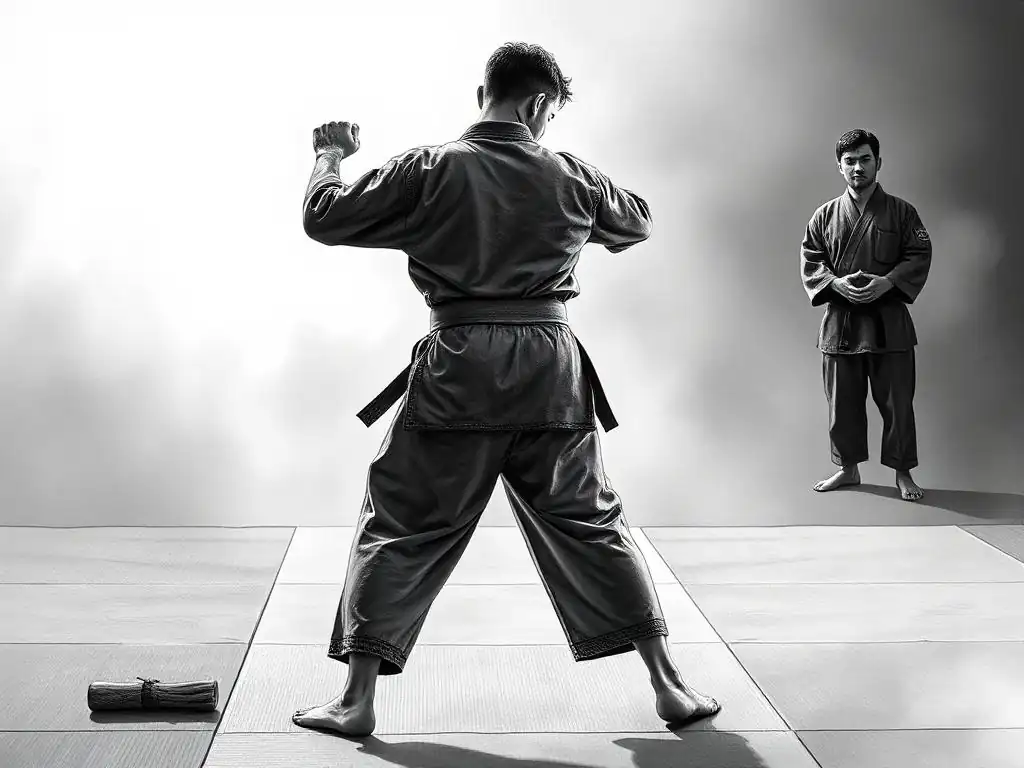
Gi Training: Emphasizing Technique Over Athleticism
Gi training, with its slower pace and emphasis on grips, tends to highlight technique and strategy over raw athleticism. While physical attributes are never entirely irrelevant, the Gi provides numerous opportunities for the smaller or less athletic practitioner to neutralize a larger, stronger opponent through leverage and control. Grips allow for breaking posture, controlling limbs, and applying pressure in ways that make size and strength less dominant factors than they might be in no-gi. This environment rewards patience, precision, and a deep understanding of body mechanics and timing.
The technical demands of Gi Jiu-Jitsu necessitate a focus on intricate details. Learning how to apply and break specific grips, transition between complex guard systems (like spider guard or lapel guard), and execute submissions that rely on fabric tension requires careful study and deliberate practice. This technical depth means that even highly athletic individuals must develop sophisticated technical skills to succeed at higher levels in the Gi. This inherent bias towards technical proficiency is a primary reason why many consider Gi training essential for truly understanding the art of Jiu-Jitsu and achieving BJJ mastery.
No-Gi Training: Speed, Explosiveness, and Dynamic Transitions
No-Gi training presents a different set of challenges and emphasizes different attributes. Without the ability to grab clothing, control relies more heavily on body hooks, underhooks, overhooks, and wrestling grips. The lack of friction means positions are often less stable, leading to more dynamic transitions, scrambles, and a generally faster pace. Athleticism, including speed, explosiveness, and conditioning, often plays a more prominent role in no-gi grappling compared to the Gi.
Techniques in no-gi often involve different mechanics and setups than their Gi counterparts. Leg locks, for example, are often more prevalent and easier to access in no-gi due to the lack of pant grips hindering entry. Escapes and transitions frequently rely on slipping out of holds and exploding into new positions.
While technique is still crucial, the ability to execute movements quickly and transition effectively is highly valued. Comparing Gi training benefits mastery with no-gi highlights that while both contribute to overall grappling skill, they cultivate different aspects of a practitioner's game, with the Gi often providing a deeper dive into fundamental control and leverage.
Hybrid Training: Combining Gi and No-Gi for a Well-Rounded BJJ Game
For practitioners aspiring to a truly well-rounded BJJ game and comprehensive mastery, engaging in both Gi and no-gi training is often recommended. Each format offers unique benefits that complement the other. Gi training builds a strong foundation in control, leverage, and intricate techniques, while no-gi enhances speed, explosiveness, scrambling ability, and proficiency in different submission entries (like leg locks). Training exclusively in one format can lead to gaps in a practitioner's skill set.
Many top competitors and coaches advocate for a hybrid approach, spending significant time in both the Gi and no-gi environments. This allows practitioners to develop a complete understanding of grappling dynamics, adapting their game based on the presence or absence of the uniform. Skills honed in the Gi, such as positional control and pressure passing, can be adapted to no-gi, while the speed and dynamic movement practiced in no-gi can make a Gi practitioner more dangerous in transitions. Combining both disciplines leverages the unique advantages of each, accelerating overall development and providing a more complete path towards BJJ mastery.
Strategic Advantages of Gi Training: Building a Strong BJJ Foundation
Leveraging Gi Grips for Positional Control and Submission Setups
The strategic use of Gi grips is arguably the most significant advantage offered by this training format. Grips allow practitioners to establish and maintain dominant positions with a level of control that is difficult to replicate in no-gi. For example, from side control, gripping the opponent's far collar can prevent them from turning into you or escaping effectively. From the back, seatbelt control combined with collar grips provides immense control and direct access to chokes. These grips act as anchors, limiting an opponent's movement and making it easier to hold positions and transition safely.
Furthermore, Gi grips are essential for setting up a vast array of submissions. Many classic BJJ submissions, such as the various collar chokes (cross-collar, baseball bat, loop choke), lapel chokes, and submissions like the Ezekial choke (which often uses the sleeve), rely entirely on the Gi.
Even submissions that exist in no-gi, like the armbar or triangle, can have different setups and control points when utilizing Gi grips. Mastering the art of grip fighting and using the Gi to secure and transition through positions is a critical component of achieving BJJ mastery, providing a strategic framework for offense and defense.
Using the Gi for Defensive Strategies and Escape Techniques
The Gi is not just an offensive tool; it also provides numerous opportunities for sophisticated defensive strategies and escape techniques. Just as an opponent can use your Gi against you, you can use theirs (or even your own) to aid in defense and escape. For instance, using your own lapel to create a makeshift belt or anchor point can help prevent guard passes. Blocking an opponent's grip on your collar or sleeve is a fundamental defensive skill that prevents them from initiating many attacks.
Moreover, understanding how an opponent is using your Gi against you is key to executing effective escapes. If an opponent has a strong grip, knowing how to break that specific grip is the first step in regaining mobility and escaping the position. Techniques like grip breaks, posting on the opponent's Gi fabric, or using their grips to create angles for escape are all integral parts of Gi defense. This defensive layer adds another dimension to the strategic game, highlighting how Gi training benefits mastery by developing both offensive and defensive proficiency within the unique constraints of the uniform.
The Tactical Depth of Gi Training: A Thinking Person's Game
Gi training inherently fosters a more tactical and strategic approach to grappling, often described as a "thinking person's game." The slower pace, combined with the complexity of grip fighting and positional control using the fabric, requires practitioners to constantly analyze, anticipate, and plan several steps ahead. It's not just about reacting to an opponent's movements but about setting traps, forcing reactions, and executing sequences of techniques.
Consider the strategic battle of establishing and denying grips. This isn't a simple physical contest but a chess match involving feints, timing, and understanding your opponent's preferred grips and reactions. Choosing which grip to fight for, when to commit to a position, or when to transition involves strategic decision-making under pressure. This constant mental engagement, required to navigate the intricacies of Gi Jiu-Jitsu, cultivates sharp tactical awareness and problem-solving skills. This deep tactical depth is a core reason why Gi training benefits mastery, shaping practitioners into strategic thinkers on the mat.
Gi Training: Cultivating Patience and Strategic Thinking
Developing a Calculated Approach: The Mental Game of Gi Jiu-Jitsu
Gi training is an excellent crucible for developing patience and a calculated approach to grappling. The ability to establish and maintain strong control through grips means that rolls can sometimes unfold more slowly, requiring practitioners to be patient in waiting for openings rather than rushing into positions or submissions. This teaches the valuable lesson of persistence and the importance of controlling the pace and flow of the match. Instead of relying on explosive bursts, success often comes from methodical pressure, incremental advances, and exploiting subtle shifts in an opponent's posture or balance.
This patient, calculated approach extends beyond physical execution into the mental game. Practitioners learn to observe their opponent's reactions to different grips and pressures, adapting their strategy in real-time. They develop the ability to play long-term positional games, understanding that securing a dominant position might take time and several steps, but offers significant advantages once achieved. This mental discipline, fostered by the unique challenges of the Gi environment, is a critical aspect of how Gi training benefits mastery, building resilience and strategic foresight.
Problem-Solving Under Pressure: Adapting to Gi-Specific Challenges
The dynamic nature of Gi training, with its constantly shifting grip battles and positional exchanges, presents practitioners with a continuous stream of problems to solve under pressure. An opponent might establish a dominant grip you weren't expecting, or you might find yourself in a difficult position due to their effective use of your Gi. Navigating these challenges requires quick thinking, adaptability, and the ability to apply technical knowledge in unpredictable situations.
Successfully escaping a tight Gi-specific control, breaking a powerful lapel grip, or countering a submission setup unique to the Gi format demands not only technical skill but also the mental fortitude to remain calm and analytical. These problem-solving scenarios are invaluable for developing mat intelligence and the ability to adapt under duress. The constant need to adjust techniques and strategies based on grip interactions and friction levels hones a practitioner's ability to think on their feet, reinforcing how Gi training benefits mastery by building both technical skill and mental resilience.
Integrating Gi Training into Your BJJ Journey: A Path to Mastery
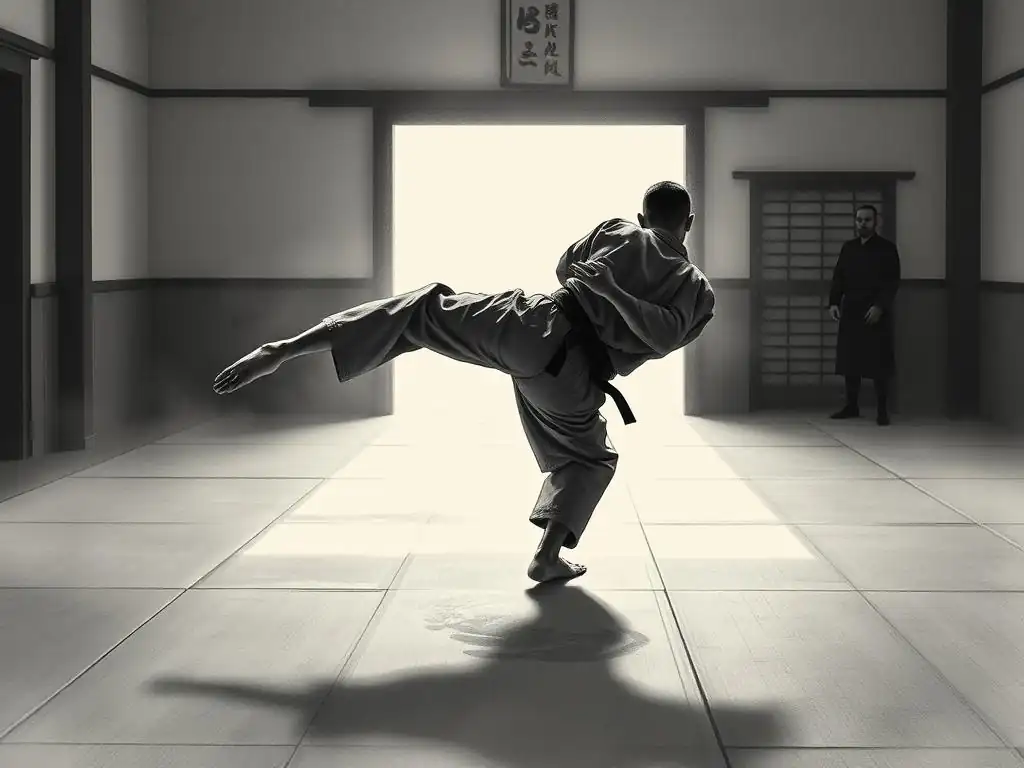
Drills and Exercises for Gi Proficiency: Grip Fighting Drills, Collar and Sleeve Drills, Guard Passing Drills
Integrating specific drills and exercises is essential for maximizing the benefits of Gi training and accelerating the path to mastery. Grip fighting drills, for instance, are fundamental. These can range from simple exercises like standing grip breaks and exchanges to more complex scenarios focusing on establishing specific grips (e.g., cross-collar, sleeve) while preventing the opponent from getting theirs. Dedicated time spent solely on fighting for and maintaining grips significantly improves hand and forearm strength, endurance, and tactical understanding of grip control.
Collar and sleeve drills are also crucial. These focus on using these specific grips for control, breaking posture, setting up sweeps, or initiating submissions. For example, drilling various sweeps from spider guard or lasso guard relies heavily on precise collar and sleeve control.
Guard passing drills in the Gi often involve navigating opponents who are utilizing strong fabric grips to maintain distance and control. Drilling specific passes against resistance where the defender is actively using collar, sleeve, or lapel grips helps develop the necessary techniques and pressure to overcome these challenges. Consistent drilling of these Gi-specific movements is vital for transforming theoretical knowledge into practical proficiency, demonstrating how structured Gi training benefits mastery.
Choosing the Right Gi: Fit, Material, and Personal Preference
Selecting the appropriate Gi is a factor that can influence the quality and effectiveness of your Gi training. While any legal BJJ Gi will suffice for basic practice, understanding the nuances of fit, material, and construction allows practitioners to make informed choices based on their training goals and preferences. A properly fitting Gi allows for unrestricted movement while minimizing excess fabric that can be easily gripped. Standard sizing charts (A0, A1, A2, etc.) provide a starting point, but trying on Gis or consulting with experienced practitioners is recommended.
Material and weave type impact weight, durability, and how easily the Gi can be gripped. Lighter weaves (like pearl weave) are cooler and preferred by some for training and competition, while heavier weaves (like double weave) are more durable and harder to grip, offering a different training stimulus. Personal preference also plays a role in color, style, and features like collar stiffness. Investing in a quality Gi that fits well and suits your needs enhances comfort and performance, contributing positively to the overall Gi training experience and supporting the journey towards BJJ mastery.
Gradual Progression: Mastering the Fundamentals Before Advanced Techniques
A key principle for integrating Gi training effectively is to follow a path of gradual progression, focusing on mastering the fundamentals before attempting advanced techniques. BJJ is a highly layered art, and the Gi environment, with its added complexity of grips, makes a step-by-step approach even more critical. Beginners should focus on core concepts like proper posture, base, bridging, shrimping, and fundamental positions (mount, side control, guard, back control) and their basic entries and escapes.
Once foundational positions and movements are understood, practitioners can begin exploring fundamental sweeps, passes, and submissions from these positions. Only after gaining proficiency in these core techniques should they move on to more complex guard systems (like spider guard, lasso guard), intricate lapel techniques, or advanced submission chains.
This methodical approach ensures that practitioners build a solid understanding of the underlying principles of leverage and control in the Gi before tackling techniques that require a higher level of coordination and tactical awareness. This structured, progressive learning path is fundamental to how Gi training benefits mastery, preventing practitioners from developing gaps in their understanding and skill set.
The Long-Term Benefits of Gi Training for BJJ Practitioners
Developing a Deeper Understanding of BJJ Principles
Consistent Gi training cultivates a deeper and more nuanced understanding of the core principles that govern Brazilian Jiu-Jitsu. The emphasis on leverage, weight distribution, and strategic control through grips provides a practical laboratory for exploring how these principles manifest in real-time grappling exchanges. Practitioners learn why certain techniques work against resistance in the Gi, gaining insights into the mechanics of breaking posture, creating angles, and applying pressure that might not be as evident in the faster-paced, less restrictive environment of no-gi.
This deep dive into fundamental BJJ principles through Gi training builds a robust conceptual framework. Understanding how a specific grip disrupts an opponent's balance or how tension on the fabric creates an opening for a sweep provides a level of insight that informs all aspects of a practitioner's game, including no-gi. This profound understanding, honed through countless hours of deliberate Gi practice, is a hallmark of experienced practitioners and a significant long-term benefit, demonstrating how Gi training benefits mastery at its deepest level.
Preventing Injuries: The Gi's Role in Controlled Training
The presence of the Gi can contribute to a safer training environment, potentially helping to prevent certain types of injuries. The ability to establish and maintain strong grips allows for greater control over an opponent's body and momentum.
This means that movements can often be slowed down and controlled more effectively, reducing the risk of sudden, uncontrolled impacts or hyperextensions that can occur during fast, scrambly exchanges common in no-gi. For example, when practicing throws or takedowns in the Gi (drawing from Judo roots), the ability to control the opponent's sleeve and collar allows for more controlled Kuzushi (off-balancing) and a safer descent to the ground.
Furthermore, the focus on technique and leverage over brute force in Gi training encourages practitioners to rely on skill rather than strength to overcome resistance. This reduces the likelihood of straining muscles or joints by trying to force techniques against a stronger opponent.
While injuries can still occur in any grappling sport, the inherent control mechanisms offered by the Gi environment, coupled with the emphasis on deliberate movement and technique, contribute to a training atmosphere that prioritizes safety and longevity. This aspect of controlled practice is another significant long-term benefit, illustrating how Gi training benefits mastery by allowing practitioners to train consistently and avoid setbacks due to injury.
Increased Longevity in the Sport: Gi Training's Emphasis on Technique and Strategy
The emphasis on technique, strategy, and patience in Gi training contributes significantly to a practitioner's longevity in Brazilian Jiu-Jitsu. As practitioners age or experience physical limitations, relying solely on speed, strength, and athleticism becomes increasingly difficult. Gi Jiu-Jitsu, however, rewards technical refinement, tactical intelligence, and the ability to use leverage and grips to overcome physical disadvantages. An older or less athletic practitioner with superb Gi technique and strategic understanding can often compete effectively with younger, stronger opponents.
This focus on the intellectual and technical aspects of grappling means that practitioners can continue to learn, improve, and enjoy BJJ long after their peak physical years. The skills developed in the Gi – strategic thinking, precise technique, patient execution, and efficient use of energy through leverage – become increasingly valuable over time. By prioritizing these elements, Gi training provides a sustainable path for continuous engagement and improvement in the sport, ensuring practitioners can pursue BJJ mastery throughout their lives. This long-term engagement is perhaps the most profound benefit of consistent Gi training.
Conclusion: Gi Training - A Strategic Investment in BJJ Mastery
BJJ Mastery: The Enduring Value of Gi Training
Gi training holds enduring value for anyone serious about achieving BJJ mastery. It is far more than just practicing in a traditional uniform; it is engaging with a distinct grappling format that fundamentally shapes a practitioner's understanding and execution of techniques. The Gi introduces a complex layer of grips and friction that slows down the pace, forcing practitioners to prioritize precision, control, and strategic thinking over speed and athleticism. This environment is a powerful teacher of leverage, weight distribution, and the intricate mechanics of BJJ techniques.
The benefits of Gi training are manifold: it builds exceptional grip strength, develops crucial positional control skills, emphasizes fundamental techniques, cultivates patience and strategic thinking, and provides a structured environment for problem-solving under pressure. While no-gi offers its own valuable lessons in speed and dynamic movement, the deep technical and tactical foundation laid by consistent Gi training is arguably indispensable for a complete BJJ game. For centuries, the uniform has been integral to the art, and its continued relevance underscores its critical role in the journey towards true BJJ mastery.
Elevating Your BJJ Game: Embracing the Gi for Long-Term Success
Embracing Gi training is a strategic investment in your long-term success in Brazilian Jiu-Jitsu. By committing to this format, you are choosing a path that prioritizes technical depth, strategic intelligence, and methodical progression. The skills honed in the Gi, from intricate grip fighting to patient positional control, translate into a more refined, adaptable, and resilient grappling style. These qualities are essential not only for excelling in Gi competitions but also for enhancing your performance in no-gi and navigating the diverse challenges of the sport.
Ultimately, the journey to BJJ mastery is a continuous process of learning, refinement, and adaptation. Gi training provides a unique and powerful tool within this journey, offering lessons and developing attributes that are difficult to acquire elsewhere.
By dedicating time and effort to understanding and utilizing the strategic advantages of the Gi, practitioners can build a stronger foundation, develop a deeper understanding of the art, and ensure sustained growth and enjoyment in Brazilian Jiu-Jitsu for years to come. The benefits of Gi training for achieving mastery are clear and compelling, making it an essential component of any serious practitioner's training regimen.
Frequently Asked Questions
What are the main Gi training benefits mastery?
Gi training enhances grip strength, develops strategic thinking through slower-paced engagements, and improves technical precision due to the increased friction and control. It offers a significant advantage in close-quarters combat.
How does Gi training differ from No-Gi training in terms of skill development?
Gi training emphasizes control and leverage using the Gi fabric, leading to improved grip fighting and positional awareness. No-Gi focuses more on speed, flexibility, and wrestling-based techniques.
Why is slowing down the pace considered a strategic advantage in Gi training?
A slower pace allows for deeper strategic thinking, precise execution of techniques, and better control over the opponent's movements, fostering a more calculated approach to combat.
How does Gi training contribute to a martial artist's overall mastery?
It builds a strong foundation in fundamental techniques, enhances understanding of leverage and control, and cultivates patience and strategic thinking, all crucial for long-term mastery.
Does Gi training only benefit grappling-based martial arts, or are there broader applications?
While particularly beneficial for grappling arts like Jiu-Jitsu and Judo, Gi training also improves grip strength and tactical awareness, skills valuable in other martial arts, including striking disciplines.
Final Reflection: Weaving Threads of Mastery Through the Gi
The journey through the strategic advantages of Gi training reveals a profound truth: slowing down the pace unlocks deeper mastery. In a world obsessed with speed and instant gratification, the Gi compels us to embrace patience, precision, and a mindful connection with our movements. Its enduring relevance lies in its ability to cultivate not just physical prowess, but also mental fortitude and strategic thinking, qualities invaluable both on and off the mats.
The Gi's influence extends far beyond the confines of the dojo, shaping our approach to problem-solving and fostering a resilience that permeates our lives. This deliberate cultivation of patience and strategic thinking, honed through the constraints of the Gi, has profoundly impacted my own understanding of learning and growth. Patience is not simply the ability to wait - it's how we behave while we're waiting.
This quote perfectly encapsulates the essence of Gi training, reminding us that true mastery lies not in rushing to the finish line, but in embracing the journey with intention and unwavering focus.
As we conclude this exploration of Gi training's benefits, I invite you to reflect on the lessons learned. How can you apply the principles of patience, precision, and strategic thinking to your own pursuits? Embrace the "Gi mentality" – slow down, connect with the details, and cultivate a deeper understanding of the process. The path to mastery is not a sprint, but a deliberate and mindful journey, and the Gi offers us a powerful framework for navigating it with grace and unwavering determination.
Embrace the Gi: Unlock Your Untapped Potential!
Thank you for exploring the strategic depth of Gi training with us! We hope this article has shed light on how slowing down the pace can lead to greater mastery. Now, it's time to put these insights into action and elevate your martial arts journey.
- Dedicate your next training session entirely to Gi-focused techniques, concentrating on controlling the pace and leveraging friction for submissions.
- Share this article with a fellow martial artist and start a discussion on the advantages of Gi training.
- Consider experimenting with a different style of Gi weave to find the perfect balance of grip and mobility for your game.
What specific Gi technique are you most eager to refine, and how do you plan to integrate it into your existing game?