
Footwork First: The Secret to Landing More Punches and Avoiding Damage

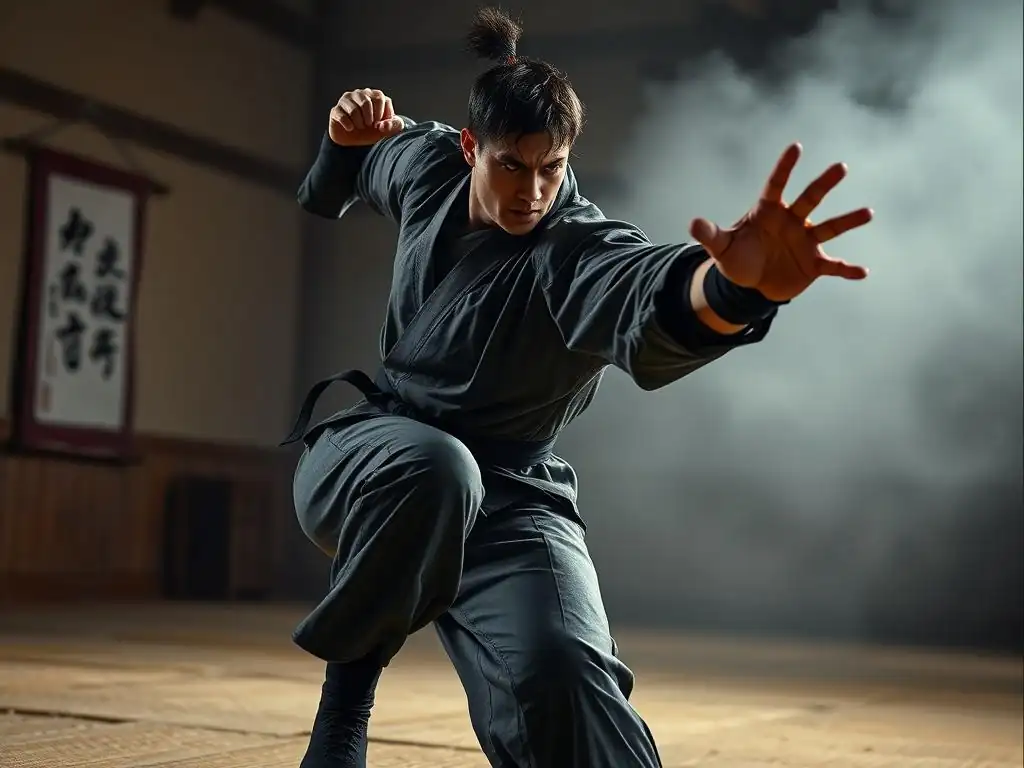
Welcome to Martial Arts Mastery, where the ancient wisdom and cutting-edge techniques of combat converge. Ever wondered why some martial artists seem to glide effortlessly while others are rooted to the spot? This week, we delve into the crucial foundation of all effective martial arts: footwork. Discover Effective martial arts footwork techniques that will unlock a new level of agility, power, and defensive prowess. Are you ready to elevate your stance and transform your movement?
- Understanding Effective Martial Arts Footwork Techniques for Boxing Success
-
Frequently Asked Questions
- What is the primary benefit of mastering effective martial arts footwork techniques?
- Why is footwork considered a "secret" to success in martial arts, as the title suggests?
- What are some of the key elements that make up effective martial arts footwork techniques?
- How does footwork contribute to self-defense strategies in real-world scenarios?
- How can I begin to improve my effective martial arts footwork techniques today?
- Final Reflection: The Dance of Defense and Offense
- Elevate Your Game: Master the Art of Movement!
Understanding Effective Martial Arts Footwork Techniques for Boxing Success
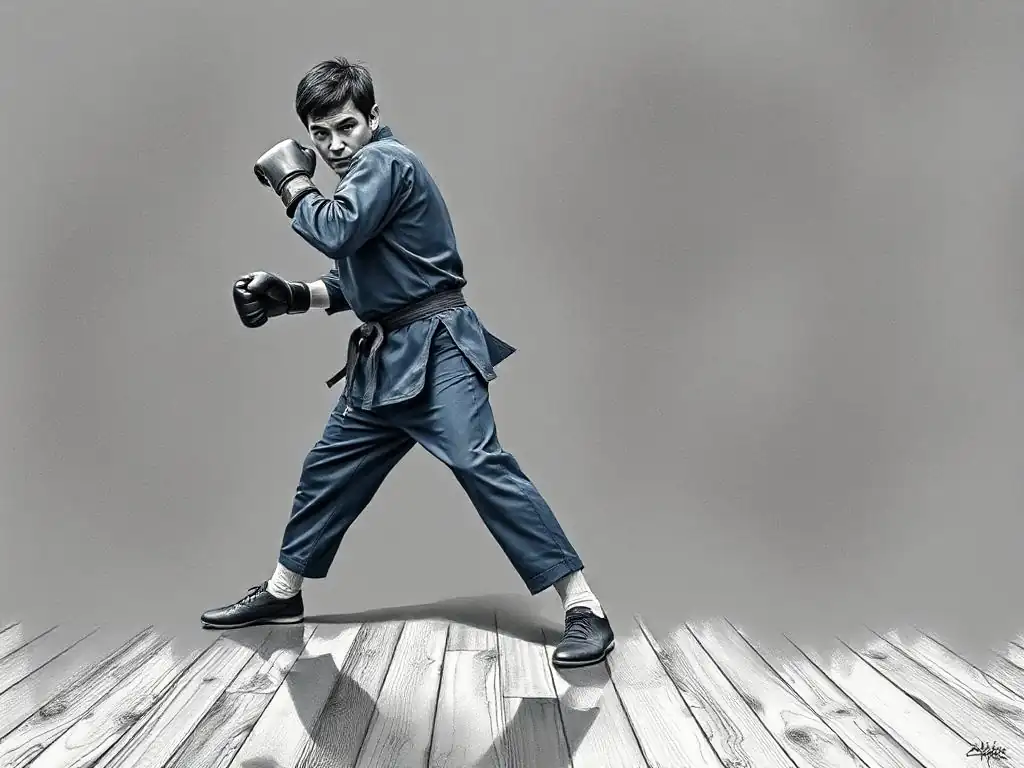
The Role of Footwork in Martial Arts and Boxing Fundamentals
In the dynamic world of martial arts, particularly boxing, footwork is not merely about moving around the ring; it is the foundational pillar upon which all other techniques are built. Without proficient footwork, a boxer's ability to attack, defend, and control the pace of a fight is severely compromised. It dictates distance, creates angles, and allows for the seamless transition between offensive and defensive postures, making it an indispensable element of effective martial arts footwork techniques.
This fundamental aspect of boxing allows practitioners to dictate the engagement, ensuring they are always in the optimal position to land a punch or evade one. Consider the legendary defensive prowess of Floyd Mayweather Jr.; his uncanny ability to avoid strikes was not solely due to head movement, but largely attributed to his masterful control of distance and positioning through subtle, precise footwork. This enabled him to consistently remain just out of reach, forcing opponents to overcommit, thereby creating openings for his counters.
How Proper Footwork Enhances Punch Accuracy and Power
The effectiveness of a punch is intrinsically linked to the boxer's footwork. Proper foot positioning ensures that the kinetic chain, from the ground up through the legs, hips, torso, and finally the arm, is optimally aligned for maximum force generation. When a boxer's feet are correctly placed, they can efficiently transfer their body weight into the strike, significantly increasing its power and impact. This direct correlation highlights why mastering effective martial arts footwork techniques is paramount for any aspiring boxer.
Furthermore, precise footwork allows a boxer to create advantageous angles, enabling them to strike targets that would otherwise be out of reach or blocked. By stepping off-line or pivoting, a boxer can open up an opponent's guard, delivering cleaner and more accurate punches. Manny Pacquiao, known for his explosive power and rapid combinations, exemplifies this. His ability to quickly close distance and shift angles with lightning-fast footwork allowed him to unleash devastating flurries, often catching opponents off-balance and maximizing the impact of each blow.
The Connection Between Footwork and Defensive Maneuvers
While often associated with offense, footwork is equally, if not more, critical for defense in boxing. It is the primary means of avoiding incoming strikes, creating space, or closing distance safely to neutralize an opponent's attack. Defensive maneuvers like slipping, rolling, or blocking are often initiated or complemented by subtle shifts in foot position, allowing the boxer to maintain balance and readiness for a counter-attack. This symbiotic relationship underscores the comprehensive nature of effective martial arts footwork techniques.
The ability to move fluidly and purposefully on your feet is the cornerstone of a strong defense. Muhammad Ali's iconic "phantom" defense, where he seemed to glide away from punches, was a testament to his extraordinary footwork. He didn't just move his head; he used quick, evasive steps to shift his entire body out of harm's way, frustrating opponents and conserving energy. This not only minimized damage but also created psychological advantages, as opponents struggled to land clean shots, often leading to their exhaustion and Ali's eventual dominance.
Frequently Asked Questions
What is the primary benefit of mastering effective martial arts footwork techniques?
Mastering footwork allows for better positioning for both offense and defense. It leads to landing more punches and avoiding damage by controlling distance and angles.
Why is footwork considered a "secret" to success in martial arts, as the title suggests?
While not entirely secret, many practitioners overlook footwork's importance. It's fundamental, but often underestimated compared to flashy techniques. Solid footwork forms the foundation for everything else.
What are some of the key elements that make up effective martial arts footwork techniques?
Key elements include stance, balance, agility, and coordination. Practicing drills that improve reaction time and movement patterns are also crucial.
How does footwork contribute to self-defense strategies in real-world scenarios?
Footwork allows you to create distance from an attacker, evade strikes, and gain a tactical advantage. It's essential for controlled movement and escape maneuvers.
How can I begin to improve my effective martial arts footwork techniques today?
Start with basic stances and shuffles. Practice shadow boxing focusing on footwork. Incorporate agility drills like ladder exercises and cone drills.
Final Reflection: The Dance of Defense and Offense
The principles of effective martial arts footwork, as explored throughout this article, are not merely historical techniques; they are a living, breathing foundation for success in combat sports and self-defense today. From the subtle shifts in weight to the explosive bursts of movement, mastering these techniques unlocks a new level of agility, power, and strategic advantage, proving that footwork is far more than just moving your feet.
The impact of superior footwork extends beyond the ring or the dojo. It cultivates a heightened awareness of space, timing, and balance, skills that translate into improved coordination and confidence in all aspects of life. This article serves as a reminder that true mastery lies not just in brute strength, but in the intelligent application of fundamental principles. The best fighter is never angry.
- Miyamoto Musashi. This quote encapsulates the essence of controlled movement and strategic thinking, highlighting the importance of a calm and calculated approach, facilitated by effective footwork.
Now, consider how you can incorporate these principles into your own life. Whether you're a seasoned martial artist or simply seeking to improve your physical and mental agility, take the time to consciously practice and refine your footwork. Embrace the dance of defense and offense, and you'll discover a newfound sense of power, control, and grace in every step you take.
Elevate Your Game: Master the Art of Movement!
Thanks for diving deep into the essentials of footwork! You've now unlocked the knowledge to significantly improve your striking and defense. Ready to put that understanding into action?
- Immediately practice the shadow boxing drills outlined in this article for at least 15 minutes a day to build muscle memory. This is your key to unlocking better movement.
- Film yourself executing the footwork drills. Analyzing your movements will reveal areas for improvement that you might otherwise miss.
- Share your favorite footwork drill in the comments below. What helps you move like a champion?