
The Intuitive Edge: How Systema's Core Develops Natural Responsiveness


Welcome to Martial Arts Mastery, your comprehensive guide to the world's fighting arts!
Delve into the fascinating realm where instinct meets discipline. Ever wondered how to unlock natural fighting reflexes? This article explores the core principles of Systema natural responsiveness training techniques, revealing how this unique Russian martial art cultivates an intuitive edge. Prepare to discover the secrets behind developing seamless movement and instinctive reactions – and how you can apply these principles to enhance your own martial arts journey. Read on to uncover the power of Systema!
- Systema Training Techniques for Natural Responsiveness: An In-Depth Look
-
Frequently Asked Questions
- What is Systema and how does it relate to natural responsiveness?
- How does Systema's training differ from other martial arts in developing natural responsiveness?
- What are some key elements of Systema training that foster natural responsiveness?
- Can Systema's natural responsiveness training be applied to situations beyond physical self-defense?
- How can someone begin learning Systema to develop their natural responsiveness?
- Final Reflection: Embracing the Flow of Natural Responsiveness
- Unlock Your Inner Flow: Embrace the Systema Advantage!
Systema Training Techniques for Natural Responsiveness: An In-Depth Look
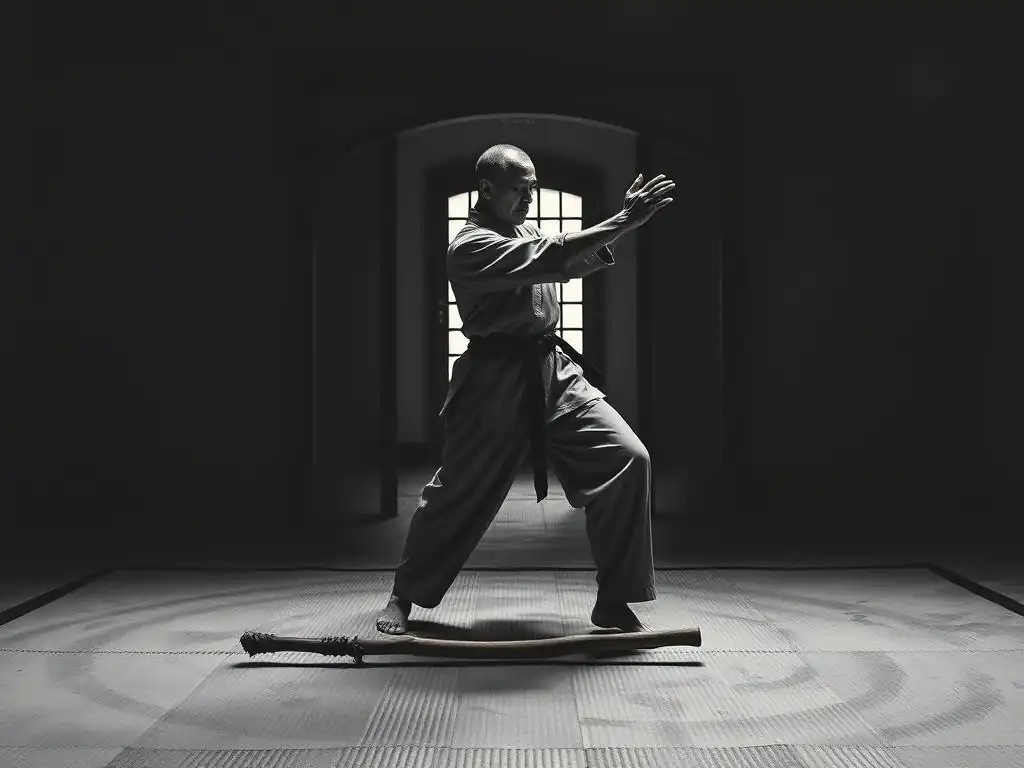
Systema training techniques are specifically designed to cultivate natural responsiveness by focusing on the fundamental principles of breathing, relaxation, and movement. Unlike many martial arts that rely on pre-programmed techniques or forms, Systema emphasizes developing the body's and mind's innate ability to react effectively and efficiently in dynamic, unpredictable situations. This approach aims to strip away artificial constraints and allow for spontaneous, adaptive responses rooted in natural bio-mechanics and physiological states.
The core philosophy underpinning these techniques is the belief that the most effective response in a stressful situation is one that is natural, relaxed, and fluid, rather than tense or forced. By systematically training the body and mind to maintain these states under pressure, practitioners develop an intuitive edge, allowing them to react with speed, precision, and adaptability. The following sections delve into specific Systema natural responsiveness training techniques that are central to this development.
Breathing Exercises for Enhanced Awareness and Reduced Tension
Systema places paramount importance on breathing as a tool for managing tension, controlling fear, and enhancing awareness. Breathing exercises are not merely warm-ups but are integrated throughout the training session, from initial movements to intense partner drills. The fundamental principle is to breathe continuously and naturally, even under physical or psychological stress, avoiding holding one's breath, which leads to tension and diminished cognitive function.
Specific exercises include deep, diaphragmatic breathing during strenuous activity or while receiving strikes. For instance, a common drill involves having a partner apply light pressure or strike, while the practitioner focuses solely on exhaling through the impact and maintaining a relaxed state. Over time, this consistent practice, often performed for sessions lasting 30-60 minutes focusing solely on breath control under duress, rewires the body's automatic response to stress, replacing panic and tension with calm awareness. This mastery of breath is a cornerstone of developing Systema natural responsiveness training techniques.
Movement Drills: Building a Foundation of Natural and Efficient Flow
Movement drills in Systema are designed to explore the body's natural range of motion, improve coordination, and build a foundation of efficient, fluid locomotion. These drills often start with simple, fundamental movements like various forms of walking, running, rolling, and falling, executed with an emphasis on relaxation and natural bio-mechanics. The goal is to eliminate unnecessary tension and effort, allowing the body to move freely and adaptably across different terrains and situations.
More advanced movement drills might involve navigating obstacles, moving while carrying uneven loads, or performing tasks while maintaining continuous, relaxed movement. For example, practitioners might spend 20-30 minutes practicing different types of rolls and falls from various heights and angles, ensuring they can absorb impact safely and recover quickly. This constant exploration of natural movement patterns, performed regularly over months and years, builds the physical literacy and adaptability required for spontaneous, effective responses in dynamic environments, forming critical Systema natural responsiveness training techniques.
Partner Work: Cultivating Reflexes and Intuitive Timing in Dynamic Scenarios
Partner work is where Systema's principles of natural responsiveness are truly tested and refined in a dynamic context. Unlike drills focused on specific techniques, partner work in Systema often involves open-ended scenarios where participants must react intuitively to unpredictable actions from their partner. This can range from light sensitivity drills, where partners apply subtle pressure or movement cues, to more intense scenario-based training involving multiple attackers or weapons.
A typical partner drill might involve two individuals starting in a neutral position, with one initiating a non-specific action (a push, a pull, a feint), and the other responding naturally, without pre-planned technique. The emphasis is on feeling the partner's intention and movement, and responding efficiently using relaxed movement and proper breathing. These sessions, often comprising 45-60 minutes of varied partner interactions per training session, build crucial reflexes, timing, and the ability to adapt in real-time, making them essential Systema natural responsiveness training techniques for developing intuitive combat skills.
Frequently Asked Questions
What is Systema and how does it relate to natural responsiveness?
Systema is a Russian martial art focused on developing natural movement and intuitive reactions to threats. It emphasizes relaxation and adaptation, allowing practitioners to respond fluidly and efficiently.
How does Systema's training differ from other martial arts in developing natural responsiveness?
Unlike many martial arts with rigid forms, Systema uses drills and exercises designed to unlock the body's natural potential for movement and response. It focuses on releasing tension and building adaptability.
What are some key elements of Systema training that foster natural responsiveness?
Breathing exercises, relaxation techniques, and movement drills are crucial. These help to cultivate a state of calm awareness and efficient energy usage, leading to spontaneous and effective responses.
Can Systema's natural responsiveness training be applied to situations beyond physical self-defense?
Yes, the principles of Systema – relaxation, awareness, and adaptability – can be applied to various aspects of life, improving stress management, communication, and problem-solving skills.
How can someone begin learning Systema to develop their natural responsiveness?
Finding a qualified Systema instructor is essential. Look for someone who emphasizes the principles of natural movement and intuitive response, rather than solely focusing on techniques.
Okay, here's a final reflection designed to close your article, "The Intuitive Edge: How Systema's Core Develops Natural Responsiveness," while also incorporating the keyword "Systema natural responsiveness training techniques" and adhering to the structure you provided:
Final Reflection: Embracing the Flow of Natural Responsiveness
The exploration of Systema natural responsiveness training techniques reveals more than just a martial art; it unveils a pathway to unleashing our innate capacity for intuitive action. In a world increasingly demanding adaptability, understanding and cultivating this responsiveness becomes not just an advantage, but a necessity for navigating the complexities of modern life with grace and effectiveness.
The journey into Systema has profoundly impacted how I perceive movement and reaction, highlighting the limitations of rigid structures and the power of yielding. This understanding extends far beyond the training mat, influencing how I approach challenges and interact with the world around me. The goal is not to become a master of technique, but to become a master of your own self.
- Vladimir Vasiliev, a prominent Systema instructor, encapsulates the essence of this journey, emphasizing the internal transformation that unlocks true responsiveness.
As you consider the principles and techniques discussed, I invite you to reflect on your own capacity for natural responsiveness. How can you incorporate the fluidity and adaptability of Systema into your daily life? Embrace the flow, trust your intuition, and discover the untapped potential within you to respond to life's challenges with effortless grace and unwavering strength.
Unlock Your Inner Flow: Embrace the Systema Advantage!
Thank you for exploring the foundations of Systema and how its core principles can unlock your natural responsiveness. Now it's time to put theory into practice and begin your journey to intuitive movement.
Here’s how you can start:
- Commit to daily movement exploration, even for just 15 minutes. Focus on flowing, natural movements rather than rigid techniques.
- Share this article with fellow martial artists or movement enthusiasts to spark discussion about Systema and its unique benefits.
- Consider attending a Systema workshop or introductory class in your area to experience the art firsthand and connect with experienced practitioners.
What small adjustment can you make today to move with greater freedom and responsiveness?