
The Uncrowned Kings: Remembering Lethwei's Toughest Fighters

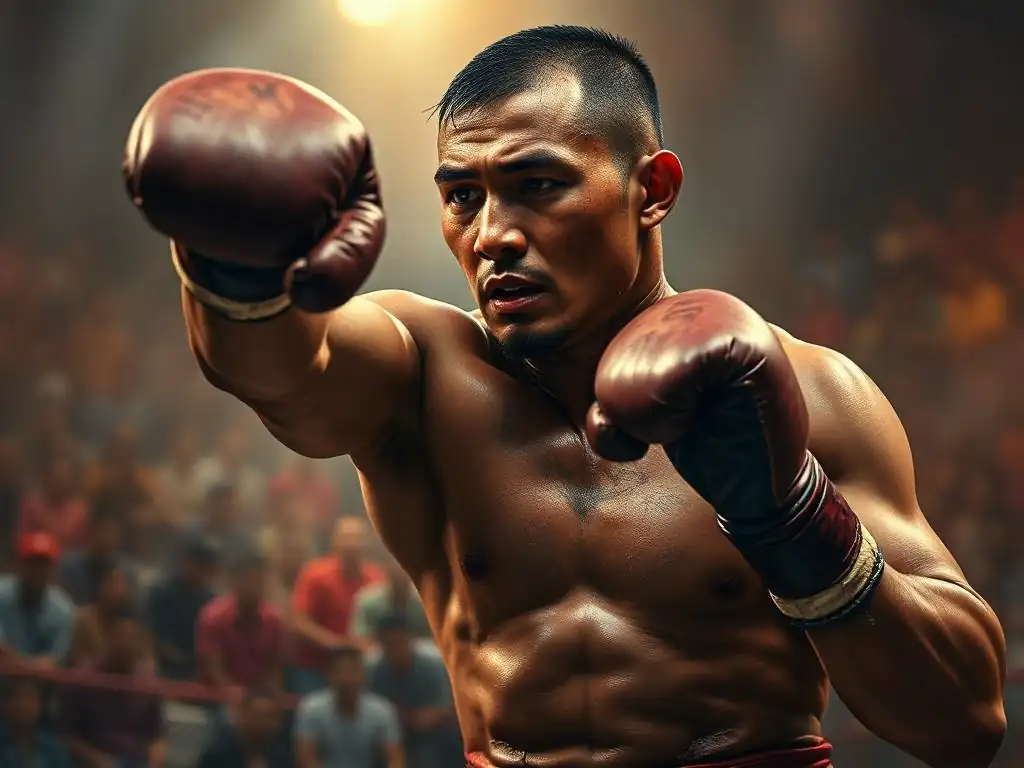
Welcome to Martial Arts Mastery, where we delve into the rich tapestry of global combat traditions. Ever wondered about the absolute limits of human endurance and fighting spirit? In this article, we journey into the brutal world of Lethwei, exploring the legacy of some of the toughest fighters in history. Prepare to be captivated by their stories of raw courage and unparalleled resilience, and discover why Lethwei holds a unique and revered place in the martial arts pantheon. What secrets made these warriors so formidable? Read on to uncover the legends.
- Introduction to Lethwei Legends: Beyond the Ring
- A History of Resilience: Tracing the Roots of Lethwei's Toughest Fighters
- Profiles of Legendary Lethwei Fighters: Icons of Endurance and Skill
- What Makes a Lethwei Fighter "Tough": Defining Characteristics
- Lethwei Training: Forging the Toughest Warriors
- The Future of Lethwei: Preserving the Legacy of its Toughest Fighters
- Conclusion: The Enduring Spirit of Lethwei's Toughest Fighters
-
Frequently Asked Questions
- What is Lethwei, and why is it considered so demanding?
- Who are some of the legendary Lethwei fighters mentioned on MartialArtsMastery.org?
- What makes a Lethwei fighter "tough" according to MartialArtsMastery.org?
- How does Lethwei differ from other striking martial arts like Muay Thai or boxing?
- Where can I learn more about Lethwei's history and training techniques on MartialArtsMastery.org?
- Final Reflection: The Enduring Spirit of Lethwei
- Ignite Your Inner Warrior: Take the Lethwei Challenge!
Introduction to Lethwei Legends: Beyond the Ring
Exploring the World of Lethwei: Burmese Bare-Knuckle Boxing
Lethwei, often dubbed the "Art of Nine Limbs," is a traditional Burmese martial art renowned for its brutal effectiveness and the incredible toughness of its practitioners. Unlike many other striking arts, Lethwei uniquely permits headbutts, adding a formidable ninth limb to the arsenal of fists, elbows, knees, and kicks.
This bare-knuckle discipline, often fought without gloves and featuring a unique "injury timeout" rule allowing a fighter who is knocked down to potentially recover and continue, cultivates a level of physical and mental resilience rarely seen in combat sports. It is a direct descendant of ancient fighting traditions, deeply woven into Myanmar's cultural fabric, where it was historically used for both self-defense and competitive sport during festivals and royal events.
The modern Lethwei landscape, while still retaining its raw, traditional core, has seen increased organization with events held by bodies like the World Lethwei Federation (WLF) and the International Lethwei Federation Japan (ILFJ). These events showcase elite athletes who embody the historical spirit of the sport while pushing its boundaries.
The sheer intensity of a Lethwei bout, characterized by relentless pressure, powerful strikes, and the ever-present threat of a fight-ending headbutt, demands an exceptional degree of courage and durability from its participants. Understanding the history of Lethwei toughest fighters requires looking at both the ancient roots and the modern evolution of this unforgiving art form.
Why Lethwei Fighters Are Considered Among the Toughest
Lethwei fighters earn their reputation for toughness through a combination of factors inherent to the sport's rules and culture. The absence of standard boxing gloves means strikes land with maximum impact, leading to frequent cuts, bruises, and broken bones.
The allowance of headbutts introduces a high-impact, often fight-altering technique that requires fighters to possess incredible skull and neck conditioning. Furthermore, the unique "traditional decisionless" format, where a winner is only declared by knockout or corner stoppage, means many fights end in a draw if both fighters endure the full five rounds, placing an immense premium on survival and relentless offense over tactical point scoring.
This environment fosters unparalleled physical resilience, but it is perhaps the mental fortitude of Lethwei athletes that truly sets them apart. The "timeout" rule, while controversial, highlights the expectation of recovery and continuation even after significant impact. Fighters are conditioned to absorb punishment, push through pain, and maintain their composure under extreme duress. This mental toughness, forged through rigorous training and the sport's unforgiving nature, is a defining characteristic when discussing the Lethwei toughest fighters history. They are not just skilled strikers; they are warriors who have mastered the art of enduring and overcoming adversity within the ring.
A History of Resilience: Tracing the Roots of Lethwei's Toughest Fighters
Ancient Origins of Burmese Boxing and its Impact on Fighter Development
The history of Burmese boxing, the precursor to modern Lethwei, stretches back centuries, potentially as far as the Pyu era (2nd century BCE to 11th century CE). Early forms, known as "Pyi Thay Bwe," were bare-handed combat sports often held during religious festivals and public gatherings. These bouts were less structured than today's Lethwei but served as a vital method for developing warriors and maintaining physical prowess among the populace.
The emphasis was on practical, devastating techniques, incorporating striking with all available limbs, and survival was paramount. This early focus on raw, effective combat laid the foundation for the brutal efficiency seen in modern Lethwei.
This historical context profoundly shaped the development of Lethwei fighters. Unlike martial arts primarily focused on forms or spiritual development, Burmese boxing was inherently practical and geared towards physical combat. Fighters learned to absorb significant impact, deliver powerful blows with unprotected limbs, and fight with relentless aggression.
The cultural significance of these matches, often representing regional pride or individual honor, instilled a deep sense of determination and resilience. This ancient legacy is crucial when examining the history of Lethwei toughest fighters, as it highlights that the sport's demanding nature is not a recent development but a core element inherited from its ancestral forms.
Key Moments in Lethwei History that Defined Toughness
Several periods and events have underscored and redefined the concept of toughness within Lethwei. The Konbaung Dynasty era (18th-19th centuries) saw Burmese boxing become more formalized under royal patronage, with regional champions gaining prominence. These fighters often participated in high-stakes matches that tested their endurance over multiple rounds, sometimes against opponents of varying styles. The post-independence period in the 20th century saw a decline due to political instability, but traditional forms persisted in rural areas, keeping the spirit of toughness alive through grassroots events where rules remained minimal and survival was key.
A significant modern moment that solidified Lethwei's reputation for extreme toughness was the reintroduction and popularization of the headbutt rule in the late 20th and early 21st centuries, alongside the bare-knuckle format and the unique timeout rule. Events like the Myanmar National Challenge Fights brought this raw form of combat back into the spotlight, demanding an unprecedented level of durability from participants.
The willingness of fighters to continue after being knocked down, often utilizing the timeout to recover, became a defining image of Lethwei toughness. These moments are critical milestones in the history of Lethwei toughest fighters, showcasing the sport's unwavering commitment to a high-impact, high-endurance style of combat.
Evolution of Lethwei Training Methods and Fighter Conditioning
Traditional Lethwei training methods were steeped in practicality and physical conditioning aimed at preparing fighters for the rigors of bare-knuckle combat. This included extensive roadwork for stamina, hitting heavy bags made of sand or rice husks to condition fists and shins, and partner drills focusing on clinching, sweeping, and striking.
A significant component was body conditioning, where fighters would repeatedly strike hard objects or allow themselves to be struck (with some protection) to build resilience to impact, particularly in areas like shins, forearms, and the head. This brutal conditioning regimen was fundamental to developing the physical toughness required to compete.
While traditional methods remain core to Lethwei training, modern fighters have begun integrating more scientific approaches to enhance their conditioning and skill. This includes strength and conditioning tailored for explosive power and injury prevention, improved nutritional strategies, and more sophisticated technical drills. However, the emphasis on durability and pain tolerance persists. Sparring remains intense, often bare-knuckle or with minimal padding, to simulate fight conditions. This evolution balances the historical focus on raw toughness with contemporary athletic science, ensuring that today's Lethwei toughest fighters are not only incredibly durable but also highly skilled and conditioned athletes.
Profiles of Legendary Lethwei Fighters: Icons of Endurance and Skill
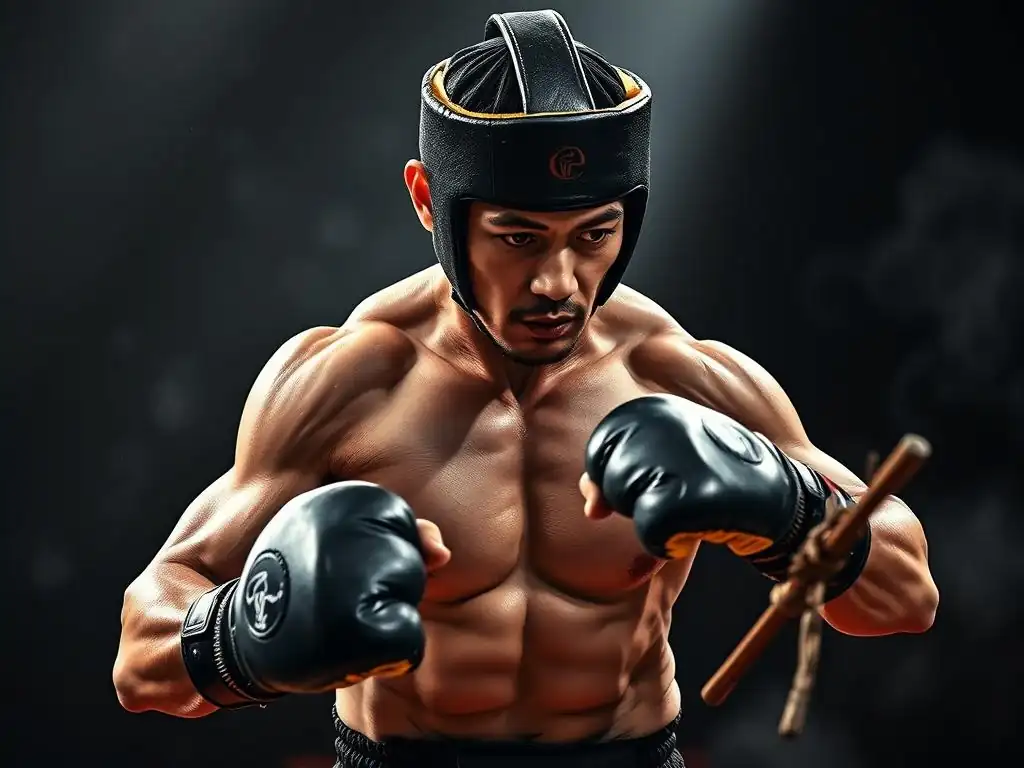
Yekhaung Thar: A Pioneer of Lethwei's Golden Era
Yekhaung Thar is widely regarded as one of the most formidable figures from Lethwei's post-independence "Golden Era" in the mid to late 20th century. Hailing from the Mon State, he became a national icon known for his incredible power and seemingly unbreakable will. Fighting primarily before the widespread international attention Lethwei receives today, his legend was built within Myanmar, dominating local and national circuits.
His era was characterized by intense, often lengthy, bare-knuckle bouts where technical skill was combined with sheer, brutal force and endurance. Yekhaung Thar's dominance during this period solidified his place in the history of Lethwei toughest fighters.
His reputation was built on a series of high-profile victories against other regional and national champions. Matches during his peak were often epic battles of attrition, lasting many rounds and showcasing the extreme physical demands of the sport at the time. Yekhaung Thar's ability to absorb punishment and continue fighting with devastating power became legendary. His success inspired a generation of fighters and cemented the image of the Lethwei champion as a warrior of exceptional resilience and striking prowess.
Yekhaung Thar's Key Fights and Defining Moments
While exact records from Yekhaung Thar's era are often scarce and anecdotal compared to modern statistics, his defining moments were his numerous victories in the major tournaments and challenge fights of his time, particularly in Yangon and Mandalay. His bouts against rivals were often the highlight of national festivals, drawing massive crowds. A key aspect of his legacy is his consistent performance at the highest level for many years, a testament to his durability in a sport that quickly wears down its practitioners.
One defining characteristic of his fights was his ability to deliver knockout blows even after absorbing significant punishment. Accounts describe him weathering storms of strikes only to unleash a devastating counter, often with his powerful fists or elbows. These moments underscored the deep reserves of strength and mental fortitude he possessed, reinforcing why he is remembered as one of the Lethwei toughest fighters from a pivotal period in the sport's history.
Analyzing Yekhaung Thar's Fighting Style and Techniques
Yekhaung Thar's fighting style was characterized by powerful, aggressive striking and a relentless forward pressure. He was known for his heavy hands, delivering crippling punches, but also effectively utilized elbows and knees in the clinch. While headbutts were part of the Lethwei arsenal during his time, his reputation was more strongly associated with his knockout power from traditional strikes and his ability to overwhelm opponents through sheer force and volume.
His technique was rooted in the traditional Burmese boxing methods of his time, emphasizing strong stances, powerful hip rotation for strikes, and robust defensive conditioning. He was a master of infighting, comfortable exchanging brutal blows at close range. This style, combined with his extraordinary physical toughness, made him a nightmare opponent for anyone in the ring. Studying his approach provides valuable insight into the methods that produced some of the history of Lethwei toughest fighters.
Lone Chaw: The Master of Headbutts and Bare-Knuckle Combat
Lone Chaw is another iconic figure in the history of Lethwei, particularly known for his mastery and devastating use of the headbutt. Competing in a slightly later era than Yekhaung Thar, Lone Chaw became synonymous with the sheer brutality and unique ruleset of modern Lethwei. His fighting style was a perfect embodiment of the "Art of Nine Limbs," seamlessly integrating powerful head strikes into his overall offensive strategy. He was a dominant force for years, feared for his knockout power and his ability to withstand the equally heavy blows of his opponents.
His prominence coincided with a period where Lethwei began to gain more structure and national attention within Myanmar, particularly through organized events. Lone Chaw's performances were highlights of these events, showcasing the raw, unfiltered nature of the sport. His name is frequently mentioned when discussing the most impactful and Lethwei toughest fighters, a testament to his skill and the sheer force he brought into the ring.
Lone Chaw's Dominance in the Lethwei Arena
Lone Chaw achieved significant dominance throughout his career, facing and defeating many of the top competitors of his generation. His record, while again difficult to pinpoint with exact modern precision, included numerous high-profile victories and championship titles in Myanmar. His fights were often spectacles of endurance and aggression, rarely going the distance due to his finishing capabilities.
A key aspect of his dominance was his psychological impact on opponents, who knew they faced the constant threat of his powerful headbutts. He was adept at setting up these strikes, often using combinations of punches and kicks to close distance before delivering the final blow. This strategic incorporation of the headbutt, combined with his exceptional durability and bare-knuckle striking power, made him a true legend and a prime example of the Lethwei toughest fighters of his time.
Lone Chaw's Training Philosophy and Legacy
Lone Chaw's training, like most Lethwei fighters, was intensely focused on conditioning and practical combat application. He honed his striking power through countless hours on heavy bags and pads, but his unique emphasis was on strengthening his neck and forehead to deliver and withstand headbutts. This likely involved specific neck exercises and controlled conditioning drills to prepare for head impact, though specific details are part of the often-guarded traditional training methods.
His legacy is tied directly to his mastery of the headbutt and his representation of the quintessential, unforgiving Lethwei fighter. He demonstrated that the unique elements of Lethwei were not just rules but integral parts of a devastating fighting system. His influence can be seen in subsequent generations of fighters who have continued to utilize the headbutt effectively. He remains a benchmark for toughness and skill when discussing the history of Lethwei toughest fighters.
Tun Tun Min: A Modern Lethwei Champion and Symbol of Toughness
Tun Tun Min represents the modern era of Lethwei champions, bringing the traditional toughness and skill of Burmese boxing to a wider audience. Known for his immense size, power, and seemingly boundless endurance, Tun Tun Min dominated the national Lethwei scene for several years, becoming a national hero. He embodies the contemporary Lethwei fighter – highly skilled, incredibly conditioned, and possessing the characteristic unwavering will to fight through adversity.
His rise to prominence occurred during a period when Lethwei began to gain more international exposure, particularly through events promoted by organizations like the ILFJ. Tun Tun Min's performances against both domestic and international opponents showcased the high level of competition and the extreme demands placed on modern Lethwei athletes. He stands as a prime example of the evolution and enduring spirit of the Lethwei toughest fighters.
Tun Tun Min's Rise to Prominence in Contemporary Lethwei
Tun Tun Min's career saw him ascend rapidly through the ranks in Myanmar, culminating in multiple national championship titles. His physical attributes – standing over 6 feet tall and competing in the heavyweight division – gave him a natural advantage, but it was his relentless fighting style and ability to absorb punishment that truly set him apart. He faced and defeated many of the top heavyweights in Myanmar, solidifying his status as the king of the division for a significant period.
His defining moments include numerous knockout victories and hard-fought draws against elite opponents. He was known for his ability to recover from tough situations, often utilizing the timeout rule effectively to regain his composure before re-engaging with brutal efficiency. His consistent performance at the top level, enduring the rigors of multiple championship fights, cemented his place among the modern Lethwei toughest fighters.
Tun Tun Min's Signature Moves and Fight Strategies
Tun Tun Min's fighting style is characterized by powerful, straightforward aggression. He relies heavily on devastating low kicks, powerful punches, and dangerous elbow strikes in close range. While capable of using headbutts, his primary weapons are his sheer physical strength and knockout power delivered through traditional striking techniques. He often uses a high guard and forward pressure to back opponents up, looking for opportunities to land fight-ending blows.
His strategy often involves overwhelming opponents with volume and power, constantly pushing forward and rarely taking a step back. He is incredibly durable and trusts his chin and conditioning to withstand incoming fire while he delivers his own. This combination of raw power, relentless pressure, and incredible toughness makes him a formidable opponent and a perfect representation of what it means to be one of the Lethwei toughest fighters in the modern era.
Dave Leduc: The Canadian King of Lethwei
Dave Leduc holds a unique place in the history of Lethwei toughest fighters as one of the most prominent non-Burmese athletes to achieve championship status and significant recognition within the sport. Hailing from Canada, Leduc transitioned from Muay Thai to fully embrace the rules and challenges of Lethwei, quickly making a name for himself with his aggressive style and remarkable toughness. He became the first non-Burmese fighter to win the prestigious Lethwei Openweight World Championship.
Leduc's success brought unprecedented international attention to Lethwei, showcasing the sport's global appeal and proving that its demanding nature is not exclusive to Burmese athletes. His willingness to adopt and effectively utilize the unique aspects of Lethwei, including the headbutt and fighting bare-knuckle, earned him the respect of traditionalists and fans alike. He is a crucial figure in the recent history of Lethwei toughest fighters, bridging the gap between tradition and global reach.
Dave Leduc's Journey to Lethwei Supremacy
Dave Leduc's journey to becoming a Lethwei world champion was a rapid ascent. He began competing in Lethwei in 2016 and quickly impressed with his aggressive style and ability to withstand the sport's brutal nature. His willingness to engage in the clinch, utilize headbutts, and stand toe-to-toe with seasoned Burmese champions set him apart. His landmark victory against Too Too in 2017 for the Openweight title cemented his status as a major force.
He successfully defended his title multiple times against top Burmese and international competitors, further establishing his dominance. His fights were often high-stakes, intense battles that showcased his physical conditioning and mental resilience. Leduc's ability to adapt to the unique ruleset and consistently perform at the highest level demonstrated the universal principles of toughness and skill required to succeed in Lethwei.
Dave Leduc's Impact on Lethwei's Global Recognition
Dave Leduc's prominence has had a significant impact on bringing Lethwei to a global audience. As a charismatic and successful non-Burmese champion, he became a media figure, raising awareness about the sport outside of Myanmar. His fights were broadcast internationally, introducing millions to the intensity and unique rules of Lethwei. He actively promoted the sport, highlighting its cultural heritage and the incredible toughness of its athletes.
His success challenged the notion that only Burmese fighters could excel in Lethwei and inspired other international athletes to try the sport. This influx of diverse talent has helped to elevate the level of competition and further legitimize Lethwei on the world stage. Dave Leduc's career is a pivotal chapter in the recent history of Lethwei toughest fighters and the sport's expansion beyond its traditional borders.
What Makes a Lethwei Fighter "Tough": Defining Characteristics
Physical Endurance: Withstanding Brutal Bare-Knuckle Strikes
Physical endurance is perhaps the most immediately obvious characteristic of a tough Lethwei fighter. Without the padding of standard boxing gloves, every strike landed carries significant impact, leading to cuts, swelling, and deep tissue damage. Fighters must possess exceptional bone and muscle conditioning, particularly in their fists, shins, elbows, and forehead, developed through years of rigorous training hitting hard surfaces and repetitive impact drills. The ability to absorb these bare-knuckle blows, sometimes multiple times within a round, and continue fighting effectively is a fundamental requirement.
Beyond strike absorption, Lethwei demands incredible cardiovascular stamina. Bouts consist of five rounds of three minutes, often fought at a relentless pace with minimal breaks. The constant grappling in the clinch, the explosive power required for kicks and knees, and the defensive effort to evade or block incoming strikes all contribute to a high-intensity workload. A truly tough Lethwei fighter can maintain a high output throughout the fight, resisting fatigue even as their body accumulates damage, a testament to their exceptional physical conditioning and resilience.
Mental Fortitude: The Importance of Willpower in Lethwei
While physical toughness is essential, mental fortitude is arguably the most crucial factor in determining a Lethwei fighter's resilience. The sport is designed to test a fighter's will to the absolute limit. Facing an opponent who is actively trying to knock you out with bare fists and headbutts requires immense courage and the ability to manage fear and pain. The unique timeout rule, while offering a chance to recover, also places the onus entirely on the fighter to decide if they can continue after being downed, a profound psychological test.
Lethwei fighters must possess an unshakeable belief in their ability to endure and overcome. They are trained to push through discomfort, ignore injuries (within safe limits), and maintain focus even when disoriented or hurt. This mental resilience allows them to implement their strategy under extreme pressure, seize opportunities, and prevent their spirit from breaking. It is this inner strength, this refusal to quit, that truly defines the Lethwei toughest fighters throughout history.
Technical Prowess: Mastering the Art of Eight Limbs and Headbutts
Toughness in Lethwei is not merely about absorbing punishment; it's about combining durability with effective technique. While the sport is known for its brutality, it is also a highly skilled striking art. Mastering the "Art of Nine Limbs" requires proficiency with punches, elbows, knees, kicks, and crucially, headbutts. A tough fighter must be able to deliver powerful, accurate strikes that can finish an opponent, while also possessing the defensive skills to block, parry, and evade incoming attacks.
Effective technique also includes skillful clinching, sweeping, and throwing, which are vital components of Lethwei. The ability to control an opponent in the clinch, land devastating knee and elbow strikes, or execute a sweep to gain a dominant position requires significant technical understanding and physical execution. A truly tough Lethwei fighter uses their technical prowess not just to attack, but also to minimize the damage they receive, conserve energy, and create opportunities, demonstrating that toughness is a blend of physical resilience, mental strength, and technical mastery.
Lethwei Training: Forging the Toughest Warriors
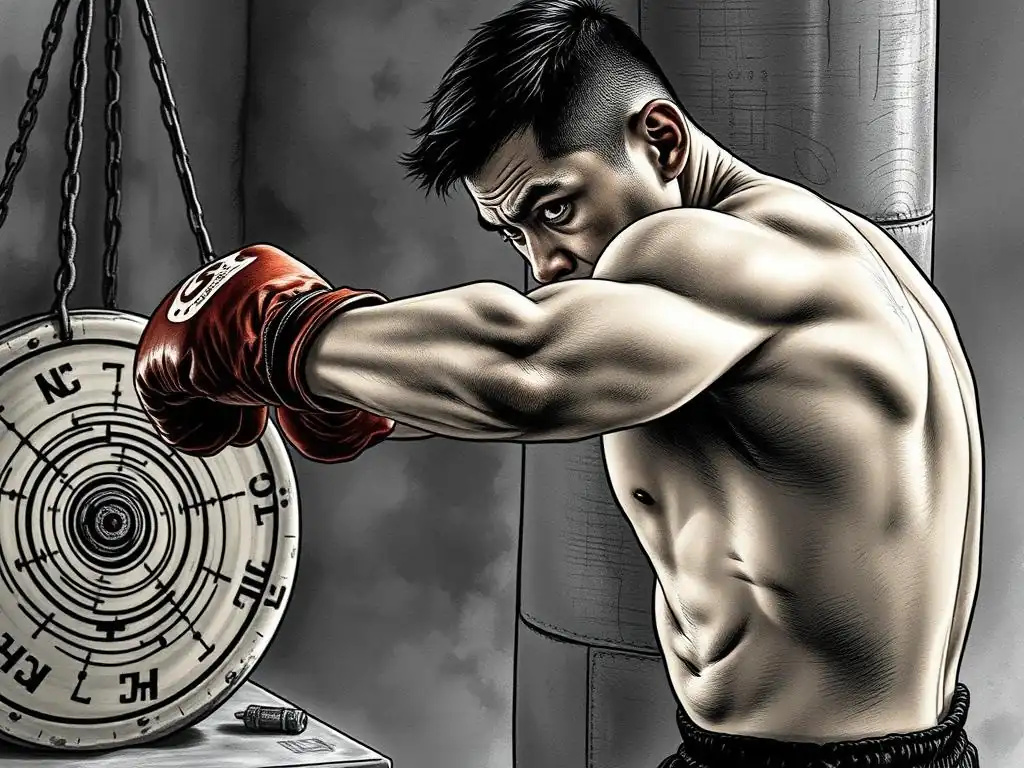
Traditional Lethwei Training Regimens: Conditioning for Bare-Knuckle Combat
Traditional Lethwei training regimens are notoriously rigorous, designed to build both physical and mental toughness. A significant portion of training focuses on conditioning the body to withstand bare-knuckle impact. This includes striking heavy bags made of tough materials to harden the fists and shins, partner drills involving controlled impact to the body and limbs, and specific exercises to strengthen the neck and head in preparation for headbutts. Roadwork, often over long distances, is essential for building the cardiovascular endurance needed for five rounds of intense fighting.
Flexibility and mobility are also addressed through dynamic stretching and specific exercises. Sparring, frequently conducted with minimal protection, replicates the intensity and impact of real fights, forcing fighters to adapt to pain and discomfort while executing techniques. This traditional approach, often passed down through generations of masters, emphasizes discipline, perseverance, and the cultivation of an indomitable spirit, laying the groundwork for the history of Lethwei toughest fighters.
Modern Training Techniques: Integrating Science and Tradition
While respecting tradition, modern Lethwei training incorporates elements of contemporary sports science to enhance performance and reduce injury risk. Fighters now often include dedicated strength and conditioning programs focusing on explosive movements, core strength, and injury prevention exercises tailored to the demands of Lethwei. Nutritional planning and recovery strategies, such as proper hydration and rest, are also increasingly recognized as vital components.
Technology, such as heart rate monitors and video analysis, may be used to fine-tune conditioning and technique. However, the core principles of traditional training – intense physical conditioning, bare-knuckle practice, and sparring – remain central. Modern Lethwei fighters seek to combine the raw durability forged by traditional methods with the efficiency and optimization offered by scientific approaches, creating athletes who are not only incredibly tough but also highly refined in their physical preparation.
The Role of Sparring in Developing Lethwei Toughness
Sparring is a cornerstone of Lethwei training and plays a critical role in developing the toughness of fighters. Unlike some martial arts where sparring might be light or semi-contact, Lethwei sparring is often conducted at high intensity, frequently bare-knuckle or with very thin padding to simulate fight conditions. This exposes fighters to the reality of receiving bare-knuckle strikes, forcing them to develop pain tolerance and learn to react effectively under pressure.
Through sparring, fighters learn to judge distance, time their strikes, defend against powerful attacks, and navigate the clinch in a realistic environment. More importantly, it builds mental resilience by requiring them to continue fighting even when tired or hurt. Regular, intense sparring against skilled partners is crucial for hardening both the body and the mind, preparing athletes for the brutal reality of a Lethwei bout and contributing significantly to the development of the Lethwei toughest fighters seen today and throughout history.
The Future of Lethwei: Preserving the Legacy of its Toughest Fighters
The Growing Popularity of Lethwei on the Global Stage
Lethwei is experiencing a significant surge in global popularity, driven by online videos showcasing its brutal knockouts and the incredible toughness of its competitors. Organizations like ILFJ and WLF are promoting events outside of Myanmar in countries like Japan, Thailand, and North America, attracting international fighters and fans. This increased exposure is introducing the world to the unique rules, rich history, and demanding nature of Burmese boxing.
International fighters entering the sport, such as Dave Leduc, have also contributed to its growth by challenging the traditional landscape and demonstrating that the skills and toughness required are universal. This global interest is vital for the sport's future, providing new opportunities for athletes and helping to preserve its unique cultural heritage by sharing it with a wider audience. The narrative of the Lethwei toughest fighters is a powerful draw for fans of combat sports worldwide.
Challenges Facing Lethwei and its Fighters
Despite its growing popularity, Lethwei faces several significant challenges. The extreme nature of the sport raises concerns about fighter safety and long-term health impacts from repeated bare-knuckle strikes and headbutts. Standardizing rules and safety protocols across different promotions is an ongoing process. Financial stability for fighters remains a challenge for many, particularly those competing primarily in Myanmar, as purses are often lower than in more established combat sports like Muay Thai or Boxing.
The lack of a single, universally recognized governing body also creates fragmentation within the sport. Additionally, preserving the traditional cultural elements while adapting to modern demands and attracting international talent requires careful navigation. Addressing these issues is crucial for ensuring the sustainable growth of Lethwei and protecting the athletes who embody the spirit of the Lethwei toughest fighters history.
Honoring the History and Traditions of Burmese Boxing
Preserving the rich history and traditions of Burmese boxing is paramount as Lethwei evolves. This involves documenting the careers of legendary fighters, maintaining traditional training methods alongside modern techniques, and educating new generations about the cultural significance of the sport. Events and organizations can play a role by incorporating historical exhibitions, recognizing past champions, and ensuring that the core values of respect, discipline, and toughness remain central.
Highlighting the stories of figures like Yekhaung Thar, Lone Chaw, and others is essential to connect the modern sport with its roots. Understanding the history of Lethwei toughest fighters provides context for the present-day challenges and achievements of its athletes. By honoring its past, Lethwei can ensure that its unique identity and the legacy of its courageous practitioners endure for future generations.
Conclusion: The Enduring Spirit of Lethwei's Toughest Fighters
Celebrating the Unbreakable Will of Lethwei Athletes
The stories of Lethwei's toughest fighters are a testament to the power of the human spirit and the incredible resilience that can be forged through rigorous training and competition. Athletes like Yekhaung Thar, Lone Chaw, Tun Tun Min, and Dave Leduc, among countless others, embody an almost unbelievable level of physical and mental toughness. They step into the ring bare-knuckle, knowing they face the threat of powerful strikes, headbutts, and the expectation to continue fighting through pain.
Their careers highlight that toughness in Lethwei is not just about absorbing punishment, but about an active, aggressive will to win, to push forward relentlessly, and to never give up. They are modern-day warriors who carry forward an ancient tradition of combat, inspiring awe and respect from anyone who witnesses their incredible feats of endurance and skill. Celebrating these athletes means recognizing the immense sacrifices they make and the extraordinary courage they display every time they compete.
The Lasting Impact of Lethwei on the World of Martial Arts
Lethwei holds a unique and vital place in the global landscape of martial arts. Its unfiltered, bare-knuckle approach and unique ruleset offer a raw contrast to more regulated sports. It reminds us of the ancient origins of combat sports, where effectiveness, durability, and sheer willpower were paramount. The history of Lethwei toughest fighters serves as a powerful reminder of the extreme limits to which dedicated athletes can push their bodies and minds.
As Lethwei continues to grow internationally, its impact extends beyond entertainment. It challenges conventional notions of what is possible in striking combat and showcases a depth of toughness rarely seen elsewhere. The techniques, conditioning methods, and the warrior spirit cultivated within Lethwei offer valuable lessons for practitioners of all martial arts. The legacy of its toughest fighters will undoubtedly continue to influence and inspire the combat sports world for years to come.
Frequently Asked Questions
What is Lethwei, and why is it considered so demanding?
Lethwei is a Burmese martial art known for its brutal and unforgiving ruleset. Fighters compete without gloves, allowing for headbutts and a generally more aggressive fighting style.
Who are some of the legendary Lethwei fighters mentioned on MartialArtsMastery.org?
The article profiles fighters known for their exceptional toughness and skill, though specific names depend on the article's content. They’re often remembered for their high knockout rates and resilience.
What makes a Lethwei fighter "tough" according to MartialArtsMastery.org?
"Toughness" in Lethwei encompasses not only physical resilience but also mental fortitude. They exhibit unwavering determination and the ability to withstand significant punishment.
How does Lethwei differ from other striking martial arts like Muay Thai or boxing?
Lethwei is distinct due to its lack of gloves and allowance of headbutts. These rules create a significantly higher risk of injury compared to other striking disciplines.
Where can I learn more about Lethwei's history and training techniques on MartialArtsMastery.org?
MartialArtsMastery.org offers detailed historical overviews, training tips, and profiles of legendary practitioners within the Lethwei section. This allows for deeper understanding of the art.
Final Reflection: The Enduring Spirit of Lethwei
The stories of Lethwei's toughest fighters, as we've explored, are not just historical accounts; they are living testaments to the human spirit's capacity for resilience and unwavering dedication. Their battles, often fought with minimal protection and maximum intensity, resonate even today, reminding us of the raw, unyielding heart that beats within every martial artist and, indeed, within all of us.
The impact of these "Uncrowned Kings" extends far beyond the ring. Their legacy shapes the very soul of Lethwei, influencing training philosophies, inspiring new generations of fighters, and preserving a cultural heritage that refuses to be diluted. Lethwei is more than just a fight; it's a way of life, a testament to the strength and spirit of the Burmese people.
This quote, often repeated within the Lethwei community, encapsulates the profound connection between the sport and its cultural roots, a connection forged by the legendary fighters we've remembered.
Now, consider the lessons etched in the blood and sweat of these Lethwei warriors. What does their unwavering commitment teach you about your own challenges? What inner strength can you draw from their stories of perseverance? Let their spirit inspire you to face your own battles, both inside and outside the ring, with the same courage, discipline, and unwavering heart. Embrace the enduring spirit of Lethwei, and discover the "Uncrowned King" within yourself.
Ignite Your Inner Warrior: Take the Lethwei Challenge!
Thank you for exploring the fierce world of Lethwei with us. We hope you've gained a deeper appreciation for these incredible fighters and their unwavering spirit. Now, it's time to channel that inspiration into action.
- Dive Deeper: Start researching Lethwei gyms and training opportunities near you. This is the most direct way to connect with the art!
- Share the Legacy: Spread the word about Lethwei by sharing this article with fellow martial arts enthusiasts. Help preserve and celebrate this unique fighting style.
- Unearth Forgotten Tales: Explore the hidden history of other lesser-known martial arts around the world and share your findings in the comments below!
What aspect of Lethwei resonated most with you, and how will you incorporate that into your own martial arts journey?