
Deescalating Group Confrontations: Strategies for Multiple Aggressors


Welcome to Martial Arts Mastery, your definitive resource for unlocking the secrets of combat and self-improvement. Have you ever wondered how to effectively navigate a situation where you're facing overwhelming odds? This article delves deep into the crucial strategies for dealing with multiple attackers. Discover practical techniques and mental frameworks to de-escalate tense situations and enhance your personal safety, leaving you prepared to face even the most challenging group confrontations. Ready to learn how to turn the tables?
- Understanding the Dynamics of Multiple Attackers
- Prioritizing Safety: Immediate Actions When Confronted by a Group
- De-escalation Strategies for Diffusing Group Tension
- Physical Self-Defense Techniques Against Multiple Attackers: Last Resort Options
- Legal and Ethical Considerations When Facing Multiple Aggressors
- Scenario Analysis: De-escalating Common Group Confrontation Situations
- Training and Preparation for Handling Group Confrontations
- Beyond the Immediate Threat: Long-Term Strategies for Personal Safety
-
Frequently Asked Questions
- How does the Martial Arts Mastery approach to dealing with multiple attackers differ from traditional martial arts training?
- What are the most important de-escalation techniques when facing a group confrontation?
- What's the significance of "strategic positioning" when dealing with multiple attackers?
- Besides physical techniques, what other factors contribute to success in a multiple attacker scenario?
- Is it always best to engage in physical combat when confronted by multiple attackers?
- Final Reflection: Embracing Calm Amidst the Storm
- Ignite Your Inner Peace: Transform Conflict into Opportunity!
Understanding the Dynamics of Multiple Attackers
Assessing the Threat: Identifying Key Aggressors and Group Mentality
When confronted by multiple individuals exhibiting aggressive behavior, the first critical step is threat assessment. This involves quickly identifying the potential level of danger and understanding the group dynamic. Not all individuals in a group may be equally committed to aggression; often, one or two individuals act as instigators or primary aggressors, while others may be followers or merely present. Observing body language, vocal tone, and who is speaking or posturing the most aggressively can help pinpoint these key individuals. Their level of intoxication, emotional state, and apparent intent are crucial indicators.
Understanding the group's mentality is also vital for effectively dealing with multiple attackers. Groups can exhibit collective behaviors that differ significantly from individual actions. The phenomenon of deindividuation, where individuals feel less accountable within a group, can lower inhibitions and increase risky or aggressive behavior. A mob mentality can quickly form, driven by shared emotion, perceived grievance, or simple excitement. Recognizing whether the group is acting with a clear, unified purpose or is a more loosely affiliated collection can inform your de-escalation strategy or decision to disengage.
Recognizing Pre-Attack Indicators in Group Settings
Identifying pre-attack indicators is crucial for anticipating violence and potentially de-escalating or avoiding confrontation when dealing with multiple attackers. These indicators, often subtle, include changes in body language such as squaring up (turning the body to face you directly), clenching fists, setting the jaw, or rapid blinking. Verbal cues might involve repetitive questioning, insults, threats, or a sudden change in vocal tone or volume. Look for target glances – individuals repeatedly looking at a specific spot on your body they intend to strike.
In group settings, these indicators can be amplified or take on different forms. Watch for members of the group positioning themselves to block your escape routes, increased physical contact between group members (like shoulder bumps or huddling), or synchronized movements. A sudden hush or shift in the group's focus entirely onto you can signal an imminent physical threat. Observing these cues early provides precious moments to attempt de-escalation or prepare for disengagement, which is paramount when facing multiple individuals.
The Psychology of Group Aggression: How Crowds Enable Violence
Group aggression is often fueled by psychological factors that differ from individual aggression. The presence of others can create a diffusion of responsibility, where no single person feels fully accountable for the group's actions. This can lead individuals to participate in behavior they would never engage in alone. Furthermore, group identity can strengthen, leading to 'us vs. them' thinking, particularly if the group perceives an external threat or shared grievance. This dynamic is a significant challenge when dealing with multiple attackers, as reasoning with individuals may be overridden by the collective mindset.
The psychological state of the group can be influenced by external factors like intoxication, high-stress environments (like sporting events or protests), or the presence of charismatic instigators. The anonymity provided by being part of a crowd can also embolden individuals. Understanding these psychological underpinnings – the reduced inhibition, diffusion of responsibility, heightened group identity, and influence of instigators – is key to predicting the group's potential behavior and selecting appropriate de-escalation or self-preservation tactics.
Prioritizing Safety: Immediate Actions When Confronted by a Group
Establishing Distance and Creating Space from Multiple Threats
When confronted by multiple aggressors, immediate safety hinges on establishing and maintaining distance. The principle is simple: the closer multiple individuals are to you, the greater their ability to simultaneously attack and overwhelm you. Aim to create a buffer zone of several feet, if possible. This provides you with more time to react to their movements and limits their ability to surround you effectively.
Creating space might involve slowly backing away while keeping the group in your line of sight. Avoid turning your back completely, as this is a vulnerable position. Use obstacles like parked cars, benches, or even other people (if in a crowd) to place barriers between you and the aggressors, disrupting their ability to advance together. Every foot of distance gained increases your options, whether that's attempting verbal de-escalation or preparing for a tactical retreat when dealing with multiple attackers.
Using Verbal De-escalation Techniques with Multiple Individuals
Verbal de-escalation is a powerful tool, even when facing a group. The goal is to lower the emotional temperature and open a channel for communication, potentially peeling away less committed individuals. Speak calmly and clearly, avoiding aggressive language, insults, or challenges. Acknowledge their apparent frustration or anger without necessarily agreeing with their reasons. Phrases like "I understand you're upset" or "What seems to be the problem?" can sometimes interrupt the flow of aggression.
When dealing with multiple attackers verbally, it's often effective to direct your communication towards the apparent leader or instigator, while still being aware of the entire group. Maintain open body language – uncrossed arms, visible hands. Avoid pointing or making sudden movements. State your intentions clearly, for example, "I just want to leave" or "I don't want any trouble." The aim is to present yourself as non-threatening and reasonable, potentially making the group rethink the confrontation or giving you an opportunity to withdraw.
Tactical Retreat: Safely Disengaging from a Group Confrontation
In many situations involving multiple attackers, the safest and most effective strategy is tactical retreat. This means disengaging from the confrontation and removing yourself from the area as quickly and safely as possible. Retreat is not a sign of weakness but a strategic decision to avoid physical harm when outnumbered. Identify potential escape routes before the situation escalates.
When executing a tactical retreat, move quickly and purposefully towards safety, such as a well-lit public area, a police station, or any place where you can find help. If possible, move towards an area with potential witnesses. Avoid running into isolated or dead-end locations. While moving, maintain awareness of the group's pursuit and be prepared to defend yourself if they close the distance, but prioritize getting away. A successful retreat is often the best outcome when dealing with multiple attackers.
De-escalation Strategies for Diffusing Group Tension
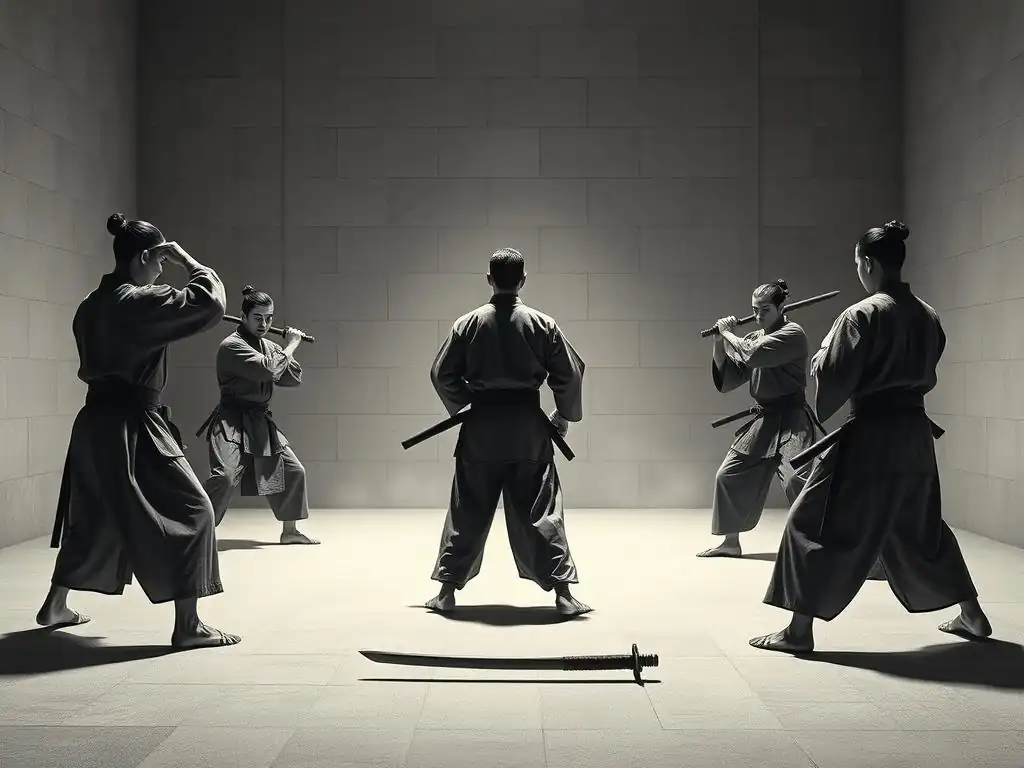
Projecting Confidence and Calmness in the Face of Multiple Aggressors
Projecting confidence and calmness, even if you don't feel it internally, can significantly impact a group confrontation. Aggressors often target individuals they perceive as weak, fearful, or easy targets. Standing tall, making eye contact (without staring aggressively), and speaking in a steady voice can signal that you are not an easy mark. This doesn't mean being aggressive or confrontational, which can escalate the situation, but rather demonstrating composure and self-possession.
Your body language communicates volumes when dealing with multiple attackers. Avoid fidgeting, cowering, or excessive defensive posturing unless a physical attack is imminent. Maintain a balanced stance, ready to move if necessary, but not appearing overly aggressive. Calmness can be contagious; if you remain calm, it can sometimes prevent the situation from escalating as rapidly as the aggressors might intend, buying you time to assess, de-escalate, or escape.
Using Empathetic Communication to De-escalate Group Conflict
Empathetic communication involves showing that you understand the other party's perspective or feelings, even if you don't agree with them. This can be a powerful de-escalation tool when facing a group, as it can humanize the interaction and break down the 'us vs. them' barrier. Phrases like "I can see that you are very angry about this" or "It sounds like you feel disrespected" can validate their emotions and potentially reduce their need to express them through aggression.
When dealing with multiple attackers, addressing the perceived grievance directly, if known and appropriate, can sometimes diffuse tension. For instance, if the confrontation stems from a misunderstanding, calmly explaining your actions or intentions can clarify the situation. The goal is to shift the dynamic from a confrontational one to a more conversational one, even if brief, creating an opening for resolution or escape.
Identifying and Addressing the Root Cause of the Group's Aggression
Understanding why the group is aggressive is key to effective de-escalation. Is it a misunderstanding, a perceived insult, territorial dispute, intoxication, or something else entirely? Rapidly assessing the potential root cause allows you to tailor your response. Addressing the underlying issue, if possible and safe, is more effective than simply reacting to the aggression itself. For example, if they believe you wronged someone, a sincere apology (even if conditional, like "I'm sorry if anything I did caused offense") might suffice.
In some cases, the root cause may be something you cannot address or resolve, such as prejudice or simple unprovoked malice. However, attempting to identify it is part of the assessment process when dealing with multiple attackers. If the cause is something simple like blocking their path, moving aside immediately addresses the issue. If it's more complex, identifying the cause helps you understand the group's potential motivations and predict their next actions, informing your overall strategy.
Setting Clear Boundaries and Asserting Yourself Without Provocation
Setting clear, firm boundaries is essential in a confrontation, even while attempting de-escalation. This involves stating clearly what you will or will not do, or what you want to happen. For example, "I am not looking for trouble, and I need to go now" or "Please do not touch me." These statements should be delivered calmly and assertively, not aggressively. The aim is to communicate your position and intentions without issuing challenges or insults.
Asserting yourself means communicating your needs and limits respectfully but firmly. This projects confidence and can sometimes make aggressors back down. However, it's a fine line; assertion should not be mistaken for aggression. When dealing with multiple attackers, your assertion should be focused on ending the confrontation or ensuring your safety, rather than winning an argument or proving a point.
Physical Self-Defense Techniques Against Multiple Attackers: Last Resort Options
Prioritizing Targets: Identifying the Most Immediate Threat
Physical self-defense against multiple attackers is a scenario to be avoided at all costs due to the inherent disadvantage. However, if physical violence is unavoidable, prioritizing targets is critical. You cannot effectively engage multiple individuals simultaneously. Identify the most immediate threat – the one closest, most aggressive, or most likely to strike first. This individual becomes your primary focus for immediate action.
Neutralizing or incapacitating the most immediate threat can sometimes disrupt the group's momentum and create an opening for escape. This doesn't necessarily mean a knockout; a disruptive strike that creates pain or disorientation can be enough. While engaging the primary threat, maintain maximum possible awareness of the others. Your actions should be swift, decisive, and aimed at creating an opportunity to disengage and retreat, which remains the ultimate goal when dealing with multiple attackers physically.
Utilizing Evasive Maneuvers to Avoid Multiple Simultaneous Attacks
Evasive maneuvers are crucial for survival when physically defending against a group. The danger lies in being surrounded and attacked from multiple directions at once. Constant movement is key. Do not stand still and try to trade blows. Use footwork to pivot, sidestep, and move around the periphery of the group if possible, rather than getting trapped in the center.
Techniques might involve dodging, weaving, or quickly changing direction to evade incoming strikes from different angles. If one attacker lunges, moving laterally can cause them to collide with another group member. The goal is to make it difficult for them to coordinate their attacks and to prevent them from surrounding you. Evasive footwork combined with striking to create openings is a core principle in dealing with multiple attackers physically.
Effective Striking Techniques for Disrupting Group Momentum
When forced to strike, techniques should be simple, powerful, and aimed at vital or vulnerable areas to quickly incapacitate or deter an aggressor. Focus on strikes that require minimal wind-up and can be delivered rapidly. Palm-heel strikes, elbow strikes, knee strikes, and simple, powerful kicks to the legs are often effective in close quarters and can be delivered quickly.
The purpose of striking in this context is not to defeat the entire group, but to disrupt their attack, create pain, and generate an opportunity to escape. A hard strike to the knee of an attacker might temporarily disable them, allowing you to move past. A quick series of strikes might buy you the seconds needed to break through the group's perimeter. Effectiveness and efficiency are paramount when dealing with multiple attackers physically.
Maintaining Awareness and Controlling the Environment
Maintaining high-level situational awareness is arguably more important when dealing with multiple attackers than in a one-on-one confrontation. You must constantly scan the group, anticipating who might move next and from where. Be aware of your surroundings – potential escape routes, obstacles you can use for defense or cover, and potential weapons of opportunity (though using improvised weapons carries significant legal risk).
Controlling the environment to your advantage is also key. Try to position yourself near an exit, against a wall to prevent being surrounded, or near obstacles that can impede the group's movement. Avoid being drawn into confined spaces where your movement is restricted. Your awareness allows you to adapt your strategy, whether attempting further de-escalation or executing a physical defense and escape.
Legal and Ethical Considerations When Facing Multiple Aggressors
Understanding the Laws of Self-Defense
The legal framework surrounding self-defense varies significantly by jurisdiction, but generally allows for the use of force to protect oneself from imminent harm. When facing multiple attackers, the law typically recognizes that the threat level is inherently higher than in a one-on-one situation. This heightened threat may legally justify a greater level of force, but this is highly context-dependent and subject to legal interpretation.
It is crucial to understand the basic principles in your locality: when force is legally justified (usually when facing an immediate and credible threat of bodily harm), the duty to retreat (some jurisdictions require you to attempt to retreat if safe to do so before using deadly force, while others have "stand your ground" laws), and the concept of reasonable force. Ignorance of the law is no defense, and actions deemed excessive can lead to criminal charges, even if you were initially attacked by a group.
The Principle of Reasonable Force When Defending Against a Group
The principle of reasonable force dictates that the level of force used in self-defense must be proportionate to the threat faced. While facing multiple attackers is generally considered a severe threat, potentially justifying significant force, the force used must still be reasonable under the circumstances. Using deadly force might be legally permissible if you reasonably believe you are facing an imminent threat of death or serious bodily harm from the group.
However, if the group's aggression is limited to verbal threats or minor shoving, a physical response, especially a forceful one, might be deemed unreasonable. The legal threshold for reasonable force when dealing with multiple attackers is higher than against a single person, but it is not unlimited. Your actions will be judged based on whether a reasonable person in your situation would have felt the same level of threat and responded with the same level of force.
After safely escaping a confrontation with multiple aggressors, documenting the incident and reporting it to the authorities are crucial steps. As soon as you are safe, contact the police. Provide them with a clear, factual account of what happened, including the location, time, description of the attackers, and the sequence of events. Mention your attempts at de-escalation and why you felt physical force or retreat was necessary.
If possible and safe to do so, gather evidence. This might include taking photos of any injuries you sustained, the location where the incident occurred, or damage to your property. If there were witnesses, try to get their contact information (though this might not always be feasible or safe during or immediately after the event). A prompt and accurate report to the police is vital for establishing your account of the events and supporting any claim of self-defense when dealing with multiple attackers.
Scenario Analysis: De-escalating Common Group Confrontation Situations

Dealing with Encounters Involving Intoxicated Individuals
Confrontations involving intoxicated groups present unique challenges. Alcohol and drugs lower inhibitions, impair judgment, and can lead to unpredictable behavior. De-escalation with intoxicated individuals is often more difficult as their ability to process rational communication is diminished. In such scenarios, prioritizing distance and disengagement becomes even more critical.
Verbal de-escalation should be kept simple and direct. Avoid complex arguments or reasoning. Focus on clear, calm statements like "I'm going now" or "Excuse me." Do not engage in arguments or respond to insults, as this is likely to escalate the situation further with intoxicated individuals. Your primary strategy when dealing with multiple attackers who are intoxicated should be to create space and exit the situation as quickly and safely as possible, as rational de-escalation is less likely to succeed.
Public disturbances involving groups, such as arguments that spill onto the street or unruly gatherings, can quickly escalate into dangerous confrontations. If you find yourself near or involved in such a situation, your first action should be to assess if the disturbance is directed at you. If not, your best strategy is to remove yourself from the vicinity immediately and discreetly.
If the group's attention turns towards you, apply the principles of distance, calm communication, and clear boundaries. Avoid getting drawn into the group's existing conflict. If the disturbance is large or becoming violent, prioritize finding a safe location and contacting authorities. Navigating public disturbances often requires a high level of situational awareness and a willingness to disengage proactively to avoid dealing with multiple attackers caught up in group dynamics.
Responding to Aggressive Behavior in Crowded Environments
Crowded environments like bars, concerts, or public transport can be challenging settings for de-escalation due to noise, lack of space, and potential for anonymity emboldening aggressors. Aggressive behavior in such settings can escalate rapidly. If confronted by a group in a crowded space, immediate priorities include trying to move towards an edge or exit of the crowd rather than getting trapped in the center.
Verbal de-escalation must be concise and potentially louder to be heard. Use body language to signal non-aggression while maintaining a protective stance. In very crowded spaces, physical escape might be difficult, making de-escalation or finding immediate cover behind others or fixed objects crucial. Dealing with multiple attackers in a crowd requires leveraging the environment to your advantage and prioritizing getting out of the confined space.
Training and Preparation for Handling Group Confrontations
Scenario-Based Training: Simulating Real-World Group Confrontations
Effective preparation for dealing with multiple attackers involves more than just physical techniques; it requires training your mind and body to react under stress. Scenario-based training is invaluable for this. This involves simulating potential group confrontation situations with training partners, practicing threat assessment, verbal de-escalation attempts, creating distance, and tactical retreat under conditions that mimic the stress of a real encounter.
These simulations should vary in the number of "aggressors," their apparent level of aggression, intoxication, and the environment (simulated tight spaces, open areas, etc.). Practicing decision-making under pressure – when to talk, when to move, when to defend – is the core benefit. Regular scenario training helps build confidence and refine your response strategies for dealing with multiple attackers in unpredictable environments.
Improving Situational Awareness and Threat Assessment Skills
Situational awareness is the ability to observe your surroundings and understand what is happening around you, anticipating potential threats before they materialize. This skill is paramount when facing groups. Training involves practicing active observation in everyday life – noticing who is around you, their demeanor, potential points of conflict, and available escape routes.
Threat assessment skills are refined by learning to recognize the pre-attack indicators discussed earlier and understanding common patterns of group behavior. This can be developed through studying psychology, criminology, and real-world incident reports. Regularly reviewing potential scenarios and mentally rehearsing your responses enhances your ability to quickly and accurately assess danger when dealing with multiple attackers.
Developing Physical Fitness and Self-Defense Proficiency
While de-escalation and avoidance are the primary goals, physical fitness and self-defense proficiency are essential components of preparedness. Good physical condition improves your ability to create distance, move quickly during a retreat, and gives you the physical capacity to defend yourself if absolutely necessary. Stamina, speed, and agility are particularly beneficial when dealing with multiple attackers.
Developing proficiency in self-defense techniques suitable for multiple opponents involves training that emphasizes efficient, high-impact movements aimed at creating opportunities for escape. This includes footwork for evasion, striking techniques for disruption, and potentially grappling techniques focused on breaking contact rather than engaging in prolonged struggle. Consistent training builds muscle memory and confidence, which are crucial when facing the high-stress reality of dealing with multiple attackers.
Beyond the Immediate Threat: Long-Term Strategies for Personal Safety
Avoiding High-Risk Environments and Situations
A proactive approach to personal safety involves minimizing exposure to situations known to have a higher risk of group confrontations. This includes avoiding areas known for high crime rates, especially late at night. Be cautious in environments where alcohol consumption is prevalent and can lead to aggressive behavior, such as bars or certain public events.
Evaluating potential risks before entering an environment is a key long-term strategy. If a situation feels unsafe or you observe signs of potential trouble, trust your intuition and leave. While you cannot avoid all risks, consciously choosing to avoid statistically higher-risk environments significantly reduces your chances of needing to apply strategies for dealing with multiple attackers.
Strengthening Personal Boundaries and Assertiveness Skills
Developing strong personal boundaries and the ability to assert them verbally and non-verbally is a long-term investment in safety. This involves being comfortable saying "no," clearly communicating your limits to others, and not allowing yourself to be pressured into uncomfortable or potentially unsafe situations. Assertiveness is about standing up for yourself respectfully but firmly.
Practice being assertive in everyday interactions. This builds confidence and makes it more natural to assert yourself clearly and calmly if confronted by a group. Individuals who project confidence and clear boundaries are often less likely to be targeted by aggressors seeking easy victims. Strengthening these skills is a fundamental aspect of preventing and dealing with multiple attackers.
Seeking Professional Help and Support After a Confrontation
Experiencing a confrontation with multiple aggressors, even if physically unharmed, can be a deeply traumatic event. It is important to acknowledge the psychological impact and seek professional help if needed. Therapists or counselors specializing in trauma or self-defense related stress can provide valuable support in processing the experience and developing coping mechanisms.
Talking about the incident with trusted friends, family, or a support group can also be beneficial. Do not minimize the event or feel ashamed for being affected. Seeking support is a sign of strength and is crucial for long-term well-being after facing the significant stress and fear associated with dealing with multiple attackers.
Frequently Asked Questions
How does the Martial Arts Mastery approach to dealing with multiple attackers differ from traditional martial arts training?
Traditional training often focuses on one-on-one combat. Martial Arts Mastery emphasizes de-escalation techniques and strategic positioning to manage multiple aggressors, prioritizing escape when possible.
What are the most important de-escalation techniques when facing a group confrontation?
Maintaining a calm demeanor, using non-threatening body language, and verbal de-escalation are crucial. Aim to diffuse the situation before physical confrontation becomes inevitable.
What's the significance of "strategic positioning" when dealing with multiple attackers?
Controlling the environment and creating distance are key. Strategic positioning allows you to manage multiple threats simultaneously and potentially escape the situation.
Besides physical techniques, what other factors contribute to success in a multiple attacker scenario?
Awareness of your surroundings, assessing the aggressors' motivations, and making quick decisions are vital. Mental preparedness is just as important as physical skill.
Is it always best to engage in physical combat when confronted by multiple attackers?
No, avoidance and escape should always be the primary goals. Physical engagement should only be considered as a last resort when de-escalation has failed and you are in imminent danger.
Final Reflection: Embracing Calm Amidst the Storm
The strategies outlined in this article, focused on dealing with multiple attackers, are not merely theoretical exercises. They are vital tools in a world where tensions can escalate rapidly, and the ability to de-escalate potentially violent situations is more crucial than ever. Understanding these techniques empowers individuals to navigate complex social dynamics and prioritize safety in unpredictable environments.
The profound impact of these de-escalation strategies extends beyond immediate physical safety. It fosters a culture of empathy and understanding, reminding us that communication and calm can often be more powerful than aggression. Peace is not merely the absence of war, but the presence of justice, of law, of order – in short, of government.
- Albert Einstein. This quote underscores the importance of proactive measures, like those discussed, in creating a more peaceful and just society.
Now, consider how you can integrate these principles into your own life. Reflect on past situations where tensions ran high and ask yourself: Could I have applied these strategies? How can I cultivate a calmer, more empathetic approach to conflict resolution? By embracing these lessons, you not only enhance your own safety but also contribute to a more peaceful and understanding world around you.
Ignite Your Inner Peace: Transform Conflict into Opportunity!
Thank you for exploring practical strategies for de-escalating group confrontations. We hope you found valuable insights to enhance your safety and confidence. Now, it's time to turn knowledge into action.
- Commit to practicing the "broken record" technique in low-stakes scenarios to solidify your ability to calmly and repeatedly state your boundaries.
- Share this article with a friend or training partner to discuss and role-play different confrontation scenarios.
- Consider attending a de-escalation workshop or seminar to deepen your skills with expert guidance.
What specific de-escalation technique are you eager to implement in your daily life, and why?