
Inside a Sumo Heya: The Grueling Training, Strict Hierarchy, and Communal Life

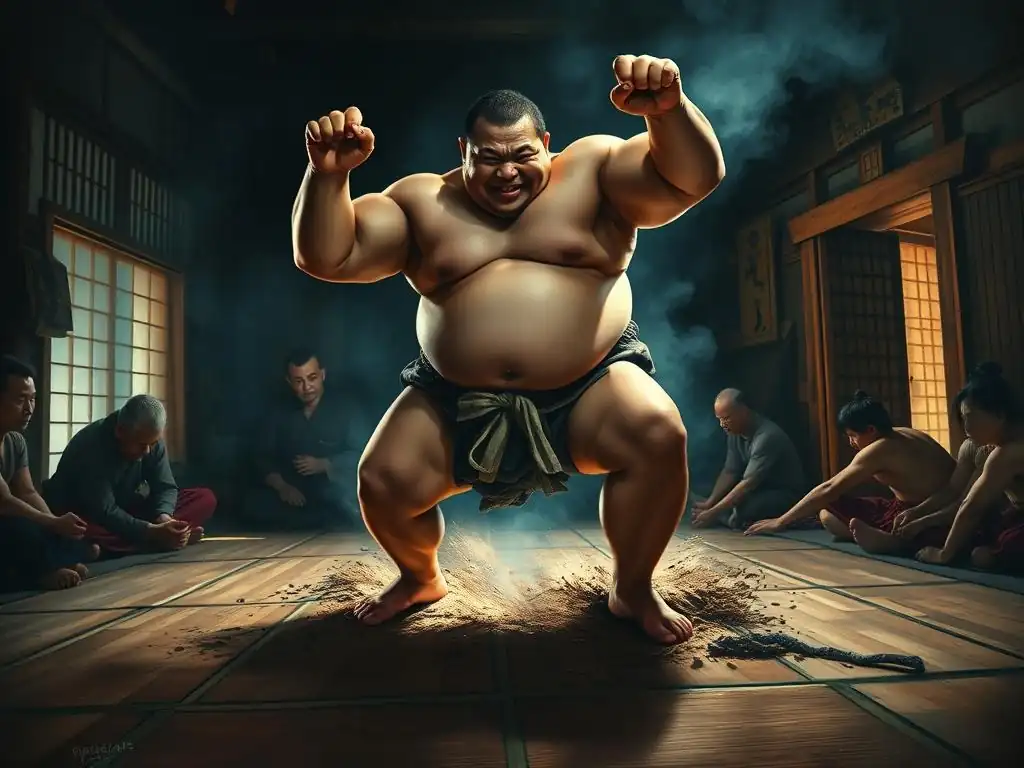
Welcome to Martial Arts Mastery! Ever wondered what it really takes to become a Sumo wrestler? Beyond the ceremonial ring and the thunderous clashes, lies a world of rigorous discipline and unwavering commitment. Dive into our exclusive article and uncover the secrets of the Sumo wrestler training lifestyle, exploring the demanding routines, the intricate social hierarchy within a heya, and the surprising communal aspects that shape these titans of the dohyo. Prepare to be amazed by the dedication and traditions behind this unique martial art.
- Understanding the Sumo Wrestler Training Lifestyle: An Introduction to the Heya
- The Daily Grind: Grueling Sumo Training Regimen Inside the Heya
- The Strict Hierarchy of a Sumo Heya: Respect and Tradition
- Communal Living: The Unique Social Dynamics Within a Sumo Heya
- Beyond the Dohyo: Life Outside Sumo Training
- The Future of the Sumo Heya: Preserving Tradition in a Modern World
-
Frequently Asked Questions
- How intense is the daily training schedule in a Sumo heya?
- What is the significance of the hierarchical system within a Sumo heya?
- What are the core elements of a Sumo wrestler's diet, and why is it so calorie-dense?
- How does the communal living arrangement in a Sumo heya impact a wrestler's development?
- Beyond physical training, what other aspects are emphasized in a Sumo heya to develop a complete Sumo wrestler?
- Final Reflection: The Enduring Spirit of Sumo
- Embrace the Sumo Spirit: Unleash Your Inner Strength!
Understanding the Sumo Wrestler Training Lifestyle: An Introduction to the Heya
What is a Sumo Heya? The Heart of Sumo Wrestler Training
A sumo heya, also known as a "stable," is far more than just a training gym; it is the fundamental living and training facility for professional sumo wrestlers in Japan. Each heya is run by an oyakata, a retired sumo wrestler who holds a special elder stock. These stablemasters oversee every aspect of a wrestler's life, from training and diet to daily chores and personal development.
Think of it as a combination of a boarding school, a sports dormitory, and a traditional Japanese household, all centered around the rigorous demands of the sumo wrestler training lifestyle. Wrestlers join a heya, often as teenagers, and live communally until they retire from the sport, dedicating their lives entirely to the pursuit of sumo excellence under the strict guidance of the oyakata.
Within the walls of a heya, aspiring and established sumo wrestlers live, eat, and breathe sumo. The facilities typically include a dohyo (the clay ring), training areas, communal living quarters, dining halls, and baths. The structure is deeply hierarchical, reflecting the ranks within sumo itself.
New recruits, or deshi, enter at the bottom and work their way up through years of relentless training and adherence to tradition. The heya system has been the bedrock of professional sumo for centuries, providing the immersive environment necessary to mold individuals into the massive, powerful, and disciplined athletes seen in the ring today. It is within this unique communal setting that the distinct sumo wrestler training lifestyle is forged.
The Significance of the Heya in Shaping Sumo Wrestlers
The heya is not merely a place to train; it is the crucible in which a sumo wrestler's character, discipline, and physical prowess are forged. The communal living, strict hierarchy, and intense training schedule instill values like patience, resilience, respect, and unwavering dedication. Wrestlers learn not only the physical techniques of sumo but also the intricate rituals, etiquette, and philosophical underpinnings of the sport. The constant proximity to senior wrestlers and the oyakata provides continuous opportunities for learning, mentorship, and observation, which are crucial for developing the deep understanding required to succeed in professional sumo.
The immersive nature of the heya environment means that every aspect of a wrestler's day, from waking up to going to sleep, is structured around the demands of sumo. This total dedication is considered essential for reaching the pinnacle of the sport. For instance, the emphasis on communal living means junior wrestlers are responsible for chores like cleaning and serving senior wrestlers, reinforcing the hierarchy and teaching humility and discipline.
This contrasts sharply with the training environments of many other sports. This unique approach to the sumo wrestler training lifestyle ensures that only those with the utmost commitment and adaptability can survive and thrive, ultimately producing athletes who are not only physically formidable but also deeply steeped in the traditions and values of sumo.
The Daily Grind: Grueling Sumo Training Regimen Inside the Heya
Wake-Up Call and Early Morning Sumo Training Drills
The typical day for a sumo wrestler begins remarkably early, often before 5:00 AM for junior wrestlers. Senior wrestlers might wake slightly later, but the morning training session starts shortly after dawn. This early start is a fundamental part of the sumo wrestler training lifestyle, emphasizing discipline and the willingness to push one's body even when tired. The morning session is the most intense and longest training period of the day, often lasting several hours. It begins with fundamental exercises designed to warm up the body and build core strength and flexibility.
Key drills include shiko (a leg-stomping exercise to build lower body strength and balance), matawari (extreme leg stretching to achieve flexibility crucial for splits), and teppo (thrusting palms repeatedly against a padded post or a training partner to develop powerful hand techniques). These foundational movements are practiced relentlessly, sometimes for hours on end.
Following these warm-ups, wrestlers engage in butsukari-geiko, or "clash training," where one wrestler repeatedly drives another across the dohyo, simulating the force and endurance required in a real match. This is physically brutal and demands immense stamina and determination, pushing wrestlers to their absolute limits and forming the core of the morning sumo wrestler training.
Chanko Nabe: The Cornerstone of a Sumo Wrestler's Diet and Weight Gain
After the grueling morning training, the wrestlers gather for the first meal of the day, which is typically the most substantial: chanko nabe. This hearty, protein-rich stew is the dietary staple designed to help wrestlers gain and maintain the significant weight necessary for sumo.
Chanko nabe is not a single recipe but a generic term for a hot pot containing various ingredients like chicken, fish, tofu, and plenty of vegetables, all cooked in a dashi or chicken broth base. The specific ingredients can vary by heya and day, but the goal remains consistent: provide massive amounts of calories and nutrients.
Wrestlers consume large quantities of chanko nabe, often accompanied by vast amounts of rice and several liters of beer or sake (for sekitori-ranked wrestlers and above) to further boost calorie intake. Junior wrestlers serve the senior wrestlers first, eating only after the higher ranks have finished. This meal is typically followed by a long nap, which is crucial for digestion and weight gain after the intense training.
The combination of heavy training, a massive, calorie-dense meal like chanko nabe, and subsequent rest is a deliberate strategy within the sumo wrestler training lifestyle to build the necessary mass while allowing muscles to recover and grow. It's a cycle of exertion, massive consumption, and recovery, repeated daily.
Afternoon Training: Refining Sumo Techniques and Building Strength
While the morning session focuses heavily on fundamental drills and endurance, the afternoon training, if conducted, is often less intense but still vital. It may involve lighter practice bouts ( moshiai), focusing on specific techniques and strategy rather than raw power. Wrestlers might work on refining their tsuppari (repeated open-hand thrusts), yotsu-zumo (grappling techniques), or specific throws and pushes. This session allows for more focused feedback from the oyakata and senior wrestlers, helping individuals identify weaknesses and improve their technical skills.
In addition to technical practice, afternoons can also be dedicated to strength and conditioning exercises outside the dohyo. This might include weightlifting, resistance training, or flexibility work to supplement the morning's traditional drills. While not as universally standard as the morning session, afternoon training plays a crucial role in honing the nuanced skills required for high-level sumo and ensuring wrestlers remain physically conditioned beyond just grappling strength. It's a period for refinement and supplementary work within the demanding sumo wrestler training lifestyle.
Rest and Recovery: Essential for Peak Performance in Sumo
Given the extreme physical demands of sumo training, rest and recovery are not luxuries but necessities. The long nap following the midday chanko nabe is a critical part of the daily routine, aiding digestion and muscle repair. After the afternoon activities (or lack thereof), the evening is typically less structured than the morning. Wrestlers will have another meal, often also chanko nabe, though perhaps slightly less massive than lunch. Evenings are generally used for relaxation, communal bonding, or attending to personal needs, though still within the heya's rules and hierarchy.
Adequate sleep is paramount for recovery, muscle growth, and preventing injury. Wrestlers are expected to get sufficient rest to be prepared for the next day's early start and intense training. The communal living arrangements mean that personal space is limited, and wrestlers must adapt to sleeping in shared rooms. However, the emphasis on recovery underscores the understanding within the heya that the body needs time to rebuild after being pushed to its limits daily. This balance between brutal exertion and necessary rest is a key component of the sustainable, albeit demanding, sumo wrestler training lifestyle.
The Strict Hierarchy of a Sumo Heya: Respect and Tradition
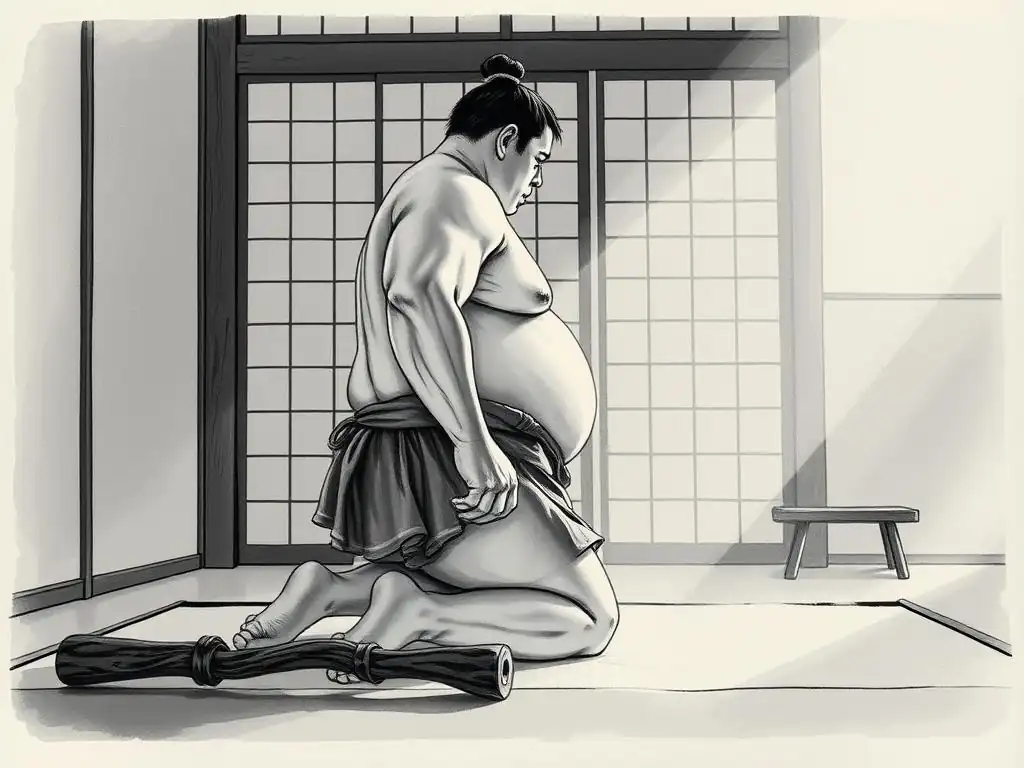
The Role of the Oyakata: Guiding the Next Generation of Sumo Wrestlers
At the apex of the heya structure is the oyakata, the stablemaster. The oyakata is typically a former top-ranked sekitori (wrestler in the top two divisions) who has purchased or inherited an oyakata stock, which is a requirement to become a stablemaster. Their role is multifaceted: they are the ultimate authority within the heya, acting as coach, mentor, father figure, and business manager. The oyakata is responsible for recruiting new talent, overseeing all training, determining the wrestlers' daily routines, and managing the heya's finances and public relations.
The oyakata's word is absolute law within the heya. They guide the technical development of their wrestlers, strategize for tournaments, and provide life guidance. They also enforce discipline and uphold the strict traditions and etiquette of sumo. The oyakata is the central figure around whom the entire sumo wrestler training lifestyle revolves within that specific stable, embodying the heya's philosophy and setting the tone for the environment. Their expertise, experience, and leadership are crucial for the success and reputation of the heya and the development of its wrestlers.
Senior Wrestlers (Sekitori): Responsibilities and Privileges
Wrestlers who reach the sekitori ranks – the top two divisions, Juryo and Makuuchi – gain significant privileges and responsibilities within the heya hierarchy. They are no longer required to perform the menial chores that junior wrestlers handle, such as cleaning, cooking, or serving. Sekitori often have their own private or semi-private rooms, are allowed to wear higher-quality garments (like silk mawashi for tournaments), and receive a regular salary. They are also permitted to marry and live outside the heya, although many choose to remain living in the stable, especially if unmarried.
Despite their privileges, sekitori have crucial responsibilities. They serve as role models and mentors for the junior wrestlers, guiding them in training, technique, and heya etiquette. They are expected to lead by example through their dedication and performance. In the training ring, junior wrestlers serve as practice partners for sekitori, absorbing the force of their attacks and learning through direct experience. The sekitori embody the goals and aspirations of those below them, demonstrating what can be achieved through dedication to the sumo wrestler training lifestyle.
Junior Wrestlers: Learning the Ropes and Paying Their Dues
At the bottom of the heya hierarchy are the junior wrestlers, encompassing ranks from Jonokuchi up to Makushita. These young men, often teenagers when they join, live the most demanding and austere version of the sumo wrestler training lifestyle. They live in communal rooms, sleep together on the floor, and are responsible for performing all the chores necessary to keep the heya running. This includes cleaning, cooking, serving meals to senior wrestlers, preparing the training ring, and even assisting senior wrestlers with personal tasks like dressing.
Junior wrestlers receive only a small allowance, not a salary, until they reach the Juryo division. Their days are filled with the most intense training and the most demanding chores. This period is designed to build not only physical strength but also humility, discipline, and resilience.
It is a test of character and commitment. Many hopefuls drop out during these early years, unable to withstand the physical hardship and the strict social hierarchy. Surviving and advancing through the junior ranks is a significant achievement, demonstrating the fortitude required to potentially reach the upper echelons of the sumo world and escape the most rigorous aspects of the sumo wrestler training lifestyle.
The Importance of Respect and Etiquette in the Sumo Hierarchy
Respect ( sonkei) and strict etiquette are cornerstones of the sumo heya hierarchy and the entire sumo culture. Junior wrestlers must show absolute respect to senior wrestlers and the oyakata. This is demonstrated through bowing, using honorific language, and adhering strictly to the established pecking order in all activities, from training order to meal times and bathing. The oyakata receives the highest level of deference, and his authority is unquestioned.
This emphasis on respect and hierarchy is not merely about maintaining order; it's deeply ingrained in the tradition and philosophy of sumo. It teaches humility, patience, and the importance of fulfilling one's role within a collective. Senior wrestlers, in turn, are expected to treat their juniors fairly and guide them, although discipline can be stern. This intricate web of relationships, governed by strict rules of etiquette, defines the social environment within the heya and is a fundamental element of the sumo wrestler training lifestyle, shaping not just athletes but individuals who understand their place within a long-standing tradition.
Communal living is a defining characteristic of the sumo heya, particularly for junior wrestlers. They typically share large, spartan rooms, sleeping side-by-side on futons laid out on the floor. Personal space is minimal, and privacy is a rare commodity. Even sekitori, while having more private quarters, still live within the heya compound, sharing common areas for training, dining, and bathing. This constant proximity fosters a unique social dynamic, blurring the lines between training partners, teammates, and family.
While the hierarchy dictates many interactions, the shared living spaces inevitably lead to a strong sense of camaraderie among wrestlers, especially those of similar rank. They go through the intense training and difficult chores together, creating shared experiences and mutual understanding. This shared hardship can forge strong bonds, providing a support system in a demanding environment. The communal living arrangement, while challenging, is integral to the immersive nature of the sumo wrestler training lifestyle, promoting group cohesion alongside individual discipline.
Teamwork and Support: Fostering a Strong Sense of Unity
Despite sumo being primarily an individual sport in competition, teamwork and mutual support are vital within the heya. Wrestlers train together, pushing each other to improve. Junior wrestlers serve seniors, and seniors mentor juniors. The success of a heya is measured by the performance of its wrestlers in tournaments, creating a collective goal. Wrestlers cheer for their heya-mates during matches and offer encouragement and advice based on their own experiences.
This sense of unity extends beyond training. Wrestlers rely on each other for emotional support during difficult times, whether dealing with injuries, losses, or the pressures of the sumo world. The heya functions much like a family, albeit one with a very strict structure. This collective aspect, where individuals contribute to the well-being and success of the group, is a subtle but important part of the sumo wrestler training lifestyle, balancing the intense individual focus required for competition with the need for a supportive community.
Life within the heya isn't solely about training and chores, although they dominate the schedule. Evenings, after the second meal, offer some time for relaxation and social interaction. Wrestlers might watch television, play traditional Japanese games like shogi, or simply chat. These moments provide opportunities for informal bonding and strengthening relationships outside the strict training context.
Relationships within the heya are complex, governed by the hierarchy but also shaped by personality and shared experience. While the senior-junior dynamic is always present, genuine friendships and mentorships develop. The oyakata and his wife (known as okami-san) often act as parental figures, overseeing the wrestlers' welfare. This blend of formal hierarchy and informal social interaction creates a unique living environment, contributing to the holistic nature of the sumo wrestler training lifestyle, where personal development is intertwined with athletic pursuit and communal living.
Beyond the Dohyo: Life Outside Sumo Training
Limited Freedom and Regulations
Life as a professional sumo wrestler, particularly for those below the sekitori ranks, involves significant restrictions on personal freedom. Wrestlers are expected to live within the heya and adhere to its strict rules. Leaving the heya requires permission from the oyakata. Their daily lives are highly structured, with little free time. Even when outside the heya, wrestlers are expected to conduct themselves in a manner befitting a sumo professional, upholding the sport's reputation.
For junior wrestlers, personal outings are rare and usually brief. Sekitori have more leeway, including the ability to marry and live out, but they are still bound by the rules of their heya and the Japan Sumo Association. They must wear traditional Japanese clothing ( kimono, yukata) when in public, reinforcing their identity as sumo wrestlers. This limited freedom is another facet of the immersive sumo wrestler training lifestyle, ensuring that wrestlers remain focused on their careers and integrated into the traditional sumo world.
Education and Personal Development Opportunities
While sumo demands immense dedication, some heya encourage or facilitate education and personal development outside the ring. Some younger recruits may continue their schooling while living in the heya, although balancing academics with the demanding training schedule is challenging. The Japan Sumo Association also offers courses and programs for wrestlers, focusing on topics like finance, health, and traditional Japanese culture, preparing them for life during and after sumo.
The oyakata may also provide guidance on life skills and personal conduct. While the primary focus is on developing as a sumo wrestler, there is recognition that these athletes will eventually retire and need to transition back into mainstream society. Providing opportunities for personal growth, even within the confines of the heya system, is an important aspect of the overall care provided, acknowledging the long-term well-being of those committed to the sumo wrestler training lifestyle.
Mental Fortitude: The Psychological Demands of Sumo Life
Beyond the obvious physical challenges, the sumo wrestler training lifestyle imposes significant psychological demands. Wrestlers face constant pressure to perform, navigate a strict hierarchy, endure physical pain, and cope with limited personal freedom. The public nature of sumo means losses are highly visible, and criticism can be harsh. Maintaining motivation through years of grueling training with no guarantee of reaching the top ranks requires immense mental toughness.
Wrestlers must learn to handle stress, manage expectations, and develop resilience. The communal environment, while supportive, also means there is little escape from the pressures of the sumo world. Developing mental fortitude is as crucial as building physical strength and technique. The ability to persevere through setbacks, maintain discipline day after day, and stay focused on long-term goals is a testament to the psychological conditioning inherent in the heya system and essential for success in the demanding world of professional sumo.
The Future of the Sumo Heya: Preserving Tradition in a Modern World
Challenges Facing Sumo Training
The traditional sumo heya system and the sumo wrestler training lifestyle face several modern challenges. Recruiting young Japanese men into such a demanding and restrictive environment is increasingly difficult in a society offering diverse career paths and greater personal freedom. The decline in the number of active Japanese wrestlers compared to foreign-born wrestlers in the top ranks is an indicator of this challenge. The physical toll of sumo also leads to relatively short careers and significant health issues later in life, which can be a deterrent.
Furthermore, the isolated nature of the heya can sometimes lead to issues, such as bullying or corporal punishment, which occasionally surface and draw public criticism. Maintaining strict discipline while ensuring the well-being and safety of wrestlers is an ongoing challenge for the Japan Sumo Association and individual heya. Adapting recruitment strategies and addressing concerns about wrestler welfare are crucial for the sustainability of the sumo wrestler training lifestyle model.
Adapting to Changing Times While Maintaining Core Values
Sumo is deeply rooted in tradition, and resistance to change is strong. However, to survive and thrive, the heya system must find ways to adapt. This might involve subtle changes in training methods, incorporating modern sports science while preserving traditional drills, or offering more robust support systems for wrestlers' mental health and future careers. Some heya have become slightly more open, allowing wrestlers limited access to modern technology or contact with the outside world, though the core principles of communal living and hierarchy remain.
Finding a balance between preserving the core values of discipline, respect, and tradition that define the sumo wrestler training lifestyle and making the lifestyle appealing and sustainable for future generations is key. This involves ensuring transparency, addressing welfare concerns proactively, and perhaps slightly modernizing aspects of daily life without compromising the essential nature of the immersive heya experience that produces unique athletes.
The Enduring Appeal of the Sumo Wrestler Training Lifestyle
Despite the challenges, the sumo heya and the sumo wrestler training lifestyle retain a powerful, enduring appeal. For those drawn to the sport, the heya offers a clear path to becoming a professional sumo wrestler, a revered figure in Japanese culture. It provides a structured environment where dedication is rewarded, and progress through the ranks is a tangible measure of success. The opportunity to live and train alongside experienced wrestlers and learn directly from an oyakata steeped in tradition is a unique proposition.
The community within the heya, built on shared hardship and mutual goals, offers a strong sense of belonging. For aspiring wrestlers, the chance to dedicate their lives entirely to mastering an ancient martial art, striving for the pinnacle of the sport in a system that values tradition and discipline, is a powerful motivator. The unique blend of rigorous physical training, strict social structure, and communal living ensures that the sumo wrestler training lifestyle, while challenging, continues to shape individuals into the formidable athletes who captivate audiences in the dohyo.
Frequently Asked Questions
How intense is the daily training schedule in a Sumo heya?
The daily training schedule is incredibly intense and grueling. Sumo wrestlers often start training before dawn and endure hours of rigorous drills and sparring, focused on building strength and technique.
What is the significance of the hierarchical system within a Sumo heya?
The hierarchical system, known as senpai-kohai, is crucial to maintaining order and discipline. Senior wrestlers have authority over juniors, who are responsible for chores and assisting their seniors in all aspects of daily heya life.
What are the core elements of a Sumo wrestler's diet, and why is it so calorie-dense?
A Sumo wrestler's diet primarily consists of chankonabe, a stew packed with protein and vegetables. It's incredibly calorie-dense to promote significant weight gain, which is considered essential for success in the sport.
How does the communal living arrangement in a Sumo heya impact a wrestler's development?
Living communally fosters a strong sense of camaraderie and discipline. Wrestlers learn to cooperate and support each other, while also being constantly immersed in the rigorous demands of Sumo culture.
Beyond physical training, what other aspects are emphasized in a Sumo heya to develop a complete Sumo wrestler?
Beyond physical training, mental fortitude and respect for tradition are heavily emphasized. Wrestlers also study Sumo history and etiquette, developing a deep understanding of the sport's cultural significance.
Final Reflection: The Enduring Spirit of Sumo
The rigorous world of sumo, as explored within these pages, is not merely a historical curiosity; it is a living testament to discipline, sacrifice, and the pursuit of perfection in a world increasingly dominated by instant gratification. The dedication required to thrive within a sumo heya, the unwavering commitment to tradition, and the sheer physical and mental fortitude displayed by these athletes offer a powerful counterpoint to the fleeting trends of modern society.
The impact of sumo extends far beyond the dohyo. It shapes not only the lives of the wrestlers themselves but also influences the cultural landscape of Japan and captivates audiences worldwide. Witnessing the unwavering dedication and communal spirit within a heya has profoundly shifted my perspective on the meaning of commitment and the power of shared purpose. Sumo is not just about winning or losing; it's about the spirit of the warrior, the dedication to tradition, and the respect for your opponent.
This ancient art form continues to resonate because it embodies values that transcend time and culture.
Now, consider the lessons learned from the sumo wrestler training lifestyle. Can you apply the principles of discipline, perseverance, and respect to your own pursuits? Can you find strength in community and purpose in tradition? Let the unwavering spirit of the sumo wrestler inspire you to embrace challenges, honor your commitments, and strive for excellence in all that you do.
Embrace the Sumo Spirit: Unleash Your Inner Strength!
Thanks for diving into the world of sumo with us! We hope you found valuable insights into the discipline and dedication behind this ancient martial art. Now, it's time to channel that newfound knowledge into action:
- Challenge yourself: Dedicate just 15 minutes today to a new physical challenge—perhaps a series of bodyweight exercises or a mindful stretching routine—to tap into the disciplined spirit of sumo.
- Explore: Research the history of a lesser-known martial art form to expand your appreciation for global traditions.
- Share: Discuss your favorite part of this article with a friend to spark a conversation about dedication and perseverance.
What small step will you take today to embody the discipline and resilience of a sumo wrestler?