
Tai Chi During Pregnancy: Gentle Exercise for Wellbeing (Consult Doctor)

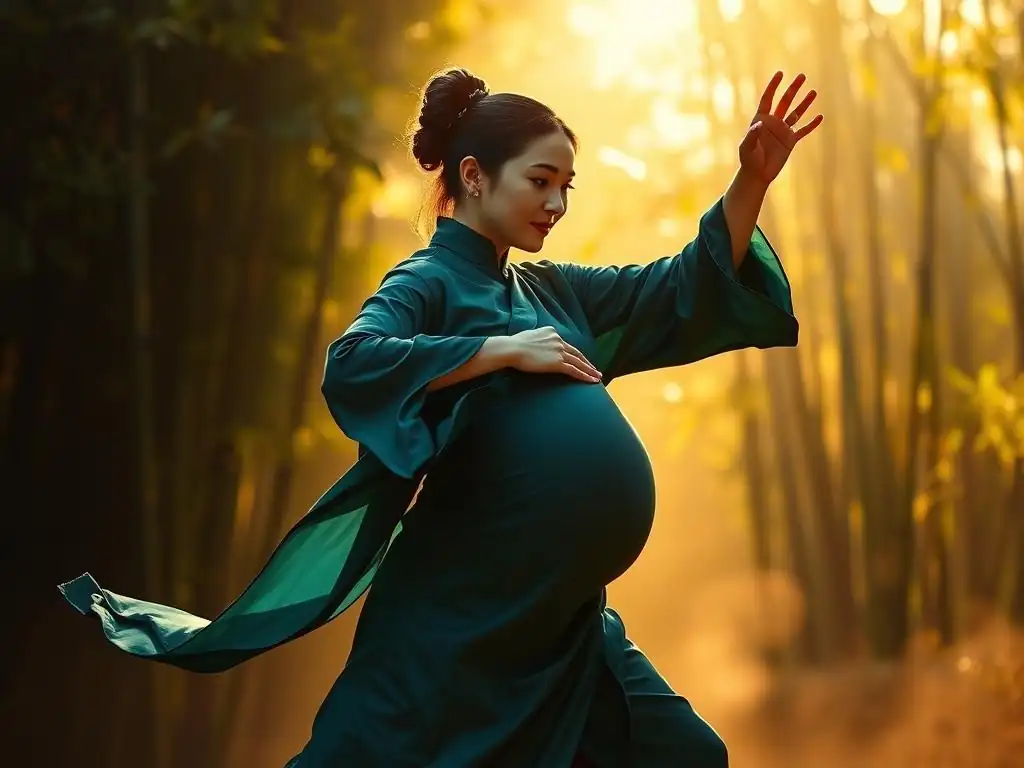
Welcome to Martial Arts Mastery, your gateway to the world's most fascinating fighting styles. Delve into the ancient wisdom and modern applications of these powerful disciplines. Curious about how the gentle movements of Tai Chi can benefit expectant mothers? Our comprehensive Tai Chi pregnancy benefits guide explores the potential advantages and crucial safety considerations, offering insights into how this ancient practice can support wellbeing during this transformative time. Discover how controlled breathing and mindful movement can be adapted for pregnancy, but remember to always consult your doctor. Read on to learn more!
- Introduction to Tai Chi and Pregnancy
- Tai Chi Pregnancy Benefits Guide: A Detailed Look
- Safe Tai Chi Practices for Expectant Mothers
- Getting Started with Tai Chi During Pregnancy
- Potential Risks and Precautions
- Conclusion: Embracing the Journey with Tai Chi
-
Frequently Asked Questions
- What are the primary Tai Chi pregnancy benefits highlighted in the guide?
- Is Tai Chi safe for all pregnant women, or are there specific conditions where it's not recommended?
- What types of Tai Chi movements are considered most suitable and safest for pregnant women?
- How does the guide address the philosophical underpinnings of Tai Chi in relation to pregnancy?
- Where can I find more detailed information on specific Tai Chi techniques adapted for pregnancy?
- Final Reflection: Cultivating Harmony in Motherhood
- Embrace Gentle Strength: Begin Your Tai Chi Journey!
Introduction to Tai Chi and Pregnancy
Understanding Tai Chi Chuan: A Gentle Martial Art
Tai Chi Chuan, often simply called Tai Chi, is an ancient Chinese martial art renowned for its slow, flowing movements, deep breathing, and meditative qualities. Originating from the principles of traditional Chinese medicine and martial strategy within the broader field of Kung Fu, it has evolved over centuries into a practice widely embraced for its profound health and wellness benefits.
Unlike more dynamic martial arts, Tai Chi emphasizes relaxation, balance, and internal energy cultivation (Qi), making it a low-impact discipline accessible to people of various ages and fitness levels. Its core philosophy centers on the mind-body connection, promoting harmony and fluidity.
The practice involves performing a series of postures or "forms" in a slow, continuous sequence. Each movement is deliberate, coordinated with the breath, and focuses on shifting weight smoothly and maintaining proper body alignment. This gentle yet powerful approach makes Tai Chi an appealing form of exercise for individuals seeking to improve physical health, reduce stress, and enhance mental clarity without strenuous impact. Many people explore Tai chi during pregnancy precisely for these qualities, looking for a safe way to stay active and manage the unique physical and emotional changes that occur.
Importance of Consulting Your Doctor Before Starting Any Exercise Program During Pregnancy
Pregnancy is a transformative period in a woman's life, marked by significant physiological changes that require careful consideration, especially regarding physical activity. While exercise is generally encouraged for healthy pregnancies, the type, intensity, and duration must be appropriate and, most importantly, medically cleared. Therefore, before beginning any new exercise regimen, including a gentle practice like Tai Chi, it is absolutely essential to consult with your healthcare provider, such as an obstetrician or midwife.
Your doctor is the best resource to assess your individual health status, review your medical history, and evaluate any specific conditions or complications related to your pregnancy that might affect your ability to exercise safely. Conditions like placenta previa, preeclampsia, gestational diabetes, or a history of preterm labor may require specific modifications or even contraindicate certain activities. Obtaining medical clearance ensures that incorporating Tai chi into your pregnancy routine is safe and beneficial for both you and your developing baby, providing peace of mind as you explore the potential Tai chi pregnancy benefits guide.
Tai Chi Pregnancy Benefits Guide: A Detailed Look
Physical Benefits of Tai Chi for Pregnant Women
Exploring a Tai chi pregnancy benefits guide reveals numerous physical advantages for expectant mothers. The gentle, controlled movements work the body in a way that supports the unique demands of pregnancy without causing strain or excessive impact on the joints.
Improved Balance and Coordination During Pregnancy with Tai Chi
As pregnancy progresses, a woman's center of gravity shifts forward due to the growing uterus, which can significantly affect balance and increase the risk of falls. Tai Chi practice directly addresses this by focusing on slow, deliberate weight transfers between the feet and maintaining a stable, grounded posture. Movements like "Ward Off" or "Brush Knee and Twist Step" require precise coordination and proprioception (awareness of the body's position in space), helping the expectant mother adapt to her changing body shape and maintain stability.
Regular engagement in these balancing movements can enhance neural pathways responsible for coordination, making everyday activities feel more secure. While specific studies on Tai Chi and fall prevention in pregnant women are limited, research on older adults consistently shows that Tai Chi significantly improves balance and reduces fall rates, often by 20-45%. The principles of improved stability and body awareness are directly transferable, offering a tangible benefit for maintaining surefootedness as pregnancy advances.
Reduced Back Pain and Pelvic Girdle Pain Through Tai Chi Practice
Back pain and pelvic girdle pain are extremely common complaints during pregnancy, affecting an estimated 50-80% of women. These issues often stem from hormonal changes loosening ligaments, increased weight putting pressure on the spine and pelvis, and postural adjustments. Tai Chi's emphasis on proper alignment, gentle stretching, and strengthening of the core and supportive muscles can help alleviate these discomforts.
The flowing movements encourage subtle spinal decompression and rotation, releasing tension in the lower back. Stances, even modified ones, gently engage the muscles supporting the pelvis, improving stability in the pelvic girdle. For instance, the controlled opening and closing movements in forms help mobilize the hips and pelvis without jarring impact. Studies on low-impact exercise during pregnancy, which includes practices like Tai Chi, have shown a significant reduction in the incidence and severity of back pain for many participants, offering a natural way to manage discomfort.
Enhanced Cardiovascular Health and Circulation
While not a high-intensity aerobic workout, Tai Chi provides a gentle cardiovascular stimulus, particularly when practiced consistently for 20-30 minutes or more. The continuous, flowing nature of the forms, combined with deep, coordinated breathing, increases heart rate and improves blood circulation throughout the body. This enhanced circulation is vital during pregnancy, supporting the increased blood volume and ensuring adequate oxygen and nutrient delivery to both the mother and the baby.
Improved circulation can also help mitigate common pregnancy symptoms such as swelling (edema) in the legs, ankles, and feet, which results from increased fluid retention and pressure on blood vessels. Regular gentle exercise like Tai Chi contributes to overall cardiovascular fitness, which is beneficial for maternal health and may reduce the risk of developing gestational hypertension or preeclampsia. Adhering to guidelines recommending at least 150 minutes of moderate-intensity activity per week, even through gentle means like Tai Chi, is linked to better health outcomes.
Increased Flexibility and Range of Motion
Tai Chi movements involve a full range of motion in a controlled and gradual manner, gently stretching muscles and mobilizing joints. The slow, extended postures encourage lengthening of the limbs and torso, improving overall flexibility. This is particularly beneficial during pregnancy as ligaments soften (due to relaxin hormone), but muscles can become tight or strained from carrying extra weight and maintaining new postures.
Maintaining flexibility in the hips, pelvis, and back is especially helpful in preparing the body for labor and delivery. Movements that involve gentle hip circles, leg extensions (kept low and controlled), and torso rotations help maintain mobility and ease of movement. Increased range of motion can also make everyday tasks, from bending down to pick something up to getting out of a chair, more comfortable as the pregnancy progresses, contributing positively to a Tai chi pregnancy benefits guide.
Mental and Emotional Wellbeing: How Tai Chi Helps
Beyond the physical, a significant aspect of the Tai chi pregnancy benefits guide is its profound impact on mental and emotional health, offering valuable tools for managing the psychological aspects of pregnancy.
Stress Reduction and Relaxation Techniques in Tai Chi
Pregnancy, while joyful, can also be a source of stress and anxiety, stemming from hormonal changes, physical discomfort, anticipation of labor, and concerns about parenthood. Tai Chi is inherently a stress-reducing practice due to its focus on slow, deliberate movements, deep abdominal breathing, and meditative concentration. The requirement to focus on the present moment and the flow of movement helps to quiet the "monkey mind" and reduce rumination on worries.
The deep, diaphragmatic breathing techniques integral to Tai Chi activate the parasympathetic nervous system, promoting a state of relaxation and calm. Regular practice teaches the body and mind how to enter this relaxed state more readily, offering a tangible tool for managing stress during daily life and potentially during labor itself. Studies across various populations consistently show that Tai Chi practice leads to reduced levels of stress hormones like cortisol and improved self-reported stress levels.
Improved Sleep Quality and Management of Insomnia During Pregnancy
Insomnia and fragmented sleep are common complaints during pregnancy, often caused by physical discomfort, frequent urination, hormonal fluctuations, and anxiety. Engaging in regular, moderate physical activity like Tai Chi can help regulate sleep patterns and promote more restful sleep. By reducing stress and anxiety, Tai Chi addresses two primary psychological contributors to sleep disturbances.
Furthermore, the physical ease and reduced pain achieved through Tai Chi can make finding a comfortable sleeping position easier. While specific studies on Tai Chi's impact on pregnancy-related insomnia are limited, general research indicates that low-impact exercise performed regularly can significantly improve sleep quality and duration in various populations. Incorporating Tai Chi into a daily or weekly routine can help establish a healthier sleep-wake cycle.
Enhanced Mood and Reduced Anxiety
Hormonal shifts during pregnancy can lead to mood swings and increased feelings of anxiety or even depression. Exercise is well-known for its mood-boosting effects, partly due to the release of endorphins, natural mood elevators. Tai Chi, with its combination of gentle physical activity and meditative focus, offers a powerful tool for enhancing mood and reducing anxiety levels.
The structured yet flowing nature of the practice provides a sense of control and accomplishment. Practicing in a group setting can also provide social support, further contributing to improved mood. Numerous studies have demonstrated the effectiveness of Tai Chi in reducing symptoms of anxiety and depression in non-pregnant populations, and these benefits are highly relevant for expectant mothers navigating the emotional landscape of pregnancy. A Tai chi pregnancy benefits guide often highlights this significant emotional support aspect.
Cultivating Mindfulness and Present Moment Awareness
Tai Chi is often described as "moving meditation" because it requires focused attention on the body's movements, breath, and internal sensations. This practice cultivates mindfulness – the ability to be fully present and engaged in the current moment without judgment. During pregnancy, mindfulness can be incredibly beneficial, helping women connect more deeply with their changing bodies and the life growing within them, rather than getting lost in worries about the future or past difficulties.
Practicing mindfulness through Tai Chi encourages acceptance of the physical and emotional fluctuations of pregnancy. It provides a dedicated time to tune into the body's signals, fostering a stronger mind-body connection that can be empowering throughout pregnancy, labor, and motherhood. This cultivation of present moment awareness is a core mental skill developed through Tai Chi, contributing significantly to a comprehensive Tai chi pregnancy benefits guide.
Safe Tai Chi Practices for Expectant Mothers
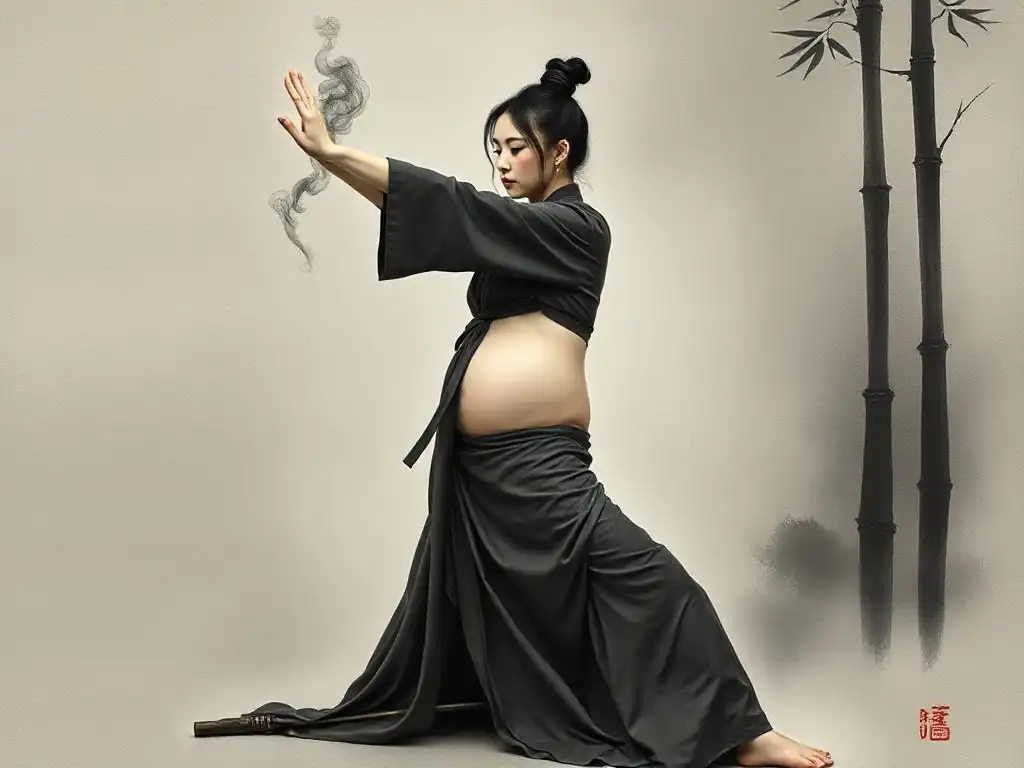
Ensuring safety is paramount when practicing Tai Chi during pregnancy. While it is a gentle form, modifications and awareness of the body's changing needs are crucial across the trimesters.
Modifications and Considerations for Each Trimester
Pregnancy is a dynamic state, and what feels comfortable and safe in the first trimester may require significant adjustment by the third. Adapting your Tai Chi practice accordingly is key to maximizing the Tai chi pregnancy benefits guide while minimizing risk.
First Trimester: Gentle Movements and Energy Cultivation
The first trimester is often marked by fatigue, nausea, and significant hormonal changes, though the physical appearance may not change much. During this period, focus on the foundational principles of Tai Chi: maintaining proper posture, coordinating breath with gentle movements, and cultivating internal energy (Qi). Avoid pushing yourself if you feel tired or nauseous. Shorter practice sessions or focusing solely on standing meditation (Zhan Zhuang) and simple, slow movements like "Beginning of Tai Chi" are perfectly acceptable.
Prioritize listening intently to your body's signals. If a movement feels uncomfortable or exacerbates nausea, skip it or modify it significantly. The goal in the first trimester is gentle movement and energy conservation rather than strenuous activity. Ensure you are adequately hydrated and avoid exercising in hot or humid environments, as overheating can be a concern even in early pregnancy.
Second Trimester: Adapting Stances and Avoiding Pressure on the Abdomen
For many women, the second trimester brings increased energy and a reduction in nausea, but also the beginning of noticeable abdominal growth. As the belly expands, it becomes important to adapt stances. Widening the stance slightly can improve stability and comfort. Avoid deep squats or stances that put excessive pressure on the abdomen or require significant forward bending that compresses the torso.
Movements involving twisting should be gentle and originate from the upper back and shoulders, avoiding forceful rotation from the waist. Absolutely avoid any movements that involve lying flat on your back for extended periods (as this can compress a major vein) or lying on your stomach. Use a chair for support if needed, particularly during balancing movements, to ensure safety as your center of gravity continues to shift. This trimester is a good time to enjoy the increased energy while practicing mindful adaptation.
Third Trimester: Focusing on Balance and Breathwork
In the third trimester, physical size and potential discomfort increase. Balance may become more challenging due to the large abdomen and loosening joints. Simplify your Tai Chi form, focusing on the core principles: relaxation, coordinated breathing, and maintaining upright posture. Prioritize movements that enhance stability and gentle mobility, rather than complex sequences.
Breath control becomes increasingly important and serves as excellent preparation for labor. Focus on deep, calming abdominal breathing throughout your practice. Reduce the duration of your sessions if needed, and don't hesitate to rest or sit down if you feel fatigued or uncomfortable. The emphasis shifts further towards mindfulness, breath awareness, and maintaining a sense of calm and centeredness as you prepare for birth. This stage of the Tai chi pregnancy benefits guide is less about learning new forms and more about refining core skills.
Essential Safety Tips for Practicing Tai Chi While Pregnant
Beyond trimester-specific modifications, certain general safety guidelines should always be followed when practicing Tai Chi during pregnancy.
Proper Warm-up and Cool-down Routines
Just like any other exercise, beginning your Tai Chi practice with a gentle warm-up prepares your muscles and joints for movement, reducing the risk of strain or injury. A warm-up might include 5-10 minutes of slow walking in place, gentle joint rotations (ankles, knees, hips, shoulders, wrists, neck), and simple stretches.
Similarly, ending your session with a cool-down allows your heart rate and breathing to return gradually to their resting state. This could involve slower, simplified movements or a few minutes of mindful standing or seated rest, focusing on breath. A proper cool-down helps prevent dizziness and muscle soreness.
Avoiding Overexertion and Listening to Your Body
Perhaps the most crucial safety tip is to avoid overexertion and pay close attention to your body's signals. Pregnancy is not the time to push your physical limits or try to master complex forms quickly. Your body is working hard to grow a baby, and energy levels can fluctuate significantly.
Signs of overexertion include becoming breathless (unable to talk comfortably), feeling dizzy or lightheaded, experiencing chest pain, headache, muscle weakness, or feeling faint. If you experience any of these symptoms, stop exercising immediately and rest. Listen to your body's cues for fatigue and discomfort, and modify or stop your practice as needed. The goal is gentle movement and relaxation, not strenuous effort.
Maintaining Proper Posture and Alignment
Tai Chi emphasizes maintaining a straight spine, relaxed shoulders, and a slightly tucked pelvis to support the natural curves of the back. This focus on alignment is particularly beneficial during pregnancy as it helps support the increasing weight of the abdomen and reduces strain on the lower back and pelvic joints.
Consciously practicing good posture during Tai Chi can translate into better posture throughout your day, alleviating common pregnancy aches and pains. Avoid slouching or hyperextending the lower back. Focus on rooting through your feet while feeling lightness and length through the crown of your head.
Staying Hydrated and Nourished
Staying adequately hydrated is vital during pregnancy, especially when exercising. Drink water before, during, and after your Tai Chi session, even if it's a gentle one. Dehydration can lead to fatigue, dizziness, and even contractions.
Ensure you are eating a balanced diet to support your energy levels. If you feel low on energy before practicing, a small, easily digestible snack (like a piece of fruit) about 30-60 minutes beforehand can be helpful. Adequate nourishment supports both your physical capacity for movement and overall pregnancy health.
Getting Started with Tai Chi During Pregnancy
Once you have consulted with your healthcare provider and received clearance, the next step is finding a safe and effective way to begin your Tai Chi journey during pregnancy.
Finding a Qualified Tai Chi Instructor with Prenatal Experience
While it is possible to follow online videos, especially for simple movements, seeking guidance from a qualified Tai Chi instructor is highly recommended, particularly one with experience teaching pregnant students or who is knowledgeable about prenatal exercise modifications. An experienced instructor can observe your posture, provide personalized adjustments based on your stage of pregnancy, and ensure you are performing movements safely and effectively.
When looking for an instructor, ask about their experience teaching individuals with physical limitations or specific health conditions. Inquire if they have specific training in prenatal fitness or if they are comfortable adapting their teaching style for pregnant women. A good instructor will prioritize your safety and comfort, be open to communication about how you are feeling, and work with you to modify the form as your pregnancy progresses.
Tai Chi Styles Suitable for Pregnant Women
There are several styles of Tai Chi, each with slightly different characteristics regarding pace, stance height, and overall vigor. For most pregnant women, especially beginners, certain styles are more suitable than others.
Exploring Yang Style Tai Chi for Beginners
Yang Style Tai Chi is the most widely practiced style globally and is generally considered the most accessible and gentle, making it an excellent choice for pregnant women. It is characterized by slow, expansive, and fluid movements performed in relatively high stances. The focus is on relaxation, smooth transitions, and maintaining a calm, steady rhythm.
The open and flowing nature of Yang Style forms allows for easy modification of stances and movements as the abdomen grows. Its emphasis on balance and coordinated breathing aligns perfectly with the goals of prenatal exercise. Finding a Yang Style class or instructor is also typically easier due to its widespread popularity.
Considering Chen Style Tai Chi (with modifications)
Chen Style Tai Chi is the oldest style and is often characterized by alternating slow, silk-reeling movements with bursts of explosive power (fajin) and lower stances. While a powerful and beneficial practice, the traditional Chen Style, with its low stances, jumping, stamping, and explosive movements, is generally too physically demanding and potentially jarring for pregnant women.
However, some highly experienced instructors may offer significantly modified Chen Style forms that omit the explosive elements and deep stances, focusing only on the gentle, spiraling "silk reeling" movements. If considering Chen Style, it is absolutely crucial to find an instructor with specific expertise in prenatal modifications and to proceed with extreme caution and medical clearance. For most expectant mothers, Yang Style offers a safer and more comfortable entry point into Tai Chi practice.
Simple Tai Chi Exercises You Can Do at Home (with Doctor's Approval)
With your doctor's approval and perhaps guidance from an instructor, you can practice simple Tai Chi exercises at home. These foundational movements embody the core principles of Tai Chi and offer many Tai chi pregnancy benefits Guide elements.
Cloud Hands
Cloud Hands is a fundamental and highly beneficial Tai Chi movement. It involves standing with feet shoulder-width apart (or wider for stability), gently shifting weight from one foot to the other while the hands move in circular patterns in front of the body, coordinated with torso rotation. The movement resembles clouds drifting across the sky.
This exercise is excellent for improving coordination, balance, and gentle spinal rotation. It promotes relaxation in the shoulders and arms and encourages coordinated movement between the upper and lower body. It is relatively easy to modify the stance width and the size of the hand circles to suit your comfort level throughout pregnancy.
Single Whip
Single Whip is another core posture found in most Tai Chi forms. It typically involves shifting weight onto one leg while extending one arm forward like a whip and forming a "hook" hand with the other. For pregnant women, the focus should be on the weight shift and maintaining a stable, comfortable stance rather than achieving a deep posture or perfect hand shape.
Practicing Single Whip helps improve balance, strengthens the legs, and encourages proper body alignment. The key is to keep the stance height comfortable (higher is fine) and ensure the weight shift is smooth and controlled. Avoid any strain in the lower back or abdomen during the rotation involved in transitioning into the posture.
Potential Risks and Precautions
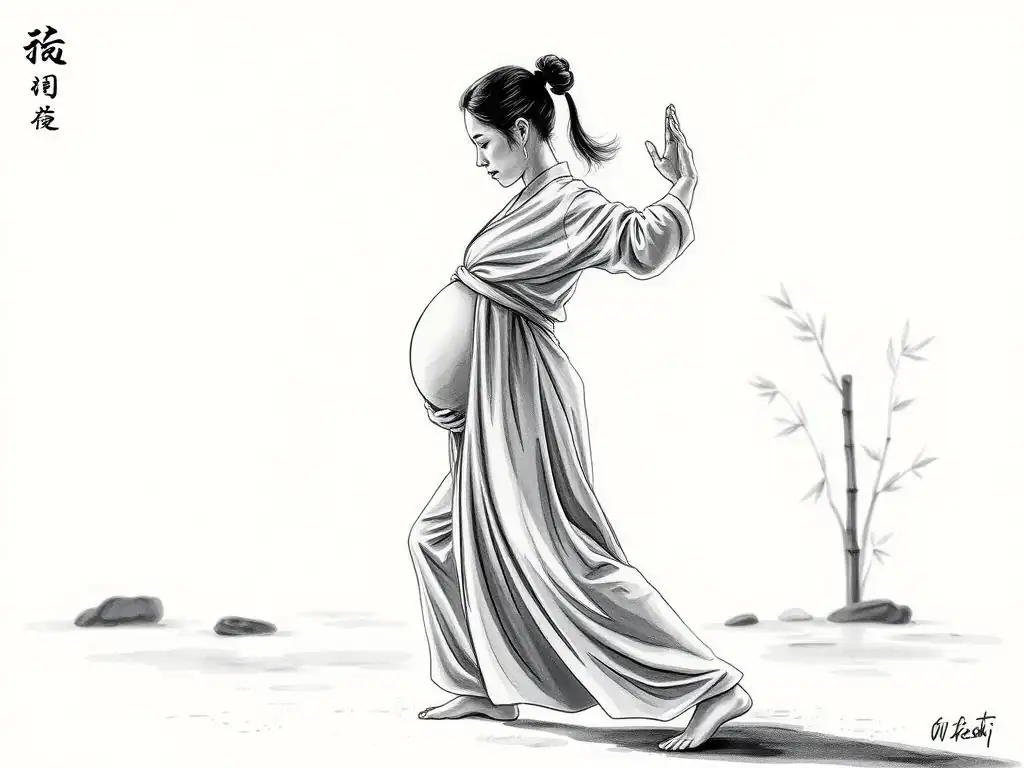
While Tai Chi is generally safe and gentle, it is not suitable for everyone, and certain situations require caution or avoiding practice altogether during pregnancy. Understanding the potential risks and knowing when to seek medical attention is crucial.
When to Avoid Tai Chi During Pregnancy
There are specific medical conditions and pregnancy complications where any form of exercise, including Tai Chi, might be contraindicated. It is imperative to discuss your health status thoroughly with your healthcare provider to determine if Tai Chi is appropriate for you. Conditions that might require avoiding exercise include, but are not limited to:
- Certain types of heart or lung disease
- Preeclampsia or pregnancy-induced hypertension
- Severe anemia
- Certain placental conditions (e.g., placenta previa after 20 weeks gestation)
- Premature rupture of membranes
- Risk factors for preterm labor (e.g., history of preterm birth, incompetent cervix)
- Persistent vaginal bleeding during pregnancy
- Multiple gestation with risk factors for preterm labor
This list is not exhaustive, and your doctor will provide guidance based on your specific circumstances. Attempting Tai Chi or any exercise with such conditions could pose risks to both mother and baby.
Understanding Warning Signs and Symptoms
It is vital for pregnant women practicing Tai Chi (or any exercise) to be aware of potential warning signs that indicate they should stop exercising immediately and contact their healthcare provider. These symptoms suggest a potential problem and should not be ignored. Warning signs include:
- Vaginal bleeding
- Dizziness or feeling faint
- Shortness of breath (before exertion)
- Chest pain
- Headache
- Calf pain or swelling (could indicate a blood clot)
- Preterm labor contractions (regular, painful contractions before 37 weeks)
- Decreased fetal movement
- Leakage of amniotic fluid
If you experience any of these symptoms during or after your Tai Chi practice, stop immediately, rest, and seek medical advice without delay. Your health and the baby's well-being are the top priority.
Importance of Communication with Your Healthcare Provider
Maintaining open and consistent communication with your healthcare provider throughout your pregnancy is fundamental, especially when incorporating exercise like Tai Chi. Inform your doctor or midwife about your intention to practice Tai Chi, the type of practice you are doing (e.g., class, home practice), and how often.
Report any symptoms, discomfort, or concerns you experience during or after practice. Your provider can offer personalized advice, adjust recommendations as your pregnancy progresses, and ensure that Tai Chi remains a safe and beneficial part of your prenatal care plan. Regular check-ups are opportunities to discuss your activity level and receive ongoing guidance within the framework of a safe Tai chi pregnancy benefits guide.
Conclusion: Embracing the Journey with Tai Chi
Tai Chi as a Holistic Approach to Pregnancy Wellness
Tai Chi offers a unique and holistic approach to navigating the physical, mental, and emotional journey of pregnancy. As this Tai chi pregnancy benefits guide has explored, its gentle movements enhance balance, reduce common discomforts like back pain, and improve circulation. Simultaneously, its meditative qualities provide powerful tools for stress reduction, anxiety management, sleep improvement, and cultivating mindfulness.
By integrating the physical form, breathwork, and mental focus, Tai Chi supports the expectant mother's overall wellbeing. When practiced safely with appropriate modifications and, crucially, with medical clearance, it provides a low-impact way to stay active, connect with the changing body, and prepare for childbirth and motherhood. It is a practice that nurtures both the physical vessel and the inner state.
Continued Practice and Long-Term Benefits of Tai Chi Postpartum
The benefits of Tai Chi do not end with childbirth. Continuing or resuming a Tai Chi practice postpartum can offer significant advantages during the demanding period of adjusting to motherhood. It can help mothers regain strength and stability, particularly in the core and pelvis, which have undergone significant changes.
Furthermore, the stress-reducing and mood-enhancing aspects of Tai Chi are invaluable in managing the challenges of sleep deprivation, hormonal shifts, and the emotional demands of caring for a newborn. Practicing Tai Chi can provide a much-needed moment of calm and centeredness amidst the chaos. Just as during pregnancy, it is important to consult with your healthcare provider before resuming any exercise postpartum to ensure your body has healed adequately and that the activity is appropriate for your recovery stage. The Tai chi pregnancy benefits guide can extend into a postpartum wellness guide, supporting mothers in their ongoing journey.
Frequently Asked Questions
What are the primary Tai Chi pregnancy benefits highlighted in the guide?
The guide emphasizes benefits like stress reduction, improved balance, and gentle cardiovascular exercise, all crucial during pregnancy. These benefits can contribute to overall wellbeing.
Is Tai Chi safe for all pregnant women, or are there specific conditions where it's not recommended?
While generally safe, consulting your doctor is essential before starting Tai Chi during pregnancy. Certain pre-existing conditions might necessitate modifications or avoidance.
What types of Tai Chi movements are considered most suitable and safest for pregnant women?
The guide likely focuses on low-impact movements and modified stances to accommodate the changing body. Avoid strenuous or twisting motions that could strain the abdomen.
How does the guide address the philosophical underpinnings of Tai Chi in relation to pregnancy?
The guide may touch upon principles of mind-body connection and stress management, fundamental to Tai Chi, and how these principles can be particularly beneficial during pregnancy and childbirth.
Where can I find more detailed information on specific Tai Chi techniques adapted for pregnancy?
The guide will point to reputable Tai Chi instructors experienced in prenatal training or provide links to additional resources and videos on MartialArtsMastery.org.
Final Reflection: Cultivating Harmony in Motherhood
The journey of pregnancy is a transformative experience, and as we've explored the potential of Tai Chi as a gentle exercise during this time, it's clear that prioritizing maternal wellbeing is paramount. The benefits, from improved sleep to reduced stress, resonate deeply with the challenges and joys of expecting a child, offering a pathway to a more balanced and harmonious pregnancy.
The practice of Tai Chi, with its emphasis on mindful movement and breath, has profoundly influenced the way we approach physical and mental health, especially during vulnerable periods like pregnancy. Its gentle nature allows for a deep connection with one's body and the life growing within, fostering a sense of calm and empowerment. The best and most beautiful things in the world cannot be seen or even touched - they must be felt with the heart.
- Helen Keller. This sentiment perfectly captures the essence of Tai Chi's ability to nurture the unseen connection between mother and child.
As you navigate the incredible journey of pregnancy, consider the lessons learned here. Embrace the gentle power of Tai Chi, always in consultation with your doctor, to cultivate inner peace, strength, and a profound connection with the miracle unfolding within you. May this guide inspire you to prioritize your wellbeing and embrace the transformative power of motherhood with grace and serenity.
Embrace Gentle Strength: Begin Your Tai Chi Journey!
Thank you for exploring the benefits of Tai Chi during pregnancy! We hope this article has provided valuable insights into how this gentle practice can support your well-being during this special time. Now, let's put this knowledge into action.
- Prioritize your safety: Consult your doctor before starting any new exercise program, including Tai Chi.:
- Explore introductory Tai Chi videos specifically designed for pregnant women. Focus on finding instructors certified in prenatal fitness.
- Share this article with other expectant mothers who might benefit from learning about the calming and strengthening effects of Tai Chi!
What small step will you take today to explore the possibility of incorporating Tai Chi into your prenatal routine?