
Yi Lu Mai Fu: The Ambush Form of Shaolin Long Fist Explained

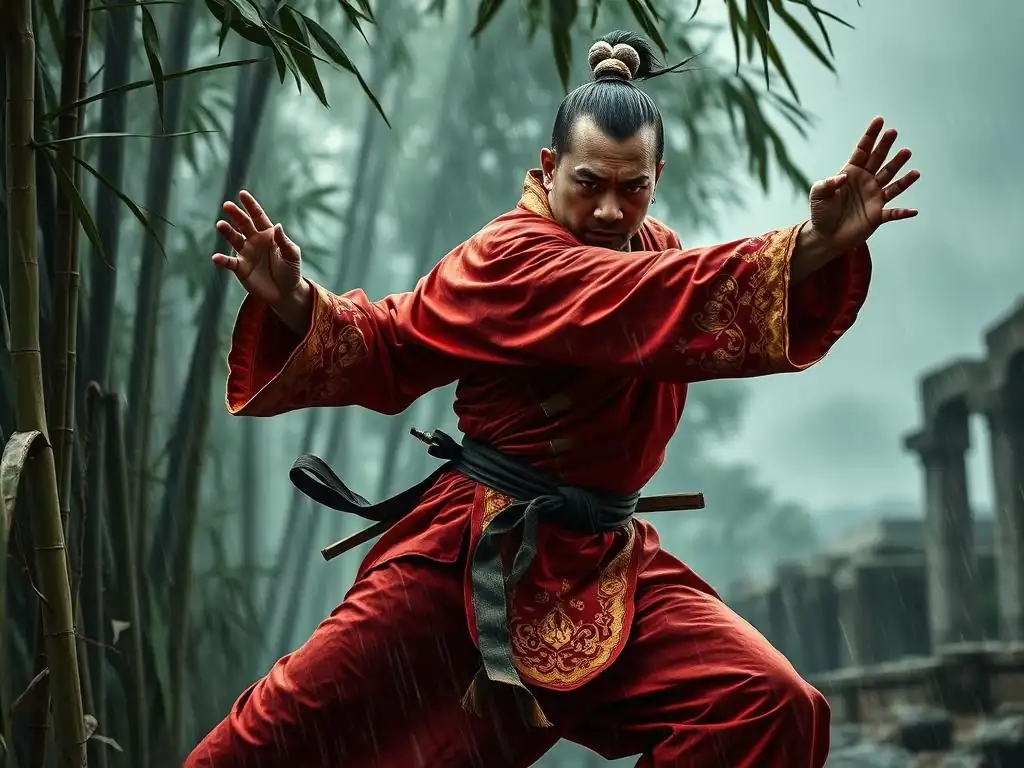
Welcome to Martial Arts Mastery, your gateway to the world's fighting traditions! Ever wondered how ancient warriors used surprise to gain the upper hand? Dive into Yi Lu Mai Fu, the "Ambush Form" of Shaolin Long Fist, and uncover the secrets behind its devastating techniques. This is just the beginning – explore our deep dive into specific martial arts styles and unlock the path to true mastery.
- Introduction to Xiaohongquan in Shaolin Kung Fu
-
Frequently Asked Questions
- What is Yi Lu Mai Fu and how does it relate to Shaolin Long Fist?
- Why is the ambush concept so important in Shaolin Long Fist, especially in Yi Lu Mai Fu?
- What are some of the key principles taught in Yi Lu Mai Fu?
- How does the historical context of Shaolin influence the Yi Lu Mai Fu form?
- What are some practical applications of Yi Lu Mai Fu beyond just learning the form?
- Final Reflection: Embracing the Unexpected in Shaolin Long Fist
- Unleash Your Inner Warrior: Master the Ambush!
Introduction to Xiaohongquan in Shaolin Kung Fu
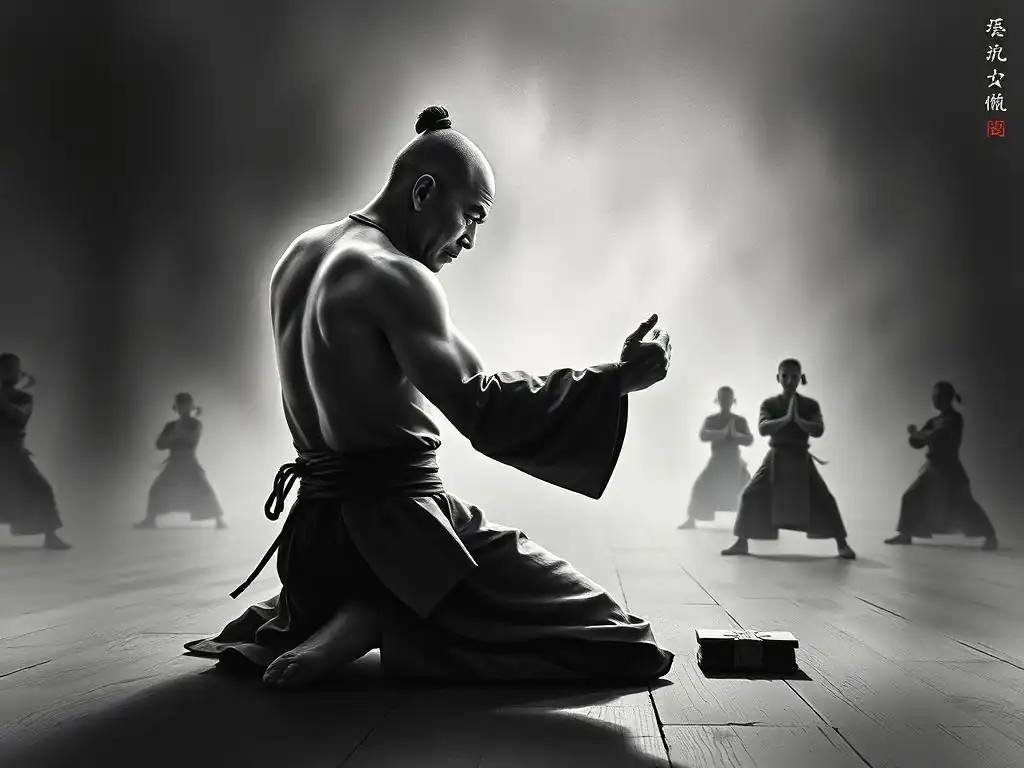
What is Xiaohongquan and its Significance in Shaolin Kung Fu?
Xiaohongquan, often translated as "Little Red Fist," stands as a cornerstone within the vast curriculum of traditional Shaolin Kung Fu. It is typically one of the very first formal hand forms taught to students, serving as an essential introduction to the fundamental principles, movements, and spirit of Shaolin martial arts. This short yet potent routine encapsulates core stances, basic offensive and defensive techniques, and foundational footwork, making it indispensable for beginners.
Mastery of Xiaohongquan provides the necessary physical conditioning, coordination, and understanding of power generation that is critical before progressing to more complex forms within the Shaolin Long Fist system. It is not merely a sequence of moves but a concentrated lesson in balance, structure, and intent.
The significance of Xiaohongquan extends beyond its role as an initial learning tool; it embodies the foundational philosophy of Shaolin training – that true strength and skill are built upon a solid base. Experienced practitioners often return to Xiaohongquan to refine their fundamentals, recognizing that even advanced techniques in Shaolin Long Fist ultimately rely on the precision and power developed through forms like this. It is estimated that historically, a dedicated student might spend several months, potentially six months or more, diligently practicing Xiaohongquan before being deemed ready to learn the next form, such as Dahongquan (Big Red Fist).
This emphasis highlights the profound importance placed on internalizing the lessons contained within this 'little' form. The form's techniques, while basic, are direct and effective, providing a practical introduction to Shaolin combat applications.
The Role of Foundational Techniques in Shaolin Training
In the rigorous discipline of Shaolin Kung Fu, foundational techniques are not just preliminary steps; they are the bedrock upon which all subsequent skill is built. Training begins with mastering basic stances (like the horse stance, bow and arrow stance, and empty stance), fundamental hand strikes (such as the straight punch, palm strike, and knife-hand), blocking movements, and essential footwork patterns.
These seemingly simple actions cultivate physical attributes vital for martial arts proficiency: strength, flexibility, balance, stamina, and body control. Without a deep understanding and physical internalization of these basics, attempting more intricate forms or advanced Shaolin Long Fist techniques would be akin to trying to build a multi-story building on unstable ground; the structure would lack stability and power.
Forms like Xiaohongquan serve as structured methods for integrating these foundational techniques into dynamic sequences. They teach students how to transition smoothly between stances, coordinate hand and foot movements, generate power from the ground up, and apply basic defensive and offensive principles. The repetitive practice inherent in learning a foundational form builds muscle memory and conditions the body, ensuring that proper alignment and power generation become second nature.
This process is crucial for developing the explosive power and fluid motion characteristic of Shaolin Long Fist. For example, the simple straight punch practiced thousands of times in basic drills finds its application within Xiaohongquan, teaching the student how to deliver that punch effectively while moving or blocking, laying the groundwork for more complex combinations and even potential Shaolin Long Fist ambush techniques later in their training journey.
Frequently Asked Questions
What is Yi Lu Mai Fu and how does it relate to Shaolin Long Fist?
Yi Lu Mai Fu translates to "First Road Ambush" and is a key form within the Shaolin Long Fist system. It focuses on developing explosive power and deceptive movements for close-quarters combat.
Why is the ambush concept so important in Shaolin Long Fist, especially in Yi Lu Mai Fu?
The ambush concept emphasizes surprise and initiative in self-defense. Yi Lu Mai Fu trains practitioners to exploit openings and deliver decisive strikes before an opponent can react effectively.
What are some of the key principles taught in Yi Lu Mai Fu?
Yi Lu Mai Fu emphasizes principles like sudden changes in direction, deceptive hand techniques, and powerful leg strikes delivered from unexpected angles. These principles are designed to overwhelm an opponent quickly.
How does the historical context of Shaolin influence the Yi Lu Mai Fu form?
Historically, Shaolin monks needed to defend themselves against bandits and other threats. Yi Lu Mai Fu reflects this need for practical self-defense, focusing on efficient and effective techniques for survival.
What are some practical applications of Yi Lu Mai Fu beyond just learning the form?
Beyond rote memorization, Yi Lu Mai Fu trains body mechanics, timing, and spatial awareness. These skills can be applied to sparring, self-defense scenarios, and even other martial arts disciplines.
Final Reflection: Embracing the Unexpected in Shaolin Long Fist
The detailed exploration of Yi Lu Mai Fu, the ambush form of Shaolin Long Fist, reveals more than just a series of fighting techniques; it unveils a philosophy of preparedness and adaptability highly relevant in today's unpredictable world. The ability to anticipate and react to unforeseen circumstances, a core principle of Yi Lu Mai Fu, translates directly to navigating the complexities of modern life. Just as the form teaches us to turn apparent disadvantage into strategic advantage, we too can learn to find opportunity amidst challenge.
The influence of Shaolin Long Fist, and specifically its ambush techniques, extends beyond the martial arts dojo, shaping our understanding of strategy and resilience. My own journey in martial arts has taught me the profound importance of not just physical strength, but also mental agility and the ability to think several steps ahead. The supreme art of war is to subdue the enemy without fighting.
- Sun Tzu. This quote perfectly encapsulates the essence of Yi Lu Mai Fu: to anticipate, to prepare, and to neutralize threats before they fully materialize.
Now, consider how you can apply the principles of Yi Lu Mai Fu in your own life. Embrace the unexpected, cultivate your awareness, and develop the mental fortitude to adapt to any situation. Just as the Shaolin warrior trains to master the ambush, you too can train your mind to anticipate challenges and turn them into opportunities for growth. Let the spirit of Yi Lu Mai Fu guide you towards a more resilient and resourceful future.
Unleash Your Inner Warrior: Master the Ambush!
Thanks for diving deep into the secrets of Yi Lu Mai Fu. We hope you've gained a new appreciation for the strategy and power hidden within this foundational Shaolin form. Now, it's time to put that knowledge into action and elevate your training.
- Begin practicing the first sequence of Yi Lu Mai Fu daily, focusing on precise execution and mindful movement to truly embody its principles.
- Challenge yourself to discover a new application for one of the movements in the form, adapting it to a self-defense scenario.
- Share your insights and questions about Yi Lu Mai Fu in the comments below – let's learn and grow together as martial artists!
What hidden connection did you uncover between the footwork in Yi Lu Mai Fu and other martial arts styles you've studied?