
Mastering the Catch Wrestling Front Face Lock: Submission and Control


Welcome to Martial Arts Mastery, your gateway to the world of combat! Delve into the rich tapestry of martial arts disciplines, from ancient traditions to modern techniques. Ever wondered about the subtle nuances that separate a takedown from a submission? This article explores precisely that, focusing on a powerful technique from the gritty world of Catch wrestling: the front face lock. Uncover its secrets, applications, and the devastating control it offers. Are you ready to unlock the power of this classic hold?
- Introduction to the Catch Wrestling Front Face Lock
- The Mechanics of the Front Face Lock in Catch Wrestling
- Front Face Lock Variations in Catch Wrestling
- Submission Strategies with the Front Face Lock
- Control and Dominance with the Front Face Lock
- Drilling and Training the Front Face Lock in Catch Wrestling
- Advanced Front Face Lock Techniques
- The Mental Game of the Front Face Lock
- The Front Face Lock in Self-Defense Scenarios
- Conclusion: The Front Face Lock as a Cornerstone of Catch Wrestling
-
Frequently Asked Questions
- What is a Catch Wrestling Front Face Lock and why is it effective?
- How does the Catch Wrestling Front Face Lock differ from a regular headlock?
- What are the key steps to successfully executing a Catch Wrestling Front Face Lock?
- What are the potential dangers of using a Catch Wrestling Front Face Lock?
- Where can I learn more about Catch Wrestling techniques, including the Front Face Lock?
- Final Reflection: The Enduring Grip of Control
- Unlock Your Grappling Potential!
Introduction to the Catch Wrestling Front Face Lock
The Legacy of Catch Wrestling and its Submission Focus
Catch-as-Catch-Can wrestling, often simply called Catch Wrestling, boasts a rich and rugged history stretching back centuries, gaining significant prominence in the late 19th and early 20th centuries in areas like Lancashire, England, and later becoming a cornerstone of professional wrestling and early mixed martial arts in the United States. Unlike Olympic styles, Catch Wrestling emphasizes a no-holds-barred approach, focusing relentlessly on securing pins or submissions from any position.
This submission-oriented mindset is deeply ingrained in its techniques, where holds are applied not just to control, but with the explicit intent of forcing an opponent to yield or be pinned. The Catch wrestling front face lock is a prime example of this philosophy, a hold that can transition seamlessly between control and a fight-ending submission.
The art's legacy is built upon legendary figures like Farmer Burns and Frank Gotch, whose dominance was often attributed to their mastery of painful and inescapable holds. Gotch, for instance, was renowned for his relentless attack and ability to finish opponents swiftly once a submission was applied.
The front face lock, among other neck and head control holds, was a staple in the arsenal of these early pioneers, proving its effectiveness in countless matches across various eras and rule sets. Understanding the historical context of Catch Wrestling's focus on submission underscores the strategic importance and inherent danger of the Catch wrestling front face lock when applied correctly.
Understanding the Front Face Lock's Effectiveness in Catch Wrestling
The effectiveness of the Catch wrestling front face lock lies in its ability to exert tremendous pressure on the opponent's neck, jaw, and even windpipe, creating a highly uncomfortable and potentially injurious situation that often leads to a quick tap. It is typically applied when an opponent is on their hands and knees or attempting a shot (takedown), making it a potent counter-wrestling technique.
The hold allows the practitioner to control the opponent's head and upper body, significantly limiting their mobility and ability to defend or initiate their own offense. This control is paramount in Catch Wrestling, where positional dominance is often the precursor to submission.
Furthermore, the front face lock is versatile. It can be used purely for control, driving the opponent backward or sideways, or it can be escalated rapidly into a fight-ending submission by adjusting the grip and applying rotational or crushing pressure.
Its application disrupts the opponent's breathing and orientation, creating panic and opening opportunities for the submission finish or transitions to other holds like the guillotine choke (though often applied differently in Catch) or transitioning to back control or a pin. Mastery of the Catch wrestling front face lock provides a significant advantage, allowing a wrestler to shut down attacks and immediately transition to offense from a defensive or neutral position.
The Mechanics of the Front Face Lock in Catch Wrestling
Proper Positioning and Grip for a Secure Front Face Lock
Applying a secure Catch wrestling front face lock begins with achieving the correct position relative to your opponent, typically when they are bent over, perhaps attempting a shot or recovering from one. You need to get your chest draped over their back, securing their head and one arm. The critical element is the grip.
Your arm should wrap around their head, with your hand reaching for your own bicep on the other arm. The other arm goes under their armpit, and your hand grips your first hand, creating a figure-four lock around their head and arm. This specific grip configuration is vital for preventing escape and maximizing the pressure applied.
The depth of the grip matters significantly. For maximum control and submission potential with the Catch wrestling front face lock, you want your arm to be deep around their neck and jawline, not just their head. Your chest should be pressed firmly against their back or shoulder blades, eliminating space and preventing them from posturing up.
Your legs should ideally be spread or hooked around one of theirs to maintain balance and drive forward or sideways, preventing them from circling out. Achieving this tight, deep position with the correct grip forms the foundation of a powerful and effective front face lock.
Key Leverage Points for Maximum Control and Submission
The primary leverage points in the Catch wrestling front face lock are the opponent's neck, jaw, and carotid arteries (for choke variations). By wrapping your arm deeply around their neck and securing the figure-four grip, you create a fulcrum. The pressure is applied by squeezing your arms together, driving your chest into their back, and often using your bodyweight to bear down.
This combination compresses the neck and jaw, causing pain and discomfort. For a submission, the pressure is intensified, either targeting the windpipe for a crushing effect or constricting blood flow to the brain via the carotids, depending on the exact variation and grip depth.
Specific adjustments can significantly increase leverage. For instance, driving your shoulder or sternum into the opponent's spine or the back of their head can break their posture and make the hold tighter. Using your legs to prevent their movement or hook a leg behind theirs allows you to use your lower body strength to enhance the upper body squeeze.
Tilting your body and driving your hips forward can also increase the rotational pressure on their neck. Understanding and utilizing these leverage points turns the Catch wrestling front face lock from a simple headlock into a devastating control and submission hold.
Maintaining Dominant Position While Applying the Front Face Lock
Maintaining dominant position while applying the Catch wrestling front face lock is crucial; otherwise, the opponent can escape or reverse the situation. Your goal is to stay heavy on their back or side, preventing them from raising their head or posturing up. Your chest should be glued to their back or shoulder.
Use your legs for base and control – a wide stance, hooking a leg behind theirs, or even transitioning to a sprawl if they try to shoot under you are all ways to maintain your position. Avoid getting too high on their back, which allows them to slip out.
If the opponent attempts to circle away, you must circle with them, keeping the pressure constant and your body aligned with theirs. If they drive into you, use your weight and the tightness of the hold to resist their forward movement, potentially even driving them backward to the mat.
A common tactic is to transition to side control or mount once they are on the ground, all while maintaining the grip on the front face lock. Effective use of your hips and legs to control their lower body is key to maintaining this dominant position and preventing escapes from the Catch wrestling front face lock.
Front Face Lock Variations in Catch Wrestling
The Standard Front Face Lock: Fundamentals and Application
The standard Catch wrestling front face lock is the foundational technique. It involves wrapping one arm around the opponent's head and neck, typically from the side or front, and securing a figure-four grip by locking your hands together, often gripping your own bicep with one hand and clasping that hand with the other. The application usually occurs when the opponent is in a kneeling or bent-over position, such as defending a takedown or recovering ground. Your chest should be draped over their back, keeping them low.
Application begins with securing the initial head and arm control. As you wrap your arm around their head, drive your chest forward to break their posture further. Lock your grip tightly, ensuring your arm is deep around their neck. From here, you can apply pressure by squeezing your arms together and driving your weight down. The standard front face lock is primarily a control hold that sets up submissions, pins, or transitions. It can cause significant discomfort and make breathing difficult, often forcing the opponent to react defensively, creating openings for the finish.
The Cradle Front Face Lock: Adding a New Dimension of Control
The cradle front face lock variation combines the head and arm control of the front face lock with a leg cradle, adding a powerful dimension of control and pin potential. While maintaining the standard front face lock grip, you use your free arm (the one not part of the figure-four) to reach under one of your opponent's legs (usually the near leg or the opposite leg, depending on your position) and secure a grip on their ankle or knee. Your head should be close to their chest or shoulder.
With the head and arm secured and the leg cradled, you can now use your entire body to compress and control the opponent. This position is extremely difficult for the opponent to escape from and is a direct path to securing a pin. By driving forward and rotating, you can flatten them out onto their back while maintaining the crushing pressure of the Catch wrestling front face lock. This variation is particularly effective against opponents attempting to turtle up or defend from their knees, offering a high-percentage route to a pinfall victory.
The Neck Crank Variation: A High-Risk, High-Reward Submission
The neck crank variation of the Catch wrestling front face lock focuses specifically on applying rotational or bending pressure to the opponent's neck to force a submission. While the standard hold applies general pressure, the neck crank intensifies this by manipulating the angle of the head relative to the spine. With the front face lock grip secured, you might shift your weight or adjust your grip slightly to create torque on the neck. This could involve driving your shoulder into the side of their head or jaw while pulling upwards with your arms, bending their neck severely.
This variation is high-risk because it targets the delicate structures of the neck and can cause serious injury if applied with excessive force or without allowing the opponent time to tap. In Catch Wrestling, submissions are pursued relentlessly, and the neck crank is a potent tool for this purpose. It requires precise application and control to generate the necessary torque without losing the grip or position. When executed correctly, the pain and structural compromise inflicted by this Catch wrestling front face lock variation can lead to a very rapid submission.
Using Leg Positioning to Enhance Front Face Lock Control
Effective leg positioning is critical for maximizing control and power when applying the Catch wrestling front face lock. Your legs provide your base, stability, and the ability to drive pressure or prevent the opponent's movement. A wide, balanced stance is essential initially to prevent being easily pushed over or circled around. If the opponent is on their knees, hooking one of your legs behind one of theirs (a "grapevining" action with the leg or simply trapping it) can prevent them from standing up or rotating away.
Alternatively, using your legs to sprawl out if the opponent attempts to shoot under you while you have the front face lock can shut down their escape attempt and drive their head further into the mat, increasing the pressure. You can also use your legs to drive forward, backward, or sideways, dictating the opponent's movement and manipulating their body position to make the hold tighter or transition to a pin.
For instance, driving your hips forward while maintaining the front face lock grip increases the squeezing pressure on the neck. Mastery of leg positioning turns the upper body control of the front face lock into a full-body technique.
Submission Strategies with the Front Face Lock
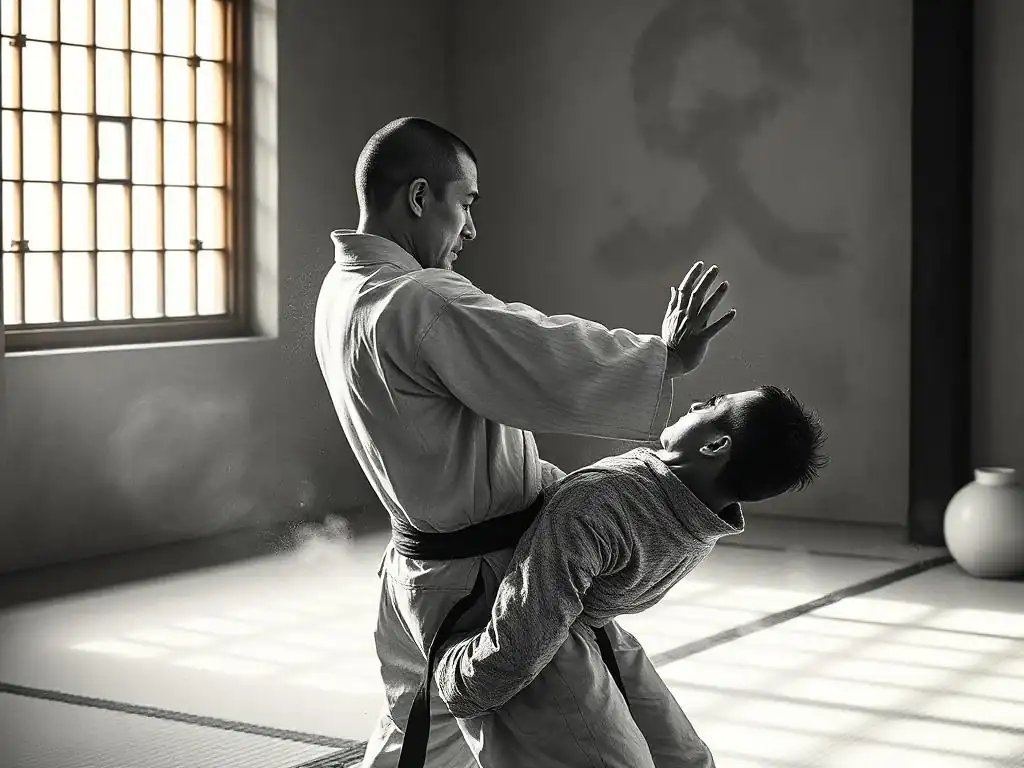
Breaking the Opponent's Posture for Effective Submission
Breaking the opponent's posture is the essential first step in transitioning the Catch wrestling front face lock from a control hold to a submission. When an opponent has good posture (head up, back straight), their neck is strong and resilient. The goal is to force their head down and their back to round, making the neck vulnerable and limiting their ability to generate power or escape. This is achieved by maintaining relentless downward and forward pressure with your chest and arms.
Use your body weight to bear down on their back. Drive your shoulder or sternum into their spine or the back of their head. Pull upwards with your arms while driving your weight downwards. These actions combined will break their posture, forcing their chin towards their chest. Once their posture is broken, the neck is exposed, and the power of the Catch wrestling front face lock for submission increases dramatically. Their ability to defend is severely compromised, and the path to applying finishing pressure becomes clear.
Applying Pressure for the Choke or Neck Crank Finish
With the opponent's posture broken and the Catch wrestling front face lock grip secured deeply around the neck, you are ready to apply finishing pressure. The specific type of pressure depends on whether you are aiming for a choke or a neck crank. For a choke (often more of a guillotine-like constriction or windpipe crushing), focus on tightening the figure-four grip by squeezing your arms together as hard as possible.
Drive your chest into their back and pull their head upwards relative to their body. This compresses the neck and can restrict blood flow or crush the trachea, leading to a tap.
For a neck crank, the focus is on rotational or bending force. While maintaining the tight grip, use your arms and body to twist the opponent's head to the side relative to their body, or bend it severely forward or backward. Driving your shoulder into their jaw or the side of their head while pulling with your arms generates this torque. Both the choke and neck crank variations of the Catch wrestling front face lock are powerful submissions, but the neck crank carries a higher risk of injury if not released immediately upon the tap.
Utilizing Transitions to Secure the Submission
Sometimes, the direct application of pressure from the standard Catch wrestling front face lock position isn't enough, or the opponent is defending well. In such cases, utilizing transitions becomes a key strategy for securing the submission. One common transition is to pull the opponent down to the mat, moving from a standing or kneeling front face lock to one from side control or even mount.
As they fall, maintain the grip and immediately move to a dominant ground position. From side control, you can often tighten the hold significantly or transition to a full guillotine choke if the grip allows.
Another transition involves driving the opponent backward and attempting to secure a pin while maintaining the front face lock. The pressure of the hold makes it difficult for them to bridge or escape the pin. If they roll out of the front door, you might transition to taking their back, still potentially maintaining some form of head control. Mastering these transitions ensures that the Catch wrestling front face lock isn't a static hold but a dynamic part of your grappling game, constantly leading to better position or a more secure path to submission or pinfall.
Control and Dominance with the Front Face Lock
Preventing Escapes from the Front Face Lock
Preventing escapes is paramount once the Catch wrestling front face lock is applied. The most common escape attempts involve the opponent trying to posture up, circle out, or shoot under you. To counter posturing, maintain heavy downward pressure with your chest and arms, keeping their head low. Drive your weight into their back. If they try to circle, move with them, maintaining the tightness of the grip and keeping your body aligned with theirs. Use your legs to control their lower body and prevent lateral movement.
Against the shoot-under escape, where they try to dive under your arm or legs, immediately sprawl your legs back while keeping the head and arm tight. This drives their face into the mat and shuts down their attempt. Maintaining a figure-four grip with locked hands is also crucial; a simple arm-around-the-neck grip is much easier to slip out of. Constant pressure, awareness of their movements, and immediate reactions are key to preventing escapes from the Catch wrestling front face lock.
Maintaining Positional Control Against Opponent Resistance
Maintaining positional control while applying the Catch wrestling front face lock means more than just preventing escapes; it means dictating the opponent's movement and preventing them from mounting any offense. With the front face lock secured, you control their head, which significantly limits their ability to see, breathe comfortably, and generate force. You can use this to drive them backward, sideways, or pull them down to the mat.
As the opponent resists, use your entire body to counter their movements. If they push into you, resist with your core and legs while maintaining the head control. If they pull away, follow them closely, keeping the grip tight. Your goal is to remain heavy and connected, using the front face lock as a tether that keeps them exactly where you want them. This positional dominance allows you to drain their energy, frustrate their attempts to escape, and set up your finishing sequence from the Catch wrestling front face lock.
Using the Front Face Lock to Set Up Other Submissions and Pins
Beyond being a submission in itself, the Catch wrestling front face lock is an excellent control position from which to transition to other powerful submissions and pins. If the opponent defends the direct neck pressure effectively, the position often opens up opportunities elsewhere. For example, if they are focused on defending their neck, their arms might become vulnerable. You could potentially transition from the front face lock to an arm triangle choke or even an armlock if the situation arises, although direct arm attacks from here are less common than transitions involving the body.
More frequently, the front face lock is used to transition to a pin. By driving the opponent down to the mat and maintaining the hold, you can often flatten them onto their back, securing a pinfall victory while the hold makes it difficult for them to bridge or escape.
The cradle front face lock variation, as discussed, is a prime example of this. The control offered by the Catch wrestling front face lock also makes it easier to transition to taking the opponent's back if they manage to slip their head out, or move to side control or mount on the ground, positions from which many other submissions are available.
Drilling and Training the Front Face Lock in Catch Wrestling
Solo Drills for Grip Strength and Positioning
While grappling is inherently a partner activity, solo drills can significantly improve key components needed for an effective Catch wrestling front face lock. Grip strength is paramount. Exercises like towel pull-ups, rope climbs, or using grip trainers can build the necessary hand and forearm strength to maintain the figure-four lock under pressure. Simulating the wrapping motion around a wrestling dummy or even a sturdy post can help build muscle memory for the correct depth and angle of the arm wrap.
Positional awareness can also be practiced solo. Visualizing the opponent's likely reactions (trying to posture, circle, etc.) and practicing the appropriate counter-movements – like sprawling or circling your hips – can be done without a partner. Practicing driving forward or backward while maintaining the simulated hold helps build the core strength and balance needed to control a resisting opponent. While these don't replace partner work, they are valuable supplements for refining the individual mechanics of the Catch wrestling front face lock.
Partner Drills for Applying and Defending the Front Face Lock
Partner drills are essential for mastering the Catch wrestling front face lock. Start with slow, cooperative drilling focusing on securing the correct grip and position from various entries (e.g., countering a shot, from a scramble). Practice applying the initial control and then slowly adding pressure for the submission, allowing the partner to tap early. Drill transitioning from the standing/kneeling front face lock to taking the opponent down while maintaining the hold.
Include drills where the partner offers light resistance, gradually increasing the intensity. This helps the practitioner learn how to adjust the grip and position against a moving opponent. Drill specific escape defenses – the partner attempts a known escape, and the practitioner focuses solely on countering that specific movement while maintaining the front face lock. Finally, dedicate rounds specifically to sparring from positions where the front face lock is likely, allowing practitioners to apply the technique and defend against it in a live but controlled environment.
Integrating the Front Face Lock into Live Sparring Scenarios
Integrating the Catch wrestling front face lock into live sparring scenarios is the ultimate test of its effectiveness and your proficiency. Start with positional sparring from common front headlock positions or situations where an opponent is bent over. This allows practitioners to focus on applying and defending the front face lock specifically without the chaos of a full match. Gradually move to incorporating it into full live rounds.
During live sparring, actively look for opportunities to apply the Catch wrestling front face lock – counter shots, scrambles, or when the opponent is recovering their guard. Don't just hunt for the submission immediately; first, secure the position and control. Work on maintaining the hold against full resistance and transitioning to a submission or pin when the opportunity arises.
Pay attention to your opponent's reactions and learn how to adjust your pressure and position accordingly. Regular live application is crucial for developing the timing, feel, and confidence needed to effectively use the Catch wrestling front face lock in competition or self-defense.
Advanced Front Face Lock Techniques
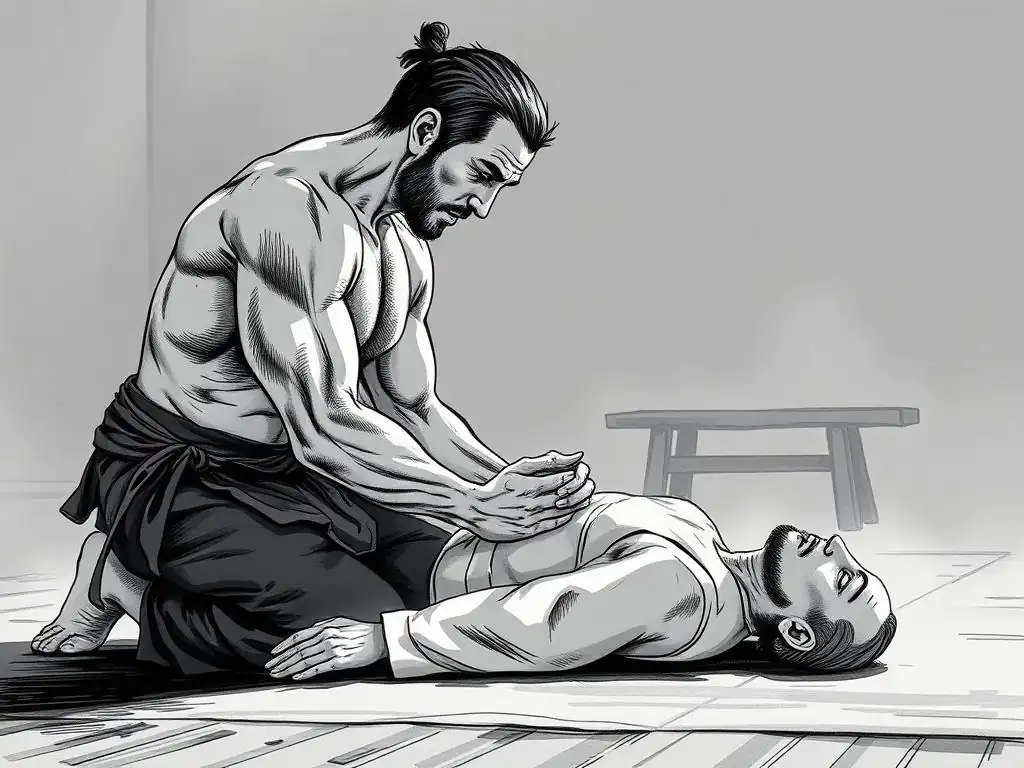
Countering Common Defenses to the Front Face Lock
As opponents become more experienced, they will develop defenses against the Catch wrestling front face lock. Common defenses include posturing up, circling away, grabbing your arm to break the grip, or attempting to shoot under. Countering these requires specific adjustments. Against posturing, double down on the downward pressure, driving your chest and weight into their back. If they circle, move your feet rapidly to stay centered over them, maintaining the tight grip.
If they grab your arm or hand to break the figure-four grip, use grip-fighting principles – twist your wrist, pull your hand away, or use your other hand to break their grip on yours while maintaining the primary hold. Against the shoot-under, the immediate sprawl is key, combined with keeping the head and arm tight to drive their face into the mat. Anticipating these defenses and having practiced counters makes the Catch wrestling front face lock much harder to escape.
Combining the Front Face Lock with Leg Attacks
Combining the Catch wrestling front face lock with leg attacks creates a multi-dimensional threat, giving the opponent more to defend simultaneously. While holding the front face lock, you can transition your grip slightly or use your free hand/arm to attack a leg. For example, securing the front face lock while standing or on your knees can be a precursor to a low single-leg or double-leg takedown attempt, maintaining head control as you drive into their legs.
Alternatively, from a scramble where you have the front face lock, you might transition to attacking a leg with your free arm, aiming for a kneebar or ankle lock set-up while the head control keeps them distracted and off-balance. The cradle front face lock is a direct example of integrating leg control for a pin. This combination of upper body control with lower body attack creates a dilemma for the opponent; defending one often leaves them vulnerable to the other, making the Catch wrestling front face lock a valuable tool in setting up diverse attacks.
Using the Front Face Lock in Transition to Other Holds
The Catch wrestling front face lock is not always the final destination; it is frequently used as a powerful control point to transition into other dominant positions or submission holds. As previously mentioned, it's an excellent setup for ground control like side control or mount, especially when combined with a takedown or trip while maintaining the grip. From these positions, a wide array of submissions become available.
If the opponent manages to slightly slip their head or turn, the front face lock can transition directly into a standard guillotine choke (though the Catch version is often applied differently than in BJJ, focusing more on neck pressure than blood choke from this specific angle), or even lead to taking the opponent's back if they turn to escape.
The control over the head and upper body provided by the Catch wrestling front face lock creates instability and openings, allowing a skilled grappler to flow seamlessly into rear naked chokes, arm triangles, or various pins as the opponent reacts and moves.
The Mental Game of the Front Face Lock
Developing Confidence in Your Submission Skills
Developing confidence in your ability to apply and finish with the Catch wrestling front face lock is crucial for its effective use. This confidence comes primarily from consistent, focused training and successful application in practice. Start by drilling the mechanics until they are second nature. Then, gradually increase the resistance in partner drills. Feeling the pressure you can generate and seeing opponents react or tap builds belief in the hold's power.
Successful application, even in controlled sparring, reinforces this confidence. Don't get discouraged by initial failures; analyze what went wrong (grip depth, positioning, pressure) and refine your technique. Watching experienced practitioners apply the Catch wrestling front face lock can also provide insight and inspiration. As you become more proficient and confident, you'll apply the hold more assertively and recognize opportunities more readily, turning it into a reliable weapon in your arsenal.
Reading Your Opponent's Reactions
Reading your opponent's reactions is vital when applying the Catch wrestling front face lock. Their movements and body language will tell you how they are attempting to escape and whether the submission pressure is effective. Are they trying to posture up? Are they circling? Are they grabbing your arm? Are their eyes widening, or their breathing becoming labored?
If they are intensely focused on defending the neck, it might indicate the pressure is working, or they are opening up other vulnerabilities. If they are calmly trying to break your grip, you need to focus on tightening the figure-four. Reading their reactions allows you to anticipate their next move, counter their defenses before they fully develop, and know when to intensify the pressure for the submission finish or transition to a different attack. A skilled practitioner constantly adjusts based on their opponent's feedback while maintaining the Catch wrestling front face lock.
Maintaining Composure Under Pressure
Maintaining composure is essential when applying the Catch wrestling front face lock, especially in live training or competition. The opponent will be resisting fiercely, often in uncomfortable positions, and may even be attempting their own counters or submissions. Panicking can lead to losing your grip, position, or making mistakes that allow the opponent to escape or reverse the situation.
Focus on the fundamentals: maintain your grip, keep your position tight, breathe, and apply pressure methodically. Don't rush the finish unless the opportunity is clearly there. If the opponent is defending well, stay calm and look for transitions or opportunities to drain their energy with control. Trust your training and technique. Maintaining composure allows you to think clearly, react appropriately to their defenses, and persist in applying the Catch wrestling front face lock until the submission or pin is secured.
The Front Face Lock in Self-Defense Scenarios
Adapting the Catch Wrestling Front Face Lock for Street Application
Adapting the Catch wrestling front face lock for street self-defense requires significant caution and modification due to the unpredictable nature of real-world altercations and the potential for severe injury. While the core principles of head and neck control remain relevant, the goal shifts from securing a submission or pin (as in sport) to control, de-escalation, or creating an opportunity to escape. The intense pressure and potential for neck cranks are extremely dangerous outside a controlled environment and should generally be avoided unless absolutely necessary for survival.
On the street, the initial application might occur during a clinch or while defending a wild punch. Securing head and arm control (similar to the start of the front face lock) can immediately shut down striking ability and allow you to control the aggressor's posture and movement.
The emphasis is on maintaining a secure grip and position to prevent them from striking or pulling away, rather than applying crushing submission pressure. Using the hold to drive the aggressor backward or to the ground in a controlled manner can create distance or neutralize the threat without immediately resorting to a fight-ending submission.
Considerations for Safety and Legality
Safety and legality are paramount considerations when contemplating using any grappling technique, especially one as potentially dangerous as the Catch wrestling front face lock, in a self-defense situation. Unlike a sporting match where participants consent to the risks, a street altercation has no such agreement, and the legal ramifications of causing injury can be severe. Applying a neck crank or excessive crushing pressure can cause serious injury or even death, potentially leading to criminal charges depending on the jurisdiction and the circumstances of the encounter.
Therefore, if using a front face lock-like control in self-defense, the primary goal should be control and de-escalation. Use the hold to break posture, control movement, and create an opportunity to escape. Avoid applying submission pressure unless your life is in imminent danger and no other option exists. Understand the use-of-force laws in your area. Training should focus on using the control aspects of the Catch wrestling front face lock to create space or neutralize threats with minimal necessary force, always prioritizing your safety and avoiding excessive harm.
Using the Front Face Lock for Control and De-escalation
In many self-defense situations, the goal is not to injure but to control a situation and escape harm. The Catch wrestling front face lock, when adapted, can be a powerful tool for control and de-escalation. Gaining control of an aggressor's head and upper body immediately puts you in a dominant position, making it difficult for them to continue aggressive actions like striking.
From this controlled position, you can verbally command the aggressor to stop or back down. You can use the hold to steer them away from you or others, or to drive them to the ground if necessary to end the threat. The discomfort and loss of balance caused by even a moderate front face lock-like control can often deter further aggression. The emphasis is on maintaining a secure, dominant position that neutralizes the threat without escalating to injurious submission techniques, using the principles of the Catch wrestling front face lock for strategic control rather than a fight-ending maneuver.
Conclusion: The Front Face Lock as a Cornerstone of Catch Wrestling
The Importance of Consistent Training and Refinement
Mastering the Catch wrestling front face lock is a journey that requires consistent training and refinement. It is not a technique that can be learned superficially; its effectiveness relies on precise positioning, a secure grip, correct application of pressure, and the ability to transition seamlessly between control and submission. Regular drilling, both solo and with partners, is essential to build the muscle memory, strength, and timing required.
Live sparring, starting from specific positions and progressing to full rounds, is crucial for learning how to apply the hold against resistance and integrate it into a dynamic grappling game. Analyzing your own performance and seeking feedback from experienced coaches or partners helps identify weaknesses and areas for improvement. The nuances of the Catch wrestling front face lock – the slight adjustments in grip, the angle of pressure, the use of the legs – are refined over time through dedicated practice, making consistent training the cornerstone of mastery.
Embracing the Legacy of Catch Wrestling Submissions
Embracing the legacy of Catch Wrestling means understanding and appreciating its historical emphasis on submissions like the Catch wrestling front face lock. This art form was forged in tough environments where matches often ended quickly via tap or pin. Studying the techniques and strategies of the old-time Catch wrestlers provides valuable insight into the principles that make these holds so effective.
The front face lock embodies the Catch Wrestling spirit: direct, brutal, and designed to end the fight. By mastering this hold, practitioners connect with the roots of the sport and carry forward the tradition of relentless submission hunting. It represents the art's pragmatic approach to grappling, focusing on techniques that work under pressure and can quickly lead to a decisive victory. The Catch wrestling front face lock is more than just a technique; it is a symbol of the art's enduring legacy as a submission-first grappling style.
Frequently Asked Questions
What is a Catch Wrestling Front Face Lock and why is it effective?
A Catch Wrestling Front Face Lock is a submission hold that targets the neck and head. It's effective because it applies pressure, leading to pain compliance or a potential choke.
How does the Catch Wrestling Front Face Lock differ from a regular headlock?
Unlike a regular headlock, the Catch Wrestling Front Face Lock focuses on precise pressure points and leverage to maximize discomfort and control, often leading to a faster submission. It's also more about submission than control.
What are the key steps to successfully executing a Catch Wrestling Front Face Lock?
The key steps involve securing a strong grip, controlling your opponent's posture, and applying focused pressure to the head and neck while maintaining a dominant position.
What are the potential dangers of using a Catch Wrestling Front Face Lock?
Improper application can lead to serious injuries, including neck sprains, dislocations, or even loss of consciousness. Controlled training and awareness of your partner's limits are crucial.
Where can I learn more about Catch Wrestling techniques, including the Front Face Lock?
Websites like MartialArtsMastery.org offer historical overviews, training tips, and detailed explanations of various Catch Wrestling techniques. Look for reputable instructors with experience in Catch Wrestling.
Final Reflection: The Enduring Grip of Control
The techniques and principles discussed throughout this article, centered on the Catch Wrestling Front Face Lock, are not merely historical curiosities. They represent a potent and relevant approach to grappling, offering a pathway to both dominant control and decisive submission in a world increasingly valuing practical self-defense and nuanced martial arts skill. The front face lock, when mastered, becomes more than just a hold; it becomes a language of leverage and pressure, a testament to the effectiveness of Catch Wrestling's brutal elegance.
The influence of Catch Wrestling, and specifically its emphasis on control through holds like the front face lock, continues to ripple through the modern grappling landscape. Its impact is undeniable, shaping the strategies and techniques of fighters across disciplines, from MMA to submission grappling. The relentless pursuit of control, the understanding of leverage, and the willingness to inflict pain for strategic advantage are all hallmarks of the Catch Wrestling ethos. Control the head, control the body,
a sentiment often echoed in grappling circles, perfectly encapsulates the power and potential of the front face lock.
Now, consider how these principles of control and leverage, honed through the mastery of the Catch Wrestling Front Face Lock, can be applied beyond the mat. Reflect on the areas of your own life where you seek greater control – over your goals, your relationships, your own well-being. Embrace the discipline, the understanding of leverage, and the relentless pursuit of improvement that defines the Catch Wrestling spirit. The lessons learned here are not just about grappling; they are about mastering yourself.
Unlock Your Grappling Potential!
Thanks for diving deep into the world of the Front Face Lock! We hope you found valuable insights to add to your grappling arsenal. Now, it's time to put that knowledge into action.
Here's how you can continue your journey:
- Master the Fundamentals: Begin practicing the Front Face Lock on compliant partners, focusing on grip placement and body positioning until it becomes second nature.
- Explore Advanced Transitions: Research and experiment with transitioning from common grappling positions (e.g., guard, side control) into the Front Face Lock, developing a personalized flow.
- Share Your Insights: Post a video of yourself attempting the Front Face Lock on social media and tag us, showcasing your progress and inviting feedback from the community.
What's one adjustment you plan to make to your Front Face Lock technique after reading this article?