
108 Yang Form: A Deep Dive into Its Historical Roots and Evolution

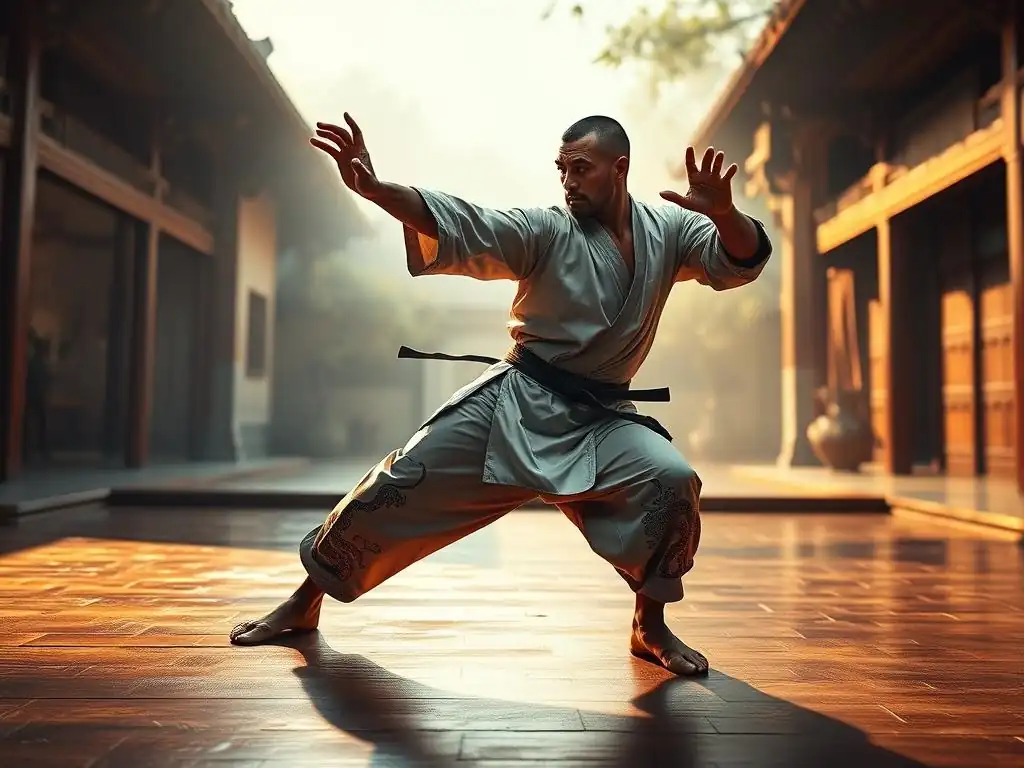
Welcome to Martial Arts Mastery, where we delve into the rich tapestry of combat traditions! Ever wondered how a seemingly simple set of movements can unlock profound power and inner peace? This week, we explore the ancient wisdom embedded within the 108 Yang Form, focusing on its historical evolution and, crucially, the often-overlooked Yang form breathing techniques that are key to unlocking its true potential. Discover how these techniques can enhance your practice and connect you to a lineage stretching back centuries... Let's begin!
- Yang Style Taijiquan Long Form: History, Principles, and Benefits
- Introduction to the Yang Long Form
- Historical Development of Yang Style Taijiquan
- Evolution and Variations of the Yang Long Form
- Core Principles of Yang Style Taijiquan
- Key Movements: A Breakdown of Essential Sections
- Breath Control: Integrating Breathing with Movement
- Health Benefits of Practicing Yang Style Taijiquan
- Common Errors in Learning the Yang Long Form
- Integrating Taijiquan into a Holistic Practice
- Conclusion: The Enduring Value of Yang Style Taijiquan
-
Frequently Asked Questions
- What is the primary focus of the 108 Yang Form in the context of Tai Chi Chuan?
- How does the 108 Yang Form relate to historical Tai Chi Chuan lineages?
- What are some key elements of Yang form breathing techniques?
- Where can I find more information on the historical development of the 108 Yang Form?
- What are the practical self-defense applications of the 108 Yang Form, despite its slow and graceful appearance?
- Final Reflection: Embracing the Breath, Honoring the Legacy
- Embrace the Flow: Begin Your Tai Chi Journey Today!
Yang Style Taijiquan Long Form: History, Principles, and Benefits
Introduction to the Yang Long Form
Overview of the Yang Style Long Form
The Yang Style Taijiquan Long Form, often referred to as the 108-movement form (though counts can vary slightly depending on the lineage, commonly cited as 85, 88, or 108 postures), stands as the most widely practiced sequence within the Yang family tradition. This extensive form is a comprehensive synthesis of the style's fundamental principles, movements, and energetic cultivation methods.
Its length and complexity provide practitioners with a deep exploration of Taijiquan mechanics, requiring significant dedication and patience to master fully. Unlike shorter, simplified forms, the Long Form offers a rich tapestry of transitions, repetitions, and variations that build physical conditioning, internal awareness, and sophisticated coordination over time.
Practiced globally by millions, the Yang Long Form is renowned for its slow, flowing, and expansive movements. It emphasizes relaxation (Song), rootedness, and the connection of the entire body. The sequence typically takes between 20 to 30 minutes to perform at a relaxed pace, allowing ample time for focused internal work, including the development of precise Yang form breathing techniques. This form serves as the bedrock for deeper study in Yang style, including push hands (Tui Shou) and martial applications, though its primary appeal for many is its profound health and meditative benefits.
Significance of the Form's Structure and Movements
The structure of the Yang Long Form is deliberately designed to guide the practitioner through a progression of fundamental Taijiquan energies and principles. It begins with simple, grounding movements, gradually introducing more complex sequences that involve intricate weight shifts, rotations, and coordination of the limbs with the torso.
The repetition of certain core movements, such as "Grasp the Bird's Tail" (Peng, Lu, Ji, An), "Single Whip," and "Cloud Hands," allows practitioners to internalize the essential mechanics and energetic expressions of the style. The form is traditionally divided into three sections, often referred to as Heaven, Man, and Earth, representing a journey from initial rooting and basic energy cultivation to more complex applications and finally, the return to stillness and consolidation.
Each movement within the form, while appearing gentle and continuous, contains underlying martial applications and energetic pathways. The slow pace facilitates the development of internal awareness, allowing practitioners to feel the flow of Qi (vital energy) and the interconnectedness of their body. The continuous nature of the form, with smooth transitions between postures, cultivates uninterrupted energy flow and mental focus. Mastering the structure and movements involves not just memorizing the sequence but embodying the principles of Song, correct alignment, and integrated movement, all supported by conscious Yang form breathing techniques.
Historical Development of Yang Style Taijiquan
Yang Luchan: Founding of the Style and Early Development
Yang Luchan (circa 1799-1872) is credited with founding the Yang style of Taijiquan. Hailing from Yongnian County in Hebei province, he is said to have traveled to Chenjiagou village to learn the closely guarded family martial art from Chen Changxing (1771-1853). Accounts suggest Yang Luchan spent a significant period, perhaps around 18 years, studying diligently, eventually mastering the art. His dedication and skill were such that he became renowned as "Yang Wudi" (Invincible Yang) after moving to Beijing and demonstrating his prowess in challenges.
In Beijing, Yang Luchan began teaching Taijiquan to the imperial family and aristocracy. His original teaching style is often described as having a smaller circle, more compact movements, and higher stances compared to the later, more expansive versions. He adapted the art for a broader audience, including those less inclined towards rigorous physical training, laying the groundwork for Taijiquan's dual emphasis on martial skill and health cultivation. His two sons, Yang Banhou (1837-1892) and Yang Jianhou (1839-1917), continued his lineage, each developing slightly different interpretations of the form.
Yang Chengfu: Standardization and Popularization of the Long Form
Yang Chengfu (1883-1936), the grandson of Yang Luchan and youngest son of Yang Jianhou, played a pivotal role in standardizing and popularizing the Yang style Long Form as it is known today. He refined his grandfather's and father's teachings, developing a form characterized by large, open, even, and smooth movements performed in a moderate to low stance. His goal was to make Taijiquan accessible and beneficial for health, emphasizing relaxation and continuous flow over overt martial applications, though the underlying principles remained.
Yang Chengfu traveled extensively across China, teaching his refined version of the Long Form and attracting a vast number of students. He authored several influential books, including "The Essence and Applications of Taijiquan" (太極拳體用全書, published 1934), which included photographs of him demonstrating each posture of the form. These publications and his widespread teaching efforts solidified his version as the mainstream Yang style. His standardization greatly contributed to the spread of Taijiquan, making the Long Form the foundation for countless schools and practitioners worldwide and influencing subsequent simplified forms like the 24-movement Beijing form.
Influence of Family Lineage on the Form's Transmission
The transmission of the Yang style Long Form through the Yang family lineage has resulted in various branches and slightly differing interpretations, each carrying the essence of the original art while reflecting the individual insights and teaching focus of subsequent masters. Yang Luchan passed his knowledge to his sons, Yang Banhou and Yang Jianhou. Yang Banhou taught a more compact, martial-oriented form, while Yang Jianhou continued the tradition of teaching a larger frame. Yang Chengfu, Yang Jianhou's son, further developed the large frame, emphasizing health benefits and accessibility, leading to the most widely recognized version.
Other prominent family members, such as Yang Shao-hou (1862-1930), Yang Chengfu's elder brother, maintained a distinct, more martial, small-circle, high-stance version of the form. This divergence illustrates how lineage influences the evolution of martial arts forms, with different branches preserving or emphasizing specific aspects of the original teaching.
Disciples of these masters also contributed to this diversity, leading to variations taught by families like the Tung (Dong) family, who learned from Yang Chengfu's father, Yang Jianhou, and later from Yang Chengfu himself, and the Fu family, who learned from Yang Chengfu. These lineage variations, while distinct in subtle ways, all stem from the root principles established by Yang Luchan and refined through generations.
Evolution and Variations of the Yang Long Form
Key Modifications Introduced by Different Teachers
Following Yang Chengfu's standardization, many of his senior disciples and other prominent teachers who learned from earlier generations of the Yang family continued to teach and, in some cases, subtly modify the Yang Long Form. These modifications often reflected the teacher's personal understanding, emphasis (health vs. martial), or adaptation to specific student needs. For instance, Tung Yingjie (1888-1961), a renowned disciple of Yang Chengfu and earlier master Li Xiangyuan (who learned from Yang Banhou), taught a version that is very close to Yang Chengfu's but is known for its powerful expression and deeper stances in some lines.
Another example is Fu Zhongwen (1903-1994), Yang Chengfu's nephew and disciple, who dedicated his life to preserving Yang Chengfu's standardized form and founded the Yongnian Taijiquan Association in Shanghai. His teaching lineage emphasizes the continuity and precision of Yang Chengfu's movements and principles. While these teachers largely adhered to Yang Chengfu's framework, subtle differences in the angle of a hand, the timing of a breath (integrating Yang form breathing techniques), or the depth of a stance emerged, creating distinct, yet related, expressions of the same fundamental form.
Regional and Lineage-Specific Adaptations
Beyond the direct family line, the spread of Yang style Taijiquan across different regions and through various disciples led to the development of lineage-specific adaptations. In places like Hong Kong, Malaysia, and North America, teachers who learned from Yang Chengfu's students (such as Tung Yingjie's family or disciples of Fu Zhongwen) established their own schools, maintaining the core form but often with minor variations in counting movements (leading to 85, 88, or 108 labels), stylistic nuances, or specific training methodologies.
For example, the Tung family lineage, originating from Tung Yingjie, teaches a form that is recognizably Yang style but has its own distinct flavor and emphasis on certain internal principles. Similarly, various branches stemming from other Yang Chengfu disciples or even those who learned from earlier generations like Yang Jianhou (e.g., the Zhao Bin lineage) present forms that, while sharing the Yang style characteristics, have unique qualities.
These regional and lineage-specific adaptations highlight the living nature of traditional martial arts, where the form is transmitted and interpreted through the lens of individual experience and teaching environments, influencing everything from physical posture to the application of Yang form breathing techniques.
Influence of Modern Wushu on the Traditional Form
The development of modern Wushu in China had a significant, albeit sometimes controversial, influence on traditional Taijiquan forms, including the Yang Long Form. Seeking to standardize and promote Chinese martial arts globally, the Chinese Sports Commission created simplified and standardized competition forms. The most famous of these is the 24-movement Simplified Taijiquan Form, which is directly based on movements from the Yang Long Form but significantly shortened and modified for ease of learning and performance.
While these modern forms have been instrumental in popularizing Taijiquan worldwide and introducing many to the art, they often emphasize external appearance, choreography, and athleticism suitable for competition over the deep internal cultivation, subtle body mechanics, and philosophical depth inherent in the traditional Long Form. The influence can sometimes be seen when practitioners of traditional forms inadvertently incorporate aesthetic elements from Wushu competition forms that may deviate from classical principles like maintaining continuous tension-free movement and integrated Yang form breathing techniques.
This highlights a distinction between traditional practice focused on internal development and health, and modern Wushu focused on performance and sport.
Core Principles of Yang Style Taijiquan
Relaxation (Song) and Natural Movement
The principle of Song (鬆), meaning relaxation, looseness, or yielding, is arguably the most fundamental concept in Yang Style Taijiquan. It is not merely the absence of tension but a state of conscious, active relaxation throughout the entire body, from the crown of the head to the soles of the feet.
Song allows energy (Qi) and blood to flow freely, prevents blockages caused by muscular tension, and facilitates the development of internal power ( Jin). Achieving Song involves dropping the shoulders and elbows, sinking the chest and waist, relaxing the hips and knees, and maintaining a relaxed yet alert mind.
Natural movement is a direct outcome of Song. Instead of using brute force or isolated muscle strength, movements are generated from the core (Dantian), guided by the mind, and expressed through the relaxed limbs. This results in movements that are fluid, continuous, and seemingly effortless. Natural movement means avoiding stiffness, abrupt changes, or excessive force. It allows for smooth transitions between postures and ensures that the body moves as a connected unit. Cultivating Song and natural movement is a lifelong process in Taijiquan practice, deeply intertwined with the development of proper Yang form breathing techniques.
Spinal Alignment and Whole-Body Connection
Maintaining correct spinal alignment is crucial in Yang Style Taijiquan for facilitating the flow of energy and enabling whole-body connection. The spine should be kept upright and relaxed, allowing the head to be suspended as if pulled gently from the crown (Baihui point) while the tailbone is slightly tucked or sunk.
This posture helps to open the joints, particularly in the lower back and hips, and allows for the root to sink down through the legs into the ground. A correctly aligned spine acts as a central axis around which the body can rotate and from which power can be generated and transmitted.
Whole-body connection means that every part of the body moves in a coordinated and integrated manner. The principle dictates that "the whole body is like one family." When one part moves, all parts move; when one part stops, all parts stop.
This connection is facilitated by Song and correct alignment, allowing the energy and force generated from the legs and waist to travel through the torso and out to the limbs without interruption. This integrated movement is essential for both the health benefits, promoting circulation and balance, and the martial applications, enabling the generation of unified power. This connection is further enhanced by synchronized Yang form breathing techniques.
Yin and Yang Balance in Movement and Posture
The philosophy of Yin and Yang is fundamental to Taijiquan, reflected in every movement and posture of the Yang Long Form. Yin and Yang represent complementary opposites – empty/full, soft/hard, yielding/issuing, opening/closing, rising/sinking, left/right. In practice, this translates into maintaining a dynamic balance throughout the form. For example, as one leg becomes "full" (weighted), the other becomes "empty" (unweighted or lightly weighted), allowing for smooth transitions and mobility.
Movements embody this balance: an opening movement (Yang) is typically followed by a closing movement (Yin), a yielding action (Yin) precedes an issuing action (Yang). The hands and arms might move in a circular, yielding manner (Yin) while the body maintains a stable, rooted posture (Yang). This constant interplay of Yin and Yang ensures that the practitioner is never completely committed to one extreme, maintaining adaptability and readiness. Understanding and embodying this principle is key to achieving fluidity, power, and balance in the Yang Long Form, supported by the ebb and flow of Yang form breathing techniques.
Key Movements: A Breakdown of Essential Sections
Initial Movements: Preparation and Grounding
The Yang Long Form begins with preparatory movements designed to calm the mind, relax the body, and establish correct posture and connection to the ground. The very first movement, often called "Beginning of Taiji" (Qi Shi), involves standing in a relaxed, upright posture (Wuji stance), sinking the weight, and gently raising the hands to shoulder height before slowly lowering them. This simple action sets the foundation for Song, abdominal breathing, and rootedness. It aligns the spine and establishes the connection between the upper and lower body.
Following the opening, foundational movements like "Grasp the Bird's Tail" (Peng, Lu, Ji, An) are introduced. This sequence, which is repeated multiple times throughout the form, embodies the four primary energies (Peng - Ward Off, Lu - Roll Back, Ji - Press, An - Push) that form the basis of Taijiquan's martial applications and energetic principles. Mastering these initial movements is crucial as they introduce the core mechanics of weight shifting, waist rotation, and the coordination of hands and body, all while integrating conscious Yang form breathing techniques.
Core Sequence: Silk Reeling and Spiraling Energy
The bulk of the Yang Long Form consists of a diverse sequence of movements that develop body coordination, balance, and the cultivation of internal energy, often referred to as "Silk Reeling Energy" (Chan Si Jing). Movements like "Single Whip," "Cloud Hands," "Repulse Monkey," "Separate Hands," and variations of kicks and strikes are performed in a continuous, flowing manner. "Silk Reeling" describes the characteristic spiraling, rotational movements that originate from the Dantian and propagate through the limbs, connecting every part of the body.
This core sequence challenges the practitioner to maintain Song, correct alignment, and whole-body connection through complex transitions and changing directions. Movements often involve shifting 100% of the weight from one leg to the other, rotating the waist, and coordinating the hands and feet simultaneously. The continuous nature of the sequence, without abrupt stops, cultivates endurance and mental focus. Practicing these movements diligently refines the practitioner's ability to generate and control internal energy, smoothly integrating physical motion with precise Yang form breathing techniques.
Closing Form: Gathering and Storing Qi
The Yang Long Form concludes with movements designed to gather and consolidate the energy cultivated throughout the sequence and bring the body and mind back to a state of calm stillness. The final movement, typically a variation of "Closing of Taiji" (Shou Shi), mirrors the opening movement but serves to sink the cultivated Qi back down to the Dantian area (lower abdomen). This involves gently lowering the hands while maintaining correct posture and focusing the mind inward.
The closing section emphasizes returning to the Wuji state – a state of emptiness, readiness, and internal balance. It is a crucial part of the practice for integrating the physical and energetic work performed during the form. Standing calmly after the final movement allows the practitioner to feel the effects of the practice – the increased circulation, the relaxed body, and the calm mind. This final stage reinforces the principle of bringing the practice from movement back into stillness, consolidating the benefits derived from performing the form and practicing Yang form breathing techniques.
Breath Control: Integrating Breathing with Movement
Abdominal Breathing and its Role in Rooting
Central to the internal cultivation aspects of Taijiquan, including the Yang Long Form, is the practice of abdominal or diaphragmatic breathing, often referred to as Dantian breathing. Unlike shallow chest breathing, abdominal breathing involves expanding the abdomen on inhalation as the diaphragm contracts and descends, and drawing the abdomen slightly inward on exhalation as the diaphragm relaxes and rises. This method maximizes lung capacity, promotes deeper oxygen exchange, and stimulates the parasympathetic nervous system, inducing relaxation.
In the context of Yang form breathing techniques, abdominal breathing plays a vital role in rooting. The downward movement of the diaphragm on inhalation helps to gently press the internal organs downwards, creating a feeling of sinking and stability in the lower body. This sensation enhances the connection to the ground. On exhalation, the slight upward movement of the diaphragm and inward drawing of the abdomen helps to gather and consolidate energy in the Dantian. Consistent practice of abdominal breathing during the form deepens the practitioner's foundation, improves balance, and facilitates the flow of Qi.
Coordinating Breath with Changes in Weight and Direction
Effective Yang form breathing techniques involve precise coordination of the breath with the physical movements, particularly with changes in weight distribution and direction. Generally, inhalation accompanies opening, expanding, or withdrawing movements, as well as the preparation phase before issuing energy. For example, as you shift weight back or draw the hands inward, you typically inhale. Exhalation accompanies closing, contracting, or issuing movements, and the completion of an action. As you shift weight forward or push the hands outward, you typically exhale.
This synchronization ensures that the breath supports the movement and the movement guides the breath, creating a continuous, integrated flow. Coordinating the breath with weight shifts helps maintain balance and control. For instance, inhaling as you shift weight back helps you feel rooted and stable before transitioning forward. Exhaling as you shift weight forward supports the release of energy. Mastering this coordination is a key aspect of developing internal power and fluidity in the Yang Long Form, making Yang form breathing techniques an inseparable part of the practice.
Breathing for Calmness, Focus, and Energy Cultivation
Beyond its mechanical coordination with movement, Yang form breathing techniques are a powerful tool for cultivating mental calmness, enhancing focus, and developing internal energy (Qi). The slow, deep, and rhythmic nature of abdominal breathing activates the body's relaxation response, reducing stress and promoting a meditative state. Focusing on the breath helps quiet the "monkey mind" and brings awareness to the present moment, allowing for deeper concentration on the body's internal sensations and the principles of the form.
Furthermore, in Taijiquan philosophy, conscious breathing is directly linked to the cultivation and circulation of Qi. The Dantian is considered the body's energy center, and deep abdominal breathing is believed to nourish and strengthen this center. By coordinating breath with movement and directing the mind (Yi) to guide the Qi, practitioners aim to circulate energy throughout the body, removing blockages and promoting vitality. This cultivation of Qi through specific Yang form breathing techniques is considered essential for achieving the full health and internal power benefits of the Yang Long Form.
Health Benefits of Practicing Yang Style Taijiquan
Improving Balance and Coordination
Practicing the Yang Style Taijiquan Long Form offers significant benefits for improving balance and coordination, particularly valuable as people age. The slow, controlled movements require constant subtle adjustments in weight distribution and posture to maintain stability. Shifting weight smoothly from one leg to another, rotating the waist while keeping the upper body balanced, and coordinating complex hand and foot movements simultaneously challenges and refines the body's proprioception – the sense of its position in space.
Numerous studies have demonstrated the effectiveness of Taijiquan in enhancing balance and reducing the risk of falls, especially in older adults. For example, research published in journals like the New England Journal of Medicine has shown that regular Tai Chi practice can reduce the risk of falls in elderly individuals by approximately 45% compared to those who do not practice. This improvement is attributed to strengthened leg muscles, enhanced ankle flexibility, better body awareness, and improved coordination, all directly trained by the movements and weight shifts within the Yang Long Form, supported by stable Yang form breathing techniques.
Enhancing Cardiovascular Health and Circulation
Despite its slow pace, Yang Style Taijiquan provides a gentle yet effective form of aerobic exercise that benefits cardiovascular health and improves circulation. The continuous, flowing movements, coupled with deep, abdominal breathing, promote efficient oxygen exchange and blood flow throughout the body. The gentle muscle contractions and relaxations act like a pump, aiding the return of venous blood to the heart.
Studies have indicated that regular Taijiquan practice can help lower blood pressure, particularly in individuals with mild to moderate hypertension. Research findings often suggest a reduction in systolic blood pressure by about 5-15 mmHg and diastolic pressure by 3-10 mmHg after several months of consistent practice. Furthermore, the practice can improve cholesterol levels and enhance overall cardiovascular function. The relaxed, rhythmic nature of the Yang Long Form, combined with mindful Yang form breathing techniques, contributes to a healthier circulatory system without the high impact or strain associated with more vigorous forms of exercise.
Reducing Stress and Promoting Mental Well-being
The meditative quality of Yang Style Taijiquan makes it a powerful tool for stress reduction and promoting mental well-being. The focus required to perform the long sequence of movements, coordinate the body, and integrate Yang form breathing techniques helps to quiet the mind and shift attention away from daily worries. The slow, rhythmic pace and emphasis on relaxation trigger the body's relaxation response, counteracting the effects of stress hormones like cortisol.
Regular practice has been shown to reduce symptoms of anxiety, depression, and stress. Studies have reported significant improvements in mood scores and a decrease in perceived stress levels among practitioners. The combination of gentle physical activity, focused breathing, and mindful presence cultivated during the Yang Long Form practice provides a holistic approach to mental health. It fosters a sense of calm, increases body awareness, and can lead to improved sleep quality, contributing to overall psychological resilience and emotional balance.
Common Errors in Learning the Yang Long Form
Muscling the Movements Instead of Relaxing
One of the most common errors beginners make in learning the Yang Long Form is using muscular tension or brute force to execute movements, rather than relying on relaxation (Song) and internal connection. This "muscling" leads to stiffness, restricts the flow of Qi, and prevents the development of internal power ( Jin), which arises from integrated body mechanics, not isolated strength. Instead of movements originating from the waist and being guided by the mind, they are powered by the limbs, resulting in disconnected and ineffective actions.
Overcoming this error requires constant mindfulness and conscious effort to release tension throughout the body. Teachers often guide students to check for tension in the shoulders, elbows, wrists, hips, and knees. The goal is to achieve a state where the body is relaxed yet alert and connected, allowing movements to flow naturally from the core. Learning to distinguish between muscular effort and the internal force generated through proper structure and Yang form breathing techniques is a crucial step in progressing in Taijiquan.
Losing Spinal Alignment and Proper Posture
Another frequent error is neglecting or losing proper spinal alignment during the form. This can manifest as slouching, leaning too far forward or backward, twisting the torso improperly, or failing to maintain the upright yet relaxed posture. Losing spinal alignment disrupts the body's central axis, hindering the flow of Qi and compromising balance and stability. It also makes it difficult to generate power from the ground up through the legs and waist.
Correcting this involves consistently checking the posture: ensuring the head is suspended, the chin is slightly tucked, the chest is relaxed (not concave or puffed out), the back is straight, the waist is sunk, and the tailbone is slightly tucked. Maintaining this alignment requires engaging the deep core muscles in a relaxed way. Teachers often emphasize the importance of moving as if the head is suspended from above and the body is rooted below. Proper posture is foundational to all Taijiquan principles, including effective Yang form breathing techniques and whole-body connection.
Disconnecting Breath from Movement
A significant error, particularly relevant to the keyword "Yang form breathing techniques," is failing to integrate the breath with the movements. Beginners might hold their breath, breathe shallowly, or breathe at an inconsistent rhythm unrelated to the physical actions. This disconnection prevents the cultivation of internal energy, disrupts the flow of movement, and diminishes the calming and meditative benefits of the practice. Breath should be the engine that drives the movement, not an afterthought.
To correct this, practitioners must consciously practice abdominal breathing and strive to synchronize inhalations and exhalations with the expanding and contracting phases of the movements, and with weight shifts. Initially, this might feel awkward and slow down the form, but with practice, the coordination becomes natural and fluid. Focusing on the breath helps deepen the internal aspect of the practice, enhancing focus, relaxation, and the cultivation of Qi. Mastering the integration of Yang form breathing techniques is essential for unlocking the full potential of the Yang Long Form.
Integrating Taijiquan into a Holistic Practice
Combining Taijiquan with Qigong and Meditation
Yang Style Taijiquan is often seen as a form of moving Qigong, sharing many principles of energy cultivation and mindfulness. Integrating Taijiquan with other forms of Qigong, such as standing Qigong (Zhan Zhuang) or specific Qigong sequences (like the Eight Brocades or Five Animal Frolics), can deepen a practitioner's understanding of energy flow and rooting. Zhan Zhuang, for instance, focuses intensely on maintaining specific postures while cultivating relaxation and internal energy, directly supporting the development of stability and Song within the Taijiquan form.
Furthermore, combining Taijiquan with seated meditation practices enhances the mental and spiritual aspects of the art. Meditation cultivates stillness of mind, focus, and internal awareness, qualities that are directly applicable and beneficial to performing the Yang Long Form with presence and intention. The calm focus developed through meditation supports the precise coordination of movement and breath, including refined Yang form breathing techniques. A holistic practice that includes Taijiquan, Qigong, and meditation creates a synergistic effect, promoting greater physical health, emotional balance, and spiritual development.
Applying Taijiquan Principles in Daily Life
The principles learned through diligent practice of the Yang Long Form are not confined to the training space; they can be consciously applied to enhance daily life. The principle of Song can be used to release unnecessary tension while sitting at a desk, standing in line, or even during stressful situations, promoting greater relaxation and reducing physical strain. Maintaining correct posture and spinal alignment, practiced rigorously in the form, can improve everyday ergonomics, preventing back pain and fatigue.
Applying the principle of Yin and Yang balance can bring greater awareness to transitions in daily activities, such as shifting weight when walking or lifting objects, making movements more efficient and less taxing. The mindful awareness cultivated through focusing on movement and Yang form breathing techniques can be extended to other tasks, fostering greater presence and reducing hurriedness. By consciously integrating Taijiquan principles into everyday actions, practitioners can transform mundane activities into opportunities for continuous cultivation, leading to a more balanced, relaxed, and efficient way of living.
Exploring the Martial Applications of the Form
While the Yang Long Form is widely practiced for its health and meditative benefits, it is fundamentally a martial art, and exploring its underlying applications can deepen one's understanding of the movements and principles. Each posture and transition in the form contains potential applications for self-defense, such as warding off, rolling back, pressing, pushing, striking, kicking, joint locks, and throws. Studying these applications provides context for why movements are performed in a particular way.
Exploring the martial aspects typically involves practicing two-person drills like Push Hands (Tui Shou) and studying the applications of individual movements with a partner. This process develops sensitivity (listening energy), the ability to neutralize force, and the capacity to issue power ( Fa Jin).
While not all practitioners choose to delve deeply into the martial side, understanding that the seemingly soft, flowing movements are rooted in effective self-defense techniques adds another layer of appreciation for the ingenuity and depth of the Yang Long Form. This exploration reveals the practical purpose behind the precise body mechanics and coordinated Yang form breathing techniques.
Conclusion: The Enduring Value of Yang Style Taijiquan
Continued Popularity and Relevance of the Long Form
The Yang Style Taijiquan Long Form has maintained its immense popularity across the globe for well over a century, a testament to its profound and multifaceted benefits. Its widespread appeal lies in its accessibility for people of various ages and physical conditions, its proven positive impact on physical health (improving balance, flexibility, cardiovascular function), and its significant contribution to mental and emotional well-being (reducing stress, enhancing focus). Unlike many martial arts, the Yang Long Form offers a gentle yet deeply effective path to holistic health and self-cultivation, making it relevant in today's fast-paced and often stressful world.
Its enduring value is also found in its depth. While beginners can quickly grasp the basic sequence and enjoy immediate health benefits, the form offers a lifetime of study. Mastering the principles of Song, rootedness, whole-body connection, and integrated Yang form breathing techniques allows practitioners to continually refine their practice, unlocking deeper layers of internal power and understanding. The form serves as a complete system for developing harmony between body, mind, and spirit.
Resources for Further Study and Practice
For those interested in delving deeper into the Yang Style Taijiquan Long Form, numerous resources are available. The most traditional and arguably the most effective way to learn is under the guidance of a qualified instructor within a reputable lineage. Learning in person allows for direct feedback on posture, movement mechanics, and the subtle nuances of internal principles and Yang form breathing techniques that are difficult to grasp from books or videos alone.
Many schools and instructors around the world teach the Yang Long Form based on the lineages of prominent masters like Yang Chengfu, Tung Yingjie, and Fu Zhongwen. Additionally, historical texts, particularly those authored by Yang Chengfu, provide invaluable insights into the theory and principles of the style. While online resources, videos, and books can be helpful supplements for reviewing the sequence and basic principles, they are generally not sufficient for achieving mastery without the guidance of an experienced teacher who can provide corrections and personalized instruction.
Frequently Asked Questions
What is the primary focus of the 108 Yang Form in the context of Tai Chi Chuan?
The primary focus is on the smooth, flowing movements and cultivation of Qi. It's a cornerstone of Tai Chi Chuan training, emphasizing grace and internal energy development.
How does the 108 Yang Form relate to historical Tai Chi Chuan lineages?
The 108 Yang Form is a standardized version derived from the Yang family style. Its roots trace back to Yang Luchan and his descendants.
What are some key elements of Yang form breathing techniques?
Key elements include abdominal breathing, coordinating breath with movement, and maintaining a calm and focused mind. These techniques help to cultivate internal energy.
Where can I find more information on the historical development of the 108 Yang Form?
Websites like MartialArtsMastery.org provide historical overviews, including lineages and the evolution of various Tai Chi Chuan styles.
What are the practical self-defense applications of the 108 Yang Form, despite its slow and graceful appearance?
The form develops body awareness, balance, and internal power. These attributes can be applied to self-defense through efficient movement and force generation.
Final Reflection: Embracing the Breath, Honoring the Legacy
The journey through the 108 Yang Form, as we've explored, is more than just a sequence of movements; it's a living connection to centuries of wisdom. The profound integration of Yang form breathing techniques, meticulously woven into each posture, resonates even more powerfully today as we seek mindful practices to navigate the complexities of modern life. It’s a testament to the enduring power of ancient traditions to offer solace and strength in a rapidly changing world.
The 108 Yang Form, and particularly its emphasis on coordinated breathing, has undeniably shaped the landscape of Tai Chi practice, influencing countless individuals seeking physical and mental well-being. My own exploration of this form has deepened my appreciation for the subtle yet powerful connection between breath and movement, a connection that transcends mere exercise and becomes a pathway to inner peace. To understand Tai Chi, one must understand the breath. It is the engine of movement, the source of power, and the key to unlocking the form's true potential.
This quote encapsulates the essence of the 108 Yang Form, reminding us that the breath is not just a biological function, but a vital component of our overall health and vitality.
As you step away from this exploration of the 108 Yang Form and its breathing techniques, I invite you to consider how you can incorporate these principles into your own life. Whether you're a seasoned practitioner or a curious beginner, take a moment to breathe deeply, move with intention, and connect with the rich legacy of this ancient practice. Let the rhythm of your breath guide you, and may the wisdom of the 108 Yang Form illuminate your path towards greater well-being.
Embrace the Flow: Begin Your Tai Chi Journey Today!
Thank you for exploring the rich history and evolution of the 108 Yang Form with us! We hope you've gained a deeper appreciation for this beautiful and powerful martial art. Now, it's time to translate that knowledge into action.
Here's how you can continue your journey:
- Dive in and begin learning the foundational movements of the 108 Yang Form. Find a qualified instructor in your area or explore reputable online resources.
- Share this article with friends or family who are interested in Tai Chi or martial arts and spark a conversation about its history and benefits.
- Explore the lesser-known connections between the Yang Form and its potential origins in the rural regions, researching obscure lineage variations.
What specific aspect of the 108 Yang Form's history inspires you to begin or deepen your practice?