
Training the Twelve Animals: A Comprehensive Guide for Xing Yi Practitioners

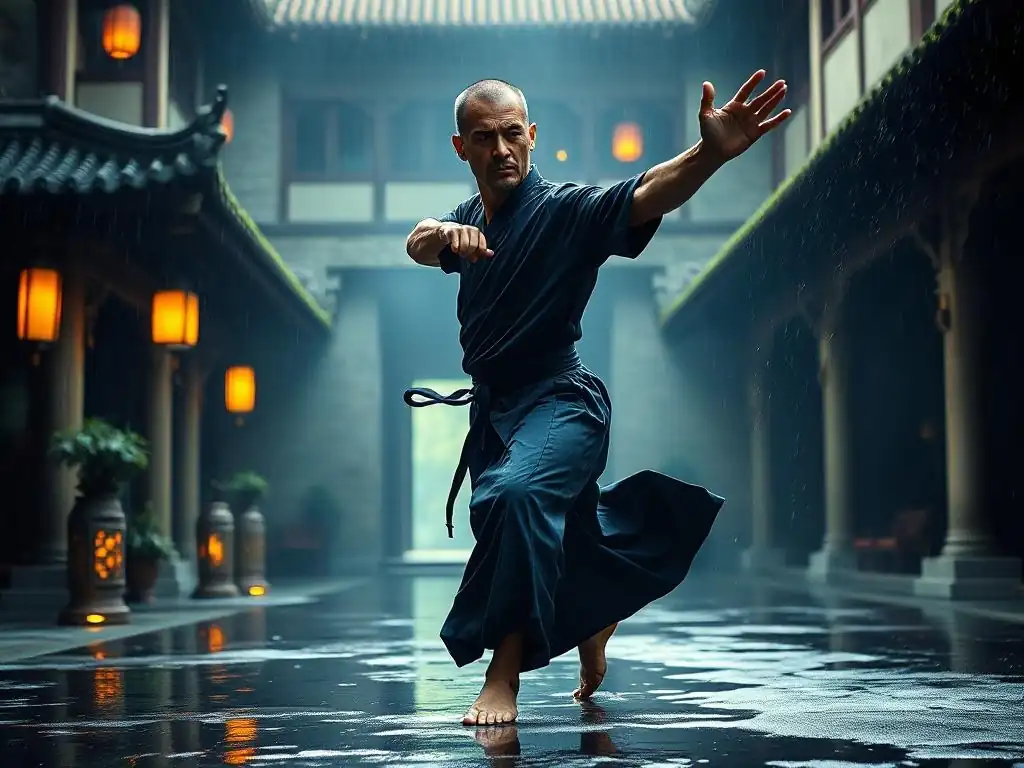
Welcome to Martial Arts Mastery, your ultimate resource for exploring the diverse world of combat traditions! Delve into the heart of Xing Yi Quan and discover the profound connection between movement and nature. Our comprehensive guide unravels the secrets of Xing Yi's twelve animal training, revealing how emulating these creatures can unlock unparalleled power and agility. But what makes each animal form so unique, and how can you integrate them into your own practice? Explore further and embark on a journey of self-discovery through the ancient art of Xing Yi.
-
Mastering the Twelve Animal Forms in Xing Yi
- Dragon Form (Long Xing): Cultivating Spiraling Power
- Tiger Form (Hu Xing): Developing Ferocity and Strength
- Monkey Form (Hou Xing): Achieving Agility and Deception
- Horse Form (Ma Xing): Building Explosive Speed and Power
- Chicken Form (Ji Xing): Honing Precision and Balance
- Hawk Form (Yao Xing): Cultivating Aerial Awareness and Clawing Techniques
- Swallow Form (Yan Xing): Developing Lightness and Evasive Movements
- Snake Form (She Xing): Mastering Coiling Power and Striking Techniques
- Ostrich Form (Tuo Xing): Emphasizing Powerful Leg Work and Evasive Maneuvers
- Eagle Form (Diao Xing): Integrating Precision and Striking Techniques
- Bear Form (Xiong Xing): Developing Stability and Grounding
- Crocodile Form (E Xing): Generating Whipping Power and Close-Range Combat
-
Frequently Asked Questions
- What is Xing Yi and how does the twelve animal training fit into the system?
- Why are animals used as the basis for Xing Yi's training forms?
- Can you name a few of the animals featured in the twelve animal training?
- Is the twelve animal training just about mimicking animal movements?
- Where can I find more detailed information about each animal's specific techniques and applications in Xing Yi?
- Final Reflection: Embracing the Spirit of Xing Yi's Twelve Animals
- Embrace the Power Within: Your Xing Yi Journey Starts Now!
Mastering the Twelve Animal Forms in Xing Yi
The core of advanced Xing Yi Quan practice lies in the diligent study and application of the Twelve Animal Forms. Each animal embodies specific energetic principles, physical structures, and combat applications derived from observing the natural world. Mastering these forms is not merely mimicking animal movements; it is about internalizing their spirit, developing the corresponding physical attributes, and integrating these qualities into one's overall Xing Yi practice. This comprehensive approach to Xing Yi twelve animal training builds a practitioner's versatility, power, and adaptability.
This stage of Xing Yi twelve animal training requires patience and deep understanding. Students typically spend significant time on each form, first learning the basic movements and then delving into the internal mechanics, power generation, and practical applications. The sequence in which the forms are taught can vary between lineages, but the fundamental goal remains the same: to unlock a broader spectrum of martial capabilities beyond the foundational Five Elements. Through dedicated Xing Yi twelve animal training, practitioners cultivate unique strengths that can be combined and applied in dynamic combat scenarios.
Dragon Form (Long Xing): Cultivating Spiraling Power
The Dragon Form is often considered one of the most complex and internally focused of the Xing Yi twelve animal training forms. It embodies the principle of dynamic coiling and uncoiling power, representing the legendary creature's ability to move through the air and water with fluid, unpredictable motion. Training this form develops the practitioner's ability to generate force from the entire body, using rotational and spiraling movements that are both powerful and evasive.
Mastering the Dragon Form in Xing Yi twelve animal training involves cultivating 'shen fa' (body method) that is fluid yet powerful. It teaches how to use the waist and torso as the primary engine of movement, generating force that spirals out to the limbs. This principle is crucial for developing adaptable power that can change direction instantly, making it effective for both offense and defense, including joint locks and throws often hidden within the spiraling movements.
Dragon Form Stance and Movement
Dragon Form movements are characterized by their fluidity, coiling, and rising/falling actions. Stances are often transitional, flowing smoothly from one to the next, emphasizing rootedness while maintaining mobility. A common movement involves a spiraling step combined with a turning waist, allowing the practitioner to evade an incoming force while simultaneously generating power for a counter-attack. The body often assumes a slightly curved or coiled posture, ready to expand explosively.
Key Techniques in Dragon Xing
Key techniques include the 'Dragon Body' (Long Shen), which involves using the entire torso to coil and strike or evade; 'Dragon Tail' (Long Wei), a whipping or sweeping motion often executed with the leg or arm; and various spiraling strikes that target vulnerable points. The emphasis is on penetrating power generated through rotation, capable of bypassing an opponent's guard.
Training Drills for Enhanced Dragon Form
- Spiraling Body Drill: Stand rooted and practice coiling and uncoiling the torso, allowing the arms to follow naturally, focusing on generating the movement from the waist.
- Dragon Step Practice: Repeatedly practice the characteristic spiraling step, ensuring the body remains integrated and balanced throughout the motion.
- Partner Coiling Drill: With a partner holding your wrist or arm gently, practice using Dragon principles to coil your body and release, breaking their hold through spiraling force rather than brute strength.
Tiger Form (Hu Xing): Developing Ferocity and Strength
The Tiger Form embodies raw, straightforward power and aggressive forward momentum. It is one of the most foundational forms in Xing Yi twelve animal training, representing the Tiger's fearless charge and crushing strength. Training the Tiger Form develops rootedness, explosive force, and the ability to drive through an opponent's defense with overwhelming power.
Practicing the Tiger Form instills the spirit of courage and directness. It focuses on aligning the body to deliver maximum impact in a linear direction, often utilizing the 'Tiger Pounce' (Hu Pu) or 'Tiger Claw' (Hu Zhua) techniques. This form is essential for building a strong physical foundation and developing the intent necessary for effective combat.
Tiger Form Stance and Movement
Tiger movements are characterized by powerful, rooted forward steps and driving body mechanics. Stances are low and stable, emphasizing connection to the ground. The primary movement is a powerful forward charge, launching from a rooted position with the entire body weight behind the strike.
Key Techniques in Tiger Xing
Core techniques include the 'Tiger Pounce', a powerful forward leap combined with a strike; the 'Tiger Claw', a grasping or raking technique aimed at tearing or controlling; and powerful, direct strikes delivered with the force of the entire body driving forward. The focus is on breaking through defenses with sheer power.
Training Drills for Enhanced Tiger Form
- Power Stance Holding: Practice holding deep, rooted stances like the 'Tiger Stance' (often a variation of San Ti Shi), focusing on sinking the weight and feeling connected to the ground.
- Forward Driving Practice: Practice the basic Tiger step and body movement, emphasizing pushing off the back leg and driving the weight forward in a powerful, linear fashion.
- Bag Work (Approximation): Practice striking a heavy bag or pad with Tiger techniques, focusing on transferring the full body weight and driving power through the strike.
Monkey Form (Hou Xing): Achieving Agility and Deception
The Monkey Form is the embodiment of agility, quickness, and deceptive movement. In Xing Yi twelve animal training, it teaches practitioners to be light on their feet, evade attacks, and strike from unexpected angles. It focuses on developing flexibility, balance, and rapid changes in direction and level.
Training the Monkey Form cultivates adaptability and unpredictability. It emphasizes quick reflexes, the ability to shift weight rapidly, and the use of feints and evasive footwork to create openings. This form is crucial for developing defensive capabilities and the ability to counter-attack effectively after evading.
Monkey Form Stance and Movement
Monkey movements are light, quick, and often involve changes in height, such as crouching and leaping. Stances are dynamic and short-lived, constantly transitioning. Footwork is nimble, allowing for rapid shifts in position and direction, often involving stepping around or behind an opponent.
Key Techniques in Monkey Xing
Key techniques include quick, elusive footwork ('Monkey Step'), sudden changes in level (dropping low or springing up), rapid hand techniques aimed at distracting or striking vulnerable points, and sometimes joint manipulation or locks applied with speed and agility. Deception is a core element.
Training Drills for Enhanced Monkey Form
- Agility Ladder Drills: Practice various footwork patterns using an agility ladder to improve quickness and coordination.
- Level Change Practice: Practice rapidly dropping into a low crouch and springing back up, integrating hand movements.
- Evasion Drills: With a partner, practice evading incoming slow attacks using Monkey footwork and body movements, focusing on staying out of the line of force.
Horse Form (Ma Xing): Building Explosive Speed and Power
The Horse Form in Xing Yi twelve animal training represents stable, powerful forward propulsion and the ability to deliver strikes with the driving force of a charging horse. It emphasizes a strong, rooted lower body and the generation of linear power through the legs and waist, similar to the power generated in the Five Elements' Pi Quan (Splitting Fist).
Mastering the Horse Form develops incredible leg strength and the ability to generate explosive, linear power. It reinforces the fundamental principles of rootedness and unified body movement, focusing on delivering devastating strikes that penetrate the opponent's structure. It is a form that builds robust physical power and forward intent.
Horse Form Stance and Movement
Horse movements are characterized by powerful, stable stances (often a variation of the Horse Stance or a deep forward stance) and strong, linear forward steps. The movement is direct and powerful, emphasizing driving forward with the legs and transferring that energy through the body into the strike.
Key Techniques in Horse Xing
Core techniques include powerful forward punches or palm strikes delivered with the driving force of the legs, often using the entire body as a battering ram. Leg techniques like powerful stomps or kicks delivered from a stable base are also characteristic. The focus is on overwhelming the opponent with direct, linear force.
Training Drills for Enhanced Horse Form
- Deep Stance Holding: Practice holding deep Horse Stances for extended periods to build leg strength and endurance.
- Forward Driving Strikes: Practice the basic Horse step combined with a powerful forward strike, focusing on coordinating the leg drive with the arm movement.
- Wall Push Drill: Stand facing a wall in a Horse stance and practice pushing against it with your hands, focusing on generating the force from your legs and body structure, simulating the forward drive.
Chicken Form (Ji Xing): Honing Precision and Balance
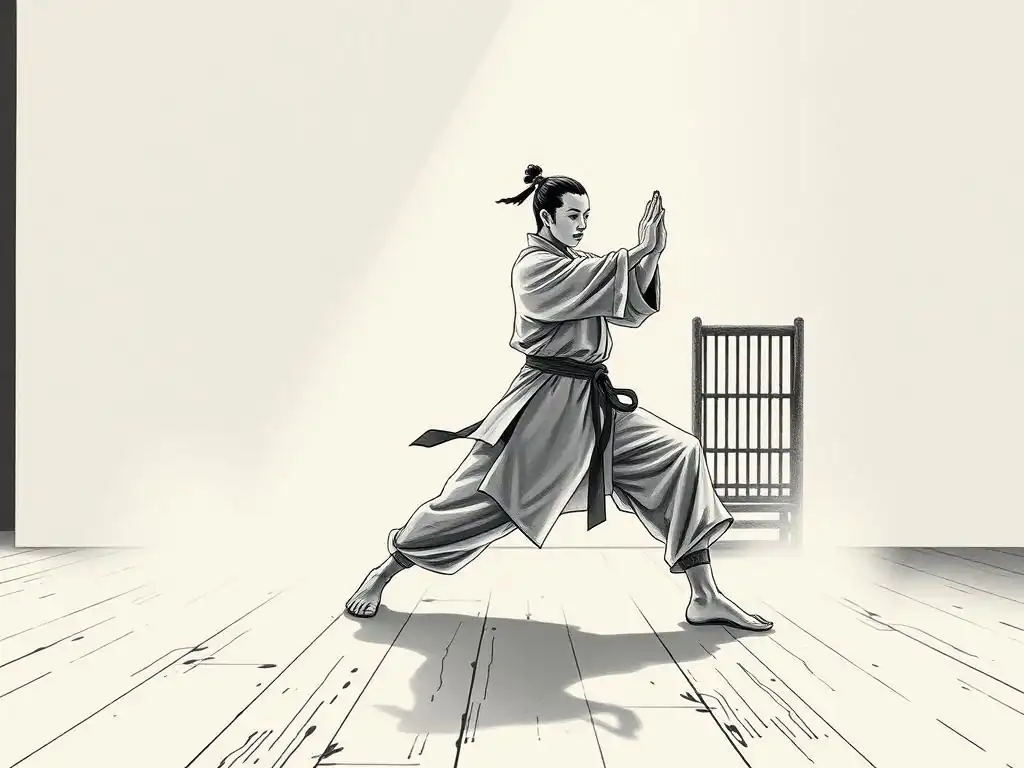
The Chicken Form is unique in Xing Yi twelve animal training, focusing on rootedness, balance, and sharp, precise strikes, often utilizing the "Chicken Step" (Ji Bu) and a pecking motion. It teaches practitioners to maintain stability on one leg while delivering a focused strike and to use sudden, sharp movements.
Training the Chicken Form develops exceptional balance, rootedness, and the ability to deliver precise, focused power to small targets. It emphasizes sinking the weight, coordinating movement with breath, and striking with sharpness and intent, often targeting vulnerable areas like joints or pressure points.
Chicken Form Stance and Movement
Chicken movements involve shifting weight onto one leg while the other steps or prepares to strike. Stances are often narrow but deeply rooted. The characteristic 'Chicken Step' involves lifting one foot slightly while maintaining balance on the other, then stepping forward or to the side with precision.
Key Techniques in Chicken Xing
Key techniques include the 'Chicken Step', used for precise footwork and balance; sharp, focused strikes delivered with the knuckles or fingertips ('Chicken Head' or 'Chicken Beak'); and techniques that utilize the rooted stance for leverage in close-range exchanges or grappling.
Training Drills for Enhanced Chicken Form
- Single-Leg Balance: Practice standing on one leg for increasing durations, focusing on sinking the weight and finding stability.
- Chicken Step Practice: Practice the Chicken step slowly at first, focusing on maintaining balance and control, then gradually increase speed.
- Precision Striking Drill: Practice delivering sharp, focused strikes to a small target (like a mark on a wall or a small pad) while maintaining balance on one leg.
Hawk Form (Yao Xing): Cultivating Aerial Awareness and Clawing Techniques
The Hawk Form embodies the principle of seizing and controlling, often from a higher position or with a sudden downward attack. In Xing Yi twelve animal training, it focuses on developing grasping strength, the ability to strike from above, and techniques for controlling an opponent's limbs or head.
Training the Hawk Form cultivates the ability to seize opportunities and control the opponent's structure. It develops powerful grasping techniques and the ability to generate force downwards, useful for breaking posture or applying locks and throws. It teaches a sense of predatory focus and timing.
Hawk Form Stance and Movement
Hawk movements often involve rising slightly before descending into a strike or seize, mimicking a hawk swooping down. Stances can be transitional, leading into a powerful forward or downward movement. There is an emphasis on using the arms and hands to seize or strike.
Key Techniques in Hawk Xing
Key techniques include the 'Hawk Dive' (Yao Zhui), a sudden downward strike or seize; 'Hawk Claw' (Yao Zhua), powerful grasping techniques aimed at the neck, limbs, or joints; and techniques that use the body weight to drive downwards into a controlling position.
Training Drills for Enhanced Hawk Form
- Grasping Strength Exercises: Practice squeezing a tennis ball or using grip strengtheners to build hand and forearm strength.
- Downward Force Practice: Practice movements that emphasize driving force downwards, such as striking a pad held low while stepping down.
- Partner Seizing Drill: With a partner, practice gently seizing their wrist or collar using Hawk principles, focusing on controlling their structure rather than just pulling.
Swallow Form (Yan Xing): Developing Lightness and Evasive Movements
The Swallow Form is characterized by its lightness, speed, and evasiveness. In Xing Yi twelve animal training, it teaches practitioners to move quickly and unpredictably, avoiding incoming attacks with fluid shifts and counter-attacking with speed and precision. It embodies the Swallow's ability to dart and weave through the air.
Training the Swallow Form develops incredible agility and elusiveness. It focuses on staying light on the feet, using minimal effort to evade, and delivering quick, multiple strikes. This form is essential for developing defensive footwork and the ability to change direction rapidly.
Swallow Form Stance and Movement
Swallow movements are light, rapid, and involve quick changes in direction. Stances are usually short and dynamic, facilitating swift transitions. Footwork is key, involving darting steps and fluid shifts to evade and reposition quickly.
Key Techniques in Swallow Xing
Key techniques include rapid, evasive footwork ('Swallow Step'), quick, light strikes delivered with the fingertips or knuckles ('Swallow Peck'), and techniques that use the body's lightness to evade and strike simultaneously. The emphasis is on speed and fluidity.
Training Drills for Enhanced Swallow Form
- Light Footwork Practice: Practice moving around quickly and lightly, focusing on staying on the balls of the feet and changing direction instantly.
- Evasion and Counter Drill: With a partner throwing slow, predictable attacks, practice evading using Swallow movements and immediately following up with a quick, light counter-strike.
- Quick Direction Change: Practice running or moving in a small area, changing direction as quickly as possible on command.
Snake Form (She Xing): Mastering Coiling Power and Striking Techniques
The Snake Form embodies fluid, coiling movements and sudden, penetrating strikes. In Xing Yi twelve animal training, it teaches practitioners to move with deceptive fluidity, generate power through winding motions, and strike with focused, adaptable force. It represents the snake's ability to coil and strike with lightning speed.
Training the Snake Form develops flexibility, fluidity, and the ability to generate power from complex body movements. It focuses on using the waist and spine to create whipping or coiling force, delivering strikes that can penetrate or wrap around an opponent's guard. It teaches adaptability in close range.
Snake Form Stance and Movement
Snake movements are fluid, low, and often involve winding or coiling motions of the body. Stances can be low and transitional, emphasizing ground connection while allowing for fluid movement. The body often appears relaxed and sinuous, ready to spring into action.
Key Techniques in Snake Xing
Key techniques include coiling body movements used for evasion or power generation; low strikes targeting the legs or body; and sudden, penetrating strikes delivered with the fingertips or palm ('Snake Tongue' or 'Snake Head'). Grappling techniques involving wrapping or coiling around limbs are also characteristic.
Training Drills for Enhanced Snake Form
- Spinal Wave Practice: Practice movements that emphasize segmenting and fluidly moving the spine, simulating a wave or coil.
- Low Crawling/Movement: Practice moving low to the ground using Snake-like motions, focusing on fluidity and control.
- Wrapping Drill: With a partner's arm extended, practice using Snake principles to fluidly wrap around and control their arm, focusing on using body movement rather than just arm strength.
Ostrich Form (Tuo Xing): Emphasizing Powerful Leg Work and Evasive Maneuvers
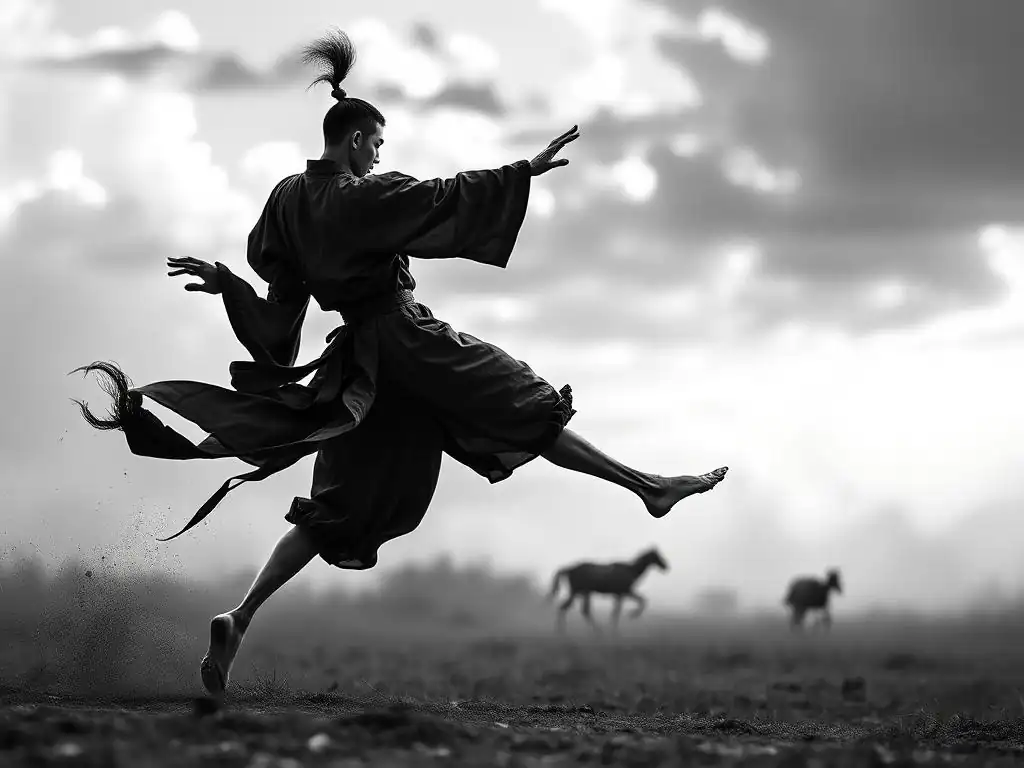
The Ostrich Form is less common in some lineages but emphasizes powerful leg techniques and the ability to cover distance quickly, both offensively and defensively. In Xing Yi twelve animal training, it teaches practitioners to use their lower body for powerful strikes and rapid evasive or advancing movements, much like the Ostrich's powerful legs.
Training the Ostrich Form develops strong, powerful legs and the ability to use them effectively in combat. It focuses on generating significant force through kicks or stomps and using long strides to quickly close or open distance. It adds a unique dimension to Xing Yi's typical close-range focus.
Ostrich Form Stance and Movement
Ostrich movements are characterized by powerful leg actions and long, driving steps. Stances are stable, often on one leg momentarily while the other prepares to strike or move. The emphasis is on using the legs for propulsion and impact.
Key Techniques in Ostrich Xing
Key techniques include powerful forward kicks delivered with the heel or ball of the foot; stomping techniques aimed at the opponent's feet or legs; and long, rapid strides used to cover distance quickly for attack or evasion.
Training Drills for Enhanced Ostrich Form
- Leg Strengthening Exercises: Practice squats, lunges, and calf raises to build leg power.
- Powerful Stomping Practice: Practice powerful stomps, focusing on driving the weight down through the leg and foot.
- Long Stride Practice: Practice taking long, powerful strides, focusing on generating propulsion from the rear leg and maintaining balance.
Eagle Form (Diao Xing): Integrating Precision and Striking Techniques
The Eagle Form in Xing Yi twelve animal training is closely related to the Hawk but often emphasizes seizing and striking with powerful, focused force, like an eagle snatching its prey. It teaches the coordination of grasping/seizing with powerful strikes and the ability to control an opponent's structure.
Training the Eagle Form develops integrated power between grasping and striking. It focuses on using the hands to control the opponent's limbs or head while simultaneously delivering a powerful strike. It cultivates precision in seizing and the ability to deliver decisive, coordinated attacks.
Eagle Form Stance and Movement
Eagle movements often involve a forward-driving motion combined with a grasping or seizing action of the hands. Stances are stable, providing a base for the forward momentum and the seizing technique. The body moves as a unified unit, driving forward.
Key Techniques in Eagle Xing
Key techniques include the 'Eagle Claw' (Diao Zhua), a powerful grasping technique often aimed at the shoulder, neck, or wrist, combined with a simultaneous strike; 'Eagle Strike' (Diao Da), a powerful punch or palm strike delivered with forward momentum; and techniques for breaking an opponent's balance by seizing and pulling.
Training Drills for Enhanced Eagle Form
- Grasping and Striking Coordination: Practice simultaneously grasping a stationary object (like a post) and delivering a strike with the other hand, focusing on coordinating the actions.
- Forward Driving Seize: Practice the basic Eagle step and movement, focusing on driving forward while extending the hands to seize.
- Partner Control Drill: With a partner, practice gently seizing their arm or shoulder while stepping forward, focusing on using your body structure to control their movement.
Bear Form (Xiong Xing): Developing Stability and Grounding
The Bear Form embodies rootedness, heavy power, and crushing force. In Xing Yi twelve animal training, it teaches practitioners to sink their weight, develop a powerful, stable structure, and deliver strikes with the heavy, grounded force of a bear. It focuses on immovability and overwhelming power.
Training the Bear Form develops incredible rootedness and the ability to generate power from a stable base. It emphasizes sinking the 'qi' (internal energy) and using body weight to deliver heavy, crushing blows. This form is essential for developing a strong, immovable foundation in combat.
Bear Form Stance and Movement
Bear movements are characterized by low, stable stances and powerful, heavy steps. The movement is often straightforward and powerful, emphasizing sinking the weight and maintaining a strong connection to the ground. The body feels heavy and grounded.
Key Techniques in Bear Xing
Key techniques include powerful forward pushes or shoulder strikes delivered with the full body weight; 'Bear Hug' (Xiong Bao), a powerful grappling or controlling technique; and heavy, sinking strikes aimed at overwhelming the opponent's structure. The focus is on generating crushing power from a stable base.
Training Drills for Enhanced Bear Form
- Heavy Stance Holding: Practice holding deep, rooted stances like the Bear Stance (similar to a wide, low Horse Stance), focusing on sinking the weight and feeling heavy.
- Sinking Practice: Practice consciously sinking your weight and relaxing the upper body, feeling the connection to the ground.
- Partner Push Drill: With a partner, practice resisting their gentle pushes using only your rooted structure, focusing on staying grounded and stable.
Crocodile Form (E Xing): Generating Whipping Power and Close-Range Combat
The Crocodile Form emphasizes low, winding movements and sudden, whipping power, often targeting the opponent's lower body or attacking from a low posture. In Xing Yi twelve animal training, it teaches practitioners to move low to the ground, generate force through twisting/whipping motions, and utilize techniques effective in close range or on the ground.
Training the Crocodile Form develops flexibility in the hips and spine, the ability to move and generate power from a low position, and skills applicable in close-quarters combat. It teaches the principle of generating whipping force, similar to a crocodile's tail, for strikes or sweeps.
Crocodile Form Stance and Movement
Crocodile movements are low, often involving crouching or ground-level actions. Stances are low and transitional, allowing for rapid changes in direction or level. Movement can involve sudden, whipping motions of the torso or limbs.
Key Techniques in Crocodile Xing
Key techniques include low sweeps or strikes aimed at the legs or feet; sudden, whipping strikes generated from the torso or arms ('Crocodile Tail'); and techniques that utilize low posture for grappling, joint locks, or breaking an opponent's base.
Training Drills for Enhanced Crocodile Form
- Low Movement Practice: Practice moving around while staying low to the ground, such as crouching walks or crawls, focusing on fluidity and control.
- Whipping Motion Drill: Practice generating whipping motions with the torso and arms, focusing on relaxation and sudden tension.
- Partner Low Attack Drill: With a partner, practice defending against or countering low attacks using Crocodile principles, focusing on staying low and using whipping movements.
Frequently Asked Questions
What is Xing Yi and how does the twelve animal training fit into the system?
Xing Yi is an internal Chinese martial art characterized by direct, linear movements and explosive power. The twelve animal training is a core component, representing distinct fighting strategies inspired by animal characteristics.
Why are animals used as the basis for Xing Yi's training forms?
Animals embody unique movement principles and fighting styles. Studying them allows practitioners to develop a versatile range of techniques, adapting to different combat scenarios.
Can you name a few of the animals featured in the twelve animal training?
Yes, the twelve animal training typically includes the Dragon, Tiger, Monkey, Horse, and Chicken, among others. Each animal emphasizes specific body mechanics and tactical approaches.
Is the twelve animal training just about mimicking animal movements?
No, it's much more than imitation. It's about understanding the underlying principles of each animal's fighting style and integrating them into your own body mechanics and strategy.
Where can I find more detailed information about each animal's specific techniques and applications in Xing Yi?
MartialArtsMastery.org provides in-depth articles and resources dedicated to each of the twelve animal training forms, covering their historical context, training methods, and practical self-defense applications.
Final Reflection: Embracing the Spirit of Xing Yi's Twelve Animals
The journey through Xing Yi's twelve animal forms, as explored in this guide, is not merely a physical exercise; it's a profound exploration of movement, intention, and the very essence of nature. The enduring relevance of Xing Yi lies in its ability to cultivate not only physical prowess but also mental clarity and a deep connection to the natural world, qualities increasingly vital in our modern, disconnected lives. By embodying the characteristics of the dragon, tiger, monkey, and other animals, practitioners unlock hidden potential and develop a holistic understanding of combat and self-cultivation.
My own exploration of Xing Yi has revealed the transformative power of this ancient art, fostering a deeper appreciation for the interconnectedness of mind, body, and spirit. The dedication required to master these forms instills discipline and resilience, qualities that extend far beyond the training hall. As Bruce Lee so eloquently stated, Absorb what is useful, discard what is not, add what is uniquely your own.
This sentiment perfectly encapsulates the spirit of Xing Yi, encouraging practitioners to adapt and evolve while staying true to the art's core principles.
Now, as you conclude this exploration of Xing Yi's twelve animal training, I invite you to reflect on the lessons learned. Consider how the principles of adaptability, power, and grace embodied by these animals can be applied to your own life. Embrace the challenge, cultivate your inner strength, and allow the spirit of Xing Yi to guide you on your path to self-discovery and mastery.
Embrace the Power Within: Your Xing Yi Journey Starts Now!
Thank you for delving into the intricate world of Xing Yi and its twelve animal forms. We hope this guide has illuminated the path to deeper understanding and mastery. Now, it's time to translate knowledge into action and truly embody the spirit of these powerful techniques.
Here are some ways to continue your Xing Yi journey:
- Dedicate your next training session to focusing solely on one animal form, paying close attention to the nuances and feeling the animal's essence within your movements. This concentrated practice will amplify your understanding and connection.
- Explore related martial arts styles like Baguazhang or Taijiquan to enrich your understanding of internal martial arts principles and discover new perspectives on movement.
- Share this article with fellow martial artists and spark a discussion about the twelve animal forms and their application in your respective disciplines.
Which animal form will you choose to embody in your next training session, and what specific aspect will you focus on to enhance your understanding?