
The Striking Serpent: An Introduction to Shaolin Snake Style Kung Fu

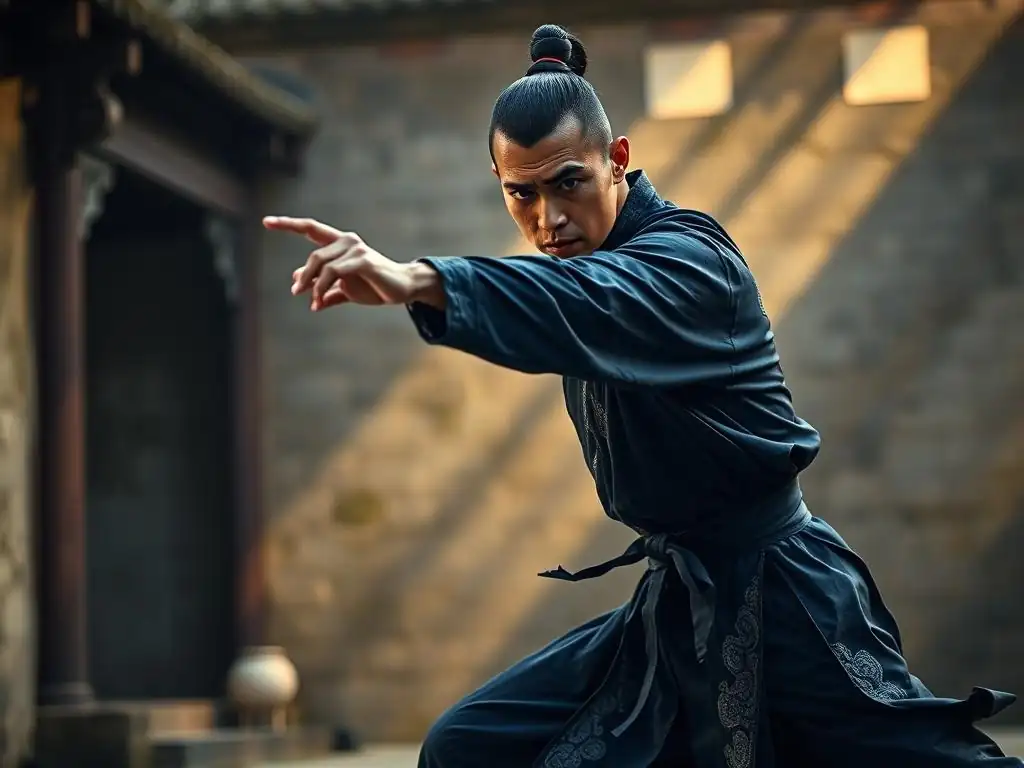
Welcome to Martial Arts Mastery, your gateway to the world's most captivating combat traditions!
Delve into the fluid movements and deadly precision of Shaolin Snake Style Kung Fu in our featured article. Uncover the ancient secrets and unique principles that make this form a truly striking and effective martial art. Are you ready to unravel the mysteries of the serpent? Continue reading to discover its power.
- Understanding Shaolin Snake Style Kung Fu
- Core Principles of Shaolin Snake Style
- Shaolin Snake Style Techniques and Training
- Benefits of Practicing Shaolin Snake Style Kung Fu
- Shaolin Snake Style Kung Fu vs. Other Martial Arts Styles
- Famous Practitioners and Masters of Shaolin Snake Style Kung Fu
- Getting Started with Shaolin Snake Style Kung Fu
- The Future of Shaolin Snake Style Kung Fu
-
Frequently Asked Questions
- What are the core principles of Shaolin Snake Style Kung Fu?
- How does Shaolin Snake Style Kung Fu differ from other Kung Fu styles?
- What are some key techniques used in Shaolin Snake Style Kung Fu?
- What are the historical origins of Shaolin Snake Style Kung Fu?
- Is Shaolin Snake Style Kung Fu effective for self-defense in modern situations?
- Final Reflection: Embracing the Serpent's Wisdom
- Unleash Your Inner Serpent: Embrace the Shaolin Snake!
Understanding Shaolin Snake Style Kung Fu
What is Shaolin Snake Style Kung Fu? Origins and History
Shaolin Snake Style Kung Fu, or She Quan (蛇拳), is one of the classic animal-mimicry styles developed at the legendary Shaolin Monastery in China. It is deeply rooted in the observation of the snake's movements, characteristics, and hunting strategies. The style emphasizes fluidity, speed, precision, and the ability to strike vulnerable points with focused power, much like a snake's venomous bite. Its history is intertwined with the broader development of Shaolin Kung Fu, evolving over centuries as practitioners refined techniques based on the natural world and combat experience.
Historical accounts, though often blended with legend, suggest that the Shaolin animal styles, including Shaolin Snake Style Kung Fu, were formalized during the Tang Dynasty (618-907 AD) or later, drawing inspiration from earlier martial practices and combining them with Buddhist philosophical principles. While pinpointing an exact origin date or founder is challenging due to the oral tradition and historical upheavals, the snake style became recognized as one of the Wu Xing Quan (五形拳), the Five Animal Styles, alongside the Tiger, Crane, Leopard, and Dragon.
Each style embodied different principles and physical attributes, with the snake style focusing on internal energy, flexibility, and precise striking.
The Philosophy Behind Snake Style Kung Fu
The philosophy underpinning Shaolin Snake Style Kung Fu is deeply connected to Taoist principles and the natural world, viewing the serpent not just as a physical model but as a metaphor for effective combat and personal development. It emphasizes adaptability, patience, and the conservation of energy. Practitioners learn to remain calm and still, observing their opponent, before unleashing rapid, decisive strikes. This mirrors the snake's ability to wait patiently before striking with lightning speed.
Furthermore, the philosophy of Shaolin Snake Style stresses the importance of internal cultivation alongside external techniques. It focuses on developing Qi (氣), or vital energy, and channeling it to enhance power and resilience. The movements, while appearing soft and fluid externally, are driven by internal strength and focused intent. This duality of softness and hardness, internal and external, is a core philosophical tenet, reflecting the snake's seemingly gentle glide that can suddenly erupt into a powerful attack.
Key Characteristics of Shaolin Snake Kung Fu
Shaolin Snake Style Kung Fu is distinguished by several key characteristics that set it apart from other martial arts. Foremost among these is its emphasis on flexibility and fluidity, allowing practitioners to move in unpredictable ways and evade attacks. Unlike styles that rely on brute force or rigid stances, the snake style utilizes soft, undulating movements that generate power through whip-like actions and body coiling.
Another defining feature is the focus on precise, rapid strikes aimed at vital points. The "snake hand" (蛇手) is a signature technique, where fingers or the palm are used to deliver focused blows to sensitive areas such as the eyes, throat, or pressure points. This precision requires high levels of control and coordination. Additionally, Shaolin Snake Style Kung Fu incorporates low stances, ground fighting elements, and evasive footwork, enabling practitioners to fight effectively at various ranges and angles, often staying below the opponent's primary line of attack.
Core Principles of Shaolin Snake Style
Emulating the Serpent: The Essence of Snake Style
The essence of Shaolin Snake Style Kung Fu lies in its profound emulation of the serpent's natural attributes and behavior. This imitation goes beyond mere physical postures; it encompasses the snake's cunning, patience, adaptability, and economy of movement. Practitioners study the snake's ability to coil, strike rapidly, constrict, and evade danger. This translates into martial techniques that utilize wrapping limbs around an opponent, striking from unexpected angles, and using the body's core to generate powerful, whipping motions akin to a snake's strike.
This deep connection to the animal's nature influences every aspect of Shaolin Snake Style Kung Fu training, from footwork that mimics gliding to hand techniques that replicate biting or flicking actions. The goal is to embody the snake's spirit – calm yet alert, capable of explosive action when necessary. For instance, the way a snake coils before striking informs the use of rotational power in the hips and torso, allowing for sudden bursts of speed and force from a seemingly relaxed posture.
Flexibility and Fluidity in Shaolin Snake Style Kung Fu
Flexibility and fluidity are paramount in Shaolin Snake Style Kung Fu, forming the foundation for its unique movements and evasive tactics. Unlike styles that rely on rigid structure, snake style emphasizes relaxed joints and a supple body, allowing for seamless transitions between techniques and stances. This fluidity enables practitioners to absorb impacts, redirect force, and move unpredictably, making them difficult targets to hit or grapple effectively.
Training regimens for Shaolin Snake Style often include extensive stretching and flexibility exercises, particularly focusing on the spine, hips, and shoulders. This allows for the characteristic undulating body movements and the ability to access low stances or ground positions quickly. The goal is to develop a body that moves like water, flowing around obstacles, yet capable of delivering power like a whip, demonstrating the style's principle of soft external movement masking hard internal power.
Precision Strikes: Targeting Vital Points with Snake Hand
Precision striking is a hallmark of Shaolin Snake Style Kung Fu, utilizing specialized hand techniques, most notably the "snake hand" (蛇手), to target vulnerable areas on an opponent's body. These targets include pressure points, soft tissues like the eyes or throat, and joints. The power for these strikes is often generated through the entire body, channeled and focused into the fingertips or palm, delivered with speed and accuracy.
The "snake hand" can take various forms, such as the finger strike (like a snake's fangs) or the palm strike (like a snake's head striking). Training involves developing not only the physical technique but also the ability to identify and exploit openings in an opponent's defense rapidly. This focus on precision over brute force makes Shaolin Snake Style Kung Fu highly effective against larger or stronger opponents, emphasizing skill and timing to neutralize threats efficiently.
Deception and Evasion: Snake-Like Movement in Combat
Deception and evasion are integral components of Shaolin Snake Style Kung Fu combat strategy, directly mirroring the snake's ability to avoid danger and surprise prey. Practitioners utilize fluid, low-to-the-ground movements, unpredictable shifts in direction, and feints to confuse and mislead opponents. The style emphasizes staying out of the direct line of attack and creating openings through subtle movements and positioning.
This evasive movement often involves slipping, weaving, and using the lower body to rapidly change distance and angle. The goal is to make the practitioner a constantly moving, difficult-to-pin-down target, while simultaneously setting up opportunities for their own precise strikes. It's a strategy of using the environment and the opponent's reactions to one's advantage, embodying the snake's patient observation followed by swift, decisive action.
Shaolin Snake Style Techniques and Training
Essential Snake Style Kung Fu Stances
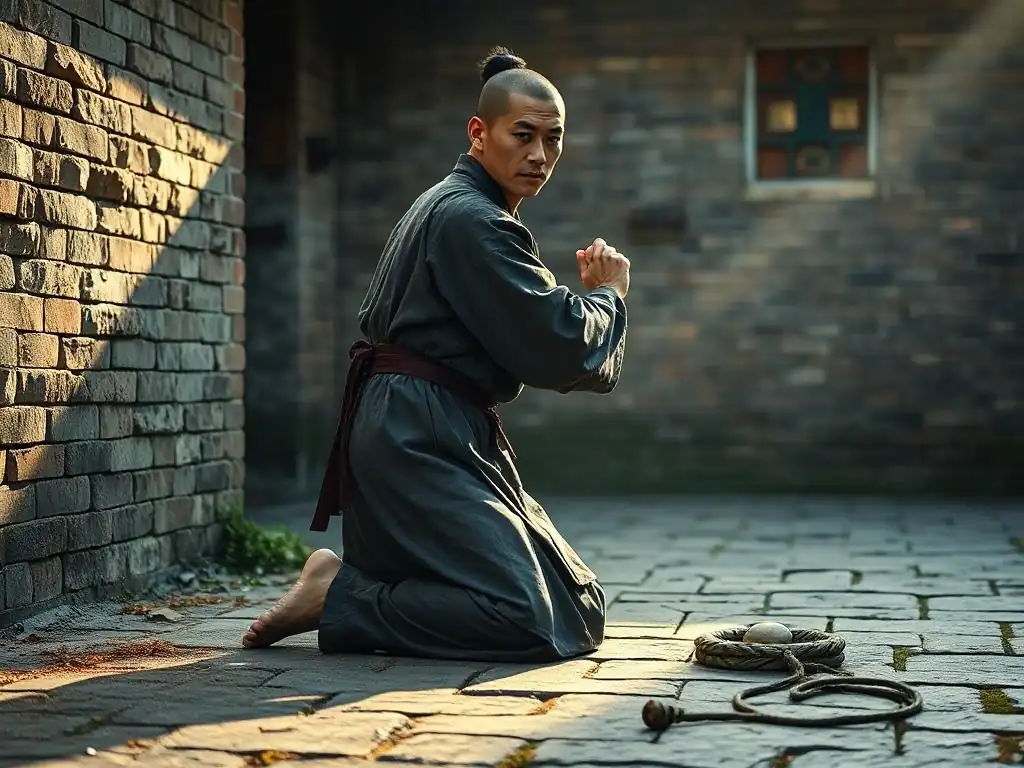
Shaolin Snake Style Kung Fu incorporates a range of stances that facilitate its characteristic fluid movements, low profile, and explosive power generation. While specific names and forms vary slightly between lineages, common stances include lower, more grounded postures compared to some other styles. The "Snake Stance" itself is often a very low, elongated position, allowing for rapid forward or backward movement and striking from a reduced height.
Other stances might include variations of the traditional Horse Stance (Ma Bu) or Bow-and-Arrow Stance (Gong Bu), but adapted to emphasize flexibility in the hips and knees, enabling quicker transitions and the ability to drop the body's center of gravity rapidly. The key is that stances in Shaolin Snake Style are not static holding patterns but dynamic platforms from which to launch attacks or initiate evasion, always maintaining a sense of readiness and fluidity.
Hand Techniques: Snake Hand Strikes and Forms
The hand techniques in Shaolin Snake Style Kung Fu are central to its identity, with the "Snake Hand" being the most iconic. These techniques are designed for speed, precision, and focused energy delivery to vital points. Examples include finger jabs, palm strikes, whip-like hand movements, and grappling-like actions that coil around an opponent's limbs. The power is generated through the coiling and uncoiling of the torso and hips, transferring energy through the arm and into the hand with a snapping motion.
Training involves extensive conditioning of the fingers and hands, as well as practicing the coordination of body movement with the strike. Forms (Tao Lu) within Shaolin Snake Style often feature sequences dominated by these hand techniques, performed with varying speeds and levels of tension to simulate different combat scenarios. These forms help practitioners internalize the principles of fluidity, precision, and focused power delivery inherent in Shaolin Snake Style Kung Fu.
Footwork and Evasion Drills in Shaolin Snake Style
Footwork and evasion drills are crucial for developing the serpentine movement characteristic of Shaolin Snake Style Kung Fu. These drills focus on cultivating agility, balance, and the ability to change direction and distance rapidly and unpredictably. Common footwork patterns include gliding steps, shuffling, weaving, and rapid forward or backward bursts, often staying low to the ground.
Evasion drills specifically train practitioners to react to incoming attacks by slipping, ducking, or shifting the body just enough to avoid being hit, much like a snake avoiding a predator. These drills emphasize maintaining balance and readiness to counter-attack immediately after evading. Mastering this footwork is essential for executing the deceptive and fluid combat strategy that defines Shaolin Snake Style Kung Fu.
Snake Style Kung Fu Forms (Tao Lu)
Forms, or Tao Lu (套路), are pre-arranged sequences of movements that encapsulate the techniques, principles, and spirit of Shaolin Snake Style Kung Fu. These forms serve as living textbooks, allowing practitioners to practice techniques in combination, develop flow and continuity, and internalize the style's unique dynamics. Shaolin Snake Style forms often feature undulating body movements, low stances, rapid hand strikes, and evasive footwork.
Examples of Shaolin Snake Style forms might include sequences that focus on specific aspects like ground fighting, close-quarters combat, or long-range striking. Practicing these forms repeatedly helps to build muscle memory, improve coordination, and cultivate the internal energy flow ( Qi) that is vital to generating power in Shaolin Snake Style. While the exact number and names of forms can vary between lineages, they all serve the fundamental purpose of preserving and transmitting the core essence of Shaolin Snake Style Kung Fu.
Benefits of Practicing Shaolin Snake Style Kung Fu
Physical Conditioning and Flexibility
Practicing Shaolin Snake Style Kung Fu offers significant physical benefits, particularly in the areas of conditioning and flexibility. The emphasis on fluid, often low movements requires considerable strength and endurance in the legs and core. Regular training develops muscular strength, particularly in the lower body and torso, which are crucial for generating the style's whip-like power.
Furthermore, the intrinsic need for serpentine movement necessitates high levels of flexibility, especially in the spine, hips, and shoulders. Extensive stretching and dynamic movements incorporated into training routines significantly improve range of motion and joint health. This increased flexibility not only enhances martial performance but also contributes to overall physical well-being and reduced risk of injury in daily life.
Improved Focus and Mental Discipline
Beyond the physical, Shaolin Snake Style Kung Fu cultivates profound mental discipline and focus. Learning complex forms and techniques requires concentration, patience, and dedication. The practice demands mindfulness, as practitioners must be acutely aware of their body's movements, their opponent's actions, and their internal state. This constant need for mental engagement sharpens focus and improves cognitive function.
The philosophical underpinnings of Shaolin Snake Style, which emphasize patience, observation, and adaptability, also contribute to mental fortitude. Practitioners learn to remain calm under pressure, analyze situations strategically, and react with composure. This mental training extends beyond the kwoon (training hall), fostering discipline and focus applicable to various aspects of life.
Self-Defense Applications of Snake Style Kung Fu
Shaolin Snake Style Kung Fu is highly effective for self-defense, particularly in close-quarters situations. Its focus on precision strikes to vital points allows practitioners to neutralize threats quickly and efficiently, even against larger or stronger attackers. The evasive footwork and fluid body movements make practitioners difficult targets, enabling them to avoid attacks and create openings.
The style's adaptability also makes it practical in various self-defense scenarios. The ability to fight from low stances or the ground, combined with techniques for trapping and controlling limbs (like a snake coiling), provides options for dealing with different types of aggression. The emphasis on using the opponent's energy and exploiting weaknesses rather than relying solely on brute force makes Shaolin Snake Style Kung Fu a practical and intelligent self-defense system.
Cardiovascular and Neurological Benefits
The dynamic movements and continuous flow inherent in Shaolin Snake Style Kung Fu provide excellent cardiovascular conditioning. Training sessions, especially form practice and sparring drills, can elevate heart rate and improve stamina over time. This contributes to better cardiovascular health and overall physical endurance.
Neurologically, the practice enhances coordination, balance, and proprioception (the body's awareness of its position in space). Learning and executing complex sequences of movements requires intricate coordination between the brain and muscles. The constant need to adjust balance during fluid movements and rapid transitions sharpens proprioceptive abilities. Furthermore, the mental focus required stimulates cognitive functions and can improve reaction time and decision-making under pressure.
Shaolin Snake Style Kung Fu vs. Other Martial Arts Styles
Snake Style Kung Fu vs. Crane Style Kung Fu
Comparing Shaolin Snake Style Kung Fu to Shaolin Crane Style Kung Fu reveals distinct approaches within the same broader tradition. Crane Style emphasizes balance, long-range techniques, wing-like blocks, and strikes that utilize the hands like a crane's beak or wings. It often involves higher stances and more upright postures, focusing on stability and powerful, whipping movements from a firm base.
In contrast, Shaolin Snake Style Kung Fu favors lower stances, fluid, undulating movements, and close-range precision strikes. While Crane Style might use a powerful outward block with a "wing," Snake Style might use a subtle body shift and a rapid, focused finger jab to a vital point. Crane Style often focuses on bone conditioning and external power, whereas Snake Style emphasizes internal energy and flexible, whip-like force. Both are effective but represent different interpretations of combat principles derived from animal observation.
Snake Style vs. Wing Chun
Comparing Shaolin Snake Style Kung Fu to Wing Chun, a Southern Chinese martial art, highlights differences in strategy and technique. Wing Chun is known for its directness, efficiency, and simultaneous blocking and attacking movements, often fighting on the centerline. It utilizes short-range power generation and sticky hands (Chi Sao) to control and feel the opponent's energy.
Shaolin Snake Style Kung Fu, while also effective at close range, employs more evasive and unpredictable movements. Instead of meeting force head-on or sticking to the centerline as rigidly as Wing Chun, Snake Style practitioners might slip off-line, use low stances, and strike from unexpected angles. The techniques are less about simultaneous defense/offense and more about evading the attack entirely before delivering a precise counter. While both are highly practical, Snake Style's fluidity and emphasis on vital point striking offer a different tactical approach compared to Wing Chun's direct, structural efficiency.
The Unique Advantages of Shaolin Snake Style Kung Fu
Shaolin Snake Style Kung Fu possesses several unique advantages in combat and training. Its emphasis on fluidity and evasiveness makes practitioners incredibly difficult targets to hit or grapple effectively. The ability to move in unpredictable, serpentine patterns allows them to slip past defenses and create openings.
The focus on precision strikes to vital points means that Shaolin Snake Style practitioners do not necessarily need superior strength or size to defeat an opponent. A well-placed, focused strike to a vulnerable area can quickly incapacitate an attacker. Furthermore, the deep integration of internal energy (Qi) cultivation enhances power generation and resilience, providing a holistic approach to martial development that goes beyond mere physical technique. This combination of evasive movement, precise striking, and internal power makes Shaolin Snake Style Kung Fu a highly effective and unique martial art.
Famous Practitioners and Masters of Shaolin Snake Style Kung Fu
Profile of Grandmaster Yang Zhen Duo
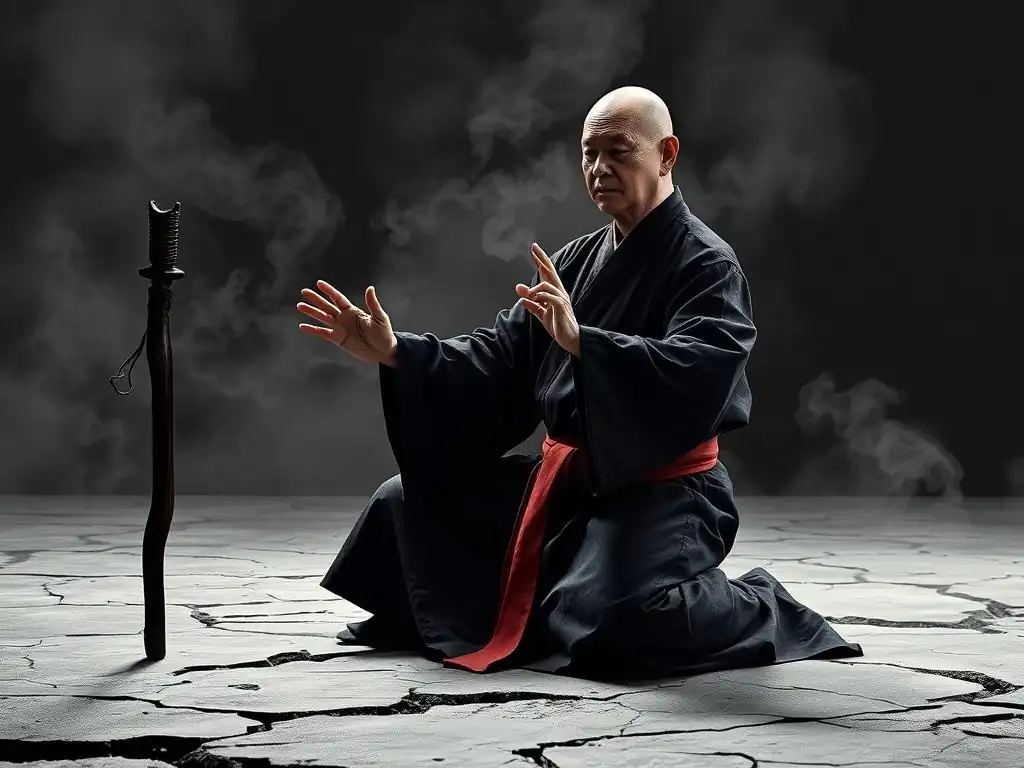
While Grandmaster Yang Zhen Duo is primarily renowned as a leading figure in Yang Style Taijiquan, not Shaolin Snake Style Kung Fu, his example illustrates the lineage and preservation efforts common across traditional Chinese martial arts. His dedication to teaching and spreading his family's style for decades, including establishing organizations like the International Yang Style Tai Chi Chuan Association, highlights the vital role masters play in keeping traditional arts alive.
For Shaolin Snake Style Kung Fu, similar dedicated masters, though perhaps less globally famous than figures in more widespread arts like Tai Chi or Wing Chun, have worked tirelessly within specific lineages to preserve and transmit the authentic techniques and philosophy.
These masters often operate traditional kwoons, passing down knowledge generation by generation. Their focus is typically on the depth and purity of the style rather than widespread public recognition. Finding a true master of Shaolin Snake Style Kung Fu often requires seeking out these dedicated individuals who maintain connection to traditional Shaolin teachings or specific family lineages that preserved the style after the monastery's turbulent history.
Historical Figures and the Five Animals System
The history of Shaolin Snake Style Kung Fu is populated by both legendary and historical figures, though detailed, verifiable biographies are often scarce due to the nature of oral transmission and the passage of time. The development of the Five Animals System, which includes the Snake, is often attributed to figures within the Shaolin Monastery who synthesized existing martial techniques with observations of animal movements. One notable, though semi-legendary, figure associated with the Shaolin animal styles is Bai Yu Feng (白玉峰), a Ming Dynasty martial artist said to have contributed significantly to the codification of the Wu Xing Quan.
While specific historical figures solely dedicated to refining the Snake Style are less documented than, say, founders of entirely new systems, the style evolved through the collective experience and refinement of countless Shaolin monks and lay practitioners over centuries. Each generation of masters contributed to the techniques, forms, and philosophical understanding of Shaolin Snake Style Kung Fu, ensuring its continuation through periods of both prosperity and suppression for the Shaolin Temple.
Preserving the Legacy of Shaolin Snake Style
Preserving the legacy of Shaolin Snake Style Kung Fu in the modern era is a continuous effort undertaken by dedicated practitioners, masters, and cultural organizations. With the decline of traditional martial arts schools in some regions and the rise of modern combat sports, maintaining the purity and depth of classical styles like Shaolin Snake Style faces challenges. Preservation efforts often involve meticulous documentation of forms and techniques, historical research, and dedicated teaching to new generations.
Many authentic Shaolin Snake Style lineages are now found outside the Shaolin Monastery itself, having been passed down through generations of lay practitioners after periods when the monastery was destroyed or its activities restricted. Masters in communities across China and increasingly internationally are working to ensure that the intricate techniques, philosophical wisdom, and physical conditioning methods of Shaolin Snake Style Kung Fu are not lost, offering a pathway for future generations to connect with this unique martial heritage.
Getting Started with Shaolin Snake Style Kung Fu
Finding a Qualified Shaolin Snake Style Instructor
Finding a qualified instructor is the most critical step for anyone wishing to begin practicing authentic Shaolin Snake Style Kung Fu. Due to the style's relative rarity compared to more widespread martial arts, and the existence of varying interpretations, it's important to seek out instructors with verifiable lineage and experience. Ideally, look for instructors who have trained directly under recognized masters from traditional Shaolin or established Snake Style lineages.
Research potential schools and instructors thoroughly. Look for evidence of their training background, teaching experience, and adherence to traditional methods. Visiting the kwoon (training hall) and observing a class is highly recommended to gauge the instructor's teaching style and the atmosphere. Don't hesitate to ask about the lineage and curriculum to ensure it aligns with traditional Shaolin Snake Style Kung Fu principles and techniques.
Essential Training Equipment and Resources
Starting Shaolin Snake Style Kung Fu requires minimal equipment, focusing primarily on the practitioner's body. Comfortable, loose-fitting clothing that allows for a full range of motion is essential – traditional Kung Fu uniforms or simple workout attire work well. Footwear should be lightweight and flexible, such as traditional Kung Fu shoes or modern minimalist training shoes, allowing for sensitivity and agility in the feet.
Beyond clothing and footwear, basic training might involve conditioning tools like sandbags or striking pads for developing hand strength and precision. Some advanced training might utilize traditional weapons associated with the style, though this is typically introduced much later. Resources like instructional books or videos can be supplementary but should never replace guidance from a qualified instructor, as the nuances of Shaolin Snake Style Kung Fu are best learned through direct physical correction and feedback.
Avoiding Common Injuries in Snake Style Kung Fu
Practicing Shaolin Snake Style Kung Fu, like any physical discipline, carries a risk of injury, but these can be minimized with proper training and care. Common injuries might include sprains, strains, or joint issues, particularly in the wrists, knees, and back due to the emphasis on flexibility, low stances, and whip-like movements. Proper warm-up and cool-down routines are crucial to prepare the muscles and joints for training and aid recovery.
Listening to your body and not pushing beyond your current physical limits is paramount. Developing flexibility gradually is safer than forcing stretches. Proper technique, learned from a qualified instructor, ensures that movements are performed biomechanically soundly, reducing stress on joints and tissues. Communicating any discomfort or pain to your instructor immediately allows for adjustments to your training regimen, ensuring a safe and sustainable practice of Shaolin Snake Style Kung Fu.
The Future of Shaolin Snake Style Kung Fu
Modern Adaptations and Interpretations
The future of Shaolin Snake Style Kung Fu involves a balance between preserving its traditional roots and allowing for modern adaptations and interpretations. While purists emphasize maintaining the historical forms and techniques exactly as they were passed down, others explore how the core principles of Shaolin Snake Style can be applied in contemporary contexts, including self-defense against modern threats or integration into fitness programs.
Some practitioners are experimenting with cross-training, applying the fluidity and evasiveness of Shaolin Snake Style Kung Fu to other disciplines. There's also interest in the scientific analysis of its movements to understand the biomechanics behind its unique power generation and flexibility requirements. These adaptations, when guided by a deep understanding of the traditional art, can help make Shaolin Snake Style Kung Fu relevant to a wider audience while honoring its heritage.
Maintaining the Tradition of Shaolin Snake Style
Maintaining the tradition of Shaolin Snake Style Kung Fu is vital for its long-term survival as a distinct martial art. This involves dedicated masters continuing to teach using traditional methods, passing down the complete curriculum including forms, techniques, conditioning, and philosophy. It also requires students who are committed to the rigorous and often lengthy process of mastering the style, understanding that it is more than just physical techniques but a comprehensive system of self-cultivation.
Efforts to document forms and techniques through written records, videos, and digital archives can help preserve the technical aspects, although the internal and energetic components are best transmitted directly from master to student. Cultural exchange and international workshops also play a role in connecting practitioners globally and fostering a community dedicated to the preservation of Shaolin Snake Style Kung Fu.
Snake Style in Mixed Martial Arts and Self-Defense
While traditional Shaolin Snake Style Kung Fu is not typically practiced in its pure form within competitive Mixed Martial Arts (MMA), its principles and techniques offer valuable insights and applications for modern combat sports and self-defense. The emphasis on evasive footwork, unpredictable movement, and precision striking to vulnerable points can be highly effective when integrated into a broader fighting system.
Elements of Shaolin Snake Style, such as fluid body mechanics, low stances, and rapid hand strikes, can complement other martial arts. Its focus on internal energy and body conditioning also provides a strong foundation for overall athletic performance. In practical self-defense, the ability to evade quickly and deliver disabling strikes to vital targets aligns well with the goal of neutralizing a threat as efficiently as possible. The future may see increased cross-pollination as practitioners explore how the ancient wisdom of Shaolin Snake Style Kung Fu can enhance modern martial applications.
Frequently Asked Questions
What are the core principles of Shaolin Snake Style Kung Fu?
The style emphasizes evasive movements, flexible techniques, and striking vital points with snake-like precision. It focuses on mimicking the snake's movements for defense and offense.
How does Shaolin Snake Style Kung Fu differ from other Kung Fu styles?
Unlike more rigid styles, Snake Style prioritizes fluidity and adaptability. It uses circular motions and finger strikes to exploit weaknesses, rather than direct power.
What are some key techniques used in Shaolin Snake Style Kung Fu?
Common techniques include finger jabs targeting pressure points, palm strikes, and low kicks designed to destabilize an opponent. Evasion and counter-attacking are also crucial.
What are the historical origins of Shaolin Snake Style Kung Fu?
Legend attributes its creation to simulating snake movements within the Shaolin Temple. Monks observed and adapted the snake's natural defenses into a unique martial art.
Is Shaolin Snake Style Kung Fu effective for self-defense in modern situations?
Yes, its focus on vital point strikes and evasion can be highly effective. However, proper training and understanding of its principles are essential for practical application.
Final Reflection: Embracing the Serpent's Wisdom
The journey through Shaolin Snake Style Kung Fu, as explored in this article, is more than just a study of martial technique; it’s a deep dive into a philosophy of adaptability and resilience. The principles of fluidity, precision, and strategic yielding are not just applicable in combat, but resonate profoundly with the challenges of modern life. Understanding and applying these concepts can empower individuals to navigate complexities with grace and strength, mirroring the serpent's ability to thrive in diverse environments.
This ancient art form continues to shape the martial arts landscape, influencing practitioners worldwide with its unique approach to combat and self-cultivation. The enduring appeal of Shaolin Snake Style lies in its emphasis on internal power and mindful movement, qualities that are increasingly valued in our fast-paced world. Be like water making its way through cracks. Do not be assertive, but adjust to the object, and you shall find a way around or through it. If nothing within you stays rigid, outward things will disclose themselves.
- Bruce Lee, reflecting a similar philosophy of adaptability found in Snake Style.
Now, consider how the lessons of the serpent can inform your own path. How can you embrace fluidity in the face of adversity? Where can you find strength in yielding and adapting? Let the principles of Shaolin Snake Style Kung Fu inspire you to cultivate resilience, embrace change, and discover the power that lies within your own ability to adapt and overcome.
Unleash Your Inner Serpent: Embrace the Shaolin Snake!
Thank you for exploring the fascinating world of Shaolin Snake Style Kung Fu with us. We hope you've gained a new appreciation for its fluid movements and powerful strikes. Now, it's time to slither into action!
- Begin your journey by researching local martial arts schools that offer Snake Style Kung Fu, focusing on lineage and experience.
- Share this article with fellow martial arts enthusiasts to ignite their curiosity about this unique style.
- Delve deeper: explore online videos of Snake Style forms, paying attention to the wrist movements and finger techniques.
Ready to begin your transformation into a striking serpent? What's the first serpentine skill you're eager to master?