
The Warrior's Mindset: Philosophical Underpinnings of Arnis & Eskrima


Welcome to Martial Arts Mastery, your portal to the captivating world of combat disciplines!
Delve into the heart of Arnis Eskrima philosophical mindset and discover how ancient wisdom shapes lethal skill. Is it just about sticks and blades? Prepare to be surprised as we uncover the rich tapestry of principles that transform a fighter into something more – a true warrior. Read on to unlock the secrets.
- Introduction: Exploring the Philosophical Depth of Filipino Martial Arts
- Core Values Shaping Arnis Eskrima
- Mental Fortitude in Arnis and Eskrima Training
- Strategic and Tactical Thinking in Arnis Eskrima
- The Importance of Discipline and Self-Control
- Integrating Values into Arnis Eskrima Practice
- The Arnis Eskrima Mindset for Self-Defense and Conflict Resolution
- Conclusion: The Enduring Relevance of the Arnis Eskrima Warrior Spirit
-
Frequently Asked Questions
- What is the core philosophical principle driving the Arnis Eskrima practitioner?
- How does the concept of flow relate to the Arnis Eskrima philosophical mindset?
- How does Arnis Eskrima's philosophical approach differ from that of other martial arts?
- What role does humility play in the Arnis Eskrima philosophical mindset?
- How does the Arnis Eskrima philosophical mindset translate to everyday life outside of training?
- Final Reflection: Embracing the Warrior's Path
- Embrace Your Inner Warrior: Start Your Arnis Journey Today!
Introduction: Exploring the Philosophical Depth of Filipino Martial Arts
Filipino martial arts, commonly known as Arnis, Eskrima, or Kali, are far more than just physical combat systems. While celebrated globally for their dynamic stick fighting, blade work, and empty-hand techniques, these arts are deeply intertwined with the cultural, historical, and philosophical fabric of the Philippines. The physical movements and strategies are merely the outward expression of a profound Arnis Eskrima philosophical mindset that has been forged through centuries of adaptation, resilience, and community spirit. This mindset is a critical component often overlooked by practitioners who focus solely on the technical aspects.
Understanding the underlying philosophy provides a richer context for training and reveals how these arts cultivate not just skilled fighters but individuals with strong character, mental fortitude, and a deep connection to their heritage. It's a philosophy rooted in practicality, survival, and the values necessary to thrive in a diverse and often challenging environment. Exploring this Arnis Eskrima philosophical mindset is essential for anyone seeking to truly master the art, moving beyond mere technique to embody the spirit of the warrior.
Understanding the Cultural Significance of Arnis Eskrima
Arnis Eskrima holds immense cultural significance in the Philippines, reflecting the archipelago's complex history of indigenous traditions, colonial struggles, and the enduring spirit of its people. Historically, these fighting systems were integral to community life, used not only for defense against external threats and inter-tribal conflicts but also in everyday activities like hunting and agriculture, utilizing tools that could double as weapons. This practicality embedded the arts deeply into the social structure, where skills were often passed down through family lineages or within close-knit village communities, highlighting the communal aspect of the Arnis Eskrima philosophical mindset.
During periods of foreign occupation, particularly under Spanish rule, the practice of native martial arts was often suppressed. However, the arts persisted, sometimes hidden within traditional dances or religious performances, such as the Moro-Moro plays which depicted battles using stick-fighting choreography. This need for adaptation and preservation in the face of oppression further solidified the resilience and resourcefulness inherent in the Arnis Eskrima philosophical mindset. It demonstrates a historical precedent for finding strength and continuity even under duress, a lesson still relevant in modern training and life.
Core Values Shaping Arnis Eskrima
At the heart of the Arnis Eskrima philosophical mindset lies a strong emphasis on family and community. Traditionally, martial arts skills were often family secrets, passed down from parent to child, making the training environment a deeply personal and trusting one. This familial connection fostered a sense of mutual support, where the safety and improvement of one's training partners were as important as one's own progress. In this context, learning wasn't just about individual prowess but about contributing to the collective strength and security of the group.
Modern Arnis Eskrima schools often replicate this sense of community, referring to fellow practitioners as "training brothers and sisters." There's a shared responsibility for learning, where senior students guide juniors, and everyone contributes to a positive and safe training atmosphere. This communal aspect of the Arnis Eskrima philosophical mindset teaches collaboration, empathy, and the understanding that true strength lies not just in individual skill but in the ability to work together and support one another, whether in training or facing challenges outside the dojo.
Respect and Humility: Recognizing the Value of Every Individual
Respect is a foundational pillar of the Arnis Eskrima philosophical mindset. This is evident from the formal salutation (often called "pagpupugay") performed at the beginning and end of training sessions and before engaging with a partner. This gesture acknowledges the teacher (Guro), the art itself, and the training partner, signifying mutual respect for the effort and vulnerability shared in practice. Respect extends beyond the training space, encouraging practitioners to show courtesy and consideration in all interactions, recognizing the inherent dignity in every person.
Humility is the natural complement to respect in the Arnis Eskrima philosophy. Despite achieving high levels of skill, a true practitioner remains humble, recognizing that learning is a lifelong journey. There is always more to learn, and every individual, regardless of rank or experience, has something valuable to offer. This aspect of the Arnis Eskrima philosophical mindset prevents arrogance and fosters an open mind, essential for continuous growth and learning from both successes and failures. It teaches that true mastery is quiet confidence, not boastful display.
Courage and Integrity: Upholding Moral Principles in Action
The practice of Arnis Eskrima inherently cultivates courage, not just the physical courage to face a potential threat, but the moral courage to stand up for what is right. Training often involves pushing physical and mental boundaries, facing discomfort, and overcoming fear, building resilience and bravery. This aspect of the Arnis Eskrima philosophical mindset prepares practitioners to confront challenges directly, whether they are physical confrontations or difficult ethical dilemmas in daily life.
Integrity is equally crucial, emphasizing the responsible and ethical application of the skills learned. Arnis Eskrima techniques are highly effective and potentially dangerous, underscoring the importance of using them only when absolutely necessary and in self-defense. The Arnis Eskrima philosophical mindset dictates that practitioners act with honesty, fairness, and a strong moral compass, ensuring their skills are used to protect life and uphold justice, never for aggression or malicious intent. This commitment to integrity ensures the art remains a force for good.
Mental Fortitude in Arnis and Eskrima Training
Cultivating Resilience: Embracing Challenges and Learning from Defeat
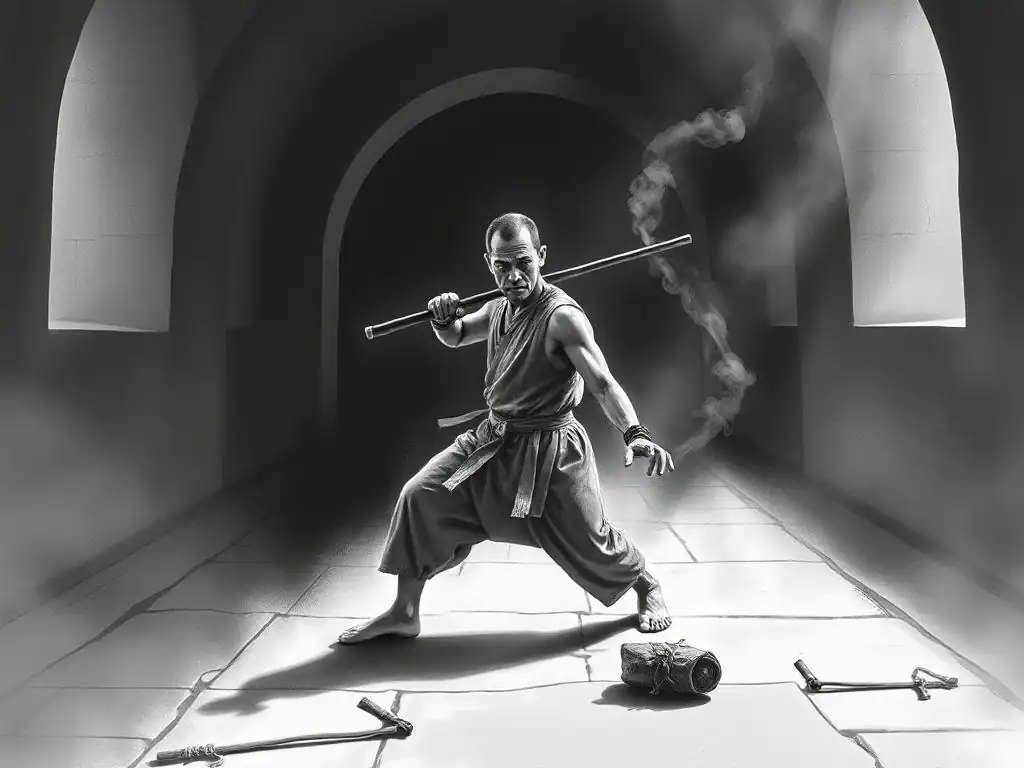
Training in Arnis and Eskrima is physically and mentally demanding, requiring practitioners to push past perceived limitations. This constant challenge is a deliberate part of cultivating resilience, a key component of the Arnis Eskrima philosophical mindset. Drills are often repetitive and exhausting, and sparring inevitably involves being hit or making mistakes. Instead of viewing these setbacks as failures, the philosophy encourages seeing them as crucial learning opportunities. Every bruise, every missed technique, every moment of fatigue is a lesson in perseverance.
This focus on learning from adversity builds a deep well of mental toughness. Practitioners learn to bounce back quickly, analyze what went wrong, adjust their approach, and continue forward. This resilience developed in the training environment translates directly to navigating the challenges of life outside the dojo. It teaches the ability to face difficulties head-on, adapt to unexpected circumstances, and maintain determination even when faced with significant obstacles, embodying the enduring strength of the Arnis Eskrima philosophical mindset.
Enhancing Focus: Developing Concentration and Awareness
In Arnis and Eskrima, where weapons are involved, even practice sticks, intense focus is paramount for safety and effectiveness. Training drills demand complete concentration on your partner, your movements, and the dynamic space between you. This constant need for heightened awareness sharpens the ability to concentrate and filter out distractions, a vital element of the Arnis Eskrima philosophical mindset. The mind must be fully present, observing subtle cues and reacting instantaneously.
This enhanced focus extends beyond the physical techniques. It involves developing awareness of one's own body, breath, and emotional state, as well as acute situational awareness of the surrounding environment. This dual focus – inward and outward – is a hallmark of the Arnis Eskrima philosophical mindset, allowing practitioners to remain centered while simultaneously processing external information. It's a state of alert calmness that is beneficial not only in potential conflict situations but also in improving performance and presence in everyday tasks.
Managing Fear: Controlling Emotional Responses in High-Pressure Situations
Fear is a natural human response to perceived threats, but in Arnis and Eskrima, training provides tools to manage and control this emotion. Through realistic scenario training and sparring, practitioners are exposed to situations that simulate the stress and adrenaline of conflict. This exposure, conducted in a controlled environment, allows individuals to practice functioning effectively while experiencing fear. The Arnis Eskrima philosophical mindset teaches that courage is not the absence of fear, but the ability to act decisively despite it.
Learning to breathe deeply, maintain composure, and think clearly under pressure are skills explicitly developed through Arnis and Eskrima training. By repeatedly facing simulated stressful situations, the practitioner becomes more accustomed to the physiological responses of fear and learns to channel that energy constructively. This ability to manage emotional responses is a critical aspect of the Arnis Eskrima philosophical mindset, enabling individuals to make rational decisions and execute techniques effectively even when facing danger, rather than being paralyzed by panic.
Strategic and Tactical Thinking in Arnis Eskrima
Assessing Threats: Evaluating Risk and Identifying Vulnerabilities
A core component of the Arnis Eskrima philosophical mindset is the emphasis on strategic assessment. Before any physical engagement, or ideally, to avoid one altogether, practitioners are trained to quickly evaluate a situation. This involves assessing the environment, identifying potential threats, understanding their capabilities, and recognizing their vulnerabilities. This is not just about physical threats but also about understanding the dynamics of a conflict situation.
This analytical approach involves looking for signs of intent, assessing distances, noting obstacles, and evaluating the number of individuals involved. The Arnis Eskrima philosophical mindset prioritizes intelligence gathering over brute force. It teaches the practitioner to think critically under pressure, making informed decisions based on rapid observation and analysis, significantly increasing the chances of a favorable outcome by understanding the threat before acting.
Adapting Strategies: Responding Effectively to Changing Circumstances
Arnis Eskrima is renowned for its adaptability. The Arnis Eskrima philosophical mindset emphasizes that no two situations are identical, and a rigid plan will likely fail. Practitioners are trained in a wide variety of techniques and weapon types precisely so they can fluidly transition and adapt their strategy based on the evolving circumstances of a confrontation. If one angle of attack is blocked, another is immediately available; if a weapon is lost, empty-hand techniques are employed.
This fluid adaptability is a direct reflection of the historical development of the arts in a diverse and often unpredictable environment. The Arnis Eskrima philosophical mindset cultivates a flexible and innovative approach to problem-solving. It teaches practitioners to remain responsive, constantly adjusting their tactics based on the opponent's actions and the changing environment, ensuring they are never locked into a single, potentially ineffective, course of action.
Utilizing Resources: Maximizing Available Tools and Techniques
The practicality of Arnis Eskrima is evident in its philosophy of resource utilization. The art traditionally incorporates a wide range of tools as weapons – from purpose-built sticks and blades to everyday items like sarongs, belts, or even rolled-up magazines. The Arnis Eskrima philosophical mindset encourages practitioners to see potential in their surroundings and make the most of whatever is available, whether it's a conventional weapon, an improvised tool, or the environment itself (using obstacles, terrain, etc. ).
This resourcefulness extends beyond physical objects to the techniques themselves. Practitioners learn to combine different movements, angles, and timing to create effective strategies. They maximize their own physical attributes and skills while also understanding how to exploit the opponent's posture, movement, or even their psychological state. This aspect of the Arnis Eskrima philosophical mindset teaches creativity and efficiency, emphasizing that effectiveness comes from intelligent application of resources, not just raw power.
The Importance of Discipline and Self-Control
Achieving Inner Peace Through Focused Training
Discipline is the bedrock upon which mastery in Arnis Eskrima is built, and it is central to achieving a state of inner peace within the Arnis Eskrima philosophical mindset. The rigorous and often repetitive nature of training requires significant self-discipline – showing up consistently, pushing through fatigue, and dedicating oneself to perfecting techniques. This focused effort quietens the mind, channeling energy into purposeful action and reducing mental clutter and anxiety.
The meditative aspect of repetitive drills and forms (sayaw or anyo) allows practitioners to enter a state of flow, where mind and body are fully engaged. This intense focus on the present moment, required to execute complex movements correctly and safely, cultivates mindfulness. Over time, this disciplined practice leads to a sense of calm and control, a quiet confidence that comes from knowing one's capabilities and having the self-control to utilize them wisely. This inner peace is a significant benefit of the Arnis Eskrima philosophical mindset.
Honoring Traditions: Connecting to the Roots of Filipino Martial Arts
Discipline in Arnis Eskrima also involves honoring the traditions and lineage of the art. This respect for the past is a vital part of the Arnis Eskrima philosophical mindset, connecting current practitioners to the masters who developed and preserved these systems through generations. Learning forms, understanding the history, and respecting the established protocols of the training environment are all ways of paying homage to this rich heritage.
This connection to tradition provides a sense of continuity and belonging. It grounds the practitioner, reminding them that they are part of a larger story and a community that spans centuries. Honoring traditions fosters respect for the knowledge passed down and encourages a sense of responsibility to practice and teach the art faithfully and ethically. This disciplined adherence to tradition ensures the Arnis Eskrima philosophical mindset and its valuable lessons are preserved for future generations.
Fostering Self-Improvement: Pursuing Continuous Growth and Development
The discipline instilled by Arnis Eskrima training naturally fosters a commitment to continuous self-improvement, a core tenet of the Arnis Eskrima philosophical mindset. The journey in martial arts has no ultimate end; there are always new techniques to learn, existing skills to refine, and deeper levels of understanding to achieve. This pursuit of mastery requires consistent effort, a willingness to identify areas for growth, and the discipline to work on them diligently.
This mindset of perpetual development extends beyond physical techniques to encompass mental and ethical growth. Practitioners are encouraged to become better individuals, applying the lessons of discipline, respect, and integrity to all aspects of their lives. The Arnis Eskrima philosophical mindset views the art as a vehicle for holistic self-improvement, where progress in training is mirrored by growth in character and capability outside the training hall.
Integrating Values into Arnis Eskrima Practice
Applying Principles to Training: Respect, Discipline, and Perseverance
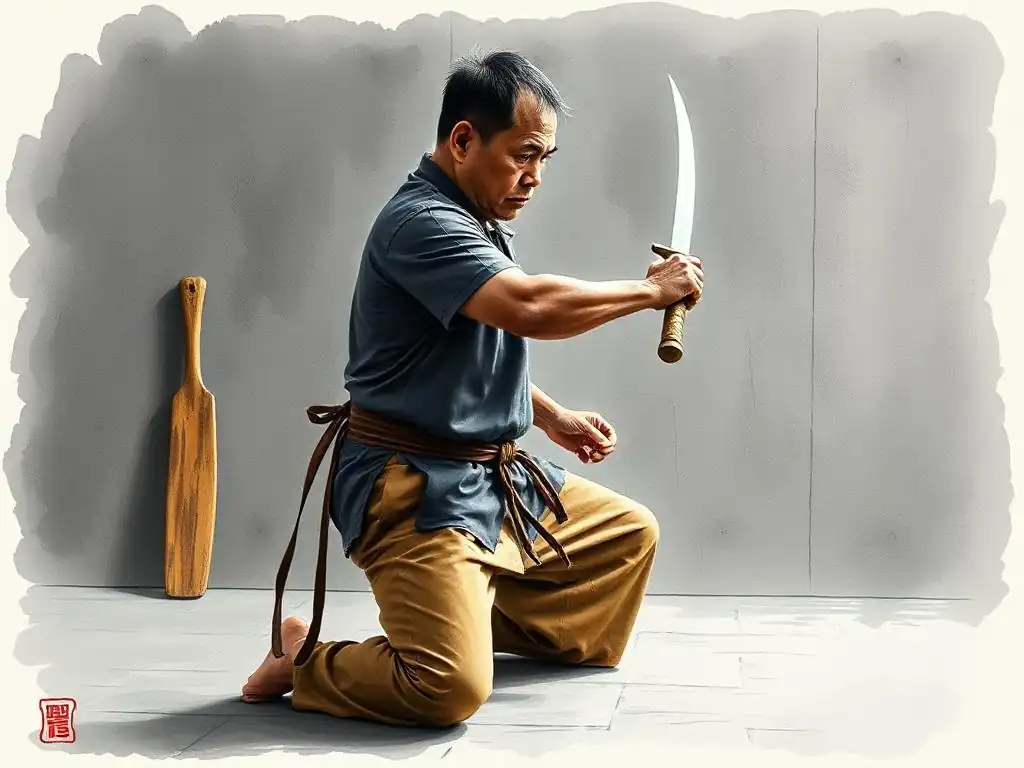
The philosophical principles of Arnis Eskrima are not abstract concepts but are actively integrated into the daily practice. Respect is shown through bowing, listening attentively to the Guro, and treating training partners with care and consideration, especially during drills and sparring where safety is paramount. Discipline is evident in the consistent effort applied to mastering techniques, the willingness to perform repetitive drills (like hitting a tire target hundreds or thousands of times to build power and accuracy), and adherence to the school's rules and etiquette.
Perseverance, cultivated through the resilience discussed earlier, is applied every time a student faces a difficult technique or a challenging training session. Instead of giving up, they push through, learning from mistakes and gradually improving. This practical application of values within the training environment is what transforms physical exercise into a character-building discipline, solidifying the Arnis Eskrima philosophical mindset through action and repetition.
Ethical Considerations: Promoting Responsible and Safe Practice
A crucial part of integrating values is the emphasis on ethical considerations and responsible practice. The Arnis Eskrima philosophical mindset stresses that the powerful skills being learned must be used judiciously and ethically. Training partners are taught to control their force, communicate during drills, and prioritize each other's safety. This instills a sense of responsibility for the well-being of others, even in a simulated combat scenario.
Beyond the training hall, the ethics dictate that Arnis Eskrima techniques should only be used for self-defense or the defense of others when absolutely necessary. Aggression, bullying, or the misuse of skills for personal gain are strictly contrary to the Arnis Eskrima philosophical mindset. Instructors play a vital role in teaching not just techniques but also the moral framework for their application, ensuring that students understand the gravity of their skills and the ethical obligations that come with them.
Collaborative Learning: Fostering a Supportive Training Environment
The value of community is integrated through collaborative learning. While individual skill is developed, much of Arnis Eskrima training involves working with a partner. This requires communication, trust, and mutual support. Students learn by assisting each other, providing feedback, and practicing together. This collaborative approach fosters a supportive environment where everyone feels invested in the success of their peers.
This aspect of the Arnis Eskrima philosophical mindset contrasts with purely competitive approaches. While sparring involves elements of competition, the overarching goal is mutual improvement and the collective raising of the group's skill level. This shared journey strengthens bonds within the training community and reinforces the idea that learning is a cooperative process, embodying the traditional Filipino value of "bayanihan" or communal unity and cooperation.
The Arnis Eskrima Mindset for Self-Defense and Conflict Resolution
De-escalation Strategies: Employing Verbal and Non-Verbal Techniques to Avoid Violence
Contrary to the image of a purely combat-focused art, the Arnis Eskrima philosophical mindset strongly emphasizes conflict avoidance and de-escalation. A skilled practitioner's first line of defense is their awareness and their ability to verbally or non-verbally defuse a potentially dangerous situation. Training often includes discussions and role-playing around recognizing aggression cues, maintaining calm composure, and using communication to resolve conflict before it turns physical.
This priority on de-escalation reflects the understanding that violence carries significant consequences and should be a last resort. The courage cultivated in training is applied here as the courage to walk away or to speak calmly in the face of aggression. This aspect of the Arnis Eskrima philosophical mindset highlights that true strength lies in control and wisdom, not just physical capability, promoting peaceful resolution whenever possible.
Prioritizing Safety: Protecting Yourself and Others in Dangerous Situations
Should conflict become unavoidable, the Arnis Eskrima philosophical mindset dictates that the primary goal is prioritizing safety – your own and, if possible, that of innocent bystanders. Techniques are applied with the intention of neutralizing the threat effectively and efficiently, minimizing harm to oneself and others. This is not about inflicting maximum damage but about creating an opportunity to escape or control the situation until help arrives or the danger passes.
This focus on safety is rooted in the practical, survival-oriented origins of the art. It's about getting home safely to your family and community. The training prepares the practitioner to make split-second decisions under duress that maximize safety outcomes, using skills to create distance, disrupt an attack, or control an aggressor just enough to disengage. This pragmatic prioritization is a key element of the Arnis Eskrima philosophical mindset in real-world application.
Situational Awareness: Recognizing and Avoiding Potential Threats
Perhaps the most crucial self-defense strategy taught by the Arnis Eskrima philosophical mindset is situational awareness. This involves being constantly observant of one's surroundings, recognizing potential risks, and taking proactive steps to avoid dangerous situations altogether. This includes being aware of who is around you, assessing environments for potential escape routes or threats, and trusting your instincts if something feels wrong.
Training enhances this awareness by sharpening observational skills and teaching practitioners to read body language and environmental cues. By developing this heightened sense of awareness, individuals are better equipped to identify potential dangers long before they escalate into physical confrontations. This preventative approach is a fundamental tenet of the Arnis Eskrima philosophical mindset, emphasizing that the best fight is the one you avoid.
Conclusion: The Enduring Relevance of the Arnis Eskrima Warrior Spirit
The philosophical underpinnings of Arnis and Eskrima offer a rich tapestry of values and principles that extend far beyond the realm of physical combat. The Arnis Eskrima philosophical mindset, shaped by centuries of Filipino history and culture, instills core values like family, community, respect, humility, courage, and integrity. These principles are not merely abstract ideas but are actively cultivated and applied through rigorous, disciplined training.
From developing mental fortitude through resilience and focus to employing strategic thinking, adaptability, and responsible use of force, the Arnis Eskrima philosophy provides a comprehensive framework for personal development. It teaches the importance of discipline, self-control, honoring tradition, and pursuing continuous self-improvement.
Ultimately, the Arnis Eskrima philosophical mindset is a powerful guide for navigating challenges, resolving conflicts peacefully, and living a life grounded in strength, ethics, and awareness. Its enduring relevance lies in its ability to forge not just skilled martial artists, but individuals of strong character equipped to face the complexities of the modern world with courage, integrity, and a deep sense of responsibility.
Frequently Asked Questions
What is the core philosophical principle driving the Arnis Eskrima practitioner?
The core principle emphasizes respect and discipline in all aspects. This encompasses respect for opponents, training partners, and the art itself, fostering a disciplined approach to both physical and mental development.
How does the concept of flow relate to the Arnis Eskrima philosophical mindset?
Flow in Arnis Eskrima refers to the seamless transition between techniques, adapting to an opponent's movements. The philosophical mindset encourages a flexible and adaptable approach to life beyond combat.
How does Arnis Eskrima's philosophical approach differ from that of other martial arts?
While many martial arts emphasize discipline, Arnis Eskrima uniquely blends combat effectiveness with a practical, adaptable philosophy. It focuses on improvisation and resourcefulness, reflecting the historical context of its development.
What role does humility play in the Arnis Eskrima philosophical mindset?
Humility is crucial, promoting continuous learning and self-improvement. Recognizing one's limitations is essential for growth and avoiding arrogance, leading to better decision-making under pressure.
How does the Arnis Eskrima philosophical mindset translate to everyday life outside of training?
The principles of respect, discipline, and adaptability learned in Arnis Eskrima can be applied to various life challenges. These skills help cultivate resilience, problem-solving abilities, and improved interpersonal relationships.
Final Reflection: Embracing the Warrior's Path
The principles explored within Arnis and Eskrima, far from being relics of a bygone era, resonate profoundly in our modern world. The warrior's mindset, characterized by discipline, adaptability, and unwavering focus, is not confined to the battlefield but is a potent tool for navigating the complexities of everyday life. Understanding these philosophical underpinnings allows us to approach challenges with resilience and a strategic clarity that transcends mere physical prowess.
The enduring influence of Arnis and Eskrima extends beyond the martial arts community, shaping our understanding of resilience and cultural identity. The dedication and mental fortitude cultivated through these practices serve as a powerful reminder of our inherent capacity to overcome adversity. The ultimate aim of martial arts is not to defeat opponents, but to perfect oneself.
This quote encapsulates the true essence of the warrior's path, highlighting the importance of self-improvement and the pursuit of inner peace amidst chaos.
Now, consider how you can integrate the warrior's mindset into your own life. Embrace the discipline, cultivate adaptability, and sharpen your focus. Let the philosophical underpinnings of Arnis and Eskrima guide you towards a more resilient, purposeful, and ultimately, more fulfilling existence. The path of the warrior is not about aggression, but about mastering yourself and facing life's challenges with unwavering courage and integrity.
Embrace Your Inner Warrior: Start Your Arnis Journey Today!
Thank you for exploring the philosophical depth of Arnis & Eskrima with us. Now that you've uncovered the mindset that fuels this martial art, it's time to put that knowledge into action.
Here's how you can continue your journey:
- Sign up for a trial class at a local Arnis/Eskrima school. Discover the practical application of these philosophies firsthand.
- Delve deeper into Filipino culture by exploring traditional music and dance; many movements share common roots with Arnis, providing a unique perspective.
- Share this article with fellow martial arts enthusiasts and spark a discussion about the importance of mindset in training.
What aspect of the warrior's mindset resonated with you the most, and how will you integrate it into your training and life?