
EmptyHand Excellence: Regional Silat Styles That Prioritize Unarmed Combat

Welcome to Martial Arts Mastery, your gateway to the world's fighting arts. Delve into the profound depths of combat knowledge as we explore the rich tapestry of martial traditions. Are you ready to uncover the secrets of EmptyHand Excellence? This article unveils the fascinating world of Silat unarmed combat techniques, focusing on regional styles that prioritize empty-hand mastery. Discover the intricacies and deadly effectiveness of these unique fighting systems – prepare to be enlightened and inspired. Continue reading to unlock the power within!
- Introduction to Silat and its Unarmed Combat Prowess
- Exploring Regional Silat Styles Renowned for Unarmed Combat
- Key Unarmed Combat Techniques Found Across Silat Styles
- The Importance of Training and Conditioning for Silat Unarmed Combat
- The Legacy and Future of Silat Unarmed Combat Techniques
-
Frequently Asked Questions
- What is Silat and why is it relevant to unarmed combat?
- What are some regional Silat styles that heavily prioritize unarmed combat?
- How does Silat differ from other martial arts like Karate or Kung Fu in its unarmed approach?
- What are some common unarmed combat techniques found in Silat?
- Where can I learn more about Silat unarmed combat techniques, and what should I look for in a school?
- Final Reflection: Embracing the Art of Empty-Hand Silat
- Unleash Your Inner Warrior: Explore Silat's Unarmed Secrets!
Introduction to Silat and its Unarmed Combat Prowess
The Rich Tapestry of Silat: More Than Just Weapons
Pencak Silat, often simply called Silat, is a martial art with deep roots stretching across the Malay Archipelago, encompassing Indonesia, Malaysia, Brunei, Singapore, and parts of the Philippines and Thailand. It is a vast and diverse martial system, often described as a 'tapestry' because it weaves together countless regional styles, each with its unique history, philosophy, and technical emphasis.
While many people associate Silat with its formidable array of traditional weapons—ranging from the keris dagger and golok sword to flexible sarongs and staffs—this perception only captures a portion of its full spectrum. Historically, the ability to fight effectively without any tools was paramount, whether due to being disarmed, needing to engage in situations where weapons were forbidden, or facing an unexpected threat.
This foundational emphasis on unarmed combat is a cornerstone across the majority of Silat traditions. Before a student might even touch a weapon, they often spend years mastering the intricate footwork, body mechanics, striking, grappling, and defensive maneuvers that form the bedrock of the art.
The empty-hand techniques in Silat are not merely supplementary; they are often considered the most complex and essential part of the training, teaching practitioners to use their body with maximum efficiency and power. This focus ensures that even without a weapon, a skilled Silat practitioner possesses a sophisticated and highly effective self-defense system, relying solely on their physical prowess and learned combat principles.
Unveiling the Focus on Empty Hand Techniques in Specific Silat Styles
While Silat as a whole values both armed and unarmed skills, certain regional styles have developed a particular renown and depth in their Silat unarmed combat techniques. These styles often originated in specific geographical or cultural contexts that necessitated a strong emphasis on close-quarters, empty-hand engagement, perhaps due to terrain, local customs, or specific self-defense needs of the community. Studying these styles provides invaluable insight into the diverse applications and philosophies behind Silat's empty-hand repertoire.
For instance, styles originating in densely forested areas or mountainous regions might prioritize ground fighting, joint locks, and close-range trapping due to limited space. Others, developed in more open environments or for civilian self-defense, might focus more on dynamic footwork, powerful strikes, and effective evasion. This exploration will delve into some prominent examples of Silat styles celebrated for their sophisticated Silat unarmed combat techniques, highlighting their unique characteristics and contributions to the broader art form. We will see how different regions approached the challenge of unarmed conflict, resulting in distinct yet equally potent methods of self-protection and combat.
Exploring Regional Silat Styles Renowned for Unarmed Combat
Minangkabau Silat (West Sumatra): Hand-to-Hand Combat Emphasis
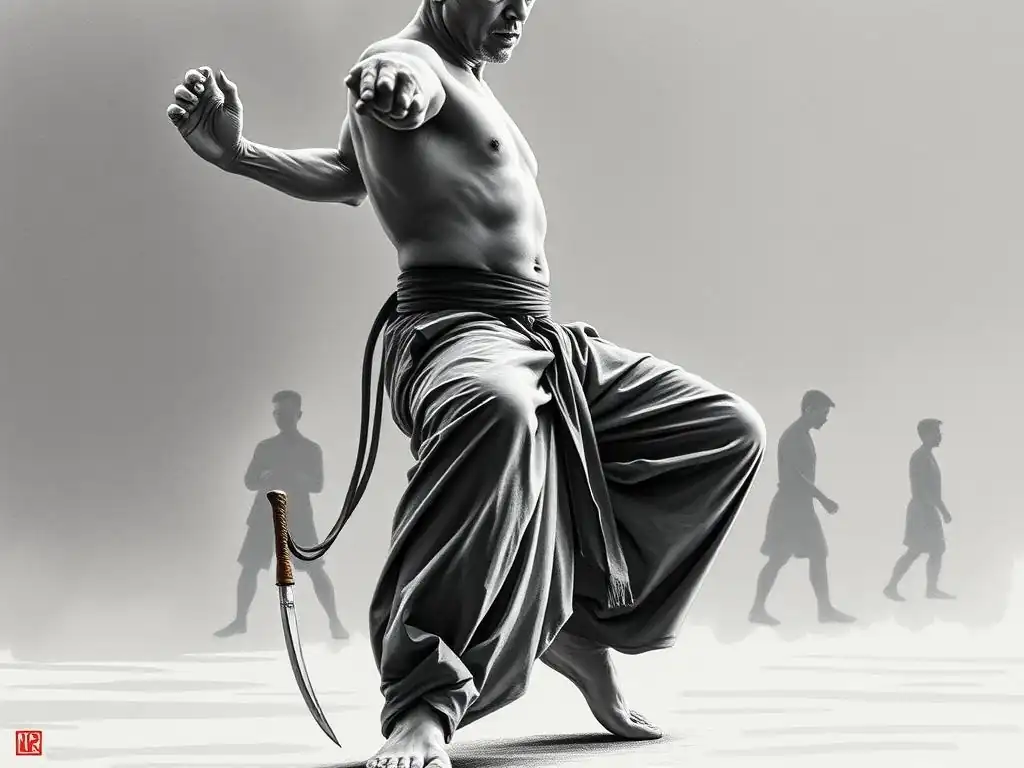
Minangkabau Silat, originating from the Minangkabau highlands of West Sumatra, is deeply intertwined with the region's unique matrilineal culture and mountainous terrain. This environment heavily influenced the development of its combat methods, favoring techniques suitable for uneven ground and close-quarters encounters. Unlike some styles known for wide, sweeping movements, Minangkabau Silat often operates from low stances, emphasizing stability and the ability to transition quickly to the ground. It is particularly renowned for its sophisticated grappling, joint manipulation, and takedown techniques, making its empty-hand combat system exceptionally potent in close range.
The training in Minangkabau Silat places significant value on sensitivity (rasa) and feeling the opponent's energy and intention. Much time is spent practicing drills that involve touch sensitivity, limb control, and understanding body mechanics from a very close distance. This focus on tactile feedback allows practitioners to react instantaneously to an opponent's movements, often redirecting their force or exploiting imbalances. The emphasis on ground techniques and joint locks also reflects a practical approach to neutralizing threats in confined spaces or when navigating difficult terrain, showcasing a distinct regional interpretation of Silat unarmed combat techniques.
Characteristics of Minangkabau Silat's Unarmed Fighting System
The unarmed fighting system of Minangkabau Silat is characterized by its low, rooted stances, often resembling animal postures, particularly those of the tiger ( harimau). Training frequently begins and ends from a seated or squatting position, emphasizing comfort and mobility close to the ground. A key principle is the efficient use of body weight and leverage, rather than relying solely on brute strength. Practitioners learn to disrupt an opponent's base, pull or push them off balance, and apply locks or throws with minimal effort.
Furthermore, Minangkabau Silat incorporates a wide range of strikes, but they are often delivered at very close range, utilizing elbows, knees, headbutts, and short, powerful punches. The defensive strategy heavily relies on evasion and parrying rather than rigid blocking, often leading into immediate counter-attacks or entries into grappling range. The system's comprehensive approach to fighting from standing to the ground, with a strong emphasis on controlling and finishing an opponent through joint manipulation and throws, distinguishes it as a highly effective form of Silat unarmed combat techniques.
Harimau (Tiger) Style: Close-Range Grappling and Takedowns
Within the broader umbrella of Minangkabau Silat, the Harimau (Tiger) style is perhaps the most iconic representation of its ground-fighting and close-range expertise. Mimicking the movements and predatory instincts of a tiger, this style is notorious for its low stances, agile footwork close to the ground, and explosive movements from a compact position. Harimau practitioners are adept at quickly dropping to the ground, sweeping opponents' legs, and engaging in intricate ground fighting sequences.
Harimau places a significant emphasis on joint locks ( kuncian), limb control, and devastating takedowns ( banting). Training often involves realistic simulations of falling and rolling, as well as practicing locks and chokes from various positions, both standing and on the ground. A skilled Harimau practitioner can transition seamlessly from standing strikes and evasions to complex ground grappling and submission holds, embodying a highly specialized and aggressive form of Silat unarmed combat techniques focused on neutralizing an opponent rapidly in confined spaces or on the ground.
Cimande Silat (West Java): Power and Precision in Empty Hand Forms
Cimande Silat, originating from the village of Cimande in West Java, is one of the oldest and most widely recognized styles of Silat, particularly famous for its rigorous training methods and powerful empty-hand techniques. The style is characterized by its structured forms ( jurus), which are practiced diligently to develop strength, precision, and rooted power. Cimande places a strong emphasis on physical conditioning, often involving striking hard surfaces to toughen the limbs, reflecting its focus on delivering impactful strikes and enduring blows.
The empty-hand system of Cimande is built upon a foundation of strong stances and efficient body mechanics. Practitioners learn to generate power through coordinated movement of the entire body, ensuring that strikes are not just arm-driven but backed by the force of the hips and legs. The structured nature of the jurus helps instill discipline and refine movements, making them economical and effective. This dedication to foundational strength and precise execution makes Cimande a formidable style known for its direct and powerful Silat unarmed combat techniques.
The Core Principles of Cimande's Unarmed Combat
At the heart of Cimande's unarmed combat system lies the principle of generating maximum power through proper body alignment and rooted stances. Training often involves repetitive practice of basic movements and jurus for hours daily, focusing on developing tenaga dalam (internal energy/power) alongside physical strength. The stances are typically low and stable, providing a strong base for both delivering and receiving force. The emphasis on conditioning, sometimes through methods like striking coconut husks or sandbags, builds resilience and striking power.
Another core principle is the integration of defense and offense. Cimande techniques rarely involve simple blocks; rather, defensive movements like parries and deflections are designed to redirect the opponent's force while simultaneously positioning the practitioner for a counter-attack. The movements are often direct and linear, aiming to overwhelm the opponent with powerful, precise strikes. This blend of robust physical conditioning, precise forms, and integrated offense-defense defines the powerful nature of Cimande's Silat unarmed combat techniques.
Pepedangan: Using Open Hand Techniques to Deflect and Control
A unique aspect of Cimande Silat's empty-hand repertoire is Pepedangan, a series of open-hand techniques that are said to derive from sword movements but are applied without a weapon. Pepedangan focuses on using the palms, forearms, and knife-hands for blocking, parrying, trapping, and controlling an opponent's limbs. These techniques are executed with the same rooted power and precision found in Cimande's striking methods, allowing practitioners to effectively neutralize incoming attacks and create openings.
The movements in Pepedangan are often fluid yet powerful, designed to deflect strikes off-line or trap an opponent's arms and legs. This allows the practitioner to maintain control of the engagement distance and set up subsequent strikes or joint locks. The practice of Pepedangan highlights the adaptability of Silat principles, showing how concepts originally applied with weapons can be seamlessly integrated into highly effective Silat unarmed combat techniques, adding a layer of sophisticated hand-trapping and control to the style's powerful strikes.
Setia Hati Terate (East Java): Self-Defense and Spiritual Development Through Unarmed Skills
Persaudaraan Setia Hati Terate (PSHT), or Setia Hati Terate Brotherhood, is one of the largest Silat organizations in Indonesia, boasting millions of members across the globe. Founded in East Java, SH Terate emphasizes both practical self-defense skills and spiritual development. While the system does include some traditional weapons, its primary focus for the vast majority of practitioners is the mastery of Silat unarmed combat techniques for personal protection and physical discipline. The training is structured and progressive, guiding students through a curriculum of basic movements, forms ( jurus), and sparring.
SH Terate's popularity and widespread presence mean its unarmed techniques are among the most practiced forms of Silat globally. The system is known for its dynamic movements, combining strikes, kicks, evasions, and basic throws. The emphasis on self-defense is paramount, with techniques taught in a practical context for dealing with common threats. The journey through SH Terate is often described as a path of self-discovery and character building, where physical training in Silat unarmed combat techniques is intertwined with lessons in ethics, discipline, and brotherhood.
Setia Hati Terate's Philosophy on Unarmed Confrontation
The philosophy of Setia Hati Terate regarding unarmed confrontation is rooted in practicality and responsibility. Students are taught that their skills are for self-defense and helping others, not for aggression or showing off. There is a strong ethical code emphasizing humility and respect. The training instills confidence, enabling practitioners to handle confrontational situations, but also teaches de-escalation and avoidance as the first lines of defense.
The technical curriculum is designed to provide effective tools for a variety of unarmed scenarios. While strikes and kicks are prominent, basic grappling and control techniques are also included to ensure a well-rounded self-defense capability. The sheer number of practitioners means that SH Terate's approach to Silat unarmed combat techniques has influenced a vast population, promoting a practical, accessible, and ethically grounded method of self-protection.
Jurus Tunggal: Solo Forms Emphasizing Balance and Striking
A central component of SH Terate training is the mastery of solo forms, known as jurus. The Jurus Tunggal (Single Form) is a standardized sequence of movements that all members learn, serving as a fundamental blueprint for the style's Silat unarmed combat techniques. This form incorporates a wide range of stances, footwork patterns, strikes, blocks, and evasions, designed to develop coordination, balance, power generation, and stamina.
Practicing Jurus Tunggal allows individuals to refine their movements in isolation before applying them with a partner or in sparring. It emphasizes fluidity between techniques and teaches the correct body mechanics for delivering effective strikes and maintaining stability during dynamic movements. The consistent practice of these forms across the organization ensures a degree of technical uniformity and reinforces the core principles of SH Terate's practical and dynamic Silat unarmed combat techniques.
Other Notable Silat Styles with a Strong Focus on Empty Hands
While Minangkabau, Cimande, and Setia Hati Terate are prominent examples, numerous other Silat styles possess highly developed Silat unarmed combat techniques. Each offers a unique perspective and set of methods for fighting without weapons, reflecting the incredible diversity within the art. Exploring these styles further reveals the depth and breadth of Silat's empty-hand capabilities.
These lesser-known or more geographically specific styles often preserve unique techniques and training methodologies passed down through generations. They might specialize in specific ranges, types of movements, or philosophical approaches to combat. Studying them provides a richer understanding of the full scope of Silat unarmed combat techniques and how they have adapted to different needs and environments across the archipelago.
Beksi Silat: Close-Quarters Combat and Interception Techniques
Beksi Silat, originating from the Betawi culture around Jakarta, is renowned for its direct, aggressive, and highly effective close-quarters empty-hand combat. The name "Beksi" is sometimes interpreted as an acronym for Berani Eksklusif (Exclusively Brave) or linked to a Chinese martial art influence, reflecting its unique blend of Indonesian and possibly Chinese elements. Beksi focuses heavily on intercepting an opponent's attack at the earliest possible moment and counter-attacking simultaneously.
The techniques are characterized by short, powerful strikes, often using the forearms, elbows, and open hands, delivered from a relatively upright but stable stance. Beksi practitioners are skilled at trapping and controlling an opponent's limbs while simultaneously striking vital points. The emphasis is on overwhelming the opponent through relentless, close-range pressure and precise, debilitating strikes, making it a highly specialized form of Silat unarmed combat techniques for confined spaces.
Pukulan Cimande Tari Kolot Kebon Djeruk Hilir: Circular Movements and Pressure Point Strikes
This specific lineage of Cimande, originating from the Kebon Djeruk Hilir area, is known for adding elements of circular motion and a detailed understanding of pressure points ( titik) to the core Cimande principles. While rooted in Cimande's power generation and forms, this style incorporates more fluid, circular evasions and parries that blend into strikes or joint locks.
The focus on pressure points means practitioners study anatomy to understand how to target specific nerves or vital areas to cause pain, temporary paralysis, or even unconsciousness. This adds a layer of precision and efficiency to their Silat unarmed combat techniques, allowing a smaller individual to potentially overcome a larger or stronger opponent by targeting vulnerable points rather than relying solely on physical force.
Key Unarmed Combat Techniques Found Across Silat Styles
While regional styles have their unique flavors, there are fundamental Silat unarmed combat techniques that form a common thread across many traditions. These techniques represent the core arsenal used when fighting without weapons, providing a versatile and effective system for self-defense and combat. Mastering these fundamentals is essential for any serious Silat practitioner focusing on empty-hand skills.
The diverse landscape of Silat means that the execution and emphasis on these techniques may vary significantly from one style to another. However, the underlying principles of using body mechanics, leverage, and timing remain consistent. Understanding these key techniques provides a comprehensive overview of what makes Silat unarmed combat techniques so effective and adaptable.
Striking Techniques: Punches, Kicks, and Elbows in Silat
Striking is a fundamental component of Silat unarmed combat techniques, encompassing a wide array of punches, kicks, elbows, knees, and even headbutts. Silat strikes are often delivered with the full body behind them, utilizing rooted stances and coordinated movements to generate maximum power. Unlike some linear martial arts, Silat often employs strikes from various angles, including circular and whipping motions, designed to bypass defenses and target vulnerable areas.
The diversity in striking reflects the varied origins and applications of different Silat styles. Some styles might favor low line kicks to disrupt balance, while others emphasize rapid-fire hand strikes to the upper body and head. Elbow and knee strikes are particularly common in close-quarters Silat, offering powerful options when there is little space to generate momentum for longer-range techniques. Mastering these striking methods is crucial for effectively engaging an opponent at various distances.
Tumbukan (Punches), Sepakan (Kicks), and Siku (Elbows): Utilizing Body Mechanics for Power
Tumbukan refers generally to punches or hand strikes in Silat. These range from direct straight punches ( tumbukan lurus) delivered with a corkscrew motion to whipping backfists, palm strikes, and hammer fists. Power is generated not just from the arm, but from twisting the hips and rooting the feet, transferring energy through the core into the strike. This ensures that even short-range punches can be devastating.
Sepakan denotes kicks. Silat features a wide variety of kicks, including front kicks ( sepakan depan), side kicks ( sepakan samping), roundhouse kicks ( sepakan bulat), and sweeping kicks ( sapuan). Kicks can target various levels, from low sweeps aimed at the legs to powerful thrusts or snaps aimed at the body or head. Footwork and balance are critical for delivering kicks effectively and recovering quickly.
Siku refers to elbow strikes, which are highly favored in many Silat styles for their power and effectiveness at close range. Elbow strikes can be delivered horizontally, vertically, or diagonally, targeting the head, neck, ribs, or solar plexus. They are often used in clinches or immediately after closing the distance. Silat unarmed combat techniques utilize elbows as powerful finishing moves or to break an opponent's structure, embodying efficiency in close quarters.
Grappling and Clinch Work: Controlling and Neutralizing Opponents
Grappling and clinch work are integral to Silat unarmed combat techniques, providing methods to control an opponent, disrupt their balance, and set up throws or submissions. Silat grappling is often dynamic, transitioning rapidly between standing control, takedowns, and ground fighting. The clinch is frequently used to neutralize an opponent's strikes, create off-balancing opportunities, and apply pressure or joint locks.
Techniques involve seizing limbs, clothing, or the body to gain control. Practitioners learn to use their weight and leverage to manipulate the opponent's posture and movement. The goal is often to control the opponent's center of gravity, making them vulnerable to throws or preventing them from launching effective attacks. This close-range control is a defining feature of many traditional Silat unarmed combat techniques.
Kuncian (Locks) and Banting (Throws): Disrupting Balance and Creating Openings
Kuncian refers to joint locks, which are a highly developed aspect of Silat unarmed combat techniques. Silat utilizes locks on wrists, elbows, shoulders, knees, and ankles. These techniques are applied to incapacitate an opponent, force a submission, or control their movement to facilitate other techniques like strikes or throws. Locks can be applied from standing, in the clinch, or on the ground.
Banting translates to throws or takedowns. Silat employs a variety of methods to take an opponent to the ground, including sweeps ( sapuan), reaps ( gunting), trips, and body throws. Takedowns are often initiated from strikes or clinch entries, aiming to disrupt the opponent's balance and bring the fight to the ground where the Silat practitioner can utilize ground fighting or finishing techniques. Effective banting relies heavily on timing and disrupting the opponent's structure.
Joint Locks and Submissions: Ending Fights Quickly
Beyond simple control, Silat unarmed combat techniques include sophisticated joint locks and submission holds designed to end confrontations decisively. These techniques target vulnerable anatomical structures, causing pain, injury, or unconsciousness if not released. This aspect highlights the lethal potential inherent in traditional Silat training, even without weapons.
The application of submissions often stems from successful grappling entries, clinch control, or takedowns. Practitioners are trained to recognize opportunities to apply leverage to joints or restrict blood flow to the brain, providing effective means to neutralize a threat swiftly. While modern sport martial arts often use submissions for points or taps, in traditional Silat, these techniques are taught with their full, potentially fight-ending intent.
Patahan (Breaks) and Cekikan (Chokes): Targeting Vulnerable Joints and Pressure Points
Patahan literally means "breaks" and refers to techniques aimed at breaking or severely damaging joints. While often taught with caution and practiced with control, the knowledge of how to apply leverage to cause a joint fracture is part of advanced Silat unarmed combat techniques in many traditional styles. These techniques are considered high-level skills for extreme self-defense situations.
Cekikan refers to chokes or strangulations. Silat utilizes various methods to restrict airflow or blood flow to the brain using arm wraps, lapel chokes (if clothing is involved), or forearm pressure. Combined with knowledge of pressure points ( titik), these techniques offer efficient ways to render an opponent unconscious or compliant. The study of anatomy and physiology is often implicitly or explicitly part of learning these potent Silat unarmed combat techniques.
Defensive Maneuvers: Evasion, Blocking, and Redirecting Attacks
Effective defense is as crucial as offense in Silat unarmed combat techniques. Silat emphasizes dynamic movement and clever positioning to avoid or neutralize incoming attacks. Defensive strategies are rarely static; they are typically integrated with counter-attacks, turning the opponent's aggression into an opportunity.
Silat defensive movements are often fluid and deceptive, designed to draw the opponent into a vulnerable position. The principle of "using the opponent's force against them" is prevalent, where incoming energy is redirected or absorbed and added to the practitioner's counter-attack. This dynamic defense-offense integration is a hallmark of sophisticated Silat unarmed combat techniques.
Elakan (Evasion), Tangkisan (Blocks), and Hindaran (Dodges): Avoiding and Deflecting Incoming Attacks
Elakan and Hindaran both refer to evasion and dodging. Silat footwork is highly developed, allowing practitioners to move quickly off the line of attack, change angles, and create distance or close it advantageously. Low stances and agile transitions enable rapid shifts in position, making the practitioner a difficult target. Evasion is often preferred over direct blocking to avoid absorbing force.
Tangkisan refers to blocks or parries using the arms, hands, or legs. Silat blocks are typically not rigid stops but rather deflections or redirects that guide the opponent's strike off-line. Often, a tangkisan immediately transitions into a strike, a grab, or a joint lock. The goal is to neutralize the attack while simultaneously setting up the counter, showcasing the efficient economy of motion in Silat unarmed combat techniques.
The Importance of Training and Conditioning for Silat Unarmed Combat
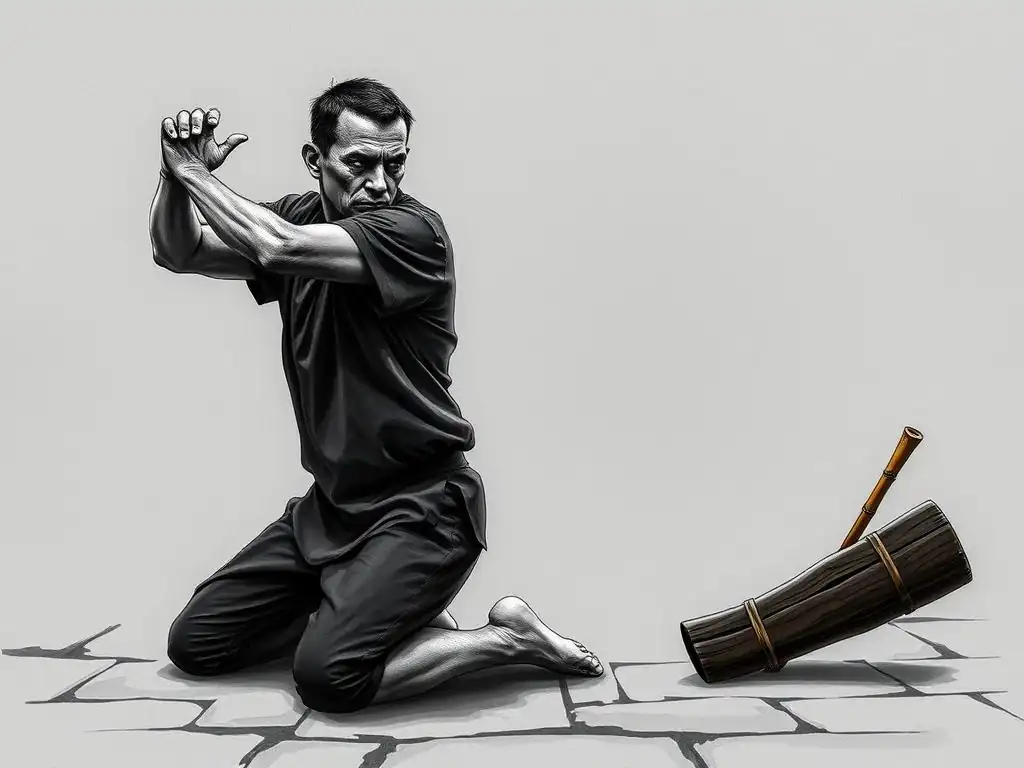
Mastery of Silat unarmed combat techniques requires dedicated and often rigorous training. Physical conditioning, technical drills, and realistic sparring are all essential components. Without the necessary strength, agility, balance, and understanding of timing and distance, even the most sophisticated techniques lose their effectiveness.
Traditional Silat training often involves long hours of repetitive practice of basic movements and forms to build muscle memory and develop internal power. Physical conditioning might include calisthenics, strength exercises using bodyweight, and flexibility training. The holistic nature of Silat means that physical preparation is intertwined with mental discipline and spiritual development.
Developing Strength and Agility for Effective Empty Hand Fighting
Effective Silat unarmed combat techniques demand a body that is both strong and agile. Strength is required to generate power for strikes, execute throws, apply joint locks, and maintain stable stances. Agility is crucial for rapid footwork, evasive maneuvers, and transitioning smoothly between different ranges and positions (standing, kneeling, ground).
Training programs typically include exercises to build core strength, leg power for stances and kicks, and upper body strength for striking and grappling. Agility drills focus on quick changes of direction, balance exercises, and dynamic movements. This balanced development ensures that the practitioner's body is a capable vehicle for executing complex Silat unarmed combat techniques under pressure.
Mastering Footwork and Body Mechanics in Silat
Footwork is arguably the most critical element in Silat unarmed combat techniques. It dictates distance management, positioning, balance, and the ability to generate power. Silat footwork patterns are often intricate and fluid, allowing practitioners to move deceptively and efficiently. Mastering these patterns enables seamless transitions between defense and offense.
Body mechanics refers to the efficient use of the entire body to generate force, absorb impact, and execute techniques. This involves understanding how to align the skeleton, engage the core muscles, and coordinate movements from the feet up through the body. Proper body mechanics ensures that strikes have maximum impact, throws are effortless, and defensive movements are stable and effective. It is the foundation upon which all Silat unarmed combat techniques are built.
The Role of Sparring and Drills in Honing Unarmed Skills
While solo forms and basic drills build fundamental skills, applying Silat unarmed combat techniques effectively requires practice against a resisting opponent. Sparring, often called sambung or bertanding, provides a realistic environment to test techniques, develop timing, distance, and adaptability. Different forms of sparring, from light contact to more intense engagement, help practitioners become comfortable applying their skills under pressure.
Partner drills focus on specific techniques or sequences, such as entering the clinch, applying a specific lock, or countering a particular strike. These drills break down complex interactions into manageable steps, allowing students to refine their execution and reaction time. The combination of structured drills and dynamic sparring is essential for turning theoretical knowledge of Silat unarmed combat techniques into practical, usable self-defense skills.
The Legacy and Future of Silat Unarmed Combat Techniques
The rich tradition of Silat unarmed combat techniques represents a profound legacy of practical self-defense and cultural heritage from the Malay world. Passed down through generations, often within families or small communities, these techniques have evolved over centuries to meet the changing needs of practitioners. Today, the challenge lies in preserving this traditional knowledge while ensuring its relevance and accessibility in the modern world.
Efforts to document, teach, and promote traditional Silat unarmed combat techniques are ongoing, both within their countries of origin and internationally. Organizations work to standardize curricula while respecting stylistic variations, making the art more accessible to new students. The future of Silat unarmed combat lies in balancing respect for tradition with adaptation to contemporary self-defense needs and global interest.
Preserving Traditional Knowledge in a Modern World
Preserving the intricate and diverse traditional knowledge of Silat unarmed combat techniques faces challenges in the modern era. Globalization, urbanization, and changing lifestyles can make it difficult to maintain the rigorous, often time-intensive, training methods of the past. Many traditional styles were taught within close-knit communities or families, and the loss of key teachers can mean the loss of unique techniques and philosophies.
However, there are significant efforts to counter this. Many styles are actively documenting their jurus, techniques, and history through written records, photography, and video. Silat organizations are establishing more formal school structures to ensure continuity. Cultural festivals, competitions, and international seminars also play a role in bringing practitioners together and promoting awareness of the art's rich heritage, helping to safeguard the future of traditional Silat unarmed combat techniques.
The Application of Silat Unarmed Combat in Self-Defense
Despite its historical roots, Silat unarmed combat techniques remain highly relevant for modern self-defense. The emphasis on practical, effective movements, close-range fighting, joint manipulation, and disruption of balance provides practitioners with versatile tools applicable in real-world confrontational scenarios. Techniques are often designed to be effective against common attacks, whether grabs, strikes, or attempts to control.
Many Silat styles teach awareness, de-escalation, and situational assessment as the first layers of self-defense, using physical techniques only as a last resort. The focus on using body mechanics and leverage means that effectiveness is not solely dependent on size or strength. This makes Silat unarmed combat techniques a practical and empowering choice for individuals seeking reliable self-protection skills in today's world.
Silat's Influence on Other Martial Arts and Combat Systems
The sophisticated Silat unarmed combat techniques have not remained isolated within the archipelago; they have influenced and continue to influence other martial arts and combat systems globally. Historical interactions through trade, migration, and conflict led to the exchange of techniques and ideas between Silat and systems from other regions, including Chinese, Indian, and Middle Eastern martial arts.
In the modern era, elements of Silat's unique footwork, body mechanics, trapping methods, and close-range techniques can be seen integrated into various eclectic martial arts systems and self-defense programs. Military and law enforcement close-quarters combat training in some parts of the world also incorporates principles derived from Silat. This ongoing cross-pollination demonstrates the universal effectiveness and enduring legacy of Silat unarmed combat techniques as a potent and influential fighting art.
Frequently Asked Questions
What is Silat and why is it relevant to unarmed combat?
Silat is a collective term for various martial arts traditions originating in Maritime Southeast Asia. It's relevant because many styles emphasize devastating unarmed combat techniques including strikes, grappling, and joint manipulation, making it a highly effective self-defense system.
What are some regional Silat styles that heavily prioritize unarmed combat?
While many Silat styles incorporate weapons, some notable examples with a strong focus on unarmed techniques include Silek Tuo from West Sumatra, Beksi from Jakarta, and certain Pencak Silat streams from Java. These styles emphasize close-quarters combat and efficient movements.
How does Silat differ from other martial arts like Karate or Kung Fu in its unarmed approach?
Silat often distinguishes itself with its emphasis on deception, ground fighting, and joint locks. While Karate and Kung Fu also involve striking, Silat frequently incorporates techniques designed to unbalance and incapacitate opponents quickly, often with a focus on disabling strikes.
What are some common unarmed combat techniques found in Silat?
Common techniques include strikes to vital points, joint locks and breaks, throws and takedowns, and ground fighting maneuvers. Silat practitioners are trained to exploit weaknesses and utilize efficient movements to overcome opponents.
Where can I learn more about Silat unarmed combat techniques, and what should I look for in a school?
MartialArtsMastery.org is a great place to start researching different styles and finding resources. When choosing a school, look for instructors with proven experience and a reputable lineage, and ensure the curriculum emphasizes safe and effective training methods.
Final Reflection: Embracing the Art of Empty-Hand Silat
The exploration of regional Silat styles, each a testament to the power of unarmed combat, reveals a legacy that remains profoundly relevant today. In a world increasingly reliant on technology and weaponry, the raw, unadulterated skill of self-defense offered by Silat unarmed combat techniques stands as a vital reminder of human potential and resilience. It's a discipline that transcends mere physical prowess, embodying a deep connection to cultural heritage and personal empowerment.
The impact of Silat extends far beyond the training hall; it shapes character, instills discipline, and fosters a profound respect for oneself and others. This journey into the heart of Silat has underscored the importance of preserving these ancient traditions, not just as historical artifacts, but as living, breathing practices that continue to offer invaluable lessons in self-reliance and inner strength. The best fighter is never angry.
This ancient Silat proverb encapsulates the discipline's emphasis on mental fortitude and emotional control, qualities that are as essential in the modern world as they were centuries ago.
As we conclude this exploration of EmptyHand Excellence, I invite you to consider the lessons embedded within these regional Silat styles. How can you cultivate the same discipline, resilience, and inner peace in your own life? Embrace the spirit of Silat, not just as a martial art, but as a philosophy of self-improvement and empowerment. Let the principles of balance, awareness, and adaptability guide your path, and discover the strength that lies within your own empty hands.
Unleash Your Inner Warrior: Explore Silat's Unarmed Secrets!
Thank you for delving into the world of Silat's regional styles and their focus on unarmed combat. We hope you've gained valuable insights into this fascinating martial art. Ready to take the next step?
- Find a local Silat school specializing in unarmed techniques and begin your journey of mastery!
- Dive deeper by researching the history and philosophy behind the specific Silat styles discussed, like Minangkabau or Cikalong, to enrich your understanding.
- Share this article with fellow martial arts enthusiasts to spark discussion and broaden the appreciation for Silat's diverse forms.
Which Silat style resonates most with your combat philosophy, and what specific unarmed technique are you most eager to learn?