
Tomarite's Contribution to Karate's Diverse Tapestry

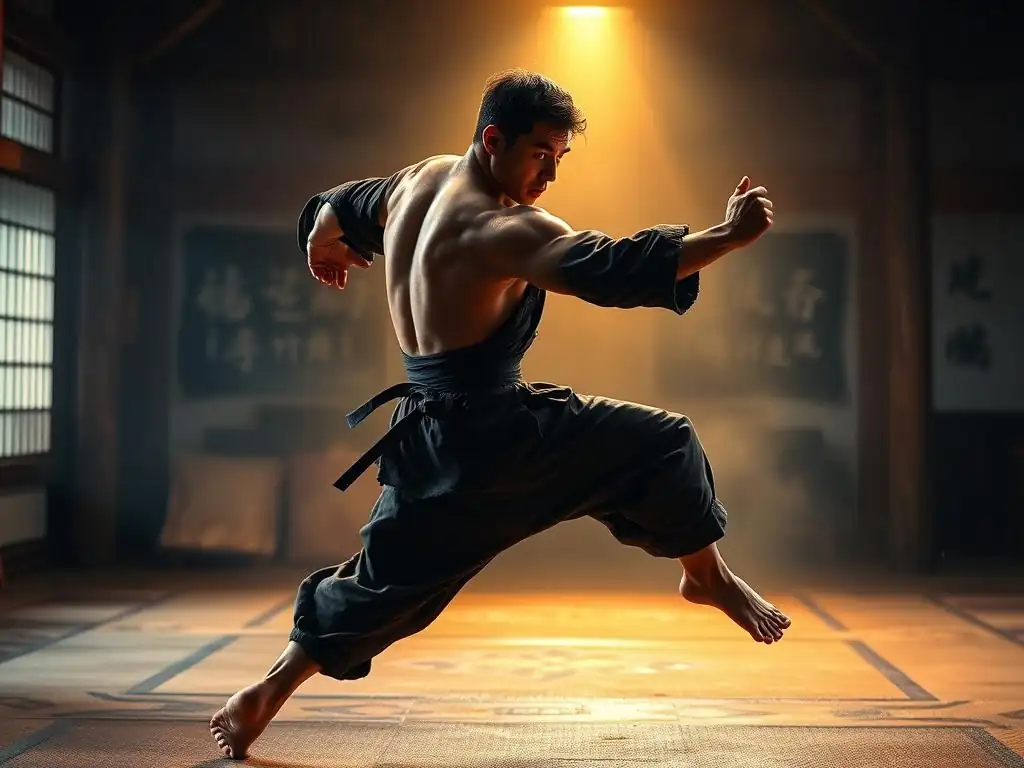
Welcome to Martial Arts Mastery, your gateway to unlocking the profound depths of martial arts knowledge. Ever wondered how a single, seemingly subtle technique could revolutionize an entire fighting style? Dive into the heart of Tomarite's Contribution to Karate's Diverse Tapestry and discover the surprising Tomarite technique karate benefits that shaped the evolution of this iconic discipline. This is just the beginning; explore with us as we unravel history, technique, and philosophy, leaving you eager to master the art within.
- Introduction to Tomarite Karate: An Okinawan Legacy
- Key Characteristics of Tomarite Technique
- The Influence of Tomarite on Modern Karate Styles
- Tomarite Technique Karate Benefits: Physical and Mental
- Comparing Tomarite to Other Okinawan Karate Styles
- Preserving the Legacy of Tomarite Karate
- The Enduring Relevance of Tomarite in Contemporary Martial Arts
- Conclusion: Appreciating Tomarite's Unique Contribution
-
Frequently Asked Questions
- What is Tomarite and how does it relate to Karate?
- What are some of the key characteristics that distinguish Tomarite from other Karate styles?
- What are the benefits of studying Tomarite techniques in modern karate?
- How has Tomarite influenced other karate styles and what is its legacy?
- Where can I find more information about Tomarite and its specific techniques?
- Final Reflection: Weaving Tomarite into Karate's Future
- Ignite Your Karate Journey: Explore Tomarite's Secrets!
Introduction to Tomarite Karate: An Okinawan Legacy
Okinawan karate is a rich mosaic of styles, each contributing unique characteristics to the art's global identity. Among these foundational streams, Tomarite stands out as a distinct tradition originating from the port town of Tomari on Okinawa. While often discussed in conjunction with Shurite and Nahate, Tomarite possesses its own historical trajectory, technical nuances, and philosophical underpinnings that are crucial for understanding the complete picture of Okinawan karate's development. Its techniques, often emphasizing speed, agility, and close-quarters combat, reflect the specific environment and influences of its birthplace.
The practitioners of Tomarite developed a robust system that not only served practical self-defense needs in a bustling port environment but also preserved kata (forms) that are unique or have distinct variations compared to other Okinawan lineages. Studying Tomarite provides valuable insights into the diverse methods employed by early karate masters and helps illuminate the evolutionary path that led to many modern karate styles practiced worldwide today. Understanding this heritage is key to appreciating the depth and breadth of karate.
Understanding the Origins of Tomarite
Tomarite's origins are deeply intertwined with the history of the town of Tomari, one of the three major port towns of the Ryukyu Kingdom (alongside Naha and Shuri). Tomari served as a significant trading hub, frequented by sailors, merchants, and travelers from various regions, including China. This constant influx of people facilitated the exchange of ideas, goods, and, importantly, martial arts knowledge. Early masters in Tomari, such as Koken Oyadomari, Giko Uku, and Kishin Fukuda, are credited with foundational contributions, though precise historical records from this period are sparse, often relying on oral tradition.
The geographical location and the nature of the populace in Tomari likely influenced the development of its fighting methods. Being a port town, interactions could be sudden and close-quarters. The techniques that evolved here often favored practicality, quick movements, and effective methods for dealing with potential threats in confined spaces or unexpected confrontations. This contrasts somewhat with the more formalized martial traditions that might have developed within the royal court of Shuri, or the powerful, rooted methods associated with the merchant class of Naha.
Tomarite's Place Within Okinawan Karate History
Historically, Okinawan karate is often categorized into three main streams based on their towns of origin: Shurite (from Shuri), Nahate (from Naha), and Tomarite (from Tomari). While these distinctions are somewhat simplified, they highlight the regional variations and influences that shaped the art. Tomarite masters were contemporaries of influential figures from other towns, and there was certainly cross-pollination of techniques and kata over time. For instance, some kata, like Passai and Seisan, exist in variations across all three traditions, reflecting shared roots or later exchange.
Prominent figures associated with Tomarite, such as Kosaku Matsumora (1818–1898), played a crucial role in refining and preserving its unique characteristics. Matsumora, a master known for his practical approach and powerful techniques, is considered a pivotal figure whose teachings influenced later generations and other styles. His contributions helped solidify Tomarite's identity and ensure its techniques were passed down. Though perhaps less widely known globally than styles directly descended from Shurite or Nahate lineages, the historical significance of Tomarite as one of the primary pillars of Okinawan karate is undeniable.
Key Characteristics of Tomarite Technique
Tomarite is often characterized by a blend of speed, agility, and practicality. While sharing core principles with other Okinawan styles, its emphasis can differ. Practitioners often utilize dynamic footwork and quick transitions, making it well-suited for close-range engagements. The stances may be slightly higher or more mobile than those found in some Nahate styles, allowing for quicker movement and evasiveness.
The repertoire of techniques in Tomarite includes a variety of strikes, blocks, and joint manipulations. There is a strong focus on efficient movement and generating power through body mechanics rather than relying solely on brute force. The kata preserved within the Tomari lineage serve as repositories of these unique techniques and strategic principles, offering insights into the combat methods favored by its early masters.
Tomarite's Emphasis on Speed and Agility
A hallmark of Tomarite technique is its focus on speed and agility, often attributed to the dynamic nature required for self-defense in a busy port environment. Unlike styles that might prioritize rooted, powerful stances for direct confrontation, Tomarite often emphasizes quick footwork to evade attacks, change angles, and close distances rapidly. This agility allows practitioners to flow between offensive and defensive maneuvers seamlessly.
This emphasis on speed is not merely about moving quickly but about explosive, efficient movement. Techniques are often designed for rapid execution to overwhelm an opponent or exploit openings swiftly. The training methods within Tomarite often incorporate drills that develop fast twitch muscle fibers and improve reaction time, contributing significantly to the overall Tomarite technique karate benefits related to dynamic combat effectiveness.
Unique Stances and Movements in Tomarite Karate
While many basic stances are shared across Okinawan karate, Tomarite often features variations that prioritize mobility. Stances like Naifanchi-dachi (iron horse stance) might be practiced with a greater emphasis on potential movement, allowing for quick sidesteps or transitions. The overall body posture tends to be less rigid, facilitating fluid motion.
Movements in Tomarite often incorporate subtle body shifts and evasive footwork ( taisabaki) to avoid incoming attacks before counter-attacking. This can involve shifting the weight, pivoting, or stepping off the line of attack. Such movements are integral to the Tomarite technique, enabling practitioners to utilize their speed and agility effectively in practical situations.
Seisan (十三)
The kata Seisan (十三), meaning "Thirteen," is a fundamental form found in various Okinawan karate lineages, including Tomarite. In Tomarite, the performance of Seisan often reflects the style's emphasis on dynamic transitions and close-quarters application. The movements may incorporate quicker shifts between stances and a focus on practical, no-nonsense techniques.
Tomarite versions of Seisan, such as those passed down through masters like Kosaku Matsumora or Kishin Fukuda, demonstrate unique interpretations of key sequences. These variations often highlight specific blocking methods, joint locks, or striking angles that are characteristic of the Tomari tradition, providing a distinct lens through which to understand this ancient kata.
Wanshu (腕秀)
Wanshu (腕秀) is another significant kata within the Tomarite repertoire, famously associated with the Chinese envoy Wang Ji (Okinawan: Wanshu), who visited Okinawa in the 17th century. This kata is particularly strong in the Tomari lineage and is considered one of its signature forms. It is known for its unique techniques, including specific body movements and hand techniques.
The Tomarite version of Wanshu often features distinctive elements not always present in variations found in other lineages. These might include particular types of arm techniques, evasive movements, or specific sequences that reflect the combat principles taught by masters who preserved this form within the Tomari tradition. Studying Wanshu is essential for gaining a deeper understanding of the core Tomarite technique.
The Influence of Tomarite on Modern Karate Styles
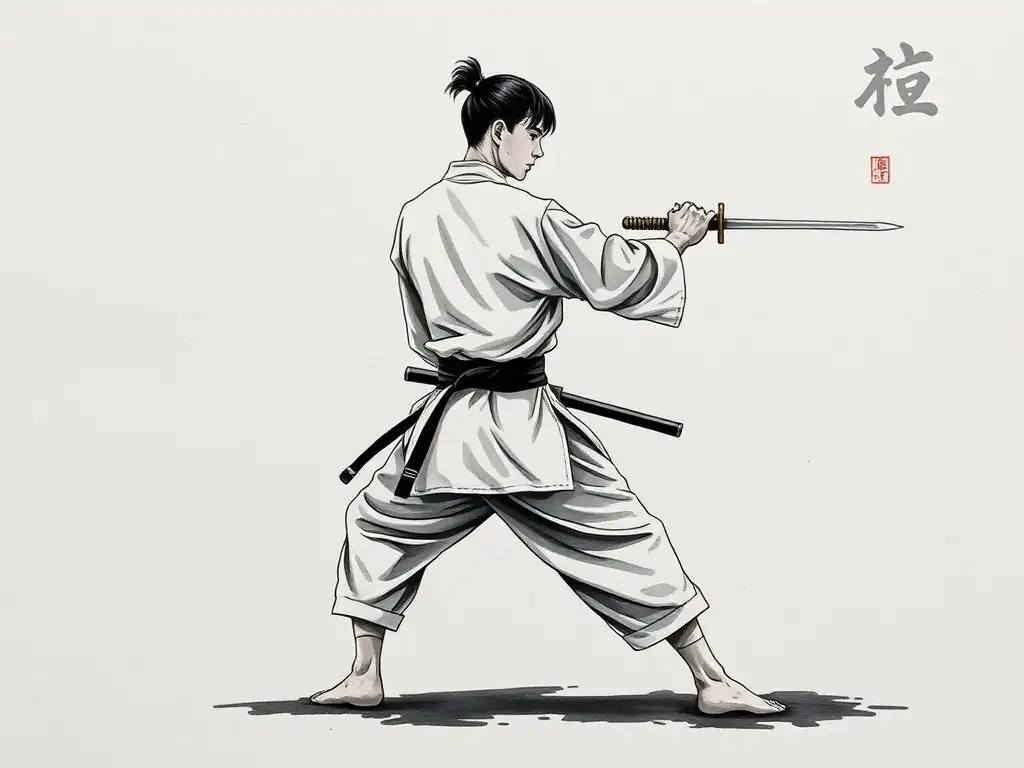
Although Tomarite might not be as widely known as a standalone style today compared to Shotokan or Goju-ryu, its influence permeates many modern karate systems, particularly those derived from Okinawan lineages. The techniques, kata, and principles developed and preserved by Tomari masters were adopted and integrated by subsequent generations, contributing to the diverse landscape of contemporary karate.
Many prominent Okinawan masters who founded or significantly shaped modern styles trained under or were influenced by masters from the Tomari tradition. This cross-pollination ensured that the unique aspects of Tomarite technique, such as its emphasis on agility and specific kata, were carried forward and adapted into new systems, demonstrating the lasting impact of this foundational style.
Tomarite's Impact on Shorin-Ryu Karate
Shorin-ryu, one of the major branches of Okinawan karate, historically draws heavily from both Shurite and Tomarite traditions. Masters like Anko Itosu and Anko Asato, key figures in the development of modern karate and the lineage of Shotokan, had connections to both Shuri and Tomari masters. This dual influence is evident in the Shorin-ryu curriculum, which often includes kata originating from both towns.
Kata such as Passai, Seisan, and Wanshu, which are central to the Tomarite tradition, are also cornerstone forms in many Shorin-ryu schools. While variations exist depending on the specific Shorin-ryu lineage, their inclusion highlights the direct inheritance from Tomari masters. The dynamic movements and techniques found in these kata have shaped the technical characteristics of Shorin-ryu, illustrating a clear lineage of Tomarite technique within this widespread style.
Tomarite's influence on Chotoku Kyan and his style of Shorin-Ryu.
Chotoku Kyan (1870–1945) was one of the most influential Okinawan karate masters, known for his unique style which contributed significantly to various Shorin-ryu lineages, including Shobayashi-ryu. Kyan's training history included instruction from masters deeply rooted in the Tomari tradition, such as Kosaku Matsumora. This direct tutelage profoundly shaped Kyan's karate.
Kyan is particularly known for his distinctive versions of kata like Seisan, Wanshu, and Passai, forms strongly associated with Tomari. His interpretations often emphasized fluidity, quick movements, and practical application, reflecting the Tomarite principles he absorbed. Kyan's legacy, passed down through his many students, ensured that the essence of Tomarite technique continued to influence the development of modern Shorin-ryu styles, demonstrating a crucial link in karate's history.
The Lineage of Tomarite Masters and Their Contributions
The preservation and transmission of Tomarite techniques owe much to a succession of dedicated masters. Early figures like Koken Oyadomari and Kishin Fukuda laid the groundwork, developing and refining the style's core principles. Later, masters such as Kosaku Matsumora became central figures, known for their mastery and their role in passing the tradition to the next generation.
Matsumora's students included prominent figures like Chotoku Kyan and Choki Motobu, both of whom became highly influential masters in their own right, though their interpretations and subsequent styles varied. This lineage demonstrates how Tomarite's teachings spread and blended with other influences, contributing to the broader evolution of Okinawan karate. Their contributions solidified the fundamental Tomarite technique and ensured its survival through integration into descendant styles.
Tomarite Technique Karate Benefits: Physical and Mental
Engaging in Tomarite technique training offers a wide array of benefits, impacting both the physical body and mental faculties. The dynamic movements, emphasis on agility, and rigorous kata practice contribute to significant improvements in physical fitness, including strength, flexibility, and cardiovascular health. The intricate nature of the techniques also hones coordination and reflexes.
Beyond the physical, the disciplined practice inherent in learning Tomarite technique cultivates essential mental qualities. It requires focus, perseverance, and a deep understanding of one's own body and limitations. These mental benefits are just as crucial as the physical ones, contributing to overall well-being and personal development.
Enhancing Physical Fitness Through Tomarite Training
Training in Tomarite technique is a comprehensive physical workout. The practice of kata involves dynamic stances, powerful strikes, and often explosive movements that engage multiple muscle groups simultaneously. Regular training builds functional strength, particularly in the legs, core, and shoulders, which are essential for generating power and maintaining stability.
Furthermore, the continuous movement and varied intensity within kata and partner drills provide excellent cardiovascular conditioning. The low stances and stretching inherent in warm-ups and techniques improve flexibility and range of motion, reducing the risk of injury and enhancing overall physical capability. These physical demands highlight core Tomarite technique karate benefits for practitioners seeking robust fitness.
Improved Coordination and Reflexes
The intricate sequences of movements found in Tomarite kata and the emphasis on quick, evasive footwork are highly effective in developing coordination. Learning to synchronize different parts of the body for simultaneous blocking and striking, or smoothly transitioning between stances, refines motor skills and body awareness.
The focus on speed and reaction time in Tomarite technique training directly translates to improved reflexes. Drills that simulate spontaneous attacks or require rapid responses enhance the ability to react quickly and appropriately under pressure. This heightened coordination and faster reflexes are practical Tomarite technique karate benefits, applicable both within martial arts practice and in daily life.
Mental Discipline and Focus Cultivated by Tomarite
Mastering Tomarite technique demands significant mental discipline. Learning complex kata requires concentration, patience, and persistent effort to refine each movement. The process of memorizing sequences and understanding their underlying applications sharpens cognitive skills and improves focus.
Beyond memorization, the practice encourages mindfulness and self-control. Maintaining composure during strenuous training or simulated combat scenarios builds mental resilience. The dedication required to progress in Tomarite technique fosters perseverance and a strong work ethic, demonstrating profound mental Tomarite technique karate benefits that extend far beyond the dojo.
Comparing Tomarite to Other Okinawan Karate Styles
While sharing a common Okinawan heritage, Tomarite exhibits distinct characteristics when compared to the other main streams, Shurite and Nahate. These differences stem from varying historical influences, preferred applications, and the emphasis placed on specific physical attributes and techniques. Understanding these distinctions helps clarify the unique position of Tomarite within Okinawan martial arts.
The comparison is not about determining superiority but appreciating the diversity that arose from different approaches to combat and self-defense in distinct Okinawan towns. Each style developed methods best suited to its perceived needs and the influences it absorbed, contributing valuable, yet different, facets to the overall art of karate.
Tomarite vs. Shurite: A Stylistic Comparison
Shurite, originating from the capital city of Shuri, often emphasized long-range techniques, powerful strikes, and fluid body movement, influenced partly by the martial arts practiced by the Okinawan royalty and samurai class. Styles like Shorin-ryu and Shotokan trace significant lineage to Shurite masters. Kata such as Kanku Dai (Kushanku) are central to this tradition.
In contrast, Tomarite, from the port town, often placed a greater emphasis on speed, agility, and potentially closer-range engagements suitable for confined spaces or sudden confrontations. While both traditions share common kata, the bunkai (application) and the specific execution of techniques can differ, with Tomarite often prioritizing quick, evasive entries and practical, direct responses, highlighting subtle but important differences in Tomarite technique compared to its Shuri counterpart.
Tomarite vs. Nahate: Key Differences in Approach
Nahate, developed in the merchant port of Naha, is often characterized by powerful, rooted stances, strong blocking techniques, and circular movements, drawing influence from Southern Chinese martial arts, particularly Fujian White Crane. Styles like Goju-ryu and Uechi-ryu are prominent examples of Nahate lineages. Kata such as Sanchin and Tensho are foundational in Nahate.
Tomarite, while also a port town style, generally favors more dynamic and mobile stances compared to the deep, static postures often seen in Nahate. The emphasis in Tomarite leans towards speed and agility for evasion and quick counter-attacks, whereas Nahate often focuses on generating immense power from a stable base and absorbing impacts. These contrasting approaches demonstrate fundamental differences in the preferred Tomarite technique versus the methods developed in Naha.
The Blending of Styles: Cross-Influence within Okinawan Karate
Despite the historical classification into distinct streams, there was significant cross-pollination and blending of techniques and kata among Shurite, Nahate, and Tomarite masters over centuries. Masters often trained under teachers from different traditions, bringing diverse influences into their own practice and teaching.
This blending is evident in the existence of shared kata like Passai and Seisan across all three lineages, albeit with variations. It also explains why modern styles often show characteristics that can be traced back to more than one historical stream. The fluid exchange of knowledge ensured that Okinawan karate evolved as a dynamic art, with Tomarite technique contributing its unique flavor to the broader tradition.
Preserving the Legacy of Tomarite Karate
Ensuring the survival and accurate transmission of Tomarite technique is a crucial task for contemporary practitioners and historians. As with many traditional martial arts, the risk of techniques being lost or altered over time is ever-present. Dedicated efforts are required to document, teach, and practice the unique aspects of the Tomari tradition faithfully.
Modern dojos and individual masters committed to Okinawan karate lineages that incorporate Tomarite elements play a vital role in this preservation. By focusing on the historical context, the specific technical details, and the underlying principles, they help keep the legacy of Tomari masters alive for future generations, allowing more people to experience the benefits of Tomarite technique.
The Role of Modern Dojos in Maintaining Tomarite Traditions
Modern dojos that trace their lineage back to masters influenced by Tomarite play a crucial role in preserving this historical style. These dojos often dedicate significant time to teaching the specific kata associated with Tomari, such as Wanshu and distinct versions of Passai and Seisan. They emphasize the unique footwork, body mechanics, and applications characteristic of the Tomari tradition.
Beyond just teaching the physical techniques, these dojos strive to educate students on the history and philosophy behind Tomarite. They often share stories of the old masters and explain the context in which these techniques developed. This holistic approach ensures that the essence of Tomarite technique is understood and appreciated, not just replicated physically.
Fusei Kise and his efforts to document and transmit Tomarite techniques.
Fusei Kise (1935–2024) was a prominent Okinawan karate master who played a significant role in preserving and promoting the Shorin-ryu style, which carries strong influences from Tomarite. Kise trained under notable masters, including Shigeru Nakamura, who himself was a student of Chotoku Kyan, establishing a direct link to the Tomari lineage.
Master Kise dedicated decades to teaching and documenting the techniques and kata he inherited. His efforts included publishing books and instructional materials that detailed the specific movements and applications of forms like Wanshu and Kyan's versions of other kata. Through his widespread teaching and documentation, Kise significantly contributed to the global transmission of Tomarite technique embedded within his Shorin-ryu system.
Resources for Learning and Exploring Tomarite Karate
While finding schools that teach "pure" Tomarite as a standalone system can be challenging today, its techniques and kata are preserved within various Okinawan Shorin-ryu lineages. Practitioners interested in exploring Tomarite technique should seek out dojos with direct historical ties to masters influenced by the Tomari tradition, such as those tracing lineage through Chotoku Kyan or Kosaku Matsumora.
Valuable resources also exist in historical texts, interviews with senior Okinawan masters, and documented records of kata passed down through specific schools. Although direct historical figures like Matsumora left no written manuals in the modern sense, their teachings were meticulously preserved by students. Researching the history and curriculum of specific Shorin-ryu branches often reveals the strong presence of Tomarite technique and its associated kata.
The Enduring Relevance of Tomarite in Contemporary Martial Arts
Despite the rise of modern combat sports and the global spread of highly standardized karate styles, the principles and techniques of Tomarite retain significant relevance. Its emphasis on practicality, speed, and adaptability offers valuable lessons for contemporary martial artists, whether they practice traditional karate or other combat disciplines.
The core tenets of Tomarite technique, focused on efficient movement and effective self-defense, remain applicable in real-world situations. Furthermore, studying the historical development of styles like Tomarite provides a deeper understanding of the roots of modern karate and highlights the evolutionary process of martial arts.
Applying Tomarite Principles in Self-Defense Scenarios
The focus on speed, agility, and close-quarters effectiveness in Tomarite technique makes its principles highly applicable in self-defense scenarios. Real-world confrontations are often chaotic and occur at close range. The ability to quickly evade, control distance, and execute rapid, decisive techniques is paramount.
Tomarite's emphasis on practical bunkai (application of kata movements) focuses on efficient ways to deal with grabs, strikes, and restraints. Techniques derived from kata like Wanshu or Seisan often include joint manipulations, rapid striking combinations, and methods for unbalancing an opponent. These direct, no-nonsense approaches are key Tomarite technique karate benefits when considering self-defense.
Tomarite's Contribution to the Evolution of Karate
Tomarite was not a static art; it evolved through the contributions of generations of masters and its interaction with other Okinawan and Chinese martial traditions. Its unique kata and technical emphasis influenced the development of subsequent styles, most notably various branches of Shorin-ryu.
By preserving specific forms and focusing on particular combat principles, Tomarite ensured that a distinct set of martial knowledge was carried forward. This knowledge, integrated into later systems, provided a broader technical foundation for modern karate, demonstrating that the Tomarite technique was a vital component in the art's overall evolution.
Tomarite footwork principles applied to defensive movement in kickboxing.
While kickboxing is a modern combat sport, the foundational principles of effective movement are universal. The emphasis on quick, evasive footwork found in Tomarite technique can be directly applied to defensive movement in kickboxing. Rather than solely relying on blocking or absorbing strikes, a kickboxer can utilize rapid lateral shifts, pivots, or angle changes derived from Tomarite taisabaki to avoid incoming punches and kicks.
For instance, the ability to quickly step off the line of attack while simultaneously preparing for a counter-strike, a characteristic of Tomarite footwork, is a highly effective defensive strategy in kickboxing. This allows the fighter to minimize damage while creating opportunities to respond. Such adaptations highlight how the practical Tomarite technique karate benefits extend beyond traditional practice into contemporary fighting systems.
Conclusion: Appreciating Tomarite's Unique Contribution
Tomarite, as one of the foundational streams of Okinawan karate, holds a significant place in the history and development of the art. Its unique characteristics, shaped by the environment of the port town of Tomari and the insights of its dedicated masters, contributed a distinct flavor to the Okinawan martial heritage. The emphasis on speed, agility, and practical technique, preserved within its specific kata, continues to influence modern styles.
Understanding Tomarite is essential for anyone seeking a comprehensive appreciation of karate's diverse tapestry. The Tomarite technique karate benefits, spanning from enhanced physical fitness and coordination to mental discipline and practical self-defense skills, underscore its enduring value. By studying its history, kata, and principles, we gain deeper insight into the ingenuity and dedication of the pioneers who shaped this profound martial art.
Tomarite's Significance in the Broader Context of Martial Arts History
In the grand narrative of martial arts history, Tomarite represents a crucial link in the chain of transmission and evolution from Okinawan Te to modern karate. It stands as a testament to the localized development of fighting methods, influenced by regional needs and cultural exchange, yet contributing to a larger, unified art form. Its interaction with Shurite and Nahate highlights the dynamic nature of martial arts development, where distinct traditions borrowed, adapted, and integrated techniques.
The survival of Tomarite techniques and kata within descendant styles ensures that the knowledge and insights accumulated by masters like Kosaku Matsumora are not lost. Recognizing Tomarite's unique contribution allows us to appreciate the rich diversity within Okinawan karate and understand how different approaches ultimately enriched the entire art, providing valuable lessons for martial artists worldwide.
Frequently Asked Questions
What is Tomarite and how does it relate to Karate?
Tomarite is one of the three major styles of Okinawan karate, alongside Shuri-te and Naha-te. It significantly influenced the development of modern karate techniques and forms.
What are some of the key characteristics that distinguish Tomarite from other Karate styles?
Tomarite is known for its long-range techniques, emphasis on swift movements, and direct, linear attacks. It's also characterized by its practical self-defense applications.
What are the benefits of studying Tomarite techniques in modern karate?
Studying Tomarite provides a deeper understanding of karate's history and evolution. It also expands a practitioner's skill set with different stances and attacking strategies.
How has Tomarite influenced other karate styles and what is its legacy?
Tomarite's principles and techniques have been integrated into various modern karate styles, especially Shorin-ryu. Its legacy lies in its contribution to karate's diverse tapestry and its focus on practicality.
Where can I find more information about Tomarite and its specific techniques?
Websites like MartialArtsMastery.org can provide more detailed historical overviews, training techniques, and information about legendary practitioners of Tomarite karate.
Final Reflection: Weaving Tomarite into Karate's Future
The exploration of Tomarite's contribution to karate reveals a lineage often overshadowed, yet undeniably vital. Understanding Tomarite technique unlocks a deeper appreciation for the diverse roots of modern karate and its continuing evolution. Its principles, though historically specific, offer valuable insights into efficient movement, close-quarters combat, and the importance of adaptability – qualities increasingly relevant in today's dynamic world.
The subtle yet profound influence of Tomarite continues to shape the landscape of karate, even if its specific forms are not always explicitly practiced. Its emphasis on practical application and efficient power generation resonates deeply with those seeking a more functional and effective martial art. The ultimate aim of Karate lies not in victory nor defeat, but in the perfection of the character of its participants.
- Gichin Funakoshi. This quote, while broadly applicable to karate, speaks directly to Tomarite's focus on internal development and the cultivation of a strong, resilient spirit.
As you reflect on the rich history and practical benefits of Tomarite, consider how its principles of efficiency, adaptability, and internal strength can be applied not only to your karate practice, but also to your daily life. Embrace the spirit of continuous learning and exploration, and allow the wisdom of Tomarite to guide you towards a deeper understanding of yourself and the world around you.
Ignite Your Karate Journey: Explore Tomarite's Secrets!
Thank you for delving into the world of Tomarite and its profound influence on Karate. We hope this article has sparked a deeper appreciation for this vital piece of martial arts history. Ready to take your understanding further?
Here's how you can continue your journey:
- Begin researching a specific kata or technique unique to the Tomarite lineage and compare it to its Shotokan or Goju-ryu counterparts. What subtle differences can you uncover?
- Explore local dojos or martial arts groups in your area that specialize in styles related to Tomarite, such as Shorin-ryu or Matsubayashi-ryu, and consider attending a trial class.
- Share this article with fellow martial arts enthusiasts and start a discussion about the importance of preserving and understanding the diverse roots of Karate.
Which Tomarite-related technique are you most excited to investigate further, and why?