
Drills for Integrating Trapping and Sweeps in Praying Mantis

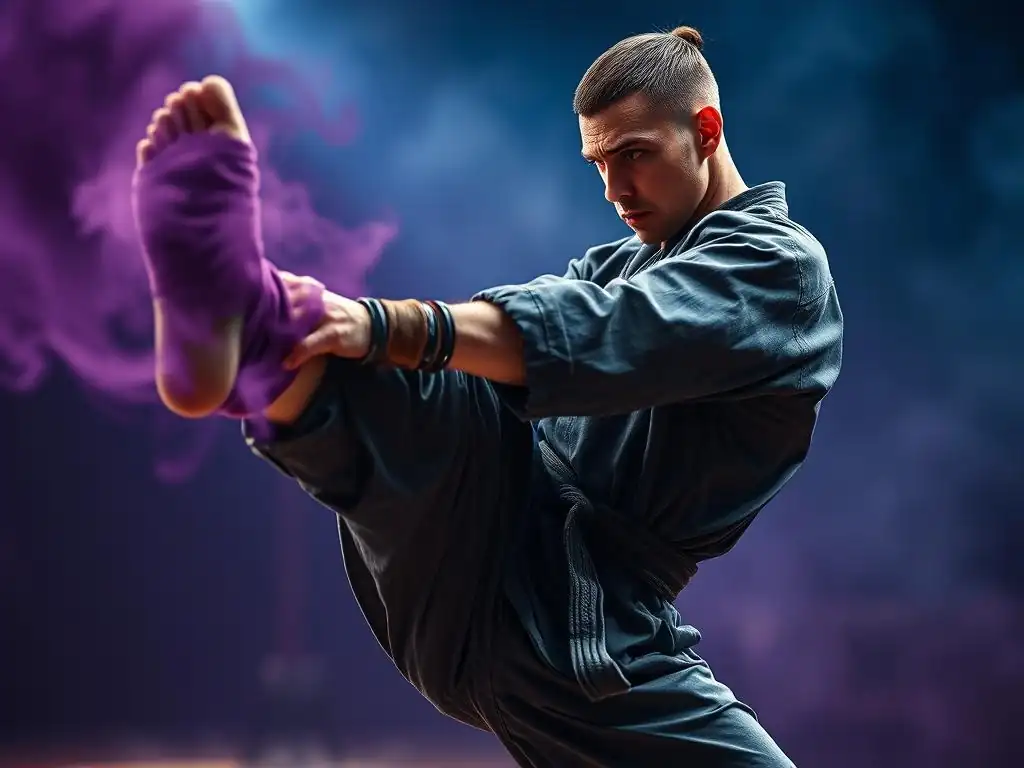
Welcome to Martial Arts Mastery, your gateway to understanding the profound depths of combat traditions worldwide. Delve into the intricate world of Praying Mantis Kung Fu with us, where we'll explore how to unlock the potential of this unique style. Ever wondered how to seamlessly blend trapping and sweeping techniques? This article unveils essential drills for integrating trapping and sweeps in Praying Mantis, offering a practical pathway to elevate your skills. Discover the secrets that make this art both beautiful and devastatingly effective. Read on to begin your journey!
- Praying Mantis Kung Fu: Integrating Trapping and Sweeps
- Introduction to Trapping and Sweeps in Praying Mantis
- Foundational Trapping Drills
- Foundational Sweeping Drills
- Integrating Trapping and Sweeping: Combination Drills
- Advanced Trapping and Sweeping Drills
- Troubleshooting Trapping and Sweeping
- Conclusion: Mastering Trapping and Sweeps
-
Frequently Asked Questions
- How do praying mantis trapping sweep drills enhance self-defense capabilities?
- What is the historical significance of trapping and sweep techniques in Praying Mantis Kung Fu?
- What are some common mistakes practitioners make when learning praying mantis trapping sweep drills?
- How can beginners effectively start learning Praying Mantis trapping sweep drills?
- What are the benefits of incorporating these drills into a broader martial arts training regime?
- Final Reflection: Mastering the Dance of Control
- Unleash Your Inner Mantis: Take Action Now!
Praying Mantis Kung Fu: Integrating Trapping and Sweeps
Introduction to Trapping and Sweeps in Praying Mantis
Core Principles of Praying Mantis Trapping
Praying Mantis Kung Fu, known for its agile and deceptive movements, places significant emphasis on trapping. This involves controlling an opponent's limbs, primarily the arms, to neutralize their offensive capabilities and create openings for attack. The core principles revolve around intercepting incoming force, adhering to the opponent's movement ("sticking"), and then controlling or diverting their limb ("trapping"). This is not merely a defensive tactic but an aggressive form of defense that immediately transitions into offense.
The philosophy behind trapping in Praying Mantis is rooted in the style's namesake insect: quick, precise, and overwhelming. Techniques like Gou (hook), Lou (scoop), Da (strike), and Chou (jerk) are fundamental to trapping. Mastery requires developing acute sensitivity to pressure and direction of force, often referred to as "listening energy" or ting jing. Effective trapping can disrupt an opponent's balance, timing, and power generation, making them vulnerable to subsequent techniques.
The Role of Sweeps in Praying Mantis Combat
Sweeps, or leg techniques designed to unbalance or fell an opponent, are integral to the comprehensive combat system of Praying Mantis Kung Fu. While the style is renowned for its intricate hand techniques and trapping, leg attacks provide a crucial dimension, targeting the lower gate to disrupt the opponent's foundation. Sweeps are often used in conjunction with upper body movements, creating a sophisticated interplay between hand and footwork.
The application of sweeps in Praying Mantis is strategic, often targeting the opponent's supporting leg or disrupting their stance during movement. Techniques range from simple ankle sweeps to more complex inside or outside leg reaps. The effectiveness of a sweep is heavily dependent on timing, leverage, and proper body mechanics, particularly maintaining one's own balance while executing the technique. Successfully integrating sweeps allows practitioners to control all three levels of combat: high (head/neck), middle (torso/arms), and low (legs/feet).
Synergistic Integration of Trapping and Sweeping
The true power of Praying Mantis Kung Fu lies in the seamless integration of its diverse techniques, particularly the combination of trapping and sweeping. These two elements are not mutually exclusive but are designed to complement and enhance each other. Trapping the upper body can fix an opponent's posture or distract them, making their legs vulnerable to a sweep. Conversely, a failed sweep attempt can transition into a trapping sequence as the opponent reacts and shifts their weight.
This synergistic approach requires a deep understanding of timing, distance, and the opponent's reactions. Practicing Praying Mantis trapping sweep drills helps develop the fluidity needed to transition between hand control and leg attacks. For instance, trapping an opponent's arm can prevent them from posting or regaining balance effectively when their leg is targeted by a sweep. Mastering these combinations creates a multi-layered attack that is difficult for an opponent to defend against, embodying the agile and unpredictable nature of the Praying Mantis.
Foundational Trapping Drills
Sensitivity and Reaction Time Development for Trapping
Developing sensitivity and reaction time is paramount for effective trapping in Praying Mantis Kung Fu. Sensitivity, or ting jing, allows a practitioner to "listen" to the opponent's energy and intentions through physical contact, anticipating their movements and force direction. This is honed through consistent partner drills that focus on subtle pressure changes and limb manipulations rather than brute force. A common drill involves partners placing hands lightly on each other's forearms and attempting to redirect or control the other's movement based purely on tactile feedback, often starting slowly and gradually increasing speed.
Reaction time is the ability to respond quickly and appropriately to an opponent's action. In trapping, this means intercepting or controlling a limb the moment an attack is initiated or a vulnerability appears. Drills designed to improve reaction time often involve unpredictable stimuli.
For example, a partner might randomly extend an arm (like a jab or hook) and the practitioner must immediately execute a specific trap or control technique. The goal is to reduce the latency between the opponent's action and the practitioner's response to fractions of a second, making trapping a reflexive action rather than a conscious decision, much like the speed observed in the praying mantis strike.
Drill 1: Interception and Control Drill
This fundamental drill focuses on the initial phase of trapping: intercepting an incoming limb and establishing control.
Detailed explanation of stance, hand positions, and common errors
The drill begins with both partners assuming a stable, balanced stance, such as the traditional Praying Mantis horse stance or a natural fighting stance. The hands are held loosely in front of the body, ready to react. One partner initiates a simple, linear attack, such as a forward punch or a diagonal chop, aiming towards the other's upper body.
The defender's objective is to intercept the incoming limb as early as possible using a trapping technique like Gou (hooking) or Lou (scooping), diverting its line of attack and gaining control. Hand positions are critical; they should be relaxed yet ready, utilizing the wrist and finger strength characteristic of Praying Mantis. Common errors include using excessive force, which can lead to stiffness and loss of sensitivity, or reacting too late, allowing the attack to gain momentum.
Practitioners should focus on adhering to the limb's movement, using minimal necessary force to redirect and control it, ensuring the elbow remains slightly bent and the shoulders relaxed. Practicing this drill for just 10-15 minutes daily can significantly improve initial interception timing.
Drill 2: Partnered Sensitivity Training for Trapping
This drill specifically cultivates the tactile sensitivity crucial for advanced trapping applications.
Focus on sensitivity to movement and intention
Partners stand facing each other, lightly touching forearms or wrists. The goal is not to overpower but to feel the subtle shifts in pressure, tension, and direction exerted by the partner. One partner initiates a very slow, minimal movement, perhaps a slight push, pull, or rotation of the arm. The other partner must respond by adhering to and neutralizing this movement without breaking contact or using significant force.
This training emphasizes ting jing, or listening energy. It teaches practitioners to read their opponent's intentions through physical contact, anticipating their next move before it fully manifests. Variations include closing eyes to heighten tactile awareness, or gradually introducing very slow, simple attacks (like a slow, pushing hand) that must be trapped and controlled based purely on feeling. This type of sensitivity practice, even for 5-10 minutes per session, directly translates to faster reaction times and more effective trapping in dynamic situations, allowing traps to flow seamlessly like water.
Drill 3: Footwork for Trapping Opportunities
Effective trapping is heavily reliant on creating the correct distance and angle, which is achieved through precise footwork.
Importance of footwork in creating opportunities
This drill integrates movement with trapping techniques. Partners move around a designated area, mimicking sparring footwork (shuffling, stepping, circling). One partner occasionally throws a simple, telegraphed attack (e.g., a slow jab or forward push). The defender must use appropriate footwork – such as an angular step, a sidestep, or a forward advance – to move into the optimal position and distance to execute a trap.
The importance of footwork lies in controlling the engagement range. By stepping slightly off-line or closing distance effectively, a practitioner can turn a strong incoming attack into a vulnerable limb ripe for trapping. Conversely, stepping back or circling can create space if the initial trapping attempt fails or if the opponent is too strong. This drill highlights that trapping is not just about hand techniques but about the entire body working in concert. Aiming to execute at least 20 successful trapping entries using varied footwork patterns per session helps solidify this connection between movement and trapping opportunity.
Foundational Sweeping Drills
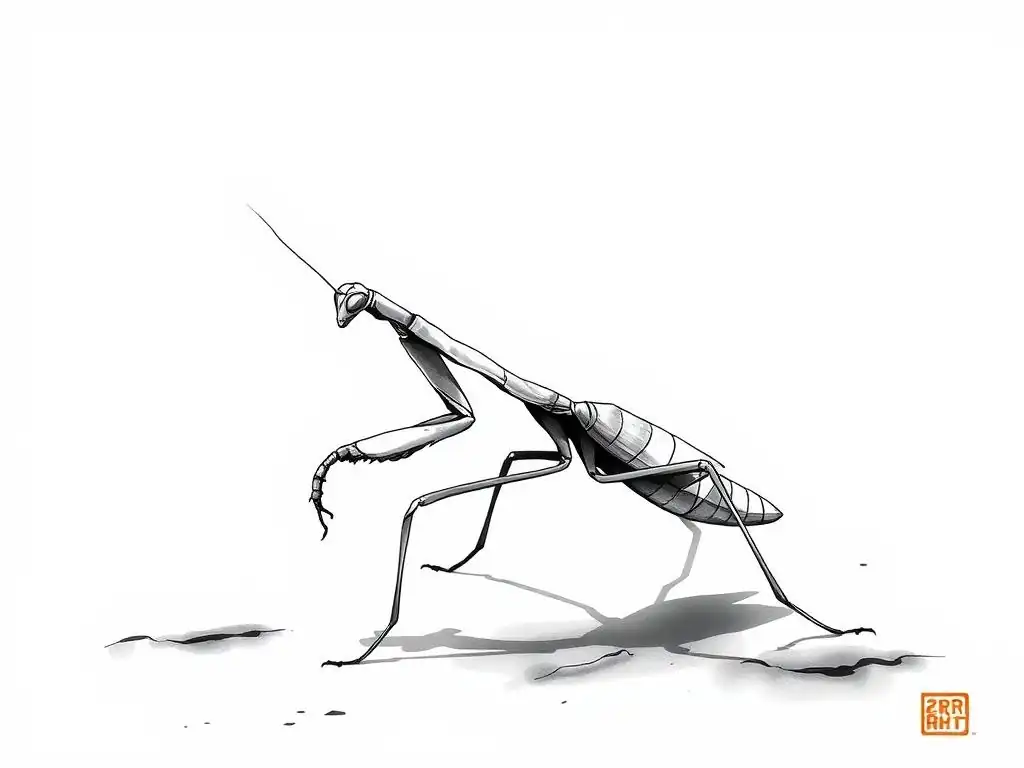
Basic Sweeping Techniques: Footwork and Balance
Mastering basic sweeping techniques requires precise footwork and excellent balance, both for execution and recovery. Sweeps typically involve using the leg or foot to disrupt the opponent's base, often targeting the ankle, calf, or knee area. The footwork is crucial for positioning the sweeping leg correctly relative to the opponent's stance and weight distribution. Simultaneously, maintaining one's own balance is paramount; a failed sweep attempt can leave the practitioner vulnerable if they lose their footing.
Training focuses on planting the supporting leg firmly while the sweeping leg executes a quick, controlled motion. The power for a sweep comes from the rotation of the hips and torso, not just the leg muscles. Practicing the mechanics of different sweeps – inside ankle sweep, outside leg sweep, etc. – repeatedly without a partner helps build muscle memory. A key aspect is learning to recover balance immediately after the sweeping motion, whether the sweep is successful or not, ensuring the practitioner is ready for subsequent actions.
Drill 1: Stationary Sweep Practice
This drill focuses on perfecting the mechanics of the sweep technique itself in a controlled environment.
Proper leg movement, balance, and power generation
The practitioner stands in place, or facing a stationary target (like a training dummy or even an imaginary opponent). They practice specific sweeping motions, such as an inside ankle sweep or an outside leg sweep. The focus is on the correct path of the sweeping leg, ensuring it stays low to the ground and targets the intended area.
Maintaining balance on the supporting leg is essential throughout the motion. The practitioner should feel the core engaging to stabilize the body. Power generation comes from a sharp turn of the hips and torso accompanying the leg movement, delivering a quick, impactful force to the target leg. Repeating each type of sweep 20-30 times on both legs, focusing purely on form and balance, builds the foundational muscle memory needed for effective sweeps in dynamic situations. This stationary practice is the bedrock upon which more complex Praying Mantis trapping sweep drills are built.
Drill 2: Moving Sweep Targeting Drill
Applying sweeps effectively requires hitting a moving target at the right time. This drill introduces movement.
Movement and target practice for accuracy and timing
One partner moves around naturally, mimicking typical sparring footwork (shuffling, stepping). The other partner follows, maintaining appropriate distance, and attempts to execute a sweep whenever an opening appears – for instance, when the moving partner shifts weight onto a leg, or when one leg is extended slightly.
The focus is on timing the sweep correctly with the opponent's movement and accurately targeting the vulnerable leg. This drill helps practitioners recognize opportunities for sweeps in a dynamic context. It also reinforces the need for quick, precise movements. Practicing this drill for 10-15 minutes per session, attempting different types of sweeps against varied movements, significantly improves the practitioner's ability to land sweeps effectively in sparring or self-defense scenarios. Accuracy in targeting is often more crucial than power at this stage.
Drill 3: Sweeping Defense Against Attacks
Sweeps can also be used defensively, disrupting an opponent's attack by targeting their base.
Intercepting and sweeping incoming attacks effectively
This drill involves one partner initiating a simple attack that requires forward movement or commitment of weight, such as a forward punch or a stepping-in technique. The defender's task is to use a sweep to disrupt the attacker's balance as they are committing to the attack. For example, as an attacker steps in with their lead leg for a punch, the defender might execute an outside sweep targeting that leg.
This drill emphasizes timing and leverage. The sweep must intercept the attacker's movement at the moment of maximum vulnerability, usually when their weight is transitioning or settled on the target leg. It requires reading the opponent's intention and reacting instantly. Practicing defensive sweeps against 15-20 incoming attacks per session helps develop the reactive timing necessary to use sweeps as a counter-offensive strategy, adding another layer to Praying Mantis trapping sweep drills.
Integrating Trapping and Sweeping: Combination Drills
Combining Hand Techniques with Leg Sweeps
The true genius of Praying Mantis Kung Fu lies in its ability to combine hand and leg techniques seamlessly. Combining trapping hand techniques with leg sweeps creates a devastating multi-level attack that is difficult to defend. Trapping can control the opponent's upper body, preventing them from posturing or using their arms to regain balance when their legs are attacked. Conversely, a sweep attempt can force a reaction from the opponent, creating an opening for a follow-up trap or strike with the hands.
Effective combination requires smooth transitions. The hands might engage first to distract or control, immediately followed by a sweep. Or, a sweep might be initiated, and as the opponent reacts, the hands spring into action to trap or strike. This layered approach keeps the opponent constantly guessing and defending on multiple fronts. Mastery of these combinations is a hallmark of advanced Praying Mantis trapping sweep drills, demanding high levels of coordination, timing, and adaptability.
Drill 1: Trap Entry to Sweep Transition
This foundational combination drill focuses on transitioning smoothly from controlling the opponent's arms to attacking their legs.
Transitioning from trap to leg sweep
Partners face each other. Partner A initiates a simple attack (e.g., a jab). Partner B intercepts and traps the arm using a basic trapping technique (e.g., a Lou scoop followed by a Gou hook to secure the arm). Immediately after establishing the trap and controlling the arm, Partner B transitions to executing a sweep targeting Partner A's nearest leg or supporting leg, aiming to unbalance or fell them.
The key here is the fluidity of the transition. The trap should ideally fix the opponent's upper body or distract them, making the leg vulnerable. The sweep follows without hesitation, leveraging the momentary imbalance or lack of upper-body defense caused by the trap. Practicing this sequence 20-30 times per session, ensuring the trapped arm prevents the opponent from easily stepping away or posting, is crucial for developing effective Praying Mantis trapping sweep drills that link hand and foot techniques.
Drill 2: Sweep Setup for Trapping
This drill reverses the sequence, using a sweep attempt to create an opening for hand techniques.
Creating openings for trapping hand techniques
Partners face each other. Partner A initiates a sweep attempt (e.g., an outside leg sweep) targeting Partner B. Partner B reacts to defend or evade the sweep (e.g., lifting the leg, stepping back). As Partner A's sweep attempt finishes (whether successful in forcing a reaction or not) and Partner B is reacting, Partner A immediately follows up with a trapping technique targeting Partner B's arms, which may be exposed or out of position due to their reaction to the sweep.
This drill teaches practitioners to use leg attacks not only to fell an opponent but also as a setup. A sweep attempt, even if blocked, forces the opponent to shift weight and focus downwards, often leaving their upper body momentarily open or their arms committed elsewhere. Capitalizing on this fraction of a second with a quick trap can be highly effective. Repeating this sequence 15-20 times per session helps develop the timing needed to exploit the openings created by leg attacks in Praying Mantis trapping sweep drills.
Drill 3: Continuous Flow Drill: Trapping and Sweeping
This advanced drill combines the elements of the previous two, emphasizing fluidity and adaptability.
Developing fluidity and adaptability
Partners engage in light, semi-free sparring focused specifically on applying trapping and sweeping techniques and their combinations. The goal is not necessarily to score points or knock the partner down forcefully, but to practice transitioning seamlessly between trapping sequences and sweeping attempts. If a trap is applied, look for a sweep opportunity. If a sweep is initiated, look for a trapping opportunity as the partner reacts.
This drill encourages practitioners to read the flow of combat and apply the appropriate technique or combination spontaneously. It develops the ability to chain techniques together – trap, sweep, trap again, perhaps another sweep attempt – adapting to the opponent's defense and reactions. Practicing this for rounds of 2-3 minutes, focusing on smooth transitions rather than power, is essential for mastering the integrated application of Praying Mantis trapping sweep drills in realistic scenarios, building true flow and adaptability.
Advanced Trapping and Sweeping Drills
Incorporating Joint Locks after Trapping and Sweeping
Advanced Praying Mantis trapping sweep drills often incorporate joint locks as follow-up techniques. Once an opponent is trapped or unbalanced by a sweep, their limbs or body may be in a vulnerable position, ripe for a joint manipulation. Trapping an arm can transition into an elbow or wrist lock. Unbalancing an opponent with a sweep might expose a knee or ankle for a lock, or put them in a position where an arm or shoulder lock becomes accessible as they fall or try to recover.
This level of integration requires precise control and timing. The joint lock is not a separate technique but a natural extension of the trapping or sweeping action. It leverages the control or disruption already achieved. For example, after trapping an arm and preventing withdrawal, slightly altering the angle or applying leverage can transition it into a painful lock. Similarly, as an opponent is falling from a sweep, maintaining control of a limb can lead directly into a lock as they hit the ground.
Drill 1: Trap, Sweep, and Joint Lock Combination
This drill focuses on executing a sequence that includes all three elements.
Seamless transition to a joint lock
Partners engage, and one partner initiates a sequence: first, a trap on an opponent's arm; second, immediately following the trap, a sweep targeting a leg; and third, as the opponent is unbalanced or potentially falling, transitioning the trapped limb into a joint lock (e.g., a wrist lock or elbow lock).
The key is the seamless flow between the three stages. The trap sets up the sweep by controlling the upper body, and the sweep sets up the joint lock by creating instability or putting the opponent in a compromised position. This drill requires significant control to execute safely and effectively, ensuring the joint lock is applied with appropriate pressure, especially in training. Practicing this complex sequence 10-15 times per session, focusing on the smooth transitions and leverage points, is a high-level component of Praying Mantis trapping sweep drills.
Drill 2: Counter-Trapping and Sweeping
Developing defensive skills against an opponent who is also attempting traps and sweeps is crucial.
Defensive skills against attacks
This drill involves partners actively trying to trap and sweep each other, but with a focus on defense and counter-offense. If one partner attempts a trap, the other practices counter-trapping or evasion techniques. If one partner attempts a sweep, the other practices defending against the sweep (e.g., lifting the leg, stepping out, posting) and immediately follows up with their own trapping or sweeping attempt.
This drill simulates a more realistic exchange where both participants are actively employing Praying Mantis trapping sweep drills. It teaches practitioners how to recognize incoming techniques, defend against them effectively, and immediately transition into their own offense. It requires quick reactions, good balance under pressure, and the ability to read the opponent's intentions. Practicing this counter-drill for rounds of 2-3 minutes helps build reactive defense and offensive transitions.
Drill 3: Sparring Applications of Trapping and Sweeping
Applying techniques in live sparring is the ultimate test of mastery.
Applying techniques in sparring
Engage in light, controlled sparring with a partner, with the specific goal of finding opportunities to apply the integrated trapping and sweeping techniques learned in previous drills. This is not full-contact fighting, but rather a practice session focused on execution and timing in a dynamic, unpredictable environment.
This drill allows practitioners to experience how opponents react differently under pressure and how to adapt their Praying Mantis trapping sweep drills accordingly. It reveals what combinations work best against different body types or fighting styles and highlights areas needing further practice. The focus remains on technique application and smooth transitions, gradually increasing intensity as proficiency grows. Spending dedicated sparring time (e.g., several 3-minute rounds) focused on these specific techniques is essential for true integration and effectiveness.
Troubleshooting Trapping and Sweeping
Common Trapping Errors and Corrections
Several common errors hinder effective trapping in Praying Mantis Kung Fu. One primary issue is using excessive muscular force ("brute strength") instead of sensitivity and leverage. This makes traps predictable and easy to break.
Correction involves returning to sensitivity drills (like Partnered Sensitivity Training) and focusing on adhering and redirecting force with minimal effort, using body structure rather than muscle tension. Another error is poor timing, attempting traps when the opponent's limb is fully committed and stable. This can often be corrected by improving reaction time drills and focusing on intercepting the limb earlier in its trajectory, ideally within the first 20-30% of its movement.
A third common error is losing balance or structure while attempting a trap, leaving the practitioner vulnerable. This often stems from poor footwork or over-reaching. Correction involves integrating footwork drills specifically designed for trapping entries (as in Foundational Trapping Drill 3) and ensuring the trapping action is supported by a stable base, keeping the core engaged.
Finally, failing to maintain continuous contact or control after the initial interception allows the opponent to withdraw their limb. This requires practicing "sticking" techniques and reinforcing the follow-through of the trap, ensuring the limb is secured or completely redirected. Addressing these issues systematically can drastically improve trapping effectiveness.
Common Sweeping Errors and Corrections
Just as with trapping, several errors can undermine sweeping techniques in Praying Mantis Kung Fu. A frequent mistake is attempting to power the sweep solely with the leg muscles, resulting in weak, easily defended sweeps. Correction involves emphasizing hip and torso rotation, ensuring the power comes from the core and body weight transfer, much like swinging a bat or golf club.
Another error is poor timing, sweeping when the opponent's weight is not committed or when they are in a stable stance. This can be corrected by focusing on moving sweep targeting drills and learning to read the opponent's weight distribution, aiming to sweep when they are off-balance or transitioning weight.
Losing one's own balance during or after a sweep attempt is a significant vulnerability. This often happens due to leaning too far, lifting the supporting foot, or failing to engage the core. Correction requires rigorous stationary sweep practice focusing on balance (Foundational Sweeping Drill 1) and ensuring the supporting leg is firmly rooted while the core stabilizes the body throughout the motion.
Lastly, failing to sweep low and close to the opponent's base reduces leverage. Sweeps should generally target below the knee, disrupting the connection to the ground. Correcting this involves practicing sweeping motions close to the floor and understanding the optimal leverage points on the opponent's leg.
Refining Technique for Effectiveness
Refining both trapping and sweeping techniques for maximum effectiveness is an ongoing process in Praying Mantis Kung Fu. This involves constant self-assessment and feedback from experienced practitioners. Video analysis of training sessions can reveal subtle flaws in body mechanics, timing, or structure that are hard to detect in the moment. For example, reviewing footage might show a practitioner tensing their shoulders during a trap, reducing sensitivity, or failing to turn their hips fully during a sweep, reducing power.
Slow-motion practice is another valuable tool for refinement. By executing techniques and combinations very slowly, practitioners can consciously focus on every detail – the exact angle of the hand during a trap, the precise path of the sweeping leg, the coordination between hand and footwork. This deliberate practice builds deeper muscle memory and understanding.
Furthermore, incorporating resistance training that mimics the forces encountered in trapping and sweeping (e.g., using resistance bands for limb control or balance exercises) can build the necessary strength and stability. Refinement is about polishing the rough edges, making techniques faster, stronger, and more energy-efficient, ensuring Praying Mantis trapping sweep drills translate into practical skill.
Conclusion: Mastering Trapping and Sweeps
Proficiency in Praying Mantis Kung Fu
Mastering trapping and sweeping is a significant milestone on the path to proficiency in Praying Mantis Kung Fu. These two elements, when integrated effectively, embody the style's characteristic blend of close-range control and deceptive disruption. A practitioner who can seamlessly transition from trapping an opponent's arms to sweeping their legs, and vice versa, possesses a versatile and potent skillset. This level of mastery moves beyond merely executing individual techniques to understanding the dynamic interplay between different parts of the body and different ranges of combat.
True proficiency means these techniques become intuitive reactions rather than planned sequences. It requires countless hours dedicated to drilling, refining, and applying Praying Mantis trapping sweep drills under varying conditions. The ability to control an opponent's limbs while simultaneously attacking their base creates a complex problem for any adversary, reflecting the sophisticated and multi-faceted nature of the Praying Mantis system.
Continued Training and Skill Development
Achieving a degree of proficiency in Praying Mantis trapping sweep drills is not the end of the journey, but a foundation for continued growth. Skill development in martial arts is a lifelong process. Regular, consistent training is essential to maintain and sharpen these complex techniques. This includes revisiting foundational drills to reinforce basics, engaging in advanced combination drills to refine integration, and participating in controlled sparring to test skills against active resistance.
Furthermore, exploring variations of techniques, adapting them to different opponent body types or fighting styles, and understanding how they fit into the broader context of Praying Mantis forms and applications are crucial for ongoing development. Seeking guidance from experienced instructors, attending workshops, and training with a variety of partners provide fresh perspectives and challenges. The path to mastery is one of continuous learning, refinement, and dedicated practice, constantly evolving one's understanding and application of Praying Mantis trapping sweep drills.
Frequently Asked Questions
How do praying mantis trapping sweep drills enhance self-defense capabilities?
These drills focus on disrupting an opponent's balance with trapping hands while simultaneously executing a sweep, creating an opening for follow-up techniques. They emphasize practical application in real-world self-defense scenarios.
What is the historical significance of trapping and sweep techniques in Praying Mantis Kung Fu?
Praying Mantis Kung Fu historically utilized trapping and sweeps to control an opponent's limbs and unbalance them, mirroring the mantis insect's precise movements. These techniques are a core component of the style's effectiveness.
What are some common mistakes practitioners make when learning praying mantis trapping sweep drills?
Common mistakes include insufficient hand conditioning, improper footwork, and failing to synchronize the trapping and sweeping actions. Focusing on these areas is crucial for improvement.
How can beginners effectively start learning Praying Mantis trapping sweep drills?
Beginners should start with basic trapping hand forms and simple sweep variations, gradually increasing complexity. Consistent practice and guidance from a qualified instructor are essential.
What are the benefits of incorporating these drills into a broader martial arts training regime?
These drills improve coordination, reaction time, and footwork, enhancing overall martial arts proficiency. They also provide a deeper understanding of Praying Mantis Kung Fu principles.
Final Reflection: Mastering the Dance of Control
The techniques explored within this article, focusing on Praying Mantis trapping sweep drills, are not merely a collection of movements; they represent a profound understanding of control and leverage, principles that resonate far beyond the confines of the training hall. The ability to seamlessly transition from trapping to sweeping, as detailed in these drills, speaks to a deeper philosophy of adaptability and responsiveness, qualities invaluable in navigating the complexities of life itself.
This journey into the intricacies of Praying Mantis Kung Fu has underscored the importance of precision and flow in achieving mastery. It’s a reminder that true strength lies not just in brute force, but in the intelligent application of technique. The art of war teaches us to rely not on the likelihood of the enemy's not attacking, but rather on our own readiness to receive him; not on the chance of his not attacking, but rather on the fact that we have made our position unassailable.
- Sun Tzu. This ancient wisdom echoes the core of these drills: to prepare ourselves not just for a specific attack, but for any eventuality.
Therefore, I invite you to reflect on the principles of trapping and sweeping, not just as martial arts techniques, but as metaphors for life. How can you better anticipate challenges, control your environment, and sweep away obstacles in your own path? Embrace the fluidity and adaptability inherent in these drills, and discover the power that comes from mastering the dance of control in all aspects of your life.
Unleash Your Inner Mantis: Take Action Now!
Thank you for diving deep into the art of trapping and sweeping in Praying Mantis! We hope you've discovered new insights to elevate your practice. Now, let's put that knowledge into action.
- Make the primary action: Dedicate 15 minutes each day this week to drilling the trapping-sweep combination outlined in this article. Consistency is key!
- Explore variations of the drills with different angles and targets to adapt them to your unique fighting style.
- Share your training experiences and insights with fellow practitioners in the comments below.
What adjustments will you make to the trapping-sweep combination to best suit your body type and fighting preferences?