
Safe Training for Hapkido Weapon Disarms: Drills and Partner Safety

Welcome to Martial Arts Mastery, your definitive resource for exploring the world of martial arts. Ever wondered how to safely neutralize a weapon threat using Hapkido techniques? This article delves into the crucial aspects of Hapkido weapon disarm safety, offering practical drills and essential partner safety guidelines. Discover the key principles that separate effective defense from dangerous risk, and unlock the secrets to responsible and confident training. Read on to master the art of control and ensure a safe learning environment.
- Introduction to Hapkido Weapon Disarms and Safety Considerations
- Essential Safety Equipment for Hapkido Weapon Disarm Training
- Foundational Hapkido Disarm Techniques: Building a Safe Base
- Step-by-Step Guide to Safe Hapkido Weapon Disarm Drills
- Partner Safety Protocols in Hapkido Weapon Disarm Training
- Advanced Hapkido Weapon Disarm Drills and Safety Measures
- First Aid and Emergency Procedures for Hapkido Training
- Conclusion: Prioritizing Safety in Hapkido Weapon Disarm Practice
-
Frequently Asked Questions
- How important is partner communication in Hapkido weapon disarm training?
- What are some key safety considerations when practicing Hapkido weapon disarms?
- What types of training drills are recommended for safe Hapkido weapon disarm practice?
- How does understanding the history and philosophy of Hapkido contribute to safer training?
- What should you do if a training partner is injured during Hapkido weapon disarm practice?
- Final Reflection: Cultivating Respect Through Safe Practice
- Ignite Your Hapkido Journey Now!
Introduction to Hapkido Weapon Disarms and Safety Considerations
The Importance of Safe Training Practices in Hapkido
Training in Hapkido weapon disarms is a crucial aspect of the art, offering practitioners skills for real-world self-defense scenarios. However, the inherent nature of simulating attacks with potentially dangerous objects necessitates a strong emphasis on safety. Prioritizing safe training practices ensures the longevity of a practitioner's journey, preventing injuries that could sideline them or cause permanent damage. Without strict adherence to safety protocols, the valuable techniques learned become overshadowed by the risk of harm to oneself and training partners.
Implementing robust safety measures from the outset is not just about avoiding accidents; it's about building a foundation of trust and responsibility within the dojang. A safe training environment fosters better learning, allowing practitioners to focus on technique and timing without fear. This dedication to Hapkido weapon disarm safety builds confidence and competence, enabling individuals to perform complex movements and applications effectively when needed, while minimizing risk during practice sessions.
Understanding the Risks Involved in Weapon Disarm Training
Training with simulated weapons, even padded or rubber ones, carries distinct risks. These include blunt force trauma from accidental strikes, joint injuries from improper application of locks or throws during the disarm process, and sprains or strains from awkward falls. The dynamic nature of disarm drills, which often involve close quarters, sudden movements, and resistance, elevates the potential for accidents if not managed carefully. For instance, a slip during a knife disarm drill could result in a sprained ankle, or a misplaced grip on a training stick could lead to bruised fingers.
Beyond physical injury, there's also the risk of developing poor habits if safety isn't paramount. Rushing techniques, using excessive force, or neglecting communication can become ingrained behaviours, making training less effective and more dangerous over time. Understanding these risks is the first step in mitigating them, highlighting why a structured approach to Hapkido weapon disarm safety, focusing on controlled movements and mutual protection, is non-negotiable.
Goal: Mastering Hapkido Weapon Disarms Safely and Effectively
The ultimate goal of Hapkido weapon disarm training is to acquire the ability to neutralize a weapon threat effectively and safely, both in a simulated environment and, if ever necessary, in reality. This mastery is not solely about executing the technique flawlessly but doing so without causing undue harm to oneself or others during practice. Safe training is the bridge between theoretical knowledge and practical application, ensuring that skills are reliable under pressure.
Achieving this goal requires patience, discipline, and a commitment to the established safety protocols of the dojang. It involves breaking down complex disarms into smaller, manageable steps, practicing them slowly with full control, and gradually increasing speed and resistance only when proficiency and safety are assured. Focusing on Hapkido weapon disarm safety allows practitioners to develop not just physical technique but also the critical presence of mind needed to assess and respond to a threat responsibly.
Essential Safety Equipment for Hapkido Weapon Disarm Training
Protective Gear Recommendations for Partner Drills
Appropriate protective gear is fundamental to minimizing injury risk during Hapkido weapon disarm drills, especially when practicing with partners. While Hapkido training often emphasizes close-range techniques, the addition of weapon simulations necessitates specific precautions. Recommended gear typically includes mouthguards to protect teeth and jaw from accidental impacts, and groin protectors for male practitioners. Depending on the intensity and the type of training weapon used, padded gloves or hand protection can prevent scrapes and bruises, particularly during stick or knife defense drills.
For drills involving throws or ground transitions post-disarm, knee and elbow pads can offer cushioning and prevent mat burns. Some dojangs may also recommend headgear, especially when practicing with training weapons that could potentially contact the head during dynamic movements or failed disarms. Investing in quality protective equipment is a direct investment in Hapkido weapon disarm safety, allowing for more realistic and vigorous practice within controlled parameters.
Choosing the Right Training Weapons: Avoiding Injuries
The selection of training weapons is paramount for safety. Real weapons should never be used in partner drills. Instead, training should utilize purpose-built replicas designed to minimize harm. For knife defense, this means using dull, rounded plastic or rubber training knives that lack sharp edges or points. While still capable of causing bruises if used improperly, they eliminate the risk of cuts or punctures.
Stick or 'bong' training often employs padded sticks or those made from lightweight, flexible materials like rattan or foam-covered plastic. These materials absorb impact better than hard wood or metal, significantly reducing the risk of serious injury during blocks or strikes. For gun disarms, realistic-looking but inert rubber or plastic replicas are essential. These training aids allow practitioners to practice grip control and manipulation without the inherent danger of a real firearm. Using the correct training weapon is a critical component of Hapkido weapon disarm safety protocols.
Implementing a Safety Checklist Before Each Training Session
A simple yet effective way to reinforce Hapkido weapon disarm safety is to implement a quick safety checklist before beginning any partner drill. This routine helps ensure that both partners are prepared and the environment is suitable.
Here is an example of what such a checklist might include:
- [ ] Are both partners wearing appropriate protective gear (mouthguard, groin protector, etc. )?
- [ ] Are the training weapons inspected for damage (e.g., cracks in plastic, tears in padding)?
- [ ] Is the training area clear of obstacles or tripping hazards?
- [ ] Have the specific drill parameters (speed, resistance level) been agreed upon?
- [ ] Is there a clear signal established for stopping the drill immediately?
- [ ] Are both partners mentally focused and ready?
Running through a checklist like this takes minimal time but reinforces awareness and shared responsibility for Hapkido weapon disarm safety among training partners. It helps prevent oversights that could lead to accidents.
Foundational Hapkido Disarm Techniques: Building a Safe Base
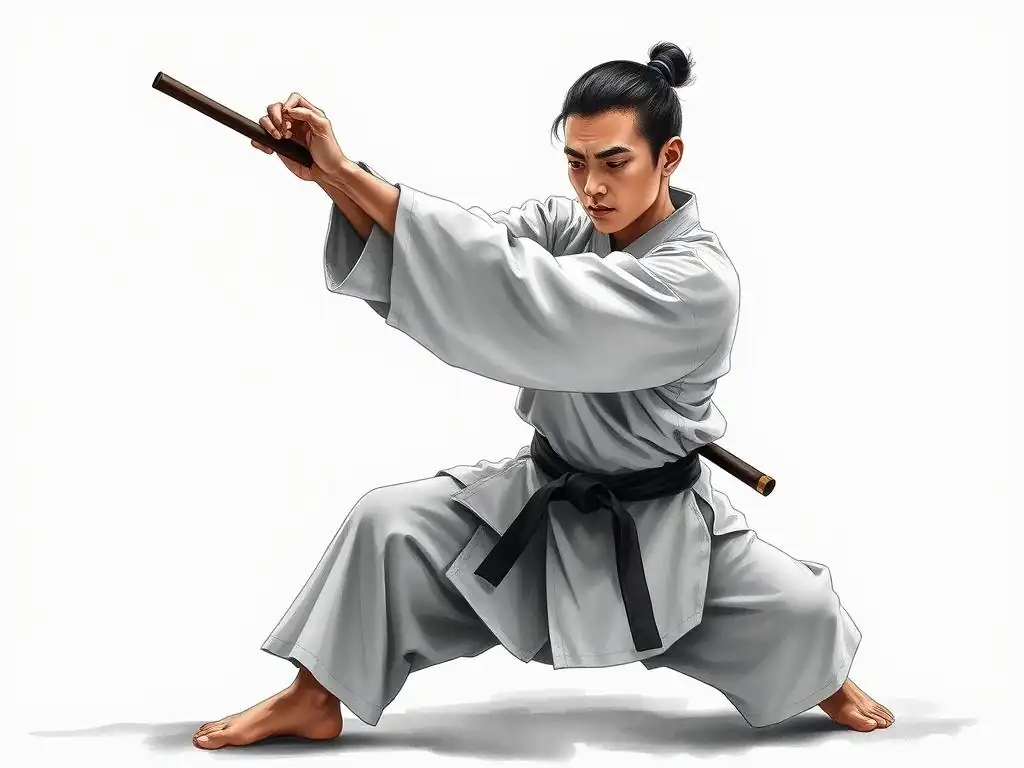
Mastering Basic Hapkido Joint Locks for Controlled Disarms
Hapkido weapon disarms often rely heavily on the application of joint locks to control the attacker and their weapon. Mastering basic joint manipulation techniques, such as wrist locks (e.g., reverse wrist lock, finger lock), elbow locks, and shoulder locks, is foundational for safe disarm practice. These techniques allow a practitioner to gain control over the limb holding the weapon without needing excessive force or striking the weapon itself directly, which can be unpredictable.
Practicing these locks slowly and with precise control is vital for Hapkido weapon disarm safety. The focus should be on feeling the point of resistance and applying just enough pressure to control the partner, not to cause pain or injury. Understanding the anatomical limitations of the joints involved prevents hyperextension or dislocation. For example, practicing a simple wrist lock disarm hundreds of times at slow speed builds the proprioception needed to apply it effectively and safely under simulated pressure.
Proper Stance and Movement for Safe Weapon Manipulation
A stable stance and controlled movement are crucial for both executing disarms effectively and maintaining safety. During a weapon disarm, a practitioner needs to be grounded to absorb potential impacts, maintain balance, and control their own body as well as the attacker's. A solid base reduces the risk of being easily knocked off balance, which could lead to awkward falls or loss of control over the situation and the training weapon.
Movement should be deliberate and efficient, minimizing unnecessary steps or large, telegraphed actions. Techniques like circular footwork (wondong) or stepping in close to control the weapon-bearing limb reduce the target area exposed to the weapon and allow for tighter control. Practicing these movements repeatedly in a safe environment, perhaps initially without a partner or weapon, builds the muscle memory essential for applying them correctly and safely during Hapkido weapon disarm training drills.
The Role of Ukemi (Breakfalls) in Preventing Injuries
Ukemi, or breakfalls, is an indispensable skill in Hapkido and plays a critical role in Hapkido weapon disarm safety. Many disarm techniques involve throws or takedowns as a means of separating the attacker from their weapon and neutralizing the threat. When performed correctly, ukemi allows the partner being thrown (the 'uke') to absorb the impact of the fall safely, distributing the force across a larger surface area of the body and protecting vulnerable joints and the head.
Regular and dedicated practice of various breakfalls – including back falls, side falls, and rolling falls – is essential for anyone practicing disarms. This skill is not merely for those being thrown but also informs the person performing the throw (the 'tori') on how to execute techniques in a way that allows their partner to fall safely. A proficient uke who can fall correctly makes training more realistic and significantly reduces the risk of injury during dynamic Hapkido weapon disarm practice.
Step-by-Step Guide to Safe Hapkido Weapon Disarm Drills
Drill 1: Knife Disarm Against a Frontal Attack
This drill focuses on disarming a training knife from a partner holding it directly in front, simulating a threat at close range. Safety is paramount throughout.
Partner Positioning and Controlled Movements
Begin with the partners standing a safe distance apart, approximately two arm lengths. The 'attacker' holds the rubber training knife stationary in a frontal grip. The 'defender' takes a balanced stance. The drill starts slowly; the attacker presents the knife, and the defender executes the disarm technique (e.g., a specific wrist lock and redirection). The movements must be controlled and deliberate, with no sudden jerks or excessive force. The attacker remains passive initially, allowing the defender to practice the mechanics.
Maintaining control of the attacker's wrist and the training knife throughout the technique is critical. Both partners should be aware of their surroundings and ensure they have enough space. The defender's movement should focus on entering safely, controlling the weapon-bearing arm, and executing the disarm sequence without rushing. This careful setup and initial slow pace are fundamental principles of Hapkido weapon disarm safety.
Gradual Progression of Resistance Levels
Once the basic mechanics are understood and can be executed smoothly at a slow pace, resistance can be gradually introduced. Start with minimal resistance – the attacker simply holds the knife firmly but does not actively resist the disarm. Progress to slight resistance, where the attacker applies a small amount of pressure against the technique. This should be increased incrementally over many training sessions, not within a single session.
Full resistance, where the attacker actively tries to maintain control of the training knife or counter the disarm, should only be attempted by experienced practitioners under strict supervision. Each increase in resistance level must be accompanied by a renewed focus on communication and ensuring the technique is still being applied safely. This structured progression is key to developing effective skills while upholding Hapkido weapon disarm safety standards.
Common Mistakes and How to Correct Them
A common mistake is rushing the technique, leading to sloppy execution and potential injury. Correction involves returning to a slower pace and focusing on each step. Another error is using excessive muscular force instead of leverage and body mechanics; this is corrected by emphasizing proper joint manipulation principles and demonstrating the technique's effectiveness when done correctly with minimal strength. Failing to control the training knife after the disarm is also frequent; the defender must practice securing the weapon immediately.
Lack of communication is perhaps the most dangerous mistake. Partners must constantly provide feedback and signal discomfort. Correction involves mandatory verbal check-ins ("Are you okay? "), establishing clear tap-out signals, and pausing the drill immediately if a signal is given or discomfort is observed. Addressing these common errors proactively is vital for maintaining high standards of Hapkido weapon disarm safety.
Drill 2: Gun Disarm from a Close-Range Threat
This drill simulates disarming a training gun held at close range, such as pointed at the chest or head. Given the psychological impact of a gun threat, maintaining composure and safety is paramount.
Maintaining Control of the Weapon and the Attacker
The initial phase of a gun disarm involves redirecting the line of fire and gaining control of the training weapon. This must be done swiftly but precisely. The defender uses a principle of simultaneous block and control, moving the barrel away from their body while securing the attacker's hand holding the gun. Maintaining a firm grip on the attacker's wrist and the training gun throughout the disarm sequence is critical for Hapkido weapon disarm safety.
The defender must stay close to the attacker, "sticking" to them to prevent them from regaining control or creating distance. Control over the attacker's balance and posture through joint manipulation or off-balancing techniques is often integrated into the disarm. The goal is to neutralize the weapon threat and control the individual holding it as a single, fluid action, always prioritizing keeping the training gun pointed away from both parties.
Safe Techniques for Securing the Disarmed Weapon
Once the training gun is disarmed, securing it safely is the next step. Simply throwing the training gun away is often impractical in a real scenario and can be dangerous in training if it hits someone. Safe techniques involve immediately gaining full control of the weapon, often by securing it in the defender's own hand or pocket if possible, while still maintaining control over the attacker.
In training, this phase might involve the defender demonstrating control over the training gun and the partner acknowledging the disarm is complete. The defender should practice checking the training weapon (simulating ensuring it's no longer a threat) and retaining possession, or moving to a safe distance before discarding it in a designated area. This post-disarm control is a frequently overlooked but essential aspect of Hapkido weapon disarm safety.
De-escalation Strategies Post-Disarm
While the physical disarm is crucial, safe training also considers the aftermath. Discussing and practicing verbal de-escalation strategies after a successful disarm is important. This involves using a firm, clear voice to command the now-unarmed partner (simulating the attacker) to comply with instructions, such as stepping back or remaining still.
In training, this might involve the defender saying "Stay there!" or "Don't move!" after completing the disarm, and the partner complying. While Hapkido techniques provide physical solutions, integrating the awareness that a real situation may require more than just physical action enhances the practicality and responsible application of skills. Practicing these verbal components, even in a drill, adds another layer to comprehensive Hapkido weapon disarm safety training.
Drill 3: Stick/Bong Disarm against a Swinging Attack
This drill focuses on disarming a training stick (bong) used in a swinging or striking motion, a common attack angle. Safety involves managing the impact and redirecting the force.
Blocking and Redirecting the Attack Safely
Defending against a swinging stick attack requires effective blocking or evasion combined with simultaneous control. Hapkido uses various blocks and parries to deflect the incoming training stick. These must be practiced with precision to avoid the full force of the impact on vulnerable areas. For example, using a reinforced block with proper body mechanics can safely absorb or redirect a strike that might otherwise cause significant bruising or injury.
Immediately after the block or deflection, the defender must move to control the training stick or the attacker's arm holding it. This often involves closing the distance and securing the limb to prevent follow-up strikes. Safe execution means the block redirects the force away from the defender and prepares for the subsequent control technique, minimizing the chance of being hit by the training weapon during the disarm sequence. This careful management of force is central to Hapkido weapon disarm safety in stick defense.
Utilizing Leverage for Effective Disarmament
Disarming a stick often relies on using leverage against the attacker's grip or joint. Techniques might involve manipulating the wrist, elbow, or shoulder to create pain or instability, forcing them to release the training stick. Applying techniques like an elbow lock or shoulder lock allows the defender to use the attacker's own skeletal structure and balance against them, rather than solely relying on strength to pry the weapon away.
Practicing these leverage-based disarms requires careful control to avoid causing actual injury. The defender must apply pressure gradually, feeling their partner's compliance or resistance. The partner must also be responsive, indicating discomfort or releasing the training stick when the technique is properly applied, simulating the intended effect without actual harm. Effective use of leverage makes the disarm more efficient and significantly enhances Hapkido weapon disarm safety by reducing the need for brute force.
Partner Communication and Feedback
Direct and open communication is absolutely vital during stick disarm drills, perhaps even more so than with other weapons due to the potential for impactful strikes. Before starting, partners should agree on the intensity level and the stop signal. During the drill, verbal cues like "Okay?" or "Too hard!" should be used freely.
The partner acting as the attacker should provide realistic (but safe) resistance and movement, but must immediately cease resistance or release the training stick if the defender signals or if the technique is causing discomfort. The defender should continuously check on their partner's well-being. Post-drill feedback is also important, discussing what felt safe, what felt risky, and how to improve the technique or safety protocol. This constant dialogue is the bedrock of Hapkido weapon disarm safety in partner practice.
Partner Safety Protocols in Hapkido Weapon Disarm Training
Communication is Key: Establishing Clear Signals
Effective communication between training partners is the single most important factor in preventing injuries during Hapkido weapon disarm practice. Before any drill begins, partners must agree on clear, unambiguous signals to indicate pain, discomfort, or the need to stop immediately. The most common signal is a tap, either on the partner's body or the mat, but verbal cues like "Stop!" or "Tap!" are also used, especially when tapping is not feasible.
Establishing these signals and strictly adhering to them creates a safety net. Both partners have the responsibility to use the signal when needed and to immediately cease all activity the moment a signal is given or perceived. This mutual agreement and responsiveness build trust, allowing practitioners to push their limits within a secure framework, knowing they can stop the action instantly if something goes wrong. This commitment to clear signals is fundamental to Hapkido weapon disarm safety.
Gradual Increase of Speed and Power
Training should always begin slowly and with minimal power, focusing purely on the correct execution of the technique's mechanics. Only after the technique can be performed smoothly and accurately at a slow speed should any increase in speed or power be considered. This progression should be gradual and agreed upon by both partners. Attempting techniques at full speed or power before mastering the fundamentals significantly increases the risk of injury.
Think of it like building a house: you start with a solid foundation before adding the walls and roof. In Hapkido weapon disarm training, the solid foundation is perfect, slow-motion technique. Speed and power are added only incrementally as proficiency and control improve. A common pitfall is trying to make the drill look "real" too quickly, sacrificing safety for perceived realism. Prioritizing control over speed is a core principle of Hapkido weapon disarm safety.
Recognizing and Responding to Pain Signals
Partners must be attentive not only to explicit tap-out signals but also to non-verbal cues of discomfort or pain. These might include wincing, tensing up, or making strained noises. If a partner appears uncomfortable, even without giving a formal signal, it is the responsibility of the other partner to stop the drill and check in. Ignoring such signs is negligent and dangerous.
Furthermore, practitioners must be honest about their own physical state. Training through significant pain is never advisable; it can exacerbate existing issues and lead to more severe injuries. Feeling a stretch or slight discomfort is normal when learning joint locks, but sharp or intense pain is a warning sign that must be heeded immediately. Responding promptly and appropriately to all pain signals, whether given or observed, is a crucial aspect of maintaining high standards of Hapkido weapon disarm safety.
Advanced Hapkido Weapon Disarm Drills and Safety Measures
Incorporating Dynamic Movement and Footwork
Once static or semi-static drills are mastered, advanced Hapkido weapon disarm training incorporates dynamic movement and footwork. This involves practicing disarms against partners who are moving, stepping, or circling, simulating a more realistic confrontation. Safety measures become even more critical here due to the increased variables and potential for collisions or awkward positioning.
Training space must be ample and clear of hazards. Both partners must maintain heightened situational awareness, not only of each other but also of the boundaries of the training area and other practitioners. Drills should still start at reduced speed, focusing on integrating footwork and movement while maintaining control and executing the disarm effectively. The principle of gradual progression remains essential; dynamic movement is added only when the practitioner can perform the disarm safely from a stationary position. This adds complexity while striving to maintain Hapkido weapon disarm safety.
Dealing with Multiple Attackers and Weapons
Simulating scenarios involving multiple attackers or multiple weapons introduces significant complexity and risk. These drills are typically reserved for advanced practitioners under strict supervision. Safety protocols must be meticulously planned and communicated. Often, this involves choreographing movements initially, breaking down the scenario into smaller, manageable segments.
When simulating multiple attackers, only one 'attacker' may actively engage at a time, or their resistance levels are strictly controlled. Using multiple training weapons simultaneously requires extreme caution; perhaps only one weapon is "live" at any given moment, or the drill focuses on evasion and creating space before engaging with a disarm. Clear roles and responsibilities for each participant are defined beforehand. The inherent risks mean that Hapkido weapon disarm safety is the absolute priority, and the complexity of the scenario is increased only with a high level of control and experience.
Adapting Disarm Techniques to Real-World Scenarios
Applying Hapkido weapon disarms in real-world scenarios differs significantly from the controlled environment of the dojang. While direct simulation is impossible, advanced training can incorporate elements that approximate real-world variables, such as practicing disarms from disadvantageous positions, in confined spaces (simulated), or when slightly off-balance.
Safety in these advanced drills involves careful setup and communication. For example, practicing in a simulated confined space requires slower movement and heightened awareness to avoid hitting walls or obstacles. Adapting techniques while off-balance means the 'attacker' must offer minimal resistance to allow the defender to focus on mechanics without the risk of a hard fall. The goal is to explore the adaptability of techniques safely, understanding that real-world application is unpredictable and requires sound judgment in addition to physical skill. This pragmatic approach is part of comprehensive Hapkido weapon disarm safety training.
First Aid and Emergency Procedures for Hapkido Training
Recognizing Common Injuries and Their Symptoms
Despite the best safety measures, minor injuries can occasionally occur during Hapkido weapon disarm training. Common issues include bruises, sprains (especially to wrists or ankles), minor cuts or scrapes from equipment edges, and muscle strains. Recognizing the symptoms of these injuries is crucial for prompt and appropriate response.
Symptoms of a sprain might include pain, swelling, bruising, and limited movement around a joint. A muscle strain presents as pain, soreness, or limited range of motion in the affected muscle. Bruises cause localized pain and discoloration. While most are minor, it's important to differentiate them from more serious injuries like fractures, dislocations, or head trauma, which require immediate professional medical attention. Knowing what to look for allows for timely intervention and contributes to overall Hapkido weapon disarm safety management.
Basic First Aid Techniques for Martial Arts Injuries
Having individuals trained in basic first aid present or readily available is highly recommended in any martial arts training environment. For common sprains and strains, the R.I.C.E. method (Rest, Ice, Compression, Elevation) is a standard first aid protocol. Rest the injured area, apply ice to reduce swelling, use compression (like a bandage) to support the joint, and elevate the limb.
Minor cuts should be cleaned and bandaged. Bruises can also benefit from ice application. Any injury involving suspected head trauma, loss of consciousness, inability to bear weight on a limb, or significant deformity requires immediate activation of emergency medical services. Basic first aid knowledge empowers practitioners and instructors to handle minor incidents effectively and ensures that more serious situations are recognized and escalated appropriately, reinforcing Hapkido weapon disarm safety protocols.
Establishing an Emergency Action Plan
A well-defined emergency action plan (EAP) is a critical component of Hapkido weapon disarm safety in any dojang. This plan outlines the steps to take in the event of a serious injury or medical emergency. Key elements include:
- Clear identification of who is responsible for administering first aid.
- Location of the first aid kit and its contents.
- Procedure for contacting emergency medical services (dialing 911 or local equivalent).
- Providing clear directions to the dojang for emergency responders.
- Designating someone to stay with the injured person and someone to meet emergency responders.
- Procedure for notifying family or emergency contacts.
Practitioners and instructors should be aware of the EAP and their role within it. Regularly reviewing and practicing the EAP ensures that everyone knows how to respond calmly and effectively during a crisis. This preparedness is a vital, though often unseen, layer of Hapkido weapon disarm safety.
Conclusion: Prioritizing Safety in Hapkido Weapon Disarm Practice
Continuous Learning and Improvement for Safe Training
The journey in Hapkido, particularly concerning weapon disarms, is one of continuous learning. This applies not only to refining techniques but also to enhancing safety practices. Practitioners should remain open to feedback, both from instructors and training partners, regarding their technique and how it impacts safety. Attending seminars or workshops focused on martial arts safety or specific weapon defense aspects can also provide valuable insights and updated best practices.
Instructors play a vital role in fostering a culture of safety, constantly observing students, correcting unsafe habits, and adapting training methods as needed. Reviewing incident reports, even for minor issues, can help identify patterns and areas for improvement in safety protocols. This commitment to ongoing education and refinement is essential for maintaining high standards of Hapkido weapon disarm safety over time.
The Ethical Responsibility of Hapkido Practitioners
Training in Hapkido weapon disarms imparts powerful skills, and with power comes responsibility. Practitioners have an ethical obligation to train safely, protecting themselves and, crucially, their training partners. This means adhering to safety rules even when they feel restrictive or less "realistic." It means controlling ego and resisting the urge to use excessive force or take unnecessary risks.
Training partners entrust each other with their physical well-being. Honoring that trust by being mindful, communicative, and controlled during drills is fundamental to the ethical practice of Hapkido. Extending this responsibility beyond the dojang, practitioners should understand the serious implications of using these techniques in a real-world situation and resort to them only when absolutely necessary for self-preservation. This ethical dimension is integral to the philosophy underpinning Hapkido weapon disarm safety.
Resources for Further Learning on Hapkido Weapon Disarm Safety
Practitioners seeking to deepen their understanding of Hapkido weapon disarm safety can explore various resources. This includes instructional books and videos from reputable Hapkido masters that specifically cover safe training methodologies. Many martial arts organizations and governing bodies also publish guidelines on safety standards for weapon training.
Engaging with experienced instructors and senior practitioners is perhaps the most valuable resource. Their years of experience offer practical insights into common pitfalls and effective safety strategies. Finally, cross-training or attending workshops in related disciplines that focus heavily on safety in weapon handling, such as specific forms of Kali or Arnis (Filipino martial arts), can provide complementary perspectives on managing risk during weapon defense practice, further enhancing one's approach to Hapkido weapon disarm safety.
Frequently Asked Questions
How important is partner communication in Hapkido weapon disarm training?
Partner communication is absolutely essential in Hapkido weapon disarm training. Clear communication ensures that both partners are aware of the intended movements and can adjust their actions to avoid injury.
What are some key safety considerations when practicing Hapkido weapon disarms?
Prioritize controlled movements and gradual progression. Avoid using excessive force and always have a designated safety zone to prevent accidental collisions or falls during the drills.
What types of training drills are recommended for safe Hapkido weapon disarm practice?
Start with slow, deliberate repetitions to master the technique. Gradually increase speed and resistance as proficiency improves, focusing on fluidity and precision rather than brute strength.
How does understanding the history and philosophy of Hapkido contribute to safer training?
Understanding Hapkido's emphasis on harmony and non-aggression promotes a mindful approach to training. This helps practitioners focus on control and respect for their partner's well-being.
What should you do if a training partner is injured during Hapkido weapon disarm practice?
Immediately stop the drill and assess the injury. Provide appropriate first aid and seek professional medical attention if the injury appears serious.
Final Reflection: Cultivating Respect Through Safe Practice
The principles outlined in this article, focusing on Hapkido weapon disarm safety, are not merely technical guidelines; they represent a commitment to respect, both for oneself and one's training partner. In a world increasingly defined by conflict, the ability to defend oneself is paramount, but the manner in which we acquire that ability speaks volumes about our character. By prioritizing safety and controlled drills, we transform potentially dangerous techniques into opportunities for growth and mutual understanding.
The emphasis on partner safety in Hapkido weapon disarms extends far beyond the dojang. It fosters a culture of empathy and responsibility, reminding us that our actions have consequences and that true strength lies not just in physical prowess, but in the ability to protect and uplift others. The best fighter is never angry.
This ancient wisdom underscores the importance of discipline and control, not just in combat, but in all aspects of life.
As you continue your journey in Hapkido, or any martial art, remember that the pursuit of skill should always be tempered with compassion and respect. Let the principles of safe training guide your practice, not just to prevent injury, but to cultivate a deeper understanding of yourself and your fellow practitioners. Embrace the challenge, learn from your mistakes, and always strive to embody the true spirit of Hapkido: a path of harmony, power, and unwavering respect.
Ignite Your Hapkido Journey Now!
Thank you for exploring safe weapon disarming techniques in Hapkido! We hope this article has empowered you with valuable insights and practical drills. Now, it's time to translate knowledge into action.
- Prioritize Partner Safety: Always begin with slow, controlled movements and progressively increase speed as your comfort and your partner's trust grow.
- Share your experience! Discuss these drills and their safety implications with your Hapkido class or training partners.
- Challenge yourself: Document and analyze a video of your own weapon disarming drill focusing on identifying areas where your form and control can be improved.
What adjustments will you make in your next training session to enhance safety and build trust with your training partners?