
Shotokan for Women: Empowerment Through Martial Arts Mastery

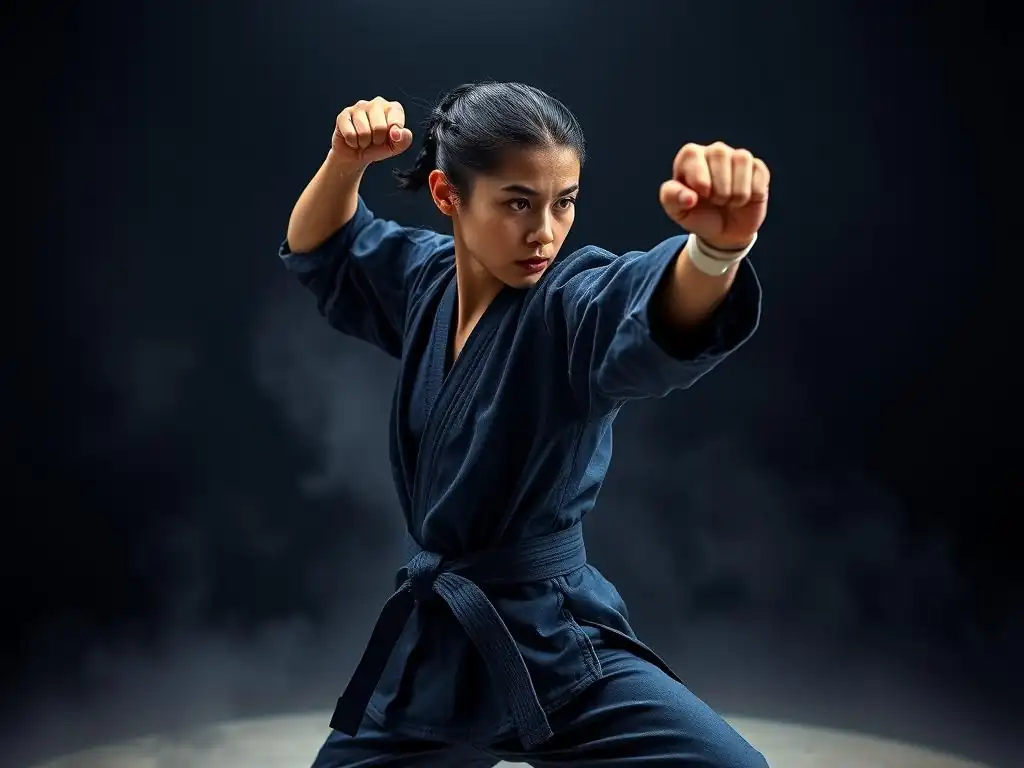
Welcome to Martial Arts Mastery, where we delve into the depths of combat traditions worldwide. Curious about how Shotokan can empower women and provide effective self-defense strategies? This article unveils the specific benefits of Shotokan women self defense and explores how this dynamic discipline can cultivate both physical and mental resilience. Discover the practical techniques and empowering philosophy that make Shotokan a powerful tool for self-protection. Read on to unlock your potential and master the art!
- Introduction to Shotokan Karate for Women
- The Unique Advantages of Shotokan Training for Women
- Shotokan Techniques for Women's Self Defense
- Shotokan vs. Other Martial Arts: A Comparison for Women
- Finding a Shotokan Dojo and Instructor for Women
- Shotokan Success Stories: Empowering Women Through Karate
- Shotokan Training Tips for Women
- The Philosophy of Shotokan and its Relevance to Women's Empowerment
- Conclusion: Embracing the Path of Shotokan for Women's Self Defense
-
Frequently Asked Questions
- What are the main benefits of Shotokan karate for women's self-defense?
- How does Shotokan's emphasis on kata (forms) contribute to a woman's self-defense capabilities?
- What are some specific self-defense techniques within Shotokan that are particularly useful for women?
- How does Shotokan training address the psychological aspects of self-defense, such as fear and assertiveness?
- Does prior martial arts experience necessary to begin learning Shotokan for self-defense?
- Final Reflection: Embracing Strength Within
- Embrace Your Inner Warrior: Start Your Shotokan Journey Today!
Introduction to Shotokan Karate for Women
Shotokan karate, a traditional Japanese martial art, offers profound benefits for individuals seeking physical discipline, mental fortitude, and practical self-defense skills. While often associated with powerful techniques and rigorous training, Shotokan is remarkably adaptable and accessible, making it an excellent path for women looking to enhance their personal safety and overall well-being. This article explores the specific ways Shotokan training empowers women, from building unshakeable confidence to mastering effective techniques for protection.
Discovering the Strength and Self-Defense Benefits of Shotokan
Shotokan training emphasizes developing strength from the core, explosive power, and precise technique, principles that are highly effective for self-defense. Unlike arts that rely purely on size or brute force, Shotokan teaches practitioners to generate power through proper body mechanics, hip rotation, and focused energy (kime). This focus on internal strength and efficient movement means that a smaller individual can effectively defend against a larger attacker. Learning Shotokan women self defense involves mastering foundational strikes, blocks, and evasive movements designed to neutralize threats quickly and efficiently.
Furthermore, the self-defense benefits extend beyond physical techniques. Regular training instills awareness, improves reaction time, and develops the ability to remain calm under pressure. These psychological aspects are crucial components of effective self-protection. A woman trained in Shotokan is not only equipped with physical skills but also possesses the mental preparedness to assess and respond to dangerous situations, significantly increasing her confidence and safety in various environments. The discipline inherent in the practice translates into a proactive approach to personal security.
Why Shotokan is an Excellent Choice for Women's Self-Defense
Shotokan's systematic approach to teaching fundamental techniques provides a solid base applicable to real-world self-defense scenarios. The emphasis on strong stances provides stability, while powerful blocks and strikes can effectively deter or incapacitate an assailant. For Shotokan women self defense, the curriculum naturally includes defenses against grabs, holds, and common attacks, adapting traditional forms and sparring drills to practical applications. The structured nature of training ensures that practitioners build skills progressively, starting with basic movements and advancing to more complex combinations and applications.
Moreover, the philosophy of Shotokan instills principles directly relevant to self-protection: humility, respect, perseverance, and self-control. While learning powerful physical techniques, students are simultaneously taught the importance of avoiding conflict and using their skills only as a last resort. This balanced approach ensures that the power gained through training is wielded responsibly. For women, this means developing not just the ability to defend oneself, but also the discernment to avoid danger and the discipline to control fear and react effectively when necessary.
The Unique Advantages of Shotokan Training for Women
Shotokan karate offers a comprehensive system that benefits women in numerous ways, extending far beyond physical techniques. The rigorous yet adaptable nature of the training regime addresses physical, mental, and emotional development, fostering a holistic sense of empowerment. This section explores the specific advantages that make Shotokan a uniquely beneficial practice for women.
Building Confidence and Mental Fortitude Through Shotokan
Confidence is fundamentally challenged in situations requiring self-defense. Shotokan training directly addresses this by pushing practitioners beyond their perceived physical and mental limits in a safe and controlled environment. Regularly overcoming challenging physical drills, perfecting complex kata, and engaging in controlled sparring builds resilience and a strong belief in one's capabilities. The process of setting goals, working diligently to achieve them, and witnessing tangible improvements week after week is a powerful confidence booster. This newfound belief extends beyond the dojo, positively impacting a woman's assertiveness and self-assurance in daily life.
Mental fortitude is equally crucial. Shotokan training demands focus, discipline, and the ability to push through fatigue or frustration. Practitioners learn to quiet distracting thoughts, maintain composure under pressure (such as during kumite or grading exams), and persevere through difficult techniques. This mental toughness is invaluable in self-defense situations, where panic can be a significant liability. By repeatedly facing and overcoming physical and mental challenges in training, women develop the calm determination needed to react effectively when faced with a real threat.
Enhancing Physical Fitness and Coordination with Shotokan Karate
Shotokan is a demanding physical activity that provides a full-body workout. A typical training session includes dynamic warm-ups, stretching, cardiovascular conditioning, strength training through bodyweight exercises, and practicing techniques. This comprehensive approach leads to significant improvements in overall physical fitness. Women practicing Shotokan regularly experience increased stamina, improved muscular strength (particularly in the legs, core, and arms), and enhanced flexibility. A 2019 study on martial arts training showed improvements across various fitness markers, including aerobic capacity and muscle endurance, which are directly applicable to Shotokan's impact.
Beyond general fitness, Shotokan training dramatically enhances coordination, balance, and proprioception (the body's awareness of its position in space). Executing complex sequences of movements in kata, maintaining stable stances while moving, and coordinating simultaneous blocks and strikes require precise body control. These skills are vital for effective self-defense, enabling quicker reactions, more stable movements, and better ability to recover balance if pushed or grabbed. Improved coordination also contributes to injury prevention both in the dojo and in everyday activities.
Cultivating Self-Discipline and Respect in the Dojo
The structure and etiquette of a traditional Shotokan dojo inherently cultivate self-discipline. Adhering to dojo rules, maintaining focus during long training sessions, practicing techniques repeatedly even when tired, and managing one's own training progress require significant self-control. This discipline is not externally imposed but internalized through consistent practice and the pursuit of personal improvement. Learning to manage one's energy, focus, and commitment within the dojo builds a strong foundation for self-discipline in all areas of life.
Respect is a cornerstone of Shotokan philosophy and practice. Students show respect for the instructor, senior students, training partners, and the art itself through bowing, attentive listening, and supportive interaction. This environment of mutual respect fosters a positive and safe training space. For women, training in a respectful dojo environment can be particularly empowering, promoting a sense of belonging and mutual support among peers. Learning to both give and command respect through confident posture and interaction is a valuable life skill, reinforcing the assertiveness gained through physical training.
Shotokan Techniques for Women's Self Defense
Shotokan karate's syllabus is rich with techniques that, while taught within a traditional framework, have direct and practical applications for self-defense. The focus is on generating maximum power through efficient movement and targeting vulnerable points. Understanding how to adapt these techniques for real-world scenarios is key for Shotokan women self defense.
Foundational Shotokan Techniques: Stances, Blocks, Punches, and Kicks
Effective self-defense in Shotokan begins with mastering the fundamentals. Strong stances like Zenkutsu Dachi (front stance) provide a stable base for generating power and absorbing impact. Kokutsu Dachi (back stance) is excellent for quick retreats and generating power for blocks and back-leg techniques. Learning to shift between these stances quickly and smoothly is crucial for mobility and positioning in a self-defense situation. Proper stance allows for effective execution of all subsequent techniques.
Blocks ( Uke) are not merely passive deflections but active techniques designed to redirect or stop an attack while potentially setting up a counter. Techniques like Jodan Age Uke (rising block), Chudan Soto Uke (outside forearm block), and Gedan Barai (downward sweep block) are taught with power and intention. Punches ( Tsuki) like the straight punch ( Choku Tsuki) and reverse punch ( Gyaku Tsuki) delivered with proper hip rotation ( Koshi Kaiten) can be devastating.
Kicks ( Keri) such as the front kick ( Mae Geri), side kick ( Yoko Geri), and roundhouse kick ( Mawashi Geri) are powerful tools for creating distance or striking vulnerable targets from various ranges. Mastering these foundational techniques ensures that a woman has a versatile toolkit for self-protection.
Effective Shotokan Kata for Self-Defense Scenarios
Kata, pre-arranged sequences of movements simulating combat against multiple imaginary opponents, are often seen as the heart of Shotokan. While seemingly ritualistic, each movement within a kata has practical self-defense applications ( Bunkai). For Shotokan women self defense, studying Bunkai is essential. For example, movements from Heian Shodan include basic blocks and strikes applicable to defending against simple grabs or pushes. Heian Nidan introduces more complex blocks and evasive movements.
More advanced kata like Kanku Dai contain techniques for dealing with attacks from all directions, including defenses against throws and ground techniques (though Shotokan is primarily a striking art, basic ground defense principles can be derived). Analyzing kata with a self-defense mindset reveals applications for joint locks, pressure points, and close-quarters combat that are highly relevant for women. A dedicated study of kata Bunkai provides a deep understanding of how to apply traditional techniques effectively in dynamic, unpredictable situations.
Adapting Shotokan Kumite for Women's Self-Defense Strategies
Kumite, or sparring, in Shotokan typically follows sport rules (like Jiyu Kumite or free sparring) or pre-arranged formats ( Kihon Ippon Kumite). While sport kumite develops timing, distance management, and reaction speed, adapting these skills for self-defense requires a different mindset. For Shotokan women self defense, training should incorporate drills that simulate real-world attacks (e.g., grabs, surprise attacks, attacks from behind) rather than just point-scoring exchanges.
Practical kumite drills might focus on breaking grips, defending against multiple attackers, or using strikes to create opportunities to escape. The principle of Ikken Hissatsu (to finish with one blow), central to Shotokan philosophy, is highly relevant: aiming to neutralize a threat quickly and decisively. Training should emphasize striking vulnerable targets (eyes, throat, groin, knees) and using combinations that overwhelm an attacker. While sport kumite builds courage and fighting spirit, dedicated self-defense drills are necessary to bridge the gap between dojo practice and real-life application for women.
Shotokan vs. Other Martial Arts: A Comparison for Women
Choosing the right martial art is a personal decision based on individual goals, physical attributes, and preferences. While many martial arts offer self-defense benefits, Shotokan presents a distinct approach. Comparing Shotokan with other popular styles highlights its unique advantages and characteristics relevant to women seeking empowerment and self-protection.
Shotokan vs. Judo for Women's Self-Defense: Striking vs. Grappling
Shotokan is primarily a striking art, focusing on powerful punches, kicks, blocks, and evasions from a standing position. Judo, on the other hand, is a grappling art, emphasizing throws, takedowns, and ground fighting techniques like pins and joint locks. For Shotokan women self defense, the focus is on preventing an attacker from closing distance or quickly incapacitating them with strikes to escape. Judo training equips women with skills to handle situations where an attacker attempts to grab, hold, or take them to the ground.
Both arts offer valuable self-defense skills, but they address different phases of a potential conflict. A woman might find Shotokan's emphasis on maintaining distance and delivering powerful strikes appealing for avoiding physical contact. Conversely, Judo provides robust tools for defending against grabs and holds, situations that are unfortunately common in assaults. While some martial arts combine striking and grappling (like Krav Maga or MMA), choosing between Shotokan and Judo often comes down to whether one prioritizes striking from a distance or handling close-quarters physical confrontation and ground defense.
Shotokan vs. Taekwondo for Women's Self-Defense: Power vs. Speed
Both Shotokan and Taekwondo are prominent striking arts, but they differ in emphasis. Shotokan prioritizes strong, stable stances and linear, powerful movements aimed at delivering maximum impact through techniques like the reverse punch or side kick. Taekwondo is known for its dynamic, often acrobatic, high kicks and rapid-fire techniques, utilizing more fluid stances and movement. For Shotokan women self defense, the power generated from a solid base and focused technique is a key advantage, aiming for decisive strikes. Taekwondo's strength lies in its speed, reach (due to high kicks), and ability to overwhelm with rapid combinations.
In a self-defense context, Shotokan's focus on strong foundational techniques and generating power from the core can be highly effective for women, enabling them to deliver impactful strikes regardless of size. Taekwondo's emphasis on speed and flexibility makes it effective for keeping attackers at bay with long-range kicks and reacting quickly. Ultimately, the choice between Shotokan and Taekwondo for women's self-defense might depend on physical attributes and personal preference for training style – whether one prefers rooted power and linear force or dynamic movement and flexible, high-reaching techniques.
Choosing the Right Martial Art: Shotokan and Women's Empowerment
Deciding on the best martial art for self-defense and empowerment is a personal journey. Shotokan offers a balanced approach, combining rigorous physical training with mental discipline and a strong philosophical foundation. Its emphasis on generating power through technique, rather than just strength, makes it highly effective for women. Furthermore, the traditional dojo environment often fosters a strong sense of community and mutual support, which can be particularly empowering.
For women prioritizing building inner strength, discipline, and confidence alongside learning practical striking and blocking techniques for self-defense, Shotokan is an exceptionally strong candidate. Its comprehensive curriculum addresses physical fitness, mental resilience, and practical application. Visiting local dojos, observing classes, and potentially trying introductory lessons in different styles is the best way for a woman to determine which martial art, including Shotokan, aligns best with her goals for self-improvement and personal safety.
Finding a Shotokan Dojo and Instructor for Women
Choosing the right training environment and instructor is paramount to a positive and effective Shotokan journey, especially for women seeking self-defense skills and empowerment. A supportive dojo fosters consistency in training and maximizes the benefits gained.
What to Look for in a Shotokan Karate School
When evaluating a Shotokan dojo, several factors are important. Firstly, look for a school with experienced and qualified instructors, preferably with recognizeddan (black belt) ranks from reputable Shotokan organizations (e.g., JKA, SKIF, ISKF, etc.). The instructor's lineage and teaching philosophy should align with traditional Shotokan principles while being adaptable to modern self-defense needs. Observe a class to assess the teaching style – is it clear, patient, and motivating?
Secondly, consider the training environment itself. Is the dojo clean, well-maintained, and safe? Are the training partners respectful and supportive? A positive atmosphere where students encourage each other is crucial. Check the class schedule to ensure it fits your availability and look for classes specifically designed for beginners or mixed levels. A school that offers dedicated self-defense workshops or incorporates practical Bunkai into regular training may be particularly beneficial for women focused on Shotokan women self defense. Ask about the student demographics; a diverse student body can indicate an inclusive environment.
The Importance of a Supportive and Inclusive Training Environment
A supportive and inclusive dojo environment is vital for fostering confidence and ensuring long-term participation, especially for women who may initially feel intimidated. In such an environment, students feel safe to make mistakes, ask questions, and push their limits without fear of judgment or harassment. Instructors should be attentive to individual needs and provide constructive feedback. Senior students should mentor and assist newer practitioners, creating a sense of community.
For Shotokan women self defense, training with a variety of partners, including men and women of different sizes, is beneficial for practicing techniques against different body types and forces. However, it's crucial that these interactions are conducted with mutual respect and control. An inclusive dojo actively promotes respect among all members, regardless of rank, gender, or experience level, ensuring that every woman feels welcome and valued as part of the karate family.
Questions to Ask Potential Shotokan Instructors
Engaging with the instructor before committing to a dojo provides valuable insight. Prepare questions covering their background, teaching philosophy, and approach to training. Ask about their experience teaching Shotokan women self defense specifically – do they modify techniques or drills for different physical attributes? How do they incorporate practical Bunkai and self-defense scenarios into the curriculum?
Inquire about the typical class structure and how progression through the ranks works. Ask about the dojo's affiliation with larger Shotokan organizations, as this can indicate adherence to certain standards and provide opportunities for seminars or competitions. Finally, ask about the dojo's approach to safety and injury prevention. A good instructor will be transparent, knowledgeable, and genuinely interested in helping prospective students find the right fit.
Shotokan Success Stories: Empowering Women Through Karate
The impact of Shotokan training on women's lives is evident in countless personal journeys of empowerment, increased confidence, and enhanced safety. While specific, named individuals' stories can be hard to verify without direct access, the general outcomes of consistent Shotokan practice for women are well-documented through testimonials and surveys within the martial arts community.
Real-Life Examples of Women Using Shotokan for Self-Defense
While specific incidents are often private, anecdotal evidence from dojos worldwide highlights instances where women have successfully used their Shotokan training in self-defense situations. These often involve using basic principles like maintaining awareness, using a strong voice, and employing foundational techniques. For example, a woman might describe using a strong block ( Uke) to deflect a grab or push, followed by a powerful shout ( Kiai) to startle an attacker and create an opportunity to escape. Another might recount using a well-placed Mae Geri (front kick) to the leg or groin to create distance when confronted.
These examples underscore that effective Shotokan women self defense isn't about performing complex, flashy moves but rather applying fundamental techniques with speed, power, and conviction under pressure. The training instills the muscle memory and mental preparedness needed to react instinctively and effectively when faced with a threat, turning potential victims into active defenders capable of protecting themselves.
Inspirational Stories of Women Achieving Mastery in Shotokan
Many women have reached high levels of mastery (senior dan ranks) in Shotokan karate, becoming respected instructors and competitors. Their journeys often involve years of dedicated training, overcoming physical challenges, balancing karate with personal and professional lives, and demonstrating profound perseverance. These women serve as powerful role models, challenging traditional stereotypes and demonstrating that physical power and mental discipline are achievable for everyone.
For instance, women who become chief instructors of dojos or national team coaches exemplify leadership and deep technical knowledge. Their ability to perform complex kata with precision, execute powerful techniques, and guide others through their training is a testament to the empowering nature of Shotokan. Their stories inspire other women to pursue their own potential within the art, showing that the path to mastery is open and rewarding.
The Psychological Impact of Shotokan Training on Women's Confidence
Beyond the physical skills, the psychological benefits of Shotokan training are profound for women. The process of setting and achieving goals, such as learning a new kata or passing a grading exam, builds a strong sense of accomplishment and self-worth. Regularly pushing physical limits in a supportive environment fosters resilience and a belief in one's ability to handle challenging situations. This translates directly into increased confidence in daily life.
Women who train in Shotokan often report feeling more assertive, less anxious in public spaces, and more capable of handling stressful situations. The discipline and focus developed in the dojo enhance concentration and mental clarity outside of training. Learning Shotokan women self defense provides not just physical tools but also the psychological armor of confidence, awareness, and determination, significantly reducing feelings of vulnerability.
Shotokan Training Tips for Women
Embarking on or continuing the Shotokan journey comes with unique considerations for women. Adapting training to individual needs, addressing common challenges, and prioritizing safety are key to a rewarding and sustainable practice.
Adapting Shotokan Training to Individual Needs and Body Types
Shotokan techniques are based on universal principles of biomechanics, but their execution can be slightly adapted to individual body types. For women, who on average may have different hip structures or flexibility levels than men, slight modifications in stance width or depth might enhance comfort and power generation. For example, finding the optimal width for Zenkutsu Dachi that allows for both stability and mobility is crucial. Instructors should be able to guide students on these personal adjustments.
Focusing on core strength and hip rotation is particularly beneficial, as these are key to generating power in Shotokan strikes regardless of upper body strength. Specific exercises outside of regular class time, like planks, squats, and rotational drills, can complement dojo training. Listening to one's body and communicating any physical limitations or discomfort to the instructor is vital for safe and effective adaptation. Shotokan's emphasis on technique over brute strength makes it inherently adaptable.
Overcoming Common Challenges in Shotokan Training as a Woman
Women in Shotokan may face challenges such as initial feelings of intimidation in a male-dominated environment, balancing training with other life commitments, or dealing with physical limitations. Finding a dojo with a supportive community and an inclusive instructor, as discussed earlier, is the first step to overcoming social barriers. Many dojos now have a significant percentage of female practitioners, creating a more balanced and relatable training atmosphere.
Physically, women may initially find certain techniques or conditioning exercises more challenging. Patience and consistency are key. Progress is gradual, and comparing oneself only to one's own past performance is more productive than comparing to others. Open communication with the instructor about physical concerns or discomfort is crucial for receiving appropriate guidance or modifications. Many women find that consistent training quickly builds the necessary strength, flexibility, and endurance, turning initial challenges into areas of significant personal growth.
Injury Prevention and Recovery in Shotokan Karate
Like any physical activity, Shotokan carries a risk of injury, though traditional training methods emphasize control and safety. Common issues can include sprains, strains, or joint pain, often due to improper technique or pushing too hard too soon. Proper warm-ups and cool-downs are non-negotiable. Learning and consistently applying correct technique, under the watchful eye of a qualified instructor, is the best prevention. This includes understanding how to land safely from jumps or execute strikes without hyperextending joints.
Listening to your body is paramount. Pushing through pain is not encouraged; distinguishing between muscle fatigue and pain is essential. Utilizing proper stretching techniques to maintain flexibility helps prevent strains. Adequate rest, nutrition, and hydration are crucial for muscle recovery and overall health, enabling consistent training. If an injury occurs, seeking appropriate medical advice and following rehabilitation guidance is important before returning to full training. Many dojos also incorporate specific exercises or drills focused on strengthening supporting muscles and improving joint stability.
The Philosophy of Shotokan and its Relevance to Women's Empowerment
Shotokan is more than just a collection of fighting techniques; it is a path ( Do) for personal development rooted in a strong philosophy. For women, embracing these principles can be a powerful source of empowerment, extending the benefits of training far beyond the dojo walls.
Shotokan's Principles of Perseverance, Self-Control, and Respect
Master Gichin Funakoshi, the founder of Shotokan, outlined principles that guide practitioners. Perseverance ( Gambaru) is fundamental – the willingness to continue practicing diligently despite difficulty, setbacks, or lack of immediate progress. This principle directly empowers women by teaching them the value of consistent effort and resilience in achieving any goal, whether in karate or life. It builds mental toughness essential for overcoming obstacles.
Self-control ( Jiko Seigyo) is another core tenet. This involves controlling one's emotions, reactions, and physical actions, both in sparring and in daily interactions. For Shotokan women self defense, self-control means managing fear in a dangerous situation, choosing the appropriate level of force, and maintaining composure. Off the mat, it translates to managing stress, making thoughtful decisions, and reacting calmly to challenges. Respect ( Rei) for oneself and others, embedded in dojo etiquette, fosters healthy relationships and reinforces personal boundaries.
Applying Shotokan Philosophy to Everyday Life
The principles cultivated in the dojo are designed to be integrated into everyday life. The focus and discipline required to learn a complex kata can be applied to academic studies or professional tasks. The perseverance needed to achieve a new belt rank can motivate women to pursue long-term personal or career goals. The self-control practiced in kumite helps manage anger or frustration in difficult situations.
Furthermore, the confidence gained through mastering physical techniques and overcoming challenges in Shotokan directly impacts how women carry themselves and interact with the world. This increased self-assurance influences everything from body language to communication style, contributing to a stronger presence and reduced likelihood of being targeted. The philosophical lessons provide a moral compass and a framework for living a disciplined, respectful, and purposeful life.
Shotokan as a Tool for Personal Growth and Self-Discovery
Shotokan training is inherently a journey of self-discovery. The physical and mental demands reveal strengths and weaknesses, pushing practitioners to confront limitations and work to overcome them. The process of learning complex movements requires introspection and self-awareness, improving the mind-body connection. Through consistent practice, women gain a deeper understanding of their physical capabilities and mental resilience.
The structured environment and philosophical underpinnings provide a framework for continuous improvement. It's not just about getting stronger or faster, but about becoming a better version of oneself – more disciplined, more focused, more confident, and more resilient. For women, this path of personal growth through Shotokan karate can be profoundly transformative, leading to a greater sense of empowerment and self-efficacy in all aspects of life.
Conclusion: Embracing the Path of Shotokan for Women's Self Defense
Shotokan karate offers a comprehensive and empowering path for women seeking to enhance their self-defense capabilities, physical fitness, and mental resilience. Its structured curriculum, emphasis on generating power through technique, and deep philosophical roots provide a robust framework for personal growth. From mastering foundational strikes and blocks to cultivating unwavering confidence and discipline, the benefits of Shotokan extend far beyond the dojo.
Empowering Yourself Through Shotokan Karate
Choosing to train in Shotokan is an active step towards personal empowerment. It equips women with practical skills for self-protection while simultaneously building inner strength, mental fortitude, and self-discipline. The journey is challenging but deeply rewarding, fostering a sense of achievement and self-worth. By learning Shotokan women self defense, practitioners gain not just the ability to defend against physical threats but also the confidence to navigate life's challenges with greater assurance and resilience.
Continuing Your Shotokan Journey: Advanced Techniques and Competition
For those who embrace the path, the Shotokan journey is lifelong. Beyond the foundational techniques and self-defense applications, practitioners can delve into advanced kata, refine complex kumite strategies, and explore the deeper philosophical dimensions of the art. Many women find fulfillment in pursuing higher dan ranks, becoming instructors, or participating in local, national, or international competitions, further honing their skills and pushing their limits. The continuous learning and development inherent in Shotokan ensure that the path to mastery remains challenging and infinitely rewarding.
Frequently Asked Questions
What are the main benefits of Shotokan karate for women's self-defense?
Shotokan karate offers women increased physical fitness, improved self-confidence, and effective self-defense techniques suitable for various situations.
How does Shotokan's emphasis on kata (forms) contribute to a woman's self-defense capabilities?
Kata practice develops muscle memory, body awareness, and precise movements that can be applied in real-world self-defense scenarios.
What are some specific self-defense techniques within Shotokan that are particularly useful for women?
Techniques like palm heel strikes, knee strikes, and escape maneuvers are emphasized, providing options for defending against larger opponents.
How does Shotokan training address the psychological aspects of self-defense, such as fear and assertiveness?
Shotokan training cultivates mental discipline, focus, and assertiveness, empowering women to react confidently and effectively in threatening situations.
Does prior martial arts experience necessary to begin learning Shotokan for self-defense?
No, prior experience is not required. Shotokan training is designed to accommodate beginners and progressively build skills over time.
Final Reflection: Embracing Strength Within
The journey through Shotokan, as explored in this article, reveals more than just a martial art; it unveils a pathway to empowerment for women through self-defense. The techniques, discipline, and mental fortitude cultivated within the dojo translate directly into real-world confidence and resilience, a necessity in today's complex society where personal safety remains a paramount concern.
This exploration of Shotokan's impact on women highlights its profound influence on the cultural landscape, fostering a sense of self-reliance and challenging traditional gender roles. The ability to defend oneself is not merely a physical skill; it's a catalyst for inner strength and a powerful statement of independence. The best fighter is never angry.
This quote, often attributed to various martial arts masters, underscores the importance of composure and strategic thinking, qualities that extend far beyond the dojo and into all aspects of life.
Now, consider the potential within you. Shotokan, and martial arts in general, offer a transformative experience. Take the first step, explore your local dojo, and discover the strength and confidence that lies dormant within. Embrace the journey, and empower yourself to become the master of your own safety and destiny.
Embrace Your Inner Warrior: Start Your Shotokan Journey Today!
Thank you for exploring the empowering world of Shotokan! We hope you've discovered how this martial art can unlock your potential and build incredible strength, both physically and mentally. Now, it's time to take the next step.
- Enroll in a beginner-friendly Shotokan class near you and experience the transformative power of martial arts firsthand.
- Share this article with a friend who might be seeking a confidence boost or a new challenge.
- Dive deeper into Shotokan philosophy by researching its history and principles on our "Martial Arts Mastery" website.
What’s one skill you're most excited to develop through Shotokan training?