
StressProof Your Reflexes: Training to Perform Under Extreme Pressure

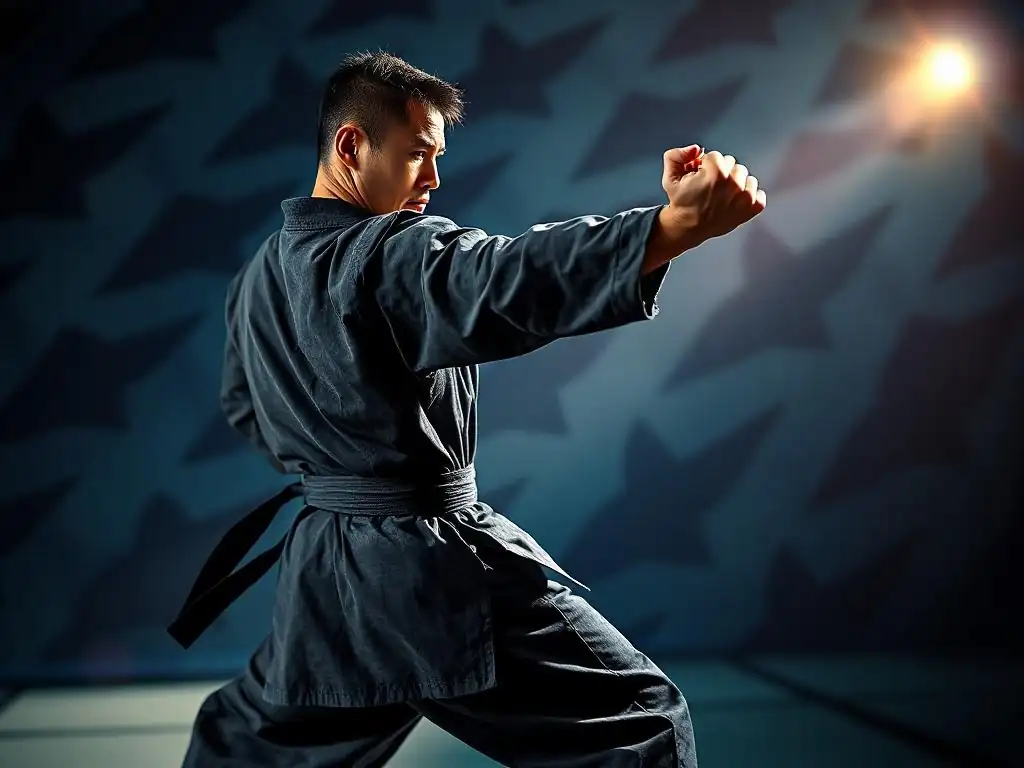
Welcome to Martial Arts Mastery, where we delve into the depths of combat wisdom and practical application. Are you ready to unlock your true potential under pressure?
In this article, "StressProof Your Reflexes: Training to Perform Under Extreme Pressure," we explore the critical role of martial arts stress response training in transforming your reactions from instinctive flinches to calculated counters. Discover how to sharpen your mind and body to perform effectively when it matters most. Prepare to push your limits and master the art of composure under fire.
- Introduction to Combat Stress Response Training
- The Science Behind Reflexes Under Pressure
- Practical Combat Stress Response Training Techniques
- Drills to Improve Reaction Time Under Pressure
- Integrating Stress Inoculation into Your Combat Training Regimen
- The Role of Nutrition and Sleep in Reflex Development Under Stress
- Real-World Applications of Combat Stress Response Training
- Conclusion: Mastering Reflexes Through Dedicated Stress Response Training
-
Frequently Asked Questions
- What is Martial Arts Stress Response Training and why is it important?
- How does Stress Response Training differ from regular martial arts practice?
- What are some common techniques used in Martial Arts Stress Response Training?
- What are the benefits of incorporating Stress Response Training into my martial arts curriculum?
- Is Martial Arts Stress Response Training suitable for all skill levels?
- Final Reflection: Mastering the Moment Under Pressure
- Fortify Your Focus: Master Pressure Now!
Introduction to Combat Stress Response Training
Understanding the Impact of Stress on Reflexes in Self-Defense Situations
In high-stakes self-defense scenarios, the body's natural response to perceived threats can significantly impair finely tuned motor skills and reaction times. This physiological reaction, often described as the fight-or-flight response, triggers a cascade of hormonal changes designed for immediate survival, but not necessarily for executing complex martial arts techniques or making nuanced decisions. Adrenaline surges, heart rate increases dramatically, and peripheral vision narrows, leading to tunnel vision.
These changes can cause trained individuals to freeze, fumble, or react impulsively rather than applying their learned skills effectively. For example, under extreme duress, a martial artist who can execute a lightning-fast block and counter in the dojo might find their movements sluggish or uncoordinated when facing a real threat. Understanding this physiological phenomenon is the first step in mitigating its negative effects through targeted martial arts stress response training.
Beyond the purely physical effects, stress also severely impacts cognitive function during a confrontation. The prefrontal cortex, responsible for rational thought and complex problem-solving, can become less active, while the amygdala, the brain's fear center, takes over. This shift can lead to impaired judgment, difficulty processing information, and an inability to recall or apply complex strategies.
A study on law enforcement officers, who frequently train for high-stress encounters, indicated that under extreme pressure, officers often defaulted to basic, gross motor skills rather than fine motor movements, and experienced significant memory recall issues regarding the event. This highlights the critical need for martial arts stress response training that prepares practitioners not just physically, but also mentally, to function effectively when their lives may depend on their reactions. Effective training must simulate the psychological pressure of a real threat to build resilience and ensure that reflexes remain sharp and controlled.
Why Combat Stress Inoculation Training is Crucial for Self-Preservation
Combat stress inoculation training is not merely an optional add-on to traditional martial arts practice; it is a fundamental component for anyone serious about self-preservation. Traditional training often occurs in a controlled, predictable environment, which, while excellent for developing technique, does little to prepare the practitioner for the chaos and psychological shock of a real violent encounter.
Without specific training designed to simulate and manage the stress response, even highly skilled individuals can find their abilities compromised when confronted with genuine danger. This type of training systematically exposes individuals to simulated stressors in a controlled manner, allowing them to develop coping mechanisms and practice applying their skills despite the physiological and psychological disruptions caused by fear.
For instance, a martial artist who has repeatedly practiced disarming techniques under simulated duress (loud noises, sudden movements, verbal aggression) is far more likely to execute the technique successfully in a real attack than someone who has only practiced it in a calm, cooperative setting.
The goal of martial arts stress response training, particularly combat stress inoculation training, is to build a tolerance to the effects of adrenaline and fear, effectively widening the practitioner's "performance window" under pressure. By gradually increasing the intensity and realism of training scenarios, individuals learn to recognize the onset of the stress response and maintain functional control over their bodies and minds. This process helps to hardwire appropriate reactions so they become more automatic, bypassing some of the cognitive impairment caused by stress.
Consider military or law enforcement training, where stress inoculation is a standard practice. Recruits are put through physically and psychologically demanding simulations precisely because performance under pressure is paramount. For the civilian martial artist, this translates to being able to access trained reflexes and decision-making abilities when faced with a mugging, assault, or other violent threat, significantly increasing their chances of survival and successful self-defense.
The Science Behind Reflexes Under Pressure
The Physiology of the Fight-or-Flight Response in Threatening Situations
When the brain perceives a threat, a rapid physiological response is initiated, commonly known as the fight-or-flight response. This process begins in the amygdala, which quickly signals the hypothalamus. The hypothalamus, acting as the command center, activates the sympathetic nervous system. This activation triggers the release of stress hormones, primarily adrenaline (epinephrine) and noradrenaline (norepinephrine), from the adrenal glands.
Within seconds, these hormones surge through the bloodstream, preparing the body for immediate action. The heart rate accelerates dramatically, sometimes exceeding 180 beats per minute, to pump oxygenated blood to the muscles more efficiently. Breathing becomes rapid and shallow, increasing oxygen intake.
Blood is diverted away from non-essential functions like digestion and towards major muscle groups in the arms and legs, enhancing physical strength and speed. This complex biological cascade is the body's ancient survival mechanism, optimized for escaping danger or confronting it head-on. However, while beneficial for simple, instinctual actions, these changes can interfere with the complex, learned movements required in martial arts.
Simultaneously, the body undergoes other less obvious, but equally impactful, physiological changes. Pupils dilate to allow more light into the eyes, potentially improving vision in low-light conditions, but often resulting in tunnel vision, where peripheral awareness is significantly reduced. Digestion slows or stops completely, leading to the feeling of butterflies in the stomach.
Sweating increases to cool the body during exertion. There's also a significant increase in muscle tension, preparing the muscles for sudden explosive movement. While this tension can provide an initial burst of power, sustained high tension can hinder fluid, coordinated movements and increase susceptibility to injury.
Understanding these physiological shifts is crucial for martial arts stress response training, as the training aims to mitigate the negative side effects (like tunnel vision or impaired fine motor skills) while leveraging the beneficial aspects (like increased strength and speed) in a controlled manner. Effective training helps the practitioner learn to manage these intense physical sensations and maintain functional control.
How Stress Hormones Affect Reaction Time and Decision-Making in Combat
The surge of stress hormones like adrenaline and cortisol has a profound and often detrimental effect on both reaction time and decision-making processes during combat or self-defense situations. Initially, adrenaline can actually speed up simple, automatic reactions. However, for complex reactions requiring processing and choice, the effect is often the opposite.
High levels of stress hormones can overload the nervous system, leading to a phenomenon known as "paralysis by analysis" or, conversely, impulsive, untrained responses. The ability to perceive multiple stimuli, assess a situation, recall appropriate techniques from training, and execute them effectively within milliseconds is severely hampered.
Studies on performance under stress have shown that while gross motor reactions might speed up slightly, the time taken for complex decision-making and fine motor execution can increase significantly, or accuracy can decrease dramatically. For instance, attempting a complex joint lock might become impossible, while a simple, forceful shove might be the only accessible physical response.
Furthermore, stress hormones, particularly cortisol when released chronically or in high acute doses, can impair the function of the hippocampus and prefrontal cortex, areas of the brain critical for memory formation, retrieval, planning, and rational thought. This impairment makes it difficult to access learned techniques from long-term memory and apply them flexibly to a dynamic, unpredictable situation. Decision-making becomes less strategic and more reactive, often defaulting to instinctual responses rather than trained ones.
A martial artist might forget a crucial detail of a technique or fail to adapt their strategy as the situation changes. Martial arts stress response training works to counter these effects by repeatedly exposing the practitioner to simulated stress, allowing the brain and body to habituate to the hormonal surge. This habituation helps to preserve higher cognitive function and access to trained motor patterns, enabling more effective reaction time and decision-making even when under extreme pressure.
Neurological Pathways Involved in Reflexive Actions Under Stress
Reflexive actions, particularly those crucial in martial arts and self-defense, involve complex neurological pathways that can be influenced by stress. The fastest reflexes, like pulling your hand away from heat, bypass the brain entirely, relying on a simple sensory-motor loop through the spinal cord. However, the reactions needed in combat – blocking a strike, reacting to an unexpected grab, or performing a quick counter-attack – are typically more complex.
They involve processing sensory input (visual, auditory, tactile) in the brain, assessing the threat, selecting an appropriate response based on training, and sending motor commands to the muscles. This pathway involves the sensory cortex, thalamus, basal ganglia, cerebellum, and motor cortex. Under normal conditions, this process is incredibly fast, often measured in fractions of a second (e.g., a simple visual reaction time for an alert adult is around 250 milliseconds).
Under stress, the amygdala's heightened activity can essentially hijack or influence these pathways. It can prioritize rapid, albeit less precise, responses over slower, more deliberate ones guided by the prefrontal cortex. The basal ganglia, involved in motor control and habit formation (like trained martial arts movements), and the cerebellum, crucial for coordination and balance, can also be affected by the neurochemical changes induced by stress hormones.
While stress can potentially speed up the initial, crude recognition of a threat, it can also disrupt the smooth execution of complex motor sequences stored in these areas. Martial arts stress response training aims to strengthen the desired neurological pathways associated with effective defensive and offensive movements under duress.
By repeatedly practicing trained responses in simulated stressful environments, these pathways become more robust and automatic, allowing the practitioner to bypass some of the cognitive interference caused by the stress response and rely on ingrained, effective reflexes. This process is akin to building a strong, reliable "express route" in the brain that can be accessed quickly when the main "highway" (rational processing) is congested by stress.
Practical Combat Stress Response Training Techniques
Controlled Scenario Drills to Simulate High-Pressure Situations
Controlled scenario drills are a cornerstone of effective martial arts stress response training. These drills move beyond static technique practice and introduce dynamic, unpredictable elements designed to mimic the conditions of a real confrontation without actual danger. Scenarios should be realistic and relevant to potential threats a practitioner might face, such as a sudden grab from behind, a verbal de-escalation attempt escalating to physical violence, or defending against multiple attackers. The key is to gradually increase the complexity and intensity of the scenarios.
Initially, scenarios might involve a compliant partner moving slowly, focusing purely on technique recall under mild pressure. As training progresses, partners can become more aggressive, unpredictable, and resistant. Adding elements like verbal abuse, unexpected actions, or simulated environmental challenges (like low light or uneven ground) significantly enhances the realism and effectiveness of the combat stress response training.
Detailed planning is essential for safety and effectiveness. Scenarios should have clear objectives, defined boundaries, and strict safety protocols supervised by experienced instructors. Debriefing after each scenario is crucial. This allows practitioners to reflect on their performance, identify what worked and what didn't, understand their physiological and psychological reactions to the stressor, and receive constructive feedback.
For example, a scenario might involve a simulated carjacking attempt. The practitioner must react to a sudden approach, assess the threat (e.g., presence of a weapon, number of attackers), and apply appropriate self-defense techniques. Post-scenario analysis would discuss their initial reaction (freeze, flee, fight), the effectiveness of their chosen techniques under pressure, and their ability to maintain situational awareness. This iterative process of simulation, performance, and analysis is fundamental to building resilience and refining reflexes in high-stress environments through dedicated martial arts stress response training.
Implementing Scenarios with Time Constraints
Adding time constraints to scenario drills introduces a powerful layer of pressure that closely mimics real-world threats. In a genuine self-defense situation, there is rarely ample time to think; decisions and actions must be made instantly. Training under time constraints forces practitioners to react reflexively based on ingrained training rather than relying on deliberate, slow processing.
This can be implemented in various ways: announcing a scenario will only last for a specific, short duration (e.g., 15-30 seconds), or requiring a specific action (like creating distance or neutralizing a threat) within a narrow window. For example, a drill might start with a partner initiating an attack, and the practitioner must successfully evade or block within 2 seconds to avoid a simulated consequence.
Another approach is to present multiple, rapidly changing stimuli within a short timeframe, requiring quick assessment and reaction to each. This could involve a partner throwing a series of unpredictable attacks in rapid succession, or a scenario where the threat environment changes suddenly (e.g., a second attacker appears unexpectedly).
The pressure of the ticking clock or the need for immediate adaptation trains the practitioner's nervous system to function efficiently under duress, improving the speed and decisiveness of their reflexes and decision-making. While initially frustrating, consistent practice with time constraints helps to reduce hesitation and build confidence in reacting swiftly when seconds count, a core objective of effective martial arts stress response training.
Adding Environmental Stressors to Scenario Sessions [e.g., Darkness, Confined Spaces]
Real-world threats rarely occur in well-lit, open, predictable environments. Incorporating environmental stressors into scenario training significantly enhances its realism and effectiveness for martial arts stress response training. Training in low light or near darkness forces practitioners to rely more on auditory and tactile senses, adapt their movement to reduced visibility, and manage the inherent anxiety that darkness can induce.
This simulates scenarios like an attack in a parking garage, alleyway, or during a power outage. Practicing techniques in such conditions helps to identify weaknesses in movements that rely heavily on visual cues and encourages the development of skills applicable when visibility is poor.
Similarly, training in confined spaces, such as hallways, small rooms, or simulated vehicle interiors, presents unique tactical challenges. Movement options are limited, and techniques must be adapted to the close quarters. This environmental stressor simulates scenarios like home invasions, altercations on public transport, or confrontations in crowded areas.
The psychological pressure of being in a constricted space, combined with the physical limitations, provides invaluable experience in adapting trained reflexes to challenging conditions. By systematically introducing these environmental stressors, martial arts stress response training prepares practitioners to apply their skills effectively regardless of the external circumstances, building robustness and adaptability under pressure.
Visualization and Mental Rehearsal for Stress Management
Visualization and mental rehearsal are powerful tools in martial arts stress response training, complementing physical practice by training the mind to perform under pressure. Mental rehearsal involves vividly imagining oneself successfully navigating a stressful self-defense scenario. This process engages similar neural pathways as physical practice and helps to hardwire desired responses.
By repeatedly visualizing performing techniques accurately and effectively while managing the feelings of stress and fear within the imagined scenario, practitioners build mental resilience and confidence. This technique is widely used by athletes to improve performance under competition pressure and is equally applicable to preparing for the stress of a violent encounter. It allows for risk-free practice of various responses to different threats and helps to solidify tactical decision-making.
Effective visualization involves engaging all senses: seeing the environment, hearing sounds, feeling the physical sensations of movement and stress, and experiencing the emotions. The goal is not just to see the outcome, but to feel the process of reacting effectively while stressed. For example, a practitioner might visualize being grabbed from behind.
They would imagine the surprise, the initial surge of adrenaline, and then mentally walk through their trained response step-by-step – the physical movement to break the grip, the tactical positioning, the follow-up techniques, all while maintaining mental composure despite the simulated fear. This mental repetition helps to make the desired reaction more automatic and less susceptible to disruption by the stress response when the situation is real. It's a critical, often underutilized, component of comprehensive martial arts stress response training.
Developing Mental Scripts for Common Self-Defense Situations
Developing mental scripts for common self-defense situations provides a cognitive framework for rapid response under stress. A mental script is a pre-planned sequence of actions and reactions for a specific type of encounter. While real situations are unpredictable, having a basic script reduces the cognitive load during the initial moments of a threat, allowing the practitioner to react more quickly and appropriately before adapting to the specifics of the situation.
For example, a script for a street robbery might involve: 1) Initial assessment (weapon? number of attackers? ), 2) Compliance or de-escalation attempt if tactically advisable, 3) Identifying an escape route or opportunity, 4) Executing a pre-planned physical response if escape is impossible or attack is imminent, 5) Immediate post-engagement actions (escape, call for help, assess safety).
These scripts should be rehearsed mentally and physically during martial arts stress response training. They are not rigid rules but flexible templates that guide the practitioner's initial response. By thinking through these scenarios beforehand and creating a mental blueprint, the practitioner reduces the need for complex decision-making during the high-stress event.
This allows the brain to access a pre-determined, trained response more quickly than trying to formulate a novel plan under duress. Regularly reviewing and refining these mental scripts helps to ensure they remain relevant and accessible, becoming almost automatic prompts for action when a similar situation arises. This proactive mental preparation is a vital layer of preparedness that complements physical training.
Using Imagery to Improve Performance Under Pressure
Imagery, closely related to visualization, specifically focuses on seeing and feeling oneself performing physical techniques flawlessly under stressful conditions. It goes beyond just picturing the scenario; it involves mentally executing the movements with perfect form, speed, and power, while simultaneously experiencing and managing the simulated physiological sensations of stress.
This technique reinforces the muscle memory pathways in the brain. When a practitioner repeatedly imagines performing a complex block-and-counter sequence perfectly, despite feeling their heart race and hands tremble in their mental simulation, they are training their brain to override the physical symptoms of stress and access the correct motor patterns.
This mental imagery can be used to practice specific techniques or entire sequences. For instance, a martial artist preparing for a sparring match (a form of voluntary pressure) might spend time visualizing themselves executing their techniques with precision and control, reacting quickly to their opponent's movements, and maintaining composure even when fatigued or pressured.
For self-defense, the imagery focuses on reacting effectively to violent threats. By consistently practicing this mental skill during martial arts stress response training, practitioners build a stronger connection between their trained techniques and the ability to perform them under the disruptive influence of stress hormones, making their reflexes more reliable when it truly matters.
Breathing Exercises and Mindfulness for Reflex Control
Controlling the breath is one of the most immediate and effective ways to manage the physiological symptoms of the stress response, directly impacting reflex control. Stress often leads to rapid, shallow breathing, which can exacerbate anxiety and impair cognitive function by disrupting the balance of oxygen and carbon dioxide in the blood. Learning to regulate breathing provides a direct mechanism to calm the nervous system.
Deep, diaphragmatic breathing activates the parasympathetic nervous system, counteracting the fight-or-flight response. This can help lower heart rate, reduce muscle tension, and improve mental clarity, all of which are essential for maintaining effective reflexes and decision-making under pressure. Incorporating breathing exercises into martial arts stress response training provides practitioners with a practical tool they can use in the moment of a threat.
Mindfulness, the practice of being present and aware of one's thoughts, feelings, and sensations without judgment, is another powerful tool for managing stress and enhancing focus. In a high-stress situation, the mind can race, becoming overwhelmed by fear and chaotic thoughts. Mindfulness training helps practitioners observe these thoughts and feelings without being consumed by them.
This allows for a greater ability to stay focused on the immediate reality of the threat and access trained responses. By cultivating present-moment awareness through practices like meditation, martial artists can improve their ability to concentrate under duress, maintain situational awareness, and react based on the unfolding reality rather than being paralyzed by fear or internal chaos. Integrating mindfulness into martial arts stress response training helps build the mental fortitude necessary to keep reflexes sharp and controlled when facing danger.
Box Breathing Techniques for Calming the Nervous System
Box breathing, also known as square breathing, is a simple yet highly effective technique for rapidly calming the nervous system and managing acute stress. It involves breathing in for a count of four, holding the breath for a count of four, exhaling for a count of four, and holding the breath again for a count of four, before repeating the cycle.
This regulated pattern helps to slow the heart rate and restore a sense of control over physiological responses. Practicing box breathing regularly, both during training and in daily life, makes it an accessible tool to deploy during moments of high stress.
During martial arts stress response training scenarios, practitioners can be prompted to use box breathing before or even during less intense simulations to practice applying the technique under mild pressure. The goal is to make this controlled breathing technique an automatic response to the onset of stress symptoms.
While a full box breath cycle might not be feasible in the split second of a sudden attack, the habit of controlled breathing instilled by this practice can help mitigate the severity of the physiological stress response, allowing for clearer thought and more controlled physical reactions. It's a practical, portable skill that enhances the practitioner's ability to perform under duress.
Mindfulness Meditation for Enhanced Focus and Awareness
Regular practice of mindfulness meditation significantly enhances focus and awareness, qualities critical for effective reflexes and decision-making under stress. Mindfulness meditation typically involves sitting quietly and focusing attention on the breath, body sensations, or sounds, and gently redirecting the mind back to the focus whenever it wanders. This practice trains the ability to concentrate and to observe thoughts and feelings without getting carried away by them. In a self-defense situation, this translates to being able to stay focused on the threat and the environment, rather than being consumed by fear or panic.
For martial arts stress response training, cultivating mindfulness helps practitioners remain present during chaotic scenarios. It improves peripheral awareness, allowing them to notice potential secondary threats or escape routes. It also helps them to observe their own internal state (e.g., rising panic) and apply coping mechanisms like controlled breathing, rather than being overwhelmed. By training the mind to remain calm and focused amidst internal and external distractions, mindfulness meditation directly supports the ability to access trained reflexes and make sound tactical decisions when under the extreme pressure of a real threat, making it an invaluable mental preparation tool.
Drills to Improve Reaction Time Under Pressure
Agility Ladder Drills for Enhanced Footwork and Coordination
Agility ladder drills are excellent for improving footwork speed, coordination, and balance, all of which are foundational for quick reflexes and evasive movements under pressure in martial arts. These drills require rapid, precise foot placement through various patterns within the ladder's squares. While seemingly simple, executing these drills quickly and accurately demands focus and fine motor control. When performed under increasing levels of fatigue or simulated psychological pressure (e.g., with distracting noise or verbal cues), they become effective tools for martial arts stress response training.
Practicing agility ladder drills helps to train the body to move efficiently and react quickly to visual cues (the squares) or auditory commands. Improved footwork means a practitioner can maintain balance while reacting to an attack, quickly shift weight for a powerful strike or block, or rapidly change direction to evade.
For instance, drills like the "Ickey Shuffle" or "2 In, 2 Out" performed at high speed train the feet to move independently and rapidly, a skill directly transferable to dodging, weaving, or closing/creating distance in a confrontation. Integrating these drills into a training regimen, sometimes with added stressors like a partner calling out random patterns or directions, enhances the practitioner's ability to maintain agile footwork even when stressed.
Reaction Ball Drills for Improving Reflexes and Hand-Eye Coordination
Reaction ball drills are a dynamic way to improve hand-eye coordination, tracking ability, and quick reaction time, essential components of effective reflexes in martial arts. A reaction ball is typically a multi-sided rubber ball that bounces unpredictably in different directions when thrown. The drill involves throwing the ball against a wall or the ground and reacting quickly to catch it as it bounces off at an unexpected angle. This forces the eyes to track an erratic object and the hands to react instantly to its trajectory.
Performing reaction ball drills regularly, especially under conditions that simulate pressure (like limited space or after intense physical exertion), helps to sharpen visual processing and the speed of the body's response. This translates directly to skills like reacting to a fast punch, tracking a weapon movement, or quickly positioning hands for a block or parry. The unpredictable nature of the bounce mimics the unpredictability of a real attack, training the practitioner to react to novel stimuli without hesitation. It's a simple yet highly effective drill for developing the quick, adaptive reflexes needed in combat stress response training.
Partner Drills for Simulating Real-World Threat Scenarios
Partner drills are indispensable for martial arts stress response training as they provide the closest simulation to a real confrontation, allowing practitioners to practice applying techniques against a live, resisting, and unpredictable opponent. These drills move beyond cooperative practice and introduce elements of surprise, resistance, and tactical decision-making under pressure. Examples include drills starting from various positions (e.g., seated, on the ground, standing with distance), simulating different types of attacks (grabs, strikes, weapon threats), and requiring the practitioner to react appropriately based on the specific action initiated by the partner.
Effective partner drills for stress inoculation involve gradually increasing the speed, intensity, and realism. Initially, a partner might act in a semi-compliant manner to allow the practitioner to focus on technique execution. Over time, the partner becomes more resistant, unpredictable, and may add verbal aggression or sudden, unexpected movements.
This forces the practitioner to react reflexively, adapt their techniques on the fly, and manage the stress induced by the simulated threat. Safety is paramount, with clear rules, protective gear, and skilled supervision ensuring that the training is challenging but safe. These drills are fundamental to bridging the gap between dojo practice and real-world self-defense, specifically targeting the ability to perform trained reflexes under the psychological and physical pressure of an opponent.
Punch Mitt Drills for Speed and Accuracy Under Pressure
Punch mitt drills are a staple in striking arts but can be adapted for martial arts stress response training to improve speed, accuracy, and power delivery under pressure. Instead of simply hitting predictable targets, the person holding the mitts (the mitt holder) introduces elements of surprise, speed, and unpredictability. The mitt holder might present targets erratically, call out combinations rapidly, move evasively, or even add light resistance or counter-pressure after strikes. This forces the practitioner to react quickly to the visual cues of the mitts, make rapid decisions about which strike to throw, and execute combinations under time constraints.
Adding stressors like verbal commands ("Jab! ", "Cross! ", "Hook!") or even light physical contact (e.g., a light shove or feint) while the practitioner is striking further enhances the stress inoculation aspect.
This trains the practitioner to maintain focus, accuracy, and power output even when fatigued or distracted. For example, a drill might involve the mitt holder presenting random targets for 30 seconds at maximum speed, followed by a sudden simulated grab, requiring an immediate transition from striking to grappling defense. Such drills build the ability to execute trained striking reflexes effectively and transition between different skill sets seamlessly while under the physical and mental pressure of a simulated confrontation.
Reaction-Based Blocking and Evading Drills
Reaction-based blocking and evading drills are crucial for developing defensive reflexes under pressure. These drills focus on reacting instantly and appropriately to incoming attacks, rather than setting up pre-planned defenses. A partner initiates strikes or grabs (with varying speed, power, and unpredictability, always with safety gear and control), and the practitioner must react using trained blocks, parries, slips, or evasive movements. The key is the element of surprise and the need for immediate, unconscious reaction.
Drills can start slowly, allowing the practitioner to recognize the attack type and select the correct defense. As proficiency increases, the speed and variability of the attacks are increased, forcing the practitioner to rely on their trained reflexes. Adding distractions, fatigue (by performing drills after intense cardio), or environmental factors (like reduced visibility) further enhances the stress inoculation.
For instance, a drill might involve a partner throwing random combinations of punches and kicks, and the practitioner must react with the appropriate block or evasion for each. Another might focus on reacting to sudden, unexpected grabs from different angles. These drills directly train the nervous system to respond defensively under duress, making reaction-based blocking and evading skills more automatic and reliable in a real confrontation, a key outcome of effective martial arts stress response training.
Integrating Stress Inoculation into Your Combat Training Regimen
Gradual Exposure to Stressful Situations in Training
Integrating martial arts stress response training into a regular regimen requires a systematic approach, starting with gradual exposure to stressful situations. Just as physical training progresses from light to heavy weights, stress inoculation should begin with low-intensity stressors and slowly increase over time. Introducing too much stress too soon can be counterproductive, leading to overwhelming anxiety or even injury.
Begin with simple scenarios under mild pressure, such as performing techniques while slightly fatigued, or practicing reactions with a partner who offers minimal resistance but adds unexpected verbal cues. The environment might be slightly less familiar than the usual training space.
As practitioners become more comfortable and their performance under these mild stressors improves, gradually introduce more challenging elements. This might involve increasing the speed or unpredictability of a partner's actions, adding more realistic environmental factors (like dimming the lights slightly), or incorporating multiple, rapidly changing stimuli within a drill. The key is to keep the challenge manageable while still pushing the practitioner outside their comfort zone.
This progressive overload principle, similar to physical conditioning, builds resilience to stress over time, allowing the nervous system to habituate to the physiological and psychological disruptions, thus making trained reflexes more accessible under pressure. This step-by-step process is fundamental to successful martial arts stress response training.
Monitoring and Adjusting Training Intensity Based on Performance
Effective martial arts stress response training requires careful monitoring of the practitioner's performance and adjusting the training intensity accordingly. The goal is to find the optimal level of stress that challenges the individual without overwhelming them. If a practitioner consistently freezes, makes significant errors, or displays excessive signs of panic during a scenario, the stress level is likely too high.
This indicates a need to reduce the intensity, perhaps by slowing down the scenario, reducing the number of variables, or providing more cues. Conversely, if a practitioner is performing flawlessly without any signs of stress, the intensity needs to be increased to provide a sufficient challenge.
Regular assessment and feedback are crucial. Instructors should observe how practitioners react physiologically (e.g., breathing, muscle tension) and psychologically (e.g., decision-making speed, hesitation) under stress. Practitioners should also be encouraged to self-assess and communicate how they are feeling.
Based on this feedback, the pace, complexity, and realism of drills and scenarios can be adjusted. The aim is to consistently train at the edge of the practitioner's current capacity to manage stress, gradually expanding that capacity. This iterative process of monitoring and adjustment ensures that the martial arts stress response training remains effective and safe, leading to consistent improvement in performing reflexes under pressure.
Periodization of Stress Response Training for Optimal Results
Just like physical training, martial arts stress response training benefits from periodization – structuring training into distinct phases with varying focus and intensity over time. Simply adding stress to every training session can lead to burnout or diminishing returns. A periodized approach might include phases focused primarily on: 1) Foundational skills in a low-stress environment, 2) Introducing mild stressors and simple scenarios, 3) Increasing intensity with more complex and realistic scenarios, 4) Integrating stress inoculation into sparring or simulated combat, and 5) Recovery and maintenance phases.
For example, a training cycle might dedicate a few weeks to perfecting techniques calmly, followed by a block focused on executing those techniques under moderate fatigue or noise distraction. The next phase might involve complex scenario work under time pressure, culminating in simulated street encounters with resisting partners. Periodization helps prevent plateout, keeps training engaging, and allows the body and mind to recover.
It ensures that stress inoculation training is integrated systematically and progressively, building resilience and the ability to access trained reflexes under pressure over the long term. A well-structured periodization plan is key to maximizing the benefits of martial arts stress response training.
The Role of Nutrition and Sleep in Reflex Development Under Stress
Dietary Considerations for Managing Stress Hormones
While not a direct training technique, proper nutrition plays a significant role in the body's ability to manage stress and, consequently, its impact on reflexes and performance. Chronic stress can deplete essential nutrients and negatively affect hormone balance. A diet rich in whole foods, lean proteins, healthy fats, and complex carbohydrates provides the body with the building blocks needed to function optimally, including regulating stress hormones like cortisol. For example, omega-3 fatty acids found in fish oil have been shown to help reduce cortisol levels, while magnesium can aid in muscle relaxation and nervous system regulation.
Avoiding excessive caffeine, sugar, and processed foods is also important, as these can exacerbate anxiety and contribute to energy crashes that impair focus and reaction time. Staying well-hydrated is also crucial, as dehydration can increase cortisol levels and negatively impact cognitive function. While diet alone won't stress-proof your reflexes, supporting your body's ability to manage stress through good nutrition provides a crucial foundation that enhances the effectiveness of martial arts stress response training. It helps ensure the body and brain are in the best possible state to cope with the demands of training and real-world pressure.
The Importance of Adequate Sleep for Reflex Recovery and Performance
Adequate sleep is absolutely fundamental for cognitive function, physical recovery, and the consolidation of learned skills, all of which directly impact reflexes and the ability to perform under stress. During sleep, particularly REM sleep, the brain processes experiences and consolidates memories, including motor skills learned during training. Insufficient sleep impairs reaction time, reduces focus, increases anxiety, and negatively affects decision-making abilities – precisely the functions most vulnerable to stress. Studies consistently show that sleep deprivation significantly degrades performance on complex tasks and increases the body's stress response.
For practitioners engaged in intense martial arts stress response training, sufficient sleep (typically 7-9 hours per night for adults) is not a luxury but a necessity. It allows the nervous system to recover from the demands of training, consolidates the lessons learned during stress inoculation drills, and ensures that the brain is prepared to react quickly and effectively when needed. Trying to perform trained reflexes under pressure while sleep-deprived is significantly harder.
Prioritizing sleep enhances both the learning process during training and the ability to access and apply those skills when faced with a real threat. It is a critical, non-negotiable component of optimizing performance in martial arts stress response training.
Real-World Applications of Combat Stress Response Training
Self-Defense Scenarios and How to React Effectively
The ultimate goal of martial arts stress response training is to enable practitioners to apply their skills effectively in real-world self-defense scenarios. This training prepares individuals for the shock and unpredictability of a violent encounter by building resilience to the physiological and psychological effects of stress. In a mugging, for example, the ability to remain calm enough to assess whether compliance is the safest option, or if immediate physical action is necessary, is paramount.
Stress inoculation training helps prevent the freeze response and allows access to trained tactical decision-making. If physical action is required, the training ensures that gross and fine motor skills remain functional despite adrenaline surges.
Consider a scenario involving a sudden physical assault, like being pushed or grabbed. Without stress inoculation training, the instinct might be panic or a disorganized physical struggle. With proper martial arts stress response training, the practitioner's body is trained to respond reflexively with appropriate defensive or evasive actions – perhaps a trained breakfall if pushed, or a specific grip break if grabbed – followed by trained counter-techniques or escape movements.
The mental preparation allows them to quickly transition from shock to action, accessing their ingrained responses rather than being paralyzed by fear. Real-world application is about making trained reactions the default under pressure.
Maintaining Composure Under Pressure During Emergency Situations
Beyond direct physical confrontation, the principles of combat stress response training are applicable to maintaining composure during various emergency situations. Whether it's a natural disaster, an accident, or witnessing a crime, the ability to manage the stress response is crucial for clear thinking and effective action. The physiological effects of stress – rapid heart rate, tunnel vision, impaired decision-making – are similar across different types of emergencies. Training to recognize and manage these symptoms in a simulated combat context translates to improved performance in non-combat stressful events.
For example, the controlled breathing techniques practiced in martial arts stress response training can be used to remain calm while administering first aid or coordinating help during an emergency. The mental rehearsal of potential scenarios helps in quickly assessing a chaotic situation and formulating a plan.
The ability to act decisively under duress, honed through scenario drills, is invaluable in situations requiring rapid response, such as escaping a burning building or helping others to safety. The resilience and self-control developed through dedicated martial arts stress response training extend far beyond physical self-defense, equipping individuals to function effectively and helpfully in a wide range of high-pressure circumstances.
Conclusion: Mastering Reflexes Through Dedicated Stress Response Training
The Path to Enhanced Self-Defense Performance Through Stress Management
Mastering reflexes for self-defense under extreme pressure is not solely about perfecting physical techniques in a calm environment. It is fundamentally about training the mind and body to function effectively despite the disruptive effects of stress. The path to truly enhanced self-defense performance lies in dedicated martial arts stress response training that systematically addresses the physiological and psychological challenges of a real confrontation. By understanding how stress impacts reaction time, decision-making, and motor skills, practitioners can engage in targeted training methods designed to build resilience.
Techniques such as controlled scenario drills, incorporating time constraints and environmental stressors, are vital for simulating the chaos and pressure of a real threat. Mental preparation through visualization, mental scripting, and mindfulness cultivates the cognitive resilience needed to maintain focus and access trained responses when fear is present.
Physical drills focused on reaction speed and coordination, performed under increasing levels of pressure, help to hardwire effective reflexive movements. By integrating these components into a comprehensive training regimen, practitioners can significantly improve their ability to apply their martial arts skills when their lives depend on it, transforming theoretical knowledge into practical, reliable reflexes under duress.
Continuous Improvement and Adaptation in Your Training Approach
Achieving mastery in performing reflexes under stress is not a destination but a continuous journey. The ability to function effectively under pressure requires ongoing practice and adaptation. Stress inoculation training should be an integral, regular part of a martial arts regimen, not a one-off course.
As a practitioner's skills develop and their ability to handle stress improves, the training methods and scenarios must also evolve to provide new challenges and continue building resilience. This might involve introducing more complex or unpredictable scenarios, increasing the intensity of stressors, or focusing on managing stress in different contexts (e.g., while injured or fatigued).
Furthermore, staying current with understanding the effects of stress and effective training methodologies is important. Reflecting on training experiences, real-world incidents (either personal or observed), and seeking feedback from experienced instructors allows for continuous refinement of one's approach to martial arts stress response training. The goal is to build a robust, adaptable stress response that ensures trained reflexes remain sharp and accessible, no matter the unpredictable nature of a real threat. Dedication to this ongoing process of training and adaptation is key to maximizing self-preservation capabilities and truly stress-proofing one's reflexes.
Frequently Asked Questions
What is Martial Arts Stress Response Training and why is it important?
Martial Arts Stress Response Training focuses on simulating high-pressure situations to improve your ability to react effectively. It's important because it bridges the gap between theoretical knowledge and practical application under duress. This improves survivability in real-world scenarios.
How does Stress Response Training differ from regular martial arts practice?
Regular martial arts practice often focuses on technique perfection in a controlled environment. Stress Response Training intentionally introduces elements of chaos and uncertainty, like distractions, fatigue, or simulated attacks, forcing you to adapt and react instinctively.
What are some common techniques used in Martial Arts Stress Response Training?
Common techniques include scenario-based training, sparring with multiple opponents, working under time constraints, and incorporating sensory overload such as loud noises or bright lights to mimic real-world stress.
What are the benefits of incorporating Stress Response Training into my martial arts curriculum?
Stress Response Training offers improved reaction time, enhanced decision-making under pressure, increased confidence in self-defense situations, and a greater understanding of your own limitations and strengths.
Is Martial Arts Stress Response Training suitable for all skill levels?
Yes, but it should be introduced gradually and progressively. Beginners can start with simple scenarios and controlled pressure, while advanced practitioners can tackle more complex and unpredictable situations to refine their skills.
Final Reflection: Mastering the Moment Under Pressure
The exploration of martial arts stress response training reveals a profound truth: true mastery lies not just in physical prowess, but in the ability to maintain composure and execute skills under the most intense duress. In today's fast-paced and often chaotic world, the principles of stress inoculation and controlled breathing, honed through martial arts practice, are more relevant than ever, offering a pathway to navigate challenges with grace and effectiveness, far beyond the dojo.
The impact of cultivating a resilient stress response extends far beyond self-defense. It permeates every aspect of our lives, from professional performance to personal relationships, allowing us to make clearer decisions and react with greater intention. The ability to remain calm and focused when faced with adversity is a skill that empowers us to overcome obstacles and achieve our full potential. As Bruce Lee wisely stated: Adapt what is useful, reject what is useless, and add what is specifically your own.
This philosophy perfectly encapsulates the essence of stress response training – tailoring techniques to individual needs and circumstances to forge an unshakeable inner strength.
Now, consider the lessons learned. How can you integrate the principles of martial arts stress response training into your own life? Take a moment to identify the areas where you feel most vulnerable to pressure. Embrace the practice of mindful breathing, visualization, and controlled exposure to stressful situations. By consciously cultivating your ability to remain calm and focused, you can transform challenges into opportunities for growth and unlock a new level of resilience within yourself. Strive not just to react, but to respond with intention, and discover the power of a truly stress-proof mind.
Fortify Your Focus: Master Pressure Now!
Thank you for investing your time in discovering how to sharpen your reflexes and maintain composure under pressure. You've unlocked valuable insights into stress inoculation and mental resilience. Now, it's time to put those insights into action!
Here's how you can transform knowledge into mastery:
- Begin your personalized pressure training regimen today! Start with small, manageable challenges and gradually increase the intensity. Consistency is key.
- Share this article with a training partner or martial arts group to encourage collaborative growth and mutual support. Discuss your experiences and techniques!
- Experiment with incorporating sensory deprivation exercises into your routine to heighten your awareness and sharpen your reactive abilities in unfamiliar conditions.
What specific pressure training technique will you implement this week to elevate your performance to the next level?