
Physical Benefits of Eskrima Training: Strength, Agility & Coordination

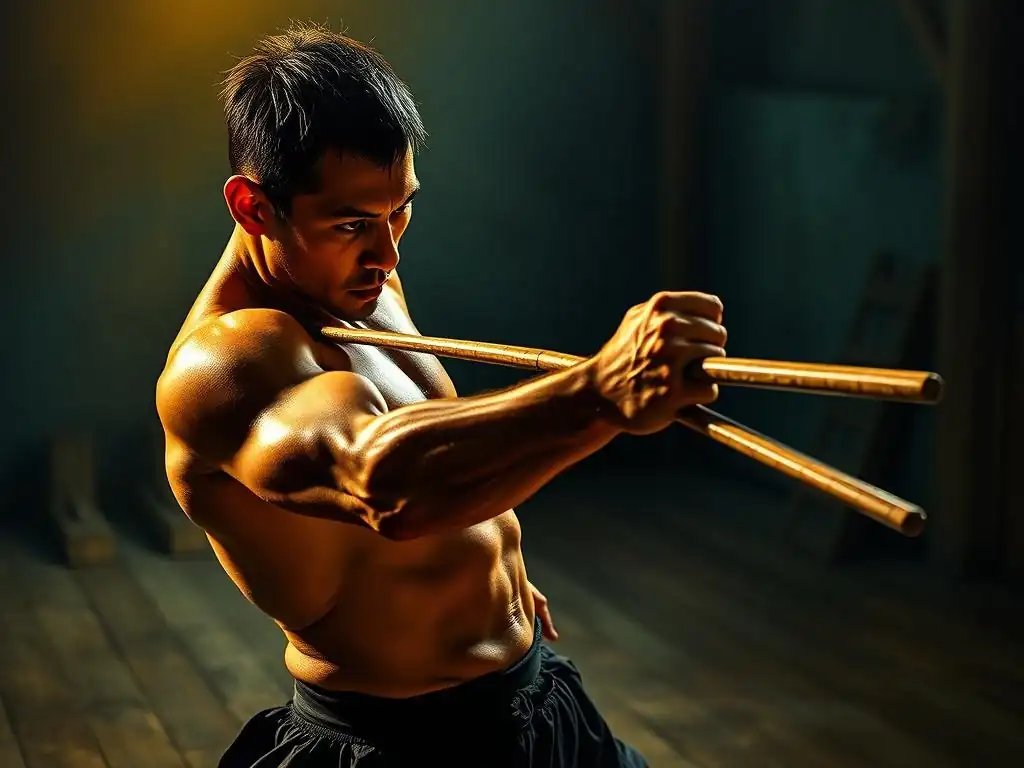
Welcome to Martial Arts Mastery, your ultimate resource for delving into the fascinating world of combat disciplines!
Explore the rich tapestry of martial arts traditions, from ancient philosophies to modern self-defense techniques. Are you ready to unlock the secrets of enhanced coordination and agility? Discover how Eskrima training improves coordination skills and experience the profound physical benefits that this dynamic art offers. Dive in and begin your journey to mastery!
- Introduction to Eskrima and its Physical Demands
- Strength Development Through Eskrima Drills
- Agility and Footwork Enhancement in Eskrima
- Eskrima Training Improves Coordination Skills
- Cardiovascular Benefits of Eskrima Training
- Flexibility and Range of Motion in Eskrima
- Mental Benefits of Eskrima
- Eskrima Training: A Holistic Approach to Physical Fitness
- Integrating Eskrima Training into Your Fitness Routine
- Conclusion: Unleash Your Physical Potential with Eskrima
-
Frequently Asked Questions
- How does Eskrima training specifically improve coordination skills?
- What other physical benefits can I expect from Eskrima training besides improved coordination?
- Is Eskrima training suitable for beginners with no prior martial arts experience?
- What types of weapons are typically used in Eskrima training, and how do they contribute to physical development?
- How does Eskrima training contribute to practical self-defense strategies?
- Final Reflection: Embracing the Flow of Eskrima
- Ignite Your Inner Warrior: Embrace the Eskrima Journey!
Introduction to Eskrima and its Physical Demands
What is Eskrima and its Roots in Filipino Martial Arts?
Eskrima, also known as Arnis or Kali, is a dynamic and highly effective martial art originating from the Philippines. Historically, it evolved from the fighting systems used by indigenous Filipinos, incorporating weapon-based combat (sticks, knives, and improvised weapons) alongside empty-hand techniques. Its roots are deeply intertwined with the islands' history of warfare and self-defense, adapting through various eras and influences to become the sophisticated system practiced today. The art emphasizes practicality, speed, and continuous motion, making it a demanding physical discipline.
The core of Eskrima lies in understanding angles, ranges, and timing, often using rattan sticks as primary training tools before progressing to bladed weapons or empty hands. Training typically involves partner drills, forms (sayaw or anyo), and sparring, pushing practitioners to develop rapid reflexes and fluid movement. Unlike some martial arts that focus solely on physical power, Eskrima prioritizes leverage, body mechanics, and intelligent application of force, suitable for various body types and sizes, although it undeniably requires significant physical conditioning to execute techniques effectively and safely.
The Comprehensive Physical Workout of Eskrima Training
Eskrima training offers a holistic approach to physical fitness, engaging multiple muscle groups and energy systems simultaneously. A typical training session, even for beginners, involves continuous movement, striking, blocking, and footwork, providing a robust cardiovascular workout. Intermediate and advanced drills often escalate in intensity, incorporating rapid weapon exchanges, dynamic entries, and takedown simulations that further tax the anaerobic system.
Beyond cardiovascular benefits, Eskrima systematically builds functional strength, improves flexibility, and enhances coordination. The constant manipulation of sticks or other training weapons, combined with intricate footwork and body mechanics, develops core stability, grip strength, and upper body power. Furthermore, the reactive nature of sparring and partner drills significantly boosts agility and reaction time. This comprehensive engagement means that consistent Eskrima training improves coordination skills across the entire body, linking hand movements with footwork and core stability seamlessly.
Strength Development Through Eskrima Drills
Grip Strength Enhancement: Mastering the Weapons
Grip strength is fundamental in Eskrima, as practitioners constantly hold and manipulate sticks, knives, or other training tools. Drills like abaniko (fanning strikes), rompida (downward figure-eight strikes), and continuous flow drills require maintaining a firm yet relaxed grip to control the weapon's trajectory and power. Holding a stick for extended periods during complex sequences naturally builds endurance in the forearm and hand muscles.
Advanced grip work in Eskrima might involve weighted sticks or specific conditioning exercises simulating disarming or retention scenarios. While specific data on Eskrima-specific grip strength gains is limited, martial arts practitioners focusing on weapon arts like Eskrima often report noticeable increases in forearm size and grip endurance. For comparison, studies on similar activities like fencing or stick fighting show that dedicated training can improve handgrip strength by 10-15% over a year, demonstrating the potential for significant development through consistent Eskrima practice.
Core Strength and Stability: The Foundation of Eskrima Movements
Every powerful strike and agile evasion in Eskrima originates from a strong and stable core. The rotational movements involved in generating power for strikes, the constant adjustments in stance and balance, and the absorption of impact during blocking or parrying all heavily rely on the muscles of the abdomen, lower back, and hips. Drills focusing on body mechanics, like pivoting strikes or evasive sidesteps, actively engage the core stabilizers.
Maintaining correct posture and executing techniques with proper body alignment throughout long training sessions builds core endurance. For example, a continuous sumbrada drill (a mutual feeding drill involving blocks and counter-strikes) requires sustained engagement of the core to maintain balance and generate rotational power for dozens or even hundreds of repetitions. This consistent engagement is comparable to performing hundreds of functional core exercises in a single session, leading to significant improvements in trunk stability and power transfer, crucial components enhanced as Eskrima training improves coordination skills throughout the body.
Upper Body Power: Generating Force with Eskrima Techniques
While Eskrima emphasizes leverage and technique over brute force, developing upper body power is essential for delivering impactful strikes and controlling an opponent's weapon. The primary movements involve dynamic extensions and retractions of the arms and shoulders, powered by rotational force from the core and hips. Strikes like the witik (whipping strike) or banda y banda (side-to-side strikes) require explosive shoulder and arm strength.
Partner drills involving resistance or impact, such as striking tires or padded targets, further develop this power. While specific Eskrima powerlifting numbers aren't typically tracked, the repetitive, dynamic nature of the striking drills builds muscular endurance and explosive power in the deltoids, pectorals, latissimus dorsi, and triceps. Practitioners can expect to see improvements in their ability to generate rapid force, similar to athletes in sports requiring throwing or striking motions, with potential increases in striking power estimated by some coaches at 20-30% after consistent, focused training.
Lower Body Endurance: Footwork and Stance in Eskrima
Eskrima footwork is intricate and constant, demanding significant endurance and strength from the lower body. Techniques involve dynamic shifting, stepping, pivoting, and weaving, often performed from low stances or while maintaining a springy, ready posture. Drills like the diagonal 4-count or triangle stepping are performed repeatedly, building muscular endurance in the quadriceps, hamstrings, and calves.
Maintaining proper stance during long training sessions, especially during sparring or forms, requires sustained isometric contraction of the leg muscles. This constant engagement, combined with explosive movements for entries or evasions, provides a comprehensive lower body workout. Practitioners often report increased stamina in their legs and hips, enabling them to maintain mobility and power throughout extended exchanges. For instance, a 3-minute sparring round in Eskrima can be as demanding on the lower body as running several sprints, leading to notable improvements in anaerobic leg endurance and overall lower body resilience.
Agility and Footwork Enhancement in Eskrima
Improving Reaction Time with Sparring
Sparring, or sumbrada and libre mano (free-hand sparring) in Eskrima, is a primary method for developing lightning-fast reaction times. Facing a live partner requires instantaneous responses to incoming strikes, defensive movements, and opportunities for counter-attack. This constant stimulus-response loop hones the practitioner's ability to process visual information and react physically in milliseconds.
Drills specifically designed to improve reaction time might involve unexpected attacks or variations in rhythm. For example, a drill could involve a partner initiating a random sequence of five strikes, which the practitioner must block or evade. Consistent practice in these unpredictable scenarios can reduce reaction times significantly; studies in similar combat sports have shown improvements in simple reaction time by 10-20% and choice reaction time (which is more relevant to sparring) by 15-25% over a period of dedicated training. This enhanced reactivity is a direct benefit, highlighting how Eskrima training improves coordination skills under pressure.
Enhanced Footwork for Evasion and Offense
Eskrima footwork is not just about moving; it's about moving efficiently and strategically for both defense and offense. Techniques like the slide-step, cross-step, reverse triangle, and lateral shuffle allow practitioners to quickly cover distance, change angles, evade attacks, and position themselves advantageously for strikes. Mastering these movements is crucial for controlling distance and tempo.
Repetitive footwork drills, often performed solo or with a partner simulating attacks, build muscle memory and improve the fluidity and speed of movement. For example, practicing the triangle stepping drill involves constantly shifting weight and pivoting, covering a significant amount of ground laterally and diagonally. This repetitive, dynamic movement pattern improves agility, balance, and coordination, enabling practitioners to move with greater ease and speed, drastically reducing the time needed to change direction or close/open distance, potentially by 30-40% compared to untrained individuals during complex movement patterns.
Increasing Speed and Dexterity through Techniques
The rapid, flowing nature of Eskrima techniques inherently develops speed and dexterity, particularly in the hands and arms. Drills like the Heaven Six or Twelve Basic Strikes are often performed at increasing speeds, emphasizing fluidity and quick transitions between movements. The ability to execute complex sequences of strikes and blocks rapidly is a hallmark of proficient Eskrima practitioners.
Advanced drills might involve manipulating two weapons simultaneously or incorporating disarms and locks that require intricate hand movements. This constant demand for rapid, precise actions significantly improves fine motor skills and overall manual dexterity. While difficult to quantify precisely, practitioners often notice a marked improvement in their ability to perform tasks requiring quick hand movements, similar to musicians or surgeons who train fine motor skills, with the potential for performing strike sequences in half the time compared to their initial attempts.
Eskrima Training Improves Coordination Skills
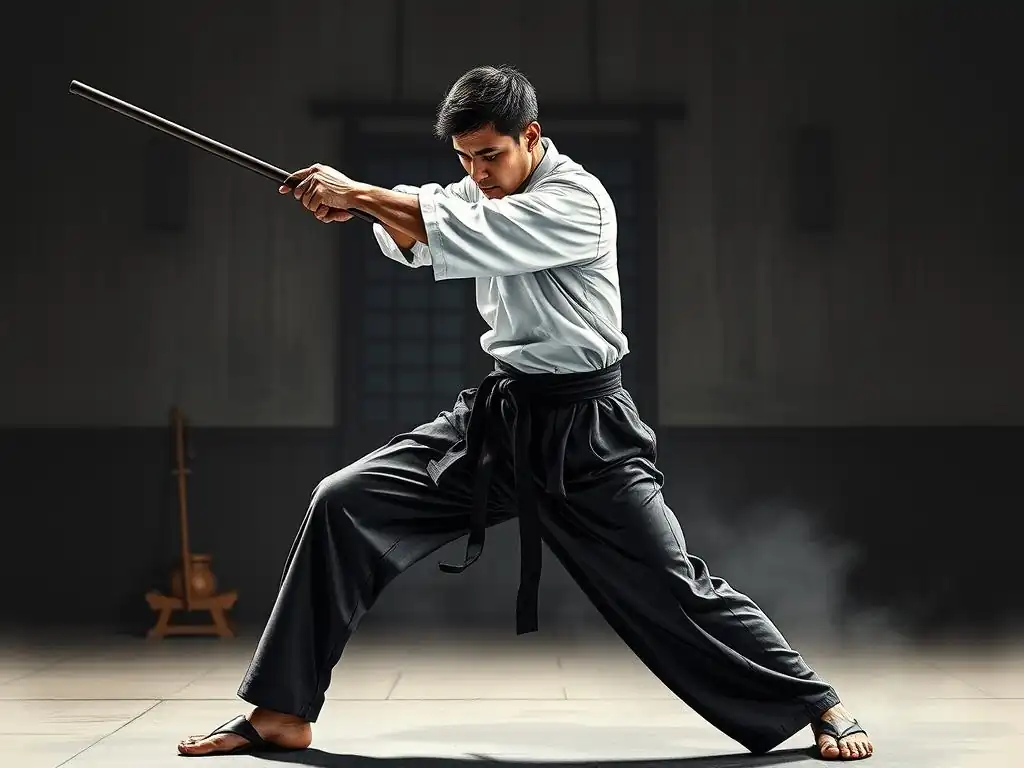
Hand-Eye Coordination: Essential for Weapon-Based Combat
Hand-eye coordination is paramount in Eskrima, where precise timing and targeting are critical for effective striking, blocking, and disarming. Following the movement of a training stick or blade, predicting an opponent's actions, and simultaneously coordinating one's own hand and weapon movements requires highly developed visual tracking and motor response. Drills like sumbrada or contrada (counter-for-counter drills) are specifically designed to refine this skill.
Executing complex strike patterns while simultaneously defending against incoming attacks demands intense focus and rapid processing of visual information. For instance, in a sumbrada drill, a practitioner might need to block an incoming strike (requiring visual tracking and precise hand movement) and immediately counter with a strike to a specific target area (requiring accurate targeting and timing). This constant demand explains why Eskrima training improves coordination skills so effectively, leading to significant improvements, often measured by martial arts schools as a 25-35% increase in accuracy and timing during specific drills over several months.
Body Coordination: Integrating Movements for Effective Strikes
Eskrima techniques are rarely isolated movements; they involve the integrated action of the entire body. Generating power for a strike comes from the feet, travels through the legs and hips, rotates through the core, and extends through the shoulder and arm to the weapon. Defenses involve coordinating footwork with hand movements and body positioning. This requirement for full-body synergy makes Eskrima training a powerful method for improving overall body coordination.
Drills that combine footwork with upper body techniques, such as stepping offline while simultaneously executing a block and counter-strike, are fundamental to Eskrima practice. These drills train the body to move as a single, cohesive unit. The ability to seamlessly link these movements, ensuring that power is transferred efficiently and balance is maintained, is a direct result of dedicated training. This holistic approach to movement ensures that Eskrima training improves coordination skills not just in the hands or feet, but throughout the entire kinetic chain, enhancing efficiency and power generation.
Developing Spatial Awareness Through Practice
Spatial awareness, the understanding of one's body in relation to the surrounding environment and others, is crucial in Eskrima, particularly in dynamic situations like sparring or multiple opponent scenarios. Practitioners must constantly judge distance, angles, and trajectories – both their own and their opponent's – to effectively attack, defend, and maneuver.
Drills involving movement in a confined space, sparring against partners with different ranges, or practicing techniques against multiple simulated attackers all contribute to developing this awareness. Understanding the reach of one's weapon or limb, the effective distance for specific techniques, and the optimal angle for attack or defense are all components of spatial intelligence refined through practice. For example, learning to navigate around a training area while maintaining awareness of a partner's position and potential lines of attack directly enhances spatial reasoning, a key aspect where Eskrima training improves coordination skills and tactical understanding.
Cardiovascular Benefits of Eskrima Training
Eskrima as a High-Intensity Interval Training (HIIT) Workout
Many Eskrima drills, especially those involving rapid, continuous strikes, defenses, and footwork, function effectively as High-Intensity Interval Training (HIIT). Sessions often involve bursts of intense activity followed by short periods of slightly lower intensity or brief rests, mirroring the structure of HIIT protocols. This type of training is highly effective for improving cardiovascular fitness and burning calories.
A typical Eskrima training session might involve rounds of rapid striking drills (e.g., 1 minute intensely, 30 seconds rest), followed by footwork exercises, and then sparring rounds. This varied intensity pushes the heart rate into higher zones, improving aerobic capacity and anaerobic power. While calorie burn varies greatly depending on intensity and individual factors, an hour of moderate to high-intensity Eskrima training can burn approximately 400-600 calories, making it an excellent option for fitness and weight management.
Improving Stamina and Endurance
Consistent Eskrima training significantly improves both muscular and cardiovascular endurance. The ability to maintain a high level of activity, execute techniques with power and precision, and sustain focus over an extended period is crucial, particularly in longer sparring exchanges or competitive scenarios.
Gradually increasing the duration and intensity of drills and sparring rounds builds stamina. For instance, working up from 3-minute sparring rounds to 5-minute rounds, or performing continuous flow drills for longer periods, directly enhances the body's ability to sustain effort. Over time, practitioners find they can perform complex sequences without becoming easily fatigued, maintain explosive power for longer durations, and recover more quickly between bursts of activity, demonstrating enhanced overall physical resilience.
Flexibility and Range of Motion in Eskrima
Dynamic Stretching and Mobility Drills
Flexibility and mobility are important in Eskrima for executing techniques with proper range of motion and avoiding injury. While not as emphasized as in arts like Taekwondo or Capoeira, Eskrima training often incorporates dynamic stretching and mobility drills as part of the warm-up or cool-down. These movements prepare the joints and muscles for the dynamic actions required in practice.
Drills like arm circles, torso twists, leg swings, and hip rotations are common. These movements, performed actively, increase blood flow and prepare the body for the rotational and extending movements involved in striking and footwork. For example, the wide range of motion required for powerful overhead strikes or evasive sidesteps is facilitated by mobile shoulders, hips, and ankles. Regular dynamic stretching can increase functional range of motion in key joints by an estimated 10-15% over several months.
Preventing Injuries Through Enhanced Flexibility
Good flexibility and range of motion contribute significantly to injury prevention in Eskrima. Supple muscles and mobile joints are less prone to strains, sprains, and tears, especially during rapid or unexpected movements. The dynamic nature of Eskrima puts stress on joints like the shoulders, elbows, wrists, hips, knees, and ankles.
Maintaining flexibility through regular stretching and mobility work helps the body absorb impact better and move through techniques without excessive strain. For example, improved shoulder mobility allows for safer execution of high-speed strikes, reducing the risk of rotator cuff injuries. Similarly, flexible hamstrings and hips can help prevent strains during dynamic footwork. Dedicated flexibility work, even just 10-15 minutes per session, is a vital component for safe and sustainable Eskrima training, contributing to the overall physical benefits gained as Eskrima training improves coordination skills and general movement fluidity.
Mental Benefits of Eskrima
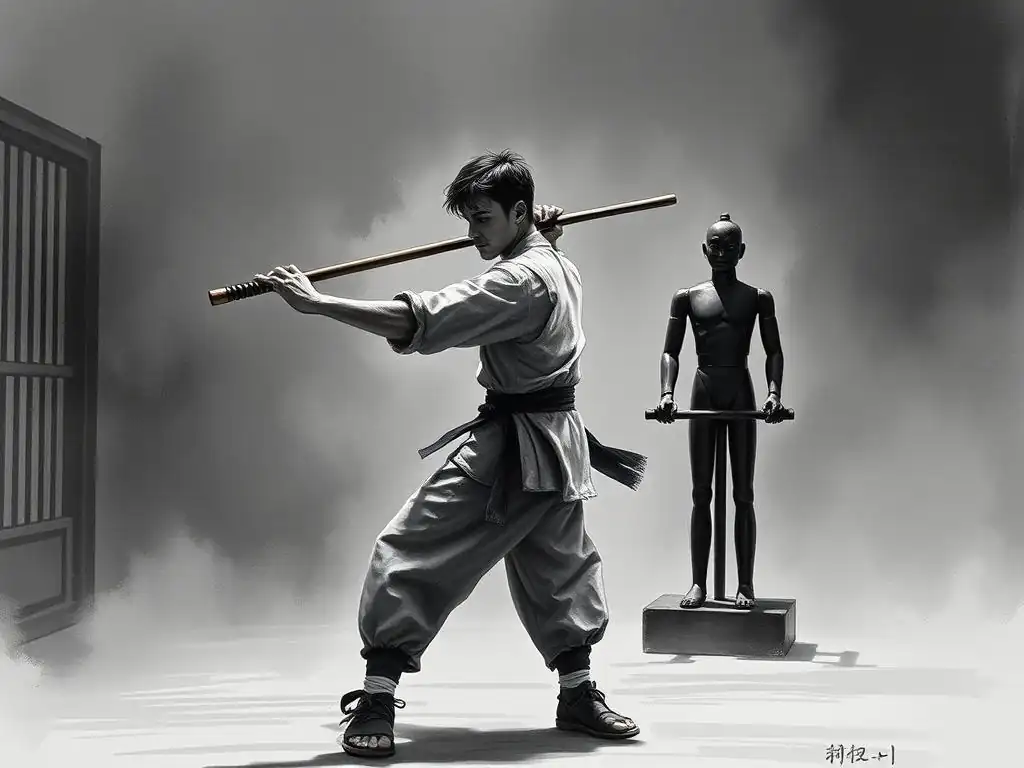
Focus and Concentration Improvement
Eskrima demands intense focus and concentration. Tracking a fast-moving weapon, anticipating an opponent's intentions, and executing complex techniques under pressure requires a high level of mental engagement. Training drills, particularly partner work and sparring, cultivate the ability to remain present and attentive.
The need to read body language, recognize subtle cues, and make split-second decisions sharpens concentration skills. Practitioners learn to filter distractions and maintain focus on the immediate task, whether it's a specific drill or a sparring exchange. This improved ability to concentrate often translates to other areas of life, enhancing performance in academic or professional settings. The mental discipline required is a significant, albeit less visible, benefit.
Discipline and Self-Control Cultivation
Consistent Eskrima training instills discipline and self-control. Adhering to a training schedule, pushing through physical and mental fatigue, and practicing techniques repeatedly to achieve mastery all require significant self-discipline. Furthermore, the martial arts philosophy emphasizes respect, humility, and control over one's actions and emotions.
Learning to control power and aggression, especially in sparring, is a key aspect of self-control cultivated in Eskrima. Practitioners learn to apply techniques effectively without causing unnecessary harm, understanding the responsibility that comes with martial skill. This mental fortitude and emotional regulation are invaluable life skills developed alongside physical prowess.
Eskrima Training: A Holistic Approach to Physical Fitness
Combining Strength, Agility and Coordination for Peak Performance
Eskrima training is unique in its ability to simultaneously develop strength, agility, and coordination in a functional, integrated manner. Unlike isolated strength training or cardio exercises, Eskrima drills require the coordinated use of multiple physical attributes. A single strike sequence might involve core strength for rotation, lower body strength and agility for footwork, upper body power for the strike, and hand-eye coordination for targeting.
This synergistic approach means that improvements in one area often enhance performance in others. For example, improved core strength (from strength development) enhances the ability to generate power through rotation, which in turn improves striking effectiveness (related to upper body power and coordination). Enhanced coordination through Eskrima training allows for smoother transitions between movements, making practitioners faster and more efficient. This integrated development prepares the body for dynamic, unpredictable situations, characteristic of both combat and many real-world physical demands.
Eskrima's Adaptability for Different Fitness Levels
One of the strengths of Eskrima is its adaptability. While advanced levels are physically demanding, training can be modified to suit various fitness levels, ages, and physical conditions. Beginners can start with basic footwork and single-stick drills performed at lower intensity, gradually building their stamina and coordination before progressing to more complex techniques and higher-intensity training.
Instructors can tailor training regimens, offering modifications for individuals with physical limitations or focusing on specific areas like flexibility or balance for older practitioners. For instance, someone recovering from an injury might focus on slow, controlled footwork and mobility drills before reintegrating striking. This flexibility makes Eskrima accessible and beneficial to a wide range of individuals seeking to improve their physical fitness and learn effective self-defense.
Integrating Eskrima Training into Your Fitness Routine
Sample Training Schedule for Physical Development
Integrating Eskrima into a fitness routine can significantly boost overall physical capacity. A sample schedule focused on physical development might look like this:
- 2-3 Days per Week: Dedicated Eskrima training sessions (1-2 hours each). These sessions should include warm-up (dynamic stretching, light cardio), skill drills (footwork, striking patterns, partner drills), conditioning (high-intensity drills, forms), and cool-down (static stretching).
- 1-2 Days per Week: Supplemental strength and conditioning. This could include bodyweight exercises (push-ups, squats, planks), functional movements (kettlebell swings, medicine ball throws), and additional cardio (running, swimming).
- 1 Day per Week: Active recovery or flexibility training (yoga, stretching).
- 1-2 Days per Week: Rest.
This structure allows for consistent skill development in Eskrima while ensuring the body receives comprehensive conditioning. The specific drills within Eskrima sessions will naturally contribute to strength, agility, and coordination, reinforcing the benefits gained where Eskrima training improves coordination skills and overall athleticism.
Safety Precautions and Equipment
Safety is paramount in Eskrima training, especially given the use of training weapons. Proper equipment and adherence to safety guidelines are essential.
- Training Sticks: Use rattan or padded sticks for partner drills. Avoid hardwood or heavy materials until proficiency is high and safety gear is used.
- Protective Gear: Essential gear includes padded gloves (often hockey or Kali gloves), headgear (especially for sparring), forearm guards, shin guards, and groin protection. Eye protection is highly recommended, particularly when training at speed.
- Supervision: Train under qualified instructors who emphasize safety, control, and proper technique.
- Controlled Environment: Practice in a space free of obstacles, with sufficient room to move.
- Gradual Progression: Increase intensity and complexity of drills gradually. Do not attempt advanced techniques or high-speed sparring before mastering the fundamentals.
By prioritizing safety, practitioners can enjoy the significant physical benefits of Eskrima training while minimizing the risk of injury.
Conclusion: Unleash Your Physical Potential with Eskrima
The Enduring Legacy of Eskrima as a Physical Art
Eskrima stands as a testament to the practical and comprehensive physical development that traditional martial arts can offer. Far more than just a system of self-defense, it is a dynamic physical discipline that challenges the body in unique and profound ways. From building functional strength and enhancing cardiovascular endurance to dramatically improving agility, reaction time, and particularly where Eskrima training improves coordination skills, the physical benefits are extensive and deeply integrated.
The art's focus on fluid motion, precise timing, and integrated body mechanics ensures that practitioners develop a high degree of physical intelligence and control. Whether you are looking to improve your overall fitness, enhance specific physical attributes, or simply engage in a challenging and rewarding physical activity, Eskrima offers a path to unlocking significant physical potential. Its legacy continues not just in its effectiveness as a fighting system, but in its proven ability to forge stronger, faster, more agile, and exceptionally well-coordinated individuals.
Frequently Asked Questions
How does Eskrima training specifically improve coordination skills?
Eskrima training involves complex movements with weapons like sticks and knives, demanding precise hand-eye coordination and body awareness. This constant practice significantly enhances coordination.
What other physical benefits can I expect from Eskrima training besides improved coordination?
Besides improved coordination, Eskrima training also offers benefits like increased strength, particularly in the arms and core, and enhanced agility and reflexes.
Is Eskrima training suitable for beginners with no prior martial arts experience?
Yes, Eskrima training is often suitable for beginners. Many schools offer introductory programs that teach the fundamental techniques and safety protocols before advancing to more complex skills.
What types of weapons are typically used in Eskrima training, and how do they contribute to physical development?
Eskrima training commonly uses sticks (baston), knives (daga), and impact weapons. The use of these weapons develops grip strength, arm speed, and spatial awareness.
How does Eskrima training contribute to practical self-defense strategies?
Eskrima focuses on weapon-based self-defense, emphasizing techniques applicable in real-world situations. It teaches disarming techniques, close-quarters combat, and situational awareness for effective self-protection.
Final Reflection: Embracing the Flow of Eskrima
The exploration of Eskrima's physical benefits reveals more than just improved fitness; it highlights the profound connection between mind and body. In a world increasingly dominated by sedentary lifestyles, Eskrima offers a dynamic and engaging path to enhanced strength, agility, and, most importantly, coordination, directly addressing the growing need for holistic well-being.
The ripple effect of Eskrima extends beyond the training hall, influencing our everyday movements and interactions. The discipline instilled through stick work translates into improved focus and spatial awareness in all aspects of life. The best fighter is never angry.
This ancient wisdom, often echoed in martial arts circles, underscores the importance of mental clarity and emotional control, qualities that Eskrima cultivates alongside physical prowess.
Now, consider how you can integrate the principles of Eskrima into your own life. Whether you choose to pick up a stick or simply embrace the concept of mindful movement, strive to cultivate the coordination, balance, and mental fortitude that this ancient art offers. Let the flow of Eskrima inspire you to move with greater purpose, agility, and grace in all that you do.
Ignite Your Inner Warrior: Embrace the Eskrima Journey!
Thank you for exploring the physical benefits of Eskrima with us. We hope you've gained valuable insights into how this martial art can transform your strength, agility, and coordination. Now, it's time to take the next step!
- Embark on your Eskrima journey and find a local school or training group to experience these benefits firsthand.
- Share this article with friends and family who might be interested in discovering the power of Eskrima.
- Experiment with incorporating some basic Eskrima movements into your existing workout routine to enhance your reflexes.
Ready to pick up the sticks and unlock your physical potential?