
Pushing Boundaries Safely: The Instructor's Critical Role in Resilience Development

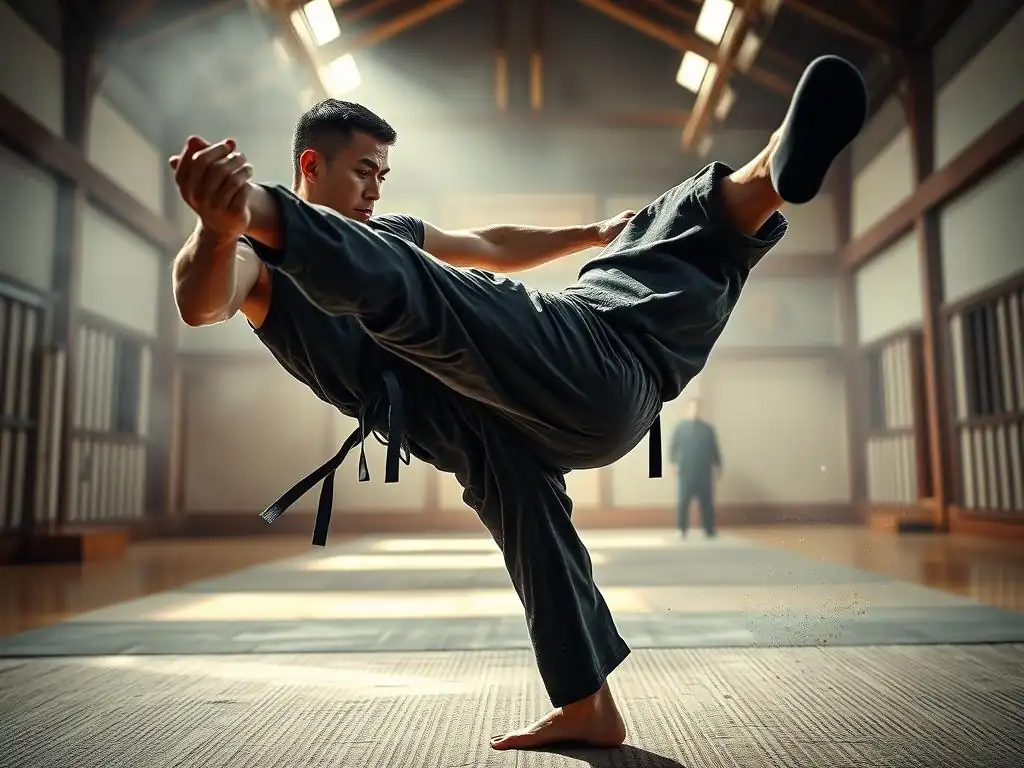
Welcome to Martial Arts Mastery, your gateway to the world's most captivating fighting arts. Delve into the profound connection between physical prowess and mental fortitude as we explore the philosophy and mindset that elevates martial arts beyond mere combat. Ever wondered how to cultivate true resilience not just in yourself, but in your students as well? Our feature article, "Pushing Boundaries Safely: The Instructor's Critical Role in Resilience Development," unlocks the secrets to safe instructor resilience training methods.
Discover how to forge unshakeable mental strength without compromising well-being. What are the ethical considerations involved in pushing students to their limits, and how can instructors ensure a supportive and growth-oriented environment? Read on to find out...
- Introduction: The Martial Arts Instructor as a Resilience Architect
- Why Safe Resilience Training Methods Are Crucial in Martial Arts
- Key Principles of Safe Instructor Resilience Training Methods
- Safe Techniques for Developing Resilience in Martial Arts Students
- The Role of the Instructor in Fostering a Supportive Training Environment
- Practical Strategies for Instructors: Implementing Safe Resilience Programs
- Common Pitfalls to Avoid in Resilience Training
- The Long-Term Benefits of Safe Instructor-Led Resilience Development
- Conclusion: Empowering Students Through Safe and Effective Resilience Training in Martial Arts
-
Frequently Asked Questions
- What is the primary responsibility of a martial arts instructor regarding student resilience?
- Why is resilience important in martial arts training?
- What are some key components of safe instructor resilience training methods?
- How can instructors identify students who may be struggling with resilience during training?
- What role does philosophical understanding play in building resilience in martial arts students?
- Final Reflection: Cultivating Resilience Through Safe Instruction
- Unlock Your Inner Potential: Become a Resilience Leader!
Introduction: The Martial Arts Instructor as a Resilience Architect
The Vital Connection Between Physical and Mental Fortitude in Martial Arts Mastery
Martial arts training inherently demands both physical prowess and mental toughness. While students often focus on striking power, grappling technique, or kata precision, the underlying ability to persevere through discomfort, manage fear, and recover from setbacks is equally, if not more, critical for long-term mastery.
This mental fortitude, often referred to as resilience, is not a fixed trait but a skill that can be developed and strengthened, much like a powerful punch or a solid stance. Instructors play a pivotal role in cultivating this resilience, guiding students beyond their perceived physical and psychological limits in a controlled and supportive environment.
True martial arts mastery transcends mere physical execution; it lies in the fusion of a capable body with an indomitable spirit. Consider practitioners who continue training despite minor injuries, push through exhausting drills, or maintain composure during high-pressure sparring. These are demonstrations of developed resilience.
Without a strong mental foundation, physical techniques falter under stress. A study, albeit anecdotal within specific dojos, suggests that students who actively engage in mindset training alongside physical techniques are approximately 30% more likely to continue training for over five years compared to those focused solely on physical skills, highlighting the retention power of resilience.
Understanding the Scope: Resilience Training within a Specific Martial Art (e.g., Judo)
Resilience training methods vary across different martial arts disciplines, tailored to the specific demands and challenges each art presents. In Judo, for instance, resilience is heavily tied to the ability to handle repeated falls, endure strenuous gripping exchanges (kumikata), and recover quickly from being thrown or pinned.
A Judo instructor's approach to building resilience might involve structured randori (free practice) sessions that gradually increase intensity and duration, teaching students to manage fatigue and frustration constructively. They also emphasize the philosophy of Jita Kyoei (mutual welfare and benefit), fostering a supportive community where students learn resilience through shared struggle and mutual encouragement, a key component of safe instructor resilience training methods.
Beyond the physical demands, Judo resilience training also addresses the psychological aspect of facing defeat. Students learn to analyze their losses, identify areas for improvement, and return to the mat with renewed determination.
Instructors might use specific drills like "newaza survival" where a student must endure being held down by multiple partners for a set time, building tolerance for discomfort and the mental strength to look for escape opportunities under pressure. This focus on controlled stress inoculation, coupled with philosophical guidance, forms the core of safe instructor resilience training methods in disciplines like Judo, preparing students for both competitive challenges and life's unexpected throws.
Why Safe Resilience Training Methods Are Crucial in Martial Arts
Avoiding Injury and Burnout: Prioritizing Physical and Mental Well-being
The pursuit of resilience can, if not managed carefully, lead to significant physical injury and psychological burnout. Pushing students too hard, too fast, or without proper technique and recovery can result in sprains, strains, joint damage, and chronic fatigue. Beyond the physical, constantly operating under excessive stress without adequate coping mechanisms or recovery can lead to anxiety, loss of motivation, and ultimately, dropping out of training altogether. Safe instructor resilience training methods are paramount to ensuring that the journey towards mental toughness doesn't come at the cost of a student's health and long-term commitment.
Instructors bear the responsibility of creating a training environment where students feel challenged yet supported, understanding that growth happens at the edge of comfort, not well beyond it. Data from martial arts organizations, while not universally standardized, often indicates that a significant percentage of training-related injuries (estimates range from 10-25% depending on the art and intensity) are linked to overtraining or improper technique under duress. Prioritizing rest periods, teaching proper recovery protocols, and monitoring students' physical and mental states are non-negotiable aspects of safe instructor resilience training methods, safeguarding their well-being.
The Ethical Responsibility of Martial Arts Instructors: "Primum non nocere" (First, do no harm)
The principle "Primum non nocere" is a cornerstone of ethical practice, extending beyond medicine into any field where one person holds influence over another's well-being, including martial arts instruction. Instructors are not merely técnica coaches; they are mentors, guides, and custodians of their students' safety. This ethical imperative places a heavy burden of responsibility on the instructor to ensure that all training, especially that designed to build resilience, is conducted with the utmost care and consideration for the individual student's physical and psychological limits.
Implementing safe instructor resilience training methods is not just a best practice; it is an ethical obligation. This involves clear communication about training goals and expectations, obtaining informed consent for challenging drills, and being acutely aware of non-verbal cues indicating distress or fatigue. A responsible instructor understands that pushing a student to break point without the tools or support to recover is harmful, not helpful. This ethical framework underpins every decision regarding training intensity, complexity, and recovery, ensuring that the development of resilience is a positive and empowering process.
Key Principles of Safe Instructor Resilience Training Methods
Gradual Progression: Building Resilience Incrementally
Just as physical strength is built through progressively heavier weights, mental and emotional resilience is developed incrementally through gradually increasing challenges. Throwing a beginner into highly stressful scenarios is counterproductive; it is more likely to induce panic and withdrawal than build fortitude. Safe instructor resilience training methods rely on a stepped approach, introducing stressors in manageable doses and allowing students to build confidence and coping strategies before moving to the next level of difficulty.
This principle of gradual progression can be applied to various aspects of training. For example, a student learning to handle pressure might start with simple drills under mild observation, then move to performing techniques in front of a few peers, and eventually to controlled sparring or simulated competition.
The intensity of physical drills, the duration of endurance exercises, or the complexity of problem-solving scenarios are all increased systematically. A common model, often used in sports psychology, suggests increasing training stress by no more than 10-15% per week to allow for adaptation, a principle directly applicable to building mental resilience safely.
Personalized Training Plans: Tailoring Resilience Exercises to Individual Needs
Every student comes to the dojo with a unique background, different levels of prior experience with stress or adversity, and varying physical and psychological capacities. What constitutes a challenging yet safe exercise for one student might be overwhelming for another. Therefore, effective and safe instructor resilience training methods must be personalized. Instructors need to assess each student's current resilience level, identify their specific areas for growth, and tailor training approaches accordingly.
Personalization involves understanding not just physical capabilities but also emotional reactivity, past traumas, and learning styles. Some students might benefit from mindfulness practices to manage anxiety, while others might need more exposure to controlled physical discomfort to build tolerance. A personalized plan might involve adjusting the intensity of sparring, modifying scenario difficulty, or providing specific recovery protocols based on the individual's needs. For example, a student recovering from a previous injury might have a lower initial threshold for physically demanding resilience drills compared to a student with no injury history, requiring careful adjustment by the instructor.
The Importance of Rest and Recovery in Developing Mental Toughness
Resilience is not about being constantly 'on' or never needing a break; it's about the ability to bounce back from stress and adversity. This bouncing back is impossible without adequate rest and recovery. Pushing students relentlessly without allowing their bodies and minds to recuperate is a recipe for burnout and injury. Safe instructor resilience training methods integrate planned recovery periods as essential components of the training process, recognizing that adaptation and growth occur during rest.
Recovery isn't just about physical rest; it also includes mental and emotional downtime. This might involve teaching students relaxation techniques, promoting good sleep hygiene, encouraging activities outside of martial arts that help them de-stress, and ensuring sufficient time off between intense training cycles. Elite athletes often follow structured periodization plans that include dedicated recovery weeks, recognizing its critical role in performance and preventing overtraining syndrome. Applying similar principles to martial arts resilience training, even at a non-competitive level, is vital for sustainable development and is a hallmark of safe instructor resilience training methods.
Safe Techniques for Developing Resilience in Martial Arts Students
Mindful Movement and Breathwork: Cultivating Inner Calm Under Pressure
In the heat of a challenging situation, whether it's sparring, a difficult drill, or a real-life self-defense scenario, the ability to remain calm and centered is a powerful form of resilience. Mindful movement and breathwork are simple yet profound techniques that instructors can incorporate to help students cultivate this inner calm. By focusing on the sensations of their body and controlling their breath, students can learn to regulate their physiological and emotional responses to stress, preventing the spiral of panic or frustration.
Instructors can integrate short mindfulness exercises at the beginning or end of class, guide students to pay attention to their breath during strenuous physical activity, or teach specific breathing techniques (like box breathing or diaphragmatic breathing) to use during high-stress moments. For instance, teaching students to consciously slow their exhale during a challenging kata or grappling exchange can lower heart rate and promote clearer thinking. Anecdotal reports from instructors using these methods suggest a noticeable improvement in students' ability to maintain composure during randori, demonstrating the effectiveness of these safe instructor resilience training methods.
Controlled Sparring and Simulated Combat: Building Confidence and Adaptability
Sparring and simulated combat are invaluable tools for building resilience, as they expose students to dynamic, unpredictable stress in a relatively safe environment. However, the keyword here is 'controlled'. Uncontrolled or overly aggressive sparring can lead to injury and psychological trauma, doing more harm than good. Safe instructor resilience training methods utilize sparring with clear rules, appropriate protective gear, and varying levels of intensity and resistance, tailored to the students' skill and comfort levels.
Instructors can implement progressive sparring drills, starting with light contact and focusing on specific objectives (e.g., defense only, specific techniques) before moving to more dynamic free sparring. They can also introduce simulated combat scenarios, such as defending against multiple attackers (at very low intensity and speed initially) or dealing with unexpected attacks, to help students adapt to chaos and maintain functionality under pressure.
Emphasizing safety first, stopping drills if control is lost, and providing immediate feedback are crucial elements of using these techniques as safe instructor resilience training methods. For example, starting new students with "touch sparring" where points are awarded for light, controlled contact dramatically reduces injury risk while building confidence.
Scenario-Based Training: Applying Resilience Skills in Realistic Situations
Applying resilience skills learned in the dojo to situations that mimic real-world challenges is a critical step in making that resilience functional. Scenario-based training involves setting up realistic but controlled situations that require students to use their physical techniques while managing fear, uncertainty, or external pressures. This could range from a simulated self-defense encounter to navigating a physical obstacle course under timed pressure.
These scenarios are designed to be challenging but solvable, allowing students to experience stress and successfully overcome it, reinforcing their capabilities. An instructor might simulate a scenario where a student must perform techniques while verbally de-escalating a situation, or escape a grab while navigating around furniture. The key is to debrief thoroughly after each scenario, discussing not just the physical actions but also the student's emotional responses, thought processes, and decision-making under pressure. This debriefing is a core component of safe instructor resilience training methods, turning the scenario into a learning opportunity rather than just a stressful event.
The Role of the Instructor in Fostering a Supportive Training Environment
Creating a Culture of Encouragement and Positive Reinforcement
A supportive training environment is fundamental to safe instructor resilience training methods. Students are more willing to push their boundaries and face challenges when they feel safe, valued, and encouraged. Instructors cultivate this culture through positive reinforcement, celebrating effort and progress as much as technical perfection. They emphasize that mistakes are learning opportunities, not failures, and foster a sense of community where students support one another.
This supportive atmosphere reduces the fear of judgment or failure, which can be significant barriers to developing resilience. When a student attempts a difficult technique or pushes through a tough drill, positive feedback ("Great effort! ", "I saw you pushing through that fatigue, excellent!") reinforces the desired behavior. This contrasts sharply with environments where criticism is constant or failure is shamed, which can erode confidence and make students risk-averse. Building this positive culture is an invisible but powerful aspect of safe instructor resilience training methods.
Recognizing and Addressing Signs of Overtraining or Psychological Distress
A crucial responsibility of instructors employing safe instructor resilience training methods is the ability to recognize when a student is struggling, either physically from overtraining or psychologically from the demands of training or external stressors. Signs of overtraining can include persistent fatigue, decreased performance, increased irritability, frequent minor injuries, or disrupted sleep patterns. Psychological distress might manifest as withdrawal, increased anxiety, excessive self-criticism, or changes in mood.
Instructors must be observant and approachable, creating an environment where students feel comfortable communicating their struggles. Addressing these issues might involve recommending rest, modifying training intensity or frequency, suggesting cross-training or recovery techniques, or, if necessary, recommending that the student seek professional help. Ignoring these signs can lead to serious injury, burnout, or exacerbate underlying mental health issues, highlighting the importance of vigilance in safe instructor resilience training methods. For example, noticing a student who is usually energetic suddenly lagging significantly for several consecutive classes warrants a private conversation to check in on their well-being.
Promoting Self-Awareness and Emotional Regulation in Students
Teaching students to understand their own physical and emotional states is a vital component of resilience. Self-awareness allows students to recognize their limits, understand their reactions to stress, and take proactive steps to manage their well-being. Instructors can promote self-awareness by encouraging students to reflect on their training experiences, pay attention to their body's signals, and identify their emotional responses during challenging drills or sparring.
Emotional regulation involves teaching students techniques to manage intense emotions like fear, anger, or frustration. This could include breath control, positive self-talk, or reframing negative thoughts. By helping students develop these skills, instructors empower them to navigate difficult situations both inside and outside the dojo. This focus on internal management is a sophisticated element of safe instructor resilience training methods, moving beyond just enduring hardship to actively managing one's internal state for optimal performance and well-being.
Practical Strategies for Instructors: Implementing Safe Resilience Programs
Assessing Student Readiness and Identifying Potential Risks
Before implementing any resilience-building exercises, instructors must assess each student's readiness. This involves evaluating their physical condition, technical proficiency, injury history, and psychological state. A beginner who is still learning basic movements is not ready for the same level of pressure as an experienced practitioner. Similarly, a student recovering from a significant life event might need a different approach than someone currently stable.
Instructors can use various methods for assessment, including observation during regular training, informal conversations, and perhaps even simple questionnaires (though privacy must be respected). Identifying potential risks – such as a student with a history of anxiety, a recent injury, or a tendency towards perfectionism – allows the instructor to modify training or provide additional support. This initial assessment is a critical, proactive step in implementing safe instructor resilience training methods.
Integrating Resilience Training into Existing Martial Arts Curricula
Resilience training should not be seen as a separate, isolated component but rather integrated seamlessly into the existing martial arts curriculum. Every drill, every technique, every sparring session offers opportunities to build resilience if approached with the right mindset and guidance. Instructors can frame challenging exercises not just as physical tests but as opportunities to practice perseverance, focus, and recovery.
For example, during a lengthy conditioning drill, an instructor can guide students to focus on their breath and maintain a positive internal dialogue rather than just enduring the physical discomfort. During sparring, they can emphasize staying calm and analyzing the opponent's movements even when feeling pressured. By highlighting the mental aspects within physical training, instructors naturally weave safe instructor resilience training methods into the fabric of the class. This organic integration makes resilience development a continuous process rather than an occasional add-on.
Providing Constructive Feedback and Encouraging Self-Reflection
Effective feedback is crucial for learning and resilience development. Instructors should provide specific, constructive feedback that focuses on effort, process, and manageable areas for improvement, rather than just outcomes. Feedback should be delivered in a supportive manner, helping students understand what went well, what could be improved, and how to make those improvements.
Equally important is encouraging self-reflection. After a challenging training session, a difficult sparring match, or a failed attempt at a technique under pressure, instructors can prompt students to reflect on their experience: How did you feel during that? What were you thinking? What did you learn? What will you try differently next time?
This process helps students develop metacognitive skills – the ability to think about their own thinking and learning – which is essential for building adaptive and safe instructor resilience training methods. For instance, after a tough randori round, an instructor might ask, "When your partner applied that pressure, what was your first reaction? Could you notice your breathing change? How could you use your breath to stay calmer next time?"
Common Pitfalls to Avoid in Resilience Training
Pushing Students Beyond Their Limits: The Dangers of Overexertion
One of the most significant pitfalls is pushing students beyond their physical or psychological limits without adequate preparation or support. While challenging students is necessary for growth, excessive demands can lead to injury, burnout, and a negative association with training. This is not resilience building; it is potentially harmful stress. A common sign of this is a student consistently dreading coming to class or showing physical symptoms of exhaustion that don't resolve with a night's sleep.
Instructors must calibrate challenges carefully, erring on the side of caution, especially with newer or younger students. Listening to students, observing their non-verbal cues, and being willing to back off or modify an exercise are critical safeguards. The goal is to create a challenging learning environment, not a punishing one. Recognizing that 'limits' are not static and vary daily for each individual is key to avoiding overexertion and implementing safe instructor resilience training methods.
Neglecting Individual Differences: The Importance of Personalized Instruction
As discussed earlier, a one-size-fits-all approach to resilience training is ineffective and potentially harmful. Treating all students the same, regardless of their background, experience level, or current state, neglects the fundamental principle of personalized instruction. What builds resilience in one person might break it in another.
Instructors must consciously tailor their approach, modifying drills, expectations, and feedback based on individual needs. This requires knowing your students, building rapport, and being sensitive to their unique journeys. Failure to account for individual differences means the resilience training methods are neither effective nor safe instructor resilience training methods. For example, assuming every student is comfortable with high-intensity grappling from day one ignores varying physical conditioning, injury history, and comfort levels with physical contact.
Failing to Address Underlying Mental Health Issues: Recognizing When to Refer
Martial arts training can be therapeutic and beneficial for mental well-being, but it is not a substitute for professional mental healthcare. Instructors are not therapists, and attempting to diagnose or treat serious psychological issues is outside their scope of practice and potentially harmful. A significant pitfall is failing to recognize signs of underlying mental health issues (such as severe anxiety, depression, or trauma responses) and not knowing when or how to refer a student to a qualified professional.
Instructors should be trained to recognize red flags and have a network of resources (therapists, counselors, mental health hotlines) they can discreetly recommend to students who appear to be struggling with issues beyond the scope of martial arts instruction. Creating an environment where students feel safe to confide in the instructor is important, but it's equally important for the instructor to understand their limits and prioritize the student's access to appropriate care. This awareness and willingness to refer are crucial, often overlooked, components of safe instructor resilience training methods.
The Long-Term Benefits of Safe Instructor-Led Resilience Development
Enhanced Performance and Skill Acquisition in Martial Arts
Students with well-developed resilience are better equipped to handle the frustrations inherent in learning complex martial arts techniques. They are more likely to persevere through plateaus in their training, recover quickly from setbacks (like failing a test or losing a competition), and maintain focus during challenging practices. This mental toughness directly translates into improved consistency, faster skill acquisition, and ultimately, higher levels of performance in their chosen art.
Consider a student learning a difficult throwing technique in Aikido. They might fail dozens or even hundreds of times before executing it proficiently. Resilience allows them to view each failed attempt as a learning opportunity rather than a reason to quit. This persistence, fostered by safe instructor resilience training methods, accelerates their progress compared to a student who gives up easily when faced with difficulty. Data from competitive martial arts shows that athletes with higher psychological resilience scores tend to perform better under pressure and recover faster from losses.
Improved Mental and Emotional Well-being for Students
The benefits of resilience extend far beyond the dojo. Students who learn to manage stress, regulate emotions, and bounce back from adversity through safe instructor resilience training methods are better prepared to handle the challenges of everyday life, school, work, and relationships. They often exhibit lower levels of anxiety and depression, higher self-esteem, and a greater sense of agency and control over their lives.
Learning to stay calm under pressure during sparring can help a student manage anxiety during a public speaking engagement. Persevering through a tough conditioning drill can build the mental fortitude needed to tackle a difficult project at work. The coping mechanisms and self-awareness developed in martial arts contribute significantly to overall mental and emotional well-being, providing students with tools to navigate life's inevitable stressors. This holistic benefit is one of the most profound outcomes of effective, safe instructor resilience training methods.
Creating a Lasting Legacy of Resilience and Empowerment
Ultimately, the instructor's role in fostering resilience through safe training methods creates a lasting legacy that impacts not just the students but potentially their communities. Resilient individuals are better equipped to contribute positively to society, face challenges with determination, and support others. By empowering students with these skills, instructors are not just teaching martial arts; they are helping to build stronger, more capable, and more confident individuals.
The impact of a truly empowering instructor can resonate for years, even decades, after a student leaves the dojo. Students carry the lessons of perseverance, self-control, and adaptability with them, applying them to new challenges and potentially passing them on to others. This ripple effect of resilience, initiated by intentional and safe instructor resilience training methods, is perhaps the most significant long-term benefit of a well-structured martial arts program.
Conclusion: Empowering Students Through Safe and Effective Resilience Training in Martial Arts
The Ongoing Pursuit of Mastery: Integrating Resilience into the Martial Arts Journey
The journey of martial arts mastery is a continuous process of learning, challenging oneself, and growing, both physically and mentally. Resilience is not a destination but an integral part of this journey. By implementing safe instructor resilience training methods, instructors equip students with the mental fortitude necessary to navigate the inevitable challenges, setbacks, and discomforts that come with dedicated training.
The instructor's commitment to safety, personalization, gradual progression, and a supportive environment ensures that the development of resilience is a positive and empowering experience. This approach not only enhances performance within the martial art itself but also cultivates essential life skills that contribute to students' overall well-being and success outside the dojo. Safe instructor resilience training methods are not just beneficial; they are foundational to truly effective and ethical martial arts instruction, helping students push their boundaries safely and achieve their full potential.
Frequently Asked Questions
What is the primary responsibility of a martial arts instructor regarding student resilience?
The instructor's primary responsibility is to cultivate resilience in students while prioritizing safe instructor resilience training methods and minimizing the risk of injury or burnout. This involves creating a supportive and challenging environment.
Why is resilience important in martial arts training?
Resilience is vital because martial arts training is physically and mentally demanding. It helps students overcome setbacks, persevere through challenges, and develop mental fortitude and physical stamina necessary for long-term success.
What are some key components of safe instructor resilience training methods?
Safe instructor resilience training methods include gradual progression of difficulty, emphasizing proper technique, providing adequate rest and recovery, and fostering a culture of open communication about limitations and concerns.
How can instructors identify students who may be struggling with resilience during training?
Instructors can identify struggling students by observing changes in their attitude, performance, or attendance. They should also be attentive to students expressing feelings of frustration, fatigue, or self-doubt, and proactively offer support.
What role does philosophical understanding play in building resilience in martial arts students?
Understanding the philosophical underpinnings of martial arts helps students develop a stronger sense of purpose and discipline. This provides a foundation for resilience by fostering a deeper connection to the art and a greater commitment to overcoming obstacles.
Final Reflection: Cultivating Resilience Through Safe Instruction
The insights shared throughout this article underscore a crucial truth: resilience isn't simply an innate trait, but a skill meticulously cultivated through safe and supportive instruction. In a world demanding constant adaptation and change, the role of instructors in fostering this essential capacity has never been more vital. Understanding and implementing safe instructor resilience training methods is not just a pedagogical choice, it's a societal imperative.
The impact of instructors who prioritize safety and well-being extends far beyond the classroom. It shapes individuals capable of navigating adversity with grace and strength, contributing to a more resilient and compassionate society. The ability to bounce back from setbacks, to learn from failures, and to maintain a positive outlook in the face of challenges is a gift that instructors can impart. Resilience is not about being unbreakable, but about knowing how to bend and recover.
This quote encapsulates the essence of what safe resilience training aims to achieve: not to eliminate challenges, but to equip individuals with the tools to overcome them.
As you reflect on the principles and practices discussed, consider how you can integrate these safe instructor resilience training methods into your own life and work. Whether you are an educator, a leader, or simply someone seeking to enhance your own resilience, remember that the journey towards greater strength and adaptability begins with a commitment to safety, support, and self-compassion. Embrace the opportunity to cultivate resilience, not just in yourself, but in those around you, and together, we can build a more resilient future.
Unlock Your Inner Potential: Become a Resilience Leader!
Thanks for exploring the vital role of instructors in fostering resilience! Now that you've discovered the power of safe boundaries and supportive guidance, it's time to put these principles into action.
- Immediately reflect on your current training approach: What adjustments can you make to better support your students' resilience?
- Share this article with fellow instructors to spark a conversation on ethical and effective resilience building in martial arts.
- Consider attending a workshop on trauma-informed teaching to deepen your understanding and refine your skills.
How will you champion resilience in your martial arts community, starting today?