
Shields Through the Ages: A Global History of Defensive Weapon Design and Evolution

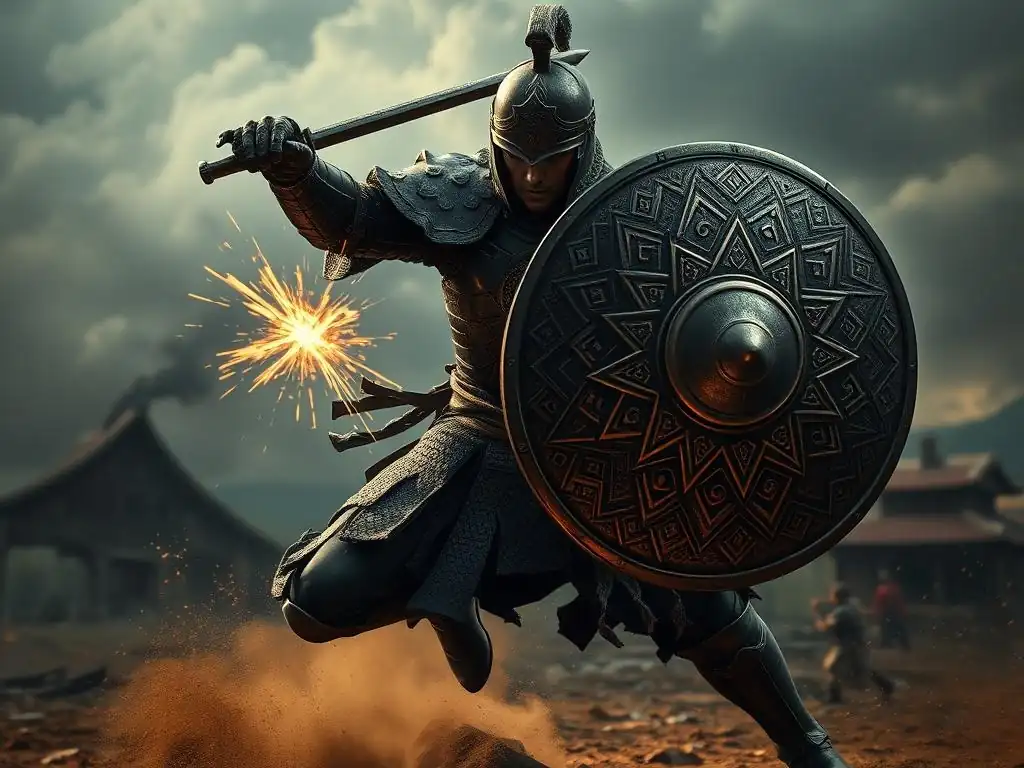
Welcome to Martial Arts Mastery, your gateway to unlocking the secrets and traditions of combat disciplines worldwide!
Ever wondered how the humble shield evolved from a simple wooden plank to a sophisticated piece of defensive weaponry? Dive into our detailed study of historical shield design evolution, exploring the ingenious innovations and cultural influences that shaped these vital tools of war and protection across various martial arts traditions. Discover the fascinating stories behind the shields – and the warriors who wielded them – and prepare to be captivated by the ingenuity of martial arts history!
- Ancient Shield Designs: From Antiquity to the Classical World
-
Frequently Asked Questions
- What were some of the earliest materials used in shield construction?
- How did shield designs vary across different cultures and time periods?
- What role did technological advancements play in the evolution of shield design?
- Beyond defense, did shields serve any other purposes?
- How did the introduction of firearms affect the use and design of shields?
- Final Reflection: The Enduring Legacy of Protection
- Forge Your Defense: Embrace the Warrior's Wisdom!
Ancient Shield Designs: From Antiquity to the Classical World
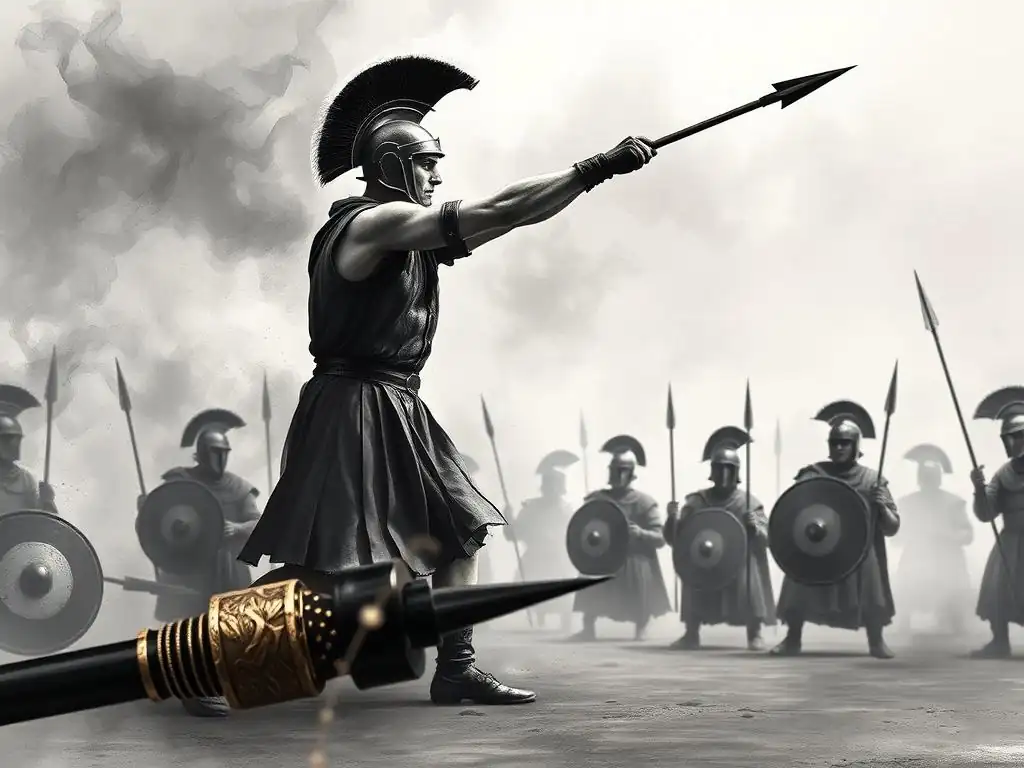
Early Bronze Age Shields: Material and Construction Techniques
The earliest protective shields in the Bronze Age marked a foundational stage in the historical shield design evolution. These rudimentary defenses were primarily constructed from readily available organic materials. Wood, often layered and glued for increased strength, formed the core, sometimes covered with hardened animal hide or leather to provide additional resilience against glancing blows and arrows. While metal was used for weapons and some armor, large metal shields were rare due to the high cost and weight of bronze, though small bronze bosses or rims might be added for reinforcement or decoration.
Examples of early Bronze Age shields include the round or oval shapes found in various European archaeological sites. These shields were typically designed for individual combat or small skirmishes, offering basic frontal protection. Their simplicity reflected the prevailing combat styles, which often involved close-quarters engagements with spears, axes, and swords. The techniques used to construct these shields, relying on lamination and basic binding methods, laid the groundwork for more complex designs that would emerge as materials and metallurgical knowledge advanced, demonstrating the initial steps in the long historical shield design evolution.
The Aspis of Ancient Greece: Design, Tactics, and Impact on Warfare
The aspis, also known as the hoplon, was the iconic shield of the Ancient Greek hoplite soldier and a critical element in the historical shield design evolution. This large, concave, circular shield measured approximately 90-100 cm (about 3 feet) in diameter and was constructed primarily from wood, often poplar or willow, laminated into multiple layers. The outer face was frequently covered with a thin sheet of bronze, providing a hard, reflective surface that could deflect blows and intimidate opponents.
The shield's unique feature was its double grip system: a central bronze armband ( porpax) through which the forearm passed, and a handgrip ( antilabe) near the rim. This allowed the shield to be held on the shoulder and upper arm, distributing its considerable weight, which could range from 7 to 10 kg (around 15-22 lbs).
The design of the aspis was intrinsically linked to the hoplite phalanx formation. Held side-by-side in a tightly packed line, the aspis of one hoplite protected not only his left side but also the right side of the man next to him. This interlocking wall of shields was incredibly effective against frontal assaults and missile fire, allowing the phalanx to push forward collectively.
The weight and handling method of the aspis dictated much of the hoplite's fighting style, emphasizing forward momentum and collective action over individual maneuverability. The success of the Greek phalanx, fundamentally reliant on the aspis, profoundly influenced military tactics and demonstrated a pivotal moment in the historical shield design evolution, proving that a specific shield design could shape an entire military doctrine.
Roman Scutum: Engineering a Defensive Powerhouse for Legionary Warfare
The Roman scutum represents another significant chapter in the historical shield design evolution, specifically tailored for the Roman legions. Initially oval, the scutum evolved into the distinctive large, rectangular (or sometimes hexagonal), curved shield made famous by the Imperial Roman army. This curvature allowed the shield to wrap around the soldier's body, offering greater protection from flank attacks and deflecting blows more effectively than a flat surface. Construction typically involved layers of thin wood strips or plywood glued together, often reinforced with canvas or leather on the exterior and a metal boss ( umbo) at the center.
Weighing typically between 5.5 and 10 kg (around 12-22 lbs) depending on its size and construction, the scutum was designed for the disciplined, close-quarters combat of the Roman legionary. The central umbo was not just decorative; it served to deflect direct thrusts and could even be used as a blunt weapon in a punch.
The scutum's shape and size were ideal for the famous testudo (tortoise) formation, where soldiers locked shields overhead and on the flanks to create an almost impenetrable shell against missile fire during sieges. The scutum's sophisticated layered construction and tactical versatility made it a key factor in Rome's military dominance and stands as a prime example of specialized historical shield design evolution driven by specific military requirements.
Persian Shields: Lightweight Designs for Maneuverability and Archery
In contrast to the heavy defensive shields of the Greek hoplites or Roman legionaries, Persian shields during the Achaemenid and later empires often prioritized maneuverability, reflecting different military strategies and weapon preferences, particularly the extensive use of archery. One notable Persian shield was the spara, a large, rectangular shield typically made from wicker covered with hide. While large enough to provide significant protection, its wicker construction made it relatively lightweight compared to bronze or layered wood shields of comparable size.
The spara was often used by Persian infantry, especially archers, who would plant the shield in the ground to create a protective barrier from behind which they could shoot. This allowed for massed archery volleys while offering defense against enemy missiles. Alongside the spara, Persian forces also utilized smaller, round shields made from materials like wood, leather, or bronze, especially for cavalry or closer combat infantry.
These smaller shields provided personal protection without hindering the mobility required for mounted warfare or the quick movements needed when engaging with swords and spears. The diversity and lighter construction of many Persian shields highlight a different path in historical shield design evolution, one focused on adaptability and supporting ranged combat capabilities rather than forming an impenetrable defensive wall.
Frequently Asked Questions
What were some of the earliest materials used in shield construction?
Early shields were often constructed from readily available materials like woven reeds, animal hides, and wood. These provided basic protection against primitive weapons.
How did shield designs vary across different cultures and time periods?
Shield designs varied greatly. Romans favored the scutum, a large curved shield, while Vikings used round shields often made of wood. These differences reflected local resources, fighting styles, and cultural aesthetics.
What role did technological advancements play in the evolution of shield design?
Advancements in metallurgy led to the introduction of metal reinforcements and eventually full metal shields. This provided greater protection against increasingly powerful weapons.
Beyond defense, did shields serve any other purposes?
Yes, shields often served as symbols of status and identity. They were decorated with heraldry, clan symbols, and other meaningful imagery.
How did the introduction of firearms affect the use and design of shields?
The advent of firearms gradually diminished the effectiveness of traditional shields. Firearms penetration led to the development of smaller, more maneuverable bucklers or the eventual abandonment of shields altogether in some contexts.
Final Reflection: The Enduring Legacy of Protection
The journey through the evolution of historical shield design reveals more than just advancements in weaponry; it illuminates humanity's unwavering pursuit of security and survival. From the simplest wooden bucklers to the intricately crafted shields of ancient empires, each design reflects the ingenuity and resourcefulness of its creators, a testament to our innate desire to protect ourselves and our communities. This historical narrative resonates profoundly today, reminding us that the quest for safety is a constant, evolving process, mirrored in our modern technologies and societal structures.
The impact of shield design extends far beyond the battlefield, influencing art, culture, and even our understanding of identity. The shield, as a symbol of defense and resilience, has become deeply ingrained in our collective consciousness, representing not only physical protection but also the strength and courage to face adversity. The best defense is a good offense.
While often attributed to military strategy, this proverb underscores the proactive nature of protection, a principle evident in the evolution of shield design throughout history. This enduring symbolism continues to inspire us, reminding us of the importance of preparedness and the value of safeguarding what we hold dear.
As we conclude this exploration of historical shield design evolution, let us consider the lessons learned from these ancient protectors. What shields do we carry today, both literally and figuratively? What defenses have we built to protect our values, our communities, and our planet?
The ingenuity and dedication displayed in the creation of these historical artifacts serve as a powerful reminder of our capacity for innovation and our responsibility to create a safer, more secure future for all. Let us embrace this legacy and strive to build shields of understanding, compassion, and resilience that will protect us from the challenges to come.
Forge Your Defense: Embrace the Warrior's Wisdom!
Thank you for delving into the fascinating history of shields! We hope you've gained a deeper appreciation for the ingenuity and evolution of these defensive marvels and are inspired to think about protection in new ways. Now, let's put that knowledge into action.
- Research the shield designs of your own heritage or a culture you admire and share your findings with a friend.
- Explore the principles of shield design in a modern context – how are these ideas reflected in contemporary safety equipment or architecture?
- Consider sketching your own futuristic shield design, incorporating elements from the past with modern technology – what innovative defensive features would you include?
What shield design, throughout history, best embodies the balance of protection and mobility in your opinion?