Espada Contra Espada: Tactics for SwordonSword Engagements
⚔️ Master the intricate dance of "Espada Contra Espada" with our in-depth guide to Spanish swordplay tactics. Learn the duel strategies that…
Read article
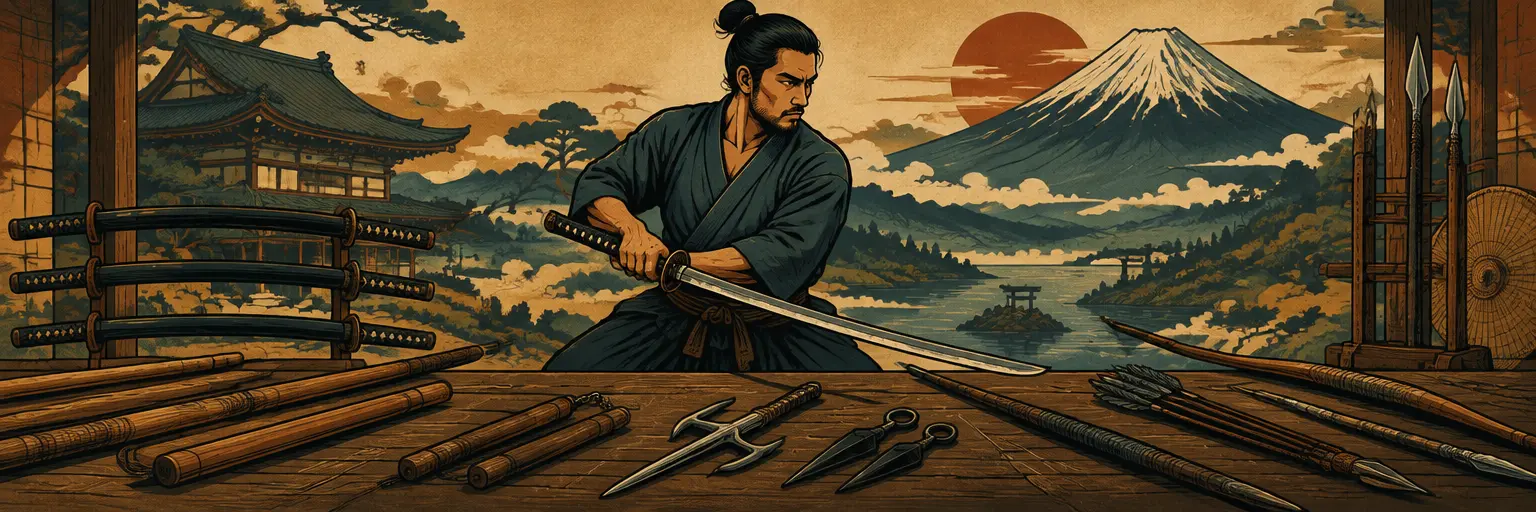
Dive deep into the world of edged steel, flexible whips, and ancient timber with our comprehensive study of martial arts weapons. From the precise, curved elegance of the Japanese Katana to the fluid, lightning-fast strikes of Filipino Baston sticks, this detailed exploration covers the evolution, technique, and practical application of iconic armaments. We dissect the historical origins of global weaponry—from Chinese Staff and Spear to the formidable Japanese Bo and versatile Nunchaku—offering more than just history. Whether you are a seasoned practitioner seeking to refine your forms with the Broadsword or a beginner learning the safe handling of a Bokken or Tanto, our expert guides emphasize safety, structured drills, and the philosophical mindset behind each weapon. Uncover the intricate combat logic, the disciplined training methods, and the cultural significance that transforms a simple stick or blade into an extension of the warrior’s spirit. Master the art of distance, timing, and control as you journey through the dynamic disciplines that continue to shape modern self-defense and martial tradition.
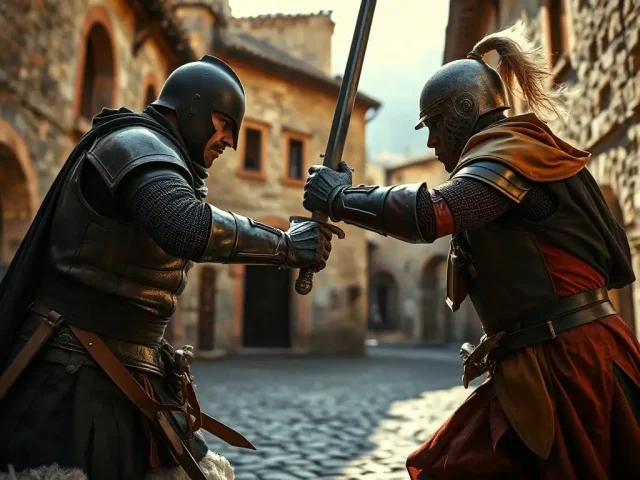
⚔️ Master the intricate dance of "Espada Contra Espada" with our in-depth guide to Spanish swordplay tactics. Learn the duel strategies that…
Read article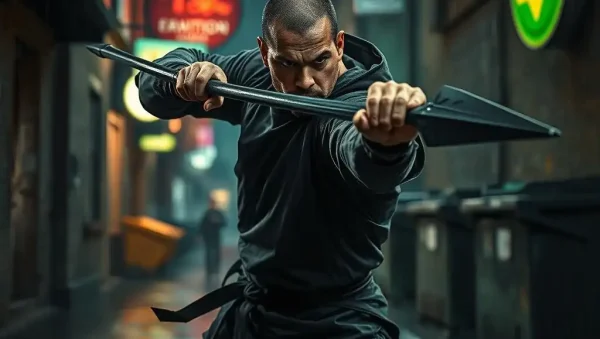
🗡️ Master the art of the spear! This guide unlocks the secrets to selecting the perfect weapon, focusing on optimal spear length…
Read article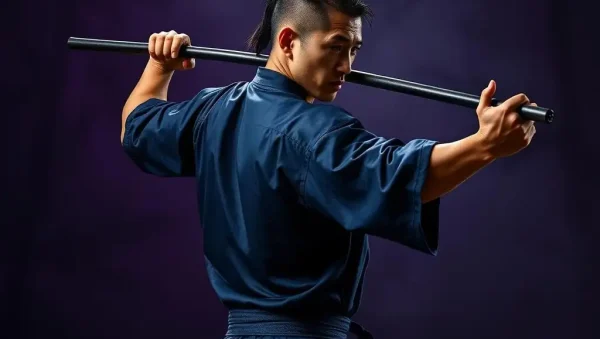
✨ Master the Figure Eight Staff Drill, a versatile technique applicable to staffs, swords, and chain whips. Elevate your martial arts proficiency…
Read article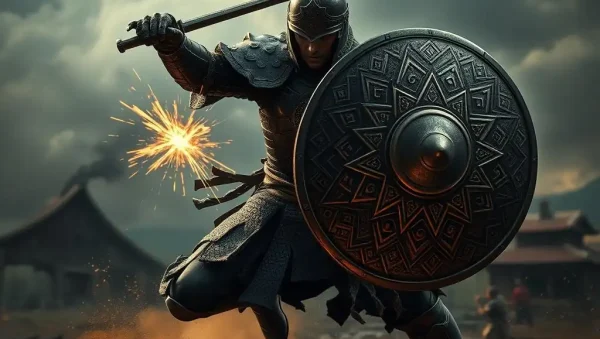
🛡️ Explore the captivating historical shield design evolution across cultures and eras. From ancient legionary defenses to samurai warding, discover how these…
Read article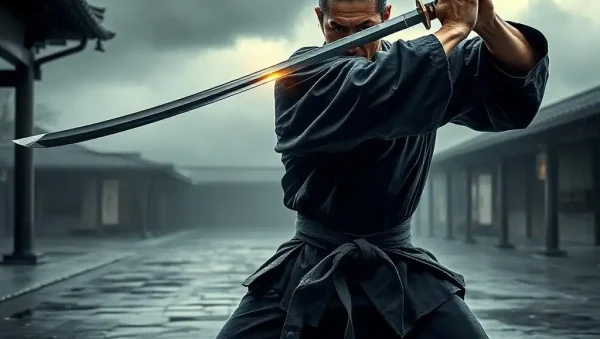
⚔️ Unlock the secrets to a gleaming, enduring sword with our essential Katana maintenance tips for beginners. Discover the art of preserving…
Read article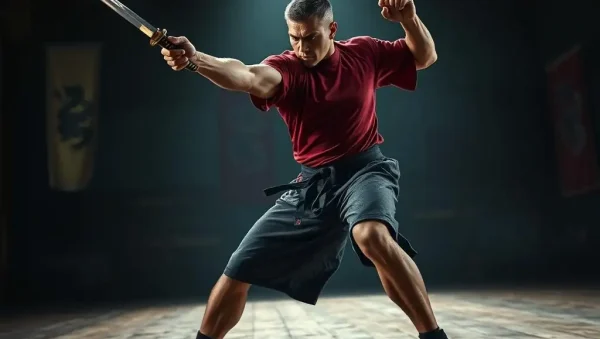
💥 Master your martial arts with essential weapon training warm up cool down routines. Prevent injuries and maximize performance, ensuring peak readiness…
Read article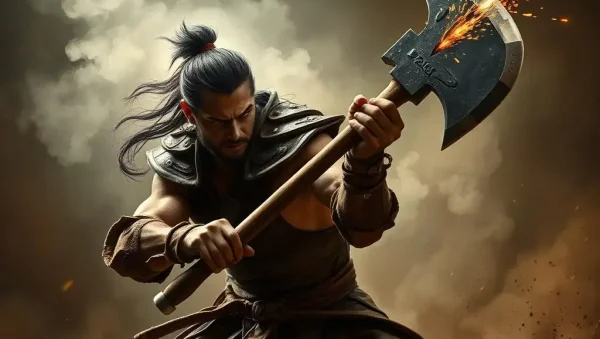
⚔️ Uncover the brutal evolution of the axe through millennia. From primal Stone Age tools to sophisticated weapons, explore ancient battle axe…
Read article
💥 Go beyond rote memorization. Discover the true purpose of every movement in your weapon forms, unlocking potent Bunkai weapon form applications…
Read article
🛡️ Master weapon-based multidirectional martial arts with our comprehensive drills. Enhance your defense and attack strategies, covering historical techniques and practical application…
Read article
🌊 Explore the brutal beauty and strategic mastery of Oceanic & Polynesian War Clubs on MartialArtsMastery.org. Uncover the evolution and devastating effectiveness…
Read article
💪 Unlock peak performance with our expert guide to weapon kata memorization techniques. Master your movements and elevate your martial arts journey…
Read article
🎯 Unlock peak performance in Filipino weapon mastery. Explore how focused concentration and potent Filipino weapon visualization techniques forge a deeper connection…
Read articleExplore the intricate world of martial arts weapons at MartialArtsMastery.org. This category delivers a deep-dive analysis of traditional and modern weaponry, covering origins, techniques, training methods, and cultural significance. From the flowing chain whip of China to the precise Filipino baston, each subcategory offers expert insights, historical context, and practical drills. Ideal for practitioners seeking to broaden their skill set or historians tracing weapon evolution.
Chinese martial arts boast a diverse arsenal, each weapon embodying distinct philosophies. The staff (Gun) teaches circular power and reach; the spear (Qiang) emphasizes thrusting accuracy and footwork; the broadsword (Dao) focuses on aggressive slashing; the straight sword (Jian) demands precision, grace, and balance; and the chain whip (Jie Bian) develops flexibility and timing. This section breaks down grips, stances, and classic forms like Wushu’s swordplay, plus tips for transitioning between weapons.
Trace the lineage of combat tools from ancient battlefields to modern dojos. Explore how European longswords, Middle Eastern scimitars, Indian urumi, and African fighting sticks influenced regional martial systems. This subcategory examines material innovations in metallurgy, the shift from military to civilian self-defense, and the preservation of dying arts. Expect timelines, archaeological findings, and comparisons of similar weapons across cultures, enhancing your global martial heritage knowledge.
Filipino martial arts (FMA) excel in fluid, practical weapon use, particularly within Kali, Eskrima, and Arnis. The baston (rattan stick) teaches range control and disarming; the daga (knife) covers lethal close-quarters angles; and the espada (sword) blends cutting and thrusting with footwork. This section provides angle-of-attack drills, double-stick techniques, and empty-hand counters, making it invaluable for real-world self-defense and sport competition.
Safe and effective weapon training requires disciplined methodology. Learn essential safety protocols—including protective gear, spacing, and partner etiquette—before mastering structured drills for muscle memory. This subcategory covers solo kata/forms for balance and flow, partner exercises for timing, and impact-resistance training for conditioning. Emphasis is placed on progressive overload and injury prevention, ensuring you build skill without chronic damage. Great for beginners and instructors designing curricula.
Japanese weapon arts are steeped in bushido and precision. The katana requires proper grip, draw, and cutting angles; the bokken safely replicates sword techniques for kendo and aikido; the jo (short staff) and bo (long staff) teach leverage and thrusting; the tanto (knife) hones close-quarter defense; and the nunchaku develops coordination and speed. Detailed form breakdowns, kamae stances, and paired practice sequences are provided.
The bo staff or bokken is ideal for beginners due to their forgiving nature and wide margin for error. Both teach fundamental footwork, distance control, and body mechanics without high injury risk. Start with basic striking and blocking drills under an instructor’s supervision, then progress to sharper or complex weapons like the nunchaku or chain whip.
Consistency beats intensity. Aim for 3–4 sessions per week, each lasting 45–60 minutes. Include 10 minutes of warm-up, 20 minutes of form repetition, 15 minutes of partner drills, and 5 minutes of cooling down. This schedule balances muscle memory development with recovery, reducing repetitive strain injuries common in weapon work.
Yes, but only with realistic training. Weapons like the baston or tanto extend your reach and add striking power, yet legal and ethical considerations matter. Focus on disarming, retention, and defensive techniques rather than aggressive offense. Always practice scenario-based drills and understand local weapons laws before carrying any implement.
For impact sparring, wear a full-face mask, padded gloves, forearm guards, chest protection, and groin cup. Use lightweight wooden or padded weapons (e.g., foam bokken or synthetic sticks). Ensure a clear, non-slip floor and a trained supervisor. For solo forms, a simple open area and proper grip suffice, but always check equipment for splinters or cracks.
Online tutorials help with theoretical understanding and solo form memorization, but live feedback is crucial for fixing alignment and power generation. Use videos to preview techniques, then attend occasional workshops or virtual coaching sessions. Record your practice and compare to reference videos, focusing on hip rotation, wrist snap, and stance transitions to avoid bad habits.