
The Art of "Riding" to Secure Pins in Catch Wrestling

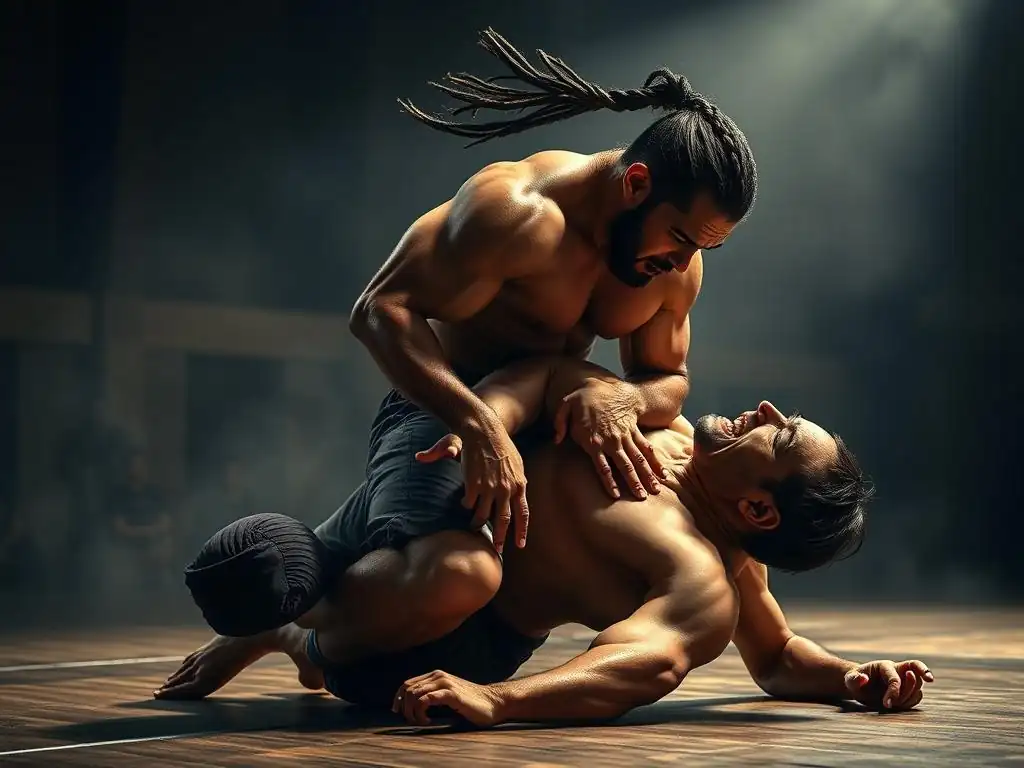
Welcome to Martial Arts Mastery!
Delve into the fascinating world of grappling and submission fighting, where technique reigns supreme. Ever wondered how a seemingly precarious position can transform into an inescapable hold? This article unravels the intricacies of a crucial element in Catch wrestling pinning technique: the art of "riding" your opponent to achieve devastating control and secure the pin. Discover the secrets behind this often-overlooked aspect of Catch wrestling and prepare to unlock new dimensions in your grappling game.
- Mastering the Ride: Pinning Strategies in Catch Wrestling
- Introduction to Catch Wrestling Pinning
- The Ride: Core of Catch Wrestling Pinning
- Principles of a Dominant Catch Wrestling Ride
- Effective Riding Positions
- Transitioning from Ride to Pin
- Advanced Riding and Pinning Techniques
- Drills for Riding and Pinning Proficiency
- Common Riding Mistakes
- Mental Fortitude in Riding and Pinning
- Notable Catch Wrestlers and Their Pinning Styles
- Conclusion: The Art of Catch Wrestling Pinning
-
Frequently Asked Questions
- What is "riding" in the context of Catch Wrestling pinning techniques?
- Why is "riding" considered an art in Catch Wrestling?
- What are some common pinning techniques that can be initiated from a "riding" position in Catch Wrestling?
- How does understanding the history of Catch Wrestling contribute to mastering "riding" and pinning techniques?
- What self-defense applications can be derived from mastering "riding" and pinning techniques in Catch Wrestling?
- Final Reflection: Mastering the Grip of Victory
- Unleash Your Inner Grappling Genius!
Mastering the Ride: Pinning Strategies in Catch Wrestling
Introduction to Catch Wrestling Pinning
The Role of Pins in Catch Wrestling Victory
In the brutal yet technical world of Catch as Catch Can Wrestling, securing a pin is one of the two primary objectives for victory, the other being submission. Unlike some grappling styles where points or position dominance dictate the winner over time, Catch Wrestling demands a decisive finish. A successful pin, holding the opponent's shoulders to the mat for a specific count (historically often three seconds, though rulesets can vary), immediately ends the match.
This makes the ability to execute an effective Catch wrestling pinning technique absolutely critical for any practitioner. Mastering the art of pinning is not merely an option; it is a fundamental requirement to compete and win at the highest levels.
The historical context of Catch Wrestling, often taking place in challenging environments like carnivals or arenas, further cemented the importance of the pin. Matches needed clear, undeniable finishes. While submissions are highly valued and frequently sought, a powerful and inescapable pin provides an equally definitive conclusion. Developing a robust Catch wrestling pinning technique arsenal is therefore just as important as cultivating a dangerous array of submission holds. Wrestlers must be proficient in transitioning from control positions directly into pinning scenarios, capitalizing on any opportunity to flatten their opponent and secure the fall.
Aggressive Pinning Philosophy in Catch Wrestling
Catch Wrestling embodies an inherently aggressive philosophy when it comes to pinning. It's not about waiting for the perfect moment or hoping the opponent makes a mistake; it's about actively creating opportunities to pin. This often involves relentless pressure, forcing the opponent into uncomfortable and disadvantageous positions from which escape is difficult and vulnerability to a pin is high. The "ride," which we will explore in depth, is the cornerstone of this aggressive approach, allowing the top wrestler to control the opponent's movement and wear them down.
This aggressive Catch wrestling pinning technique often involves using body weight, leverage, and continuous motion to break down the opponent's defenses. Wrestlers are encouraged to transition quickly from scramble situations or takedowns directly into dominant control positions, immediately looking for ways to expose the shoulders. This proactive mindset distinguishes Catch Wrestling pinning from more passive approaches seen in some other grappling arts. The goal is to overwhelm the opponent with control and pressure until a pinning opportunity arises, and then capitalize on it with speed and force.
The Ride: Core of Catch Wrestling Pinning
Defining the "Ride" in Catch Wrestling
In Catch as Catch Can Wrestling, the "ride" refers to the act of maintaining a position of dominance over an opponent who is typically on their hands and knees or flattened out on the mat. It is the state of being on top, controlling the opponent's body, and preventing them from escaping or regaining a neutral or advantageous position. The ride is not a static hold but a dynamic process involving constant adjustment, balance, and pressure application. It is the foundational skill that allows a wrestler to transition effectively from control to a decisive Catch wrestling pinning technique.
Think of the ride as the wrestler becoming a second skin on their opponent. It involves maintaining close contact, utilizing various grips (like waist wraps, leg hooks, or arm controls), and using body weight and hip position to dictate the opponent's movement. A successful ride makes the bottom person feel trapped, unable to move freely, and constantly under threat. It's the essential phase where the top wrestler establishes control before attempting a submission or, crucially for Catch Wrestling, setting up a pin. Without a solid ride, pinning opportunities are fleeting and difficult to secure.
The Purpose of the Ride: Control and Domination
The primary purpose of the ride in Catch Wrestling is multifaceted, encompassing control, domination, and the systematic breakdown of the opponent's defense. First and foremost, the ride grants the top wrestler control over the bottom opponent's body. By controlling their hips, shoulders, and limbs, the top wrestler can prevent escapes, dictate the direction of movement, and wear down the opponent's energy and will. This control is paramount for setting up any form of attack, including the crucial Catch wrestling pinning technique.
Beyond simple control, the ride serves to dominate the opponent. Constant pressure applied through body weight makes breathing difficult, fatigues their muscles, and creates mental frustration. A skilled rider makes the bottom opponent feel helpless, reducing their ability to mount their own offense or effectively defend. This sustained domination creates openings for pins. As the opponent struggles and tires under the pressure of the ride, their posture breaks, their limbs become exposed, and their shoulders become vulnerable to being flattened to the mat, paving the way for a successful Catch wrestling pinning technique.
Principles of a Dominant Catch Wrestling Ride
Balance and Pressure: Essential Ride Components
Maintaining a dominant ride in Catch Wrestling hinges critically on two interconnected principles: balance and pressure. The top wrestler must maintain impeccable balance while on top of a moving, resisting opponent. This involves keeping a wide base, reacting instantly to the opponent's attempts to roll or stand up, and using their own body weight effectively. Losing balance allows the opponent to escape the ride or even reverse the position, negating any potential Catch wrestling pinning technique setup.
Simultaneously, the top wrestler must apply constant, intelligent pressure. This isn't just about leaning on the opponent; it's about using body weight strategically, often driving hips forward and down, using shoulder pressure on the opponent's back or head, and applying weight through grips. This pressure serves to flatten the opponent, make them heavy on the mat, and inhibit their movement. Effective pressure applied from a balanced base is the engine that drives a successful ride and opens pathways to a decisive Catch wrestling pinning technique.
Hip Control: Preventing Opponent Escape
Effective hip control is arguably the most critical element of a dominant ride in Catch Wrestling. The hips are the center of the opponent's movement and power. By controlling the opponent's hips, the top wrestler can prevent them from exploding upwards, turning into the rider, or executing rolls and bridges designed to escape. This is often achieved by staying connected hip-to-hip with the opponent, using a waist wrap, or employing leg hooks to restrict their lower body.
Maintaining tight hip connection ensures that as the bottom opponent moves, the top wrestler moves with them, like a shadow. If there is space between the hips, the bottom opponent has room to maneuver, create leverage, and initiate escapes. A wrestler who masters hip control can effectively neutralize the opponent's attempts to regain their base or turn towards their back, keeping them vulnerable and constantly working towards a position where a Catch wrestling pinning technique can be applied. This connection is the foundation upon which all further control and pinning offense is built.
Hooks and Grips: Amplifying Control
Beyond hip control, various hooks and grips are essential tools for amplifying control during the ride. Leg hooks (riding hooks) inserted between the opponent's legs or around their thighs can effectively anchor the top wrestler to the bottom opponent, preventing them from standing up or sprawling away. These hooks limit the opponent's lower body movement and make it difficult for them to create distance or leverage for escapes.
Upper body grips, such as a seatbelt grip (one arm over the shoulder, one under the armpit, hands clasped), a spiral ride (driving a shoulder into the opponent's back while controlling an arm or wrist), or wrist control, provide crucial control over the opponent's torso and arms. These grips allow the top wrestler to break down the opponent's posture, turn them in desired directions, and prevent them from basing out effectively.
The strategic use of these hooks and grips, combined with balance, pressure, and hip control, solidifies the ride and creates the necessary foundation for executing a powerful Catch wrestling pinning technique.
Effective Riding Positions
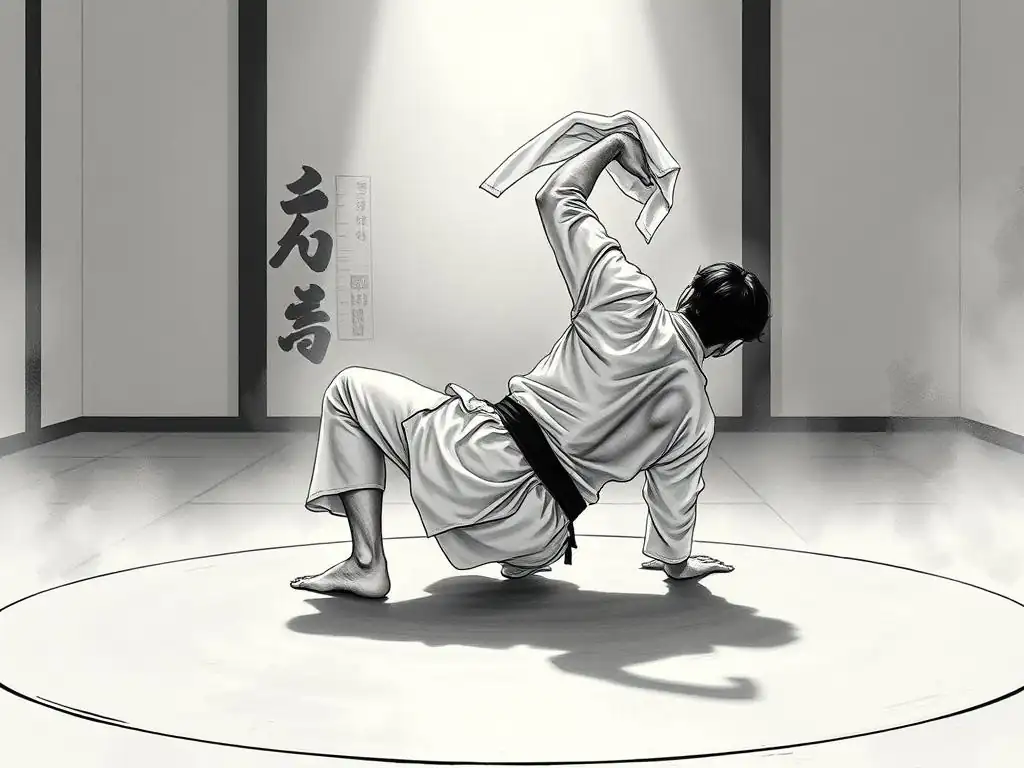
Back Control: Secure and Dominating
Back control is one of the most dominant positions in Catch Wrestling, offering unparalleled control over the opponent's movement and providing numerous opportunities for both submissions and pins. When a wrestler gains back control, they are typically behind the opponent, who is often on their hands and knees or lying flat. From this position, the top wrestler can apply significant pressure, limit the opponent's ability to see or react, and work towards flattening them out for a pin. Mastering transitions into and maintaining back control is key to many effective Catch wrestling pinning techniques.
The security of back control comes from the ability to control the opponent's core and hips from behind. With hooks in, the opponent cannot easily turn away, and with upper body control (like a body lock or seatbelt), they cannot easily turn into the rider. This position is particularly effective for setting up pins because it often allows the top wrestler to drive the opponent forward or flatten them onto their stomach or back, exposing their shoulders. Many classic Catch wrestling pinning techniques originate from or are facilitated by establishing and maintaining a dominant back control position.
Transitioning to Back Control
Transitioning to back control often occurs after a successful takedown, a scramble where the opponent exposes their back, or by turning the opponent from a front headlock or sprawl position. A common method involves circling behind the opponent as they attempt to stand or escape a front-on situation. As the opponent turns away, the wrestler on top drives forward, securing hip control and inserting hooks or establishing an upper-body grip like a seatbelt. Speed and timing are crucial during this transition phase.
Another common transition involves forcing the opponent to their hands and knees and then working to get behind them. This might involve using a spiral ride to break their base and then slipping in hooks. Once behind, securing hooks inside the opponent's legs is paramount to prevent them from escaping. Simultaneously, establishing a strong upper body grip, such as a body lock or seatbelt, cements the position and allows the top wrestler to begin applying pressure and looking for a Catch wrestling pinning technique setup.
Body Lock for Maximum Back Control
The body lock is a particularly effective grip for maximizing control from the back. This involves wrapping both arms around the opponent's torso, typically low around their waist or hips, and securing the grip by clasping hands or wrists. A tight body lock prevents the opponent from posturing up, turning vigorously, or creating space. It effectively binds their upper and lower body together, making them easier to control as a single unit.
From back control with a body lock, the top wrestler can drive their weight down and forward, flattening the opponent onto the mat. This position is extremely powerful for setting up pins like the cradle or simply driving shoulder pressure to hold the opponent down. A common Catch wrestling pinning technique from here involves transitioning the body lock slightly higher to trap an arm or applying torque to turn the opponent onto their back. The body lock provides a solid, inescapable foundation from which numerous pinning options become available.
Leg Control: Pinning Leverage
Controlling the opponent's legs is another crucial aspect of an effective ride, providing significant leverage for both maintaining control and setting up pins. While back control often involves hooks, leg control can also be achieved from other positions, such as controlling one or both of the opponent's legs from the side or front, particularly when they are on their back or attempting to stand. Preventing the opponent from using their legs to bridge, tripod, or create distance is vital for securing a pin.
By controlling the legs, the top wrestler can limit the opponent's power base and mobility. For instance, controlling a single leg can prevent the opponent from turning into the wrestler or using that leg to drive for a bridge. Controlling both legs, such as with leg weaves or by pinning them down with body weight, effectively neutralizes the opponent's lower body, making it much easier to flatten their back to the mat and execute a Catch wrestling pinning technique. This type of control is often seen when transitioning from a takedown or scramble directly into a pinning situation.
Controlling Legs to Restrict Movement
Controlling an opponent's legs involves various techniques depending on the relative position. When the opponent is on their hands and knees, inserting riding hooks is a primary method of leg control. These hooks, placed inside the opponent's thighs, restrict their ability to stand up or turn their hips. The deeper the hooks, the more control is exerted over the opponent's lower body.
When the opponent is on their back, controlling their legs often involves pinning one or both legs to the mat using body weight, or weaving an arm through their legs to control them (like in a leg weave or controlling a single leg). This prevents them from using their legs to bridge powerfully or create space, making it easier to drive their shoulders to the mat.
For example, securing a leg cradle involves controlling one leg tightly against the opponent's body, effectively neutralizing that limb and facilitating the pinning action. This precise control of the lower body is a key component of many successful Catch wrestling pinning techniques.
Leg Control for Submission Setups
While the focus here is on pinning, it's worth noting that controlling the legs from a riding position can also open opportunities for submissions. For instance, controlling a single leg can sometimes lead to opportunities for leg locks, although Catch Wrestling leg locks differ from those in other arts. More commonly, controlling the legs prevents the opponent from defending upper body submission attempts.
For example, from a strong ride with leg hooks in, if the opponent focuses too much on defending a potential pin, their arms or neck might become exposed for a neck crank or arm lock. Conversely, if the opponent focuses on defending submissions, their posture might break down, making them vulnerable to a pin. The control afforded by the ride, including leg control, allows the top wrestler to transition seamlessly between submission threats and Catch wrestling pinning techniques, keeping the opponent constantly under pressure and unsure of the primary attack.
Crossface Control: Pressure and Openings
The crossface is a powerful control technique used from a top position, typically when the opponent is on their hands and knees or flattened out. It involves driving the forearm or shoulder across the opponent's face, applying pressure to their head and neck. This pressure is extremely uncomfortable, inhibits breathing, and forces the opponent's head to turn, making it difficult for them to posture up or see what the top wrestler is doing.
Applying a strong crossface creates disorientation and discomfort, often causing the opponent to react instinctively, which can open up opportunities for other controls or pins. The crossface can break down the opponent's will and make them desperate to escape the pressure, potentially leading them to expose their back or shoulders. It's a brutal but effective tool for maintaining dominance and setting the stage for a decisive Catch wrestling pinning technique.
Crossface for Head Domination
Using the crossface is fundamentally about head domination. By controlling the opponent's head, the top wrestler gains significant leverage over their entire body. The head is the "steering wheel" of the body; if you control the head, you can often dictate the direction the body moves. A strong crossface forces the opponent's head to one side, making it difficult for them to square up or regain their base.
The pressure applied to the face and neck is not just uncomfortable; it can be used to flatten the opponent or turn them onto their back. For example, driving the crossface while simultaneously pulling up on an arm can force the opponent to roll onto their back. This head domination is a key element in breaking down the opponent's defense and creating the necessary vulnerability for a Catch wrestling pinning technique. It's a tool used to make the opponent compliant or force a reaction that can be exploited.
Combining Crossface with Riding Techniques
The crossface is rarely used in isolation; its effectiveness is maximized when combined with other riding techniques. For instance, applying a strong crossface while simultaneously maintaining tight hip control and leg hooks creates a devastatingly dominant position. The crossface breaks down the opponent's posture and turns their head, while the hip control and hooks prevent them from escaping or regaining their base.
A common combination involves using the crossface to turn the opponent onto their side or flatten them, and then transitioning to a half nelson or cradle to secure the pin. The pressure from the crossface often causes the opponent to drop their arm to alleviate the discomfort, which can expose the neck or shoulder for a pinning grip. This synergistic approach, where the crossface works in concert with other riding principles, is crucial for transitioning from control to a successful Catch wrestling pinning technique.
Transitioning from Ride to Pin
Recognizing Pinning Opportunities
Transitioning from a dominant ride to a pin requires recognizing specific opportunities when the opponent becomes vulnerable. The most common opportunity arises when the opponent's shoulders are exposed and can be driven flat to the mat. This often happens when the opponent is flattened out on their stomach or back, when they are turning or scrambling, or when their base is broken down by pressure.
A skilled Catch wrestler constantly feels for these moments during the ride. When the opponent is struggling under pressure, trying to escape, or becoming fatigued, their defensive structure weakens. Their hips might elevate, their shoulders might turn, or they might flatten out completely. These are the cues to transition from maintaining control (the ride) to actively attacking for the pin. Recognizing these fleeting moments is key to executing a timely and effective Catch wrestling pinning technique.
Leverage and Bodyweight Application
Successfully transitioning from a ride to a pin heavily relies on the intelligent application of leverage and bodyweight. Simply holding an opponent down is rarely enough; you must use your weight and position to create mechanical disadvantage for them. This involves driving your weight through them, not just on them, using angles and leverage to flatten their shoulders.
For example, when attempting a half nelson, the leverage comes from driving the opponent's arm up and across their head while simultaneously applying pressure downwards with your chest and hips. In a cradle, the leverage is created by binding the opponent's head and leg together and using your body to torque and flatten them.
Effective bodyweight application means distributing your weight in a way that makes it impossible for the opponent to bridge or escape, often by keeping your hips low and driving into their base. Mastering this application of leverage and bodyweight is fundamental to securing a definitive Catch wrestling pinning technique.
Common Pinning Combinations
Catch Wrestling utilizes numerous combinations that transition directly from riding control into a pin. These often involve securing a specific grip or control during the ride and then using it as the primary lever for the pin.
Cradle Pin from Back Control
The cradle is a classic and highly effective Catch wrestling pinning technique often secured from back control or side control when the opponent is on their hands and knees or side. It involves wrapping one arm around the opponent's head and the other arm around one of their legs (typically the same side leg) and locking the hands together (figure-four grip is common).
From back control with hooks in, the wrestler can transition by releasing one hook, swinging the leg through, and grabbing the opponent's leg as they wrap the head. Once the grip is secured, the wrestler uses their body to pull the opponent's head and leg together, often rolling them onto their back and driving their combined bodyweight forward and down to secure the pin. The tightness of the lock and the leverage created by bending the opponent in half make this a very difficult pin to escape.
Half Nelson Pin from Crossface Control
The half nelson is another fundamental Catch wrestling pinning technique, frequently set up from a ride where the opponent is on their hands and knees or flattened out. It involves slipping an arm under the opponent's armpit from the side or back and placing the hand on the back of their neck or head. The other arm often applies a crossface or controls the opponent's arm.
From a ride with crossface pressure, the wrestler can transition to a half nelson by slipping the free arm under the opponent's near armpit and securing the neck. The wrestler then drives forward and to the side, using the half nelson to turn the opponent onto their back while simultaneously driving their chest weight down onto the opponent's chest. The combination of the neck leverage from the half nelson and the pressure from the crossface and bodyweight makes this a powerful pinning attack.
Inside Leg Trip to Pin
While often thought of as a takedown, an inside leg trip can also transition directly into a pinning situation from a standing or kneeling ride. If the opponent is attempting to stand up or is low on their base, the wrestler on top can use an inside leg trip to knock their base out from under them.
As the opponent falls, the top wrestler maintains control, often with a waist wrap or upper body grip, and follows them immediately to the mat, aiming to land in a dominant position like side control or directly on top with the opponent's back exposed. The momentum from the trip, combined with the top wrestler's immediate follow-up pressure and control, can often lead directly to a pinning opportunity, requiring a quick transition to secure a half nelson, cradle, or other immediate Catch wrestling pinning technique before the opponent recovers.
Advanced Riding and Pinning Techniques
Wrist Control for Enhanced Leverage
Advanced riders often incorporate subtle controls like wrist control to enhance their leverage and open pinning opportunities. Controlling one or both of the opponent's wrists from a top position severely limits their ability to base out, post, or defend effectively with their hands.
For instance, from back control, securing wrist control on one of the opponent's arms can prevent them from defending their neck or bridging effectively. From a side ride, controlling the opponent's near wrist can prevent them from framing or turning into you, making them more vulnerable to being flattened. This precise control over the opponent's hands and arms adds another layer of dominance to the ride and can be the small detail that facilitates a successful Catch wrestling pinning technique.
Integrating Riding with Submission Threats
A hallmark of advanced Catch Wrestling is the seamless integration of riding control with submission threats. A dominant ride isn't just about setting up pins; it's also about constantly threatening submissions to force reactions that can lead to pins, or vice versa.
From a strong back ride, for example, a wrestler might apply a neck crank. If the opponent focuses solely on defending the neck crank, their posture might collapse, making them susceptible to a body lock pin or cradle. Conversely, if the wrestler is applying pressure for a pin (like a half nelson), the opponent might expose an arm defending, opening a chance for an arm lock.
This constant interplay between submission threats and Catch wrestling pinning techniques keeps the opponent guessing and maximizes the effectiveness of the ride. The ride provides the stable platform from which both types of attacks can be launched.
Anticipating and Defending Escapes
Mastering the ride and Catch wrestling pinning technique requires not only knowing how to apply pressure and secure grips but also anticipating and defending the opponent's escape attempts. A skilled rider feels the opponent's weight shifts, bridges, and turns and reacts instantly to shut down their movements.
This involves constant adjustments to base, hip position, and grip tension. If the opponent attempts to bridge, the rider must drive their weight down and flatten them. If they attempt to turn into the rider, the rider must maintain hip connection and prevent them from gaining leverage. Anticipating common escapes, such as standing up from hands and knees or rolling from a flattened position, allows the rider to preemptively adjust their weight and control, ensuring the ride is maintained and the opportunity for a Catch wrestling pinning technique is not lost.
Drills for Riding and Pinning Proficiency
Partner Drills: Maintaining Ride Control
Developing a dominant ride and effective Catch wrestling pinning technique requires consistent practice with a partner. Drills focused on maintaining control from various top positions are essential. One such drill involves one partner starting on hands and knees or flattened out, while the other partner establishes a ride (e.g., back control with hooks).
The bottom partner then attempts to escape using various methods (bridging, turning, standing), while the top partner focuses solely on maintaining the ride, adjusting their weight, base, and grips without attempting a pin or submission. This drill helps build sensitivity to the opponent's movements and develops the instinctive reactions needed to maintain control under pressure. Aim to maintain control for sustained periods, perhaps 2-3 minute rounds.
Another partner drill focuses on transitioning between riding positions while maintaining pressure. Starting from a side ride, for example, the top partner works on transitioning to back control, then to a different side, all while keeping constant pressure on the bottom opponent, who is actively resisting. This helps practitioners become fluid in their top game and learn how to follow the opponent's movement effectively. A variation involves the bottom partner offering specific resistance (e.g., only trying to turn left) to help the top partner practice countering particular escape attempts relevant to securing a Catch wrestling pinning technique.
Solo Drills: Balance and Pressure Development
While partner drills are crucial for learning to react to a live opponent, solo drills can help develop the fundamental physical attributes needed for a dominant ride and Catch wrestling pinning technique: balance, body awareness, and the ability to apply pressure. Practicing stances and movements that mimic riding positions, such as maintaining a low, wide base while simulating driving pressure forward, can build strength and stability.
Drills like "shadow wrestling" from a top position, moving around an imaginary opponent on the mat, practicing transitions between positions (like switching hips in side control or simulating inserting hooks), and practicing bridging and weight distribution exercises can improve body control and balance. While these don't replace live practice, they help build the physical foundation and muscle memory required to apply effective pressure and maintain balance when a live opponent is actively resisting your Catch wrestling pinning technique attempts.
Live Sparring: Ride and Pin Application
Ultimately, the ability to effectively ride and transition to a Catch wrestling pinning technique must be tested and refined in live sparring. Starting sparring rounds from various ride positions (e.g., starting with one partner in back control, side control, or on hands and knees with the other riding) allows practitioners to practice applying their skills against fully resisting opponents.
During live sparring focused on riding and pinning, the top wrestler should prioritize maintaining control and actively working towards pinning opportunities, rather than immediately seeking submissions. This allows dedicated practice of recognizing openings, applying leverage and bodyweight, and executing the transition to a pin under realistic pressure. Sparring also helps build the mental fortitude needed to maintain composure and continue working for the pin even when the opponent is fighting hard to escape. Consistent live application is essential for truly mastering the Catch wrestling pinning technique.
Common Riding Mistakes
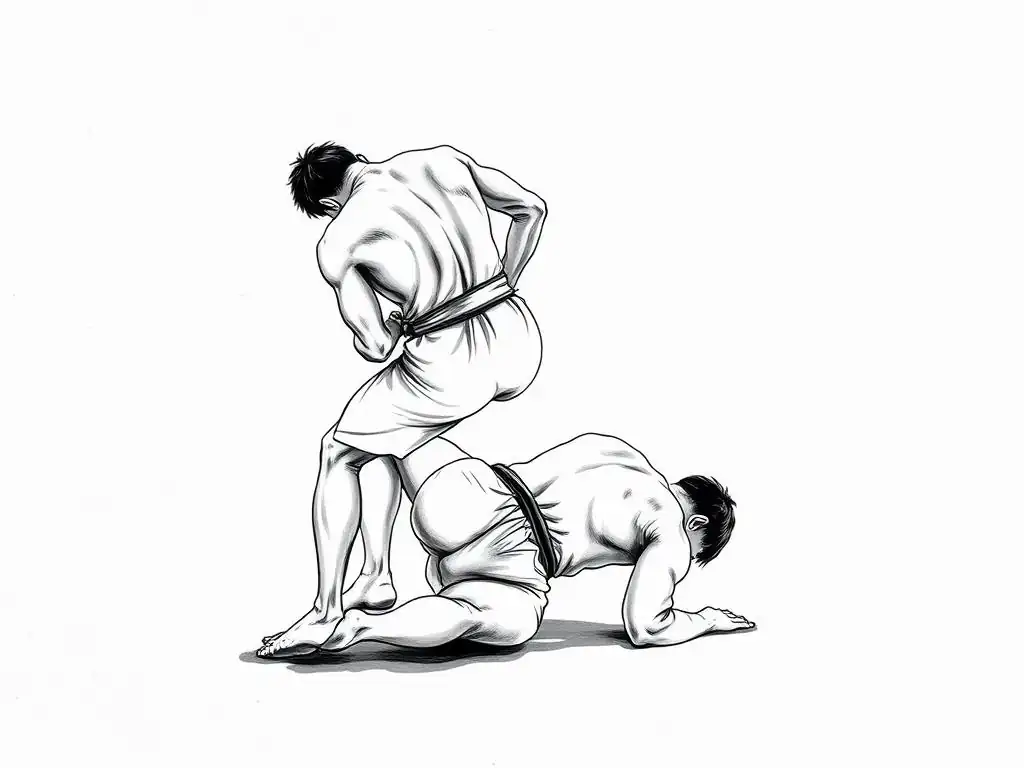
Losing Balance and Control
One of the most frequent mistakes made during the ride is losing balance, which immediately compromises control and can lead to the opponent's escape or even a reversal. This often happens when the top wrestler gets too high on their opponent, fails to maintain a wide base, or leans too heavily in one direction without adjusting to the opponent's movements. Losing balance means the wrestler cannot apply effective pressure or follow the opponent's attempts to move, making any Catch wrestling pinning technique attempt futile.
Another aspect of losing control stems from insufficient connection. If there is too much space between the top wrestler and the bottom opponent, the opponent has room to maneuver, bridge, and escape. This lack of tightness, often due to a loose waist wrap, shallow hooks, or poor hip connection, allows the opponent to create the distance and leverage needed to break the ride. Maintaining constant, tight connection while staying balanced is paramount to a successful ride and setting up a Catch wrestling pinning technique.
Insufficient Hip Control
As discussed earlier, hip control is vital. A common mistake is failing to control the opponent's hips, allowing them to explode upwards, turn violently, or initiate powerful bridges from their core. If the top wrestler is merely draped over the opponent's back without securing the hips, the opponent can easily escape by driving their hips into the rider or turning away.
This mistake often manifests as the top wrestler sitting too high on the opponent's back without hooks or a tight body lock low around the waist. Without controlling the engine of the opponent's movement (their hips), maintaining a stable ride and transitioning effectively to a Catch wrestling pinning technique becomes extremely difficult. The opponent will constantly be able to generate power for escapes, negating the top wrestler's efforts.
Predictable Transitions
A less obvious but significant mistake is being predictable in transitions from the ride to a pinning attempt. If a wrestler always goes for the same Catch wrestling pinning technique from a specific position (e.g., always attempting a half nelson from hands and knees), the opponent will learn to anticipate and defend against it.
Skilled opponents will quickly recognize the setup and begin defending before the pin can be applied. A dominant rider must be able to threaten multiple pins and submissions from the ride, keeping the opponent guessing and forcing them to defend in multiple directions. This unpredictability prevents the opponent from focusing their defense on a single technique and increases the likelihood of a successful Catch wrestling pinning technique by exploiting whichever opening the opponent gives you. Developing a diverse set of transitions from the ride is key.
Mental Fortitude in Riding and Pinning
Maintaining Composure Under Pressure
Mastering the ride and executing a Catch wrestling pinning technique requires significant mental fortitude. Maintaining a dominant position against a resisting opponent, especially one who is strong and determined to escape, is physically and mentally taxing. The ability to remain calm, focused, and patient under pressure is crucial.
A wrestler who loses composure might rush their attacks, abandon solid control for risky pinning attempts, or become frustrated when the opponent defends effectively. This leads to mistakes and lost opportunities. Staying calm allows the wrestler to think clearly, feel the opponent's movements, and wait for the optimal moment to transition from the ride to a pinning attack. Mental resilience is just as important as physical strength and technical skill in securing a difficult Catch wrestling pinning technique against a tough opponent.
Visualizing Successful Pins
Visualization is a powerful tool for developing proficiency in Catch wrestling pinning techniques. Mentally rehearsing the steps involved in maintaining a dominant ride, recognizing pinning opportunities, applying leverage, and securing the fall can help engrain the movements and strategies.
Before training or competition, taking a few moments to visualize successfully transitioning from various ride positions into different pins can improve performance. This mental practice helps build confidence and reinforces the technical details required for a successful Catch wrestling pinning technique. Visualizing overcoming challenges and securing the pin, even against a strong opponent, can prepare the mind for the physical struggle on the mat.
Strategic Pinning Approach
A dominant rider doesn't just hold on; they employ a strategic approach to pinning. This involves constantly assessing the opponent's position, energy level, and defensive reactions to determine the most likely path to a pin. Is the opponent flattened out? Are they favoring one side? Are they focusing their defense on their neck or their hips?
Based on these observations, the rider can choose the most appropriate Catch wrestling pinning technique or combination. This strategic thinking allows the wrestler to work towards creating specific openings or capitalizing on the opponent's weaknesses. It's not just about applying pressure, but applying intelligent pressure with a clear objective: securing the pin by exploiting the opponent's current vulnerability. This strategic approach elevates the ride from mere control to a calculated method for achieving victory via Catch wrestling pinning technique.
Notable Catch Wrestlers and Their Pinning Styles
Billy Robinson: The Master Technician
Billy Robinson, a legendary figure in Catch Wrestling, was renowned for his technical precision and systematic approach to breaking down opponents from the top. While celebrated for submissions like the Double Wristlock ("Kimura"), Robinson also possessed a formidable Catch wrestling pinning technique arsenal, often flowing seamlessly between control, submissions, and pins.
Robinson's style emphasized relentless top pressure and intelligent weight distribution. He was particularly adept at using crossface pressure and controlling the opponent's arms and head from a ride position to set up various pins, including variations of the half nelson and driving pins. His approach was highly technical, focusing on leverage and positional dominance to wear opponents down and create openings for either a submission or a definitive Catch wrestling pinning technique. His teachings often stressed the importance of the ride as the foundation for all offensive action from the top.
Karl Gotch: Strength and Control
Karl Gotch, another iconic figure in Catch Wrestling, known as "The God of Wrestling" in Japan, embodied a style characterized by immense strength, conditioning, and relentless pressure. Gotch's approach to the ride and pinning was often more physically imposing, relying on his powerful physique and conditioning to overwhelm opponents and flatten them out.
Gotch utilized powerful rides, emphasizing constant forward pressure and the use of holds like the body lock to grind down opponents. While he taught a wide array of techniques, his application of Catch wrestling pinning technique often involved driving opponents onto their back and using sheer force combined with fundamental pinning holds like the half nelson or bridging pressure to secure the fall. His philosophy stressed wearing the opponent out through continuous, heavy pressure from dominant positions, making them vulnerable to a decisive pin.
Conclusion: The Art of Catch Wrestling Pinning
Consistent Practice and Refinement
Mastering the art of the ride and the subsequent Catch wrestling pinning technique is a journey that requires consistent practice and continuous refinement. It is not a skill learned overnight but developed through countless hours on the mat, drilling techniques, sparring with resisting partners, and analyzing one's own performance. The nuances of balance, pressure, hip control, and grip application must become second nature.
Regularly practicing transitions from various riding positions to different pinning attempts helps build muscle memory and fluidity. Working with training partners who actively resist forces the development of adaptive strategies and the ability to react instinctively to escape attempts. Just like mastering any other martial art technique, proficiency in the Catch wrestling pinning technique comes through dedicated, deliberate practice aimed at perfecting control, recognizing opportunities, and executing decisively.
Embracing Control and Domination
Ultimately, excelling in Catch wrestling pinning technique is about embracing the philosophy of control and domination from the top position. The ride is the mechanism through which this control is established and maintained, systematically breaking down the opponent's defense and creating the conditions necessary for a pin.
It requires a mindset that is aggressive yet patient, constantly seeking to improve position and apply pressure while waiting for the opportune moment to secure the fall. By focusing on maintaining a dominant ride, applying intelligent pressure, recognizing vulnerabilities, and executing pinning techniques with precision and leverage, a Catch wrestler can make the pin a consistent and powerful weapon in their arsenal, embodying the true art of Catch as Catch Can Wrestling victory.
Frequently Asked Questions
What is "riding" in the context of Catch Wrestling pinning techniques?
"Riding" in Catch Wrestling refers to maintaining a dominant position on top of your opponent, using your weight and leverage to control their movement and set up pinning opportunities. It involves strategically positioning your body to maximize pressure and minimize their escape routes.
Why is "riding" considered an art in Catch Wrestling?
"Riding" is an art because it requires more than just brute strength. It demands a deep understanding of body mechanics, weight distribution, and the ability to anticipate your opponent's movements to maintain control and secure the pin.
What are some common pinning techniques that can be initiated from a "riding" position in Catch Wrestling?
From a "riding" position, Catch Wrestlers can utilize techniques like the double wrist lock (kimura), the arm triangle choke, and various leg rides to transition into pinning combinations. The specific technique depends on the opponent's reaction and vulnerabilities.
How does understanding the history of Catch Wrestling contribute to mastering "riding" and pinning techniques?
Understanding the history of Catch Wrestling reveals the evolution of these techniques and the strategies that have proven effective over time. This historical context provides a deeper appreciation for the principles behind "riding" and informs more effective training methods.
What self-defense applications can be derived from mastering "riding" and pinning techniques in Catch Wrestling?
Mastering "riding" provides exceptional control over an attacker, allowing you to dictate the engagement and disable their offensive capabilities. Pinning techniques offer a definitive means of neutralizing a threat in a real-world self-defense scenario.
Okay, here's a final reflection designed to close your article, "The Art of 'Riding' to Secure Pins in Catch Wrestling," while targeting the keyword "Catch wrestling pinning technique" and adhering to the structure you provided:
Final Reflection: Mastering the Grip of Victory
The techniques explored in this article, detailing the art of "riding" to secure pins in Catch Wrestling, are not merely historical relics; they represent a living, breathing tradition of grappling excellence that continues to influence modern combat sports. Understanding and mastering these Catch Wrestling pinning techniques offers a tangible advantage, providing a pathway to control and ultimately, victory, in a world where precision and leverage are paramount.
The enduring appeal of Catch Wrestling lies in its brutal efficiency and the deep understanding of human anatomy it demands. This exploration of "riding" positions has reinforced my appreciation for the nuanced strategies within Catch Wrestling, highlighting how seemingly simple adjustments can yield devastating results. The ground is a canvas, and the body is the brush. Every hold, every transition, is a stroke of art, painted with sweat and determination.
This quote encapsulates the dedication and artistry required to truly master these pinning techniques, transforming a struggle into a display of calculated dominance.
Now, consider how you can integrate these principles into your own training and understanding of grappling. Embrace the challenge of mastering the "riding" position, and explore the subtle shifts in weight and leverage that can unlock new avenues for control and submission. Let the legacy of Catch Wrestling inspire you to refine your technique, sharpen your mind, and ultimately, achieve a deeper connection with the art of grappling.
Unleash Your Inner Grappling Genius!
Thank you for diving into the art of securing pins! Now that you've absorbed these insights, it's time to translate knowledge into action. Here's how to elevate your catch wrestling game:
- Master the "riding" techniques outlined in this article by drilling them consistently during your training sessions. This is your key to dominating the mat.
- Explore different variations of these techniques. Can you adapt them to different body types or wrestling styles? Experiment and find what works best for you.
- Share this article with your training partners and discuss how you can collectively improve your pinning strategies. Collaboration is key!
What small adjustment to your "riding" technique could yield the biggest improvement in your pinning success?