
Beyond the Berimbau: The Essential Instruments of a Complete Capoeira Bateria

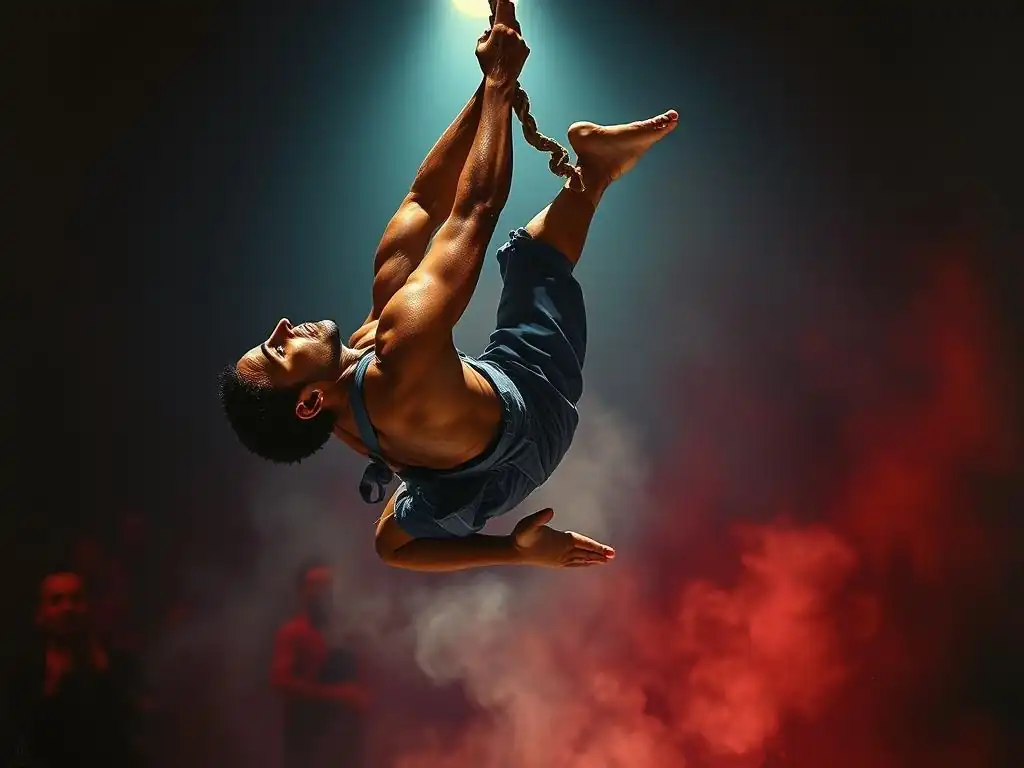
Welcome to Martial Arts Mastery, your gateway to the world's most compelling fighting arts. Delve deeper into the rhythmic heart of Capoeira! While the berimbau often steals the spotlight, our exploration of Capoeira instrument learning techniques reveals the vital role of the atabaque, pandeiro, and other instruments in weaving the tapestry of this dynamic art. Intrigued to discover how these instruments contribute to the conversation between players and musicians? Read on to unlock the secrets of a complete bateria and elevate your understanding of Capoeira.
- Understanding the Capoeira Bateria: More Than Just Music
- The Core Instruments of the Capoeira Bateria: A Deep Dive
- Supporting Instruments: Enhancing the Capoeira Sound
- Capoeira Instrument Learning Techniques: A Practical Guide
- The Importance of Understanding Capoeira Rhythms for Practitioners
- Building Your Own Capoeira Bateria: Choosing the Right Instruments
- Conclusion: The Capoeira Bateria as a Living Tradition
-
Frequently Asked Questions
- What is a bateria in Capoeira, and why is it important?
- Besides the berimbau, what are some other crucial instruments in a Capoeira bateria?
- What are some techniques for learning to play the berimbau effectively?
- How does learning to play a Capoeira instrument contribute to overall martial arts mastery?
- Are there resources available on MartialArtsMastery.org to help learn Capoeira instruments?
- Final Reflection: Echoes of Rhythm, Seeds of Mastery
- Dive Deeper: Ignite Your Capoeira Journey!
Understanding the Capoeira Bateria: More Than Just Music
What is a Capoeira Bateria and Why is it Important?
The bateria is the rhythmic heart and soul of any capoeira roda. It is the orchestra of instruments that dictates the energy, speed, and style of the game being played within the circle. Composed primarily of percussion and string instruments, the bateria typically sits at the head of the roda, led by the berimbau gunga. The instruments don't just provide a musical backdrop; they actively communicate with the players, signaling changes in rhythm, speed, and even specific movements or calls to action. Without a cohesive and well-played bateria, the capoeira game lacks its essential driving force and cultural context.
Historically, the bateria's development is intertwined with the evolution of capoeira itself, originating from African roots brought to Brazil by enslaved people. The instruments, often crafted from natural materials readily available, served not only for musical expression but also for communication and maintaining cultural identity under oppressive conditions. Understanding the bateria and its instruments is fundamental for anyone serious about capoeira, whether as a player or musician, as it unlocks a deeper connection to the art's history, philosophy, and practice. Mastering Capoeira instrument learning techniques is therefore crucial for a complete understanding and participation in the art form.
The Role of Music in the Capoeira Circle (Roda)
Music is not merely accompaniment in a capoeira roda; it is an integral, dynamic participant that shapes every moment of the game. The rhythm played by the bateria dictates the jogo (game) – a fast, high-energy rhythm like São Bento Grande de Bimba encourages a quicker, more athletic game, while a slower rhythm like Angola prompts a lower, more strategic, and theatrical interaction. The lead berimbau player, often the most experienced musician, acts as the conductor, interpreting the energy of the roda and selecting appropriate rhythms and songs.
Beyond setting the pace, the songs sung by the participants and led by the coro (choir) tell stories, teach lessons, comment on the game, or invoke historical figures and events. The call-and-response structure of the singing fosters community and participation. The interplay between the instruments, the singing, and the movement within the roda creates a powerful, immersive experience. Learning Capoeira instrument learning techniques allows participants to contribute directly to this vital aspect, becoming active creators of the roda's atmosphere rather than passive observers.
The Core Instruments of the Capoeira Bateria: A Deep Dive
The Berimbau: Soul of Capoeira Music - Viola, Médio, and Gunga
The berimbau is arguably the most iconic and essential instrument in the capoeira bateria, often referred to as its soul. It is a simple string instrument consisting of a wooden bow ( verga), a steel wire ( arame) stretched between the ends, and a dried, hollowed gourd ( cabaça) attached near the lower end to act as a resonator.
The sound is produced by striking the arame with a small stick ( baqueta) while holding a stone or coin ( dobrão or pedra) against the wire to change the pitch. A caxixi, a small rattle, is often held in the same hand as the baqueta, adding a percussive layer.
There are typically three types of berimbaus in a complete bateria, distinguished primarily by the size of their cabaça and the thickness of the arame, which affects their pitch and timbre. The Gunga is the largest and lowest-pitched, providing the foundational rhythm and often leading the bateria. The Médio (or Centro) is medium-sized with a middle pitch, playing a complementary rhythm. The Viola (or Violinha) is the smallest and highest-pitched, playing variations and improvisations, adding complexity and flair to the music. Each plays a distinct role, and understanding these roles is fundamental to Capoeira instrument learning techniques.
Learning the Berimbau Techniques: Sound Production and Rhythms
Mastering the berimbau involves learning to produce three basic sounds: the open sound (wire struck without the dobrão touching), the buzzing sound (wire struck with the dobrão lightly touching), and the high sound (wire struck with the dobrão pressed firmly). The position of the dobrão and the technique of striking the arame with the baqueta are key to achieving clear and distinct tones. The caxixi adds a constant percussive shaker sound with each movement of the hand.
Basic capoeira rhythms, such as Angola, São Bento Pequeno, and São Bento Grande, are built upon combinations of these three sounds. For example, the core Angola rhythm often emphasizes the open and buzzing sounds, creating a slow, grounded pulse, while São Bento Grande utilizes more of the high sound for a faster, sharper feel. Effective Capoeira instrument learning techniques for the berimbau start with isolating these sounds and then practicing transitions between them before attempting full rhythms. Many beginners spend weeks just perfecting the basic sounds and a single rhythm like São Bento Pequeno.
Mastering the Berimbau: Dobradas and Complex Rhythms
Moving beyond basic rhythms involves learning dobradas and more complex patterns. Dobrada translates roughly to "folding" or "doubling" and refers to rhythmic variations, improvisations, and calls played primarily by the berimbau viola. These variations add texture, energy, and communication to the music, often mimicking or commenting on the movements of the players in the roda. Mastering dobradas requires not only technical proficiency but also a deep understanding of the capoeira game and the ability to improvise responsively.
Complex rhythms might include variations of the basic patterns or rhythms less commonly played, such as Iúna (often used for floreios or skilled movements), Cavalaria (historically used to warn of police arrival), or regional rhythms specific to certain capoeira lineages. Achieving mastery involves not just playing these rhythms accurately but understanding their context, when to apply them, and how they influence the jogo. Dedicated practice focusing on rhythm memorization, hand-eye coordination for the dobrão and baqueta, and developing a keen musical ear are essential Capoeira instrument learning techniques for advanced players.
The Atabaque: Grounding the Rhythm - Rum, Rumpi, and Lé
The atabaque is a tall, conical drum, typically made of wood with a skin head, played with the hands. It provides the strong, grounding pulse for the capoeira bateria, working in tandem with the berimbaus. Like the berimbau, the atabaque often comes in three sizes, though not always present in every bateria: the Rum (largest and lowest-pitched), the Rumpi (medium-sized), and the Lé (smallest and highest-pitched). The Rum usually plays the main, foundational rhythm, while the Rumpi and Lé play complementary or interlocking patterns, adding layers to the percussive base.
The atabaque's deep, resonant sound is crucial for establishing the tempo and feel of the music. Its presence anchors the entire bateria, allowing the other instruments to weave their patterns around its steady beat. The quality of the wood, the tension of the skin head, and the technique of the player all contribute to the instrument's sound. Learning the proper hand techniques and understanding the specific rhythms for each size of atabaque are key components of effective Capoeira instrument learning techniques.
Atabaque Playing Techniques: Strokes and Rhythms
Playing the atabaque involves a variety of hand strokes to produce different sounds. Basic strokes include the open tone (striking the head with the fingers near the rim), the bass tone (striking the center of the head with the palm), and the slap (striking the head with slightly cupped fingers to produce a sharper, higher-pitched sound). Muffling the head with one hand while striking with the other can also create different effects.
Capoeira rhythms on the atabaque are often based on traditional Afro-Brazilian patterns. The Rum might play a slow, steady beat for Angola, while the Rumpi adds syncopated hits, and the Lé plays faster, more complex patterns. For faster rhythms like São Bento Grande, all three drums might play more intricate, interlocking parts. Developing calluses and hand strength is part of the learning process, as is practicing the coordination required for complex rhythmic patterns. Many Capoeira instrument learning techniques for the atabaque focus initially on developing clean, strong basic strokes before combining them into rhythms.
Integrating the Atabaque into the Capoeira Bateria
While each atabaque has its specific role (Rum: main pulse, Rumpi: counter-rhythm, Lé: high-pitched variations), they must work together seamlessly with the berimbaus and other instruments. The atabaques provide the rhythmic floor upon which the berimbaus build melodies and variations. In a typical setup, the Rum follows the Berimbau Gunga, the Rumpi follows the Berimbau Médio, and the Lé follows the Berimbau Viola, creating a layered percussive structure that mirrors the string section.
Understanding this integration is vital for any musician in the bateria. An atabaque player must listen intently to the berimbaus, especially the Gunga, to maintain the correct tempo and rhythm style. They also need to be aware of what the other atabaques are playing to ensure their parts interlock correctly. Practicing playing along with recordings of full baterias is a common Capoeira instrument learning technique to develop this sense of integration and listening skills.
The Pandeiro: Adding Complexity and Flair - Hand Placement and Tuning
The pandeiro is a type of hand frame drum with jingles (platinelas) around the rim, similar to a tambourine but typically held and played differently. It's a versatile instrument in the capoeira bateria, adding a higher-pitched, intricate layer of rhythm and texture. The pandeiro player uses the thumb, fingertips, and palm to strike the head and shake the jingles, creating a wide range of sounds.
Proper hand placement is key to producing clear sounds on the pandeiro. The drum is usually held loosely in one hand, allowing it to pivot slightly with wrist movements. The other hand executes the strokes. Tuning the pandeiro head is also important; a tighter head generally produces higher, sharper tones, while a looser head gives a warmer, more resonant sound. The preferred tuning depends on the desired sound and the context within the bateria. Learning basic hand positions and tuning methods is an early step in Capoeira instrument learning techniques for the pandeiro.
Learning Pandeiro Rhythms: Basic and Advanced Patterns
Basic pandeiro rhythms in capoeira involve combinations of thumb strokes (often providing a bass note), fingertip strokes (for faster patterns), and palm strokes (for accents), along with shaking the jingles. A fundamental rhythm involves a pattern like "thumb-fingers-palm-fingers" combined with a shake. These basic patterns form the foundation for more complex variations.
Advanced pandeiro playing involves intricate patterns, rolls (rapid succession of strokes), and sophisticated coordination between hand movements and jingle shakes. The pandeiro player often improvises within the established rhythm, adding fills and variations that respond to the energy of the roda. Mastering advanced rhythms requires significant practice to develop speed, precision, and independence between the hand strokes and the wrist movements that activate the jingles. Effective Capoeira instrument learning techniques for the pandeiro often break down complex rhythms into smaller, manageable patterns before combining them.
Pandeiro Embellishments: Adding Your Own Style
Beyond playing the core rhythms, the pandeiro offers ample opportunity for embellishments and personal style. This can include techniques like "slaps" (a sharp, cracking sound produced by striking the head with slightly cupped fingers), "pops" (using the thumb to quickly press and release the head), and various ways of shaking or dampening the jingles.
Adding embellishments requires not just technical skill but also musicality and an understanding of when and where to apply them without disrupting the main rhythm. A skilled pandeiro player uses these techniques to add flavor, highlight accents, and contribute to the dynamic texture of the bateria. Developing one's own style while respecting the tradition is a goal for many learning Capoeira instrument learning techniques on the pandeiro.
Supporting Instruments: Enhancing the Capoeira Sound
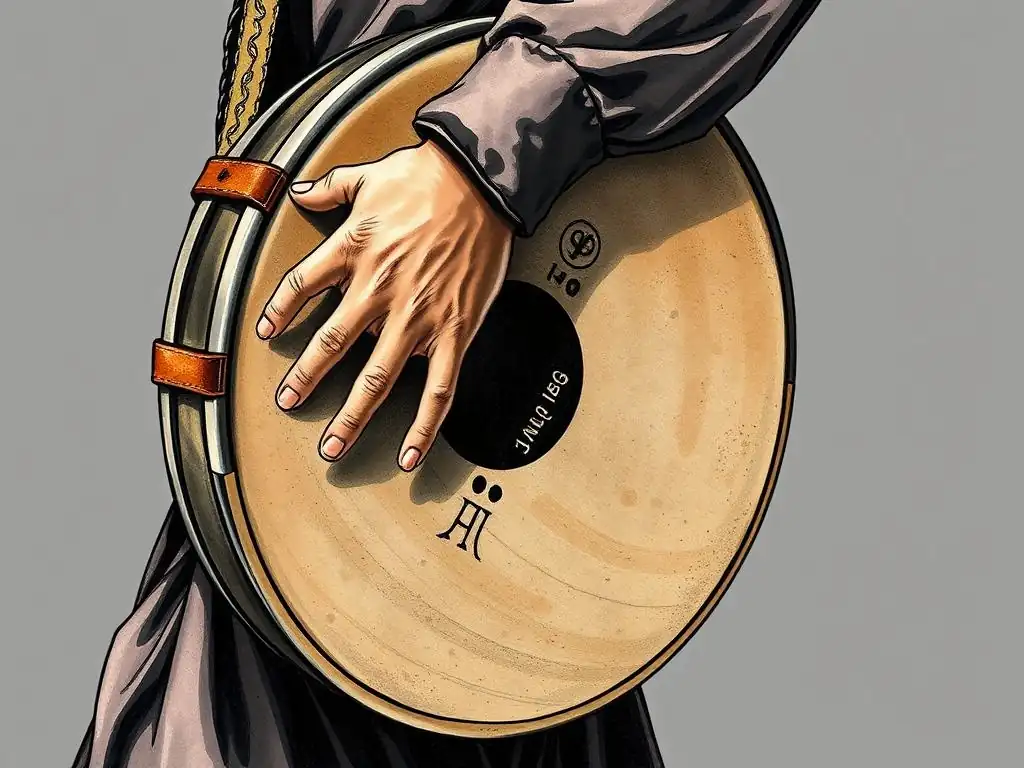
The Agogô: A Metallic Voice in the Bateria - Basic Strikes and Variations
The agogô is a percussion instrument consisting of two or more iron bells of different sizes joined by a curved metal piece. It is played by striking the bells with a stick, producing distinct, resonant metallic tones. In the capoeira bateria, the agogô typically consists of two bells and provides a high-pitched, cutting sound that complements the berimbau and pandeiro.
The agogô often plays syncopated patterns that interlock with the other instruments, adding a bright, percussive layer. Basic playing involves striking the larger and smaller bells in sequence to create rhythmic patterns. Variations can involve striking different parts of the bells or using different stick techniques to alter the tone. The agogô's clear, penetrating sound helps to cut through the other instruments and voices in the roda, contributing to the overall energy. Learning the common agogô patterns used in different capoeira rhythms is a key element of Capoeira instrument learning techniques for this instrument.
The Reco-Reco: Adding Texture and Percussion - Basic Scrapes and Rhythmic Variations
The reco-reco is a scraped idiophone, typically made from wood or bamboo with ridges, or sometimes a metal spring. It is played by scraping a stick along the ridges, producing a dry, scraping sound. In the capoeira bateria, the reco-reco adds a distinct, textured percussive element that complements the other instruments.
Basic reco-reco technique involves simply scraping the stick up and down the ridges. Rhythmic variations are created by changing the speed and pattern of the scraping motion, as well as sometimes hitting the instrument itself. The reco-reco's sound adds a unique "grit" to the rhythm, contributing to the earthy, Afro-Brazilian feel of the music. While seemingly simple, a skilled reco-reco player can add complex and interesting patterns that enhance the overall soundscape of the bateria. Including the reco-reco in Capoeira instrument learning techniques helps musicians appreciate the full spectrum of sounds in the roda.
Capoeira Instrument Learning Techniques: A Practical Guide
Finding a Qualified Capoeira Music Instructor
One of the most effective Capoeira instrument learning techniques is studying directly with a qualified instructor. Many capoeira mestres (masters) or experienced professores (professors) are also skilled musicians who can teach the traditional rhythms, techniques, and the cultural context of the music. Look for instructors who have dedicated time to learning the music specifically, not just the physical movements. They can correct technique, explain the nuances of different rhythms, and provide guidance tailored to your progress.
Attending workshops focused specifically on capoeira music is another excellent avenue. These workshops often delve deeply into specific instruments or aspects of the bateria, offering intensive learning opportunities. Inquire within your local capoeira community or search for well-regarded capoeira schools known for their strong musical tradition. A good instructor provides not just technical guidance but also instills the respect and understanding necessary for playing these traditional instruments correctly within the roda.
Online Resources for Capoeira Instrument Training
In today's digital age, a wealth of online resources can supplement or even initiate your Capoeira instrument learning techniques. Platforms like YouTube host numerous tutorials demonstrating basic strokes, rhythms, and instrument maintenance. Websites dedicated to capoeira often have sections explaining the instruments and providing rhythmic notation (though traditional learning is often by ear).
Online courses or subscription services may offer structured lessons for various instruments. While online resources can be incredibly valuable for visual demonstration and repetition, they often lack the immediate feedback and cultural immersion that comes from learning in person within a capoeira community. It's often best to use online tools as a supplement to in-person instruction or dedicated practice. Look for resources created by reputable capoeira practitioners or musicians with clear explanations and accurate demonstrations.
Practicing Regularly: Building Your Capoeira Bateria Skills
Consistent, regular practice is perhaps the most crucial element in mastering Capoeira instrument learning techniques. Even just 15-30 minutes of focused practice daily can yield significant results over time. Start by practicing basic sounds and simple rhythms slowly, focusing on clean technique and consistent timing. As proficiency grows, gradually increase speed and complexity.
Practice playing along with recordings of capoeira songs and full baterias to develop your timing and ability to integrate with other instruments. Use a metronome to help maintain a steady tempo. Recording yourself playing can also be a useful tool for identifying areas for improvement. Join or start practice sessions with other capoeira musicians to learn from each other and practice playing together as a bateria. Building muscle memory and rhythmic intuition takes dedicated, consistent effort.
- [ ] Practice Berimbau basic sounds (open, buzz, high)
- [ ] Learn and practice core rhythms (Angola, São Bento Pequeno/Grande) on chosen instrument
- [ ] Practice playing along with recorded Capoeira songs
- [ ] Focus on developing clean technique for each stroke/sound
- [ ] Set aside dedicated practice time daily or several times a week
The Importance of Understanding Capoeira Rhythms for Practitioners
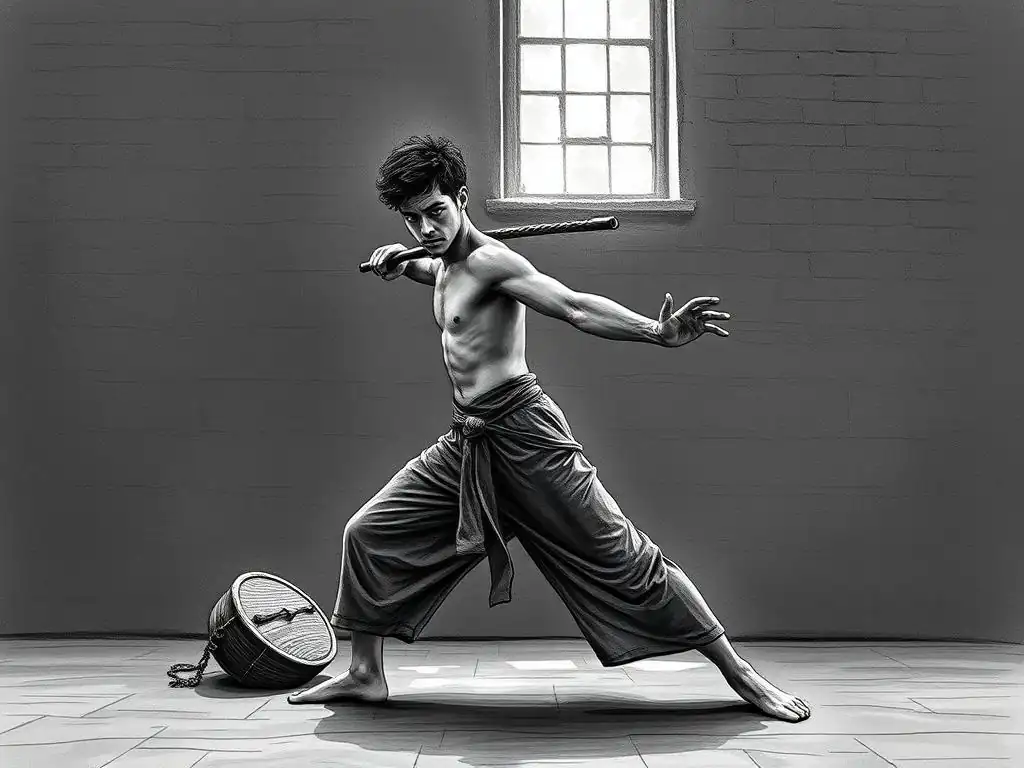
How Music Influences the Capoeira Game (Jogo)
For anyone who plays capoeira, understanding the music is just as important as understanding the movements. The rhythm of the bateria directly dictates the style and intensity of the jogo (game). When the berimbau gunga plays Angola, players are expected to engage in a low, strategic, often theatrical game, emphasizing tradition, trickery, and close-quarters interaction. A sudden shift to São Bento Grande de Bimba signals a change to a faster, more acrobatic, and dynamic game with higher movements and quicker exchanges.
Players must develop a keen ear to listen to the berimbau gunga and the overall bateria. Ignoring the music means playing "out of time" or in the wrong style, which disrupts the harmony of the roda and shows a lack of understanding of capoeira's fundamental principles. The music is the conductor, guiding the energy and conversation between the two players. Learning Capoeira instrument learning techniques, even just the basics, can significantly enhance a practitioner's ability to "read" the roda and play appropriately.
Developing a Musical Ear for Capoeira
Developing a musical ear for capoeira involves actively listening to the rhythms, melodies, and calls played and sung in the roda. This goes beyond simply hearing the music; it means understanding what the different rhythms signify, recognizing transitions, and feeling the pulse and flow of the music in your body. This skill is honed through consistent exposure to capoeira music, both live in the roda and through recordings.
For practitioners, this can involve listening to capoeira music while training, stretching, or even during daily activities. Trying to identify the different instruments and the patterns they are playing is a good exercise. Learning to sing the songs helps internalize the melodies and rhythms. While not every practitioner needs to master Capoeira instrument learning techniques to play well, developing a strong musical ear is non-negotiable for playing capoeira authentically and responsively. It allows the practitioner to move with the music, not just to it.
Building Your Own Capoeira Bateria: Choosing the Right Instruments
Budget Considerations for Capoeira Instruments
Acquiring a full set of authentic capoeira instruments can represent a significant investment. Prices for berimbaus can range from $50-$200+ depending on craftsmanship and materials. Atabaques are typically the most expensive instruments, with prices for a set of three potentially running into several hundred or even thousands of dollars, depending on size, wood quality, and construction. Pandeiros, agogôs, and reco-recos are generally less expensive, ranging from $30-$100+ each.
Beginners interested in Capoeira instrument learning techniques might start by purchasing a single berimbau (perhaps a Médio or Gunga to practice foundational rhythms) or a pandeiro, which is versatile and relatively portable. Building a full bateria is often a gradual process, acquiring instruments over time. Consider quality versus cost; while cheaper instruments are available, they may not produce the authentic sound and may be less durable. Researching reputable makers is advised.
Where to Buy Authentic Capoeira Instruments - Specialized Music Stores and Online Retailers
Finding authentic capoeira instruments requires knowing where to look. Specialized Afro-Brazilian music stores or stores focusing on world percussion are good places to start, particularly in areas with large Brazilian or capoeira communities. These stores often source instruments directly from Brazil or from skilled local artisans who understand the specific requirements of capoeira instruments.
Online retailers specializing in world music or capoeira supplies are also excellent sources. Websites dedicated to selling capoeira equipment often sell instruments made by capoeiristas or artisans who understand the art form. Platforms like Etsy can connect you directly with instrument makers. When buying online, check seller reviews, ask about the materials used (e.g., type of wood for berimbau verga, type of gourd, type of wood for atabaque), and inquire about shipping and return policies. Purchasing from sources recommended by experienced capoeira musicians is often the best approach to ensure quality and authenticity when pursuing Capoeira instrument learning techniques.
Conclusion: The Capoeira Bateria as a Living Tradition
Frequently Asked Questions
What is a bateria in Capoeira, and why is it important?
A bateria is the orchestra of instruments that provides the rhythm and energy for a Capoeira roda. It's essential because it dictates the style and pace of the game.
Besides the berimbau, what are some other crucial instruments in a Capoeira bateria?
Other essential instruments include the atabaque (a conga-like drum), the pandeiro (a Brazilian tambourine), and the agogo (a double bell).
What are some techniques for learning to play the berimbau effectively?
Effective techniques include consistent practice, learning from experienced mestre, and understanding the subtle variations in toque (rhythm).
How does learning to play a Capoeira instrument contribute to overall martial arts mastery?
Playing an instrument enhances rhythm, coordination, and cultural understanding, all of which are vital aspects of holistic Capoeira training and martial arts mastery.
Are there resources available on MartialArtsMastery.org to help learn Capoeira instruments?
MartialArtsMastery.org provides historical overviews, training tips, and practical self-defense strategies that can be applied to the musical aspects of Capoeira, although specific instrument tutorials may vary.
Final Reflection: Echoes of Rhythm, Seeds of Mastery
The journey through the heart of the Capoeira bateria, as we've explored, is more than just a lesson in musical instruments; it's a deep dive into a cultural legacy. Understanding the interplay of the berimbau, atabaque, pandeiro, and agogô is not merely about playing notes, but about channeling the spirit of resistance, resilience, and community that defines Capoeira. This knowledge, accessible through dedicated learning techniques, empowers individuals to connect with this rich heritage on a profound level.
The rhythmic tapestry woven by these instruments continues to resonate far beyond the roda. The discipline, coordination, and cultural awareness cultivated through mastering these instruments enrich not only our understanding of Capoeira, but also our appreciation for diverse cultural expressions. Capoeira is more than just a fight; it's a dance, a game, a philosophy, and a way of life.
This quote encapsulates the holistic nature of Capoeira, where music serves as the lifeblood, connecting practitioners to their ancestors and to each other.
Now, as you close this article, consider the power of rhythm and the potential for cultural understanding it unlocks. Embrace the challenge of learning these instruments, not just as a technical exercise, but as an opportunity to connect with a vibrant tradition and to express your own unique voice within the Capoeira community. Let the echoes of the bateria inspire you to explore new rhythms, cultivate deeper connections, and contribute to the ongoing legacy of Capoeira.
Dive Deeper: Ignite Your Capoeira Journey!
Thank you for exploring the vibrant world of Capoeira instruments! Now that you understand the heart of the bateria, it's time to take your passion to the next level.
Here are a few ways to keep the rhythm alive:
- Master the Berimbau: Find a local Capoeira school or instructor and start learning to play the berimbau yourself! This hands-on experience will deepen your understanding and appreciation of the music.
- Explore the sounds: Search for recordings of diverse Capoeira baterias online and try to distinguish the individual instruments. Focus on their unique contributions to the overall sound.
- Share the rhythm: Introduce a friend or family member to the captivating sounds of Capoeira. Let them experience the energy of the bateria!
Which instrument's sound resonates most deeply with you, and how do you envision incorporating that rhythm into your own life?