
From Chains to Freedom: Capoeira's Enduring Journey as a Symbol of Liberation

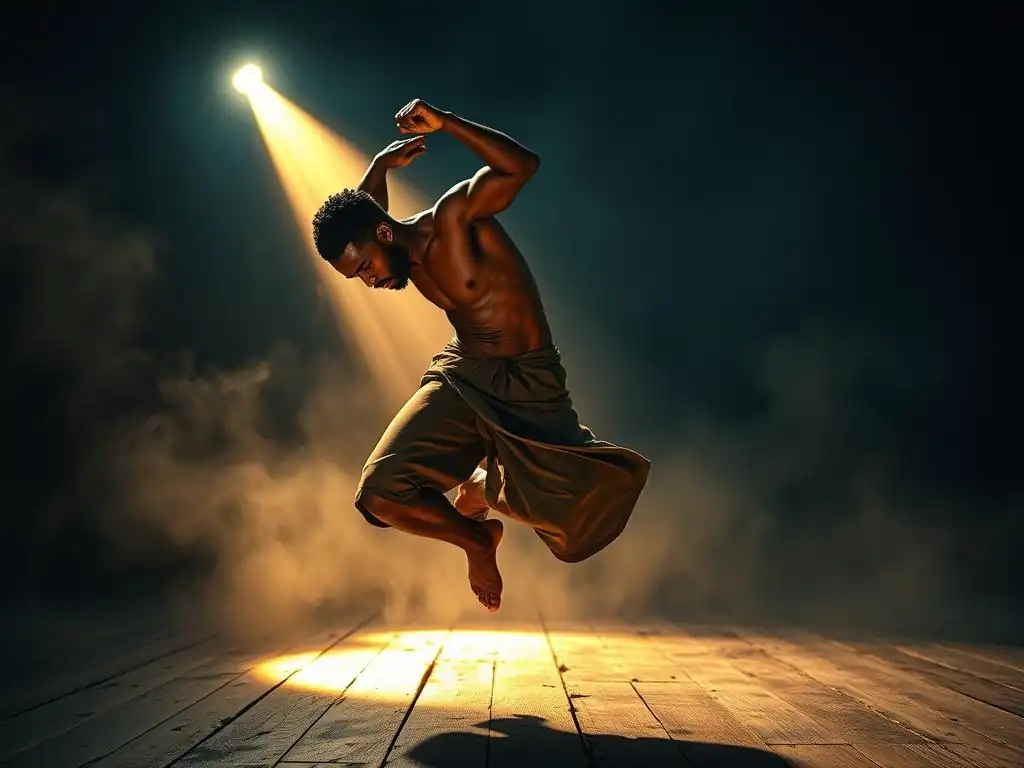
Welcome to Martial Arts Mastery, where the echoes of ancient battles and the wisdom of generations converge. In this realm of skill and discipline, we delve deep into the heart of martial arts traditions worldwide. Are you ready to uncover the captivating story behind a fighting style born from struggle and resilience?
Explore the incredible journey of Capoeira, a dance of defiance forged in the fires of the Brazilian resistance movement. Discover how this unique art form, blending acrobatics, music, and combat, transformed from a symbol of oppression into a powerful expression of freedom. Continue reading to unlock the secrets of Capoeira resistance movement history training and witness its enduring legacy.
- Capoeira: A History of Resistance and Freedom
- The Evolution of Capoeira: From Illegality to National Art Form
- Capoeira Training: A Blend of Martial Arts, Music, and Acrobatics
- Capoeira as a Symbol of Liberation: Past and Present
- Capoeira Resistance Movement History: Key Figures and Events
- Capoeira Training for Self-Defense: Practical Applications
- The Enduring Legacy of Capoeira: A Testament to the Spirit of Resistance
-
Frequently Asked Questions
- What is the historical significance of Capoeira in relation to resistance movements?
- How does Capoeira training incorporate elements of both dance and combat?
- How has the philosophical underpinning of Capoeira contributed to its enduring appeal?
- What role does Mestre play in preserving and transmitting the traditions of Capoeira?
- What are some practical self-defense strategies derived from Capoeira training?
- Final Reflection: The Unbroken Spirit of Resistance
- Unleash Your Inner Warrior: Embrace the Spirit of Capoeira!
Capoeira: A History of Resistance and Freedom
The Origins of Capoeira in Colonial Brazil
Capoeira's roots are deeply embedded in the brutal realities of the transatlantic slave trade and colonial Brazil. Brought from various regions of Africa, enslaved peoples were stripped of their cultures, languages, and identities, forced into harsh labor on plantations, particularly in the sugar cane fields of the Northeast. Despite the oppressive environment, they sought ways to preserve elements of their heritage and find avenues for physical and spiritual expression.
Capoeira emerged from this crucible, blending African fighting techniques, rituals, music, and dance into a unique art form. It was a covert practice, developed in secret spaces like senzalas (slave quarters) and quilombos (runaway slave communities), serving not just as a physical discipline but as a vital cultural lifeline and a preparation for potential rebellion.
Historical accounts, though fragmented due to the clandestine nature of its early practice, suggest Capoeira began taking shape as early as the 16th or 17th century. The diverse ethnic backgrounds of enslaved Africans contributed to its varied foundational movements and philosophies. While specific origins are debated (some linking it to Angolan fighting styles, others to broader Central African traditions), its development was undeniably a response to the need for self-preservation and resistance against Portuguese colonizers and their overseers. This early "Capoeira resistance movement history" is marked by its secrecy and its function as a hidden weapon.
Capoeira as a Tool of Afro-Brazilian Resistance
In a society built on violence and control, Capoeira became a potent, albeit often hidden, tool of resistance for enslaved Africans. It provided a means to hone physical skills necessary for self-defense and escape, disguised within seemingly innocent dance or acrobatic movements. The dynamic, evasive nature of Capoeira, with its low stances and fluid transitions, was effective against the linear, weapon-based combat styles of the colonial authorities. Practicing Capoeira was a defiant act in itself, a refusal to be completely dehumanized and a commitment to maintaining physical and mental readiness for the struggle for freedom.
The development of Capoeira as a resistance tool also fostered community and solidarity among enslaved populations. Training together, sharing knowledge, and participating in the roda (even in its nascent forms) built trust and strengthened social bonds essential for organizing escapes and resisting brutal overseers. This collective aspect was crucial; Capoeira wasn't just individual training but a communal practice reinforcing shared identity and purpose. The "Capoeira resistance movement history" is intrinsically linked to this collective spirit, enabling individuals to become part of something larger than themselves in the fight for liberation.
The Use of Disguise and Camouflage in Early Capoeira
One of Capoeira's most ingenious aspects was its ability to be disguised, making it difficult for oppressors to identify it purely as a martial art. Movements were often integrated with traditional African dances, rituals, and even everyday activities. The ginga, the characteristic swaying base movement, could appear as a dance step or simply a way to stay loose and agile.
Acrobatics could be passed off as entertainment or displays of physical prowess rather than combat maneuvers. This camouflage was vital for survival, allowing practitioners to train and develop their skills under the very noses of those who sought to suppress them.
The music and singing that accompany Capoeira were also part of this disguise. Songs often contained coded messages about escape routes, planned uprisings, or warnings about the approach of overseers.
The rhythm of the berimbau (a single-stringed musical bow) dictated the pace and intensity of the "game" (the interaction within the roda), and subtle changes in the music could signal danger or transition to more combative exchanges. This fusion of fight, dance, music, and ritual made early Capoeira a complex, multi-layered practice – a true martial art of deception and survival that forms a critical part of its "Capoeira resistance movement history".
The Evolution of Capoeira: From Illegality to National Art Form
Capoeira's Prohibition and Underground Training
Following the abolition of slavery in Brazil in 1888, many former slaves migrated to urban centers, particularly Rio de Janeiro and Salvador. Capoeira, now associated with marginalized communities, gangs, and public disorder, was officially outlawed throughout Brazil by the Penal Code of 1890. Practicing Capoeira became a criminal offense, punishable by imprisonment, forced labor, or even exile. This period saw Capoeiristas operating in the shadows, often forming notorious gangs (maltas) that controlled specific neighborhoods and engaged in street fights.
Despite the severe legal consequences, Capoeira persisted underground. Practitioners continued to train in secret locations – backyards, abandoned buildings, or hidden corners of hillsides. The police actively hunted Capoeiristas, and being caught could mean a brutal crackdown. This era solidified Capoeira's association with defiance and resilience. The "Capoeira resistance movement history" continued, shifting from resisting plantation owners to resisting the state apparatus that criminalized their cultural practice and marginalized their communities. Many famous Capoeiristas from this time were also notorious figures, known for their fighting prowess and their clashes with the authorities.
Mestre Bimba and the Creation of Capoeira Regional
Manuel dos Reis Machado, known as Mestre Bimba (1899-1974), is credited with being the father of Capoeira Regional. Recognizing the decline and stigmatization of Capoeira, he sought to legitimize it as a formal martial art. In the 1920s and 1930s, he systematized the training methods, incorporating elements from other fight styles like Batuque (a traditional African wrestling style his father practiced) and jiu-jitsu. He created a structured curriculum, including sequences of attacks and defenses, and introduced new rules for the roda, emphasizing efficiency and combat effectiveness.
Mestre Bimba opened the first official Capoeira academy in Salvador, Bahia, in 1932, albeit under the guise of a cultural center due to the continued prohibition. He successfully demonstrated Capoeira's value and discipline to the authorities, famously presenting it to President Getúlio Vargas in 1937. This demonstration, highlighting Capoeira's physical and cultural benefits, was a turning point, paving the way for its eventual acceptance.
Mestre Bimba's approach focused on making Capoeira a respected, effective fight system while preserving its dynamic spirit. His efforts were pivotal in moving Capoeira from the realm of criminal activity into a recognized physical discipline, influencing the trajectory of "Capoeira resistance movement history training".
Mestre Pastinha and the Preservation of Capoeira Angola
Vicente Ferreira Pastinha (1889-1981), or Mestre Pastinha, was the foremost proponent and defender of Capoeira Angola, the more traditional style. While Mestre Bimba was systematizing Regional, Mestre Pastinha focused on preserving the older, more ritualistic, and strategic form of Capoeira. Capoeira Angola emphasizes the malícia (malice or trickery), the dialogue between the players, the low, fluid movements, and the deep connection to music and history. It retains a stronger link to the art's origins as a disguised fight-dance of resistance.
Mestre Pastinha opened his famous academy, the Centro Esportivo de Capoeira Angola (CECA), in Salvador in 1941. He codified the principles and techniques of Capoeira Angola, stressing its philosophical and cultural dimensions as much as its physical aspects. While Regional became popular for its structured training and sport-like qualities, Angola remained closer to the roots of the "Capoeira resistance movement history training," emphasizing patience, strategy, and the connection to African heritage. Both masters, though representing different styles, were crucial in preserving and elevating Capoeira during a critical period.
Capoeira's Legalization and Recognition
The efforts of masters like Bimba and Pastinha, coupled with a growing appreciation for Afro-Brazilian culture, gradually led to a shift in official attitudes towards Capoeira. Mestre Bimba's successful demonstrations to political figures were instrumental. In the 1930s and 40s, perceptions began to change, viewing Capoeira less as a criminal activity and more as a unique cultural and physical expression. Although the 1890 Penal Code remained in effect for some time, enforcement relaxed, particularly in Bahia where its cultural significance was undeniable.
Capoeira was eventually formally recognized as a legitimate sport and cultural art form in Brazil. This recognition allowed academies to operate openly and contributed to its spread nationally and internationally.
In 2014, UNESCO inscribed the "Capoeira Circle" (Roda de Capoeira) on the Representative List of the Intangible Cultural Heritage of Humanity, acknowledging its profound cultural significance, historical depth, and role in promoting Afro-Brazilian identity and mutual respect. This global recognition marked a culmination of Capoeira's long journey from the secret practice of enslaved peoples to a celebrated cultural treasure, a testament to the enduring spirit highlighted in its "Capoeira resistance movement history training".
Capoeira Training: A Blend of Martial Arts, Music, and Acrobatics
The Roda: Capoeira's Sacred Circle
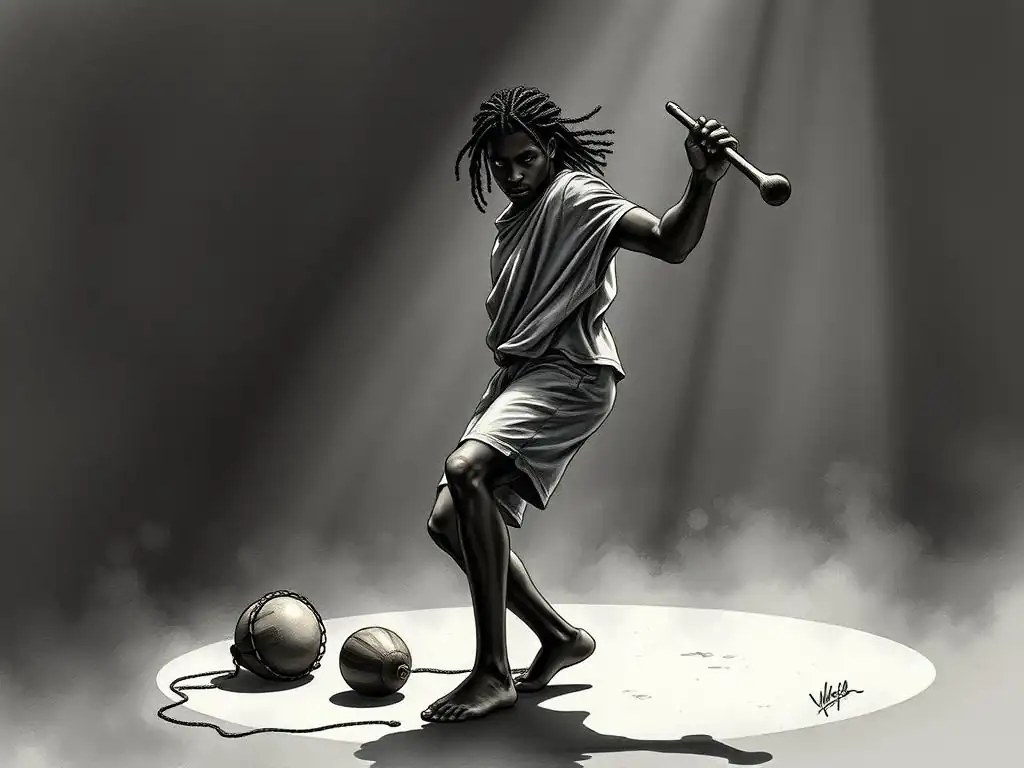
The roda (Portuguese for "circle") is the fundamental setting for Capoeira practice and performance. It is a circle formed by Capoeiristas and musicians, within which two participants engage in the "game" ( jogo). The roda is more than just a performance space; it is considered sacred, a place where the energy ( axé) of the community and the art form is concentrated. The roda recreates, in a sense, the communal environment where Capoeira was historically practiced, offering a space for expression, learning, and interaction.
The dynamics within the roda are governed by the music, the energy of the participants, and the unwritten rules of the game. Players enter the roda from the pé do berimbau (foot of the berimbau), the spot where the lead musician sits. The game is a fluid, non-contact or semi-contact dialogue of movements, strategies, and responses.
The roda serves multiple purposes: it's where techniques are practiced, strategies are tested, musicality is expressed, and the history and traditions of Capoeira are passed down. For those engaged in Capoeira training, the roda is the ultimate test and expression of their skills and understanding.
Essential Capoeira Movements and Techniques
Capoeira's movement vocabulary is vast and unique, characterized by its constant motion, evasiveness, and powerful kicks and sweeps. The foundational movement is the ginga, a continuous, rhythmic sway from side to side that serves as the base for all attacks, defenses, and transitions. It keeps the Capoeirista mobile, makes them a difficult target, and allows them to generate power for strikes. Key defensive movements include esquivas (escapes or evasions), such as esquiva lateral (side evasion) and queda de rins (falling on the kidneys/back support).
Offensive techniques primarily involve kicks and sweeps. Common kicks include meia lua de compasso (compass kick), a powerful spinning kick often considered Capoeira's signature move; armada (spinning kick, often from the ginga); and martelo (hammer kick, similar to a roundhouse). Sweeps like rasteira (low sweep) and banda are used to unbalance or take down an opponent. Acrobatics, such as aú (cartwheel) and macaco (monkey jump), are integrated not just for flair but also for evasion, transition, and positioning. Mastering these movements is fundamental to effective Capoeira training.
The Importance of Music in Capoeira Training
Music is the heart and soul of Capoeira, inseparable from the physical practice. The bateria (orchestra) typically consists of berimbau (usually three with different pitches: gunga, médio, viola), atabaque (drum), pandeiro (tambourine), agogô (bell), and reco-reco (scraper). The berimbau is the lead instrument, setting the pace and style of the game through different rhythms ( toques). Faster toques might indicate a more aggressive game, while slower ones suggest a more strategic or ritualistic interaction.
The music dictates the energy, speed, and even the type of movements performed in the roda. Songs (either ladainhas, quadras, or corridos) are sung by a lead singer and answered by a chorus, telling stories of Capoeira's history, praising masters, or commenting on the game itself. Singing and playing instruments are integral parts of Capoeira training; a complete Capoeirista must learn not only the movements but also the music and songs. The music provides the rhythm, energy, and historical context, reinforcing the cultural and resistance aspects inherent in "Capoeira resistance movement history training".
Au, Ginga, and Negativa Drills
Effective Capoeira training involves drilling fundamental movements repeatedly to build fluidity, strength, and muscle memory. The ginga drill is constant, as it is the base for everything else. Practicing the ginga correctly ensures proper weight distribution and balance, crucial for generating power and maintaining mobility. Negativa (negative) is a low, grounded defensive position, often used to evade kicks or transition into sweeps or counter-attacks. Drilling transitions into and out of negativa from the ginga is essential for developing evasiveness and groundwork skills.
The aú (cartwheel) is a fundamental acrobatic movement used for evasion, repositioning, and as a setup for other moves. Drills often focus on performing the aú smoothly and safely from various stances and directions, integrating it seamlessly into the ginga and other movements. Mastering these core movements and their transitions through dedicated drilling forms the bedrock of physical "Capoeira training," enabling practitioners to engage effectively in the roda and embodying the dynamic, evasive nature that was key to its historical use in resistance.
Capoeira as a Symbol of Liberation: Past and Present
Capoeira's Role in Afro-Brazilian Identity
Capoeira is far more than just a physical discipline; it is a powerful symbol of Afro-Brazilian identity and resilience. Born from the struggle against oppression, it embodies the strength, creativity, and spirit of survival of enslaved Africans and their descendants in Brazil. For centuries, it was a hidden culture, a secret language of movement and music that connected people to their ancestral roots and to each other in the face of systemic attempts to erase their heritage.
Even after abolition and legalization, Capoeira remained closely tied to marginalized communities, particularly in urban centers. It provided a space for cultural expression, social connection, and self-empowerment. Learning Capoeira meant connecting with a history of struggle and triumph, understanding the coded language of the songs, and participating in a tradition passed down through generations despite immense adversity. It serves as a living link to the past, reminding practitioners of the "Capoeira resistance movement history" and their connection to a legacy of freedom fighters.
Capoeira continues to play a role in social justice movements in Brazil and globally. Its historical roots as a tool of resistance make it a natural fit for advocating for equality and human rights. In many communities, particularly those facing social and economic challenges, Capoeira schools serve as vital community centers, offering young people an alternative to crime and violence. They provide discipline, respect, a sense of belonging, and connection to their cultural heritage.
Projects using Capoeira are active in favelas and impoverished areas, using the art form to teach life skills, promote self-esteem, and foster social inclusion. These initiatives leverage the inherent values of Capoeira – discipline, community, resilience, and respect – to empower individuals and build stronger communities. By reclaiming its history as a force for liberation, contemporary Capoeira practice often explicitly addresses issues of racial inequality, historical injustice, and ongoing social disparities, continuing its role in a broader "Capoeira resistance movement history training" towards a more just society.
Capoeira's Influence on Contemporary Culture
Capoeira's dynamic movements, captivating music, and rich history have had a significant impact on contemporary culture, both within Brazil and internationally. Its acrobatic and fluid style has influenced various dance forms, martial arts, and fitness programs. Elements of Capoeira can be seen in breakdancing, contemporary dance, and even stage combat choreography in films and theater.
The music of Capoeira, particularly the rhythms of the berimbau, has inspired musicians across genres, from Brazilian popular music to electronic and world music. The visual spectacle of the roda and the unique aesthetic of Capoeiristas have also been featured in video games, movies (such as Only the Strong and Tekken), and advertising, bringing the art form to a global audience. This cultural diffusion helps maintain Capoeira's visibility and appreciation, ensuring its "Capoeira resistance movement history" is shared with new generations.
Capoeira's Use in Favelas for Community Building
In Brazil's favelas (urban slums), Capoeira academies often serve as crucial hubs for community building and social development. These areas are frequently marked by poverty, violence, and lack of opportunities. Capoeira masters and instructors establish schools that offer free or low-cost training to children and teenagers. Beyond teaching physical skills, these schools provide a safe space, mentorship, and positive role models.
Through the discipline and structure of Capoeira training, participants learn teamwork, respect for elders (mestres), conflict resolution (through the non-violent aspects of the roda game), and perseverance. The communal nature of the roda fosters a strong sense of belonging and mutual support. By engaging youth in a positive cultural activity rooted in their heritage, Capoeira programs in favelas actively contribute to preventing involvement in drug trafficking and crime, embodying the spirit of the "Capoeira resistance movement history training" by empowering communities from within.
Capoeira Resistance Movement History: Key Figures and Events
The Role of Quilombos in Capoeira's Development
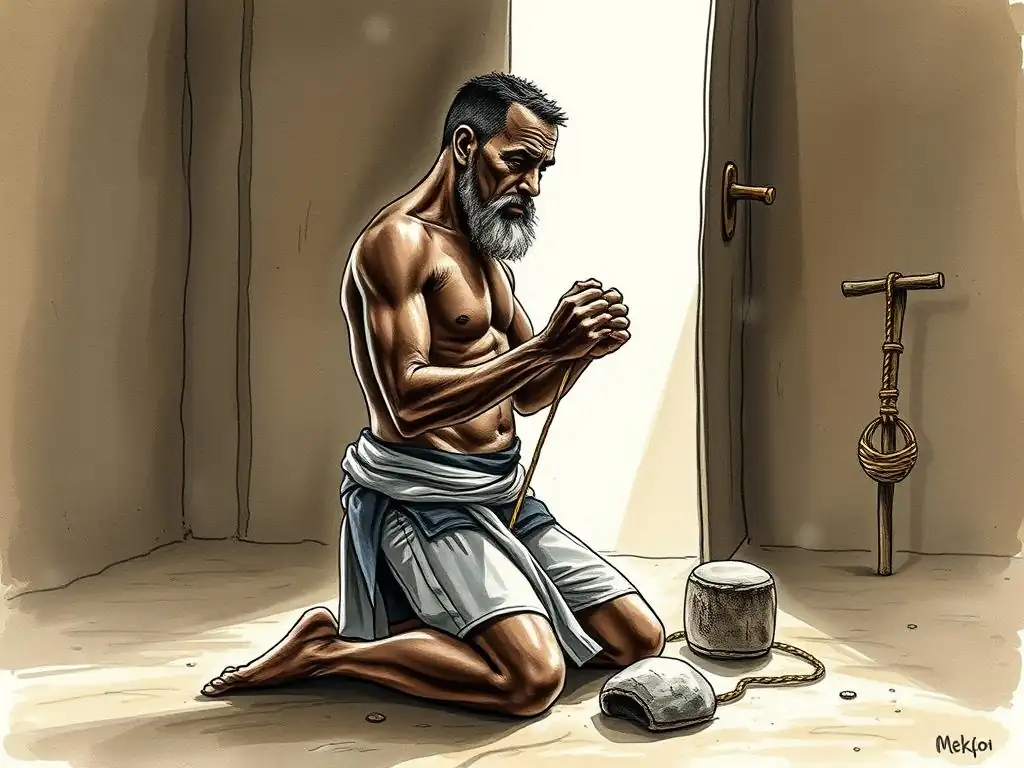
Quilombos were communities formed by runaway enslaved peoples in remote, often inaccessible areas of Brazil. These settlements were sanctuaries where Africans from diverse backgrounds could recreate elements of their cultures, govern themselves, and defend their freedom. The most famous and long-lasting was Palmares, which existed for nearly a century (circa 1605-1694) and at its peak housed tens of thousands of people.
Quilombos were crucial environments for the development and preservation of Capoeira. In these free spaces, the art could be practiced more openly than on plantations, evolving into a sophisticated system of defense and attack necessary for protecting the community from colonial attacks.
The need for effective combat skills to repel heavily armed expeditions meant that the martial aspects of Capoeira were honed and refined within the quilombos. The "Capoeira resistance movement history" is deeply intertwined with the history of quilombos, as they were places where the art could flourish and serve its primary purpose: survival and the defense of freedom against overwhelming odds.
Zumbi dos Palmares and Besouro Mangangá: Legendary Capoeiristas
While definitive historical records are scarce, oral tradition and folklore celebrate numerous figures associated with Capoeira and resistance. Zumbi dos Palmares (1655-1695), the last leader of Palmares, is perhaps the most iconic symbol of resistance against slavery in Brazil. Though direct evidence of him practicing Capoeira is limited, his legendary status as an indomitable warrior and leader of a free community makes him a central figure in the narrative of "Capoeira resistance movement history". His fight for Palmares is seen as embodying the spirit Capoeira represents.
Later figures, like Manuel Henrique Pereira, known as Besouro Mangangá (late 19th/early 20th century), are more directly associated with Capoeira as it was practiced after abolition. Besouro, a legendary Capoeirista from Bahia, is celebrated in song and story for his incredible fighting skills, his ability to evade police and opponents, and his reputation for being almost mythical (the name "Mangangá" refers to a powerful beetle, suggesting invincibility).
Stories about Besouro highlight the Capoeirista's role as a figure of defiance and skill in the face of oppression and criminalization, continuing the legacy of "Capoeira resistance movement history training" in a new era.
The Abolition of Slavery and its Impact on Capoeira
The Lei Áurea (Golden Law) abolished slavery in Brazil on May 13, 1888. While this was a monumental step towards freedom, it also had complex consequences for Capoeira. As mentioned, many newly freed people moved to cities, and Capoeira, previously a clandestine practice among enslaved populations, became highly visible and associated with urban poor and criminal gangs. This led directly to its criminalization in 1890.
The post-abolition period saw Capoeira transform from a rural/quilombo-based resistance tool into an urban survival mechanism and a form of territorial control for marginalized groups. This era, though marked by persecution, also saw the development of new techniques and strategies adapted to street fighting. The challenges of this period ultimately spurred the later efforts by masters like Bimba and Pastinha to legitimize the art, ensuring that the skills and traditions developed during the "Capoeira resistance movement history" were not lost but evolved and were preserved.
Capoeira Training for Self-Defense: Practical Applications
Adaptations of Capoeira for Real-World Scenarios
While the roda is the traditional context for Capoeira, many of its movements and principles are highly applicable to real-world self-defense situations. Capoeira training emphasizes constant movement, awareness of one's surroundings, and the ability to use the environment to one's advantage. Unlike static stances in some martial arts, the ginga keeps the practitioner mobile and difficult to target, making them less vulnerable to direct attacks.
The evasive nature of Capoeira is particularly useful in self-defense. Techniques like esquivas (evasions) allow a person to avoid confrontation or reposition themselves rather than meeting force head-on. The powerful, deceptive kicks can be used to create distance or incapacitate an assailant. While Capoeira's non-contact rule in the roda differs from self-defense, the underlying principles of timing, distance management, and using body mechanics for power transfer are directly transferable. Effective "Capoeira training" includes understanding how to adapt these fluid movements for practical application.
Using Cocorinha and Esquiva Baixa for Evasion
Cocorinha (squat) and esquiva baixa (low evasion) are two fundamental Capoeira movements that are highly effective for evasion in self-defense. Cocorinha involves quickly dropping into a low squat, covering the head with the hands or forearms. This position makes the practitioner a much smaller target and protects vital areas from strikes to the head or body. It can be used to duck under swings or as a momentary defensive posture.
Esquiva baixa involves dropping low and leaning away from an attack, often using a hand on the ground for support. This allows the practitioner to evade high or mid-level attacks by getting below them. Both movements emphasize getting off the line of attack quickly and efficiently. In a self-defense scenario, the ability to rapidly change levels and evade can be crucial for survival, allowing time to assess the situation, escape, or launch a counter-attack. Mastering these evasive techniques is a key component of practical "Capoeira training".
Combining Capoeira with other Martial Arts Disciplines
Capoeira's unique blend of movement, timing, and spatial awareness can complement other martial arts disciplines. Its emphasis on mobility and evasiveness can enhance the footwork and defensive capabilities of practitioners in arts like striking (e.g., boxing, Muay Thai) or grappling (e.g., Jiu-Jitsu, wrestling). The dynamic kicks and sweeps can provide unexpected offensive options when integrated into a more linear striking style.
Conversely, practitioners of other martial arts can bring elements of directness, guard structure, or ground fighting control to Capoeira training, providing a different perspective on combat application. While traditional Capoeira remains distinct, cross-training allows individuals to develop a more well-rounded skill set. For example, a Capoeirista might integrate more direct hand strikes learned from boxing, or a grappler might use Capoeira evasions to set up takedowns. This fusion highlights the adaptability of martial arts principles, including those learned from the historical "Capoeira resistance movement history training".
The Enduring Legacy of Capoeira: A Testament to the Spirit of Resistance
Capoeira's Global Expansion and Influence
From its hidden origins in Brazil, Capoeira has spread across the globe, becoming a truly international phenomenon. Today, there are Capoeira academies and groups in virtually every country, attracting practitioners from diverse backgrounds. This global expansion began significantly in the latter half of the 20th century, as Brazilian masters traveled abroad and foreigners visited Brazil, bringing the art back to their home countries.
The internet and easier international travel have accelerated this process, allowing for greater exchange of knowledge and fostering a global community of Capoeiristas. Major international events, workshops, and grading ceremonies (batizados) bring practitioners together, transcending national borders. This widespread presence demonstrates the universal appeal of Capoeira's blend of movement, music, culture, and history, proving that the spirit of resilience embodied in its "Capoeira resistance movement history training" resonates far beyond its origins.
Preserving the Traditions of Capoeira for Future Generations
With Capoeira's global reach comes the challenge and responsibility of preserving its rich history, cultural traditions, and the integrity of its practice. Masters and cultural organizations play a crucial role in ensuring that as Capoeira evolves and adapts in new environments, its core values, music, rituals, and historical context are not lost. This includes teaching the songs, the rhythms, the history of the masters, and the meaning behind the movements.
Efforts to preserve Capoeira's heritage involve academic research, archival work, cultural exchanges, and dedicated teaching methodologies that emphasize the cultural and historical dimensions alongside the physical training. Organizations like the Fundação Internacional de Capoeira Angola (FICA) focus specifically on maintaining the traditions of Capoeira Angola, while numerous other groups work to preserve the diverse lineages and styles. Passing down the knowledge of "Capoeira resistance movement history training" is seen as vital to understanding the art's true depth.
Capoeira: More Than Just a Martial Art
Ultimately, Capoeira is much more than just a system of fighting or self-defense. It is a complete cultural expression that encompasses music, dance, acrobatics, history, philosophy, and community. Its development was a testament to the human spirit's ability to create beauty, culture, and tools for survival and resistance even under the most brutal conditions.
The physical training builds strength, agility, and coordination, but the practice of Capoeira also cultivates discipline, respect, creativity, and resilience. Participating in the roda teaches communication, strategy, and adaptability. Learning the songs and history connects practitioners to a powerful legacy of struggle and liberation. Capoeira stands as a living monument to the strength and ingenuity of those who forged their freedom from chains, ensuring that the "Capoeira resistance movement history training" remains a vibrant and inspiring force.
Frequently Asked Questions
What is the historical significance of Capoeira in relation to resistance movements?
Capoeira originated as a form of resistance against slavery in Brazil. It was disguised as a dance to mask its fighting techniques, allowing enslaved Africans to practice self-defense.
How does Capoeira training incorporate elements of both dance and combat?
Capoeira training blends acrobatic movements and dance-like steps with powerful strikes and takedowns. This combination makes it a unique and effective martial art and cultural expression.
How has the philosophical underpinning of Capoeira contributed to its enduring appeal?
The underlying philosophy emphasizes community, creativity, and resilience. It fosters a sense of empowerment and self-expression, making it attractive beyond its self-defense applications.
What role does Mestre play in preserving and transmitting the traditions of Capoeira?
The Mestre (master) is a respected leader and educator responsible for maintaining Capoeira's traditions. They pass down knowledge, techniques, and cultural values to future generations.
What are some practical self-defense strategies derived from Capoeira training?
Capoeira provides practical self-defense through its agile movements, evasive techniques, and powerful kicks. It focuses on using momentum and leverage to defend against larger opponents.
Final Reflection: The Unbroken Spirit of Resistance
The story of Capoeira, as we've explored, is far more than just a martial art; it's a living testament to the enduring power of the human spirit in the face of oppression. Its roots, deeply embedded in the struggle for freedom, continue to resonate today, reminding us that even in the darkest of times, creativity and resilience can flourish. The echoes of the senzalas still reverberate in every ginga, every acrobatic maneuver, and every rhythmic beat of the berimbau.
Capoeira's influence extends far beyond the physical realm, shaping cultural identity and fostering a sense of community. Its ability to transform adversity into art is a profound lesson in itself, one that has personally inspired me to seek strength and beauty even in challenging circumstances. Capoeira is more than a fight; it is a dance, a game, a conversation, a way of life.
This quote encapsulates the holistic nature of Capoeira, highlighting its ability to transcend mere physical combat and become a powerful tool for self-expression and social connection.
As we conclude this journey through Capoeira's history, I invite you to reflect on its lessons of resistance, creativity, and community. How can you apply these principles to your own life, to overcome obstacles, express yourself authentically, and build bridges with others? Let the spirit of Capoeira inspire you to embrace your own inner strength and contribute to a world where freedom and justice prevail.
Unleash Your Inner Warrior: Embrace the Spirit of Capoeira!
Thank you for exploring the powerful journey of Capoeira and its rich history as a symbol of liberation. Now it's time to take the next step and connect with this inspiring art form.
- Find a local Capoeira school and try your first aula (class)! Experience the energy and movement firsthand.
- Dive deeper into Capoeira's cultural roots by researching its music, history, and influential figures.
- Share this article with someone who appreciates martial arts or is looking for a unique and empowering form of self-expression.
What aspect of Capoeira's history most resonates with you, and how might you incorporate its spirit of resistance into your own life?