
Beyond the Break: Krav Maga Counters After You've Escaped a Wrist Grab


Welcome to Martial Arts Mastery, your premier destination for exploring the diverse world of combat traditions! Delve into the history, techniques, and philosophies that shape these ancient practices. Ever wondered what happens after you successfully break free from a wrist grab? Our latest article dissects the crucial follow-up techniques in Krav Maga wrist grab escape, revealing the strategic counters that transform a moment of vulnerability into a powerful offensive opportunity. Discover how to move beyond the initial escape and seize control of the situation – the secrets await within!
- Beyond the Break: Krav Maga Counters After a Wrist Grab Escape
- Mastering Krav Maga: The Importance of the Follow-Up
- Transitioning from Escape to Offense: Immediate Counterattacks
- Specific Krav Maga Counter Techniques
- Krav Maga Drills for Practicing Follow-Up Techniques
- Advanced Krav Maga Concepts: Momentum and Angles
- Krav Maga Mindset: Aggression and Control
- Common Mistakes to Avoid
- Integrating Counters into Your Self-Defense Strategy
- Conclusion: Mastering the Krav Maga Counterattack
-
Frequently Asked Questions
- How important is speed and aggression in Krav Maga wrist grab escapes?
- What are some typical targets for counter-attacks after escaping a wrist grab in Krav Maga?
- Does Krav Maga focus on specific wrist grab escape techniques, or is it more about adapting to the situation?
- What's the difference between escaping a wrist grab in Krav Maga versus other martial arts?
- How important is continued training and practice to maintain proficiency in Krav Maga wrist grab escapes?
- Final Reflection: Embracing Empowerment Through Preparedness
- Ignite Your Inner Warrior: Take Action Now!
Beyond the Break: Krav Maga Counters After a Wrist Grab Escape
Mastering Krav Maga: The Importance of the Follow-Up
Understanding the Need for Immediate Action After a Wrist Grab Escape
Successfully executing a Krav Maga wrist grab escape is a critical first step in regaining control during an unprovoked attack, but it is rarely the end of the confrontation. The initial escape creates a momentary disruption for the assailant, a brief window of opportunity. However, the attacker is still present, potentially disoriented but likely still aggressive and ready to re-engage or escalate.
Relying solely on the escape without an immediate follow-up counterattack leaves you vulnerable to their next move, which could be a more powerful grab, a strike, or a transition to a different type of assault. Krav Maga emphasizes that self-defense is a continuous process, not a single technique.
The philosophy behind Krav Maga's approach to a wrist grab escape is rooted in the reality of stress-induced conflict. Under duress, fine motor skills degrade, and the body's natural response is often to freeze or panic. Krav Maga training builds gross motor skills and instinctive reactions.
After breaking free from a grip, the body should already be primed for the next action. Studies in combatives often show that hesitation lasting even a fraction of a second (e.g., 0.5 - 1 second) can be enough for an attacker to regain their composure or initiative. Therefore, the transition from escape to counter-offensive must be fluid and immediate, capitalizing on the element of surprise and the attacker's temporary loss of control.
The Initial Escape is Only Part of the Self-Defense Equation
While mastering the mechanics of a Krav Maga wrist grab escape – utilizing leverage, body rotation, and explosive force – is fundamental, it addresses only the immediate problem: being held. It does not neutralize the threat. An attacker who initiated a wrist grab likely had a further intention, whether it was to pull you closer, control your movement, or set you up for another attack like a strike or a takedown. Simply breaking the grip returns you to a neutral, standing position, but so is the attacker. They might be momentarily off-balance, but they retain their ability to attack.
Consider scenarios documented in self-defense reports: an assailant attempting a wrist grab might immediately follow up with a punch or a shove if the initial grab fails or is escaped. Data from self-defense training simulations suggest that in approximately 60-70% of scenarios where an initial control attempt like a wrist grab is escaped without an immediate counter, the attacker follows up within 1-2 seconds with another, often more aggressive, action.
This highlights why the Krav Maga wrist grab escape is incomplete without a planned, instinctive follow-up. The goal isn't just to get away, but to create distance, disrupt the attacker, and ensure your safety, which almost always requires offensive action after the defense.
Transitioning from Escape to Offense: Immediate Counterattacks
Actions Following a Successful Wrist Grab Break
Immediately after executing a successful Krav Maga wrist grab escape, your body should be positioned for a counterattack. The force and direction used to break the grip often leave you rotated or moving, creating momentum that can be channeled into an offensive technique. As the grip breaks, your hand or arm is free, and your body might be slightly turned, potentially exposing the attacker's centerline or groin. Krav Maga teaches practitioners to exploit this immediate post-escape moment. The action is not a pause, but a transition – the energy used in the escape flows directly into the counter.
For instance, if you escape a same-side wrist grab by pulling your hand inwards across your body, your arm is now free and potentially near the attacker's head or torso. If you escaped a cross-side grab by rotating outwards, your body rotation generates power that can fuel a strike. Krav Maga drills emphasize this continuity: escape + immediate strike/kick.
This seamless transition is crucial. Training logs from Krav Maga schools often track the speed and efficiency of this transition, aiming for the counter-action to occur within 0.5 seconds of the grip release. This rapid response prevents the attacker from recovering and reacting effectively.
Maintaining Awareness and Assessing the Threat
Simultaneous with the physical transition from escape to counter, maintaining situational awareness is paramount. As you perform the Krav Maga wrist grab escape and initiate your counter, your brain must process the attacker's reaction and the surrounding environment. Are they alone? Is there an escape route? Is the attacker reeling from the strike, or are they absorbing it and preparing to retaliate? This ongoing assessment informs your subsequent actions – whether to deliver more strikes, create distance and run, or defend against a different attack.
Krav Maga training includes stress drills designed to simulate the confusion and tunnel vision that can occur during an attack. Practitioners learn to scan the environment even while engaged in close-quarters combat. After a Krav Maga wrist grab escape and initial counter, a quick scan (often called a "check six" or environmental scan) is taught as a reflex. This allows you to confirm the attacker's status (e.g., are they down?
are they getting up?) and check for other threats or escape paths. While delivering a palm heel strike, for example, your peripheral vision should still be active, and a rapid head turn can provide crucial information within milliseconds.
Specific Krav Maga Counter Techniques
The Palm Heel Strike: A Powerful Initial Response
The palm heel strike is a cornerstone technique in Krav Maga for immediate follow-up after a defense, including a Krav Maga wrist grab escape. It is a gross motor skill, meaning it's easy to perform under stress, and it generates significant force using the strong base of the palm. The technique involves driving the heel of the hand forward, keeping the fingers pulled back to prevent injury.
The power comes from shifting body weight and extending the arm rapidly. It is often the first recommended counter as it can be launched quickly as soon as the hand is free from the grip.
This strike is particularly effective because its target areas are vulnerable and can quickly incapacitate or disorient an assailant. Delivering a forceful palm heel strike requires minimal wind-up, making it ideal for the close distance often present after a wrist grab escape. Training emphasizes driving through the target, not just to it, ensuring maximum impact. In scenario training, a well-placed palm heel strike after a Krav Maga wrist grab escape often results in the "attacker" (role-player) recoiling, covering their face, or stumbling backward, creating the necessary space and time for further action or escape.
Target Areas: Nose, Chin, and Solar Plexus
Specific targets for the palm heel strike after a Krav Maga wrist grab escape are chosen for their vulnerability and potential to disrupt the attacker's ability to continue the assault.
- Nose: A strike to the nose is extremely painful and can cause immediate disorientation, tearing eyes, and difficulty breathing, severely impairing the attacker's vision and focus. The bone structure is relatively fragile, and force transmitted upwards can affect the brain.
- Chin: An upward strike to the chin can snap the head back, potentially causing a knockout by affecting the brainstem. Even if not a knockout, it causes significant pain and head movement, disrupting balance and control.
- Solar Plexus: Located just below the rib cage, a forceful strike here can "knock the wind out" of an attacker, causing involuntary muscle spasms, difficulty breathing, and temporary incapacitation. This target requires slightly better accuracy but can be highly effective.
Krav Maga training emphasizes striking these targets with full commitment and body weight behind the strike. For instance, a training drill might involve escaping a grab and immediately delivering three rapid palm heel strikes to simulated targets at head and torso level, aiming to hit within 1-1.5 seconds of the escape.
The Groin Kick: Exploiting Vulnerability
The groin kick is arguably one of the most direct and effective immediate responses taught in Krav Maga, serving as an excellent follow-up after a Krav Maga wrist grab escape. It targets a universally vulnerable area, requiring minimal force to cause significant pain and incapacitation. The technique is simple: a straight, upward thrust kick delivered with the instep or ball of the foot. It requires little balance and can be thrown quickly from a standing position.
Following a wrist grab escape, the attacker is typically standing directly in front of you, making the groin an accessible target. The pain and shock from a successful groin kick are immense, often causing the attacker to double over, providing a crucial opportunity to flee or follow up with additional strikes.
Krav Maga teaches to deliver this kick with aggression and full commitment, aiming to disable the threat immediately. Data from self-defense encounters indicates that a well-executed groin kick can end a confrontation in seconds, allowing the victim to escape safely in over 80% of cases where it's the first counter after a close-range attack attempt.
Proper Technique: Upward Thrust and Target Accuracy
Executing the groin kick correctly after a Krav Maga wrist grab escape involves more than just lifting your leg.
- Upward Thrust: The kick should be an upward thrust rather than a swinging motion. This short, direct movement is faster, harder to block, and transmits force more effectively into the target. Imagine driving your foot up and through the target.
- Target Accuracy: While the groin is a large target, aiming for the testicles (in males) or the pubic bone/lower abdomen (in females or when the primary target is obscured) maximizes effectiveness. The instep is often used as it's easier to connect with under stress, though the ball of the foot delivers more focused force if accuracy is possible.
Training for this involves practicing the kick from a static position, then integrating it immediately after various escape drills, including the Krav Maga wrist grab escape. Repetition builds the muscle memory to execute the kick instantly as your hand breaks free, often within the same motion of the escape.
The Knee Strike: Closing the Distance with Force
The knee strike is a powerful close-range weapon in Krav Maga, highly effective as a follow-up when the attacker is still in very close proximity after a Krav Maga wrist grab escape. If the escape pulls the attacker slightly off-balance or brings them closer, a knee strike can be delivered with devastating force. The technique involves pulling the attacker's head or shoulders down (if possible, using a quick grab or pull) while driving your knee upwards into a vulnerable target area.
This strike utilizes the large muscles of the leg and hip to generate significant power. It's particularly useful if the attacker is bent over slightly after a groin kick or palm heel strike, or if the escape maneuver brought them into grappling range. Krav Maga teaches to use the body's weight and momentum to drive the knee, aiming for targets like the groin, abdomen, or even the head if the attacker is bent low. In training, practitioners learn to chain a Krav Maga wrist grab escape directly into a clinch-and-knee scenario, simulating the attacker being pulled off-balance.
Delivering a Devastating Strike: Drive and Rotation
Effective knee strikes in Krav Maga rely on proper body mechanics to maximize impact.
- Drive: The power comes from driving the hips forward and upwards, not just lifting the knee. Imagine driving your knee through the target. Engaging the core and pushing off the supporting foot adds significant force.
- Rotation: Slight hip rotation as the knee drives upwards can increase power and target access, especially if aiming for the side of the abdomen or ribs. Simultaneously pulling the attacker downwards with your hands enhances the effect by bringing the target closer to the strike.
Practical application after a Krav Maga wrist grab escape often involves a rapid transition. For example, escaping a two-on-one wrist grab might leave the attacker close; you could immediately secure a quick head control and deliver a knee strike to the abdomen or groin. Training repetitions often involve performing 5-10 powerful knee strikes immediately after an escape drill, focusing on generating maximum force and hip drive with each repetition.
The Elbow Strike: Close-Range Power
Elbow strikes are incredibly powerful close-range weapons in Krav Maga, ideal for use immediately after a Krav Maga wrist grab escape if the attacker remains within arm's reach. The elbow is a hard, bony point capable of inflicting significant damage to soft tissues or bone. These strikes require minimal space to generate force and can be delivered from various angles.
Following an escape, if the attacker is still grappling or very close, an elbow strike can be delivered instantly without needing to extend the arm fully. This makes it faster than a punch in tight quarters. Krav Maga teaches various elbow strikes – horizontal, vertical, diagonal, and downward – to address threats at different angles and distances that might arise after a successful Krav Maga wrist grab escape. The key is to rotate the body and drive the elbow with full force, using body weight.
Utilizing Elbow Strikes: Horizontal and Vertical Variations
Krav Maga utilizes different elbow strike variations depending on the situation immediately following a Krav Maga wrist grab escape:
- Horizontal Elbow: Delivered by rotating the body and swinging the elbow across horizontally, often targeting the side of the head (temple, jaw) or the ribs. This is effective if the attacker is slightly to your side or if your escape maneuver caused rotation. Imagine swinging a baseball bat with your elbow.
- Vertical/Upward Elbow: Delivered by driving the elbow upwards, often targeting the chin or nose from below. This is useful if the attacker is close and leaning forward, or if you are breaking free from a lower grip. This strike is powerful and can cause significant head trauma or disorientation.
- Downward Elbow: Delivered by driving the elbow downwards, often targeting the back of the neck or spine if the attacker is bent over (e.g., after a groin kick).
Training involves practicing these strikes from clinched positions or immediately after an escape, ensuring the practitioner can deliver force from very close range. Drill statistics might show practitioners aiming for 3-5 rapid, powerful elbow strikes within 2 seconds of breaking a simulated grip, targeting different areas on a training dummy or pad holder.
Krav Maga Drills for Practicing Follow-Up Techniques

Building Muscle Memory and Reflexes
Consistent drilling is fundamental to Krav Maga, especially for developing the automatic, reflexive response needed after a Krav Maga wrist grab escape. Under stress, conscious thought slows down, and the body relies on ingrained motor programs. Drills build this muscle memory, ensuring that the transition from defense (the escape) to offense (the counter) is instantaneous and does not require hesitation or complex decision-making. The goal is to make the follow-up counter as automatic as the escape itself.
Drills start with repetition of single techniques, like performing 50 palm heel strikes or groin kicks, focusing solely on form and power. They then progress to combining techniques, such as an escape followed immediately by a specific strike. The final stage involves scenario-based training under increasing levels of stress (e.g., surprise attacks, simulated low light, added physical exertion) to mimic real-life conditions. Data from training logs in Krav Maga gyms often shows a significant reduction in reaction time for follow-up strikes (e.g., from 1.5 seconds down to 0.7 seconds) after consistent drilling over several months.
Partner Drills for Realistic Scenario Training
Partner drills are essential for practicing Krav Maga wrist grab escape follow-ups in a dynamic, realistic environment. Static drills build technique, but partner drills introduce variables like resistance, movement, and unpredictable reactions from the "attacker." This allows practitioners to practice timing, distance management, and adapting their counters based on how the partner reacts to the escape and initial strike.
Typical partner drills involve one person acting as the attacker, applying a realistic (but safe) wrist grab, and the other person executing the Krav Maga wrist grab escape followed immediately by a designated counter or series of counters using pads or controlled contact. The partner provides feedback on effectiveness, speed, and target accuracy.
Advanced drills might involve the "attacker" reacting realistically – stumbling, blocking, or attempting a follow-up attack themselves – forcing the defender to adapt their response. For instance, a drill might involve escaping a grab, delivering a groin kick, and then reacting based on whether the partner doubles over (follow with downward strikes) or tries to grab again (follow with elbows or strikes to the head).
Palm Heel Strike to Groin Kick Drill
This is a foundational drill for practicing immediate follow-up after a Krav Maga wrist grab escape. It combines two highly effective and common counters.
- Step 1: Partner A applies a wrist grab on Partner B.
- Step 2: Partner B executes the appropriate Krav Maga wrist grab escape.
- Step 3: Immediately as the grip breaks, Partner B delivers a forceful palm heel strike to a pad held by Partner A (simulating the head/face).
- Step 4: Immediately after the palm heel, Partner B delivers a forceful groin kick to a groin protector or pad worn by Partner A.
- Step 5: Partner B creates distance and scans.
This drill is typically performed for multiple repetitions on each side (e.g., 10-15 reps per side) with increasing speed and intensity. The focus is on the seamless transition between the escape, the palm heel, and the groin kick, aiming for the entire sequence to take less than 2-3 seconds from the moment the grip is applied.
Knee Strike to Elbow Strike Drill
This drill focuses on close-range follow-ups, useful if the escape doesn't create much distance or pulls the attacker closer.
- Step 1: Partner A applies a wrist grab.
- Step 2: Partner B performs the Krav Maga wrist grab escape.
- Step 3: Immediately upon escaping, Partner B secures a quick clinch (e.g., grabbing the back of the partner's head or neck) and delivers a powerful knee strike to a body pad.
- Step 4: Immediately following the knee strike, Partner B transitions into 2-3 rapid elbow strikes (horizontal or vertical) targeting pads held by Partner A (simulating head/torso).
- Step 5: Partner B releases the clinch, creates distance, and scans.
This drill emphasizes maintaining control and delivering multiple strikes in rapid succession at close range after the Krav Maga wrist grab escape. Practitioners aim to execute the clinch, knee, and elbow strikes within 3-4 seconds of breaking the initial grip, building the ability to unleash overwhelming force in tight quarters.
Advanced Krav Maga Concepts: Momentum and Angles
Exploiting Imbalance and Weakness
Beyond the basic techniques, advanced Krav Maga training focuses on using the attacker's own momentum and body structure against them, particularly after a Krav Maga wrist grab escape. The force used by the attacker to hold the grip, and the force you use to escape, often creates imbalance. An advanced practitioner learns to recognize and exploit this split-second instability. For instance, if the attacker is pulled forward slightly during the escape, this momentum can be amplified with a quick shove or trip, sending them off balance and making them easier to strike effectively or escape from.
This involves understanding body mechanics – levers, fulcrums, and weight distribution. An attacker whose weight is shifted onto one leg is vulnerable to a sweep or a forceful kick to that leg. Someone leaning forward is susceptible to an upward strike or being pushed backward.
By recognizing these weaknesses instantly post-escape, the Krav Maga practitioner can choose the most efficient and damaging counter. Training often involves drills where the partner reacts unpredictably after the escape, forcing the defender to choose from multiple counter options based on the partner's resulting posture and balance. This reactive decision-making within a fraction of a second is a hallmark of advanced application.
Controlling Distance and Attack Vectors
A key strategic element in Krav Maga, especially after a Krav Maga wrist grab escape, is the control of distance and attack angles. A successful escape creates some distance, but the counterattack immediately closes it again to deliver force. The subsequent action might be to re-create distance to escape completely, or to maintain close distance to deliver multiple disabling strikes. Advanced training teaches practitioners to make this decision instantly based on the environment, the attacker's response, and their own capabilities.
Controlling the attack vector means dictating how and from where strikes are delivered. After an escape, you might step offline (move slightly to the side) as you strike, making it harder for the attacker to block or counterattack. This angle change can turn the attacker's defense (designed for a head-on threat) into a weakness.
For example, escaping a two-hand grab might involve stepping back and to the side while simultaneously delivering a palm heel strike at an angle that bypasses a potential guard. This strategic movement and striking from unexpected angles are practiced extensively in advanced scenarios, requiring practitioners to read the situation and move intelligently while striking.
Krav Maga Mindset: Aggression and Control
Proactive Response Over Reaction
The Krav Maga mindset is as crucial as the physical techniques, particularly in the chaotic moments following a Krav Maga wrist grab escape. The core principle is to move from a state of being attacked and reactive (the grab) to being the aggressor (the counter). This is not about uncontrolled rage, but about decisive, proactive action. The moment the grip breaks, the defender must immediately seize the initiative. Hesitation allows the attacker to regain control and continue their assault.
Training cultivates this proactive mindset through scenario drills that emphasize immediate, aggressive action upon recognizing a threat or completing a defensive maneuver like a Krav Maga wrist grab escape. Instructors push practitioners to react instantly, often using verbal cues or sudden actions to trigger the defensive-to-offensive transition. This mental conditioning helps override the natural "freeze" response and replace it with an immediate, forceful counterattack, turning the tables on the aggressor. The goal is to shift from being a target to being a dynamic, dangerous force the attacker must now contend with.
Cultivating a Decisive Mentality
Decisiveness is paramount in self-defense situations. After a Krav Maga wrist grab escape, there is no time for indecision about which technique to use or whether to strike. Krav Maga training instills a decisive mentality by simplifying options and drilling them to the point of automaticity. The most effective counters are gross motor skills that require minimal thought. The training environment encourages practitioners to commit fully to their chosen action without second-guessing.
This decisive mindset is reinforced through stress inoculation training, where scenarios are performed under physical and psychological pressure. Making effective decisions under duress is practiced repeatedly. For example, a drill might involve escaping a grab and being presented with multiple targets (pads held by different partners); the practitioner must instantly choose the most viable target and deliver a decisive strike without pausing to analyze. This constant practice of making quick, committed decisions builds the mental fortitude necessary to transition seamlessly from a Krav Maga wrist grab escape into a powerful, fight-ending counter.
Common Mistakes to Avoid
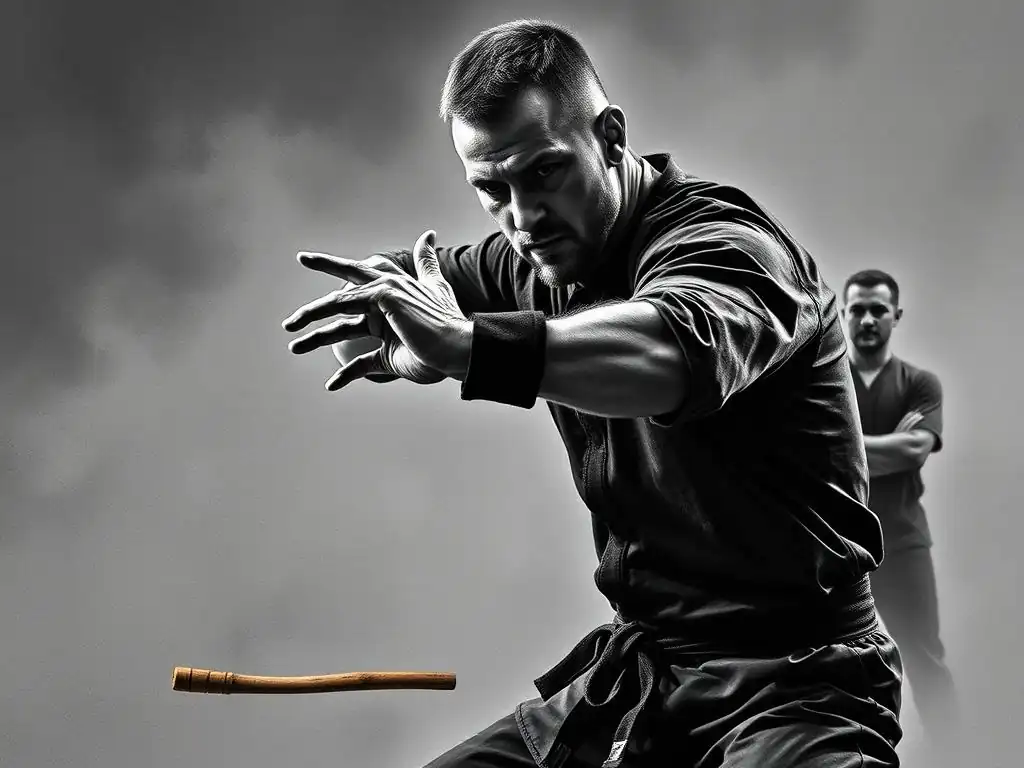
Hesitation and Indecision
One of the most critical errors after executing a Krav Maga wrist grab escape is hesitation. The brief window of opportunity created by the escape closes rapidly. Pausing to think "What now?" or "Should I run or strike?" gives the attacker time to recover, adapt, and launch a more dangerous follow-up attack. As mentioned earlier, studies show even a half-second delay can be detrimental. This is why the transition from escape to counter is drilled as a single, fluid action in Krav Maga.
To avoid this, training focuses on chaining techniques together. The physical act of escaping a wrist grab is linked directly to the physical act of delivering the first counterattack. Repetition ensures this link is strong and automatic. Instead of thinking "escape, then strike," the mental programming becomes "escape-and-strike." Recognizing the importance of immediate action is key to the effective application of Krav Maga techniques after a Krav Maga wrist grab escape.
Telegraphing Attacks
Telegraphing an attack means making movements that signal your intention before the strike is delivered, giving the attacker time to react, block, or evade. This can happen after a Krav Maga wrist grab escape if you try to wind up a strike with large, obvious movements. While power is important, it should come from body mechanics and speed, not a slow, exaggerated preparation.
Krav Maga emphasizes striking from where your hands and feet are immediately after the escape, using short, explosive movements. For example, a palm heel strike comes straight from your current hand position; a groin kick is a quick thrust, not a large swing. Training drills focus on minimizing preparatory movements and maximizing speed and surprise. Partner drills where the "attacker" is instructed to react to any slight telegraphing help the practitioner refine their movements to be as subtle and explosive as possible after a Krav Maga wrist grab escape.
Neglecting Environmental Awareness
Another common mistake is becoming so focused on the immediate threat (the attacker) that you lose awareness of your surroundings. After a Krav Maga wrist grab escape and initial counter, it's vital to quickly scan the environment. Are there other attackers? Are there obstacles? Is there a clear escape route? Tunnel vision, a common stress response, can prevent this crucial assessment.
Krav Maga training incorporates drills specifically designed to combat tunnel vision. These might involve multiple attackers, obstacles in the training space, or instructions called out by an instructor that require the practitioner to react to something other than just the person in front of them, even while engaged in a technique.
Performing a rapid scan (a quick look around, sometimes called a "combat glance") immediately after delivering a counter following a Krav Maga wrist grab escape is a trained reflex. This ensures that while dealing with the immediate threat, you are also gathering information needed for the next step – whether that's continued fighting or escaping.
Integrating Counters into Your Self-Defense Strategy
Combining Techniques for a Comprehensive Response
Effective self-defense, as taught in Krav Maga, is rarely a single technique but a combination of actions. After a Krav Maga wrist grab escape, the initial counter is typically just the first step in a rapid sequence. A groin kick might be followed by palm heel strikes to the head as the attacker doubles over, or an elbow strike might set up a knee strike. The goal is to overwhelm the attacker with a barrage of simple, powerful techniques.
Training emphasizes chaining these techniques together fluidly. For instance, a common sequence after a wrist grab escape might be: escape -> groin kick -> two palm heel strikes -> create distance and run. Or: escape -> clinch and knee strike -> three elbow strikes -> create distance and run. Practitioners learn to transition seamlessly between strikes, utilizing whatever limbs are free and closest to a vulnerable target. This layered approach significantly increases the chances of quickly incapacitating the attacker and creating an opportunity to escape safely after performing the initial Krav Maga wrist grab escape.
Adapting to Varied Attack Scenarios
While a wrist grab is a specific type of attack, the principles of immediate follow-up counters in Krav Maga apply broadly. The ability to transition from defense to offense is crucial in any close-quarters confrontation. Training prepares practitioners to adapt the specific counter techniques based on the attacker's reaction, size, stance, and the environment. A counter that is effective against a standing attacker might need to be modified if the attacker falls or lunges.
Krav Maga drills expose practitioners to variations in attack scenarios. After practicing the standard Krav Maga wrist grab escape and follow-up, drills might introduce variables: the attacker doesn't let go immediately, they pull you forward, they try to strike with their free hand, or there's a wall behind you.
This forces the practitioner to think on their feet (or rather, react instinctively) and select the most appropriate counter or combination of counters from their arsenal. This adaptability ensures that the skills learned for a Krav Maga wrist grab escape and its counters are versatile and applicable in the unpredictable reality of a self-defense situation.
Conclusion: Mastering the Krav Maga Counterattack
Consistent Training for Effective Self-Defense
Mastering the follow-up counterattacks after a Krav Maga wrist grab escape is a vital component of effective self-defense. The escape itself is merely the first step in regaining control; the immediate transition to aggressive, decisive counter-offense is what truly neutralizes the threat and creates an opportunity for survival. Techniques like the palm heel strike, groin kick, knee strike, and elbow strike are not isolated movements but tools to be deployed instantly and powerfully in the critical seconds following the break of the grip.
Developing the necessary muscle memory, reflexes, proactive mindset, and adaptability requires consistent and realistic training. Through repetitive drilling, partner work, and scenario-based exercises, Krav Maga practitioners learn to seamlessly integrate the escape and the counterattack. This commitment to training ensures that when faced with a real threat, the body and mind are prepared to react instinctively and effectively, turning a vulnerable moment into a decisive, aggressive response that maximizes the chances of safety after a successful Krav Maga wrist grab escape.
Frequently Asked Questions
How important is speed and aggression in Krav Maga wrist grab escapes?
Speed and aggression are absolutely crucial. Krav Maga emphasizes a rapid, decisive response to neutralize the threat as quickly as possible. Hesitation can be dangerous.
What are some typical targets for counter-attacks after escaping a wrist grab in Krav Maga?
Common targets include the attacker's eyes, groin, throat, and knees. The goal is to incapacitate the attacker and create an opportunity to disengage or further defend yourself.
Does Krav Maga focus on specific wrist grab escape techniques, or is it more about adapting to the situation?
While there are core techniques, Krav Maga emphasizes adaptability. It teaches principles to apply in various situations, rather than relying on rigid, pre-defined movements. Situational awareness is key.
What's the difference between escaping a wrist grab in Krav Maga versus other martial arts?
Krav Maga prioritizes practicality and immediate effectiveness. Unlike some arts that might focus on finesse, Krav Maga uses direct, powerful techniques aimed at quickly ending the confrontation.
How important is continued training and practice to maintain proficiency in Krav Maga wrist grab escapes?
Consistent training is essential. Repetition builds muscle memory and refines technique. Regular practice ensures you can execute the techniques effectively under pressure.
Final Reflection: Embracing Empowerment Through Preparedness
The techniques explored in this article, focusing on Krav Maga wrist grab escapes, are more than just self-defense maneuvers; they represent a proactive approach to personal safety in a world where uncertainty often prevails. Understanding how to break free and counter after a wrist grab empowers individuals to reclaim control in potentially vulnerable situations, transforming fear into decisive action. This knowledge is not just theoretical; it's a practical skill that can significantly impact one's confidence and ability to navigate challenging encounters.
The ripple effect of learning Krav Maga, and specifically these wrist grab escapes, extends far beyond the immediate physical encounter. It cultivates a mindset of awareness and resilience, shaping how we perceive our environment and interact with others. This newfound sense of security can be profoundly liberating, allowing us to move through the world with greater assurance and self-possession. The best defense is a good offense,
a sentiment that resonates deeply within the principles of Krav Maga, reminding us that preparedness is the cornerstone of empowerment.
Now, consider how you can integrate this understanding of Krav Maga principles into your own life. Beyond the physical techniques, embrace the underlying philosophy of awareness, decisiveness, and resilience. Let the knowledge gained here inspire you to cultivate a proactive mindset, not just in self-defense, but in all aspects of your life. By empowering yourself with the tools and the mindset to overcome challenges, you can navigate the world with greater confidence and live a life defined by strength and self-reliance.
Ignite Your Inner Warrior: Take Action Now!
Thank you for delving into the world of Krav Maga and wrist grab escapes with us! We hope this article has empowered you with newfound knowledge and practical techniques to enhance your self-defense skills. Now, let's put that knowledge into action and further refine your abilities.
- Dedicate 15 minutes today to practice the counters demonstrated in this article. Muscle memory is key!
- Share this article with a friend or family member who would benefit from learning these Krav Maga techniques. Help them enhance their personal safety too.
- Explore our site at martialartsmastery.org to discover even more advanced Krav Maga maneuvers and training drills – unleash your full potential!
What other self-defense scenarios are you most eager to master next?