
The Cradle Pin: A Catch Wrestling Classic for Dominant Control


Welcome to Martial Arts Mastery, your ultimate resource for delving into the world's fighting arts. Ever wondered how Catch Wrestling, a brutal and effective grappling style, achieves such dominant control over its opponents? Today, we unlock a key technique: the Cradle Pin. Discover how this classic hold can revolutionize your ground game and give you the edge you've been searching for. Read on to learn the secrets of the Cradle Pin and unlock your path to Catch wrestling technique dominance control!
- Introduction to the Cradle Pin in Catch Wrestling
- The Mechanics of the Cradle Pin: A Step-by-Step Guide
- Variations of the Cradle Pin for Catch Wrestling Dominance
- Advantages of the Cradle Pin in Catch Wrestling
- Defending Against the Cradle Pin: Countermeasures and Escapes
- The Cradle Pin in Historical Catch Wrestling Matches
- Training Drills for Mastering the Cradle Pin
- Advanced Applications of the Cradle Pin in Catch Wrestling
- The Cradle Pin: A Cornerstone of Catch Wrestling Technique Dominance
- Frequently Asked Questions
- Final Reflection: The Enduring Power of Control
- Unlock Your Grappling Potential Now!
Introduction to the Cradle Pin in Catch Wrestling
The cradle pin is a fundamental and highly effective technique within the demanding world of catch-as-catch-can wrestling. Known for its ability to quickly lead to a pinfall or submission, the cradle involves securing an opponent's head and leg together, typically on the same side of their body, and driving them onto their back.
This technique is not just about brute force; it's a sophisticated application of leverage and body mechanics that has been a staple of competitive grappling for generations. Its effectiveness lies in its capacity to compress the opponent's body, making it difficult for them to move, breathe, or bridge, thereby establishing significant control and setting the stage for a decisive victory.
Mastering the cradle pin is crucial for any serious catch wrestler aiming for dominance and control on the mat. It represents a direct path to ending a match, either by achieving a pin or by applying immense pressure that can lead to a submission or simply exhaust the opponent.
Unlike some complex transitional sequences, the cradle often presents itself during scrambles or moments of vulnerability, requiring quick recognition and execution. Its versatility allows it to be applied from various positions, including standing, on the knees, or from top control, making it a valuable tool in any grappler's arsenal for asserting catch wrestling technique dominance control.
Understanding the Power of the Cradle for Superior Control
The power of the cradle lies in its ability to exploit the opponent's structural weaknesses by compacting their frame. When executed correctly, it immobilizes the hips and shoulders simultaneously, two key points of mobility needed for bridging or turning out of a pin. This creates a situation where the opponent feels trapped and compressed, severely limiting their options for escape.
The pressure applied across the opponent's torso and neck can also be incredibly uncomfortable, often leading to a quick pinfall as they are unable to relieve the pressure or establish a stable base. This superior control is a hallmark of effective catch wrestling technique dominance control.
Furthermore, the cradle allows the person applying the hold to maintain a relatively stable and dominant position while the opponent expends significant energy trying to escape. By keeping their own weight distributed effectively and maintaining tight grips, the offensive wrestler can conserve energy while the defensive wrestler struggles against the leverage. This dynamic often shifts the momentum of the match decisively, putting the offensive wrestler in a prime position to secure the win. Historically, many matches have been won or lost based on the successful application or defense of this potent catch wrestling technique.
Catch Wrestling: A Legacy of Submission Holds and Pinning Combinations
Catch wrestling, with its roots in Lancashire, England, is renowned for its aggressive pursuit of both submissions and pinfalls. Unlike some grappling styles that may prioritize one over the other, catch wrestling actively trains practitioners to transition seamlessly between control positions, submission attempts, and pinning combinations. The cradle pin fits perfectly within this philosophy, often serving as a powerful pinning technique that can also transition directly into submission holds like neck cranks or even spinal locks if the opponent resists improperly. This dual threat makes it a highly valued technique.
The legacy of catch wrestling is built on the mastery of such versatile and effective techniques. Legendary figures like Frank Gotch, Martin "Farmer" Burns, and Billy Robinson all utilized sophisticated pinning and submission strategies, with variations of the cradle frequently appearing in their repertoires.
Their success demonstrated that true catch wrestling technique dominance control comes from the ability to dictate the terms of the engagement, constantly threatening the opponent with multiple avenues to victory. The cradle, in this context, is not just a single move but a gateway to a cascade of offensive opportunities, embodying the aggressive spirit of the sport.
The Mechanics of the Cradle Pin: A Step-by-Step Guide
Securing the Initial Grip: Setting Up the Cradle
The setup for a cradle pin begins with securing the necessary grips. Typically, this involves controlling the opponent's head and one of their legs. A common method is to secure an underhook on one side of the opponent's body.
From this position, you reach across their back with the arm that has the underhook and attempt to grab the opponent's leg on the same side, often behind the knee or the ankle. Simultaneously, your other arm works to control the opponent's head, either by securing a headlock grip, cupping the back of their head, or wrapping around their neck. The goal is to bring the head and leg as close together as possible.
Another effective setup involves snapping the opponent down to their knees or stomach from a standing position. As they are recovering their base, you can quickly transition to secure the head and leg grips. For instance, if they land on their hands and knees, you can step around to the side, secure a cross-face grip on their head with one arm, and reach for the opposite leg with the other arm.
The key is to establish tight control over both the head and leg, minimizing the space between them and making it difficult for the opponent to posture up or sprawl away. This foundational step is critical for initiating this powerful catch wrestling technique dominance control.
Positioning Your Body for Maximum Leverage and Control
Once the grips are secured, proper body positioning is paramount for applying maximum leverage and achieving dominant control. Your chest should be pressed tightly against the opponent's back or side, depending on the angle of the cradle. Your hips should be low, driving into them, and your feet should be positioned to allow you to drive forward or to the side to turn them over.
The closer you can bring their head and leg together, the more compressed their body becomes, reducing their ability to resist effectively. Imagine trying to fold them in half; your body position should facilitate this action.
Maintaining a strong base is also crucial. While applying pressure, avoid getting your own legs tangled or ending up in an unstable position. Your weight should be used to drive through the opponent, not just rest on them.
For example, when driving them onto their back, step your outside leg forward and use it as a post while you drive with your hips and torso. This allows you to generate significant force while maintaining balance, ensuring you can follow through with the pin or transition smoothly. Effective body positioning transforms the grips into a powerful mechanism for catch wrestling technique dominance control.
Completing the Cradle: Locking in the Pin
Completing the cradle involves driving the opponent onto their back and securing the pin. From the tight head and leg grips and dominant body position, you use a combination of pulling their head and leg together while driving forward or sideways with your bodyweight. The direction of the drive depends on the opponent's position and your angle, but the objective is always to get their shoulders flat on the mat. As you drive, keep your chest connected to them and maintain relentless pressure. The tighter the grips and the stronger the drive, the less likely they are to escape.
Once they are on their back, adjust your position to ensure both of their shoulder blades are touching the mat. Maintain your grips and use your body weight to keep them pinned. In competition, the referee will signal the pin when the opponent's shoulders are held flat for a designated count (often three seconds).
Even if a pin isn't achieved immediately, maintaining this locked position exerts immense pressure and control, often leading to exhaustion or discomfort that can set up subsequent attacks or wear the opponent down significantly. Locking in this position is the final step in executing this potent catch wrestling technique for dominance and control.
Variations of the Cradle Pin for Catch Wrestling Dominance
The Traditional Cradle Pin: A Foundational Technique
The traditional cradle pin, often referred to as the "near-side" cradle or "standard" cradle, is perhaps the most recognized form. It involves securing the opponent's head and the leg on the same side of their body. For example, securing a grip on their right leg and controlling their head with your left arm, driving them over towards their right side. This variation is foundational because it is often the most accessible from common top control positions or scrambles. It relies heavily on compressing the opponent's body along a single axis, making it incredibly tight when executed properly.
Mastery of the traditional cradle is essential before exploring more complex variations. It teaches the core principles of head and leg control, body compression, and the drive needed for the pin. Wrestlers often drill this variation extensively from positions like side control, knee-on-belly, or even from front headlock defense scenarios. Its directness and efficiency make it a high-percentage move when the opportunity arises, providing a clear path to catch wrestling technique dominance control against an opponent unable to break the tight connection between their head and leg.
The Reverse Cradle: Adding an Element of Surprise
The reverse cradle, sometimes called the "far-side" cradle, offers an element of surprise and attacks the opponent from a different angle. Instead of connecting the head and leg on the same side, the reverse cradle involves controlling the opponent's head and the leg on the opposite side of their body. For example, controlling their head with your right arm while reaching across to secure their left leg with your left arm. This variation often requires slightly different body mechanics and entry points compared to the traditional cradle.
This technique can be particularly effective against opponents who are adept at defending the traditional cradle. It often presents itself when an opponent is turtled up or attempting to escape to one side. The reverse cradle allows you to wrap around their body and apply pressure from an unexpected angle, making their usual defensive reactions less effective. Successfully applying a reverse cradle demonstrates a higher level of catch wrestling technique dominance control and adaptability, as it requires recognizing less obvious opportunities and executing a less common sequence.
The Leg Cradle: Targeting the Lower Body for Enhanced Control
The leg cradle is a variation that shifts the primary point of control to the opponent's legs, though it still often involves some form of head or upper body control to prevent them from posturing. In this variation, you might secure both of the opponent's legs, bringing them towards their chest, while simultaneously applying pressure to their upper back or neck area. This hyper-flexes their lower body and makes it nearly impossible for them to use their legs for bridging or escaping.
This variation is frequently used when the opponent is on their stomach or side and you have strong control over their lower body. By locking their legs up, you eliminate their primary base of support and leverage. Combining this lower body control with pressure on the upper body creates immense discomfort and vulnerability, often leading directly to a pin. The leg cradle is a powerful demonstration of how catch wrestling technique dominance control can be achieved by attacking multiple points of the opponent's structure simultaneously.
Advantages of the Cradle Pin in Catch Wrestling
Achieving Rapid Submission: Breaking Your Opponent's Will
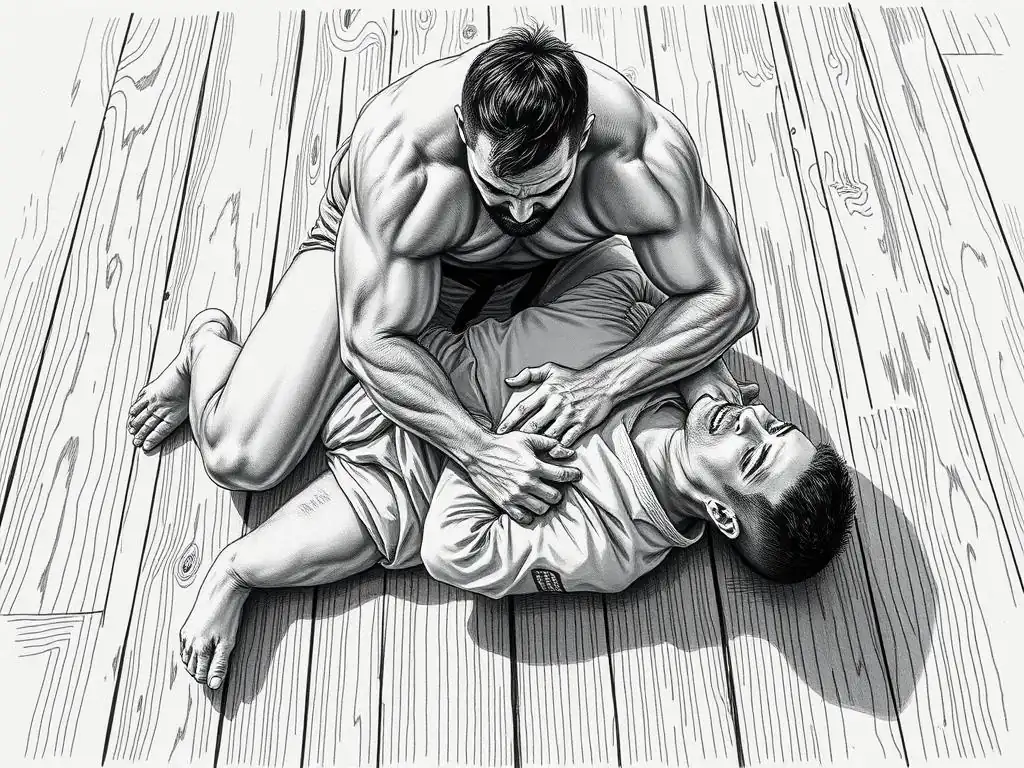
While primarily known as a pinning technique, the cradle can quickly transition into powerful submission holds, effectively breaking an opponent's will. The tight compression of the body, especially when combined with a strong head control that borders on a neck crank, can generate significant pain and discomfort. The lack of escape options under such pressure often forces opponents to tap out rather than endure the crushing hold or risk injury. This potential for rapid submission makes the cradle a terrifying weapon in competitive grappling.
Consider a scenario where an opponent is desperately trying to bridge out of a tight cradle. Their movements can inadvertently expose their neck to further pressure or create angles that allow the offensive wrestler to tighten the head control into a more explicit neck crank. The psychological impact of feeling completely trapped, combined with physical discomfort, leads to a high tap-out rate. Achieving such quick finishes is a clear indicator of superior catch wrestling technique dominance control.
Maintaining Positional Dominance: Controlling the Match
Executing a cradle pin allows a wrestler to maintain exceptional positional dominance throughout the attempt. Unlike some submission attempts that might compromise your position if unsuccessful, a cradle keeps you in a strong, chest-to-back or chest-to-side relationship with your opponent. Even if the initial pin attempt fails, you are typically still in a dominant top position, such as side control or modified mount, from which you can continue to attack or reset your position.
This ability to maintain control is invaluable in a competitive match. It prevents the opponent from escaping to a neutral position or, worse, reversing you. By constantly threatening the pin or submission from a dominant spot, you dictate the pace and flow of the match, wearing the opponent down both physically and mentally. This sustained control is a key component of demonstrating catch wrestling technique dominance control.
Transitioning to Other Submissions: Seamlessly Linking Techniques
The cradle pin is not just an end goal; it's often a powerful setup for other submission holds. The tight control it provides over the opponent's upper and lower body creates vulnerabilities that can be exploited. As mentioned, the head control can transition into various neck crank submissions. Furthermore, the compression can sometimes set up arm locks or even certain leg locks, depending on how the opponent reacts and which limbs become exposed.
For instance, if an opponent tries to post an arm to relieve pressure, that arm can become isolated for an armbar or kimura attempt. If they manage to turn slightly but are still trapped by the leg control, opportunities for leg submissions might arise. The cradle acts as a central hub from which a skilled catch wrestler can branch out into a network of other attacks, showcasing a high level of technical proficiency and achieving comprehensive catch wrestling technique dominance control.
Defending Against the Cradle Pin: Countermeasures and Escapes
Recognizing the Setup: Preventing the Cradle Before It's Locked
Effective defense against the cradle begins with recognizing the setup before the grips are fully locked. This means being aware of an opponent's hand fighting, especially when they are attempting to secure head control or reach for your legs. Pay attention to their weight distribution and hip position; a wrestler setting up a cradle will often be driving forward or seeking to get chest-to-back contact. Maintaining good posture and a strong base, whether standing or on the ground, is crucial.
If you feel an opponent starting to secure grips, immediately work to break them. Hand fighting is key here – grip breaking, posting with your arms, and creating space are essential first lines of defense. For example, if they are reaching for your leg from an underhook, fight their hand off your leg and simultaneously work to strip their underhook. Early recognition and prevention are far easier than escaping a fully locked cradle, highlighting the importance of defensive awareness in the face of catch wrestling technique dominance control attempts.
Disrupting the Grip: Breaking Free from the Hold
If an opponent has managed to secure grips for a cradle, the next step is to disrupt those grips immediately. The power of the cradle comes from the tight connection between the head and leg; breaking either grip significantly weakens the hold. Focus on peeling their hands off your head or leg. Use your own hands to attack their grip directly, pulling their fingers open or prying their wrist away. Simultaneously, try to create space between your head and leg.
Bridging and turning can help create momentary slack in the grips, giving you an opportunity to break free. For example, if you are cradled to your right, bridge hard to your left while simultaneously fighting the grips. Even a small amount of space can be enough to slide a limb out or break the hand connection. Grip fighting under pressure is physically demanding but essential for surviving a locked-in cradle and preventing complete catch wrestling technique dominance control.
Turning the Tables: Countering with Your Own Submission
In some instances, attempting to escape a cradle can open opportunities to counter with your own submission or reversal. While bridging and turning to escape, an opponent's position might become momentarily vulnerable. For example, if they are tightly holding your head and leg, their own neck or arms might become exposed as they drive into you. Recognizing these brief windows is key to turning defense into offense.
A common counter involves using the opponent's forward pressure against them. As they drive into the cradle, you might be able to roll through, using their momentum to reverse the position. Alternatively, if their arm is wrapped tightly around your head, you might be able to transition to an arm lock attempt as they are focused on maintaining the cradle. This requires significant skill and timing but demonstrates the dynamic nature of grappling defense and the potential to counter catch wrestling technique dominance control attempts.
The Cradle Pin in Historical Catch Wrestling Matches
Legendary Catch Wrestlers and Their Use of the Cradle
Many legendary figures in catch wrestling history were masters of the cradle pin. Martin "Farmer" Burns, a prolific wrestler and instructor in the late 19th and early 20th centuries, was known for his diverse pinning combinations, which certainly included variations of the cradle. His influence spread the technique widely across North America. Ad Santel, another prominent catch wrestler who famously challenged practitioners of Judo, also incorporated powerful pinning techniques into his arsenal, using the cradle to subdue opponents from various grappling backgrounds.
Billy Robinson, a modern icon of catch wrestling, extensively taught and utilized the cradle. His seminars and coaching have reintroduced this classic technique to contemporary grapplers, emphasizing its effectiveness for both pinning and submission setups. Robinson often demonstrated how the tight body compression of the cradle could lead to quick finishes against even highly skilled opponents. The consistent use of the cradle by these masters underscores its enduring relevance and effectiveness in achieving catch wrestling technique dominance control across different eras.
Examples of the Cradle Pin in Championship Bouts
While specific statistical data on cradle pin finishes in historical championship bouts is challenging to compile precisely, anecdotal evidence and match descriptions highlight its significance. In numerous title matches throughout the early 20th century, the ability to secure and maintain a tight cradle was often a deciding factor. Match reports from the era frequently describe wrestlers struggling desperately against cradle attempts, indicating the immense pressure and control the technique exerted.
For example, accounts of various bouts involving figures like Ed "Strangler" Lewis or Earl Caddock mention sequences where cradles were applied, sometimes leading to pins or forcing the opponent into defensive scrambles that tired them out. While not every attempt resulted in a pin, the threat of the cradle was always present, influencing the opponent's strategy and movement. This constant threat of a definitive finish through the cradle was a key aspect of catch wrestling technique dominance control in championship competition.
Frank Gotch vs. George Hackenschmidt: Cradle Pin as a Match Decider
One of the most famous instances of the cradle pin playing a pivotal role in a major championship bout occurred in the historic matches between Frank Gotch and George Hackenschmidt. In their first encounter in 1908, Gotch defeated Hackenschmidt, who was considered nearly invincible at the time. While the exact finish is debated and involved grueling leg locks, Gotch was known for his relentless attack and use of various pinning combinations, including powerful cradles.
In their highly anticipated rematch in 1911, Gotch again defeated Hackenschmidt. Accounts of this match describe a brutal affair where Gotch's aggressive, no-nonsense style, including powerful holds and pinning attempts, wore down the "Russian Lion." While the final pin was not a pure cradle, Gotch's ability to secure dominant positions and apply crushing pressure through techniques like the cradle earlier in the match undoubtedly contributed to Hackenschmidt's exhaustion and eventual defeat. The cradle was a tool in Gotch's arsenal that exemplified his approach to achieving total catch wrestling technique dominance control.
Training Drills for Mastering the Cradle Pin
Partner Drills: Practicing the Setup and Execution
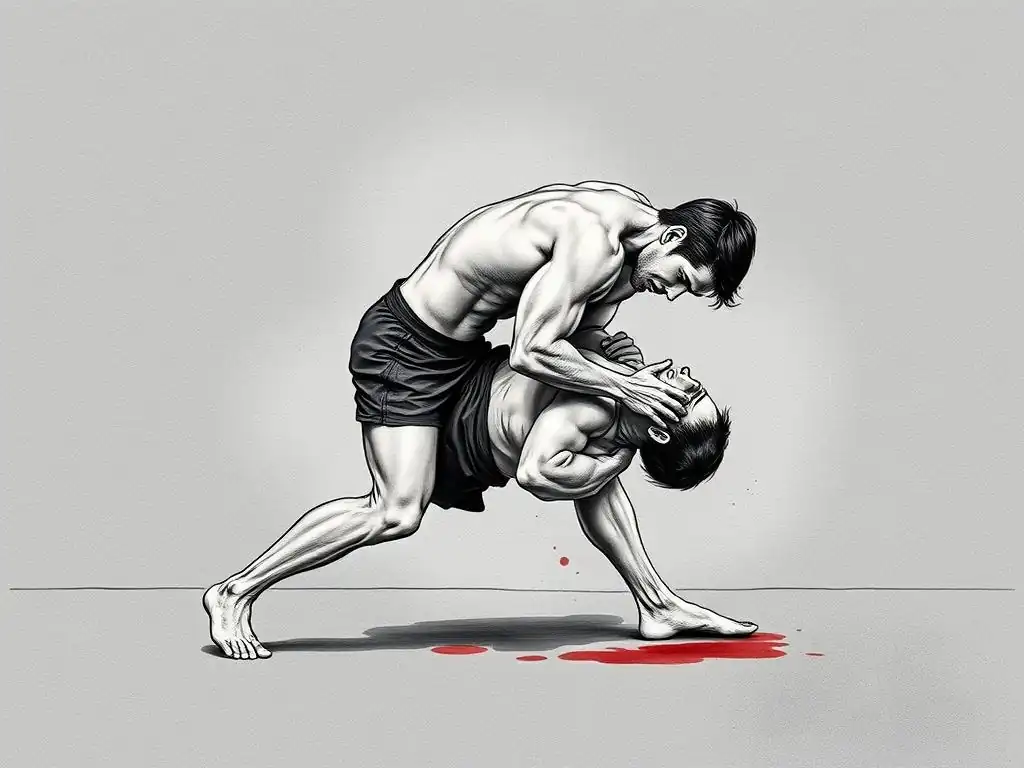
Mastering the cradle requires dedicated practice with a partner. A fundamental drill involves starting from a controlled position, such as side control or knee-on-belly, and slowly working through the steps of securing the head and leg grips. Partners can offer light resistance initially, allowing the offensive wrestler to focus on the mechanics of bringing the limbs together and positioning their body correctly. Progress to drilling the drive to turn the partner onto their back.
Another effective partner drill is practicing the cradle from a front headlock position. One partner is on their hands and knees in a defensive posture. The other secures a front headlock and practices snapping down, circling to the side, and securing the far-side leg to initiate a reverse cradle attempt. These drills should be repeated numerous times, focusing on fluidity, grip tightness, and body connection. Consistent drilling builds muscle memory for executing this vital catch wrestling technique for dominance and control under pressure.
Resistance Training: Developing the Strength for the Cradle
While technique is paramount, the cradle also requires significant strength, particularly in the arms, core, and legs, to maintain the tight grips and drive the opponent onto their back. Resistance training should focus on exercises that mimic the movements and muscle groups involved. Exercises like weighted carries, deadlifts, squats, and rows build overall strength. Specific exercises like grip strength training (using grippers, towel pull-ups) and exercises that build isometric core strength (planks, anti-rotation exercises) are particularly beneficial.
Furthermore, practicing the cradle with a partner offering increasing levels of resistance is a direct form of strength training specific to the technique. Start with minimal resistance and gradually increase it as your strength and technique improve. Aim for multiple repetitions where you successfully secure the grips and drive, even if you don't complete the pin against heavy resistance. Developing this functional strength is crucial for applying catch wrestling technique dominance control against stronger opponents.
Medicine Ball Cradle Drill: Emphasizing Core Strength and Explosiveness
A useful solo or partner drill to build core strength and explosiveness for the cradle is the medicine ball cradle drill. Lie on your back with a medicine ball held tightly between your hands and shins, mimicking the compressed position of a cradled opponent. Your goal is to hold this position tightly while keeping your core engaged. A partner can gently try to pull the ball away or disrupt your posture, forcing you to resist and maintain tightness.
For explosiveness, practice transitioning from a stretched-out position to the tight, compressed medicine ball cradle position quickly. This mimics the sudden movement needed to secure the cradle grips and initiate the drive. This drill emphasizes the core compression and isometric strength required to maintain the hold and generate the power needed to turn an opponent, reinforcing the physical attributes necessary for effective catch wrestling technique dominance control.
Advanced Applications of the Cradle Pin in Catch Wrestling
Combining the Cradle with Other Submission Holds for Increased Pressure
For advanced practitioners, the cradle is rarely just a pinning attempt in isolation. It's frequently combined with other submission holds to create overwhelming pressure and multiple threats. As mentioned, the head control can be tightened into a neck crank. If the opponent resists by turning into you, their back might become exposed for a rear-naked choke setup, or their arm might be isolated for an arm triangle.
Alternatively, if the opponent bridges hard to escape, their legs might momentarily extend, creating an opportunity to transition to a leg lock attempt while maintaining some form of upper body control. The key to these combinations is seamless transitions – moving from the cradle position directly into the secondary attack before the opponent has a chance to defend. This layered approach significantly increases the chances of a quick finish and demonstrates a high level of catch wrestling technique dominance control.
Using the Cradle to Set Up Leg Locks and Arm Locks
An advanced application involves using the threat or initial stages of a cradle to set up other submissions. For example, initiating a cradle attempt can cause the opponent to react in specific ways to defend the pin. If they focus heavily on defending the head control, their legs might become vulnerable. If they prioritize freeing a leg, their upper body might become exposed. A skilled wrestler can anticipate these reactions and transition directly into a different attack.
Consider attempting a far-side cradle from top control. If the opponent successfully defends the leg grip but exposes an arm in the process, you can abandon the cradle attempt and immediately transition to an armbar or kimura. The pressure and distraction caused by the initial cradle attempt often create the opening for the subsequent submission. This strategic use of the cradle as a setup tool is a hallmark of sophisticated catch wrestling technique dominance control.
Snapdown to Cradle Transition for Quick Pinning
A highly effective advanced application is the snapdown to cradle transition, particularly effective from standing or front headlock situations. From a standing tie-up or collar tie, snap the opponent violently down to their hands and knees or stomach. As they are off-balance and recovering, quickly secure the head and far-side leg grips to initiate a reverse cradle. This transition is incredibly fast and exploits the opponent's vulnerability during their recovery.
Mastering this transition requires excellent timing, explosiveness in the snapdown, and the ability to quickly secure the necessary grips on a moving opponent. When executed correctly, it bypasses typical defensive postures and can lead to a very rapid pinfall. This exemplifies using the cradle as a high-speed finishing technique, a crucial element of aggressive catch wrestling technique dominance control.
The Cradle Pin: A Cornerstone of Catch Wrestling Technique Dominance
Integrating the Cradle into Your Overall Catch Wrestling Game
To truly achieve catch wrestling technique dominance control, the cradle pin must be integrated seamlessly into your overall grappling game. It shouldn't be viewed as an isolated move but as a powerful tool within a larger system of control, transitions, and finishes. This means practicing entries into the cradle from various positions – from standing, from guard passing, from top control, and even from defensive scrambles.
Furthermore, practice transitioning out of the cradle into other dominant positions or submission attempts if the pin isn't immediately available. This creates a dynamic offense where you are constantly threatening the opponent with multiple outcomes. Integrating the cradle effectively means recognizing opportunities quickly and having the technical proficiency to execute it from wherever the match takes you.
Achieving a Higher Level of Control and Submission Skill
Mastery of the cradle pin directly contributes to achieving a higher level of control and submission skill in catch wrestling. The technique inherently teaches the principles of body compression, leverage, and maintaining tight control over a resisting opponent. These principles are transferable to numerous other grappling techniques, improving your overall effectiveness.
By successfully applying cradles, you learn to feel your opponent's weight and movement, anticipate their reactions, and exploit weaknesses in their structure. The ability to secure and finish from such a dominant, compressed position builds confidence and demonstrates a superior understanding of grappling mechanics, elevating your capacity for catch wrestling technique dominance control.
The Cradle Pin's Enduring Relevance in Competitive Grappling
Despite the evolution of grappling sports, the cradle pin retains its enduring relevance in competitive catch wrestling and other grappling disciplines like folkstyle wrestling and even aspects of submission grappling. Its fundamental effectiveness in pinning an opponent or creating immense pressure has not diminished. While pure pinfalls might be less common in some modern submission-only formats, the control and submission threats inherent in the cradle remain highly potent.
Its continued presence in high-level competition is a testament to its effectiveness. Wrestlers and grapplers who master the cradle have a distinct advantage, possessing a high-percentage technique that can quickly end a match. The cradle pin is a classic not because it's old, but because it's a fundamentally sound and powerful application of leverage and control, solidifying its place as a cornerstone of catch wrestling technique dominance control for generations past, present, and future.
Frequently Asked Questions
What is the Cradle Pin in Catch Wrestling?
The Cradle Pin is a fundamental grappling technique in Catch Wrestling used to achieve dominant control over an opponent. It involves securing the opponent's head and leg in a tight, cradling hold.
Why is the Cradle Pin considered a classic technique?
The Cradle Pin's effectiveness and simplicity make it a classic. It's a high-percentage move applicable in various grappling scenarios and has been used for decades in Catch Wrestling competitions.
How does the Cradle Pin help achieve "dominance control"?
By tightly controlling the head and leg, the Cradle Pin severely limits the opponent's movement and ability to defend. This gives the practitioner superior leverage and positions them for pins, submissions, or transitions.
What are the key elements to executing a successful Cradle Pin?
Key elements include proper head and leg positioning, maintaining tight control, and applying consistent pressure. These elements are vital for maximizing the pin's effectiveness.
Where can I learn more about Catch Wrestling techniques like the Cradle Pin?
You can explore resources dedicated to Catch Wrestling, such as MartialArtsMastery.org, which provides information on various martial arts disciplines, training tips, and historical overviews.
Final Reflection: The Enduring Power of Control
The techniques and principles outlined in this exploration of the Cradle Pin, a cornerstone of Catch Wrestling, resonate far beyond the wrestling mat. The pursuit of dominance and control, both physical and strategic, is a fundamental human drive that manifests in countless aspects of life. Understanding the nuances of leverage, pressure, and timing, as exemplified by this classic hold, provides a valuable framework for navigating challenges and achieving success in any domain.
The Cradle Pin, and Catch Wrestling as a whole, offers more than just a means of physical subjugation; it's a lesson in calculated aggression and unwavering focus. Its influence extends beyond the sport, shaping our understanding of strategic advantage and the importance of meticulous execution. Control is not about power, it's about precision.
This quote, though not directly from a Catch Wrestling manual, perfectly encapsulates the essence of the Cradle Pin and its broader implications. It reminds us that true mastery lies not in brute force, but in the skillful application of technique and understanding.
Now, consider how the principles of the Cradle Pin – control, precision, and strategic thinking – can be applied to your own life. Whether you're facing a professional challenge, navigating a personal relationship, or simply striving for self-improvement, remember the lessons learned from this Catch Wrestling classic. Embrace the pursuit of dominance, not in a destructive sense, but as a commitment to mastering your craft and achieving your full potential.
Unlock Your Grappling Potential Now!
Thank you for diving into the world of the Cradle Pin and catch wrestling! We hope you've gained valuable insights into this powerful control technique. Now it's time to put that knowledge into action and elevate your grappling game.
Here are a few things you can do right now:
- Master the Cradle Pin: Dedicate your next training session to perfecting the Cradle Pin. Drill the technique from various positions and against different body types.
- Explore Related Techniques: Delve into other catch wrestling control holds and submissions that complement the Cradle Pin, such as the Guillotine or the Kimura.
- Share Your Experience: Discuss your experiences practicing the Cradle Pin with training partners, online forums, or on social media to learn from others and refine your approach.
What innovative ways will you incorporate the Cradle Pin into your grappling style this week?