
The Evolution of Long Fist: From Ancient Battlefield to Modern Practice

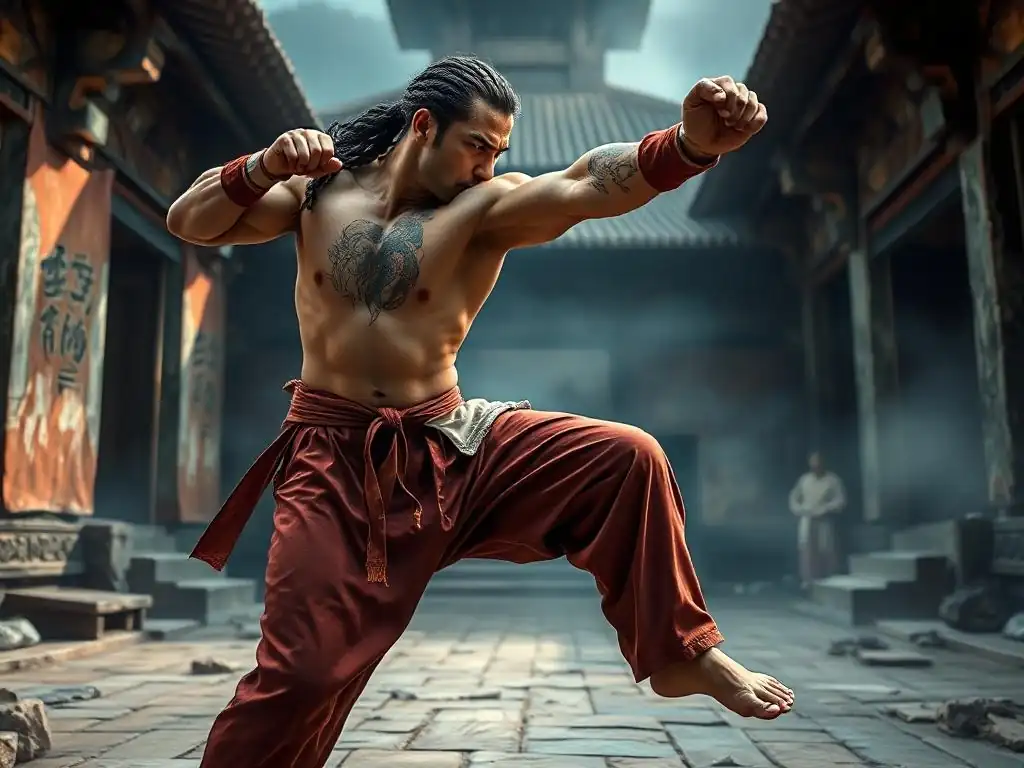
Welcome to Martial Arts Mastery, your gateway to understanding the rich tapestry of combat traditions worldwide. Ever wondered how a battlefield technique could transform into a flowing dance of power and precision? Dive in as we unravel the fascinating story of Long Fist martial arts evolution, tracing its lineage from ancient battlegrounds to its sophisticated modern applications. Prepare to discover the secrets behind its dynamic movements and enduring legacy.
- The Origins of Long Fist: From Battlefield Techniques to Early Forms
-
Frequently Asked Questions
- What are the key historical influences that shaped the evolution of Long Fist?
- How has Long Fist adapted from being a purely combat-oriented art to its modern form?
- What are the defining characteristics that distinguish Long Fist from other martial arts styles?
- How does the philosophical foundation of Long Fist influence its practice?
- What practical self-defense strategies are derived from Long Fist techniques?
- Final Reflection: Embracing the Legacy of Long Fist
- Unleash Your Inner Dragon: Embrace the Long Fist Journey!
The Origins of Long Fist: From Battlefield Techniques to Early Forms
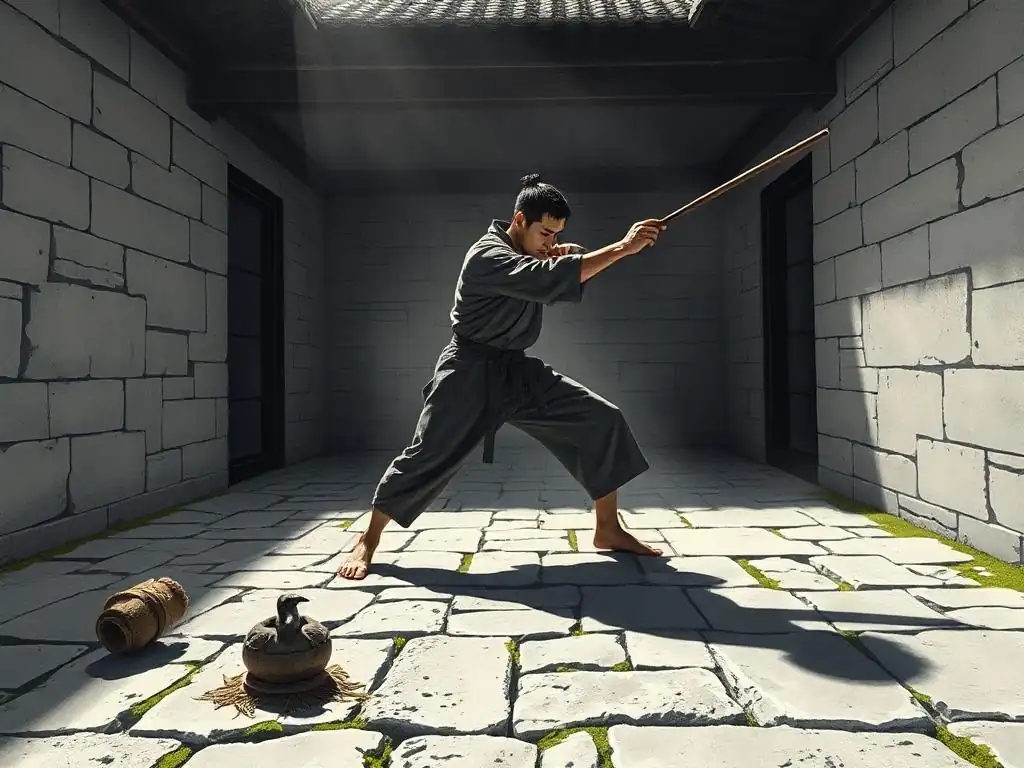
Long Fist's Roots in Ancient Chinese Warfare: Weaponry and Combat Strategies
The historical trajectory of Long Fist, or Changquan, is deeply intertwined with the martial needs of ancient China, particularly its military. Many historians and martial arts scholars posit that the fundamental principles of Long Fist originated from techniques developed and refined for use on the battlefield. Unlike close-quarters combat styles, Long Fist emphasizes long-range techniques, powerful strikes, and dynamic movement, characteristics highly valuable when facing opponents potentially armed with weapons or fighting in formations.
The development of effective empty-hand combat was crucial for soldiers who might lose their primary weapon or need to fight in environments where weapons were impractical. This environment fostered the development of techniques prioritizing reach, agility, and the ability to generate significant force through full-body extension, laying the groundwork for the future Long fist martial arts evolution.
In ancient Chinese warfare, soldiers employed a variety of weapons, including spears, halberds, swords, and staff weapons. The empty-hand techniques that evolved alongside these weapons needed to complement them, allowing a soldier to defend against armed opponents or transition seamlessly if disarmed. Strategies involved maintaining distance, using powerful linear attacks to break through defenses, and employing evasive footwork.
These tactical requirements are clearly reflected in the core movements of Long Fist: its extended stances, long-reaching punches, powerful kicks, and emphasis on swift, expansive movements across the ground. The necessity for soldiers to train rigorously and efficiently also likely contributed to the systematization of these techniques into repeatable forms, a key step in the early evolution of Long Fist as a distinct martial art.
Development of Early Long Fist Forms: Influences from Shaolin and Other Styles
The transition from individual battlefield techniques to organized martial arts forms was a significant step in the evolution of Long Fist. Early forms likely served as training methodologies, allowing practitioners to drill sequences of movements that simulated combat scenarios against single or multiple opponents. These rudimentary forms were not static; they absorbed influences from various sources throughout China.
While the exact historical lineage is debated, the renowned Shaolin Temple, a historical center of martial arts development, is often cited as a major influence. Shaolin Kung Fu, known for its diverse techniques and structured training, likely contributed to the formalization of movements, stances, and perhaps even philosophical underpinnings that would later become characteristic of Long Fist.
Beyond Shaolin, regional martial arts styles, each with their own unique emphasis and techniques shaped by local geography and combat needs, also contributed to the melting pot from which early Long Fist forms emerged. Styles focusing on powerful leg techniques from the north of China, or those emphasizing intricate hand movements from the south, could have been integrated or adapted into the developing Long Fist framework, particularly as practitioners traveled and exchanged knowledge.
This cross-pollination was crucial for the comprehensive nature that Long Fist later developed. The compilation and refinement of these diverse techniques into coherent, flowing sequences marked the beginning of Long Fist as a recognizable system, moving beyond mere battlefield utility towards a more structured practice.
Key Figures in the Development of Long Fist: Zhao Kuangyin and Yang Gun
Tracing the precise origins of Long Fist and attributing its development to specific individuals is challenging due to the often-mythological nature of historical martial arts accounts. However, certain figures are historically associated with early forms or significant contributions that align with the characteristics of Long Fist. One prominent figure is Zhao Kuangyin (927–976 AD), the founder of the Song Dynasty.
Legend attributes the creation of Taizu Changquan (太祖長拳, "Grand Ancestor's Long Fist") directly to him. While it's unlikely he single-handedly invented the style, his association with a long-fist system, particularly given his military background and status as emperor, highlights the importance and prestige associated with this type of martial art during that era. The legend suggests that the style attributed to him was effective and widely practiced, potentially serving as a foundation for later Long Fist developments, thus playing a role in the Long fist martial arts evolution.
Another figure often mentioned in the context of Long Fist's development, particularly during the later Ming or early Qing Dynasties, is Yang Gun (楊滾). While less is known about him compared to Zhao Kuangyin, historical texts and martial arts genealogies sometimes credit him with refining or systematizing existing Long Fist techniques. His contributions might have involved organizing scattered techniques into more coherent forms, emphasizing specific principles, or popularizing the style among civilian practitioners.
The efforts of figures like Yang Gun were vital in transitioning Long Fist from potentially disparate battlefield practices into a more unified and teachable martial art, ensuring its transmission and continued evolution through subsequent generations. Their work, whether through creation, compilation, or popularization, cemented the foundational elements that define Long Fist today.
Frequently Asked Questions
What are the key historical influences that shaped the evolution of Long Fist?
Long Fist's evolution is significantly influenced by military combat techniques and Shaolin Kung Fu. It was adapted over centuries for both battlefield effectiveness and personal development.
How has Long Fist adapted from being a purely combat-oriented art to its modern form?
Modern Long Fist incorporates gymnastic elements and focuses on form demonstration (Taolu). While retaining its self-defense roots, it also emphasizes health and fitness.
What are the defining characteristics that distinguish Long Fist from other martial arts styles?
Long Fist is known for its extended stances, wide-ranging movements, and powerful strikes. Its emphasis on full-body coordination and fluid transitions sets it apart.
How does the philosophical foundation of Long Fist influence its practice?
Long Fist emphasizes discipline, respect, and self-improvement. Practitioners strive for physical and mental harmony, guided by principles of traditional Chinese philosophy.
What practical self-defense strategies are derived from Long Fist techniques?
Long Fist equips practitioners with effective striking and kicking techniques, coupled with evasive maneuvers. Its focus on distance control and powerful attacks makes it valuable for self-defense.
Final Reflection: Embracing the Legacy of Long Fist
The journey of Long Fist, as we've explored, is far more than just a historical account; it's a living testament to the enduring spirit of adaptation and resilience. The principles of Long Fist, emphasizing fluidity, power, and strategic thinking, remain profoundly relevant in a world that demands both physical and mental agility. From its battlefield origins to its modern interpretations, Long Fist continues to offer valuable lessons in self-discipline, focus, and the pursuit of personal excellence.
The evolution of Long Fist has not only shaped the landscape of Chinese martial arts but has also subtly influenced our understanding of movement, strategy, and the connection between mind and body. Witnessing its transformation underscores the importance of preserving cultural heritage while embracing innovation. The art of Long Fist is not merely about fighting; it's about cultivating the self, both physically and mentally.
This quote encapsulates the deeper meaning embedded within the practice, reminding us that the true strength lies not just in physical prowess, but in the harmonious development of the individual.
Now, as you close this article, consider how the principles of Long Fist – its adaptability, its emphasis on continuous improvement, and its dedication to holistic development – can be applied to your own life. Embrace the challenge of constant evolution, strive for balance in all aspects of your being, and remember that the journey of self-improvement is a lifelong pursuit. Let the legacy of Long Fist inspire you to cultivate your own inner strength and navigate the world with grace, power, and unwavering determination.
Unleash Your Inner Dragon: Embrace the Long Fist Journey!
Thank you for exploring the dynamic world of Long Fist Kung Fu with us. We hope you've gained a deeper appreciation for its rich history and powerful techniques. Now, it's time to translate that knowledge into action and embark on your own Long Fist adventure!
Here are a few ways to continue your journey:
- Commit to practicing one Long Fist stance or technique for at least 15 minutes each day this week. Feel the power and fluidity!
- Delve deeper by researching the historical figures who shaped Long Fist, such as Zhao Kuangyin, uncovering their legendary stories.
- Share this article with fellow martial arts enthusiasts and start a discussion about the legacy of Long Fist in modern practice.
What specific aspect of Long Fist – its history, forms, or application – inspires you to take your training to the next level?