
From Root to Crown: Aligning Your Body in Yang Tai Chi Stances

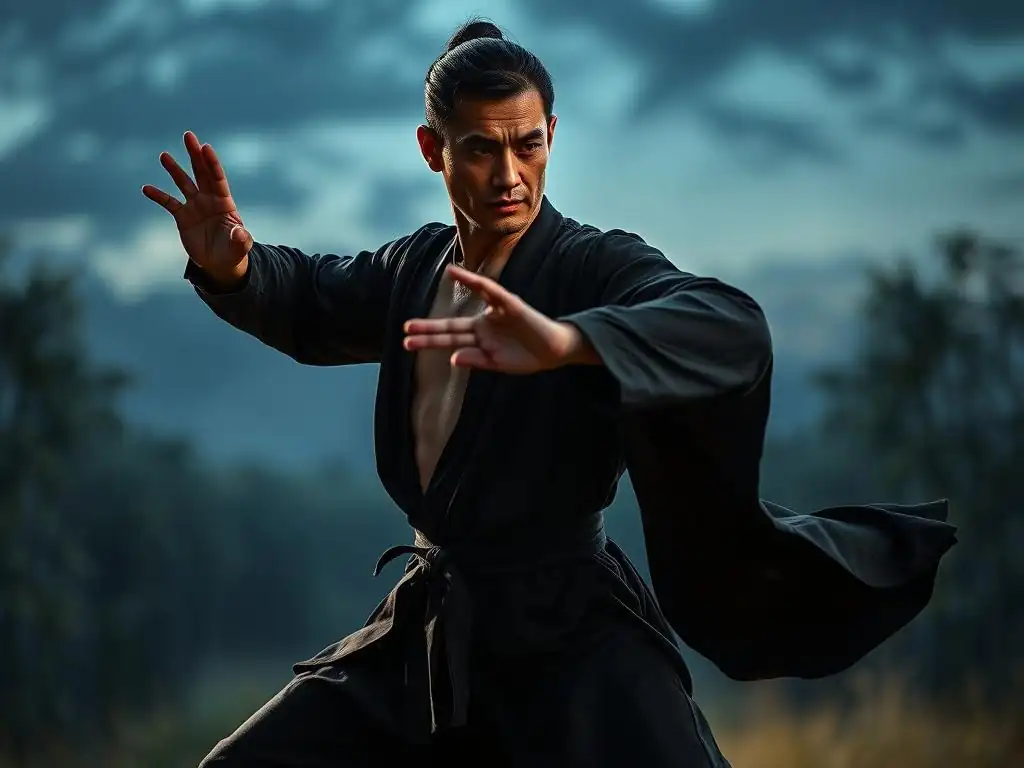
Welcome to Martial Arts Mastery, where we delve into the rich tapestry of global combat traditions! Ever wonder how a seemingly gentle movement can generate immense power? Today, we unlock the secrets of Yang Tai Chi Stance Alignment. Discover how precise posture, from your rooted base to your aligned crown, is the key to unlocking the flow of qi and maximizing the benefits of this ancient art. Prepare to refine your practice and elevate your understanding – the journey to mastery begins here.
- Understanding Yang Tai Chi Stance Alignment for Optimal Performance
- Foundational Yang Tai Chi Stances and Alignment Principles
- Core Alignment Principles in Yang Tai Chi Stances
- Common Alignment Mistakes and How to Correct Them
- Drills and Exercises for Enhancing Yang Tai Chi Stance Alignment
- Benefits of Correct Yang Tai Chi Stance Alignment
- Advanced Alignment Concepts in Yang Tai Chi
- Conclusion: The Journey to Perfect Yang Tai Chi Stance Alignment
-
Frequently Asked Questions
- How important is proper stance alignment in Yang Tai Chi?
- What are the key alignment points to consider in Yang Tai Chi stances?
- How can improper alignment negatively impact my Yang Tai Chi practice?
- What are some common alignment mistakes beginners make in Yang Tai Chi stances?
- How can I improve my Yang Tai Chi stance alignment?
- Final Reflection: Embracing Balance and Flow
- Unleash Your Inner Balance: Begin Your Tai Chi Journey Today!
Understanding Yang Tai Chi Stance Alignment for Optimal Performance
Proper Yang Tai Chi stance alignment is fundamental to unlocking the full potential of this profound martial art. It's not merely about adopting a specific shape; it's about creating a stable, balanced, and connected structure that allows energy, or Qi, to flow freely throughout the body. This foundational alignment supports all movements, from the most subtle shifts to powerful Fajin releases, ensuring efficiency and reducing the risk of injury. Mastering the correct Yang Tai Chi stance alignment is the first step in cultivating internal strength and achieving true mastery.
Effective Yang Tai Chi stance alignment provides the essential framework upon which all subsequent techniques are built. Think of it as the root system of a tree – a strong, well-aligned base allows the branches (movements) to reach and flourish. Without proper alignment, practitioners often struggle with balance issues, joint strain, and the inability to generate coordinated power. It is the cornerstone that facilitates the integration of mind, body, and spirit, transforming static postures into dynamic, living structures capable of expressing the core principles of Tai Chi Chuan.
The Importance of Proper Posture in Yang Style Tai Chi Chuan
Proper posture is the bedrock of effective Yang Tai Chi stance alignment. It dictates how weight is distributed, how joints are stacked, and how the body's structure supports itself against gravity. In Yang style, emphasis is placed on a relaxed yet upright posture, often described as having the head suspended as if by a string from above, allowing the vertebrae to naturally align. This vertical alignment is crucial for minimizing muscular tension and facilitating the downward rooting of energy while allowing upward expansion.
Maintaining correct posture in Yang Tai Chi ensures that the skeletal structure bears the majority of the body's weight, rather than the muscles. This principle, vital for achieving optimal Yang Tai Chi stance alignment, allows muscles to remain supple and responsive, ready to move without resistance. For instance, a common postural error like tilting the pelvis forward or backward can significantly disrupt the natural curve of the spine, leading to lower back pain and hindering the flow of energy. Correcting this single element of posture can dramatically improve stability and comfort in all stances.
Achieving Balance and Stability Through Correct Stance Alignment
Balance and stability are direct outcomes of precise Yang Tai Chi stance alignment. When the body is correctly aligned, the center of gravity is low and centered within the base of support provided by the feet. This allows for effortless transitions between postures and movements, maintaining equilibrium even during complex sequences or when interacting with an external force. A stable stance isn't rigid; it's resilient, capable of absorbing and redirecting force.
Correct Yang Tai Chi stance alignment distributes weight intelligently across the feet and through the legs, creating a solid connection to the ground. For example, in a well-aligned stance, weight is typically distributed more towards the bubbling well point (K'u Ch'uan, Kidney 1) on the sole, promoting rooting.
If alignment is off – say, leaning too far forward or backward – the center of gravity shifts outside the optimal base, requiring muscular effort to prevent falling, which inhibits relaxation and fluid movement. Achieving this balanced distribution through diligent Yang Tai Chi stance alignment practice is key to developing intrinsic stability.
Foundational Yang Tai Chi Stances and Alignment Principles
The Yang style of Tai Chi Chuan utilizes several core stances that serve as the building blocks for its forms and applications. Each stance has specific alignment requirements designed to optimize balance, stability, and energy flow. Understanding and meticulously practicing the alignment principles for these foundational postures is essential for progression in the art. These stances include the Bow Stance (Gong Bu), the Empty Stance (Xu Bu), and the Horse Stance (Ma Bu).
Mastery of these fundamental stances is crucial for developing robust Yang Tai Chi stance alignment. They represent different ways of distributing weight and structuring the body to meet varying demands. The ability to transition smoothly and maintain proper alignment within and between these stances is a hallmark of advanced practice. Diligent attention to detail in these basic positions lays the groundwork for more complex movements and deeper internal cultivation.
Mastering the Bow Stance (Gong Bu) in Yang Tai Chi
The Bow Stance, or Gong Bu, is one of the most frequently used stances in Yang style Tai Chi. It is a dynamic forward-weighted stance used for advancing, striking, and deflecting. Proper Yang Tai Chi stance alignment in Gong Bu involves a specific relationship between the front and back legs, the torso, and the hips to ensure power generation and stability. The goal is to create a strong, rooted connection to the ground while maintaining flexibility and readiness for movement.
Achieving correct Gong Bu alignment requires attention to several key points simultaneously. The front knee should be bent and aligned over the toes, but not extending past them, typically forming an angle of around 90-120 degrees depending on the depth. The back leg remains relatively straight but not locked, with the foot angled outward, often between 45 and 90 degrees, to provide a stable base. The torso should be upright, facing forward, with the hips aligned towards the direction of movement. This specific Yang Tai Chi stance alignment allows for powerful forward momentum while maintaining balance.
Rooting the Back Leg in the Bow Stance
Rooting the back leg is critical for stability and power generation in the Bow Stance. The back foot should be firmly connected to the ground, with weight distributed through the outside edge and heel. The foot is typically angled outwards (e.g., 45-60 degrees) to allow the hip to open and the waist to turn, facilitating smooth transitions and power delivery from the ground up.
Maintaining a straight (but not locked) back leg allows the force generated from the ground to travel up through the leg and torso. The outward angle of the back foot in this Yang Tai Chi stance alignment prevents the knee from collapsing inward and helps maintain a stable base, resisting backward forces. Neglecting the rooting of the back leg often results in a weak stance that is easily disrupted.
Maintaining Spinal Alignment in the Bow Stance
Maintaining a straight and relaxed spine is paramount in the Bow Stance. The torso should remain upright, aligned with the hips, avoiding leaning forward over the front leg or backward. This upright posture allows the Dan Tian (lower abdomen) to act as the body's center, facilitating balanced weight distribution and supporting internal energy flow.
Proper spinal alignment in this Yang Tai Chi stance ensures that the force transmitted from the legs can travel efficiently through the torso and out through the arms. Leaning or tilting the spine disrupts this kinetic chain and places undue stress on the lower back and knees. The feeling should be one of being suspended from above while rooted below.
Knee and Ankle Alignment in the Front Leg
The alignment of the front knee and ankle is a critical aspect of safe and effective Bow Stance. The front knee should bend directly over the foot, specifically aligning with the second or third toe. The ankle should be stacked vertically under the knee when viewed from the side, ensuring the tibia is perpendicular to the ground.
Allowing the front knee to collapse inward or drift outward puts significant torque on the knee joint, increasing injury risk. Similarly, if the knee extends too far past the toes, it strains the knee and ankle. Correct Yang Tai Chi stance alignment here ensures that the joint is properly supported and that force is transferred safely through the leg.
The Empty Stance (Xu Bu) and Weight Distribution
The Empty Stance, or Xu Bu, is characterized by having the vast majority of the weight (often cited as 80-100%) on the back leg, with the front foot lightly touching the ground. It is a transitional stance, used for shifting weight, changing direction, and preparing for kicks or other movements. The lightness of the front foot allows for quick changes and responses.
Mastering the Empty Stance requires precise control over weight distribution and balance. The back leg must be strong and stable, providing a solid base while the front leg remains relaxed and ready. This dynamic balance, central to Yang Tai Chi stance alignment in Xu Bu, allows the practitioner to be both grounded and agile.
Achieving a Stable Empty Stance
Achieving stability in Xu Bu relies heavily on the strength and alignment of the weighted back leg. The back knee should be bent, and the hip should be relaxed and sunk. The torso remains upright, centered over the back leg, avoiding leaning. The front foot rests lightly on the ball of the foot or heel, providing minimal support.
The key to a stable Empty Stance in Yang Tai Chi is ensuring the center of gravity is firmly anchored over the back foot. Any leaning or rigidity in the upper body compromises this stability, making it difficult to maintain the posture or transition smoothly.
Shifting Weight Effectively in Xu Bu
The Empty Stance is inherently linked to the principle of shifting weight. From Xu Bu, weight can be quickly transferred forward into a Bow Stance or another posture, or the front leg can be lifted for a kick or step. This effective weight shifting is facilitated by the precise Yang Tai Chi stance alignment.
The ability to shift weight smoothly and efficiently relies on a relaxed and connected structure. The energy for the shift originates from the weighted leg, guided by the waist and torso, allowing the body to move as a single unit. Hesitation or rigidity in the transfer indicates a lack of proper alignment or internal connection.
Maintaining Upright Posture in the Empty Stance
Maintaining an upright and relaxed posture is just as crucial in the Empty Stance as in other stances. The torso should be vertical, with the head suspended, preventing the tendency to lean back onto the weighted leg or slouch. This uprightness allows the Qi to descend and root while maintaining readiness.
Correct posture in Xu Bu ensures that the spine is aligned, supporting the weight efficiently and allowing for free movement of the upper body. Leaning backward in this Yang Tai Chi stance puts excessive strain on the back leg and hip and makes it difficult to initiate forward movements or maintain balance if pushed.
The Horse Stance (Ma Bu) and Leg Strength
The Horse Stance, or Ma Bu, is a fundamental stance used for building leg strength, stability, and a strong root. It is a symmetrical, low stance where the feet are parallel and typically twice shoulder-width apart. The knees are bent, and the hips are sunk, creating a powerful, grounded base.
Ma Bu is excellent for developing quadriceps strength and deepening the connection to the earth. Proper Yang Tai Chi stance alignment in the Horse Stance focuses on sinking the hips while keeping the torso upright and the feet firmly planted. It's a challenging stance that demands both physical strength and mental focus to maintain relaxation within tension.
Proper Width and Depth in Ma Bu
The width and depth of the Horse Stance are critical for achieving its benefits and avoiding strain. The feet should be parallel, pointing straight forward, at a distance roughly twice the width of the shoulders. The knees should bend outwards, tracking over the feet, and the hips should sink as if sitting on a stool.
The depth of the stance can vary with practice level, but the knees should ideally be at or below hip level for advanced practitioners, while beginners might start higher. Regardless of depth, proper Yang Tai Chi stance alignment requires the knees to track correctly and the back to remain upright, not rounded or excessively arched.
Engaging the Core in the Horse Stance
Engaging the core, particularly the Dan Tian area, is essential for maintaining proper alignment and stability in the Horse Stance. The Dan Tian acts as the central pivot point, helping to keep the torso upright and balanced over the wide base. The abdominal muscles should be gently engaged, supporting the lower back.
A strong core engagement prevents the lower back from taking excessive strain and helps distribute the effort throughout the legs and torso. This core connection is a key element of effective Yang Tai Chi stance alignment, linking the upper and lower body into a cohesive unit.
Avoiding Common Mistakes in Ma Bu Alignment
Several common mistakes can undermine the benefits of the Horse Stance and lead to discomfort or injury. These include allowing the knees to collapse inward, letting the feet turn outwards, rounding the back, or leaning the torso forward. Each of these issues compromises the structural integrity of the stance.
Correcting these errors involves conscious attention to knee direction, foot position, and spinal alignment. For instance, if knees collapse inward, focusing on pushing them gently outward while sinking the hips helps correct the Yang Tai Chi stance alignment and strengthens the correct muscle groups. Consistent self-correction is vital.
Core Alignment Principles in Yang Tai Chi Stances
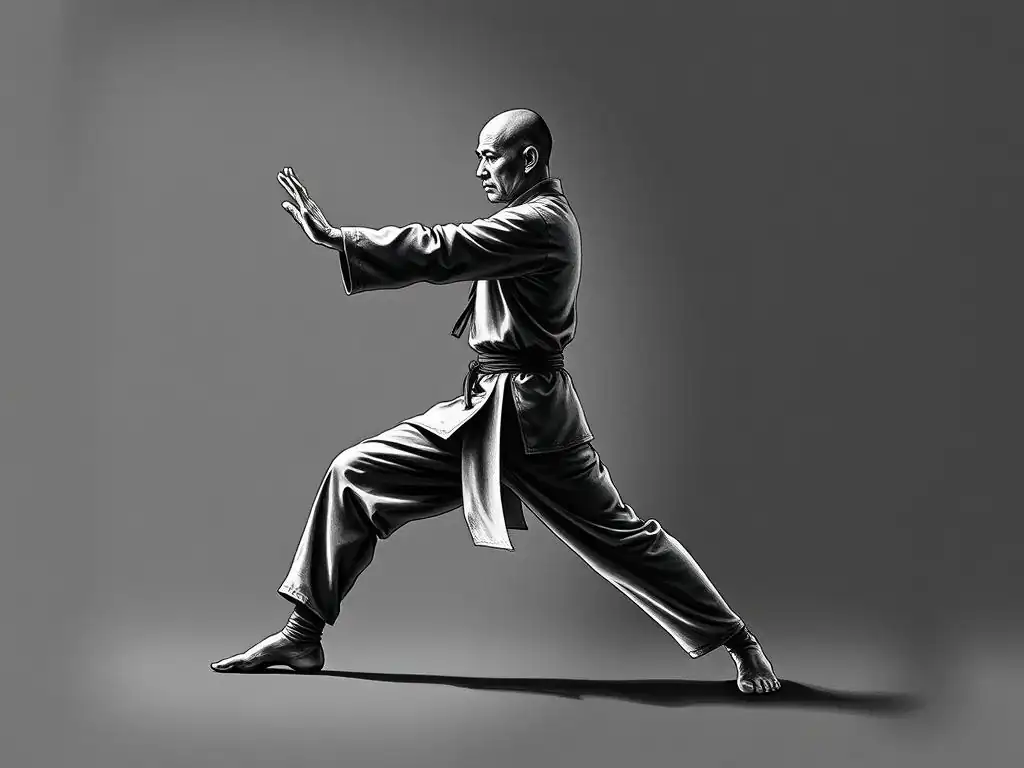
Beyond the specific requirements of individual stances, several core principles of Yang Tai Chi stance alignment apply across the board. These principles relate to how different parts of the body should relate to each other to facilitate optimal structure, balance, and energy flow. They are the underlying mechanics that make Tai Chi stances effective.
Understanding and applying these core principles is what distinguishes mere posture holding from true Yang Tai Chi stance alignment. They ensure that the body functions as a connected, integrated system, rather than a collection of isolated parts. Attention to these principles enhances rooting, stability, and the ability to generate and absorb force.
The Role of the Dan Tian in Stance Stability
The Dan Tian, located a few inches below the navel, is considered the center of gravity and the source of internal energy in Tai Chi. In every Yang Tai Chi stance, the Dan Tian should feel centered and stable, acting as the pivot point for all movements and weight shifts. Sinking the Qi to the Dan Tian helps lower the center of gravity, significantly enhancing stability.
Focusing on the Dan Tian helps integrate the upper and lower body. It prevents the tendency to rely solely on muscular strength and encourages the use of whole-body power. Maintaining the Dan Tian as the central reference point is a crucial aspect of correct Yang Tai Chi stance alignment.
Maintaining a Straight Spine: Avoiding Leaning and Tilting
A straight and relaxed spine is fundamental to all Yang Tai Chi stances. The head should be lifted as if suspended (Bai Hui point), the chin slightly tucked, and the lower back relaxed and flattened (tucked pelvis). This alignment allows the spine to function as a flexible column, transmitting force and facilitating energy flow.
Leaning forward, backward, or sideways, or tilting the pelvis, disrupts this natural alignment and puts unnecessary strain on the musculoskeletal system. For instance, leaning forward by just 10 degrees can increase the load on the lumbar spine by over 50%. Avoiding these postural errors is essential for effective and safe Yang Tai Chi stance alignment.
Shoulder and Hip Alignment for Energy Flow
Proper alignment of the shoulders and hips is crucial for allowing energy to flow freely and for coordinating upper and lower body movements. The shoulders should be relaxed and sunk, not raised or tense. The hips should be relaxed and squared or turned appropriately for the specific stance, allowing the waist to lead movements.
Tension in the shoulders blocks energy flow to the arms. Locked or misaligned hips restrict the movement of the waist, which is considered the motor of movement in Tai Chi. Correct Yang Tai Chi stance alignment involves sinking the shoulders and relaxing the hips, ensuring a smooth connection between the torso and the limbs.
Common Alignment Mistakes and How to Correct Them
Despite the emphasis on precise form, practitioners commonly make certain alignment mistakes in Yang Tai Chi stances. Recognizing and correcting these errors is a vital part of the learning process. Often, these mistakes stem from tension, lack of understanding of the underlying principles, or simply habit.
Addressing these common issues systematically improves the effectiveness and safety of one's Tai Chi practice. Correcting Yang Tai Chi stance alignment errors often requires patience, self-awareness, and consistent effort, sometimes guided by an instructor.
Addressing Knee Pain in Yang Tai Chi Stances
Knee pain is a common complaint among Tai Chi practitioners, often directly linked to improper Yang Tai Chi stance alignment. The most frequent causes include allowing the knee to collapse inward or extend too far past the toes in stances like Gong Bu or Ma Bu, or locking the knee in the back leg.
To address knee pain, focus on ensuring the knee tracks directly over the foot (specifically the second or third toe) in bent-leg stances. In the Bow Stance, ensure the front knee does not go past the toes and the back leg is straight but not locked. In the Horse Stance, actively push the knees outward. Reducing the depth of the stance can also help initially, gradually increasing depth as strength and flexibility improve while maintaining correct Yang Tai Chi stance alignment.
Correcting Lower Back Strain Through Proper Alignment
Lower back strain is another prevalent issue, typically caused by poor spinal alignment or pelvic tilt in Yang Tai Chi stances. Common errors include arching the lower back (anterior pelvic tilt) or rounding the lower back (posterior pelvic tilt), both of which put undue stress on the lumbar vertebrae and surrounding muscles.
Correcting lower back strain involves consciously relaxing the lower back and gently tucking the pelvis under, as if sitting on the tailbone. This action flattens the lumbar curve and aligns the spine. Simultaneously, focus on lifting the crown of the head to lengthen the spine. Maintaining this upright, relaxed spinal posture is key to proper Yang Tai Chi stance alignment and alleviating back strain.
Improving Balance and Stability by Fixing Posture
Poor balance and instability in Yang Tai Chi stances are almost always a result of incorrect Yang Tai Chi stance alignment and posture. Leaning, having the center of gravity too high, or improperly distributing weight prevents the practitioner from establishing a solid root.
To improve balance, focus on sinking the hips and shoulders, lowering the center of gravity towards the Dan Tian. Ensure weight is distributed correctly according to the specific stance requirements (e.g., 70/30 in Gong Bu, 100/0 or 80/20 in Xu Bu, 50/50 in Ma Bu). Practice sinking and rising movements slowly, paying attention to how weight shifts through the feet. Consistent practice with attention to these Yang Tai Chi stance alignment details will gradually improve stability.
Drills and Exercises for Enhancing Yang Tai Chi Stance Alignment
Beyond practicing the form itself, specific drills and exercises can significantly help improve Yang Tai Chi stance alignment. These targeted practices isolate elements of stance work, allowing practitioners to focus intently on specific aspects of posture, weight distribution, and body structure.
Incorporating these drills into a regular training routine can accelerate the development of correct Yang Tai Chi stance alignment, building muscle memory and increasing awareness of the body's positioning. They provide valuable feedback and help solidify the foundational principles.
Wall Drills for Posture Correction
Wall drills are excellent for correcting spinal alignment and understanding the concept of an upright torso in Yang Tai Chi stances. Stand with your back against a wall, heels a few inches away. Ensure your head (Bai Hui), upper back, and tailbone are lightly touching the wall. Practice sinking into various stances (like a high Ma Bu or a shallow Gong Bu) while maintaining contact with the wall.
This drill helps identify tendencies to lean forward or backward and encourages a naturally erect posture. It provides immediate tactile feedback on whether the spine is straight and the pelvis is correctly tucked, reinforcing proper Yang Tai Chi stance alignment.
Partner Exercises for Feeling Proper Alignment
Partner exercises can provide external feedback to help a practitioner feel correct Yang Tai Chi stance alignment. For instance, a partner can gently try to push you off balance in a stance. If your alignment is correct and rooted, you should feel stable and able to absorb or redirect the force. If you are easily pushed or feel unstable, it indicates an alignment issue.
Another exercise involves a partner placing a hand lightly on your shoulder or hip while you sink into a stance, providing feedback on whether you are collapsing or remaining upright. These exercises help develop sensitivity to whether your Yang Tai Chi stance alignment is truly stable and connected.
Solo Practice for Refining Stance Technique
Dedicated solo practice, focusing only on holding and transitioning between foundational stances, is crucial for refining Yang Tai Chi stance alignment. Spend time in each stance, checking your alignment against the key principles: head suspended, shoulders sunk, elbows dropped, chest relaxed, back straight, waist relaxed, hips sunk, knees bent and tracking correctly, feet rooted.
Use a mirror or video recording to observe your form and identify deviations from correct Yang Tai Chi stance alignment. Practice transitioning slowly between stances, paying attention to the smooth transfer of weight and the maintenance of upright posture throughout the movement. This mindful solo practice builds deep body awareness.
Benefits of Correct Yang Tai Chi Stance Alignment
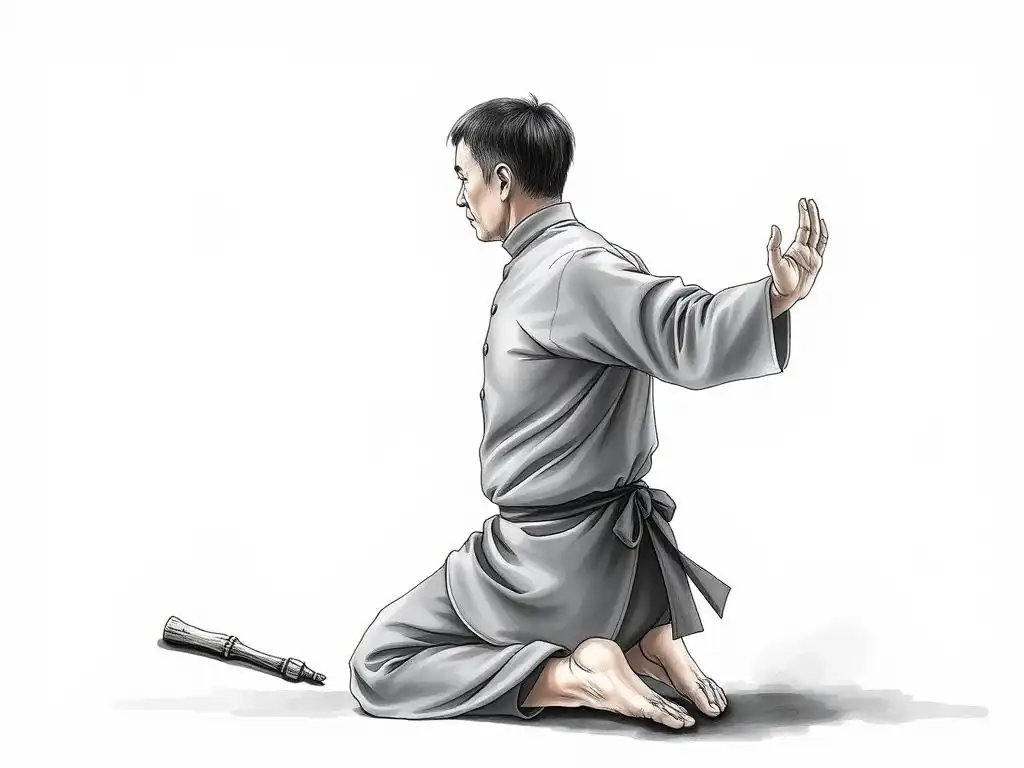
The diligent effort invested in achieving correct Yang Tai Chi stance alignment yields numerous benefits that extend far beyond the physical postures themselves. These advantages impact the practitioner's physical health, internal energy cultivation, and overall effectiveness in the art.
The benefits are cumulative; as Yang Tai Chi stance alignment improves, so does the ability to relax, root, and move with integrated power. This leads to a more profound experience of Tai Chi as both a health practice and a martial art.
Increased Power and Efficiency in Movements
Proper Yang Tai Chi stance alignment facilitates the efficient transfer of force from the ground up through the body. When the skeletal structure is correctly stacked and the joints are aligned, the body acts as a unified kinetic chain. This allows for the generation of significant power with minimal muscular effort, a core principle of Tai Chi.
Movements become more fluid and less taxing. The practitioner can generate "whole-body power" rather than relying on isolated muscle strength. This increased efficiency is a direct result of a well-aligned structure that allows energy and force to travel unimpeded.
Injury Prevention Through Proper Biomechanics
Correct Yang Tai Chi stance alignment is paramount for preventing injuries. By ensuring that joints are properly stacked and supported, stress on ligaments, tendons, and cartilage is minimized. For instance, correctly aligning the knee over the foot prevents twisting forces on the joint.
Proper posture and weight distribution reduce strain on the lower back, hips, and ankles. Practicing with correct Yang Tai Chi stance alignment builds strength and flexibility in the muscles and connective tissues in a balanced way, making the body more resilient and less prone to common musculoskeletal issues.
Enhanced Energy Flow (Qi) and Circulation
In Tai Chi philosophy, correct Yang Tai Chi stance alignment is essential for allowing Qi (vital energy) and blood to circulate freely throughout the body. Tension, blockages, and misalignment impede this flow, leading to stagnation and discomfort.
When the body is relaxed and properly aligned, channels (meridians) are open, and circulation is enhanced. This improved flow is believed to contribute to better health, increased vitality, and a sense of internal lightness and power. The feeling of "rooting" and "suspension" cultivated through proper Yang Tai Chi stance alignment directly supports this enhanced energy flow.
Advanced Alignment Concepts in Yang Tai Chi
As a practitioner progresses, the focus on Yang Tai Chi stance alignment evolves from basic structural correctness to more subtle internal refinements. Advanced alignment involves integrating the entire body into a single, interconnected unit, maximizing internal power and responsiveness.
These advanced concepts build upon the foundational principles, requiring a deeper level of body awareness and internal sensitivity. They are often explored through prolonged stance holding (Zhan Zhuang) and mindful practice of the form.
Integrating Whole-Body Movement with Stance Alignment
At an advanced level, Yang Tai Chi stance alignment is not static; it is dynamic. The alignment principles are maintained during movement and transitions. The goal is for the entire body – feet, legs, waist, torso, arms, head – to move together as a single, integrated unit, guided by the Dan Tian.
This integration means that a movement originating from the waist is supported by the legs and feet through correct stance alignment and expressed through the arms and hands. There are no isolated movements; every action involves the whole body working in concert, facilitated by continuous, subtle adjustments to the Yang Tai Chi stance alignment.
Subtle Adjustments for Maximizing Internal Power
Advanced practitioners pay attention to subtle internal alignments that enhance Qi and internal power ( Jing). This includes concepts like "opening and closing" the joints, maintaining internal spaciousness, and using intention ( Yi) to guide the energy. It's about finding the optimal internal configuration within the external stance.
These subtle adjustments involve relaxing areas often held with unconscious tension (e.g., groins, armpits, wrists) and aligning internal structures (e.g., feeling the connection between the soles of the feet and the crown of the head). This level of refinement in Yang Tai Chi stance alignment allows for the expression of sophisticated internal energy.
Applying Alignment Principles in Form Practice
Applying advanced Yang Tai Chi stance alignment principles in the continuous flow of the form is the ultimate test of understanding. It requires maintaining awareness of structure, balance, and connection through complex transitions and varied postures.
The form becomes a moving meditation where each step, shift, and movement is an opportunity to refine and embody the principles of Yang Tai Chi stance alignment. The goal is effortless movement that is deeply rooted and internally connected, demonstrating the culmination of dedicated practice.
Conclusion: The Journey to Perfect Yang Tai Chi Stance Alignment
Mastering Yang Tai Chi stance alignment is a lifelong journey, requiring patience, persistence, and mindful practice. It is the bedrock upon which all other aspects of Tai Chi Chuan are built. From understanding the basic principles of weight distribution and posture in foundational stances like Gong Bu, Xu Bu, and Ma Bu, to integrating subtle internal alignments in advanced practice, attention to detail is key.
By consistently focusing on correct Yang Tai Chi stance alignment, practitioners not only improve their physical structure, balance, and power but also cultivate deeper internal awareness and energy flow. Overcoming common mistakes through targeted drills and self-correction is part of this process. Ultimately, achieving optimal Yang Tai Chi stance alignment allows the practitioner to embody the principles of relaxation, rooting, and integrated movement, leading to profound benefits for health, vitality, and martial skill.
Frequently Asked Questions
How important is proper stance alignment in Yang Tai Chi?
Proper stance alignment is crucial for stability, efficient power generation, and preventing injuries. It's the foundation upon which all movements are built.
What are the key alignment points to consider in Yang Tai Chi stances?
Focus on aligning your feet, knees, hips, and spine. Maintaining a straight line from the root (feet) to the crown (head) is vital.
How can improper alignment negatively impact my Yang Tai Chi practice?
Poor alignment can lead to muscle strain, joint pain, and reduced balance. It also hinders your ability to generate and channel energy effectively.
What are some common alignment mistakes beginners make in Yang Tai Chi stances?
Common mistakes include locking the knees, leaning forward, and rounding the back. Conscious effort is needed to correct these imbalances.
How can I improve my Yang Tai Chi stance alignment?
Regular practice with attention to detail is key. Seek guidance from a qualified instructor who can provide personalized feedback and corrections.
Final Reflection: Embracing Balance and Flow
The journey through Yang Tai Chi stance alignment, as explored in this article, is more than just a physical exercise; it's a pathway to harmonizing body and mind in the present moment. In a world often characterized by speed and disconnection, the deliberate practice of these stances offers a powerful antidote, grounding us in our physical selves and fostering a deeper sense of inner peace.
The profound influence of Yang Tai Chi extends far beyond the studio or park. It's a constant reminder of the interconnectedness of all things, a lesson in finding stability amidst change. The principles of alignment, balance, and flow permeate our daily lives, encouraging us to approach challenges with grace and resilience. As the ancient proverb states: A journey of a thousand miles begins with a single step.
Each perfectly aligned stance is a step on that journey, a testament to the power of mindful movement.
Now, as you step away from this article, consider how you can integrate the lessons of Yang Tai Chi into your own life. Can you find moments of stillness amidst the chaos? Can you cultivate a deeper awareness of your body's alignment, both physically and metaphorically? Embrace the flow, find your balance, and allow the wisdom of Yang Tai Chi to guide you towards a more centered and harmonious existence.
Unleash Your Inner Balance: Begin Your Tai Chi Journey Today!
Thank you for exploring the art of Yang Tai Chi with us. We hope you’ve gained valuable insights into achieving postural alignment and grounding through its fundamental stances. Now it's time to translate that knowledge into action and experience the profound benefits firsthand.
Here’s how you can continue your journey:
- Immediately incorporate the principles of root and alignment into your daily Tai Chi practice. Feel the difference it makes in your stability and flow.
- Explore other stances beyond those discussed, such as the Empty Stance or the Horse Stance, and observe how the same alignment principles apply.
- Share your experience with a Tai Chi partner or in an online forum. Compare your findings and learn from each other’s journeys.
What subtle shifts in your body awareness did you notice when focusing on the root in your stances, and how did it impact your overall balance?