
Generating Power in Hapkido Strikes: Hip Rotation, Weight Transfer, and Body Mechanics

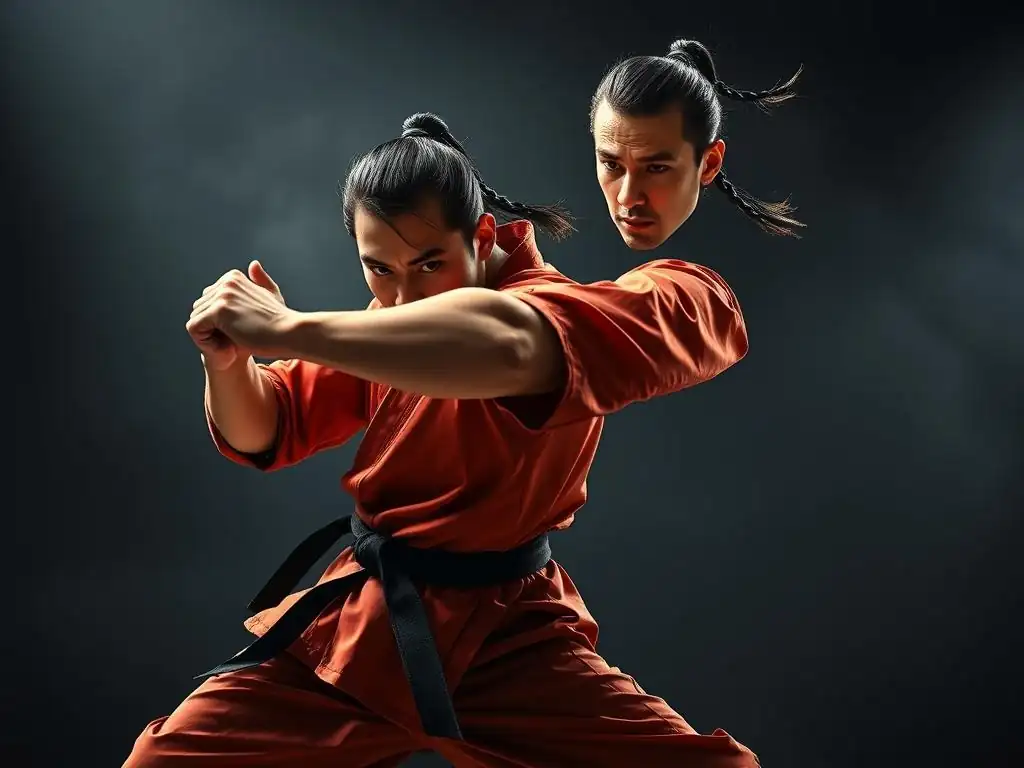
Welcome to Martial Arts Mastery, your ultimate resource for exploring the diverse world of combat! Delve into the intricate details of martial arts, from historical origins to cutting-edge techniques. Ever wondered how to unleash devastating force with seemingly effortless movements? Today, we unlock the secrets behind Hapkido strike power techniques. Discover how mastering hip rotation, weight transfer, and body mechanics can elevate your strikes to a whole new level of effectiveness. Intrigued? Keep reading to uncover the key principles that separate a good strike from a truly powerful one.
- Understanding Hapkido Strike Power Techniques: Enhancing Hip Rotation, Weight Transfer, and Body Mechanics
- The Role of Hip Rotation in Maximizing Hapkido Strike Power
- Weight Transfer Dynamics in Hapkido Strikes: Building Effective Power
- Body Mechanics Principles for Developing Powerful Hapkido Strikes
- Integrating Hip Rotation, Weight Transfer, and Body Mechanics in Hapkido Strike Power Techniques
- Advanced Tips for Enhancing Hapkido Strike Power Through Mechanics
- Conclusion: Mastering Hapkido Strike Power Techniques for Effective Martial Arts Practice
-
Frequently Asked Questions
- How important is hip rotation in generating power for Hapkido strikes?
- What role does weight transfer play in Hapkido strike power techniques?
- What are some key body mechanics to focus on when practicing Hapkido strike power?
- How does understanding the history of Hapkido contribute to improving strike power?
- Are Hapkido strike power techniques only useful for self-defense?
- Final Reflection: Unleashing the Force Within
- Unlock Your Striking Potential Now!
Understanding Hapkido Strike Power Techniques: Enhancing Hip Rotation, Weight Transfer, and Body Mechanics
The Importance of Generating Power in Hapkido Strikes
In Hapkido, a martial art renowned for its dynamic joint locks, throws, and diverse striking repertoire, developing effective power in strikes is paramount. While Hapkido emphasizes deflection, redirection, and joint manipulation, the ability to deliver a powerful strike can be crucial for creating openings, breaking an opponent's balance, or ending an encounter swiftly when necessary.
Unlike arts solely focused on striking, Hapkido strikes are often integrated into complex sequences involving takedowns or follow-up joint locks. Therefore, generating significant force efficiently allows practitioners to transition smoothly and maintain control.
For instance, a well-executed palm heel strike to the jaw might not be intended as a knockout blow but could momentarily stun an attacker, providing the crucial second needed to apply a wrist lock or execute a throw. Mastering Hapkido strike power techniques is not just about brute force; it's about applying biomechanical principles to maximize impact with minimal effort, conserving energy for the overall complexity of Hapkido techniques.
The practical application of powerful Hapkido strikes extends across various scenarios. In self-defense, a strong strike can deter an aggressor or create distance. In training, developing this power enhances precision and control. Consider the difference between a weak punch and a powerful one: the latter, even when pulled, provides a much clearer sense of the potential impact and helps refine targeting and timing.
Furthermore, understanding how to generate power safely reduces the risk of injury to the practitioner. For example, improper striking mechanics can lead to wrist sprains, shoulder issues, or elbow problems over time. By focusing on core principles like hip rotation, weight transfer, and overall body mechanics, Hapkido practitioners build a foundation for effective and sustainable striking power, integrating seamlessly with the art's grappling and throwing aspects. This holistic approach to Hapkido strike power techniques ensures that striking is a valuable, integrated tool within the Hapkido system.
Overview of Key Elements: Hip Rotation, Weight Transfer, and Body Mechanics
Generating truly impactful Hapkido strike power techniques is not a matter of simply swinging your limbs harder. It's a sophisticated integration of several fundamental biomechanical principles. At the core are three primary elements: hip rotation, weight transfer, and overall body mechanics.
Hip rotation acts as the engine of many powerful strikes, particularly punches and kicks. The rotational force generated from the hips is transferred up through the core and into the striking limb, significantly multiplying the force compared to arm or leg strength alone. Think of a baseball pitcher or a golfer; the power doesn't come just from the arm swing but from the winding and unwinding of the torso and hips.
Weight transfer is the dynamic shifting of your body's mass during the strike. This involves moving your weight from one foot to another or utilizing gravity and momentum to add mass behind the impact. A simple example is stepping forward with a punch, transferring weight from the back foot to the front foot as the strike lands. This adds the mass of your body to the force of the strike.
Finally, body mechanics encompasses the coordinated movement and alignment of the entire body. This includes proper posture, balance, core engagement, and the efficient sequencing of muscle activation. Effective body mechanics ensures that hip rotation and weight transfer are utilized optimally, that force is directed accurately towards the target, and that the practitioner remains stable and balanced throughout the technique. Mastering these three elements is foundational for developing powerful and efficient Hapkido strike power techniques.
The Role of Hip Rotation in Maximizing Hapkido Strike Power
Biomechanics of Hip Rotation in Martial Arts Strikes
Hip rotation is arguably the most critical component in generating substantial power for many martial arts strikes, including those in Hapkido. The power originates from the ground reaction force transmitted up through the legs into the hips. As the hips rotate, they act like a powerful spring, transferring rotational kinetic energy through the core and into the striking limb.
Consider a basic Hapkido punch, like a straight punch or a hook. Without hip rotation, the punch relies primarily on shoulder and arm muscles, limiting its force and range. However, initiating the movement by pivoting on the ball of the rear foot and rotating the hips allows the much larger and stronger muscles of the glutes and core to contribute significantly to the strike's velocity and impact.
This rotational energy transfer follows a kinetic chain principle. The force begins with the feet gripping the ground, moves up through the ankles, knees, and thighs, culminates in the powerful rotation of the pelvis, and then travels through the torso, shoulder, elbow, and finally into the fist or other striking surface. Studies in sports biomechanics have shown that rotational power generated from the hips and core can account for a significant portion of the force in striking movements.
For example, research on boxing punches suggests that hip and torso rotation contribute upwards of 40-50% of the total force generated. While specific data for Hapkido is less documented, the biomechanical principles are universal. Applying this understanding to Hapkido strike power techniques allows practitioners to generate much more force than relying solely on upper body strength.
Techniques to Improve Hip Rotation for Stronger Hapkido Strikes
Improving hip rotation for enhanced Hapkido strike power techniques involves specific training and conscious application during practice. One fundamental technique is focusing on pivoting the foot simultaneous with the hip turn. For a rear-hand strike (like a punch or backfist), the rear foot should pivot on the ball of the foot, allowing the hip on that side to rotate forward.
For a lead-hand strike, the lead foot might pivot or adjust to facilitate forward hip rotation. Drills focusing solely on this pivot-and-rotate motion, without the strike initially, can help isolate and strengthen the movement pattern. Practicing turning exercises or kata-like sequences that emphasize hip rotation can also be beneficial.
Another key technique is engaging the core muscles. The abdominal and lower back muscles act as a crucial link in the kinetic chain, transferring power from the hips to the upper body. Strengthening these muscles through exercises like planks, twists, and medicine ball throws can significantly improve the efficiency and speed of hip rotation and power transfer. Furthermore, flexibility in the hips and torso is vital.
Tight hip flexors or a stiff back can restrict the range of motion needed for effective rotation. Incorporating stretches like hip flexor stretches, torso twists, and hamstring stretches can improve flexibility and allow for a fuller, more powerful hip turn when executing Hapkido strike power techniques. Consistent practice focusing on the feeling of the hips leading the movement is essential for internalizing this technique.
Common Mistakes in Hip Rotation and How to Correct Them
Several common mistakes can hinder effective hip rotation and limit Hapkido strike power techniques. One frequent error is failing to pivot the foot, which locks the hip and prevents proper rotation. The hip ends up just shifting sideways rather than rotating. Correction: Consciously practice pivoting on the ball of the foot, allowing the heel to lift slightly off the ground as the hip turns. Drill this movement slowly at first, ensuring the foot, knee, and hip move in coordination.
Another mistake is leading with the shoulder or arm instead of the hip. This breaks the kinetic chain, and the power generated is primarily from the upper body. Correction: Focus on initiating the strike from the ground up, feeling the power build from the feet, through the legs, and into the hips before the shoulder and arm engage fully. Shadowboxing with an emphasis on hip-first movement can be very effective.
A third common issue is insufficient core engagement during rotation. Without a strong, stable core, the power generated by the hips dissipates before it reaches the striking limb. Correction: Actively brace your abdominal muscles during the rotation. Imagine your core as a solid bridge connecting your lower and upper body. Incorporate core strengthening exercises regularly into your training regimen.
Finally, sometimes practitioners over-rotate or rotate too early, losing balance or timing. Correction: Practice strikes slowly, focusing on coordinating the hip rotation with the extension of the strike. The rotation should be powerful and controlled, synchronized with the moment of impact. Using visual cues, like imagining your belt buckle pointing towards the target at impact, can help refine the timing and degree of rotation for optimal Hapkido strike power techniques.
Weight Transfer Dynamics in Hapkido Strikes: Building Effective Power
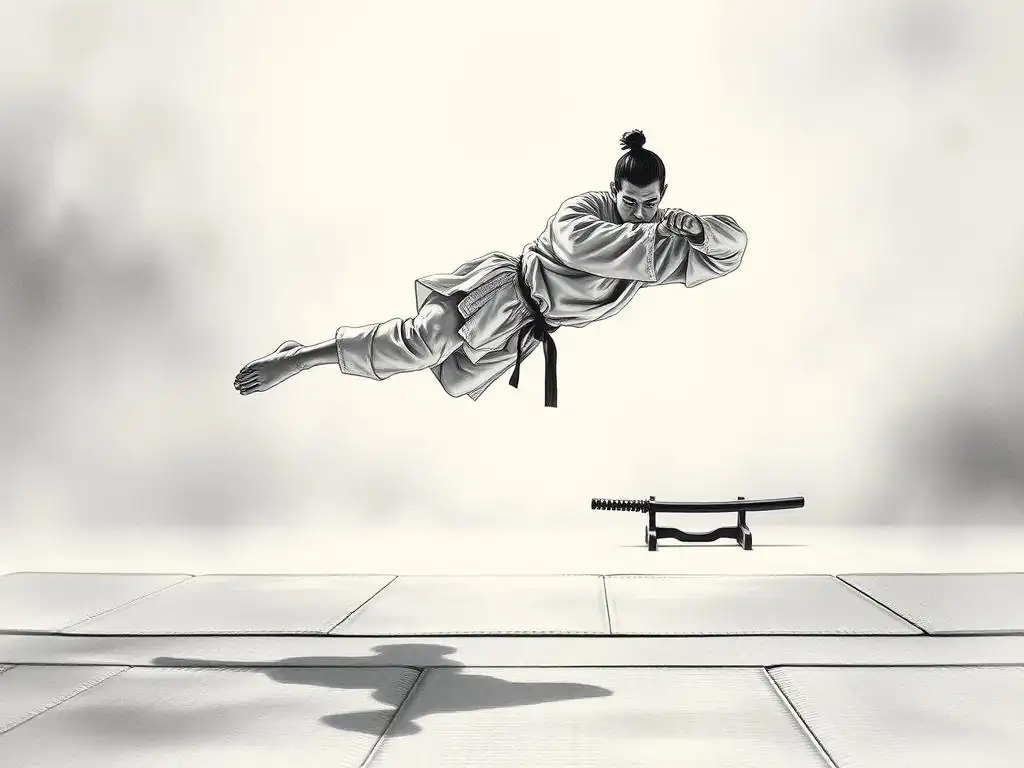
How Proper Weight Transfer Amplifies Strike Force in Hapkido
Proper weight transfer is a fundamental principle that dramatically amplifies the force behind Hapkido strike power techniques. It involves strategically shifting your body's mass and momentum into the strike, adding significant power beyond what simple muscular force can provide. Imagine throwing a light object versus a heavy one with the same arm speed; the heavier object has more momentum and impact.
Similarly, by transferring your body weight into a strike, you effectively make the striking limb "heavier" or back it with the mass of your body. This is particularly evident in forward-moving strikes like a stepping punch or a charging palm strike. As you step forward, your body's momentum moves towards the target, and timing the strike with the completion of this weight transfer allows that forward momentum to contribute directly to the impact force.
Beyond forward movement, weight transfer is also crucial in rotational strikes. As the hips rotate, weight often shifts from the rear leg to the lead leg (in a cross or hook punch, for example). This shift adds the downward force of gravity acting on your body mass to the rotational force from the hips.
It's not just about moving weight, but timing the transfer so that the peak momentum coincides with the moment of impact. For instance, in a powerful Hapkido side kick, transferring weight from the standing leg as the kicking leg extends adds the full force of the body behind the blade of the foot. Mastering weight transfer ensures that the entire body, not just the striking limb, contributes to the power of Hapkido strike power techniques.
Step-by-Step Guide to Mastering Weight Shift During Striking
Mastering weight shift for Hapkido strike power techniques can be broken down into a step-by-step approach.
- Establish a Balanced Stance: Begin in a stable, balanced Hapkido stance. Your weight should be relatively centered or slightly biased towards the rear leg for strikes initiated from that side.
- Initiate the Movement: For a forward-moving strike, take a controlled step towards the target with the lead foot. For a rotational strike, begin the hip rotation by pivoting the rear foot.
- Shift Your Weight: As the step is taken or the hips begin to rotate, consciously shift your weight from the starting point (often the rear leg) towards the direction of the strike or the lead leg. This is not just leaning; it's a controlled transfer of your center of gravity.
- Coordinate with the Strike: Timing is critical. The strike should reach its maximum extension and impact the target just as the weight transfer is completed or at its peak. The energy from the weight shift should flow seamlessly into the strike.
- Grounding and Stability: Ensure the foot receiving the weight transfer is firmly grounded. This provides a solid base for the force to travel through and helps maintain balance after the strike.
- Recoil and Recovery: After impact, allow for a natural recoil and prepare to return to a balanced stance or transition to the next technique. The efficient transfer of weight helps facilitate this recovery.
Practicing these steps slowly, focusing on the feeling of the weight moving and the timing with the strike, is essential. Initially, perform the movements without full speed or power, concentrating solely on the weight shift dynamics to improve your Hapkido strike power techniques.
Exercises to Develop Efficient Weight Transfer for Hapkido Practitioners
Developing efficient weight transfer for enhanced Hapkido strike power techniques involves exercises that build leg strength, balance, and coordination.
- Stepping Drills: Practice stepping forward, backward, and laterally, focusing on smoothly transferring weight from one foot to the other while maintaining good posture. Add a simple hand motion or chambering of a kick during the step to integrate the upper and lower body.
- Lunges and Squats: These foundational strength exercises build the leg and glute strength necessary to generate force for the weight transfer. Incorporate variations like walking lunges or squat jumps to add a dynamic element. A set of 10-15 lunges per leg or 15-20 squats can be a good starting point, depending on fitness level.
- Medicine Ball Throws (Rotational and Forward): Standing sideways or facing a wall, practice throwing a medicine ball using hip rotation and weight transfer. This mimics the kinetic chain used in striking and provides resistance to build explosive power. Aim for 3 sets of 8-12 throws, focusing on powerful, controlled movement.
- Plyometric Drills: Exercises like box jumps, jump squats, and bounding help develop explosive power in the legs and hips, crucial for rapid and forceful weight transfer. Caution: Plyometrics should be performed with proper form and progression to avoid injury. Start with lower intensity and volume.
- Balance Exercises: Single-leg stands, heel-to-toe walks, and balance board work improve stability, which is essential for effective weight transfer and maintaining posture during powerful Hapkido strike power techniques.
Incorporating these exercises regularly into a Hapkido training regimen can significantly improve a practitioner's ability to utilize weight transfer for more powerful strikes.
Body Mechanics Principles for Developing Powerful Hapkido Strikes
Aligning the Body to Optimize Force Generation in Strikes
Proper body alignment is a cornerstone of effective Hapkido strike power techniques. It ensures that the force generated from the ground up, through hip rotation and weight transfer, is efficiently channeled towards the target without leakage or loss of energy. Alignment starts with a stable base – feet properly positioned, not too close or too far apart, generally shoulder-width or slightly wider in a fighting stance. The knees should be slightly bent, and the weight settled, allowing for dynamic movement and power generation. The spine should be relatively straight, maintaining good posture, avoiding slouching or excessive arching.
The alignment of the joints in the striking limb is also critical. For a punch, the wrist should be straight, the elbow slightly bent initially, and the shoulder relaxed but connected to the core. As the strike extends, the joints should align to form a strong structure that can withstand the impact forces and efficiently transfer energy. For example, a bent wrist during a punch can lead to injury and significantly reduces the force transmitted.
Similarly, for a kick, the angle of the supporting leg, the position of the hips, and the alignment of the kicking leg and foot all contribute to directing power effectively. Poor alignment can lead to force being absorbed by joints, resulting in weaker strikes and increased risk of injury. Mastering Hapkido strike power techniques requires diligent attention to these alignment principles.
Coordinating Limbs and Core for Maximum Impact in Hapkido Strikes
Effective Hapkido strike power techniques rely heavily on the coordinated movement of limbs and the core. It's not just about moving the striking limb; it's a full-body action where each part contributes in sequence. The core acts as the central hub, connecting the power generated from the lower body (legs, hips, weight transfer) to the upper body (torso, shoulders, arms, striking limb).
A strong and engaged core stabilizes the body, allows for rapid and powerful rotation, and ensures that the force is transmitted efficiently. Think of the core muscles like guy wires stabilizing a pole; without them, the pole would wobble and the force applied at the base wouldn't effectively reach the top.
The coordination involves a specific timing sequence, often referred to as the kinetic chain. The movement typically begins from the ground, with the feet generating force, followed by the legs and hips rotating and transferring weight. This power then flows through the engaged core, into the torso, and finally into the shoulder, arm, and striking surface.
The limbs don't move in isolation; their movement is driven by the core and hips. For instance, in a powerful turning kick, the non-kicking leg pivots, the hips rotate forcefully, the core stabilizes and transmits this power, and then the kicking leg extends with speed and force, directed by the coordinated movement. Practicing drills that emphasize this sequential activation, feeling the power build from the ground up, is key to mastering Hapkido strike power techniques through coordinated body mechanics.
Posture and Balance: Foundations of Effective Body Mechanics in Hapkido
Posture and balance are fundamental pillars supporting all effective body mechanics, especially when generating power for Hapkido strike power techniques. Good posture ensures that the body is aligned correctly, allowing for efficient force transfer and movement. A slumped or rigid posture restricts the natural flow of energy through the kinetic chain. Standing tall but relaxed, with shoulders down and back, and a neutral spine, allows the core to engage effectively and facilitates powerful hip rotation. This correct alignment minimizes wasted energy and reduces strain on joints.
Balance is equally crucial. Generating significant power often involves dynamic movements, shifts in weight, and powerful rotations. Maintaining balance throughout these actions ensures that the practitioner remains stable, can recover quickly, and is not vulnerable after executing a strike. Poor balance leads to instability, which forces the body to use muscles for stabilization that could otherwise be used for power generation.
This results in weaker, less controlled strikes. Practicing Hapkido strike power techniques while focusing on maintaining a solid base and controlled movement, even during powerful actions, builds the necessary balance. Drills that involve striking from unstable positions or quickly transitioning between strikes and other Hapkido techniques like throws or joint locks can help improve dynamic balance and reinforce good posture under pressure.
Integrating Hip Rotation, Weight Transfer, and Body Mechanics in Hapkido Strike Power Techniques
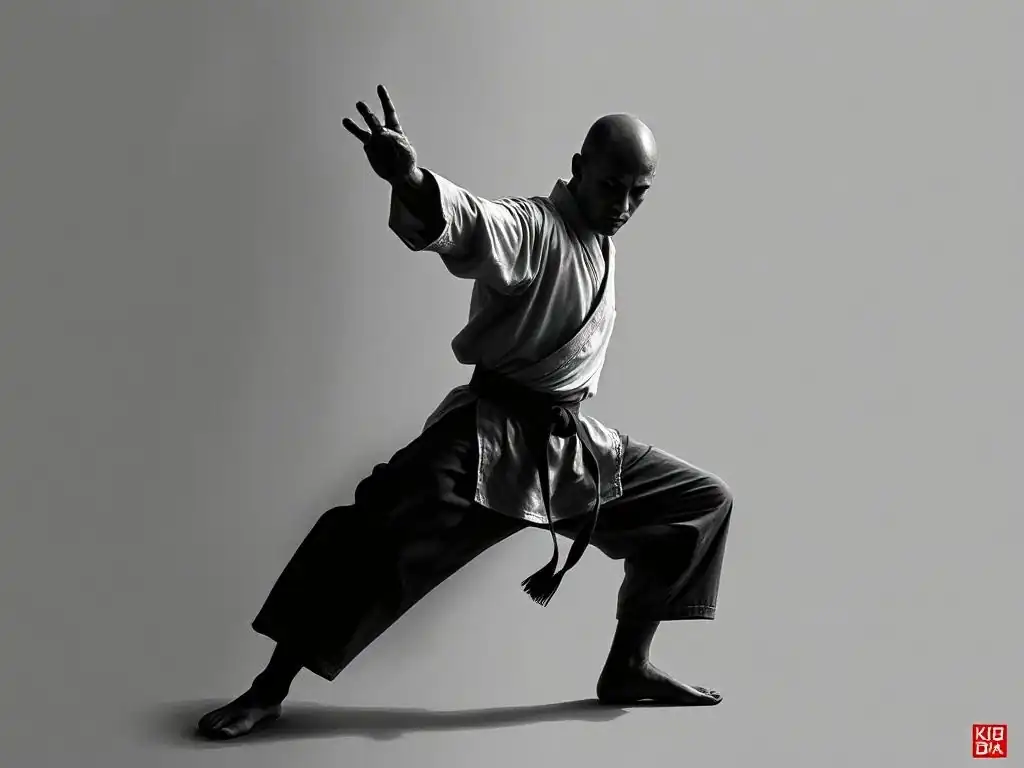
Combining Core Elements for Explosive and Precise Hapkido Strikes
The true mastery of Hapkido strike power techniques lies not in perfecting hip rotation, weight transfer, or body mechanics in isolation, but in seamlessly integrating all three elements. When combined effectively, they create explosive power and enhance precision. Hip rotation provides the rotational velocity, weight transfer adds linear momentum and mass, and proper body mechanics (alignment, coordination, posture, balance) ensures that these forces are efficiently channeled and directed towards the target. An explosive strike results from the rapid and synchronized activation of the entire kinetic chain, starting from the feet and culminating at the point of impact.
Consider a Hapkido reverse punch. The movement begins with a pivot on the rear foot and powerful hip rotation, simultaneously transferring weight from the rear leg to the lead leg. The core stabilizes and transmits this energy as the torso rotates. The shoulder, arm, and fist follow, driven by the core's rotation, extending towards the target with speed.
The precision comes from the controlled coordination; the body's alignment ensures the force is directed accurately, and balance is maintained throughout the dynamic movement. Without proper integration, you might have powerful hip rotation but lack the weight transfer to back it up, or excellent weight transfer but poor body alignment causing force to dissipate. The synergy of these elements is what differentiates a merely strong strike from a truly powerful and effective one in Hapkido.
Drills and Training Methods to Synchronize Movement Components
Synchronizing hip rotation, weight transfer, and body mechanics for Hapkido strike power techniques requires dedicated practice using specific drills.
- Slow-Motion Striking: Practice strikes in slow motion, focusing on feeling the sequence of movement: foot pivot, hip rotation, weight transfer, core engagement, limb extension. This helps internalize the correct timing and coordination.
- Shadowboxing with Focus: Dedicate rounds of shadowboxing to specific elements. One round might focus purely on exaggerating hip rotation, the next on conscious weight transfer with each step, and another on maintaining perfect posture and balance throughout. Then, combine the focus.
- Heavy Bag Work (Progressive Power): Start hitting the heavy bag with light, technical strikes, focusing solely on executing the full body mechanics correctly. Gradually increase speed and power as the coordination improves, ensuring the power comes from the body, not just the arm or leg. Pay attention to the bag's movement – a solid push indicates good weight transfer and body mass behind the strike, while a wobbly movement might suggest a lack of structural integrity.
- Resistance Band Drills: Attach resistance bands to a fixed point and wrap them around your waist or hold them in your hands. Practice striking movements against the resistance, focusing on engaging the core and hips to overcome the resistance. This builds strength in the muscles responsible for rotation and transfer.
- Partner Drills (Focus Mitts/Pads): Work with a partner holding focus mitts or pads. The partner can provide feedback on where the power is coming from (e.g., "I feel your shoulder power, but not your hip rotation"). They can also call out specific strikes, forcing quick transitions that test integrated body mechanics. Aim for sets of 10-15 strikes per side, focusing on quality over quantity initially.
Consistent practice of these drills, focusing on the connection between the different body parts, is crucial for developing seamlessly integrated Hapkido strike power techniques.
Analyzing Real-World Applications of Integrated Power Generation in Hapkido
Analyzing real-world applications of integrated power generation helps illustrate the practical benefits of mastering Hapkido strike power techniques. Consider a scenario where a Hapkido practitioner needs to defend against a frontal attack. A well-executed, integrated palm heel strike to the attacker's chin or nose, initiated with hip rotation and weight transfer, delivers significantly more force than an arm-only strike.
This increased power is more likely to disrupt the attacker's balance or create a momentary opening, allowing the Hapkido practitioner to transition to a throw or joint lock, which are staples of the art. The power isn't just for damage; it's a tool for control and transition.
Another example is the application of integrated power in Hapkido kicks, such as a turning kick or a side kick. These kicks inherently rely on powerful hip rotation and weight transfer. In a self-defense situation, a turning kick to an attacker's thigh or ribs, delivered with full body power, can be debilitating.
The ability to generate this power quickly and efficiently, while maintaining balance, is critical. Practitioners who have truly integrated hip rotation, weight transfer, and body mechanics can deliver these kicks with surprising force and speed, even from relatively close range, making them effective tools within the Hapkido system. Observing experienced Hapkido practitioners or reviewing sparring footage (where applicable) can provide valuable insights into how these integrated principles manifest in dynamic, real-time applications of Hapkido strike power techniques.
Advanced Tips for Enhancing Hapkido Strike Power Through Mechanics
Utilizing Breathing and Timing to Amplify Strike Effectiveness
Beyond the physical mechanics of hip rotation, weight transfer, and body alignment, advanced Hapkido strike power techniques incorporate the subtle yet powerful elements of breathing and timing. Proper breathing provides the necessary oxygen to the muscles and helps create internal pressure (kime) that stabilizes the core and adds a final burst of energy at the moment of impact. Exhaling sharply and forcefully as the strike lands helps tense the core muscles and channel power effectively.
Holding your breath or inhaling during the strike can restrict movement and reduce power. Practicing coordinating a sharp exhale with the peak of the strike is a simple yet impactful way to amplify force.
Timing refers not just to the speed of the strike but to its synchronization with the opponent's movement and your own body's peak power generation. Delivering a strike when the opponent is off-balance or moving into it naturally increases its effectiveness, often multiplying the perceived force by a factor of two or three compared to hitting a stationary or retreating target. Furthermore, timing the peak of your body's power generation – the moment when hip rotation and weight transfer are fully engaged – to coincide precisely with impact maximizes the force delivered.
This requires significant practice and sensitivity to both your own body and your training partner or opponent. Focusing on these elements elevates Hapkido strike power techniques from mere physical actions to highly refined applications of force.
Adapting Power Generation Techniques for Different Hapkido Strike Types
Hapkido features a diverse range of strikes, including punches, open-hand strikes, elbow strikes, knee strikes, and numerous kicks. While the core principles of hip rotation, weight transfer, and body mechanics apply to most, their application must be adapted for each specific strike type to optimize Hapkido strike power techniques. For example:
- Straight Punches: Emphasize linear weight transfer forward and powerful, rapid hip rotation.
- Hook/Round Punches: Focus heavily on rotational power from the hips and torso, with weight transferring laterally or diagonally.
- Palm Heel Strikes: Often use a combination of linear weight transfer (stepping forward) and body mass behind the strike, with less emphasis on dramatic hip rotation than a punch.
- Front Kicks: Primarily rely on driving the knee up and extending the leg, with power coming from hip flexion and extension, often combined with forward weight transfer.
- Turning/Roundhouse Kicks: Heavily dependent on pivoting the supporting foot and powerful hip rotation, with weight transferring to the supporting leg during the pivot and back during the kick extension.
- Side Kicks: Require strong balance on the supporting leg, powerful hip extension, and weight transfer through the hip as the kick extends.
Understanding these nuances allows practitioners to apply the core principles effectively to each strike in the Hapkido repertoire, maximizing power generation for every technique. This adaptability is a key aspect of mastering Hapkido strike power techniques.
Monitoring Progress and Avoiding Injury While Developing Strike Power
Developing powerful Hapkido strike power techniques is a journey that requires consistent effort and careful attention to safety. Monitoring progress can involve several methods: observing the impact on pads or a heavy bag (e.g., how far the bag moves, the sound of the impact), receiving feedback from experienced instructors or partners, and even using simple tools like a punch meter if available. More importantly, pay attention to the feeling of the strike – does the power feel like it's coming from the whole body, or just the arm/leg?
Is the movement smooth and coordinated? Self-assessment and honest feedback are invaluable.
Equally critical is avoiding injury. As you increase power, the stress on your joints and muscles also increases.
- Proper Warm-up: Always begin training sessions with a thorough warm-up to prepare muscles and joints for dynamic movement.
- Correct Form Over Power: Never sacrifice correct technique for the sake of hitting harder. Incorrect form is the leading cause of injury. Focus on mechanics first, then gradually add power.
- Listen to Your Body: Pay attention to any pain or discomfort. Pushing through sharp pain can lead to serious injury. Rest and recovery are essential.
- Gradual Progression: Increase the intensity and power of your strikes gradually. Don't attempt maximum power strikes without having built a solid foundation of technique and conditioning.
- Strength and Conditioning: Supplement your Hapkido training with general strength and conditioning exercises, particularly for the core, legs, and shoulders, to build the physical resilience needed for powerful striking.
By diligently monitoring progress through feel and feedback, and prioritizing safe training practices, Hapkido practitioners can effectively develop powerful Hapkido strike power techniques while minimizing the risk of injury.
Conclusion: Mastering Hapkido Strike Power Techniques for Effective Martial Arts Practice
Recap of Essential Hip Rotation, Weight Transfer, and Body Mechanics Concepts
Developing powerful Hapkido strike power techniques is a journey rooted in understanding and applying fundamental biomechanical principles. We've explored the critical roles of hip rotation, weight transfer, and overall body mechanics. Hip rotation acts as the primary engine for many strikes, leveraging the power of the lower body and core through rotational force.
Proper weight transfer adds the mass and momentum of the body to the strike, significantly increasing impact force, whether through linear forward movement or dynamic shifts during rotation. Finally, effective body mechanics, encompassing proper alignment, coordinated movement of limbs and core, posture, and balance, ensures that the power generated is efficiently channeled, directed accurately, and allows the practitioner to remain stable and ready for subsequent techniques.
These three elements are not isolated but work in synergy, forming a kinetic chain that originates from the ground and culminates at the point of impact. Mastering their integration is key to producing explosive and precise strikes that are vital for effective Hapkido application, whether in self-defense or dynamic training scenarios.
Advanced practitioners further refine their Hapkido strike power techniques by incorporating elements like controlled breathing for added force and precise timing to maximize the impact against a moving target. The continuous refinement of these principles allows Hapkido practitioners to utilize striking as a powerful and integrated tool within their comprehensive martial art.
Encouragement for Consistent Practice and Technical Refinement
Mastering Hapkido strike power techniques is an ongoing process that requires consistent, dedicated practice and a commitment to technical refinement. Simply understanding the concepts of hip rotation, weight transfer, and body mechanics is the first step; the real progress comes from applying them repeatedly in training. Spend time drilling each component individually before working on integrating them. Practice strikes slowly, focusing on the feeling of the movement and the correct sequence. Gradually increase speed and power as your coordination and muscle memory develop.
Seek feedback from experienced instructors and training partners. They can often spot subtle errors in form or timing that you might miss. Be patient with yourself; developing true power and efficiency takes time and persistent effort. Embrace the process of continuous learning and refinement. By consistently focusing on these core biomechanical principles, utilizing appropriate drills, and training safely, Hapkido practitioners can significantly enhance their striking capabilities, making their Hapkido practice more effective, dynamic, and powerful. Keep practicing, keep refining, and the power will come.
Frequently Asked Questions
How important is hip rotation in generating power for Hapkido strikes?
Hip rotation is absolutely critical for maximizing power. It allows you to engage larger muscle groups and transfer energy efficiently into the strike. Without it, your strikes will lack significant force.
What role does weight transfer play in Hapkido strike power techniques?
Weight transfer is crucial for connecting your entire body to the strike. By shifting your weight correctly, you generate momentum and increase the impact of your technique.
What are some key body mechanics to focus on when practicing Hapkido strike power?
Focus on maintaining a stable base, keeping your core engaged, and coordinating your movements. Precise body mechanics are essential for efficient power generation and preventing injury.
How does understanding the history of Hapkido contribute to improving strike power?
Understanding the history can provide context for the techniques and their intended applications. Knowing the why behind a technique can help you better understand the mechanics and improve your execution.
Are Hapkido strike power techniques only useful for self-defense?
While effective for self-defense, these techniques also enhance overall fitness and coordination. They improve body awareness, balance, and mental discipline, skills applicable beyond self-defense scenarios.
Final Reflection: Unleashing the Force Within
The exploration of Hapkido strike power techniques reveals more than just physical mechanics; it unveils a profound understanding of how to harness the body's inherent potential. In a world often dominated by brute strength, the principles of hip rotation, weight transfer, and body mechanics offer a pathway to generating immense power through efficiency and precision, applicable not only in martial arts but also in various aspects of life.
The impact of these techniques extends beyond the dojang, influencing how we approach movement and leverage in everyday activities. Understanding the interconnectedness of the body, as emphasized in Hapkido, fosters a deeper awareness of our physical capabilities and limitations. The body achieves what the mind believes.
This quote encapsulates the essence of Hapkido's philosophy, highlighting the crucial role of mental focus and belief in unlocking one's full potential.
Now, consider how you can apply these principles of efficient movement and focused intention in your own life. Whether it's improving your posture, enhancing your athletic performance, or simply approaching tasks with greater awareness, remember the lessons of Hapkido. Embrace the power within you, and unlock your own potential for strength, balance, and grace.
Unlock Your Striking Potential Now!
Thank you for exploring the secrets to generating powerful strikes in Hapkido. We hope you've gained valuable insights into how hip rotation, weight transfer, and body mechanics can amplify your technique. Now it's time to put this knowledge into action!
- Prioritize perfecting your hip rotation. Dedicate 15 minutes to drill this technique before each training session to build muscle memory and maximize power.
- Experiment with different stances to find the optimal weight transfer for your body type and striking style.
- Share this article with your fellow Hapkido practitioners and spark a discussion on effective power generation techniques!
What specific drill will you implement this week to improve your hip rotation and power generation in your strikes?