
The Impact of Armor on Longsword Techniques: A HEMA Deep Dive

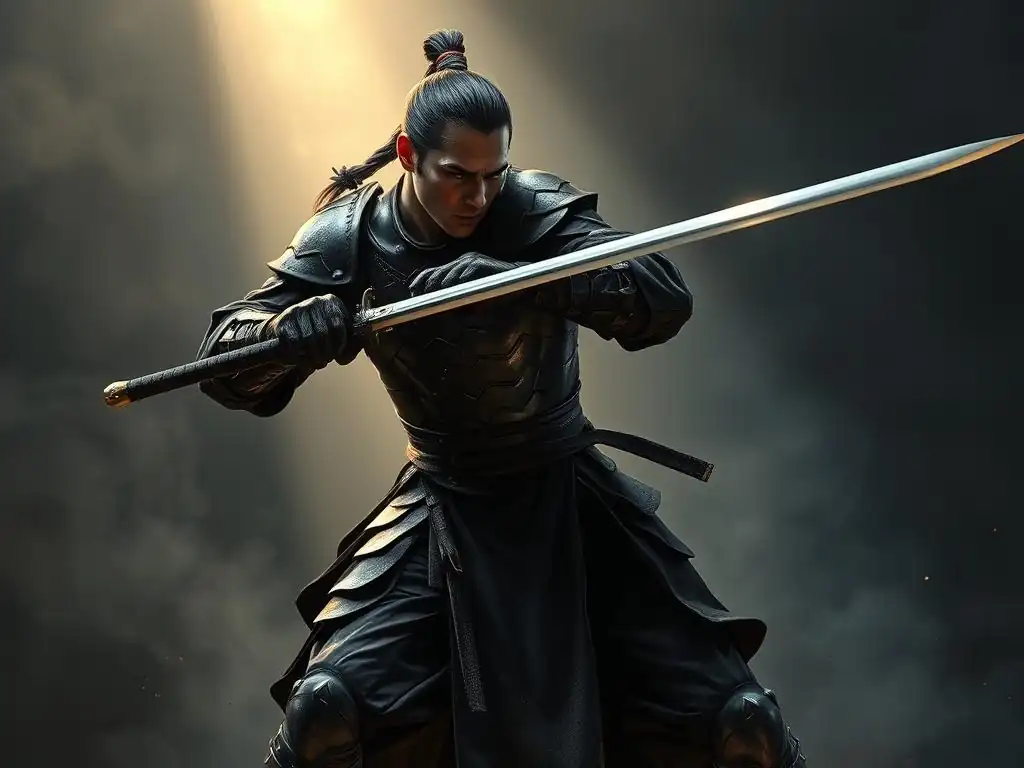
Welcome to Martial Arts Mastery, where we delve into the fascinating world of combat traditions! Ever wondered how the clash of steel and the weight of armor shaped the art of swordsmanship? Today, we're plunging into the heart of Historical European Martial Arts with a deep dive on HEMA longsword armor techniques. Prepare to uncover the tactical adaptations and strategic shifts demanded by the presence of steel defenses, and discover how these historical constraints influence modern training. Intrigued? There's much more to explore...
- Introduction: Understanding the Evolution of Longsword Fencing in Armor
- Types of Armor and Their Influence on Longsword Fighting Styles
- Adapting Longsword Techniques for Armored Combat
- Specific Longsword Techniques Effective Against Armor
- Grappling and Dismounting Techniques in Armored Longsword Combat
- Training Drills for HEMA Longsword Armor Techniques
- The Role of Historical Sources in Understanding Armored Longsword Fencing
- The Modern Relevance of HEMA Longsword Armor Techniques
- Conclusion: Mastering Longsword Fencing in the Context of Armor
-
Frequently Asked Questions
- What impact did wearing armor have on the techniques used in HEMA longsword fighting?
- How did the development of armor influence the design of the longsword?
- What are some specific HEMA techniques that are particularly effective against armored opponents?
- How does training in HEMA with replica armor differ from training without armor?
- Where can I find resources for learning more about HEMA longsword armor techniques?
- Final Reflection: The Enduring Dance of Steel and Protection
- Sharpen Your Steel: Explore New Dimensions in Longsword!
Introduction: Understanding the Evolution of Longsword Fencing in Armor
The Historical Context of Armored Combat and Longsword Use
Medieval and Renaissance warfare frequently involved combatants clad in various forms of protective gear, ranging from simple padded garments to complex full plate harnesses. The longsword, as a versatile weapon capable of both cutting and thrusting, was widely used across these periods and against opponents in differing levels of armor.
Understanding the historical context means recognizing that the techniques employed with a longsword were not static but adapted significantly based on the prevalent armor technology of the time. Early forms of armor, like mail and gambeson, offered less resistance to piercing and blunt force trauma than later plate armor, necessitating different tactical approaches.
By the 14th and 15th centuries, as plate armor became increasingly sophisticated and common, the effectiveness of traditional cutting techniques against a well-armored opponent diminished drastically. This shift in battlefield reality directly influenced the evolution of longsword fencing. Masters of defense developed and refined specialized HEMA longsword armor techniques that prioritized thrusts aimed at vulnerable points, strikes utilizing the sword's non-blade parts (like the pommel or crossguard), and grappling to control or disable a heavily armored adversary. This adaptation was crucial for the longsword to remain a primary weapon in armored engagements.
Why Study HEMA Longsword Armor Techniques?
Studying HEMA longsword armor techniques offers profound insights into historical combat realities and provides a deeper understanding of the weapon's versatility. For practitioners of Historical European Martial Arts, delving into armored combat manuals reveals a rich and complex system of fighting that goes far beyond unarmored dueling. It highlights the strategic shift required when facing a protected opponent, emphasizing leverage, precision, and alternative uses of the weapon. This knowledge is not just academic; it directly informs modern HEMA practice, allowing for more accurate interpretation of historical sources and a more complete skillset.
Furthermore, mastering HEMA longsword armor techniques is often essential for competitive performance in HEMA tournaments that include armored divisions or require understanding historical context. Competitors learn how to identify and exploit the weaknesses in historical or simulated armor, execute powerful grappling exchanges, and apply specialized techniques like half-swording or mordhau effectively. This specialized training enhances a practitioner's overall longsword proficiency, developing attributes like structural integrity, close-quarters control, and the ability to transition smoothly between striking and grappling, skills valuable even in unarmored scenarios.
Types of Armor and Their Influence on Longsword Fighting Styles
Plate Armor: The Pinnacle of Protection and its Impact on Technique
Full plate armor, which became widespread from the late 14th century onwards, represented the zenith of personal protection against bladed weapons. A complete harness, often weighing between 25 and 35 kilograms (approximately 55-77 pounds), distributed the weight relatively evenly across the body, allowing for surprising mobility, but it rendered most cutting attacks ineffective against the hardened steel surfaces. A clean cut from a longsword would generally slide off or merely dent quality plate, failing to inflict significant injury. This unparalleled protection forced a radical adaptation in longsword technique.
With cutting largely negated, longsword fighting against plate armor evolved to focus on bypassing the defense entirely or targeting the few remaining vulnerable areas. Techniques shifted towards powerful thrusts aimed at the gaps in the armor, such as the eye slits of the visor, the armpits, the groin, or the joints where plates overlapped.
Blunt force trauma became a viable strategy, using the pommel or crossguard in techniques like the mordhau to deliver concussive blows capable of injuring the wearer inside the armor or causing disorientation. Grappling and controlling the armored opponent to create openings or take them to the ground also became paramount in HEMA longsword armor techniques.
Mail and Gambeson: Earlier Armor Forms and Longsword Adaptations
Before the dominance of full plate, mail (chainmail) and gambeson (a padded jacket) were the primary forms of armor. Mail, typically made of interlocking rings, offered excellent protection against cuts and slashes, preventing the blade from reaching the body. However, it was significantly less effective against powerful thrusts or blunt force trauma.
A strong thrust from a longsword could potentially drive through the rings, and concussive blows could still cause injury beneath the mail. Gambeson, worn alone or beneath mail, provided padding against blunt force and helped absorb some of the impact from cuts and thrusts, but offered limited protection on its own against a sharp blade.
Fighting against opponents in mail and gambeson allowed for a broader range of longsword techniques compared to plate armor. While powerful cuts were less likely to sever a limb, they could still cause significant bruising or break bones through the mail, and edge alignment was less critical than against plate. Thrusts were particularly effective against mail, especially if aimed at vital areas.
Against gambeson alone, cuts and thrusts were both highly effective. HEMA longsword armor techniques from periods where these armor types were common therefore show a greater emphasis on powerful shearing cuts and direct thrusts, alongside techniques for binding and controlling the opponent's weapon.
Examining the Limitations and Vulnerabilities of Different Armor Types
Despite their impressive protection, all forms of historical armor had limitations and vulnerabilities that longsword techniques exploited. Plate armor, while resistant to cuts, had inherent gaps at the joints (elbows, knees, armpits, neck, groin) and face. These were often covered by mail or additional plates, but they remained potential targets for precise thrusts. The weight and bulk, though manageable, still reduced mobility compared to unarmored combat and increased fatigue. Furthermore, the smooth surface of plate could be used to 'bind' or slide the opponent's blade into a disadvantageous position.
Mail armor's primary weakness was its susceptibility to piercing and blunt force. A sharp, stiff longsword blade could, with sufficient force, penetrate the interlocking rings, especially if the rings were not riveted or were of poor quality. Thrusts aimed at points where the mail lay directly over bone or vital organs were particularly dangerous.
Blunt weapons or techniques like mordhau could inflict significant internal injury or break bones through the mail. Gambeson, while offering padding, was vulnerable to both cuts and thrusts from a sharp longsword blade. Understanding these specific vulnerabilities was key to developing effective HEMA longsword armor techniques tailored to the opponent's protection level.
Adapting Longsword Techniques for Armored Combat
The Importance of Strength and Leverage in Armored Fencing
Armored combat significantly increased the physical demands on the combatants. The weight of the armor itself required greater strength and endurance. More importantly, executing effective techniques against an armored opponent often necessitated overcoming their armor and their own physical resistance. This put a premium on strength and, even more crucially, leverage. Techniques designed to manipulate an armored opponent's body, bind their weapon, or deliver powerful strikes or thrusts required efficient use of body mechanics and leveraging the sword against the opponent's structure or armor.
Leverage was applied in various ways in HEMA longsword armor techniques. When half-swording, practitioners gripped the blade to shorten the lever and gain greater control and force for thrusting or manipulating the opponent's limbs or weapon. Grappling exchanges relied heavily on leverage to unbalance, trip, or throw a heavily weighted opponent. Even strikes like the mordhau utilized the sword's structure as a lever to deliver concussive force with the pommel or crossguard. Understanding and applying leverage was fundamental to overcoming the inherent difficulties of fighting a well-protected and often equally strong adversary.
Techniques Optimized for Bypassing or Overpowering Armor
Given that direct cutting attacks were often ineffective against plate armor, longsword techniques evolved to either bypass the armor entirely or generate enough force to injure the wearer through it. Bypassing involved precise thrusts aimed at the gaps and vulnerabilities, as discussed earlier. This required significant control and accuracy, often achieved through techniques like half-swording, which allowed for fine manipulation of the blade point.
Overpowering armor often involved blunt force or leveraging the sword in unconventional ways. The mordhau, or "murder stroke," was a prime example, where the swordsman held the blade and struck with the pommel or guard, turning the longsword into a makeshift hammer. Powerful, focused thrusts, particularly from a strong bind or close range, could potentially overcome the resistance of mail or find a weak point in plate.
Certain powerful cleaving or shearing techniques, while less effective against plate, could still be devastating against mail or gambeson, aiming to crush or tear through the protection. These adapted HEMA longsword armor techniques showcase the ingenuity required to remain effective when direct attacks were nullified.
Thrusting Techniques: Precision Strikes Against Vulnerable Points
Thrusting became the primary method of inflicting lethal injury against opponents in good plate armor. Unlike cuts, which relied on blade velocity and edge alignment against a surface, thrusts concentrated force onto a small point, making it possible to pierce or exploit gaps. HEMA longsword armor techniques heavily emphasize accurate and powerful thrusts aimed at the most vulnerable areas.
Targeting included the eye slits of the helm, the armpits, the inside of the elbows and knees, the groin, and the neck/gorget area. These points were often covered by mail or lesser plates, but a well-aimed and forceful thrust from a stiff longsword blade could penetrate or slip through.
Techniques like the langer ort (long point) or kurzer ort (short point, often from half-swording) were adapted for armored combat, focusing on driving the point home with maximum force and precision. The ability to control the point in close quarters, often while grappling, was a critical skill in armored longsword fencing.
Specific Longsword Techniques Effective Against Armor
Half-Swording: Close Quarters Combat and Enhanced Control
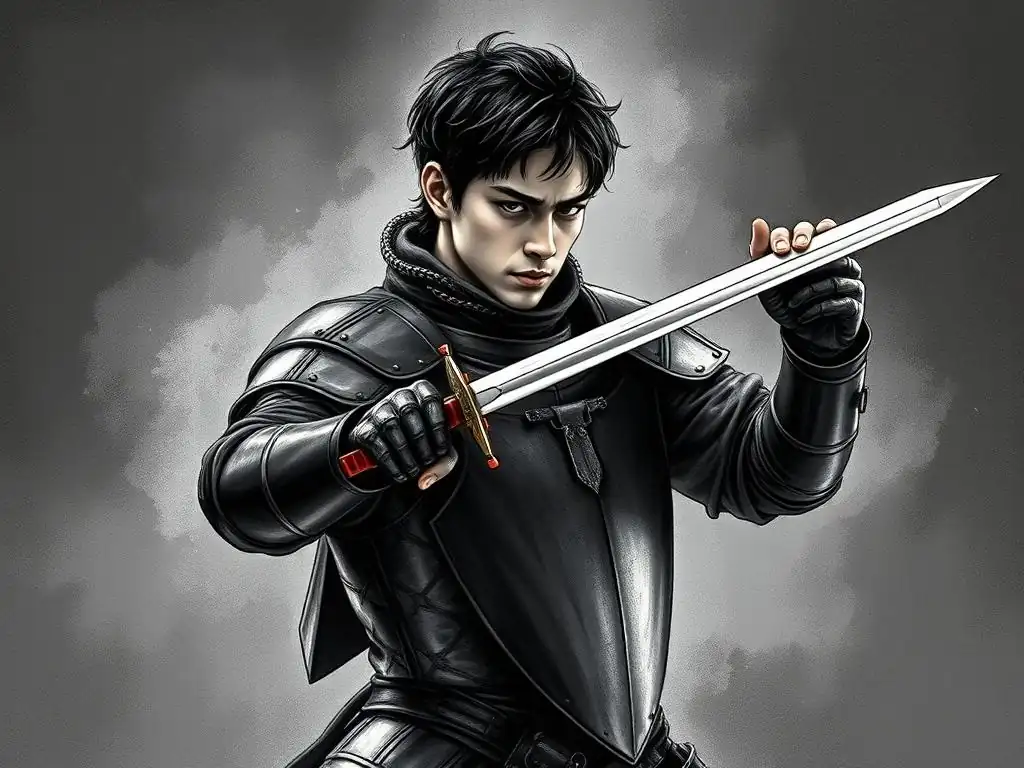
Half-swording ( Halbschwert in German sources) is a fundamental technique in armored longsword combat where the practitioner grips the blade with one or both hands, typically about halfway down. This dramatically changes the dynamics of the weapon. By reducing the leverage of the opponent's blade against the hands and shortening the effective length, it provides much finer control over the point. This is invaluable for executing precise thrusts into the small gaps of plate armor.
Beyond precision thrusting, half-swording facilitates close-quarters combat and grappling. The sword essentially becomes a stiff, pointed bar that can be used to pry, lever, or hook the opponent's armor or limbs. Gripping the blade allows the swordsman to transition smoothly into wrestling techniques, using the hilt or even the blade itself to bind, control, or unbalance the opponent. Many historical depictions of armored combat show warriors in close grips, utilizing half-swording techniques to gain control or deliver disabling thrusts at extremely close range. It is one of the most iconic HEMA longsword armor techniques.
Mordhau: Utilizing the Pommel and Crossguard as Weapons
The Mordhau, or "murder stroke," is another distinctive technique specifically adapted for armored combat. Instead of using the blade, the swordsman grips the blade with both hands and uses the hilt (pommel or crossguard) as a blunt weapon. The pommel, often a heavy counterweight, could deliver powerful concussive blows to the head or joints, potentially stunning or injuring the opponent through their armor. The crossguard could be used to hook, trap, or strike.
This technique effectively turns the longsword into a powerful war hammer or mace. While a cut might glance off plate, a heavy blow with the pommel could potentially dent the armor, cause internal injury, or disorient the wearer. Mordhau strikes were typically aimed at the head, shoulders, or other areas where significant concussive force could be applied. Mastering the transition from using the blade to executing a mordhau strike, often in the midst of a bind or grappling exchange, is a key element of armored HEMA longsword armor techniques.
Zornhau and Other Powerful Strikes Designed to Breach Armor
While cutting was generally ineffective against plate, certain powerful techniques could still be used against mail or gambeson, or even to target less-protected areas on plate. The Zornhau (Wrath Hew), a powerful descending diagonal cut, is a fundamental technique in the Liechtenauer tradition. While its primary application might be in unarmored fencing, adaptations existed for armored combat. Against mail, a powerful Zornhau could potentially crush links or deliver significant blunt force trauma.
Other techniques focused on delivering focused, powerful blows or exploiting structural weaknesses. The Schielhau (Squinting Hew) and Krumphau (Crooked Hew) from the Liechtenauer tradition, while complex in application, could potentially be used to target specific points or leverage against the opponent's weapon or armor in armored context, although their primary effectiveness was against unarmored or lightly armored opponents.
Alber's Technique, often interpreted as a low guard used for powerful rising attacks or transitions into grappling, could be adapted to target the legs or groin area in armored combat, aiming for less protected zones or setting up grappling opportunities. These techniques, while sometimes modified, show the attempt to apply fundamental longsword principles within the constraints of armor.
Grappling and Dismounting Techniques in Armored Longsword Combat
Clinching and Takedowns: Controlling the Opponent's Movement
Grappling, or wrestling ( Ringen in German sources), was an integral part of armored combat with the longsword. When direct strikes and thrusts were difficult to land effectively, closing the distance and controlling the opponent's body became paramount. Clinching allowed fighters to neutralize the opponent's ability to strike with the longsword at range and create opportunities for close-quarters techniques like half-swording thrusts or pommel strikes.
Takedowns were highly sought after in armored combat. A fighter on the ground, especially in heavy plate armor weighing 25-35 kg, was at a severe disadvantage. Simple falls could cause injury, and regaining one's feet while encumbered was difficult and slow.
Grappling techniques such as trips, sweeps, throws, and joint locks were employed to bring the opponent down. Once on the ground, the fight often devolved into ground wrestling, seeking to gain a dominant position and deliver a killing thrust into a vulnerable point or disable the opponent. HEMA longsword armor techniques often include transitions from standing swordplay to grappling and takedowns.
Using the Longsword to Unbalance and Dismount
The longsword itself could be used as a tool for grappling and unbalancing. In half-swording, the blade or hilt could be used to hook behind the opponent's knee, trip their foot, or lever against their body to disrupt their balance. The crossguard could be used to trap the opponent's weapon or arm, restricting their movement and setting up a takedown.
Furthermore, the weight and leverage of the longsword could be used in conjunction with body mechanics to push, pull, or lever an opponent off balance. Historical manuals depict techniques where the sword is used to physically manipulate the opponent's stance or posture, creating an opening for a takedown or a follow-up strike. These applications highlight the longsword's versatility not just as a cutting or thrusting weapon, but also as a grappling aid in armored combat.
Ground Fighting Adaptations for Armored Opponents
Should the fight go to the ground, the dynamics changed considerably due to the armor. Mobility was severely restricted, making techniques focused on speed and agility less relevant. The focus shifted to maintaining a dominant position and delivering a decisive blow. Techniques involved pinning the opponent, using the weight of one's own armor to advantage, and seeking to deliver precise, powerful thrusts into the vulnerable gaps of the opponent's armor at close range.
Ground fighting in armor often involved wrestling for position, using the sword (likely held half-sworded) or a secondary weapon like a dagger to target openings. Escaping from a bad position while armored was extremely difficult, making control on the ground crucial. Studying historical depictions and manuals reveals specific strategies for fighting on the ground in armor, emphasizing close-range thrusts, leverage, and maintaining top control, all critical components of HEMA longsword armor techniques in a ground context.
Training Drills for HEMA Longsword Armor Techniques
Partner Drills for Practicing Thrusts and Grappling
Effective training for HEMA longsword armor techniques requires partner drills that simulate the conditions and techniques of armored combat. Drills for thrusting accuracy can involve targeting specific points on a training partner wearing appropriate protective gear, focusing on control, power, and precision from various ranges, including half-swording distance. Partners can practice binding and controlling each other's blades while simulating the reduced range and increased force needed in armored exchanges.
Grappling drills are essential. Partners can practice clinching, entries into grappling range, and executing takedowns safely. Drills should focus on controlling the opponent's structure, leveraging their weight, and transitioning smoothly from a sword bind or guard into a wrestling exchange. These partner drills help develop the practical application of HEMA longsword armor techniques in a dynamic, interactive environment, building timing, distance management, and the ability to apply techniques under resistance.
Solo Drills for Developing Strength and Precision
While partner drills are crucial, solo training also plays a vital role in developing the physical attributes and muscle memory needed for HEMA longsword armor techniques. Strength training is important, focusing on exercises that build core strength, grip strength, and the power required for powerful thrusts, pommel strikes, and grappling maneuvers. Working with weighted simulators or even training in a weighted vest can help acclimate the body to the demands of armor.
Precision can be honed through solo drills focusing on point control. Practicing precise thrusts against a static target, such as a pell or a marked dummy, helps develop the accuracy needed to hit small vulnerable points on armor. Practicing transitions between different guards, half-swording entries, and mordhau strikes in isolation helps build fluidity and speed. These solo drills complement partner work by building the foundational physical capabilities and technical proficiency required for effective HEMA longsword armor techniques.
Simulating Armored Combat Conditions
To truly understand and practice HEMA longsword armor techniques, it is beneficial to simulate armored combat conditions as closely as safety allows. This often involves wearing protective gear appropriate for sparring, such as padded jackets, fencing masks, and gloves. While full historical plate armor is often not feasible for regular sparring, modern protective gear allows practitioners to experience some of the constraints on movement and the need for different techniques.
Using padded weapons or synthetic longswords designed for safe sparring allows practitioners to execute techniques at realistic speed and intensity without causing injury. Controlled sparring scenarios where specific HEMA longsword armor techniques (like half-swording or grappling entries) are emphasized help practitioners apply their training under pressure. Some practitioners even train in modern HEMA armor specifically designed for sparring to get a more realistic feel for fighting while encumbered, though this is distinct from historical armor in terms of weight and construction.
The Role of Historical Sources in Understanding Armored Longsword Fencing
Analyzing Fechtbücher (Fighting Manuals) Depicting Armored Combat
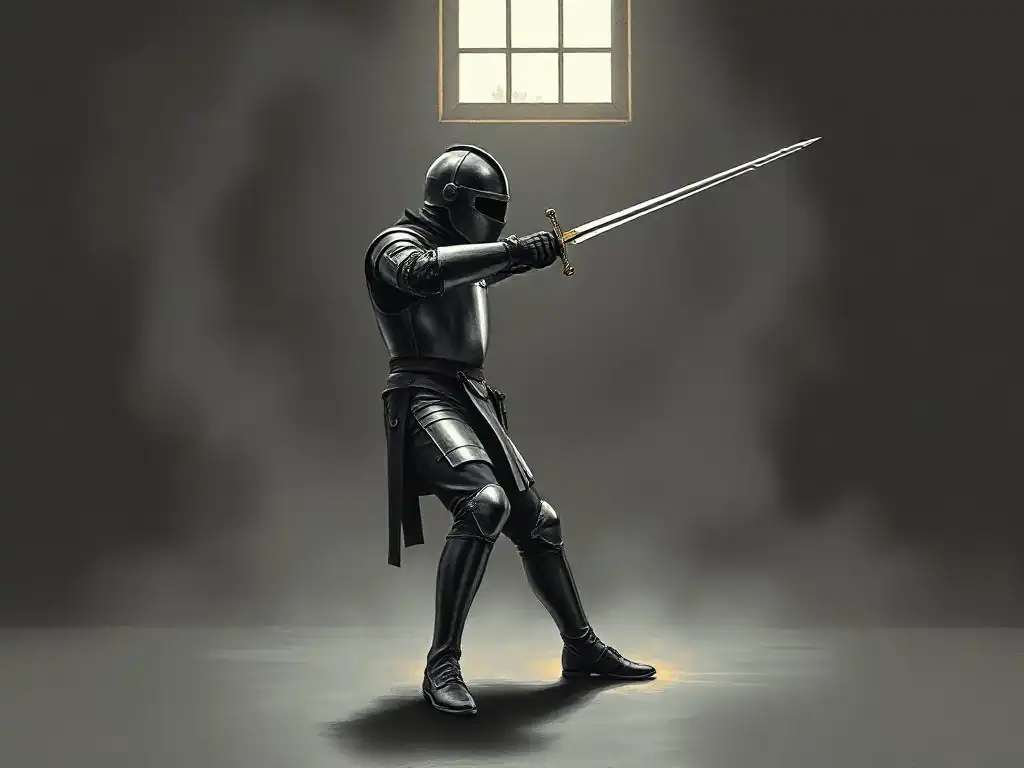
Fechtbücher, or historical fighting manuals, are the cornerstone of HEMA research and provide invaluable insights into HEMA longsword armor techniques. Masters like Hans Talhoffer, Paulus Kal, and the authors associated with the Liechtenauer tradition included sections specifically dedicated to fighting in armor ( Blossfechten am Harnisch - unarmored fencing in harness, or simply Harnischfechten - armored fencing). These manuals contain detailed descriptions, often accompanied by illustrations, of guards, strikes, thrusts, grappling techniques, and counters specifically adapted for armored combat.
Analyzing these texts requires careful interpretation of the language, terminology, and sometimes cryptic descriptions. For example, Talhoffer's manuals feature numerous plates depicting armored combat scenarios, showing specific grips, body positions, and applications of techniques like half-swording and mordhau. Studying these primary sources allows modern practitioners to reconstruct and understand the principles and methods used by historical masters when facing an armored opponent, forming the basis of modern HEMA longsword armor techniques study.
Interpreting Visual Depictions of Longsword Techniques in Armor
Beyond the text, the visual depictions within Fechtbücher and other historical artworks offer crucial context. Illustrations in manuals like those by Talhoffer or the Codex Wallerstein provide visual representations of body mechanics, grips, target areas, and the interaction between combatants in armor. While illustrations can sometimes be stylized or difficult to interpret definitively, they offer a direct glimpse into the postures and actions deemed important by the historical masters.
Other historical art, such as manuscript illuminations or tomb effigies, can also provide clues about how longswords were used in armored contexts, though these are often less detailed than fighting manuals. Interpreting these visual sources involves comparing them with textual descriptions and understanding the artistic conventions of the time. Together, textual and visual sources form the foundation for reconstructing historical HEMA longsword armor techniques.
Lichtenauer's Zettel and Codex Wallerstein
Key examples of sources relevant to HEMA longsword armor techniques include the tradition stemming from Johannes Liechtenauer and specific manuals like the Codex Wallerstein. Liechtenauer's Zettel (Recital or Short List) is a cryptic verse text that forms the basis of a major German school of fencing. While the Zettel itself is brief, subsequent masters expanded upon it in glosses, including applications relevant to armored combat, detailing how core principles like Indes (at the same time) and the Meisterhäue (Master Hews) could be adapted.
The Codex Wallerstein (VMS Hs. 3227a) is another significant manual from the late 14th or early 15th century that contains a substantial section on fighting in armor with the longsword. It includes detailed illustrations and descriptions of techniques, particularly focusing on grappling, half-swording, and using the sword as a lever against an armored opponent. Studying these specific sources provides practitioners with concrete examples and detailed instructions for executing historical HEMA longsword armor techniques as they were taught centuries ago.
The Modern Relevance of HEMA Longsword Armor Techniques
Applying Historical Knowledge to Modern HEMA Competitions
The study of HEMA longsword armor techniques has direct application in modern HEMA competitions. Many tournaments feature specific divisions for armored combat or incorporate elements of armored fighting into their rulesets. Practitioners who have studied historical techniques are better equipped to navigate the unique challenges of fighting in protective gear, understanding the effective range, target areas, and tactical options available against an armored opponent.
Knowledge of historical techniques like half-swording, mordhau, and armored grappling provides a significant advantage in competition. Competitors trained in these methods are more likely to land effective blows on legal targets (often defined by tournament rules to simulate vulnerable points), execute successful takedowns, and maintain control in close-quarters exchanges. Applying historical HEMA longsword armor techniques within a competitive framework tests both the practitioner's understanding and their physical skill in a simulated combat environment.
Understanding the Tactical Advantages of Armored Fighting Techniques
Beyond competition, studying HEMA longsword armor techniques offers a deeper understanding of historical warfare and the tactical considerations of fighting in armor. It highlights the shift in priorities from speed and agility to strength, leverage, and precision targeting. It demonstrates how soldiers adapted their methods and weapon usage to the technological advancements in protective gear.
This tactical understanding provides valuable context for interpreting historical battles and duels. It explains why grappling and dagger fighting were so prevalent in armored engagements, why certain sword forms or secondary weapons became more popular in different periods, and how fighters sought to overcome the limitations imposed by their own or their opponent's armor. It enriches the practitioner's appreciation for the sophistication and practicality of historical martial arts systems.
Adapting Techniques for Synthetic Armor Sparring
Modern HEMA training often utilizes synthetic armor or specialized padded gear for sparring. While not identical to historical plate, this equipment allows practitioners to practice HEMA longsword armor techniques safely at speed and with intensity. Adaptations are necessary when translating historical techniques to this modern context. The weight and rigidity of synthetic armor differ from steel, and the level of protection varies.
Practitioners learn to apply the principles of historical techniques – targeting vulnerabilities, using leverage, transitioning to grappling – while accounting for the specific properties of their training gear. For example, while a historical mordhau aimed to cause concussive injury through steel, in synthetic sparring it might be adapted to target specific padded areas or used primarily as a setup for a grapple or control technique. This adaptation ensures that the historical knowledge remains relevant and practical for modern HEMA training and sparring.
Conclusion: Mastering Longsword Fencing in the Context of Armor
The Importance of a Holistic Approach to HEMA Longsword Training
Mastering longsword fencing, especially in the context of armor, requires a holistic approach that integrates various aspects of historical martial arts. It's not enough to simply practice cuts and thrusts; one must also understand and train grappling, wrestling, and the use of the sword in unconventional ways like half-swording and mordhau. Armored combat highlights the interconnectedness of these elements, demonstrating how a skilled fighter must be able to seamlessly transition between striking, thrusting, and grappling depending on the situation and the opponent's defenses.
A comprehensive training regimen for HEMA longsword armor techniques should include physical conditioning to handle the demands of armor and grappling, technical drills for specific armored techniques, partner drills for applying these techniques dynamically, and theoretical study of historical sources. Embracing this holistic perspective allows practitioners to develop a well-rounded skillset that reflects the complex reality of historical armored combat.
Further Exploration of HEMA Longsword Techniques and Resources
For those seeking to deepen their understanding of HEMA longsword armor techniques, further exploration of historical sources and engagement with the wider HEMA community are essential. Studying multiple Fechtbücher from different masters and traditions provides a broader perspective on the variations and commonalities in armored fighting methods. Comparing the approaches of masters like Talhoffer, Kal, or the anonymous authors of manuals like the Codex Wallerstein reveals the diversity within historical practice.
Engaging with experienced HEMA instructors and practitioners specializing in armored combat offers practical guidance and insights. Participating in workshops, seminars, and dedicated armored training groups provides opportunities to refine techniques and experience armored sparring under expert supervision. Utilizing resources such as translated manuals, academic research on historical armor, and online forums can also aid in the continuous process of learning and interpreting historical HEMA longsword armor techniques.
The Enduring Legacy of Armored Longsword Combat
The study of armored longsword combat is more than just an academic exercise; it is the preservation and revival of a sophisticated martial art system that was central to warfare and dueling for centuries. The techniques developed by historical masters to overcome the challenges of fighting in armor represent a peak of practical martial innovation. These methods, honed through countless real-world encounters, offer profound lessons in strategy, leverage, and adaptability.
The enduring legacy of armored longsword combat lives on in the modern HEMA community, where practitioners strive to understand, reconstruct, and physically embody these historical skills. By studying and practicing HEMA longsword armor techniques, we connect with the martial heritage of Europe and gain a unique appreciation for the challenges and complexities faced by warriors of the past. It is a testament to the ingenuity and effectiveness of historical martial arts that these techniques remain relevant and applicable today within the HEMA sphere.
Frequently Asked Questions
What impact did wearing armor have on the techniques used in HEMA longsword fighting?
Armor significantly changed longsword techniques, favoring thrusting attacks and half-swording to exploit gaps in the armor. Powerful blows were still used but less effective overall.
How did the development of armor influence the design of the longsword?
The need to penetrate armor led to the development of stiffer blades capable of delivering powerful thrusts. This also influenced the hilt designs, allowing for better grip and leverage.
What are some specific HEMA techniques that are particularly effective against armored opponents?
Half-swording, which involves gripping the blade itself, is crucial for controlling the opponent's weapon and landing precise thrusts into vulnerable areas. Mordhau is another technique that uses the pommel or crossguard for blunt force.
How does training in HEMA with replica armor differ from training without armor?
Training in replica armor adds a layer of realism and fatigue. It forces practitioners to adapt their techniques and focus on efficiency and precision, as movement is restricted.
Where can I find resources for learning more about HEMA longsword armor techniques?
MartialArtsMastery.org offers articles, videos, and resources on HEMA history, techniques, and equipment. Additionally, local HEMA clubs and online communities provide training and guidance.
Final Reflection: The Enduring Dance of Steel and Protection
The exploration of HEMA longsword armor techniques reveals more than just historical combat; it underscores the enduring human drive to adapt and innovate in the face of adversity. The intricate interplay between armor design and fighting styles, as detailed throughout this article, demonstrates a constant evolution driven by the need to overcome limitations and exploit vulnerabilities. This dynamic remains relevant today, not only in the HEMA community but also in fields like engineering and sports, where the pursuit of optimization is paramount.
The impact of armor on longsword techniques transcends mere historical interest; it's a testament to the ingenuity of past generations and a mirror reflecting our own relentless pursuit of improvement. Witnessing the evolution of techniques designed to circumvent the protections of plate armor highlights the importance of critical thinking and adaptability, qualities that are invaluable in navigating the complexities of modern life. The art of war teaches us to rely not on the likelihood of the enemy's not coming, but on our own readiness to receive him; not on the chance of his not attacking, but rather on the fact that we have made our position unassailable.
- Sun Tzu. This quote perfectly encapsulates the mindset that drove the development of these techniques, a mindset we can all benefit from adopting.
As you delve deeper into the world of HEMA, or any endeavor that demands skill and strategy, remember the lessons learned from the dance of steel and protection. Consider how limitations can spark innovation, and how understanding your opponent's defenses can reveal unexpected pathways to victory. Embrace the challenge, refine your technique, and let the spirit of the longsword guide you towards mastery, not just in combat, but in all aspects of your life.
Thank you for diving deep into the impact of armor on longsword techniques! We hope this article has given you fresh insights into historical European martial arts. Now, it's time to take what you've learned and put it into action.
- Prioritize adapting at least three existing longsword techniques to account for armored opponents. Consider the limitations of edge alignment and power generation in such contexts.
- Dive into the historical sources! Investigate period manuals that specifically address fighting in armor, such as the glosses of Andre Lignitzer.
- Share your insights! Join the conversation on the Martial Arts Mastery forums and discuss how armor changes the game. What adaptations have you found most effective?