
Managing Fibromyalgia Symptoms with the Slow Grace of Tai Chi


Welcome to Martial Arts Mastery, where we delve into the rich tapestry of martial arts knowledge. Discover the secrets behind centuries-old traditions, and unlock the potential within yourself. Are you seeking a gentle yet powerful path to wellness? This week, we explore the surprising connection between Tai Chi and fibromyalgia pain relief. Can the slow, deliberate movements of this ancient practice truly offer respite from chronic pain? Read on to find out, and begin your journey to a healthier, more balanced you.
- Managing Fibromyalgia Symptoms with Tai Chi Chuan
- Introduction: Tai Chi for Fibromyalgia - A Gentle Path to Symptom Management
-
Tai Chi's Benefits for Fibromyalgia Symptoms: A Holistic Approach
- Tai Chi and Pain Management: Reducing Chronic Pain in Fibromyalgia Patients
- Improving Sleep Quality for Fibromyalgia Sufferers Through Tai Chi
- Reducing Fatigue and Increasing Energy Levels with Tai Chi Practice
- Easing Muscle Stiffness and Improving Flexibility with Tai Chi Movements
- Enhancing Mental Well-being and Reducing Stress Through Tai Chi Meditation
- Tai Chi Techniques for Fibromyalgia Symptom Management: A Practical Guide
- Getting Started with Tai Chi for Fibromyalgia: A Step-by-Step Approach
- Scientific Evidence: Research on Tai Chi and Fibromyalgia
- Integrating Tai Chi into Your Fibromyalgia Management Plan
- Conclusion: Embracing Tai Chi for Fibromyalgia - A Journey of Empowerment
-
Frequently Asked Questions
- What is Tai Chi and how does it relate to pain management?
- How can Tai Chi help specifically with fibromyalgia pain?
- Is Tai Chi safe for individuals with fibromyalgia?
- How often should someone with fibromyalgia practice Tai Chi to see benefits?
- Where can I find qualified Tai Chi instructors for fibromyalgia pain relief?
- Final Reflection: Embracing Gentle Strength
- Reclaim Your Well-being: Embrace the Flow!
Managing Fibromyalgia Symptoms with Tai Chi Chuan
Introduction: Tai Chi for Fibromyalgia - A Gentle Path to Symptom Management
Understanding Fibromyalgia and its Challenges
Fibromyalgia is a chronic disorder characterized by widespread musculoskeletal pain, often accompanied by fatigue, sleep disturbances, and cognitive difficulties. Affecting millions globally, its exact cause remains elusive, but it is believed to involve a complex interplay of genetic, environmental, and psychological factors.
Managing fibromyalgia presents significant challenges for individuals, as symptoms can fluctuate in intensity and are often exacerbated by stress, changes in weather, or physical exertion. The widespread nature of the pain, often described as a deep ache or burning sensation, along with tender points in specific areas of the body, makes daily activities difficult and significantly impacts quality of life.
Beyond the primary symptom of pain, fibromyalgia can manifest in numerous ways. Many individuals experience profound fatigue that is not relieved by rest, leading to reduced stamina and difficulty performing even simple tasks. Sleep is frequently disrupted, with sufferers reporting difficulty falling asleep, staying asleep, or feeling unrefreshed upon waking.
This poor sleep quality can, in turn, worsen pain and fatigue, creating a challenging cycle. Other common symptoms include headaches, irritable bowel syndrome, restless legs syndrome, and increased sensitivity to temperature, light, or sound. Effectively addressing this constellation of symptoms requires a multi-faceted approach, often combining medication, lifestyle adjustments, and complementary therapies.
Exploring Tai Chi Chuan as a Complementary Therapy
Tai Chi Chuan, often simply called Tai Chi, is an ancient Chinese martial art practiced for both its defense training and its health benefits. Known for its slow, deliberate movements, deep breathing, and meditative state, Tai Chi is increasingly being recognized as a valuable complementary therapy for various chronic conditions, including fibromyalgia. Unlike high-impact exercises that can aggravate fibromyalgia symptoms, Tai Chi offers a low-impact, gentle form of physical activity that can be adapted to individual limitations. Its emphasis on mindful movement and relaxation distinguishes it from more strenuous forms of exercise.
The practice of Tai Chi involves performing a series of postures or movements in a slow, continuous, and flowing manner. This combination of gentle physical activity, controlled breathing, and mental focus aims to improve balance, flexibility, muscle strength, and overall well-being.
For individuals seeking Tai Chi fibromyalgia pain relief and symptom management, its holistic nature addresses not only the physical aspects of the condition but also the psychological components like stress and anxiety. Research into Tai Chi's effects on fibromyalgia is growing, with many studies pointing towards its potential to significantly improve symptoms without the side effects associated with some medications.
Tai Chi's Benefits for Fibromyalgia Symptoms: A Holistic Approach
Tai Chi and Pain Management: Reducing Chronic Pain in Fibromyalgia Patients
One of the most significant benefits reported by individuals practicing Tai Chi for fibromyalgia symptom management is a reduction in chronic pain. The slow, flowing movements of Tai Chi are thought to help by gently exercising muscles and joints, improving circulation, and reducing stiffness without causing the micro-trauma that can occur with more vigorous activities. This gentle movement encourages the body's natural healing processes and can help break the cycle of pain and inactivity that often characterizes fibromyalgia. Furthermore, the meditative aspect of Tai Chi can alter pain perception by promoting relaxation and shifting focus away from discomfort.
Several studies have investigated the impact of Tai Chi on fibromyalgia pain. For instance, a notable trial published in the New England Journal of Medicine in 2010 demonstrated that participants practicing Tai Chi for 60 minutes twice a week for 12 weeks experienced significantly greater improvements in pain, fatigue, sleep quality, and depression compared to a control group engaged in wellness education and stretching.
Follow-up studies have indicated that these benefits, particularly in pain reduction, can be sustained over longer periods with consistent practice. While the exact mechanisms are still being explored, it is believed that Tai Chi's impact on the nervous system, reduction of inflammation markers, and improvement in coping mechanisms all contribute to its effectiveness in providing Tai Chi fibromyalgia pain relief.
Improving Sleep Quality for Fibromyalgia Sufferers Through Tai Chi
Sleep disturbances are a hallmark symptom of fibromyalgia, often involving difficulty falling asleep, frequent awakenings, and unrefreshing sleep. Poor sleep exacerbates pain, fatigue, and cognitive issues, creating a vicious cycle. Tai Chi's calming and meditative qualities offer a potential pathway to improving sleep quality for fibromyalgia sufferers. The practice helps to quiet the mind, reduce anxiety and stress – common contributors to insomnia – and promote a state of relaxation conducive to sleep. The gentle physical activity also helps regulate the body's natural sleep-wake cycle.
Research supports the use of Tai Chi for improving sleep in individuals with fibromyalgia. Studies have shown that consistent Tai Chi practice can lead to improvements in various sleep parameters, including reduced time to fall asleep, fewer nighttime awakenings, and increased overall sleep duration and quality. Participants in Tai Chi programs often report feeling more rested upon waking.
While specific figures vary between studies, improvements in sleep quality scores by 20-40% are not uncommon in research involving Tai Chi interventions for fibromyalgia. This enhanced sleep quality is crucial for managing other fibromyalgia symptoms, as adequate rest allows the body to repair and function more effectively.
Reducing Fatigue and Increasing Energy Levels with Tai Chi Practice
Chronic fatigue is another debilitating symptom of fibromyalgia, often limiting daily activities and significantly impacting an individual's ability to work or participate in social life. While it might seem counterintuitive that exercise could reduce fatigue, the low-intensity, flowing movements of Tai Chi can actually help combat this symptom. Unlike strenuous exercise that can deplete energy reserves in fibromyalgia patients, Tai Chi gradually builds stamina and improves the body's efficiency in using energy. The practice encourages mindful movement, helping individuals become more aware of their body's signals and learn to pace themselves.
Studies have consistently shown that regular Tai Chi practice can lead to a significant reduction in fatigue levels among individuals with fibromyalgia. For example, research often indicates a decrease in fatigue severity scores, sometimes by as much as 25-35% after a structured Tai Chi program. Participants frequently report increased energy levels and improved capacity to perform daily tasks. The combination of gentle physical activity, improved sleep, and stress reduction offered by Tai Chi contributes synergistically to combating the profound fatigue associated with fibromyalgia, allowing individuals to regain some of their vitality and functional capacity.
Easing Muscle Stiffness and Improving Flexibility with Tai Chi Movements
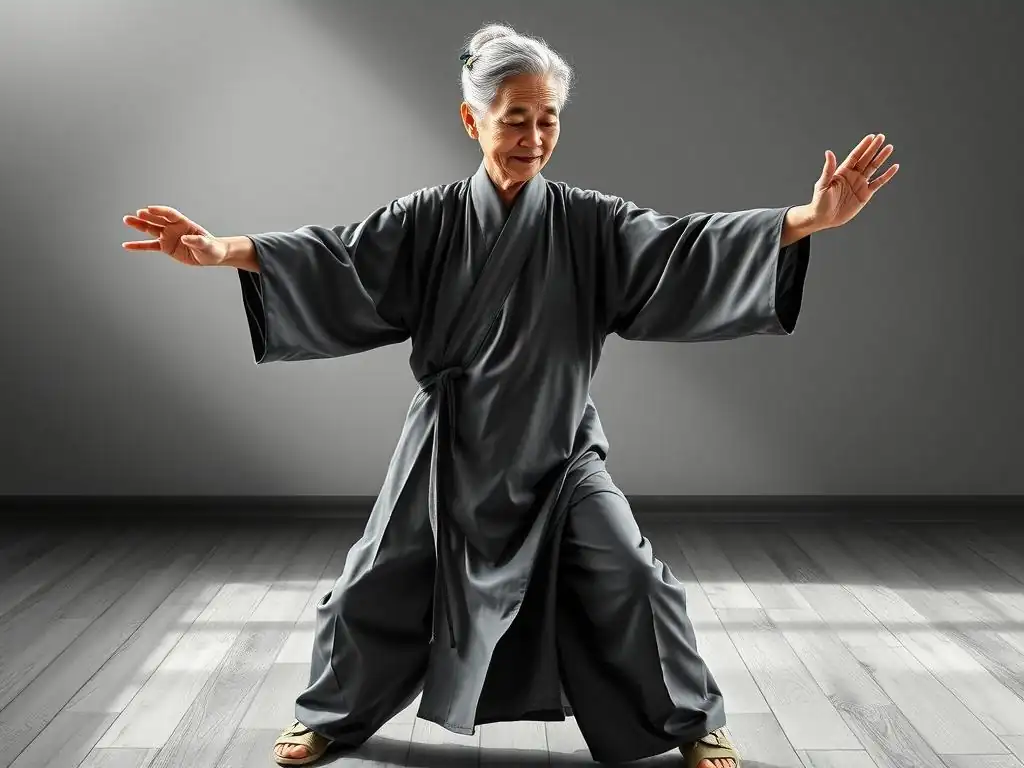
Fibromyalgia is often accompanied by muscle stiffness, particularly after periods of inactivity or upon waking. This stiffness can limit range of motion and contribute to pain. The slow, deliberate, and continuous movements of Tai Chi are specifically designed to gently stretch and mobilize muscles and joints throughout the body. The practice encourages a full range of motion within comfortable limits, promoting flexibility and reducing the feeling of stiffness without putting excessive strain on tender areas. The emphasis on relaxation during movements also helps to release chronic muscle tension.
Regular practice of Tai Chi has been shown to improve flexibility and reduce muscle stiffness in individuals with fibromyalgia. Studies evaluating the impact of Tai Chi often measure improvements in joint range of motion and self-reported stiffness levels. Participants commonly report feeling less rigid and more limber after starting a Tai Chi program.
While precise percentage improvements vary, increases in flexibility measurements and significant reductions in self-reported stiffness are frequently observed outcomes, contributing directly to improved physical function and reduced discomfort. This gentle approach to movement is key for those seeking effective Tai Chi fibromyalgia pain relief and symptom management.
Enhancing Mental Well-being and Reducing Stress Through Tai Chi Meditation
Fibromyalgia is often associated with increased levels of stress, anxiety, and sometimes depression, which can significantly worsen physical symptoms. The mental component of Tai Chi, which includes mindfulness, focused breathing, and meditation, plays a crucial role in addressing these psychological aspects. By focusing on the present moment and the body's movements, practitioners learn to quiet the "chatter" of the mind, reduce ruminative thoughts, and cultivate a sense of calm. The slow, rhythmic nature of the practice itself can be deeply soothing and stress-reducing.
Research confirms the positive impact of Tai Chi on the mental well-being of individuals with fibromyalgia. Studies have demonstrated significant reductions in stress levels, anxiety symptoms, and depression scores following Tai Chi interventions. For instance, improvements in mental health scores by 20-40% have been reported in various studies. Participants often describe feeling more relaxed, less anxious, and better equipped to cope with the challenges of living with a chronic condition. This enhanced mental resilience is a vital component of managing fibromyalgia effectively and contributes significantly to overall quality of life alongside physical benefits like Tai Chi fibromyalgia pain relief.
Tai Chi Techniques for Fibromyalgia Symptom Management: A Practical Guide
Gentle Movements for Fibromyalgia: Focusing on Relaxation and Balance
The foundation of using Tai Chi for fibromyalgia lies in its gentle, low-impact movements. Unlike more dynamic martial arts, Tai Chi emphasizes smooth, continuous transitions between postures, performed slowly and deliberately. The focus is on relaxation (Song) throughout the body, allowing muscles to lengthen and joints to move freely without tension. Key principles include maintaining an upright posture, keeping movements circular and flowing, and coordinating movements with the breath. There is no need for speed or force; the power lies in the fluidity and control.
Specific movements are often adapted to the individual's comfort level and physical limitations. For someone with severe pain or fatigue, practicing while seated might be necessary initially. The emphasis is always on listening to the body and avoiding any movement that increases pain significantly. Focus is placed on foundational elements like shifting weight smoothly, maintaining balance, and coordinating hand and foot movements. Simple forms or even just individual postures practiced mindfully can provide significant benefits in terms of flexibility, balance, and reducing stiffness, laying the groundwork for Tai Chi fibromyalgia pain relief.
Breathing Exercises (Qigong) for Symptom Reduction and Energy Flow
Integral to Tai Chi is the practice of Qigong, which involves coordinated body movements, posture, and breathing techniques for health and spirituality. For fibromyalgia management, specific Qigong breathing exercises are particularly beneficial. These exercises typically involve deep, slow, and abdominal breathing, often synchronized with gentle movements. The aim is to calm the nervous system, increase oxygen intake, and promote the smooth flow of Qi (often translated as vital energy) throughout the body, according to traditional Chinese medicine principles.
Practicing deep, diaphragmatic breathing helps to relax muscles, reduce stress, and improve circulation. For someone with fibromyalgia, this can directly impact pain perception and fatigue levels. Simple exercises like "Abdominal Breathing" or "Opening and Closing" movements combined with slow, deep breaths can be practiced daily, even independently of a full Tai Chi form. Consistent breathing exercises are known to activate the parasympathetic nervous system, promoting a state of rest and digest, which is often dysregulated in chronic pain conditions like fibromyalgia, thereby aiding Tai Chi fibromyalgia pain relief.
Meditation and Mindfulness in Tai Chi: Calming the Mind and Body
Beyond the physical movements and breathing, the meditative aspect of Tai Chi is crucial for symptom management, especially for addressing the stress and anxiety often associated with fibromyalgia. Tai Chi is often described as "moving meditation." During practice, the practitioner focuses on the movements, the breath, and the sensations in the body, bringing their attention to the present moment. This mindful awareness helps to quiet the mind, reduce rumination on pain or worries, and cultivate a sense of calm and centeredness.
Incorporating mindfulness into Tai Chi practice allows individuals to develop a different relationship with their pain and other symptoms. Instead of reacting with fear or frustration, they learn to observe sensations without judgment. This detachment can reduce the emotional intensity of pain. Regular meditation and mindfulness practice, whether integrated into the movements or practiced separately, has been shown to alter brain activity patterns associated with pain processing and emotional regulation. This mental training is a powerful tool for enhancing overall well-being and complementing the physical benefits of Tai Chi fibromyalgia pain relief.
Adapting Tai Chi for Individual Needs and Limitations
One of the strengths of Tai Chi as a therapy for fibromyalgia is its adaptability. A qualified instructor can modify movements to accommodate varying levels of pain, fatigue, flexibility, and balance issues. For example, movements can be performed while seated or using a chair for support. The range of motion can be reduced, and the number of repetitions or length of practice can be adjusted based on how the individual is feeling on any given day. The principle is always to move within comfort and avoid pushing into significant pain.
This adaptability is critical for individuals with chronic, fluctuating conditions like fibromyalgia. It ensures that the practice remains accessible and beneficial, rather than becoming another source of frustration or pain. A good instructor will work with students to find variations that are safe and effective for their specific needs, empowering them to participate fully and gain the maximum benefits from Tai Chi for fibromyalgia pain relief and overall symptom management. This personalized approach helps build confidence and encourages consistent practice.
Getting Started with Tai Chi for Fibromyalgia: A Step-by-Step Approach
Finding a Qualified Tai Chi Instructor Experienced with Chronic Pain Conditions
Finding the right instructor is perhaps the most important step when starting Tai Chi for fibromyalgia. Look for instructors who have experience working with students with chronic health conditions, particularly those involving pain and fatigue. They should understand the unique challenges posed by fibromyalgia and be able to offer modifications and guidance tailored to your needs. A qualified instructor will emphasize proper body alignment, relaxation, and mindful movement, rather than complex choreography or performance.
Inquire about the instructor's background, teaching philosophy, and experience with therapeutic applications of Tai Chi. Some instructors may have specific training in medical Qigong or Tai Chi for health. Attending a trial class or observing a session can also help you gauge if the instructor's style and the class environment are a good fit for you. A supportive and understanding instructor can make a significant difference in your journey towards using Tai Chi for fibromyalgia pain relief and symptom management.
Choosing the Right Tai Chi Style for Your Needs (e.g., Yang Style)
There are several styles of Tai Chi, each with its own forms and characteristics. For individuals with fibromyalgia, styles known for their gentle, flowing movements and emphasis on health benefits are generally recommended. The Yang style, particularly the simplified 24-form or shorter health-focused forms, is often suggested for beginners and those with chronic conditions due to its relatively simple structure, slow pace, and focus on relaxation and balance.
Other styles, like Sun style, which involves unique stepping patterns often described as "open and close," can also be very beneficial, particularly for improving mobility and joint health. The key is to choose a style and form that feels comfortable, accessible, and enjoyable. Don't get caught up in finding the "perfect" style; the most important factor is consistency and practicing a form that you can manage and benefit from. Discussing options with a qualified instructor can help you decide which style might be best suited for your goals of using Tai Chi for fibromyalgia pain relief and improved well-being.
Gradual Progression: Starting Slowly and Increasing Intensity Over Time
When beginning Tai Chi with fibromyalgia, it is crucial to start slowly and gradually increase the duration and intensity of your practice. Fibromyalgia symptoms can fluctuate, and overexertion can lead to symptom flares. Begin with short practice sessions, perhaps just 10-15 minutes, focusing on basic postures, breathing, and a few fundamental movements. As your stamina and comfort level improve, you can gradually increase the length of your practice sessions or learn more movements within a form.
Listen carefully to your body and respect its limits on any given day. If you are experiencing a flare-up of symptoms, it might be better to practice gentle breathing exercises or seated movements rather than attempting a full form. The goal is consistency, not intensity. By progressing gradually, you allow your body to adapt to the movements and build strength and flexibility without triggering pain or fatigue. This patient approach is essential for long-term success with Tai Chi fibromyalgia pain relief.
Creating a Safe and Supportive Training Environment
The environment in which you practice Tai Chi can significantly impact your experience and results. Choose a space that is quiet, calm, and free from distractions. Ensure there is enough room to move safely without bumping into furniture. Wear comfortable, loose-fitting clothing and flat, supportive shoes that allow your feet to move freely. If practicing at home, ensure the floor is not slippery.
If attending a class, look for a welcoming and supportive atmosphere. Practicing in a group can provide motivation and a sense of community, which can be particularly helpful for individuals dealing with chronic conditions. A supportive environment, whether at home or in a class setting, allows you to relax, focus on your practice, and fully benefit from the calming and healing potential of Tai Chi for fibromyalgia symptom management.
Scientific Evidence: Research on Tai Chi and Fibromyalgia
Studies Supporting Tai Chi's Effectiveness in Reducing Fibromyalgia Symptoms
A growing body of scientific research supports the effectiveness of Tai Chi as a complementary therapy for fibromyalgia. Multiple randomized controlled trials, considered the gold standard in clinical research, have investigated the impact of Tai Chi on various fibromyalgia symptoms. These studies consistently show positive outcomes across key symptom domains. For example, a systematic review published in 2013 analyzing data from several studies concluded that Tai Chi significantly improved pain, fatigue, sleep quality, and functional capacity in individuals with fibromyalgia compared to control groups.
More recent studies continue to reinforce these findings. A 2018 study published in the journal Arthritis Care & Research compared different types of exercise and found that Tai Chi was associated with greater improvements in fibromyalgia symptoms, including pain, fatigue, and depression, than aerobic exercise.
Participants in Tai Chi groups often report clinically meaningful improvements in their symptoms, with average reductions in pain scores frequently ranging from 20% to over 40% in controlled studies. This robust evidence base provides strong support for incorporating Tai Chi into a comprehensive fibromyalgia management plan for potential Tai Chi fibromyalgia pain relief and overall symptom improvement.
Understanding the Mechanisms Behind Tai Chi's Therapeutic Effects
While the exact mechanisms are complex and still being fully elucidated, several factors are believed to contribute to Tai Chi's therapeutic effects on fibromyalgia. Physiologically, the gentle movements improve blood circulation, reduce muscle tension, and enhance flexibility and balance. The coordinated movements and breath control may also positively influence the autonomic nervous system, promoting a shift towards the parasympathetic state, which is associated with relaxation and reduced stress responses. Tai Chi's low-impact nature allows individuals to engage in physical activity without triggering post-exertional malaise, a common issue in fibromyalgia.
From a psychological perspective, the meditative and mindfulness components of Tai Chi help to reduce stress, anxiety, and depression, which are known to exacerbate fibromyalgia symptoms. By cultivating mindful awareness, individuals may develop better coping strategies for pain and discomfort, altering their perception of symptoms. Additionally, the social interaction in group classes can provide valuable support. The practice may also influence central pain processing in the brain, potentially by modulating neurotransmitters or altering brain connectivity patterns, contributing to the observed Tai Chi fibromyalgia pain relief.
Considerations for Future Research on Tai Chi and Fibromyalgia
Despite the promising results, there are areas for future research to further understand and optimize the use of Tai Chi for fibromyalgia. More studies are needed to compare different Tai Chi styles and forms to determine if certain approaches are more effective than others for specific symptom profiles. Research into the optimal duration and frequency of Tai Chi practice for long-term symptom management is also valuable. While studies show benefits, understanding the minimum dose required to maintain improvements would be helpful for patients and clinicians.
Further investigation into the specific physiological and neurological mechanisms underlying Tai Chi's effects could lead to more targeted therapeutic applications. Research exploring the cost-effectiveness of Tai Chi compared to other interventions for fibromyalgia would also be beneficial for healthcare systems and patients. Finally, studies examining the long-term adherence to Tai Chi practice and factors that influence consistency could help develop strategies to support individuals in maintaining their practice and maximizing the benefits of Tai Chi fibromyalgia pain relief over time.
Integrating Tai Chi into Your Fibromyalgia Management Plan
Combining Tai Chi with Other Therapies (e.g., Physical Therapy, Medication)
Tai Chi is best viewed as a complementary therapy for fibromyalgia, designed to work alongside, not replace, other components of a comprehensive management plan. It can be effectively integrated with conventional medical treatments, such as pain medication, sleep aids, or antidepressants, as well as other non-pharmacological approaches. For example, combining Tai Chi with physical therapy can provide a holistic approach, where physical therapy addresses specific musculoskeletal limitations while Tai Chi improves overall function, balance, and mental well-being.
Discussing your intention to start Tai Chi with your doctor and other healthcare providers is important. They can offer guidance based on your specific health status and current treatments. Integrating Tai Chi with therapies like cognitive-behavioral therapy (CBT) or mindfulness-based stress reduction (MBSR) can further enhance mental health benefits and coping strategies. The goal is to create a synergistic plan where each component supports the others, leading to more effective overall management of fibromyalgia symptoms, including significant Tai Chi fibromyalgia pain relief.
Listening to Your Body and Adjusting Your Practice Accordingly
A fundamental principle in both Tai Chi practice and fibromyalgia management is the importance of listening to your body. Fibromyalgia symptoms can fluctuate daily, and what feels comfortable one day might be too much the next. It is crucial to approach your Tai Chi practice with self-compassion and flexibility. On days when fatigue or pain is high, it is perfectly acceptable to shorten your practice, perform movements while seated, or simply focus on breathing exercises and gentle stretches.
Avoid pushing through significant pain, as this can lead to symptom flares and discourage future practice. Learn to distinguish between gentle stretching or muscle engagement and sharp, intense pain. Adjust the range of motion, speed, or duration of your practice based on how you feel. This intuitive approach, guided by mindful awareness cultivated during Tai Chi, empowers you to maintain consistency without overexerting yourself, ensuring that Tai Chi remains a source of healing and support for your fibromyalgia journey.
Maintaining a Consistent Tai Chi Practice for Long-Term Symptom Management
The benefits of Tai Chi for fibromyalgia, including Tai Chi fibromyalgia pain relief, are typically realized and sustained through consistent practice over time. While some individuals may notice improvements within a few weeks, more significant and lasting changes often occur after several months of regular practice. Aim for consistency rather than sporadic long sessions. Even short, daily practice sessions (e.g., 15-20 minutes) can be more beneficial than infrequent long ones.
Making Tai Chi a regular part of your routine requires commitment, but the potential rewards in terms of reduced pain, improved sleep, increased energy, and enhanced well-being make it a worthwhile endeavor. Consider setting aside a specific time each day for practice, perhaps in the morning to ease stiffness or in the evening to promote relaxation before sleep. Finding a supportive class or practice group can also help maintain motivation and consistency. Viewing Tai Chi as a sustainable self-management strategy, rather than a temporary fix, is key to unlocking its full potential for managing fibromyalgia symptoms.
Conclusion: Embracing Tai Chi for Fibromyalgia - A Journey of Empowerment
Tai Chi as a Sustainable and Empowering Self-Management Strategy
For individuals living with fibromyalgia, finding effective ways to manage chronic pain, fatigue, and other debilitating symptoms is an ongoing journey. Tai Chi Chuan offers a gentle, accessible, and empowering path towards improved well-being. Its unique combination of slow, mindful movement, deep breathing, and meditation addresses the multifaceted nature of fibromyalgia, providing benefits that extend beyond physical relief to encompass mental and emotional health. Unlike treatments that solely focus on suppressing symptoms, Tai Chi cultivates internal resources, teaching individuals to move with greater ease, manage stress, and develop a more positive relationship with their bodies.
Embracing Tai Chi for fibromyalgia is not just about performing movements; it's about cultivating a practice that fosters resilience, self-awareness, and a sense of control over one's health. The ability to adapt the practice to fluctuating symptoms empowers individuals to remain active and engaged in their own care.
As a low-impact, non-pharmacological intervention with a strong and growing evidence base for Tai Chi fibromyalgia pain relief and overall symptom reduction, Tai Chi stands out as a sustainable strategy that can be integrated into daily life for long-term benefit. It offers a gentle yet powerful way to navigate the challenges of fibromyalgia and enhance overall quality of life.
Resources for Finding Tai Chi Classes and Information on Fibromyalgia
Finding reliable resources is crucial when starting your Tai Chi journey for fibromyalgia. Look for qualified instructors through reputable martial arts or health centers in your local area. Websites of national Tai Chi or Qigong organizations often have directories of certified instructors. Many community centers, hospitals, and senior centers also offer Tai Chi classes, sometimes specifically tailored for individuals with chronic conditions. Online resources, including video tutorials and virtual classes, are also available, though hands-on guidance from a live instructor is often recommended, especially for beginners.
For information on fibromyalgia itself, consult reputable health organizations such as the National Fibromyalgia Association, the American College of Rheumatology, or the National Institutes of Health. These resources provide up-to-date information on diagnosis, treatment options, and self-management strategies. Combining accurate information about fibromyalgia with access to qualified Tai Chi instruction creates a strong foundation for effectively using Tai Chi for fibromyalgia pain relief and embarking on a path toward improved health and vitality.
Frequently Asked Questions
What is Tai Chi and how does it relate to pain management?
Tai Chi is a gentle martial art involving slow, flowing movements. It's increasingly recognized for its potential benefits in managing chronic pain conditions like fibromyalgia through improved flexibility and reduced stress.
How can Tai Chi help specifically with fibromyalgia pain?
Tai Chi's low-impact nature can improve muscle strength and flexibility without exacerbating fibromyalgia symptoms. Studies suggest it can also help reduce pain intensity and improve overall quality of life.
Is Tai Chi safe for individuals with fibromyalgia?
Generally, yes. Tai Chi is considered safe and gentle for most people, including those with fibromyalgia. However, it's crucial to start slowly and consult with a doctor before beginning any new exercise program.
How often should someone with fibromyalgia practice Tai Chi to see benefits?
While individual results vary, many studies suggest that practicing Tai Chi 2-3 times per week for at least 12 weeks can lead to noticeable improvements in fibromyalgia symptoms.
Where can I find qualified Tai Chi instructors for fibromyalgia pain relief?
Look for instructors with experience working with individuals with chronic pain. Check for certifications and reviews, and consider asking your doctor or physical therapist for recommendations.
Final Reflection: Embracing Gentle Strength
The journey through understanding and managing fibromyalgia symptoms with Tai Chi underscores a powerful truth: healing often lies in embracing gentle strength. While the chronic pain and fatigue of fibromyalgia can feel overwhelming, the slow, deliberate movements of Tai Chi offer a pathway to reclaiming control and finding relief, a concept increasingly relevant in our fast-paced, often stressful world.
This exploration has highlighted not only the physical benefits of Tai Chi, but also its profound impact on mental and emotional well-being. The ability to find moments of peace and mindful movement amidst the daily struggles of fibromyalgia is a testament to the resilience of the human spirit and the transformative power of ancient practices. The softest things in the world overcome the hardest things in the world.
- Lao Tzu. This quote perfectly encapsulates the essence of Tai Chi and its ability to gently, yet powerfully, alleviate the suffering caused by fibromyalgia.
As we conclude, I invite you to consider the lessons learned about patience, self-compassion, and the profound connection between mind and body. Whether you are personally affected by fibromyalgia or simply seeking a more mindful approach to life, remember the slow grace of Tai Chi. Embrace the gentle strength within you, and discover the potential for healing and well-being that resides in each mindful movement.
Reclaim Your Well-being: Embrace the Flow!
Thank you for exploring how Tai Chi can gently ease fibromyalgia symptoms. We hope this article has sparked a new sense of possibility for managing your health. Now, let’s put this knowledge into action!
- Start your journey: find a local Tai Chi class designed for beginners and commit to attending at least once a week to experience the initial benefits.:
- Delve deeper: Research the specific Tai Chi forms most recommended for pain management and gentle movement, like Sun style or Chen style.
- Share your insights: Connect with others in the fibromyalgia community online to share your experiences and learn from their journeys with Tai Chi.
What small step will you take today to integrate Tai Chi into your fibromyalgia management plan?