
Why the Mount is One of BJJ's Most Feared Positions

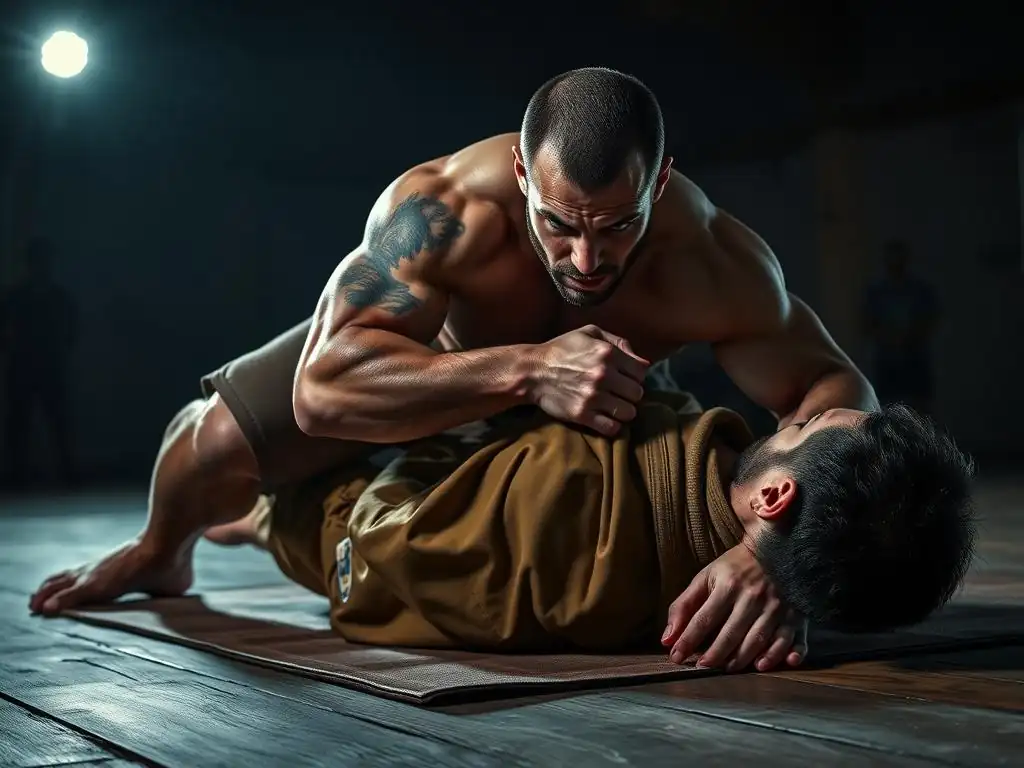
Welcome to Martial Arts Mastery, your ultimate resource for exploring the world of combat. Ever wondered why the mount is considered one of the most dominant positions in Brazilian Jiu-Jitsu? This article delves into a complete BJJ mount position breakdown, revealing the techniques and strategies that make it so effective. Discover the secrets that turn this seemingly simple position into a fight-ending advantage and unlock your grappling potential. Intrigued? Let's begin.
- The Anatomy of a Strong BJJ Mount Position Breakdown
-
Frequently Asked Questions
- What makes the mount position so effective in Brazilian Jiu-Jitsu (BJJ)?
- What are some common submission techniques used from the mount?
- How can a bottom player escape from the mount position in BJJ?
- What are the key considerations for maintaining the mount as the top player?
- How does the mount position relate to self-defense scenarios outside of a BJJ context?
- Final Reflection: Mastering the Mount, Mastering the Game
- Conquer the Mount: Elevate Your BJJ Game!
The Anatomy of a Strong BJJ Mount Position Breakdown
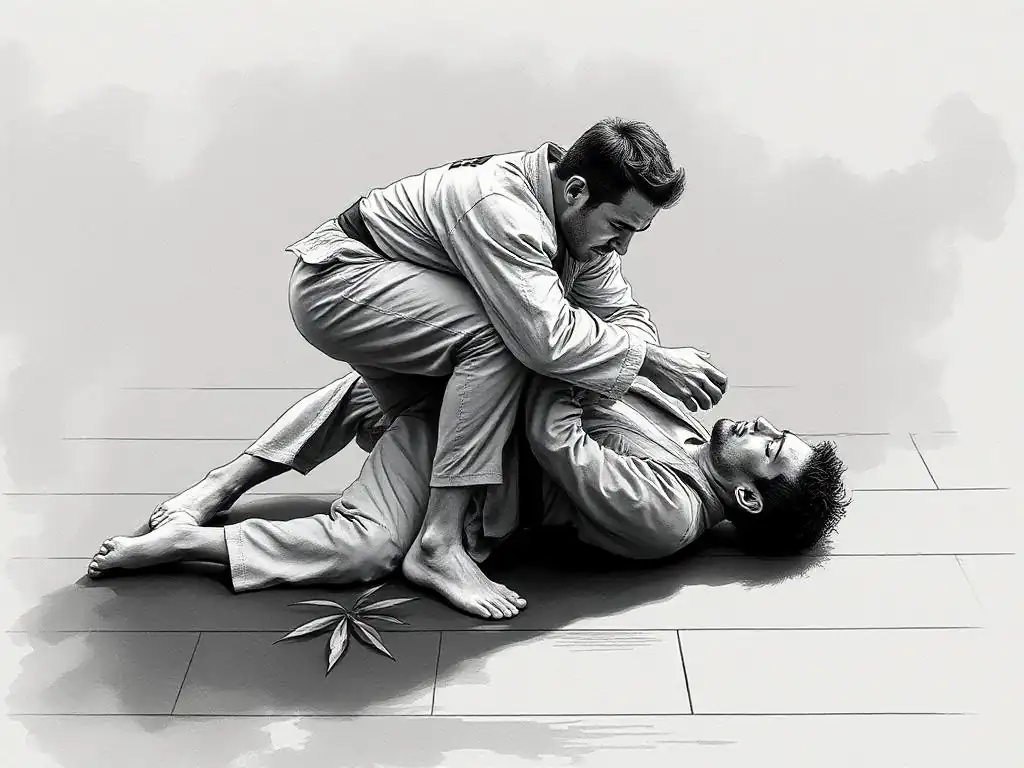
A truly dominant BJJ mount position breakdown isn't just about being on top; it's about establishing a stable, controlling base that limits the opponent's movement and sets up offensive opportunities. Understanding the fundamental mechanics is crucial for anyone looking to improve their top game in Brazilian Jiu-Jitsu. It involves a careful balance of posture, base, and pressure application, creating a frustrating scenario for the person on the bottom. Mastering this position is often considered a benchmark of progress in BJJ.
Building upon the basic concept of being in the mount, a strong structure involves specific points of contact and weight distribution. Without a solid foundation, the mount position is easily compromised by even simple bridging or shrimping attempts. A comprehensive BJJ mount position breakdown begins with recognizing that stability precedes offense. This means prioritizing maintaining the position over immediately attacking, as losing the mount negates any potential submission setup.
Key Elements for Maintaining a Secure Mount
Maintaining a secure BJJ mount position breakdown relies heavily on establishing a wide, stable base and controlling your opponent's ability to generate force for escapes. Your knees should ideally be flared wide, just outside their shoulders or chest, creating a triangular base with your hips low. This wide stance makes it difficult for them to bridge effectively, as their upward force is dissipated across a larger area. Keeping your hips heavy and low to their body also minimizes the space they can use to maneuver or create leverage for an escape.
Another critical element is posture and head position. Keeping your head up and back, looking towards their legs, helps maintain a strong posture and prevents you from being easily pulled forward or off-balance during escape attempts. Your hands can initially be on the mat for balance, but transitioning to grips like the seatbelt or gable grip under the arms provides more control over their upper body and prevents them from sitting up or turning aggressively. Think of your body as a heavy blanket draped over them, using your structure to negate their movements.
Weight Distribution for Maximum Control in Mount
Effective weight distribution is paramount in a successful BJJ mount position breakdown. The goal is to apply pressure strategically to make the opponent uncomfortable and immobile, without sacrificing your own balance. While it might seem intuitive to put all your weight on them, simply being heavy isn't enough; the pressure needs to be directed to inhibit their escape mechanisms, primarily bridging and shrimping. Distributing your weight across their sternum and hips simultaneously pins them down.
Focus on keeping your hips heavy and connected to their body. This prevents them from shrimping out or creating space underneath you. Simultaneously, use your upper body weight to apply pressure downwards through your chest and grips, controlling their ability to sit up or turn.
Avoid putting excessive weight on your hands or arms, as this creates points of instability and allows them to push you off. A good BJJ mount position breakdown emphasizes using skeletal structure and core strength to apply pressure, rather than relying solely on muscular force, which is unsustainable. Consider how practitioners like Roger Gracie utilize immense, suffocating pressure from mount, often making escapes feel impossible due to precise weight distribution.
Controlling the Hips and Upper Body from Mount
Controlling your opponent's hips is fundamental to preventing escapes from a BJJ mount position breakdown. The hips are the engine of most escapes, providing the power for bridging and shrimping. By keeping your hips low and heavy, and potentially using your knees to block their hip movement (especially towards the sides), you severely limit their ability to generate the force needed to escape. Your lower body forms a cage around their hips, trapping them.
Simultaneously controlling the upper body is essential to prevent them from sitting up, turning into you, or using their arms to push you off. Grips like the seatbelt (one arm under the near arm, the other over the far shoulder, hands clasped) or double underhooks provide excellent control over their torso.
These grips allow you to drive your weight down through their chest and control their posture, making it difficult for them to initiate any powerful movements. A comprehensive BJJ mount position breakdown integrates this upper and lower body control, creating a dilemma for the opponent: if they focus on freeing their hips, their upper body is exposed; if they focus on their upper body, their hips are vulnerable.
Frequently Asked Questions
What makes the mount position so effective in Brazilian Jiu-Jitsu (BJJ)?
The mount position offers superior control and striking opportunities. The top player has a dominant position to inflict damage or secure submissions, while the bottom player is limited in their defense.
What are some common submission techniques used from the mount?
Many submissions are viable, including armbars, triangles, and Ezekiel chokes. The top player can leverage their positional dominance to apply these techniques effectively.
How can a bottom player escape from the mount position in BJJ?
Escapes often involve hip escapes, bridging, and creating space. The bottom player needs to disrupt the top player's balance and regain a guard position.
What are the key considerations for maintaining the mount as the top player?
Maintaining a low center of gravity and controlling the opponent's hips are crucial. The top player must also be aware of potential escape attempts and react accordingly.
How does the mount position relate to self-defense scenarios outside of a BJJ context?
The mount translates well to self-defense as it provides dominant control over an attacker. It allows for effective striking and control until help arrives or the situation de-escalates.
Final Reflection: Mastering the Mount, Mastering the Game
The preceding breakdown of the BJJ mount position, from its fundamental control to its devastating submission opportunities, underscores its enduring power in grappling. Understanding and mastering the mount is not merely about learning a technique; it's about understanding positional dominance and control, principles that extend far beyond the mat and into everyday life. The ability to maintain composure and exert influence from a position of strength is a skill applicable in countless scenarios, making the mount a powerful metaphor for achieving success.
The mount's influence on the BJJ landscape is undeniable, shaping strategies and dictating the flow of countless matches. Its effectiveness lies not just in its offensive potential, but also in the psychological pressure it exerts on the opponent, forcing them to react and creating openings. This constant dance of control and resistance is a microcosm of the challenges we face in life. The ground is my ocean, I'm the shark, and most people don't even know how to swim.
- Rickson Gracie. This quote encapsulates the feeling of control and mastery that the mount, when executed properly, provides.
Now, consider how the principles of control, leverage, and calculated pressure, so vital to the BJJ mount, can be applied to your own life. Are there areas where you can establish a more dominant position, not through brute force, but through strategic thinking and unwavering focus? Embrace the challenge of mastering your own "mount" – whatever that may be – and discover the power of positional dominance in achieving your goals.
Conquer the Mount: Elevate Your BJJ Game!
Thanks for diving deep into the intricacies of the Mount position! We hope you've gained a new appreciation for its dominance and strategic importance in BJJ. Now, it's time to translate that knowledge into action!
Here are some steps you can take to truly master the Mount:
- Drill, Drill, Drill! Dedicate at least 15 minutes of each training session to Mount escapes and attacks. Repetition is key to building muscle memory.
- Explore less conventional Mount entries. Don't just rely on the standard transitions. Try the technical mount entry or even a flying mount!
- Share this article with your training partners and spark a discussion about Mount strategies. Collaborate to uncover new techniques and counters.
What's the first Mount technique you're going to implement in your next sparring session? Let us know in the comments!