
Sanda's OpenHand Strikes: Palm Heels and Their Place in the Ruleset

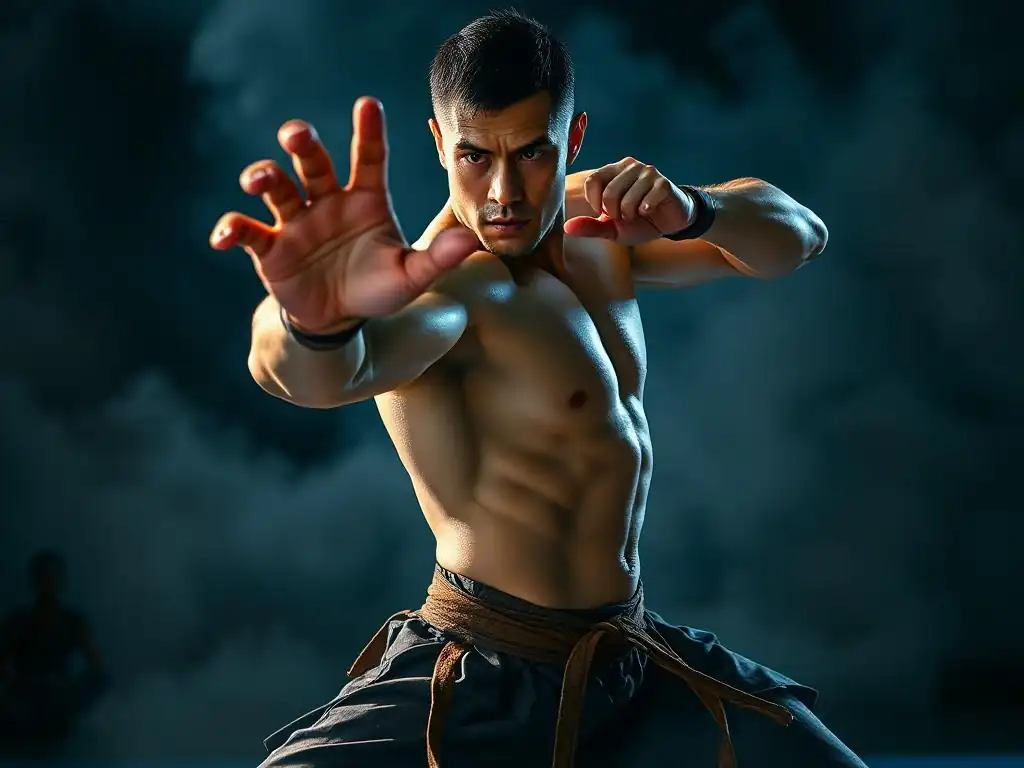
Welcome to Martial Arts Mastery, your gateway to the world's fighting arts! Ever wondered how Sanda, the modern Chinese combat sport, blends tradition with explosive power? Dive into our exploration of Sanda's palm heel strike technique, a deceptively simple yet devastatingly effective weapon. Discover its strategic application, its place within the Sanda ruleset, and how mastering this open-hand strike can elevate your own martial arts journey. Intrigued? Keep reading to unlock the secrets behind this crucial Sanda maneuver!
- Understanding Palm Heel Strikes in Sanda/Sanshou
- The Sanda Palm Heel Strike Technique: A Detailed Breakdown
- The Sanda Ruleset and the Palm Heel Strike
- Palm Heel Strikes vs. Punches in Sanda: A Comparison
- Defensive Applications of the Palm Heel in Sanda
- Integrating Palm Heel Strikes into Your Sanda Training Regimen
- Advanced Palm Heel Strike Techniques in Sanda
- The Future of Palm Heel Strikes in Sanda/Sanshou
-
Frequently Asked Questions
- What is the significance of the palm heel strike in Sanda?
- How does the Sanda ruleset affect the use of palm heel strikes?
- What are the key advantages of using a palm heel strike compared to a fist punch?
- Where are the most effective target areas for a Sanda palm heel strike?
- How can I improve my Sanda palm heel strike technique and power?
- Final Reflection: The Enduring Power of Open Hands
- Embrace the Power: Unlock Your Palm Heel Potential!
Understanding Palm Heel Strikes in Sanda/Sanshou
The Significance of Open Hand Techniques in Sanda
Sanda, also known as Sanshou, is a modern Chinese combat sport that combines elements of traditional Chinese martial arts with modern kickboxing and wrestling. Unlike many Western boxing styles that strictly limit hand strikes to the closed fist, Sanda's ruleset permits a broader range of hand techniques, including various open-hand strikes.
This inclusion reflects Sanda's roots in practical self-defense applications derived from traditional Chinese martial arts, where open-hand techniques like palm strikes, knife-hand strikes, and finger jabs are common. The allowance of open-hand strikes adds complexity and versatility to the Sanda fighter's arsenal, distinguishing it from combat sports that focus solely on gloved fist strikes.
The significance of open-hand techniques extends beyond historical lineage; they offer distinct strategic advantages within the competitive Sanda environment. Techniques such as the Sanda palm heel strike can be highly effective for disrupting an opponent's balance, creating distance, or targeting specific points with concussive force.
While a closed fist punch typically focuses force into a smaller area, an open-hand strike like the palm heel distributes force over a slightly larger, yet still concentrated, area. This can be particularly useful when striking sensitive areas or when seeking to push or unbalance an opponent, fitting well within Sanda's emphasis on throws and takedowns in addition to striking.
Why Palm Heel Strikes are Important in Sanda Competition
Palm heel strikes hold a specific and important place within the Sanda competition ruleset and strategy. While less common for scoring outright knockouts compared to powerful punches or kicks, the Sanda palm heel strike technique is invaluable for its disruptive potential and its ability to set up other techniques.
A well-executed palm heel strike to the face or chin can snap an opponent's head back, momentarily stunning them or breaking their posture, creating an opening for a follow-up strike or a crucial takedown attempt. In Sanda, where points are awarded for effective strikes and throws, disrupting an opponent's stance is often the first step towards scoring.
Furthermore, the Sanda palm heel strike can be employed effectively at close range, particularly during clinches or when exiting exchanges. Unlike a hook or uppercut which requires more room, a sharp palm heel can be delivered with minimal wind-up, making it a surprise attack or a way to create space.
While precise global statistics on the frequency of palm heel strikes in winning Sanda bouts are not widely compiled across all federations, anecdotal evidence from numerous competitions suggests that fighters who effectively integrate these techniques often gain a strategic edge by keeping their opponents off balance and reacting to varied attacks. Their importance lies not only in direct impact but also in their role within combinations and transitional phases of a Sanda fight.
The Sanda Palm Heel Strike Technique: A Detailed Breakdown
Proper Form and Execution of a Sanda Palm Heel Strike
Executing a Sanda palm heel strike technique effectively requires attention to detail regarding hand positioning, body mechanics, and targeting. The strike derives its power not just from the arm, but from the entire body's kinetic chain, similar to a well-thrown punch or kick. The primary striking surface is the hard, fleshy base of the palm, directly below the wrist joint. The fingers are typically kept extended or slightly curled back to avoid striking with them and potentially injuring them or causing an illegal strike depending on the exact target area.
To generate power, the Sanda palm heel strike utilizes core rotation and weight transfer. Starting from a balanced stance, the fighter pivots the hips and shoulders, driving power from the legs and core up through the torso and into the striking arm. The arm extends quickly, like a piston, with the palm heel leading.
The strike should be delivered with a snapping motion, focusing energy upon impact. Unlike a pushing motion, which might be penalized or ineffective, the goal is a sharp, percussive strike. Recovery is also key; the hand and arm should retract quickly after impact to avoid being grabbed or leaving the fighter exposed.
Hand Positioning and Alignment
For the Sanda palm heel strike, the hand is held open, with the fingers pointing upwards or slightly outwards, curled back towards the wrist. The wrist must be kept straight and rigid upon impact to prevent injury and ensure the force is transmitted effectively through the palm heel. A bent wrist will absorb power and risks sprains or fractures.
The striking surface is the firm base of the palm, the area between the wrist and the beginning of the fingers. This part of the hand is relatively hard and resilient, capable of delivering significant force without the risk of breaking knuckles, which is a concern with bare-knuckle fist strikes (though Sanda uses gloves, the principle of protecting the hand's delicate structure remains). Proper alignment means the wrist, forearm, and striking surface are in a straight line at the moment of impact, maximizing the force transferred to the target.
Body Mechanics for Power Generation
Power generation for the Sanda palm heel strike technique begins from the ground up. The fighter pushes off the back foot, rotating the hips and torso towards the target. This rotational force is crucial, much like the torque generated in throwing a punch or a baseball. The leading shoulder and hip drive forward as the striking arm extends.
Weight transfer is also vital. As the body rotates and the arm extends, the fighter's weight shifts onto the lead leg (for a forward palm heel) or the rear leg (for a retreating or side palm heel). This coordinated movement of pushing, rotating, and transferring weight allows the relatively small muscles of the arm to deliver a powerful strike generated by the body's larger muscle groups. Without proper body mechanics, a palm heel strike would be little more than a push.
Targeting Vulnerable Areas with Palm Heel Strikes
Within the Sanda ruleset, legal targets for hand strikes typically include the head and body (torso). The Sanda palm heel strike technique is particularly effective when targeting areas that are sensitive or where its unique impact can cause disruption.
Common targets include:
- The chin or jaw: A sharp palm heel strike here can snap the head back, causing disorientation or potentially a knockout.
- The nose: A strike to the nose is painful and can cause eyes to water, momentarily blinding an opponent.
- The temple: While a smaller target, a strike here can be highly effective and disorienting.
- The sternum: A powerful strike to the center of the chest can 'stun' the opponent, affecting their breathing and posture.
The flat surface of the palm heel can also be used effectively to push the head or body, which, while not always scoring points directly as a strike, can set up throws or create necessary distance.
Drills and Training Exercises for Developing Palm Heel Strike Power
Developing a powerful and accurate Sanda palm heel strike requires dedicated practice through various drills. These exercises focus on refining technique, building explosive power, and integrating the strike into combinations. Consistency is key, practicing the movement repeatedly to build muscle memory and improve speed and force generation.
Initial training often involves practicing the movement slowly in the air (shadow boxing) to ensure correct form, wrist alignment, and body rotation. As technique improves, resistance and impact training can be introduced. Safety is paramount, especially in partner drills, to avoid injury.
Partner Drills for Practicing Palm Heel Strikes
Partner drills are essential for practicing the Sanda palm heel strike technique against a moving target and for developing timing and distance. One common drill involves one partner holding a focus mitt or a padded target (like a strike shield) while the other practices delivering controlled palm heel strikes. The partner holding the target can move, simulating evasive maneuvers or different ranges.
Another useful drill involves partners standing facing each other, practicing defensive applications. One partner might simulate throwing a punch, and the other uses a palm heel strike to parry or counter. For practicing targeting, a partner can stand still, and the striker focuses on hitting specific, padded areas on their body or headguard with controlled, light to moderate force, emphasizing accuracy over power initially. Communication between partners is crucial to ensure safety and provide feedback on technique.
Heavy Bag Training for Palm Heel Strike Power
The heavy bag is an invaluable tool for developing power in the Sanda palm heel strike. Unlike focus mitts, the heavy bag provides substantial resistance, allowing fighters to practice generating maximum force. When training on the heavy bag, focus on hitting the bag with the correct part of the palm heel and maintaining a straight, rigid wrist upon impact.
Drills can involve striking the bag with single, powerful palm heel strikes, focusing on hip rotation and weight transfer. More advanced drills involve combinations, integrating palm heel strikes with punches, kicks, or clinch entries. For example, a fighter might practice a jab-cross combination followed by a palm heel strike as they step inside, or a low kick followed by a palm heel as the opponent reacts. The heavy bag allows for repetitive, high-intensity practice to build the explosive power needed for effective Sanda palm heel strikes in competition.
The Sanda Ruleset and the Palm Heel Strike
Legality and Restrictions of Palm Heel Strikes in Sanda/Sanshou
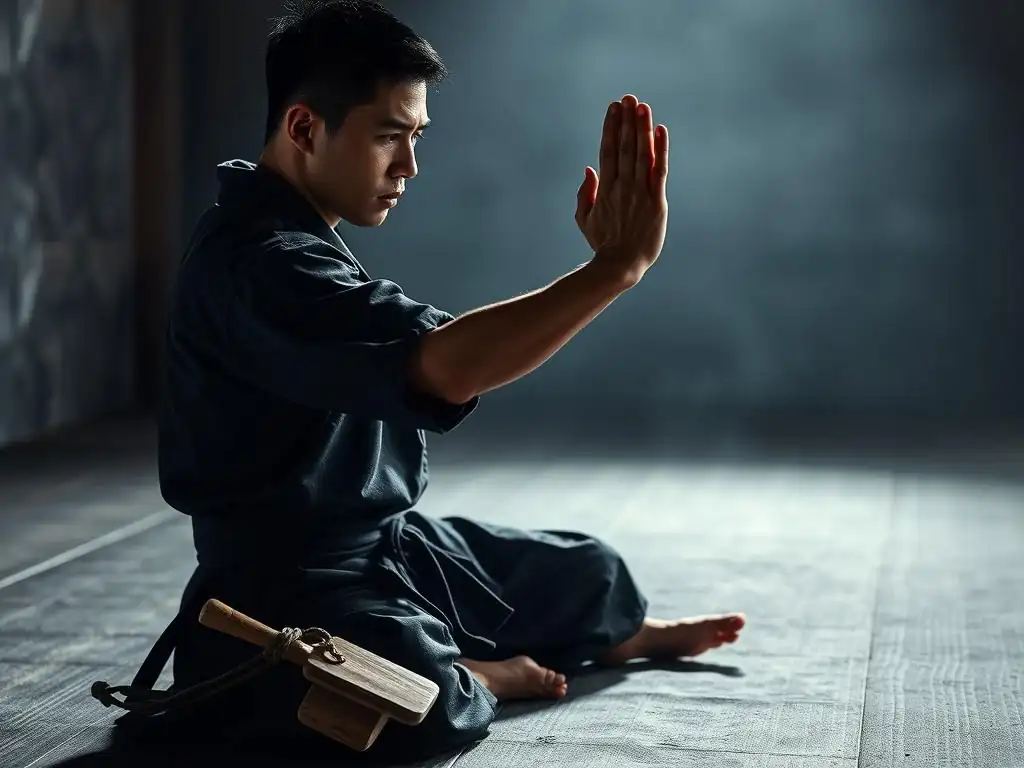
The legality of the Sanda palm heel strike technique is a defining characteristic of the sport, distinguishing it from many other striking arts. Generally, palm heel strikes are permitted to the legal target areas, which typically include the head (face and sides) and the torso (front and sides). However, specific rules can vary slightly between different Sanda federations (such as those governing Wushu Sanda vs. professional Sanshou leagues).
Crucially, strikes to the back of the head, spine, throat, groin, and joints are almost universally prohibited, regardless of whether the strike is delivered with a fist or an open hand. Additionally, the manner of execution is regulated; a clear striking motion is usually required. A simple push with the palm, while sometimes useful for unbalancing outside of scoring, is typically not scored as a strike and could even be cautioned if it appears defensive or non-combative in nature according to some rule interpretations. The intent must be to deliver a percussive blow.
Scoring with Palm Heel Strikes in Sanda Competition
Scoring in Sanda competition is based on effectively landing strikes to legal targets and executing throws or takedowns. A clean, effective Sanda palm heel strike technique landed to the head or body can score points, similar to a punch or kick. The exact number of points awarded for a strike varies depending on the ruleset and the perceived effectiveness of the blow. For instance, a strong strike that causes the opponent to visibly react or step back might score more points than a glancing blow.
While a single palm heel strike might score one or two points depending on the federation's rules, its value often lies in its contribution to a combination or its ability to set up a higher-scoring technique like a takedown. For example, a fighter might land a palm heel strike that momentarily stuns an opponent, immediately following up with a trip or throw that scores three points.
The palm heel strike, in this scenario, facilitated the higher-scoring action, demonstrating its strategic importance beyond just its individual point value. Judges evaluate the overall effectiveness and aggression, and a well-placed palm heel contributes to that assessment.
Common Fouls and Penalties Involving Palm Heel Strikes
While the Sanda palm heel strike technique is legal, certain actions involving the open hand can result in fouls and penalties. The most common foul related to open hands is striking illegal targets. Accidentally or intentionally striking the back of the head, spine, or throat with a palm heel will result in a warning, point deduction, or even disqualification depending on the severity and intent.
Another potential foul involves using the open hand to 'poke' or 'jab' with the fingers, particularly towards the eyes. While some traditional martial arts include such techniques, Sanda rules strictly prohibit eye gouging or any deliberate attempt to injure the eyes with the fingers.
Using the palm heel with fingers extended in a non-striking, pushing, or defensive manner that is deemed non-combative or used solely to keep distance without engaging can also potentially lead to a warning for passivity or lack of engagement, although this is less common than illegal targeting. Fighters must ensure their open-hand techniques are clear strikes to legal areas.
Palm Heel Strikes vs. Punches in Sanda: A Comparison
Advantages of Palm Heel Strikes over Punches in Sanda
The Sanda palm heel strike technique offers several distinct advantages over traditional closed-fist punches in certain situations within the Sanda ruleset. One primary advantage is the reduced risk of hand injury. While Sanda fighters wear gloves, striking hard surfaces like the opponent's skull with a clenched fist, especially repeatedly, carries a risk of knuckle or wrist injury. The palm heel, being a more robust and fleshy part of the hand, is less susceptible to these types of injuries, allowing a fighter to strike hard targets with less concern for damaging their own hand.
Another significant advantage is the potential for disruptive impact. The slightly broader surface area of the palm heel, compared to the knuckles, can deliver a concussive force that is very effective at snapping an opponent's head back or jarring their body.
This type of impact is excellent for disrupting balance and posture, which is crucial in a sport that heavily features throws. A palm heel strike can also be delivered effectively at very close range or during transitions, sometimes requiring less wind-up than a powerful hook or cross, making it a useful surprise attack or a tool for creating immediate space.
Disadvantages of Palm Heel Strikes Compared to Fists
Despite their advantages, Sanda palm heel strikes also have disadvantages when compared to punches. The most notable disadvantage is often the reduced potential for a knockout blow compared to a well-delivered punch with a clenched fist. While a palm heel can cause a knockout, the concentrated force delivered by the knuckles of a properly thrown punch is generally considered more likely to achieve this outcome, particularly with heavier gloves used in some competitions.
Furthermore, the Sanda palm heel strike technique might require slightly more precision to land effectively on smaller targets like the chin or temple compared to the more forgiving surface of a gloved fist. Against opponents with a tight guard, it can also be harder to find an opening for a palm heel strike compared to slipping a punch through a gap. The visual cue of an open hand might also be slightly more telegraphed to an experienced opponent than a clenched fist held in a guard position, although skilled fighters can mitigate this through fakes and speed.
Strategic Considerations: When to Use Palm Heels in Sanda
Strategic application is key to effectively using the Sanda palm heel strike technique. It is often best employed in specific scenarios rather than as a primary power strike throughout the fight. Consider using palm heels:
- At close range: When an opponent is crowding you or during clinching exchanges, a sharp, short palm heel can be delivered quickly.
- To disrupt balance: Targeting the head or body to snap the opponent's posture and set up a throw.
- In combinations: Following a kick or punch to catch the opponent off guard or extend an attack sequence.
- As a surprise attack: Using it when the opponent is expecting a punch or kick from your hand.
- When hand fatigue is a factor: If knuckles are sore or tired from repeated punching, the palm heel offers a less impactful (on your hand) alternative.
Using the palm heel strategically, integrated with other Sanda techniques, maximizes its effectiveness and minimizes its inherent disadvantages compared to fist strikes.
Defensive Applications of the Palm Heel in Sanda
Blocking and Deflecting with the Palm Heel
Beyond its use as a striking weapon, the palm heel and open hand play a significant role in the defensive aspects of Sanda. The open hand can be used effectively for blocking, parrying, and deflecting incoming strikes. Unlike the rigid blocks sometimes seen in traditional forms, defensive hand techniques in Sanda are dynamic and fluid, often used to redirect or absorb the force of an opponent's attack.
Using the palm heel or the entire open palm, a fighter can parry an incoming punch or kick by meeting the strike with a firm hand to deflect it off-line. This is often quicker and requires less energy than a hard block. The palm heel itself, due to its structure, can be used for a firm block against certain strikes, absorbing impact against the meaty part of the hand and forearm.
For instance, a fighter might use a palm block to meet an incoming hook or a low kick, protecting vulnerable areas. This defensive use of the open hand is integral to Sanda's comprehensive approach to combat.
Using Palm Heel Strikes for Counter-Attacking
The Sanda palm heel strike technique is also an excellent tool for counter-attacking, particularly after a successful block or parry. By using an open hand to deflect an opponent's strike, the fighter is often already in a position to immediately launch a counter-attack with the same hand, now shaped into a palm heel.
For example, if an opponent throws a jab and the fighter parries it outwards with their lead hand's palm, they can simultaneously or immediately follow up with a rapid palm heel strike to the opponent's exposed face or chin. This transition from defense to offense is fluid and fast.
Similarly, after blocking a kick with the forearm and palm, the fighter can step in and deliver a palm heel strike to the body or head while the opponent is still recovering their balance from the kick. The speed and minimal wind-up of the palm heel make it ideal for exploiting the small windows of opportunity that arise during exchanges and defensive maneuvers.
Integrating Palm Heel Strikes into Your Sanda Training Regimen
Combining Palm Heel Strikes with Kicks and Throws
Effective Sanda fighting is about seamlessly blending striking, kicking, and throwing techniques. The Sanda palm heel strike technique should not be trained in isolation but integrated into combinations that flow between these different ranges and actions. This integration makes a fighter's attacks less predictable and more difficult for an opponent to defend against.
Consider practicing combinations that start with a kick to draw the opponent's guard down or shift their weight, followed by a palm heel strike as they react. For example, a low leg kick followed by a Sanda palm heel strike to the head.
Conversely, a palm heel strike can be used to disrupt the opponent's posture and set up a throw; hitting the head with a palm heel can cause them to lean back, making them vulnerable to a forward throw like a shuai jiao style trip or hip throw. Drills should focus on smooth transitions between these elements, simulating realistic fight scenarios.
Developing a Comprehensive Sanda Striking Strategy
Incorporating the Sanda palm heel strike technique into a broader striking strategy involves understanding its strengths and weaknesses relative to other hand strikes and kicks. It's about knowing when and why to use a palm heel versus a jab, cross, hook, or uppercut, and how it fits into your overall game plan.
A comprehensive strategy might involve using palm heels early in a round to test the opponent's reactions or disrupt their rhythm without risking hand injury. They can be saved for close-range exchanges or specific counter-attacking opportunities. Fighters should train to recognize the situations where a palm heel strike is the optimal tool for the desired outcome, whether that's scoring points, setting up a throw, or simply creating space. This requires sparring experience and feedback from coaches to develop strategic timing and decision-making.
Advanced Palm Heel Strike Techniques in Sanda
Variations and Combinations of Palm Heel Strikes
Beyond the basic straight Sanda palm heel strike technique, advanced Sanda practitioners explore variations and complex combinations. While the straight strike is fundamental, palm heels can also be delivered with slight angles or as part of rapid-fire sequences.
Variations might include a rising palm heel strike targeting the chin from a lower stance, or a side palm heel strike delivered with hip rotation, similar to a backfist but with the palm heel. More commonly, advanced training focuses on seamlessly chaining multiple strikes and techniques. Examples include a double palm heel strike combination, or a palm heel strike followed immediately by an elbow (if legal under specific ruleset variations) or a rapid clinch entry. Training these variations adds layers to the fighter's offensive capabilities and makes them less predictable.
Setting Up Palm Heel Strikes with Feints and Footwork
Effective striking in Sanda is not just about power and speed, but also deception and positioning. Advanced fighters use feints and sophisticated footwork to create openings for their Sanda palm heel strike technique. A feinted jab or hook can draw the opponent's guard or reaction, creating a momentary gap that can be exploited with a quick palm heel strike.
Footwork is crucial for closing or managing distance and finding the right angle. Stepping slightly offline, pivoting, or using in-and-out movements can create angles where a palm heel strike becomes highly effective, bypassing the opponent's primary guard. For instance, stepping to the side during an exchange can position the fighter to deliver a powerful palm heel strike to the side of the opponent's head or body. Mastery of feints and footwork elevates the palm heel strike from a simple technique to a sophisticated weapon within the Sanda fighter's arsenal.
The Future of Palm Heel Strikes in Sanda/Sanshou
Evolving Strategies and Techniques
As Sanda continues to evolve as a competitive sport, the strategies and techniques surrounding open-hand strikes, including the Sanda palm heel strike technique, are likely to continue developing. Coaches and fighters constantly seek new ways to optimize existing techniques and discover novel applications within the ruleset.
One area of potential evolution is the increased integration of palm heel strikes into complex transitional sequences, particularly those blending striking with entries for throws or takedowns. As athletes become faster and more skilled, the ability to land a disruptive palm heel strike precisely when initiating a grappling exchange could become even more critical. We may also see further refinement in using palm heels defensively to set up immediate, explosive counter-attacks, leveraging their speed and low risk of hand injury.
The Role of Palm Heel Strikes in Modern Sanda Competition
The Sanda palm heel strike technique remains a distinct and valuable component of modern Sanda competition. While not always the highlight-reel knockout blow, its utility in disrupting opponents, setting up throws, and providing a versatile close-range option ensures its continued relevance. Its legality reflects the sport's unique blend of traditional martial arts principles and modern combat sports rules.
In the competitive landscape, fighters who effectively incorporate the Sanda palm heel strike technique into their game often possess a strategic edge, forcing opponents to defend against a wider array of hand strikes than typically seen in pure kickboxing or boxing. Its role is likely to persist as a key element for disrupting rhythm, creating openings, and contributing to the multifaceted attack required for success in the dynamic environment of Sanda/Sanshou.
Frequently Asked Questions
What is the significance of the palm heel strike in Sanda?
The palm heel strike is a powerful and versatile open-hand technique used in Sanda for both offensive and defensive purposes. It allows for close-range strikes and can be directed to various targets.
How does the Sanda ruleset affect the use of palm heel strikes?
The Sanda ruleset permits palm heel strikes, but specifies targets and techniques allowed. This impacts training and application, emphasizing control and legal striking zones.
What are the key advantages of using a palm heel strike compared to a fist punch?
Palm heel strikes offer a wider striking surface, potentially reducing the risk of hand injury compared to a closed fist. They also allow for greater control and can be applied effectively in grappling situations.
Where are the most effective target areas for a Sanda palm heel strike?
Common targets include the chin, nose, solar plexus, and ribs. Targeting these areas can disrupt an opponent's balance and create openings for follow-up attacks.
How can I improve my Sanda palm heel strike technique and power?
Focus on proper body mechanics, including hip rotation and footwork. Practicing on a heavy bag or with a partner can also help develop power and accuracy.
Final Reflection: The Enduring Power of Open Hands
The exploration of Sanda's palm heel strike technique reveals more than just a fighting method; it unveils a philosophy of adaptability and strategic innovation within a structured system. The relevance of this technique extends beyond the ring, offering insights into how we can leverage unconventional approaches to overcome challenges in various aspects of life. The palm heel, often overlooked, serves as a potent reminder that strength can be found in unexpected places, and that mastery lies in understanding the nuances of any given ruleset, be it in combat or in life.
The impact of understanding and utilizing the Sanda palm heel strike technique resonates deeply within the martial arts community and beyond. It underscores the importance of continuous learning and adaptation, reminding us that true skill lies not just in brute force, but in intelligent application of technique. The best fighter is never angry.
- Bruce Lee. This quote encapsulates the essence of the palm heel strike: a controlled, precise, and strategic response, rather than a purely emotional one. It encourages us to approach conflict, both physical and metaphorical, with a clear mind and a calculated approach.
Now, consider how you can apply the principles of the Sanda palm heel strike technique to your own life. How can you leverage your unique strengths, even those that seem unconventional, to achieve your goals? Embrace the spirit of adaptability, study the "rules" of your own arena, and discover the power that lies within your own "open hand." The potential for growth and innovation is limitless, waiting to be unlocked by those who dare to explore beyond the conventional.
Embrace the Power: Unlock Your Palm Heel Potential!
Thank you for delving into the world of Sanda and the strategic use of palm heel strikes! We hope you've gained a deeper appreciation for this often-overlooked technique and its place within the ruleset. Now, let's put that knowledge into action!
- Start practicing! Dedicate 15 minutes daily to drilling palm heel strikes against a heavy bag or training partner. Focus on accuracy, speed, and generating power from your entire body.
- Explore variations of the palm heel strike. Research and experiment with different angles and targets to expand your arsenal. Consider using a fingertip palm for sensitive areas!
- Share your insights! Discuss the article and your experiences with palm heel strikes in online forums or with your training partners.
What adjustments will you make to your training regimen after reading this article? Share your plans in the comments below!