
Advanced Underhook Attacks for Freestyle Takedowns

Welcome to Martial Arts Mastery!
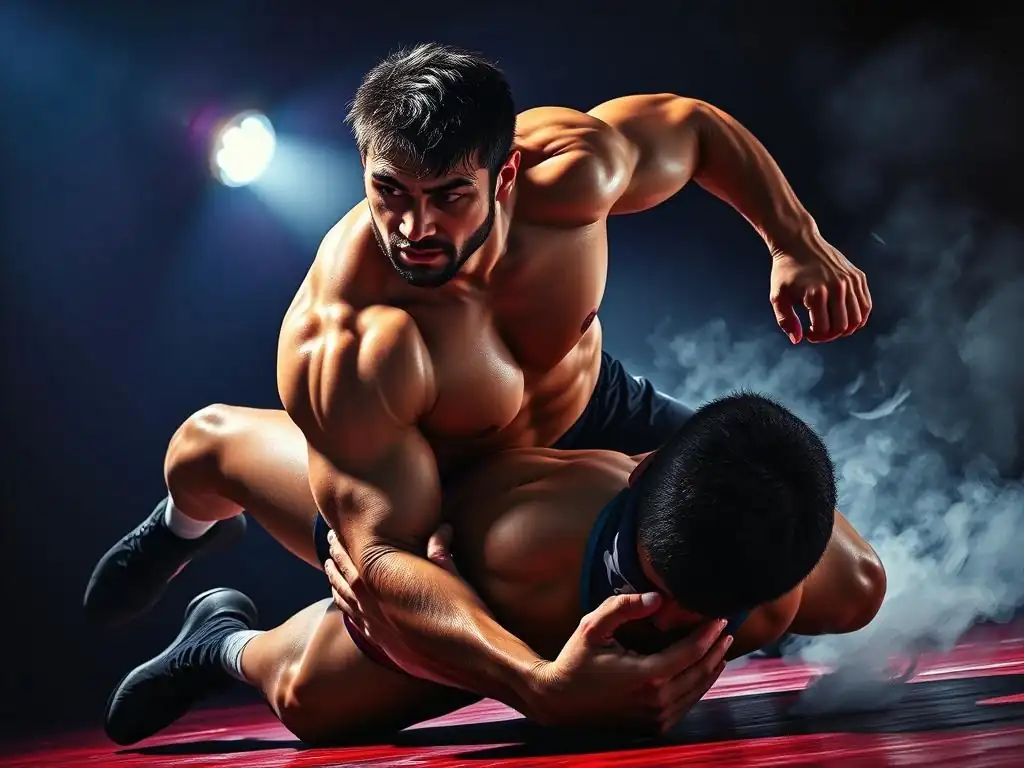
Delve into the intricate world where technique meets tradition. Ever wondered how to seamlessly blend power and precision in your takedown game? This week, we unlock the secrets of advanced underhook attacks, specifically focusing on the dynamic application of freestyle takedown underhook techniques. Prepare to elevate your grappling prowess and explore the subtle nuances that separate mastery from mere execution. Intrigued? Let's dive in and discover how these techniques can revolutionize your approach to takedowns!
- Mastering Freestyle Wrestling Takedowns with Underhooks
- Advanced Underhook Takedown Techniques in Freestyle Wrestling
- Advanced Underhook Drills for Freestyle Takedown Mastery
- Common Mistakes and Troubleshooting Underhook Takedowns in Freestyle
- The Importance of Strength and Conditioning for Underhook Takedowns in Freestyle Wrestling
- Integrating Underhook Techniques into Your Freestyle Wrestling Game
-
Frequently Asked Questions
- What are some of the key benefits of using underhook techniques in freestyle takedowns?
- How do underhook attacks specifically aid in freestyle wrestling takedowns?
- What types of takedowns can be effectively set up using underhook control?
- Are there specific drills recommended for mastering underhook techniques for takedowns?
- What are the risks associated with relying solely on underhook techniques for takedowns?
- Final Reflection: Mastering the Underhook's Edge
- Unleash Your Takedown Potential!
Mastering Freestyle Wrestling Takedowns with Underhooks
Understanding the Power of the Underhook in Freestyle Wrestling
The underhook is arguably one of the most fundamental and powerful tie-ups in freestyle wrestling, offering a multitude of offensive and defensive opportunities. Unlike folkstyle or Greco-Roman, freestyle wrestling utilizes a wider range of leg attacks, and the underhook becomes a critical tool for setting up these dynamic entries while controlling the opponent's posture and movement. A well-established underhook can disrupt an opponent's base, limit their offensive options, and create angles for various leg attacks or upper-body throws. It's not just a defensive posture; it's a primary attacking platform.
Statistics from high-level freestyle competitions indicate that a significant percentage of successful leg attacks, estimated to be around 40-50% in some weight classes, originate from or are heavily facilitated by effective underhook control. This highlights its importance as a central piece of a wrestler's offensive arsenal. By securing a deep underhook, a wrestler can dictate the pace and direction of the exchange, forcing the opponent to react defensively and opening up crucial windows for executing freestyle takedown underhook techniques.
Key Principles for Effective Underhook Control in Takedowns
Effective underhook control for freestyle takedowns relies on several core principles that must be meticulously applied. Firstly, depth and pressure are paramount. The underhooking arm should be deep, reaching towards the opponent's shoulder blade, with the hand ideally gripping the opponent's back or scapula. Simultaneously, significant upward pressure should be applied, lifting the opponent's shoulder and forcing them onto the ball of their opposite foot. This pressure creates off-balance and inhibits their ability to sprawl effectively or generate power.
Secondly, body position is crucial. The wrestler with the underhook should maintain a strong, athletic stance, with their head up and chest connected to the opponent's chest or shoulder. This close connection prevents the opponent from easily shucking the underhook or creating space to attack. The hips should be low and ready to move, allowing for quick transitions into shots. Maintaining hip alignment and driving through the opponent, rather than just pulling up, enhances the power and control derived from the underhook position, making these freestyle takedown underhook techniques far more potent.
Advanced Underhook Takedown Techniques in Freestyle Wrestling
The High Crotch Underhook Takedown
Setting Up the High Crotch from the Underhook Position
Setting up a high crotch from the underhook position is a classic example of effective freestyle takedown underhook techniques. The underhook is used to manipulate the opponent's posture, creating the necessary opening. With a deep, driving underhook, the wrestler applies strong upward pressure, forcing the opponent to square up or lean away. This pressure often causes the opponent to momentarily lighten the weight on the leg on the underhook side. Simultaneously, the wrestler's free hand works to secure a collar tie or control the opponent's far arm or wrist.
As the opponent reacts to the underhook pressure, the wrestler with the underhook maintains strong chest-to-chest contact and keeps their head high. The setup involves a subtle shift in weight and a level change. By driving the underhook into the opponent, the wrestler creates an angle and a brief window where the opponent's leg on the underhook side becomes vulnerable.
This is the moment to execute the shot, dropping levels sharply while driving the underhook deeper and the free arm shoots through for the high crotch grip on the opponent's leg. The underhook acts as a pivot and control point, preventing the opponent from easily circling away or stuffing the shot.
Finishing the High Crotch Underhook Takedown Effectively
Finishing the high crotch from the underhook requires maintaining control and driving through the opponent. Once the high crotch grip is secured (gripping the leg high up towards the crotch or hip), the underhooking arm continues to apply pressure and control the opponent's upper body. This prevents the opponent from dropping their weight back down or sprawling effectively. The wrestler's head should be tight to the opponent's body, typically on the outside of the opponent's hip, maintaining connection and driving forward or across.
The finish often involves driving the opponent backwards or running the pipe. With the high crotch secured and the underhook maintaining upper body control, the wrestler drives forward and slightly upward with their legs, lifting the opponent's leg. Depending on the opponent's reaction, the finish might involve continuing to drive straight back for a standing takedown or pivoting and running across the opponent's body to expose their back for the points.
The underhook remains active throughout, preventing the opponent from turning into the wrestler or using their free arm to defend the finish. This coordinated effort between the high crotch grip and the underhook pressure is key to successfully completing these freestyle takedown underhook techniques.
The Single Leg Underhook Takedown
Utilizing the Underhook for Single Leg Entry and Control
The underhook is an excellent tool for setting up and controlling a single leg takedown in freestyle wrestling. One primary method involves using the underhook to force the opponent to step or shift their weight in a way that exposes a leg. By applying strong underhook pressure and circling slightly towards the side of the underhook, the wrestler can often force the opponent to step forward with the opposite leg to maintain balance. This forward step creates the opportunity for the single leg shot.
Alternatively, the underhook can be used to pull the opponent into a shot. With a deep underhook, the wrestler can pull the opponent towards them while simultaneously dropping levels and shooting for the single leg on the underhook side. The underhook provides upper body control and prevents the opponent from easily pulling away or sprawling out of the shot.
Once the single leg is secured, the underhook can transition into a grip on the opponent's back or waist, helping to control their posture and prevent them from hopping away or defending effectively. This combination of upper body control from the underhook and lower body attack is a hallmark of effective freestyle takedown underhook techniques.
Driving and Finishing the Single Leg Underhook Takedown
Finishing the single leg from the underhook often involves driving through the opponent and securing the leg. Once the single leg is obtained, the wrestler maintains a strong grip on the leg (inside leg control, outside leg control, or ankle grip) while the underhooking arm transitions to control the opponent's body. This could be a grip around the waist, a hand on the hip, or maintaining the underhook itself to keep the opponent's weight lifted and off balance.
The finish typically requires powerful leg drive and hip pressure. The wrestler drives forward and upward, using their legs to lift the opponent's single leg and their hips to pressure into the opponent. Common finishes include driving straight through for a dump or trip, switching to a double leg, or elevating the leg and running the pipe.
The key is to continue driving through the opponent's base, using the underhook-side control to prevent them from squaring up or defending effectively. Maintaining tight control on the leg and relentless forward pressure are essential for completing these complex freestyle takedown underhook techniques.
The Double Leg Underhook Takedown
Securing the Underhook for a Dominant Double Leg Takedown
Using an underhook to set up a double leg takedown is a less common but highly effective strategy in freestyle wrestling, often relying on creating a specific reaction from the opponent. One method involves using the underhook to clear space for the shot. By securing a dominant underhook and driving into the opponent, forcing them to defend the underhook pressure, the wrestler can sometimes create a momentary opening down the center or on the opposite side. This can happen if the opponent tries to fight the underhook by posting heavily with their opposite hand or leaning away forcefully.
Another approach is to use the underhook to pull the opponent off balance, making them vulnerable to a quick level change and shot. With strong underhook control, the wrestler can execute a sharp pull or snap, forcing the opponent to momentarily lean forward or step back awkwardly.
As they react to regain balance, the wrestler drops levels and shoots for the double leg, driving through the space created. The underhook often prevents the opponent from sprawling effectively or widening their base quickly enough to defend the incoming double leg, making it a powerful setup for these freestyle takedown underhook techniques.
Driving Through for a Powerful Double Leg Finish
Finishing a double leg initiated from an underhook setup requires explosive leg drive and secure control of both legs. Once the double leg grip is secured (typically gripping behind the opponent's knees or around their thighs), the wrestler must drive forward and upward through the opponent. The initial underhook has served its purpose in creating the entry; now the focus shifts entirely to the double leg finish.
The key to a powerful finish is relentless forward pressure, keeping the head up and driving the shoulders into the opponent's hips or stomach. The wrestler's legs should be driving like pistons, pushing the opponent backwards. Common finishes include driving straight through to their back, lifting and rotating for an angle, or switching to a high double. Maintaining a tight grip on both legs and driving through the opponent's center of gravity is crucial. The power generated from the leg drive, combined with breaking the opponent's base, ensures a successful conclusion to these advanced freestyle takedown underhook techniques.
Advanced Underhook Drills for Freestyle Takedown Mastery
Underhook Positioning Drills for Superior Control
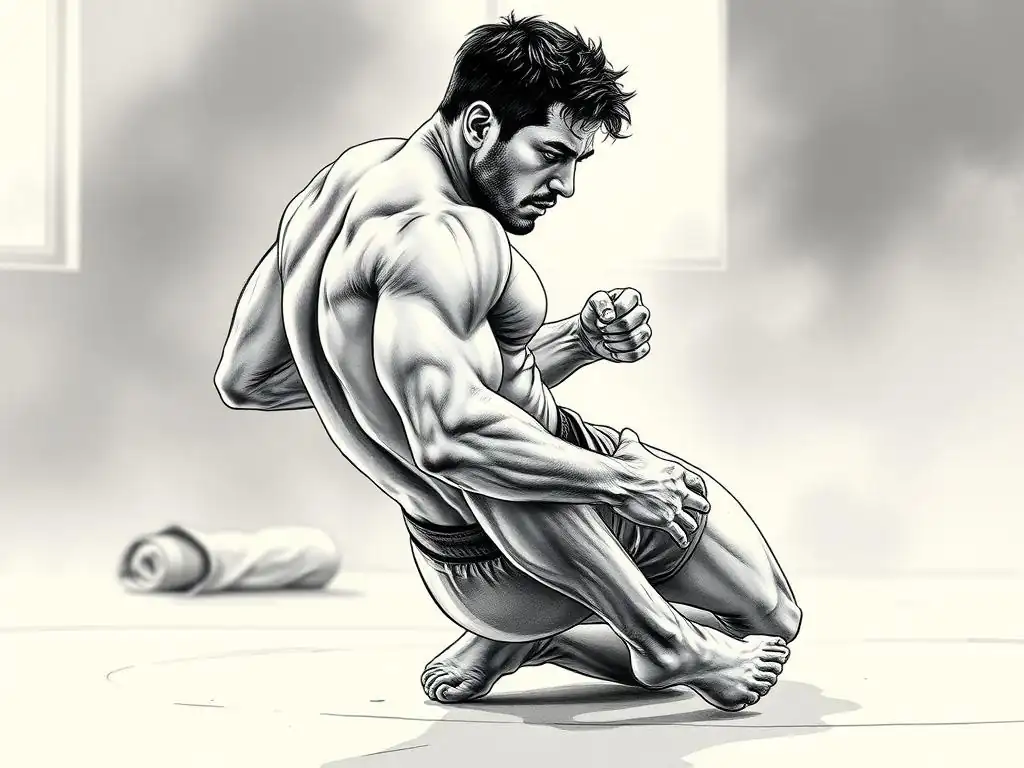
Mastering underhook control is foundational for executing successful freestyle takedown underhook techniques. Dedicated drills are essential for developing the feel and pressure required.
- Static Underhook Pressure Drill: Partners stand chest-to-chest. Wrestler A secures an underhook on Wrestler B. Wrestler A focuses solely on maintaining deep penetration, upward pressure, chest connection, and head position for 30-60 seconds. Wrestler B resists gently, trying to square up or create space. Switch roles.
- Circling Underhook Drill: Partners secure underhooks (one each or same side). Focus on maintaining pressure and connection while circling in both directions. Emphasize driving through the opponent while circling, not just pulling them around. This builds footwork and hip connection critical for transitions.
- Underhook Posture Break Drill: Wrestler A secures an underhook and collar tie (or other appropriate upper body tie). Wrestler A works to break Wrestler B's posture using coordinated pull-and-drive motions with the underhook and tie, simulating setting up a shot. Wrestler B resists, trying to maintain good posture.
These drills, practiced consistently for 10-15 minutes per session, build the proprioception and strength necessary for dominant underhook control, which is the bedrock of many freestyle takedown underhook techniques.
Takedown Transition Drills from the Underhook
Drilling the transitions from the underhook position to specific takedown entries is vital for making these techniques automatic.
- Underhook to High Crotch Entry: Start in an underhook tie-up. Wrestler A drives the underhook, creates a reaction, levels changes, and shoots the high crotch, securing the grip but not finishing. Reset and repeat rapidly, focusing on the timing and mechanics of the level change and shot synchronization with the underhook pressure.
- Underhook to Single Leg Entry: From the underhook, practice the pull-and-shoot or circle-and-shoot entry for the single leg. Focus on using the underhook to off-balance the opponent and create the angle before dropping levels and securing the leg. Drill both sides.
- Underhook Setup to Double Leg Entry: Practice using the underhook drive or snap to create the opening for a double leg shot. Focus on the timing of the level change and shot immediately following the opponent's reaction to the underhook pressure.
These transition drills, performed for 15-20 minutes with partners, help wrestlers internalize the specific movements and timing required for effective freestyle takedown underhook techniques in live situations.
Live Sparring and Underhook Application in Freestyle Wrestling
Integrating underhook techniques into live sparring is the ultimate test and refinement process. Start with specific constraint sparring rounds focused on underhook tie-ups.
- Underhook Start Sparring: Begin all exchanges from a neutral position where both wrestlers are attempting to gain underhooks or fight for underhook control. Focus on using the underhook setups practiced in drills to initiate takedown attempts.
- Underhook Offense Only Sparring: Wrestlers can only initiate offense from an underhook position they have secured. This forces creativity and reinforces the link between underhook control and takedown attempts.
- Situational Sparring (Underhook Dominance): Start rounds with one wrestler already having a dominant underhook. The other wrestler must work to defend or escape while the dominant wrestler focuses on executing freestyle takedown underhook techniques.
Live application, even with constraints, provides invaluable feedback on timing, pressure, and opponent reactions. Aim for 20-30 minutes of live sparring per session, incorporating these specific underhook scenarios to solidify mastery of freestyle takedown underhook techniques.
Common Mistakes and Troubleshooting Underhook Takedowns in Freestyle
Avoiding Common Underhook Control Errors
Several common errors can significantly reduce the effectiveness of the underhook as a setup for freestyle takedown underhook techniques. One frequent mistake is failing to achieve sufficient depth with the underhooking arm. A shallow underhook provides minimal leverage and is easily shucked off by the opponent. The arm needs to be deep, preferably with the hand reaching the opponent's back, allowing for powerful upward lift and control.
Another critical error is failing to maintain chest-to-chest pressure and head position. If there is space between the wrestler's chest and the opponent, or if the wrestler's head is down, the opponent can easily circle away, create distance, or counter with their own attacks.
The head should be high, often pressing into the opponent's shoulder or chest, and the chest should be glued to the opponent, eliminating space and maintaining connection. Lack of consistent, driving pressure from the underhook is also detrimental; the underhook must be actively working to lift and disrupt the opponent's balance, not just resting in position.
Troubleshooting Failed Underhook Takedown Attempts
When a freestyle takedown underhook technique attempt fails, troubleshooting involves analyzing the point of failure. If the shot entry was stuffed, it could be due to poor timing, insufficient level change, or the underhook not having created enough off-balance or space. Reviewing drill footage or getting feedback from a coach can pinpoint whether the issue was in the setup (underhook pressure/angle) or the execution of the shot itself (speed, depth, level).
If the finish of the takedown failed, common reasons include losing control of the leg(s), insufficient leg drive, or failing to maintain upper body control (often from the underhook transitioning to waist or back control). For example, if attempting a high crotch from the underhook, losing the underhook control during the finish allows the opponent to drop their weight back down and defend. Practicing specific finishing drills from the position where the attempt failed can help reinforce the correct mechanics and reactions needed to complete these freestyle takedown underhook techniques successfully.
Recognizing and Exploiting Opponent's Underhook Defenses
Opponents will employ various defenses against the underhook, and recognizing these reactions is key to exploiting them with freestyle takedown underhook techniques. A common defense is the "whizzer," where the opponent throws their arm over the underhooking arm to block the hips and create counter-pressure. Recognizing the whizzer immediately allows the wrestler to transition to techniques that counter it, such as cracking down, switching to a different angle, or using the underhook and whizzer combination for upper body attacks like the cement mixer or lateral drop (though caution is needed with upper body throws in freestyle).
Another defense is the opponent trying to "shuck" or rip the underhook out. This often involves creating space and pulling their arm free. If the opponent successfully creates space, the wrestler must immediately transition to a different tie-up or defense. However, if the opponent is attempting to shuck but hasn't succeeded, the momentary creation of space or shift in their weight can be the exact opportunity needed for a rapid shot entry. Learning to feel these subtle shifts and reactions is crucial for effective timing when executing freestyle takedown underhook techniques.
The Importance of Strength and Conditioning for Underhook Takedowns in Freestyle Wrestling
Strength Training for Underhook Control and Power
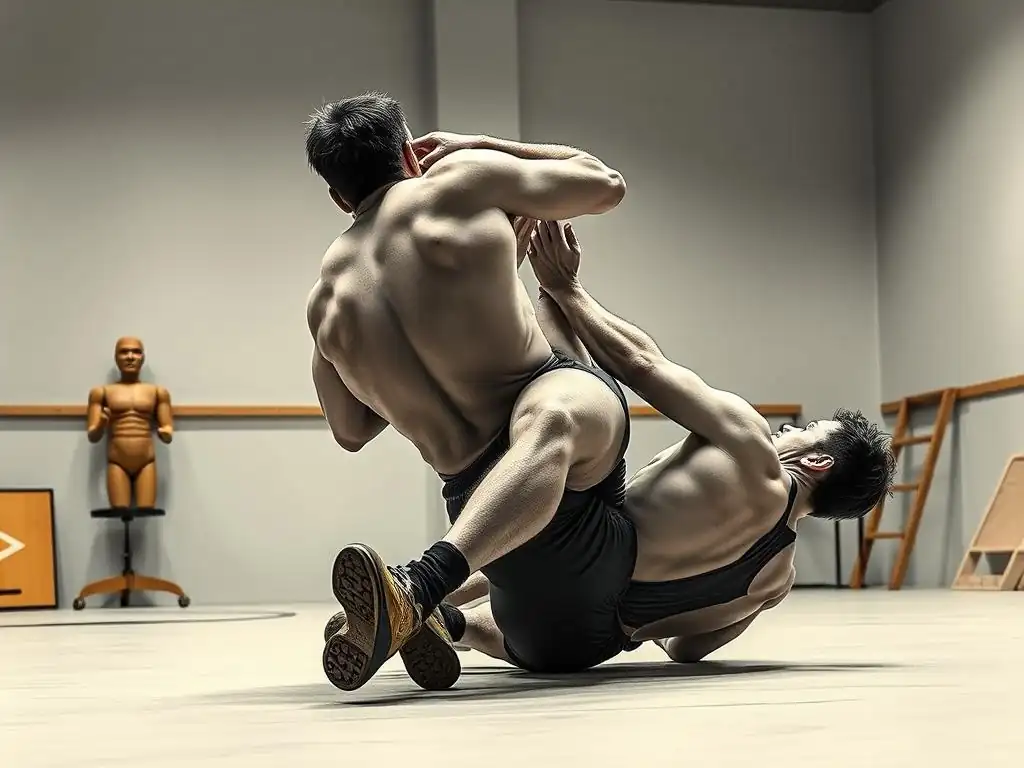
Effective freestyle takedown underhook techniques require specific types of strength. The ability to apply consistent, driving upward pressure and maintain chest connection stems from core strength, back strength (especially lats and rhomboids), and bicep/forearm strength for the grip. Exercises like pull-ups, rows (bent-over, seated, single-arm), and deadlifts build the pulling and back strength needed for underhook control.
Furthermore, the leg drive required for finishing takedowns initiated from the underhook demands strong legs and hips. Squats (back squats, front squats, box squats), lunges, and hip thrusts are essential for developing the explosive power needed to drive through an opponent. Grip strength, developed through exercises like farmer's walks or towel pull-ups, is also critical for maintaining the tight underhook and finishing grips during these demanding freestyle takedown underhook techniques. Incorporating these movements into a structured strength program 2-3 times per week significantly enhances a wrestler's ability to execute and finish underhook attacks.
Conditioning for Sustained Takedown Offense
Freestyle wrestling matches are often fast-paced, with bursts of intense activity during tie-ups and takedown attempts. Sustaining effective underhook pressure and executing multiple freestyle takedown underhook techniques throughout a match requires excellent anaerobic and aerobic conditioning. High-intensity interval training (HIIT) that mimics the work-to-rest ratios of wrestling exchanges (e.g., 30-60 seconds of intense work followed by 30-60 seconds of active recovery) is highly beneficial.
Specific wrestling drills performed at high intensity, such as chain wrestling from underhook positions or rapid-fire underhook entry drills, also serve as excellent conditioning. Aerobic base conditioning through steady-state cardio (running, cycling) helps with recovery between rounds and maintaining performance over the course of a tournament. A well-rounded conditioning program ensures that a wrestler has the endurance to continuously fight for underhooks and execute freestyle takedown underhook techniques without fatiguing prematurely.
Flexibility and Mobility for Underhook Takedown Execution
Flexibility and mobility play a crucial role in executing freestyle takedown underhook techniques efficiently and safely. Good shoulder mobility is essential for achieving deep underhook penetration without strain and for transitioning the underhooking arm to finishing grips. Thoracic spine mobility allows for better posture and connection in the tie-up.
Hip flexibility is critical for achieving deep level changes during shot entries and for maintaining a low, powerful base during finishes. Tight hips can limit the range of motion needed for an explosive shot or restrict the ability to drive through the opponent effectively. Incorporating dynamic stretching as a warm-up and static stretching or foam rolling as a cool-down, focusing on shoulders, thoracic spine, hips, and ankles, improves the physical readiness required for executing advanced freestyle takedown underhook techniques.
Integrating Underhook Techniques into Your Freestyle Wrestling Game
Developing a Personalized Underhook Takedown Strategy
Integrating freestyle takedown underhook techniques into your game requires developing a personalized strategy. This involves identifying which underhook setups and finishes best suit your body type, strengths, and wrestling style. A taller wrestler might favor using the underhook to create space for outside shots or throws, while a shorter, stockier wrestler might excel at driving through opponents with high crotch or double leg finishes from the underhook.
Analyze your successful and unsuccessful attempts during practice and live matches. Which underhook setups lead to the highest percentage of successful shots for you? Which finishes feel most natural and powerful? Work with your coach to refine these specific techniques and build combinations. For example, if your underhook-to-high crotch is strong, practice transitioning from a failed high crotch to a single leg or dump using the underhook control. Developing 2-3 go-to freestyle takedown underhook techniques and their common follow-ups makes your offense predictable for you but difficult for opponents to defend.
Adapting Underhook Takedowns to Different Opponent Styles
Opponent styles vary significantly, and adapting your freestyle takedown underhook techniques is essential for success. Against a defensive opponent who circles away and avoids tie-ups, you might need to be more aggressive in establishing the underhook, perhaps using snap-downs or hand fighting to force a tie-up. Once the underhook is secured, maintaining relentless pressure is key to preventing them from disengaging.
Against an aggressive opponent who ties up heavily or likes to throw, the underhook can be used defensively to control their posture and prevent them from getting their attacks off, while simultaneously looking for opportunities to transition to your own offense. For instance, using the underhook to counter a collar tie and then immediately dropping for a single leg or high crotch. Understanding how different styles react to underhook pressure allows you to anticipate their defenses and time your freestyle takedown underhook techniques more effectively.
The Importance of Hand Fighting in Setting Up Underhooks
Hand fighting is the critical precursor to establishing effective tie-ups like the underhook in freestyle wrestling. Winning the hand fight allows you to gain dominant grips and positions while preventing your opponent from doing the same. Aggressive and strategic hand fighting can create openings for underhook entries, whether by clearing an opponent's defending arm or forcing them to react in a way that exposes the underhook side.
Techniques like snapping, clubbing, wrist control, and posting can all be used to manipulate the opponent's arms and head, creating the fractions of a second needed to secure a deep underhook. For example, a sharp snap-down might cause the opponent to post with a hand, momentarily leaving their arm vulnerable for an underhook entry. Consistently drilling hand fighting sequences that lead into underhook tie-ups is fundamental for successfully implementing freestyle takedown underhook techniques in live competition.
Frequently Asked Questions
What are some of the key benefits of using underhook techniques in freestyle takedowns?
Underhook techniques offer superior control of your opponent's upper body, allowing for easier takedown setups and improved leverage. This control can lead to a more dominant position.
How do underhook attacks specifically aid in freestyle wrestling takedowns?
In freestyle wrestling, underhooks create opportunities for dynamic throws and sweeps, making it easier to control movement and momentum, leading to successful takedowns. They also offer a strong defense against attacks.
What types of takedowns can be effectively set up using underhook control?
Underhook control can facilitate a variety of takedowns, including single-leg takedowns, double-leg takedowns, and hip throws. The underhook creates angles for these techniques.
Are there specific drills recommended for mastering underhook techniques for takedowns?
Drills that focus on underhook positioning, grip strength, and transitioning to takedowns are essential. Sparring with a partner helps to apply these techniques in live situations.
What are the risks associated with relying solely on underhook techniques for takedowns?
Over-reliance can make you predictable and vulnerable to counter-attacks. Opponents may exploit your posture or balance if the underhook isn't executed properly.
Final Reflection: Mastering the Underhook's Edge
The techniques explored within this article, detailing advanced underhook attacks for freestyle takedowns, are not merely a collection of wrestling moves. They represent a strategic advantage, a pathway to dominance on the mat that remains as crucial today as it ever has. The relentless pursuit of refined technique, especially in the dynamic world of freestyle wrestling, is what separates competitors and defines champions.
The underhook, in its deceptive simplicity, holds immense power. Its influence extends beyond the wrestling mat, mirroring the importance of leverage and strategic positioning in all aspects of life. Understanding how to control and manipulate an opponent's balance, as taught through these techniques, fosters a deeper understanding of control and influence in general. Technique conquers strength.
- Jigoro Kano. This quote encapsulates the essence of the underhook; it allows a smaller, more agile wrestler to overcome a stronger opponent through superior positioning and execution.
Now, consider how you can apply these principles of leverage, control, and strategic thinking to your own endeavors. Whether you're a wrestler striving for gold or simply navigating the complexities of life, remember the power of the underhook. Embrace the pursuit of refined technique, seek out opportunities to gain leverage, and always strive to control the narrative. The mat awaits, but the lessons learned there transcend the sport itself.
Unleash Your Takedown Potential!
Thanks for exploring these advanced underhook techniques and elevating your freestyle wrestling game. Now, it's time to put this knowledge into action and dominate the mat!
Here's how you can immediately benefit from what you've learned:
- Commit to drilling the head-outside single leg entry 15 minutes a day for the next week. Track your success rate!
- Explore different grip variations and underhook positions with a training partner, focusing on identifying what works best for your body type and style.
- Share your favorite takedown setup from this article with your training group and discuss how you can adapt it to your existing strategies.
What unexpected challenge did you encounter while practicing these underhook takedowns, and how did you overcome it?