
From Shallow Breaths to Deep Power: Transforming Your Tai Chi Practice

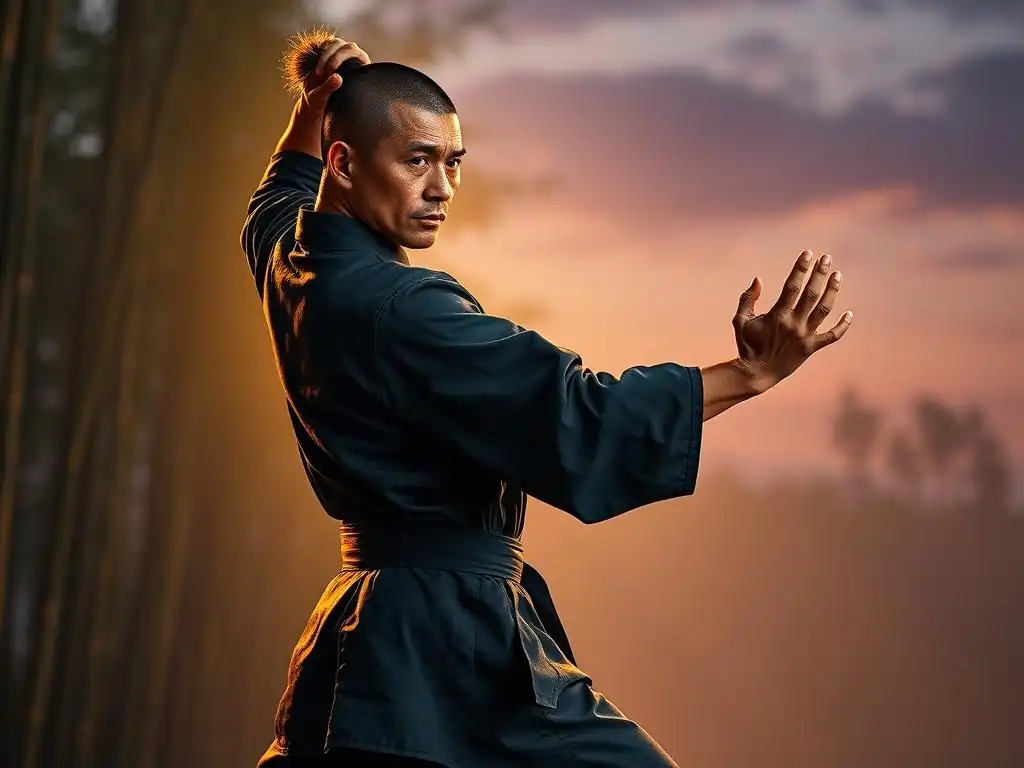
Welcome to Martial Arts Mastery, where the secrets of combat and self-discovery intertwine. Prepare to unlock the profound potential hidden within your breath, because in this article, we delve deep into the astonishing benefits of Tai Chi breathing techniques. Discover how mastering this fundamental element can revolutionize your practice and unlock a new level of power and inner peace. Ready to breathe your way to mastery? Let's begin...
- The Science Behind Tai Chi Breathing Techniques Benefits
-
Frequently Asked Questions
- What are the primary benefits of focusing on breathing techniques in Tai Chi?
- How do proper Tai Chi breathing techniques differ from regular breathing?
- Can mastering Tai Chi breathing techniques improve my physical health beyond just relaxation?
- How long does it typically take to master the basic breathing techniques in Tai Chi?
- Where can I find resources to learn and improve my Tai Chi breathing techniques?
- Final Reflection: Embracing the Breath Within
- Unleash Your Inner Flow: Begin Your Tai Chi Journey Today!
The Science Behind Tai Chi Breathing Techniques Benefits
The practice of Tai Chi Chuan is deeply intertwined with conscious, controlled breathing. Far from being a mere accessory, the way one breathes in Tai Chi is fundamental to generating internal power, maintaining balance, and achieving the profound physical and mental benefits associated with the art.
Understanding the physiological and energetic principles behind effective Tai Chi breathing techniques benefits practitioners by illuminating why specific breath patterns are emphasized and how they contribute to overall health and martial efficacy. This scientific perspective complements the traditional understanding of Qi (energy) flow and provides a modern lens through which to appreciate the depth of Tai Chi practice.
The emphasis on deep, abdominal breathing distinguishes Tai Chi from many other forms of exercise. This focus isn't arbitrary; it's based on centuries of empirical observation and aligns remarkably well with contemporary scientific understanding of respiratory physiology. Exploring the mechanics of deep breathing and its impact on the body reveals the tangible Tai Chi breathing techniques benefits that contribute to improved health, reduced stress, and enhanced physical performance within the forms.
Physiological Benefits of Deep Diaphragmatic Breathing in Tai Chi
Deep diaphragmatic breathing, often called "abdominal breathing," is a cornerstone of effective Tai Chi practice. Unlike shallow chest breathing, which primarily engages the upper lungs and accessory muscles, diaphragmatic breathing utilizes the diaphragm, a large dome-shaped muscle located at the base of the chest cavity. When you inhale deeply using the diaphragm, it contracts and moves downward, expanding the chest cavity and allowing the lungs to fill more completely.
This process significantly increases the amount of oxygen taken into the body with each breath. Studies have indicated that diaphragmatic breathing can increase tidal volume (the amount of air inhaled or exhaled during a normal breath) by up to 50% compared to shallow breathing, leading to more efficient gas exchange. This enhanced oxygenation benefits every cell and organ, improving overall vitality and endurance during prolonged Tai Chi practice or daily activities.
Furthermore, the rhythmic contraction and relaxation of the diaphragm during deep breathing acts like a gentle internal massage for the abdominal organs. This peristaltic action can aid digestion, improve circulation within the abdominal cavity, and stimulate the vagus nerve. The vagus nerve plays a crucial role in the parasympathetic nervous system, which is responsible for the "rest and digest" state.
Stimulation of the vagus nerve through deep breathing has been shown to lower heart rate, reduce blood pressure, and decrease levels of stress hormones like cortisol. These physiological responses are key components of the stress-reducing and calming Tai Chi breathing techniques benefits, contributing significantly to the mental and emotional well-being reported by consistent practitioners. A 2018 meta-analysis involving hundreds of participants found that mindful breathing practices, including those akin to Tai Chi breathing, resulted in significant reductions in self-reported stress and anxiety levels across various populations.
The Connection Between Breath, Qi, and Movement in Tai Chi
In the context of traditional Chinese philosophy and martial arts, breath (Qi) is considered the vital life force that flows throughout the body, animating and nourishing it. While the concept of Qi is metaphysical, the connection between breath, energy, and movement in Tai Chi has a tangible, physiological basis that aligns with modern understanding. The controlled, coordinated breathing patterns used in Tai Chi facilitate smooth, continuous movements. As you inhale or exhale, the movement of the body should ideally synchronize with the breath, creating a fluid, integrated flow.
This synchronization isn't just aesthetic; it optimizes muscular effort and reduces tension. When breath leads movement, or moves with it harmoniously, it allows the practitioner to move from their core (dantian), generating power more efficiently and reducing reliance on isolated muscle strength. This integration is a core aspect of the internal power developed in Tai Chi Chuan.
The benefits of Tai Chi breathing techniques extend to cultivating internal strength and sensitivity. The focus on the lower abdomen (dantian) as the center of gravity and the origin of movement is directly linked to diaphragmatic breathing. Deep breathing naturally encourages the expansion and contraction of the lower abdomen, anchoring the practitioner and promoting stability. This connection between breath, core engagement, and movement allows for the cultivation of "silk reeling energy" (Chan Si Jin), a spiraling, connected force used in many Tai Chi styles. For example, in the movement "Ward Off Right," the expansion on the inhale often coincides with the initial gathering or yielding phase, while the exhale powers the outward pushing or warding off motion. This coordination ensures that the body moves as a unified whole, maximizing force generation while minimizing wasted energy, thereby demonstrating the practical Tai Chi breathing techniques benefits for martial application and internal cultivation.
Frequently Asked Questions
What are the primary benefits of focusing on breathing techniques in Tai Chi?
The primary benefits include improved energy flow (Qi), enhanced mind-body connection, and increased relaxation and stress reduction. These contribute significantly to overall well-being.
How do proper Tai Chi breathing techniques differ from regular breathing?
Tai Chi breathing emphasizes diaphragmatic breathing, which is deeper and more controlled than typical chest breathing. This allows for greater oxygen intake and promotes a calmer state of mind.
Can mastering Tai Chi breathing techniques improve my physical health beyond just relaxation?
Yes, it can improve physical health by enhancing cardiovascular function, increasing lung capacity, and promoting better circulation. This translates to improved overall physical performance.
How long does it typically take to master the basic breathing techniques in Tai Chi?
Mastery varies, but consistent practice for a few weeks can establish a solid foundation. However, ongoing refinement is essential to achieve true proficiency and deepen the benefits.
Where can I find resources to learn and improve my Tai Chi breathing techniques?
MartialArtsMastery.org offers articles, videos, and guides dedicated to Tai Chi breathing, providing practical tips and detailed instructions for practitioners of all levels.
Final Reflection: Embracing the Breath Within
The journey through Tai Chi breathing techniques reveals more than just physical benefits; it unveils a profound connection to our inner selves. The transformative power of conscious breathing, once a cornerstone of ancient practice, remains strikingly relevant in our modern, often breathless, world. By understanding and implementing these techniques, we unlock a reservoir of calm and strength, essential for navigating the complexities of daily life.
The ripple effect of mastering Tai Chi breathing extends far beyond the individual. It fosters a deeper awareness of our bodies and minds, promoting a sense of presence and resilience that can positively influence our interactions and our overall well-being. To breathe is to be alive, to breathe well is to live fully.
This ancient wisdom underscores the enduring importance of cultivating a mindful breath, not just in Tai Chi, but in every aspect of our existence.
Now, take a moment to reflect on your own breath. Consider how you can incorporate these Tai Chi breathing techniques into your daily routine, even in small ways. Embrace the power of the breath to center yourself, to find calm amidst chaos, and to unlock the deep wellspring of strength that resides within you. Let each breath be a step towards a more balanced, empowered, and truly present life.
Unleash Your Inner Flow: Begin Your Tai Chi Journey Today!
Thank you for diving deep into the transformative power of Tai Chi. We hope you've discovered new perspectives and techniques to enrich your practice. Now, it's time to put that knowledge into action!
- Commit to a daily Tai Chi practice, even if it's just for 15 minutes, focusing intently on your breath and posture. Feel the energy flow.
- Explore variations of the movements described. Discover what feels best for your body and mind.
- Share your Tai Chi journey with a friend or family member—teach them a basic move and spread the well-being!
What specific breathwork technique will you incorporate into your Tai Chi practice this week to deepen your connection to the present moment?