
Unarmored SelfDefense: Combining Dagger and Grappling for the Street (Historical Context)

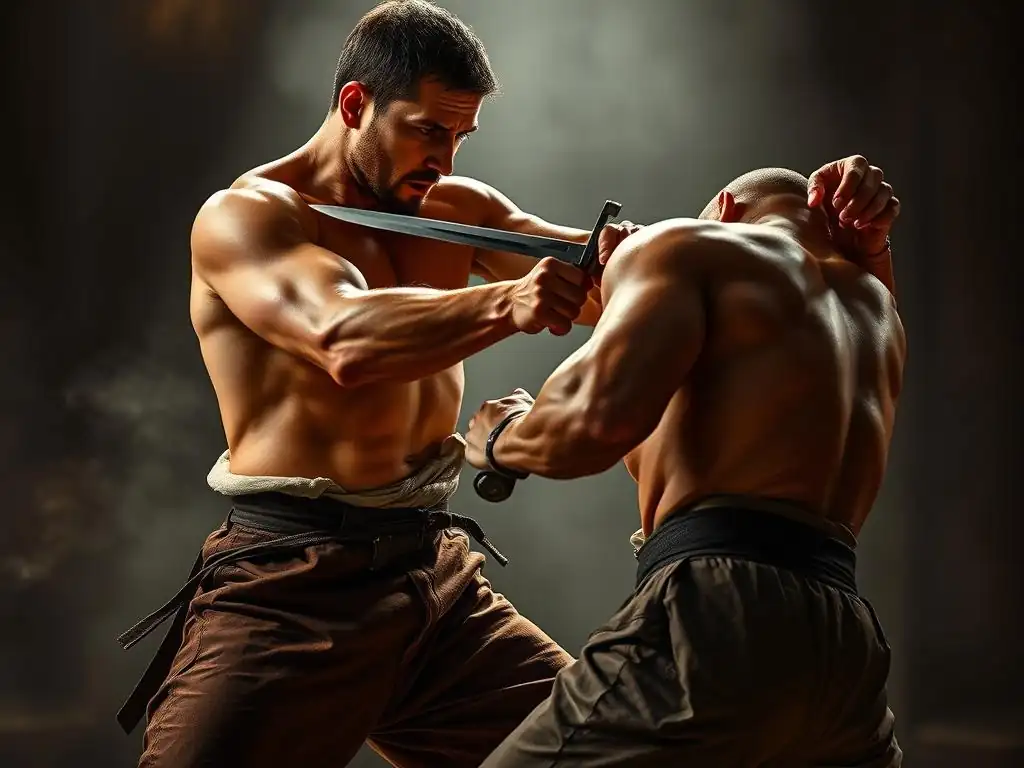
Welcome to Martial Arts Mastery, your gateway to the world's fighting arts!
Delve into the fascinating intersection of blade and body with our exploration of unarmored dagger grappling techniques. Discover how historical masters adapted and innovated, seamlessly blending the lethality of the dagger with the control of grappling. What secrets lie hidden within these forgotten methods, and how can they inform modern self-defense? Prepare to unlock a new dimension of martial prowess…read on to find out!
- Introduction to Unarmored Dagger Grappling for Self-Defense
- Historical Roots of Dagger and Grappling in Unarmored Combat
- Core Techniques of Unarmored Dagger Grappling
- Integrating Dagger and Grappling for Street Self-Defense
- Practical Drills and Training Exercises for Unarmored Dagger Grappling
- Ethical Considerations and Legal Aspects of Dagger Self-Defense
- Conclusion: Mastering Unarmored Dagger Grappling for Self-Protection
-
Frequently Asked Questions
- What is Unarmored Dagger Grappling in the context of historical self-defense?
- Why is Unarmored Dagger Grappling relevant for modern self-defense training?
- What are some key principles of Unarmored Dagger Grappling techniques?
- How does Unarmored Dagger Grappling differ from traditional martial arts grappling styles?
- Where can I learn more about the historical and practical applications of Unarmored Dagger Grappling?
- Final Reflection: Embracing Vulnerability, Mastering Defense
- Ignite Your Inner Warrior: Master the Art of Unarmored Defense!
Introduction to Unarmored Dagger Grappling for Self-Defense
The Relevance of Historical Dagger Fighting in Modern Self-Defense Scenarios
While the image of historical dagger combat might conjure up images of medieval knights or Renaissance duels, the principles of unarmored dagger grappling techniques hold surprising relevance for modern self-defense. Historical manuals, such as those by Fiore dei Liberi or Johannes Liechtenauer's tradition, meticulously detail techniques for using a dagger in close quarters against an unarmored opponent.
These systems emphasize controlling the opponent's body, managing distance, and integrating strikes with joint locks, throws, and restraints – all highly applicable concepts when facing a determined attacker in a street scenario where armor is absent. The core idea is often not just to stab, but to use the dagger as an extension of grappling, creating leverage, threatening vital points, and disrupting the opponent's structure to gain control or create an opening for escape or finishing.
The focus on managing proximity and integrating weapon use with empty-hand skills in historical unarmored dagger grappling techniques provides a robust framework. Unlike modern sport combat systems, historical methods were often designed for survival in potentially lethal encounters. They address scenarios where an attacker is already in close proximity or rapidly closing the distance, requiring immediate and decisive action. Understanding how historical practitioners combined weapon retention, body mechanics, and opportunistic strikes while grappling offers valuable insights into dealing with weapon threats or employing a defensive tool effectively when physical contact is inevitable.
Understanding the Principles of Unarmored Combat: Dagger and Grappling
Unarmored combat, particularly when incorporating a weapon like a dagger, fundamentally revolves around controlling the opponent's structure and movement while simultaneously protecting oneself. In the context of unarmored dagger grappling techniques, this means understanding how to enter into a clinch safely, deny the opponent access to their own weapon (if any), and utilize the dagger to enhance grappling leverage or create opportunities for strikes from entangled positions.
Key principles include maintaining balance, disrupting the opponent's balance, controlling the opponent's limbs and torso, and understanding how to apply pressure or attack vital targets with the dagger when an opening presents itself during the struggle.
The synergy between grappling and dagger use in unarmored scenarios is crucial. Grappling provides the control necessary to prevent the opponent from effectively using their own limbs or weapon, while the dagger serves as a constant threat and a tool for creating pain compliance, leverage, or disabling injuries.
This is not simply adding a knife to a wrestling match; it is a distinct discipline where the presence of the weapon dictates the nature of the grappling, influencing grips, entries, takedowns, and ground fighting strategies. Mastery lies in seamlessly transitioning between controlling the body and employing the blade, recognizing that the goal is often survival and ending the threat quickly, rather than prolonged engagement.
Historical Roots of Dagger and Grappling in Unarmored Combat
Medieval and Renaissance Origins of Dagger Grappling Techniques
The combination of dagger and grappling in unarmored combat has deep roots in the martial traditions of medieval and Renaissance Europe. Manuals from this period, known as Fechtbücher (fight books), frequently depict and describe techniques for fighting with a dagger when both individuals are unarmored, often referred to as Dagger at the Grapple or similar phrases.
Masters like Fiore dei Liberi (early 15th century) dedicated significant portions of their treatises, such as Flos Duellatorum, to this specific scenario. His system, for example, shows numerous plays starting from a grapple, where the dagger is drawn and used to control, injure, or submit the opponent through techniques involving joint locks, throws, and targeted thrusts or cuts to vulnerable areas like the throat, face, or joints.
Another prominent example is the tradition stemming from Johannes Liechtenauer (14th century), whose teachings were interpreted and expanded upon by later masters like Joachim Meyer (16th century). Meyer's extensive work includes detailed sections on dagger fighting, illustrating how grappling entries, close-quarter binding, and the use of the dagger in conjunction with body mechanics were integral to the art. These historical unarmored dagger grappling techniques were not confined to duels but were also applicable to sudden, violent encounters, reflecting a pragmatic approach to self-preservation in an era where carrying a dagger was common and physical confrontations could escalate rapidly.
Key Historical Figures and Manuals on Unarmored Dagger Fighting
Several historical figures and their surviving manuscripts provide invaluable insights into unarmored dagger grappling techniques. Fiore dei Liberi, mentioned earlier, is perhaps one of the most well-known, with his Flos Duellatorum providing a rich visual and textual record of dagger-at-the-grapple techniques. His system categorizes techniques based on the initial engagement and the subsequent application of the dagger in conjunction with throws, locks, and controls. For instance, his "Plays of the Dagger" show detailed sequences starting from various grips and body positions.
Another crucial source is the work attributed to the Liechtenauer tradition, interpreted by masters like Paulus Kal (15th century) and Joachim Meyer (16th century). Meyer's Gründtliche Beschreibung der Kunst des Fechtens (A Thorough Description of the Art of Fencing) contains extensive sections on dagger combat, illustrating sophisticated entries, body control, and the use of the dagger in grappling exchanges, including techniques for disarming or countering an armed opponent while unarmored.
These manuals collectively demonstrate a sophisticated understanding of body mechanics, leverage, and the strategic integration of weapon and empty-hand skills, forming the historical foundation for modern study of unarmored dagger grappling techniques.
Evolution of Dagger Grappling: From Battlefield to Street Self-Defense
While historical dagger fighting manuals often covered scenarios relevant to duels or skirmishes, the core principles of unarmored dagger grappling techniques were inherently adaptable to less formal, more chaotic environments – essentially, the "street" encounters of their time. On the battlefield, dagger grappling might occur when weapons were lost or broken, or in the confined chaos of a melee. However, the techniques taught for unarmored contexts were often framed as self-defense against sudden attacks, robberies, or personal quarrels, situations analogous to modern street violence.
Over centuries, as armor became obsolete and formal dueling declined, the practical application of dagger skills shifted even more towards personal defense. While specific historical systems might have faded, the underlying concepts of using a small, concealable blade in conjunction with close-quarters control persisted in various forms globally. The historical unarmored dagger grappling techniques recorded in medieval and Renaissance manuals therefore provide a foundational understanding of how these principles were formalized, offering a structured approach that remains relevant for analyzing and developing modern self-defense strategies involving a blade at close range.
Core Techniques of Unarmored Dagger Grappling
Grip Fighting and Control in Dagger Combat
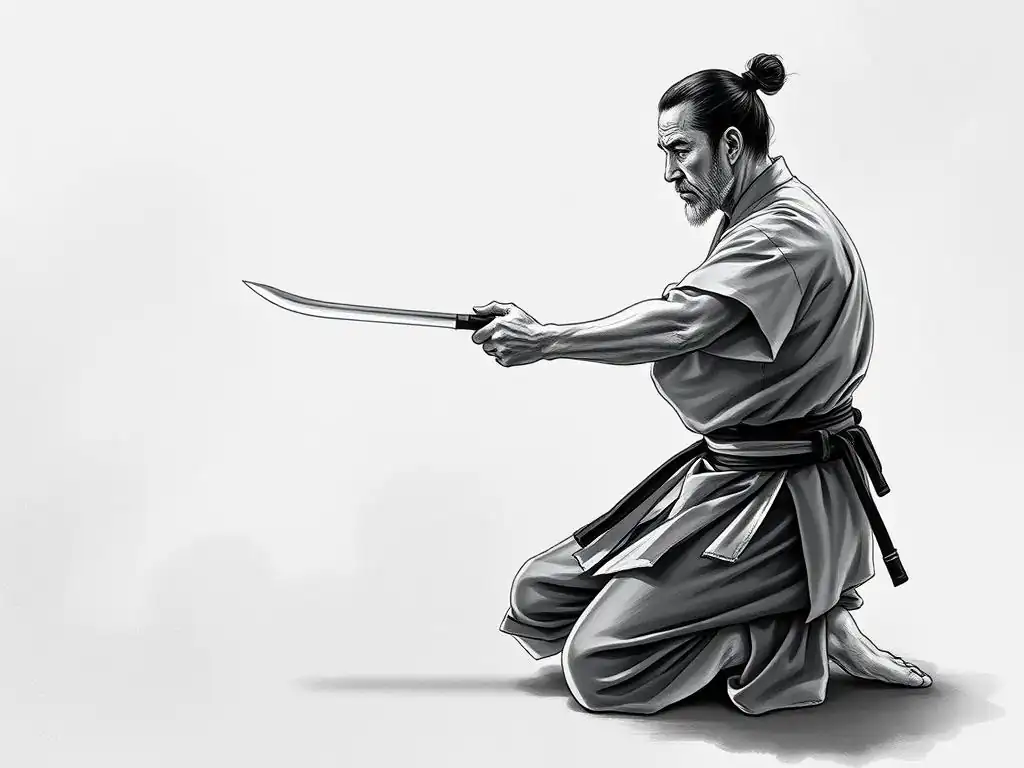
Grip fighting in unarmored dagger grappling techniques is paramount. It's not just about holding your own dagger, but about controlling the opponent's limbs, torso, and head to prevent them from striking effectively or bringing their own weapon to bear. Initial grips might involve seizing wrists, elbows, or clothing to disrupt the opponent's balance and create an opening to draw or deploy the dagger. Historical manuals often depict specific grips like the "handshake" grip or controlling the opponent's weapon arm at multiple points. The goal is to establish dominant control while keeping your own weapon side relatively safe and accessible.
Once a grip is established, maintaining control becomes a dynamic process. This involves using body weight, leverage, and movement to unbalance the opponent. For instance, pulling or pushing the opponent off-balance creates opportunities to maneuver into a more advantageous position for a dagger strike or grappling maneuver. The dagger itself can influence grip fighting; merely threatening with the point can force an opponent to react defensively, opening lines for control or further attack. Mastering the initial engagement and subsequent control through effective grip fighting is foundational to successful unarmored dagger grappling techniques.
Clinching and Takedowns with a Dagger
Entering the clinch in unarmored dagger grappling techniques is often a rapid transition aimed at neutralizing the opponent's reach and establishing close-quarters control. Unlike sport grappling, the entry must account for the immediate threat of a blade. Historical methods often involve crashing the distance quickly, perhaps with an initial strike or parry, and immediately seeking to control the opponent's weapon arm side while securing a body lock or upper body control. Techniques might involve stepping inside the opponent's space, using your shoulder or head to create pressure, and binding their arms close to their body.
Once in the clinch, the dagger becomes a tool for enhancing takedowns or creating openings for them. A historical technique might involve securing an underhook or overhook and then using the dagger to threaten the opponent's side or back, distracting them and making them susceptible to a throw or trip.
Alternatively, the dagger can be used to create pain compliance, causing the opponent to shift their weight or posture in a way that facilitates a takedown. The integration is seamless: the clinch provides the control needed to safely employ the dagger, and the dagger helps break the opponent's posture or defense, making takedowns more effective in unarmored dagger grappling techniques.
Dagger-Assisted Grappling Maneuvers: Strikes and Locks
In unarmored dagger grappling techniques, the dagger is not just for stabbing from a distance; it is intimately involved in the clinch and on the ground. From entangled positions, short, sharp thrusts or cuts can target vulnerable areas exposed by the grapple – the neck, face, kidneys, armpits, or groin. These strikes are often opportunistic, taking advantage of momentary openings created by movement or attempts to resist the grapple. The dagger turns a simple clinch into a deadly threat, compelling the opponent to defend the blade while simultaneously dealing with body control and balance disruption.
Furthermore, the dagger can be used to enhance grappling locks and controls. By placing the point of the dagger against a pressure point or vital area, an opponent can be compelled to comply with a lock or submission hold.
This significantly increases the effectiveness of joint locks or chokes, as the threat of the blade makes resistance far more painful and dangerous. Historical manuals show techniques where the dagger's point is used to press against the throat during a headlock or positioned against a joint during a manipulation, demonstrating the sophisticated integration of weapon and body control in unarmored dagger grappling techniques.
Utilizing the Dagger for Joint Locks and Submissions
The dagger, counterintuitively to some, is a powerful aid in applying joint locks and submissions within the context of unarmored dagger grappling techniques. By applying the point or edge of the blade near a joint – such as the elbow, wrist, or knee – and then manipulating the limb, the pressure and threat of injury are dramatically increased. For example, in an armbar situation, placing the dagger's point near the elbow joint as leverage is applied makes resistance extremely difficult and painful, often leading to rapid submission or a break.
Similarly, the dagger can be used in conjunction with wrist locks or finger locks. By controlling the opponent's hand or wrist and then using the dagger's handle or pommel for added leverage or by threatening the hand with the blade, the effectiveness of the lock is amplified. This utilization goes beyond simple striking; it's about using the dagger as a force multiplier in grappling scenarios, leveraging pain compliance and the risk of severe injury to achieve control or submission in unarmored dagger grappling techniques.
Applying the Dagger for Control and Immobilization
Beyond submissions, the dagger is highly effective for achieving control and immobilization in unarmored dagger grappling techniques. Once an opponent is clinched or taken to the ground, the dagger can be positioned to threaten a vital area, effectively freezing the opponent's movements. Placing the point at the throat, temple, or over the heart while maintaining physical control (e.g., a headlock, mount, or side control) makes it incredibly risky for the opponent to struggle or attempt to escape.
Historical examples from manuals show techniques where an opponent is pinned to the ground, and the dagger is held at their neck or face, allowing the practitioner to maintain control without necessarily inflicting a lethal wound immediately. This illustrates the use of the dagger as a tool for de-escalation through overwhelming threat, achieving compliance, or maintaining a dominant position until the situation allows for disengagement or resolution. This aspect of using the dagger for control is a critical component of unarmored dagger grappling techniques focused on survival.
Defending Against Dagger Attacks with Grappling Techniques
Grappling techniques are often the last line of defense when facing an unarmored dagger grappling techniques attack at close range. The primary goal is to control the weapon-bearing limb and the opponent's body simultaneously. This typically involves immediately closing distance to jam the attack, securing a grip on the wrist and potentially the elbow or shoulder of the attacking arm, and simultaneously controlling the opponent's posture or balance with your body. Techniques like trapping and securing the arm, entering a clinch, or executing a rapid takedown while maintaining control of the weapon are paramount.
Historical manuals also detail specific defenses against dagger thrusts and cuts using grappling. These often involve parrying or deflecting the attack into a control, such as redirecting a thrust and immediately securing the wrist, transitioning into a joint lock or throw. The emphasis is on getting "inside" the weapon's effective range and using body mechanics and leverage to neutralize the threat by controlling the source of the danger – the opponent's body and the hand holding the dagger. Effective defense relies on swift action, robust grips, and the ability to transition immediately into dominant control positions using grappling principles.
Integrating Dagger and Grappling for Street Self-Defense
Situational Awareness and Preemptive Measures in Unarmored Self-Defense
In a street self-defense context involving unarmored dagger grappling techniques, situational awareness is the first and most critical layer of defense. Recognizing potential threats, assessing the environment, and being aware of an aggressor's body language can allow for avoidance or de-escalation before physical contact occurs. This includes noticing potential weapons, assessing the distance, and identifying possible escape routes. Historical fighting manuals, while focused on combat, implicitly assume a need for readiness; modern application translates this into proactive awareness rather than purely reactive techniques.
If avoidance isn't possible, preemptive measures might involve creating distance, adopting a defensive posture, or verbally de-escalating. However, if an attack is imminent, particularly one involving a weapon at close range, the transition to physical defense must be immediate. This is where the principles of unarmored dagger grappling techniques become relevant – preparing mentally for the possibility of close-quarters combat and having a plan for entering the clinch safely if the distance is closed or forced, rather than attempting to fight a blade exclusively from a distance.
Closing the Distance and Initiating the Grapple with a Dagger
Successfully closing the distance to initiate grappling against an opponent with a potential or active weapon threat is a high-risk maneuver in unarmored dagger grappling techniques. It requires decisive movement and a strong understanding of timing and angles. Often, this involves exploiting a moment of hesitation from the opponent, moving inside their effective range with speed and commitment. Techniques might include a sudden forward movement coupled with simultaneous control of the opponent's hands or body, such as an aggressive entry into an over-under clinch or securing wrist control while stepping in.
Alternatively, the act of drawing or presenting your own dagger can sometimes create the necessary distraction or reaction to facilitate closing the distance and initiating a grapple. The opponent's focus on your weapon might momentarily shift their attention away from their body structure, creating an opening for you to enter and secure a dominant grip. The key is to transition immediately from closing the distance into securing control, leveraging the principles of unarmored dagger grappling techniques to neutralize the opponent's ability to strike effectively.
Maintaining Control and Dominance in a Dagger Grappling Exchange
Maintaining control is paramount once a grapple is initiated in unarmored dagger grappling techniques. This is a dynamic struggle where both parties are vying for a superior position. Dominance involves controlling the opponent's posture, balance, and limbs, particularly the hand holding or reaching for a weapon. Techniques involve using body weight, leverage, and continuous pressure to prevent the opponent from gaining leverage, drawing their own weapon effectively, or striking vital areas. This might mean securing tight body locks, controlling head and neck position, or pinning limbs against your own body or the ground.
Furthermore, maintaining dominance involves constantly threatening with your own dagger from your secure position. Even if you are not immediately striking, the mere presence and potential use of the blade from a dominant position (like mount or side control on the ground, or a secure clinch standing) forces the opponent to dedicate energy and focus to defending against it, making it harder for them to escape or counter the grapple. This continuous interplay between physical control and weapon threat is central to effective unarmored dagger grappling techniques.
Effective Strikes and Finishes from Grappling Positions with a Dagger
From dominant grappling positions, the dagger allows for highly effective and often decisive strikes or finishing techniques in unarmored dagger grappling techniques. Once an opponent's movement is significantly restricted by a secure clinch, takedown, or ground pin, the practitioner can deliver targeted thrusts or cuts to vulnerable areas that are now exposed and difficult for the opponent to defend. This might include short, powerful thrusts to the neck, face, ribs, or kidneys from positions like side control or mount.
Alternatively, the dagger can be used to facilitate submissions or achieve rapid incapacitation. Applying pressure with the point to the throat during a headlock, using the blade to create pain compliance in a joint lock, or using the dagger to sever muscle groups or tendons are all potential finishing applications. The goal is typically to end the confrontation quickly and decisively, given the inherent danger of the situation. The integration of powerful, targeted strikes or submission enhancement from controlled positions is the culmination of effective unarmored dagger grappling techniques.
Practical Drills and Training Exercises for Unarmored Dagger Grappling
Solo Drills for Developing Dagger and Grappling Proficiency
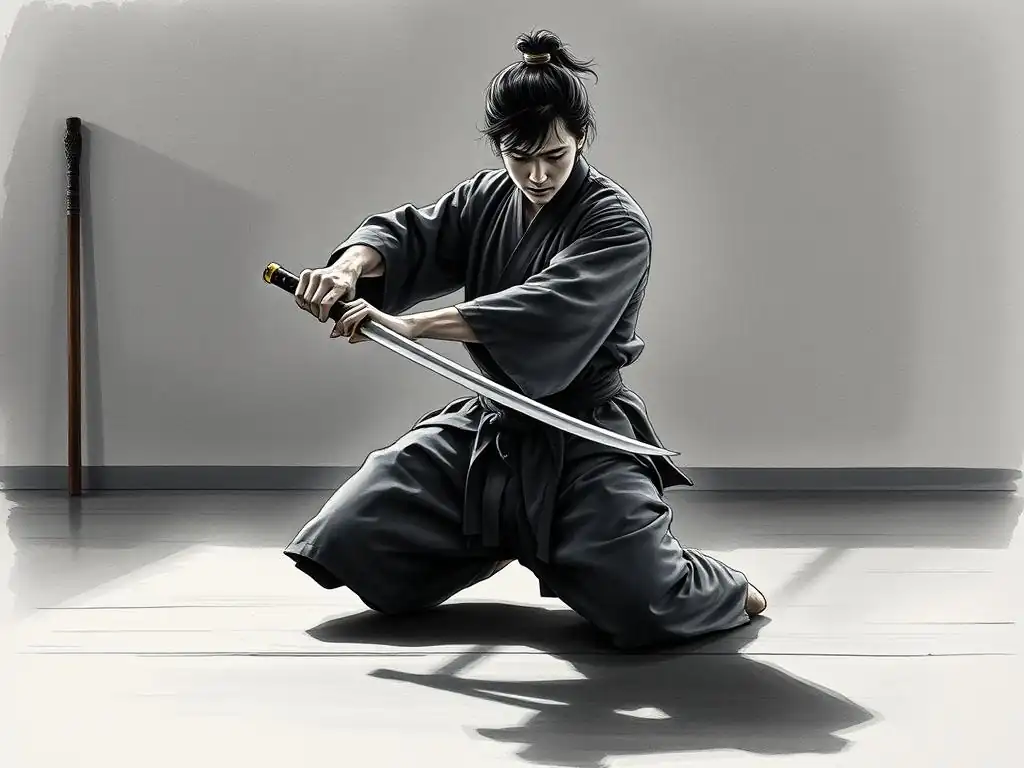
Developing proficiency in unarmored dagger grappling techniques begins with solo training to build fundamental skills. This includes practicing drawing and presenting the dagger smoothly from various positions and clothing types, ensuring the action is swift and does not compromise balance. Shadow grappling drills can help develop footwork, balance, and body mechanics for entering the clinch and transitioning through various control positions, visualizing an opponent and practicing movements like pummeling, securing underhooks, or sprawling.
Furthermore, practicing dynamic movement with a training dagger (rubber or blunt metal) helps integrate the weapon into body movement. This could involve practicing footwork while maintaining a defensive dagger posture, transitioning between different grips on the dagger, or practicing short-range thrusting and cutting motions while maintaining balance and structure. Solo drills build the muscle memory and coordination necessary before introducing a partner, establishing a foundation for effective unarmored dagger grappling techniques.
Partner Drills for Integrating Dagger and Grappling Techniques
Partner drills are essential for learning to apply unarmored dagger grappling techniques against a resisting opponent. Initial drills should focus on safety and control, using training weapons and appropriate protective gear. Drills can start with specific scenarios, such as practicing entries into a clinch against a resisting partner who is attempting to maintain distance or strike. This helps develop timing, distance management, and the ability to secure initial control while dealing with resistance.
Progressive resistance drills can then be introduced, focusing on transitions within the grapple. For example, practicing moving from an initial clinch entry to securing a dominant position like side control or mount, all while managing the threat of the opponent's potential weapon (represented by their hand positioning or a training weapon). Other drills might focus on specific techniques shown in historical manuals, practicing the entry, control, and application of a dagger-assisted lock or strike sequence against a partner who provides increasing levels of resistance, refining the application of unarmored dagger grappling techniques under pressure.
Sparring and Scenario-Based Training for Unarmored Self-Defense
Full-contact sparring with training weapons and appropriate safety gear is crucial for testing and refining unarmored dagger grappling techniques in a dynamic environment. Sparring scenarios should simulate realistic street attack situations, starting from different distances and postures. This allows practitioners to experience the chaos and unpredictability of a real encounter and learn to apply techniques under stress. Scenarios might include defending against a sudden grab, dealing with an attacker who is already in close proximity, or responding to an overt weapon threat.
Scenario-based training takes this a step further by incorporating environmental factors and multiple potential outcomes. Training might take place in confined spaces, low light, or while dealing with simulated obstacles. This type of training helps practitioners develop adaptability, decision-making skills under duress, and the ability to integrate situational awareness with their physical unarmored dagger grappling techniques. The focus is on survival, control, and creating opportunities to escape or neutralize the threat, rather than winning a sport match.
Ethical Considerations and Legal Aspects of Dagger Self-Defense
Understanding the Legal Boundaries of Using a Dagger for Self-Defense
Using a dagger for self-defense, even when employing unarmored dagger grappling techniques, carries significant legal implications that vary widely by jurisdiction. Laws regarding the carrying of knives, the definition of self-defense, and the acceptable level of force differ significantly between countries, states, and even cities. In many places, carrying certain types of knives is illegal, and using any weapon, including a dagger, in self-defense is subject to strict scrutiny. The force used must generally be proportional to the threat faced.
Understanding the specific laws in your area is absolutely essential before considering a dagger as a self-defense tool. Using a dagger could lead to criminal charges, even if you felt your life was in danger. Legal definitions of assault with a deadly weapon, justifiable force, and the duty to retreat (if any) all play a role. Training in unarmored dagger grappling techniques must be accompanied by a clear understanding of these legal boundaries and the potential consequences of using such force. Consulting with legal experts familiar with self-defense law in your specific location is highly recommended.
Responsible Training and Application of Unarmored Dagger Grappling Techniques
Given the lethal potential of a dagger, responsible training and application of unarmored dagger grappling techniques are paramount. Training should always prioritize safety, using appropriate protective gear and training weapons under the supervision of qualified instructors. The focus should be on control, de-escalation when possible, and using force only as a last resort when facing an imminent threat of serious harm or death. The goal of historical techniques was often survival, but modern application must consider the legal and ethical landscape.
Applying these techniques in a real situation requires immense judgment and restraint. The intention should be to stop the threat and survive, using the minimum force necessary. This might mean using the dagger to create an opening for escape rather than necessarily inflicting lethal injury. Responsible application means understanding when force is legally and ethically justified and being prepared for the potentially life-altering consequences, both for the opponent and oneself, that can arise from using lethal force, even in self-defense with unarmored dagger grappling techniques.
Conclusion: Mastering Unarmored Dagger Grappling for Self-Protection
The Enduring Value of Historical Dagger and Grappling Skills
The study and practice of historical unarmored dagger grappling techniques offer enduring value for understanding close-quarters self-protection. These systems, developed in an era where personal safety often depended on individual fighting prowess, provide a sophisticated framework for integrating weapon use with grappling. They highlight the critical importance of controlling distance, managing the opponent's body, and using opportunistic strikes or leverage with a blade from entangled positions. While the historical context differs from modern life, the principles of body mechanics, leverage, and the psychological impact of a weapon in close proximity remain highly relevant.
Examining masters like Fiore dei Liberi or the Liechtenauer tradition reveals a pragmatic and effective approach to dealing with lethal threats at conversational or grappling distance. Their detailed techniques for entering the clinch, using the dagger for control and finishing, and defending against similar attacks form a robust foundation. The enduring value lies not just in replicating historical movements, but in understanding the underlying principles that make these unarmored dagger grappling techniques effective for survival in high-stress, close-range encounters, providing a valuable perspective often missing in modern sport-focused martial arts.
Future of Unarmored Dagger Grappling in Modern Martial Arts Training
The future of unarmored dagger grappling techniques in modern martial arts training lies in its integration as a specialized, reality-based self-defense discipline. While not suitable for sport competition, the principles and techniques derived from historical sources can be invaluable for individuals seeking serious self-protection skills. This involves incorporating realistic training scenarios, focusing on legal and ethical considerations, and emphasizing de-escalation and avoidance as primary strategies, with physical techniques as a last resort.
Modern training can adapt historical unarmored dagger grappling techniques by applying current understanding of biomechanics, stress inoculation, and scenario-based learning. Collaboration between HEMA practitioners, modern self-defense instructors, and legal experts can ensure that training is both historically informed and practically applicable to the challenges of modern street violence. By treating unarmored dagger grappling techniques as a serious study in managing lethal force at close range, martial arts training can provide individuals with a deeper understanding of self-protection in its most challenging forms.
Frequently Asked Questions
What is Unarmored Dagger Grappling in the context of historical self-defense?
It refers to a set of close-quarters combat techniques that combine the use of a dagger with grappling maneuvers, specifically designed for situations where neither combatant is wearing armor. Its historical context is rooted in street fighting scenarios where improvised weapons were common.
Why is Unarmored Dagger Grappling relevant for modern self-defense training?
While modern weapons differ, the principles of controlling an opponent while utilizing a bladed weapon remain valid. It provides a framework for understanding close-range weapon defense and offense, particularly against edged weapons.
What are some key principles of Unarmored Dagger Grappling techniques?
Key principles include controlling the opponent's weapon arm, creating off-balancing opportunities, and utilizing the dagger for precise strikes or control points. Leverage and body mechanics are crucial to overpower a larger opponent.
How does Unarmored Dagger Grappling differ from traditional martial arts grappling styles?
While traditional grappling focuses on submissions and control, Unarmored Dagger Grappling emphasizes weapon integration and immediate neutralization of threats. The goal is to create openings for dagger strikes rather than extended grappling exchanges.
Where can I learn more about the historical and practical applications of Unarmored Dagger Grappling?
Websites like MartialArtsMastery.org offer resources on historical martial arts, including articles and videos on weapon-based grappling systems. Look for content focusing on self-defense strategies and edged weapon tactics.
Final Reflection: Embracing Vulnerability, Mastering Defense
The exploration of unarmored dagger grappling techniques, rooted in historical context, reveals a profound truth: true strength lies not just in physical prowess, but in understanding vulnerability and adapting to it. In a world increasingly obsessed with external armor, both literal and metaphorical, the lessons gleaned from these historical fighting styles offer a potent reminder of the power of awareness, agility, and strategic thinking when stripped bare.
This journey into the past illuminates how these techniques have shaped, and continue to shape, our understanding of self-defense. The emphasis on leverage, positioning, and exploiting an opponent's weaknesses resonates deeply, reminding us that true mastery comes from understanding the human body and its limitations, rather than relying solely on brute force. The best fighter is never angry.
- Sun Tzu. This quote encapsulates the essence of unarmored combat: maintaining composure and utilizing strategy over emotional reaction.
Now, consider how these principles apply to your own life. How can you embrace vulnerability to become more resilient? How can you leverage your strengths and adapt to challenges, even when feeling exposed? Let the historical wisdom of unarmored dagger grappling techniques inspire you to cultivate a deeper understanding of yourself, your surroundings, and the power of mindful action in all aspects of your life.
Ignite Your Inner Warrior: Master the Art of Unarmored Defense!
Thank you for exploring the historical roots of dagger and grappling techniques for self-defense. You've now gained a deeper understanding of how these skills were honed and applied in real-world scenarios. Ready to translate that knowledge into practical action?
Here's how you can continue your journey:
- Begin practicing the dagger defenses against common street attacks. Start with simple disarms and escapes, focusing on fluid movement and instinctive reactions.
- Explore resources on Historical European Martial Arts (HEMA) to further develop your understanding of period-accurate techniques.
- Share this article with fellow martial arts enthusiasts and start a discussion about the relevance of historical techniques in modern self-defense.
What specific grappling technique do you find most effective when combined with dagger disarms, and why?