
Understanding "Dim Mak" (Pressure Point Striking) in Southern Mantis Close Combat


Welcome to Martial Arts Mastery, where the ancient wisdom of combat meets modern understanding. Delve into the fascinating world of martial arts as we explore its rich history, diverse techniques, and profound philosophies. Are you ready to unlock the secrets of devastating power? This article unveils the deadly art of Dim Mak pressure point striking, specifically within the close-quarters combat system of Southern Mantis.
Prepare to uncover the science behind this legendary technique and discover its potential for both harm and healing. But is Dim Mak truly a death touch, or a misunderstood application of anatomy and energy flow? Read on to find out...
- Introduction to Dim Mak in Southern Praying Mantis Kung Fu
- Historical Context of Dim Mak and Southern Mantis
- Principles of Dim Mak Pressure Point Targeting
- Dim Mak Techniques in Southern Mantis Close Combat
- Training Methods for Dim Mak in Southern Mantis
- Dim Mak vs. Other Striking Methods: A Comparison
- Ethical Considerations and Safety Precautions
- Practical Applications of Dim Mak for Self-Defense
- Advanced Dim Mak Concepts in Southern Mantis
- Conclusion: Mastering Dim Mak for Enhanced Combat Prowess
-
Frequently Asked Questions
- What is Dim Mak and how does it relate to Southern Mantis Close Combat?
- Is Dim Mak based on legitimate anatomical knowledge or is it purely mystical?
- How does training in Southern Mantis incorporate Dim Mak principles?
- What are the ethical considerations of learning Dim Mak techniques?
- Are there any risks associated with practicing or receiving Dim Mak strikes?
- Final Reflection: The Enduring Mystery of Dim Mak
- Unleash Your Inner Power: Take Action Now!
Introduction to Dim Mak in Southern Praying Mantis Kung Fu
What is Dim Mak Pressure Point Striking?
Dim Mak, often translated as "Death Touch," is a complex and controversial concept within traditional Chinese martial arts. It refers to the art of striking specific points on the body, typically those found along the meridian lines recognized in Traditional Chinese Medicine (TCM), with the intention of causing debilitating or even lethal effects. Unlike conventional striking which focuses on brute force or targeting large muscle groups or bones, Dim Mak pressure point striking aims for precision, targeting points believed to disrupt the body's internal energy flow (Qi) or directly affect vulnerable physiological structures like nerves, blood vessels, or organs.
Historically, the knowledge of Dim Mak pressure points was closely guarded, often passed down only to trusted disciples within a lineage. Its practice involves understanding the intricate network of meridians, the location and function of key points (often hundreds are identified in TCM), and the timing of strikes, sometimes linked to the body's natural energy cycles or even the time of day. While sensationalized in popular culture, the underlying principles involve exploiting physiological weaknesses, making it a potent, albeit advanced and ethically sensitive, aspect of martial training. The focus is on disrupting function rather than simply causing blunt trauma.
The Role of Dim Mak in Southern Mantis Close-Range Combat
Southern Praying Mantis Kung Fu (Nam Siu Lum Tong Long Quan) is renowned for its incredibly close-range fighting methodology, emphasizing rapid-fire hand techniques, devastating low kicks, and intricate footwork designed to control the immediate space around an opponent. Within this framework, Dim Mak pressure point striking plays a specialized and often subtle role, focusing on exploiting momentary openings to target vital points at extremely close quarters. It's not typically the primary method of attack but rather an enhancing layer, used in conjunction with the style's characteristic trapping, seizing, and short-range power generation.
In Southern Mantis, the emphasis on sensitivity (ting jing or "listening energy") and structure allows practitioners to feel an opponent's balance and tension, creating opportunities to deliver precise strikes to vulnerable areas. Techniques like the "Phoenix Eye Fist" (using the knuckle) or specific finger strikes are often employed to target small, sensitive points. The goal is often immediate incapacitation or disruption of the opponent's structure and ability to defend, rather than relying solely on brute force. This makes Dim Mak pressure point application a natural fit for the style's philosophy of efficiency and exploiting weaknesses.
Historical Context of Dim Mak and Southern Mantis
Origins of Dim Mak: A Brief History
The origins of Dim Mak are deeply intertwined with the history of Chinese martial arts and Traditional Chinese Medicine. While precise historical documentation is scarce and often intertwined with legend, the concept of targeting vital points for combat purposes likely developed alongside the understanding of acupuncture and acupressure points, which date back thousands of years in China. Early texts on martial arts and medicine, such as the Huangdi Neijing (The Yellow Emperor's Classic of Medicine), describe the flow of Qi and blood through meridians, laying the theoretical foundation.
Historical accounts suggest that knowledge of vital points was applied in combat as early as the Spring and Autumn period (771–476 BC) and the Warring States period (475–221 BC). Monks at the Shaolin Temple are often credited with further developing these techniques, integrating them into their martial arts practice based on their study of medicine and philosophy. Over centuries, this knowledge evolved within various martial arts lineages, often passed down secretly due to its potential lethality. The term "Dim Mak pressure point" thus represents a lineage-specific application of this ancient understanding.
The Evolution of Pressure Point Techniques in Southern Mantis
The Southern Praying Mantis style itself is relatively younger than some northern styles, with its origins often traced back to the late 18th or early 19th century in Southern China. Its development occurred during a period when various southern styles were refining close-quarters combat techniques, often incorporating principles from different arts and traditional medicine. As Southern Mantis evolved, its practitioners naturally integrated the prevailing knowledge of vital points and meridian theory into their fighting system, adapting it to the style's unique structure and methodology.
Early masters likely incorporated pressure point striking as a supplementary skill, enhancing the effectiveness of their primary hand techniques. The style's characteristic short-range power generation and emphasis on sensitive contact made it ideal for delivering precise strikes to vulnerable points during grappling or trapping exchanges.
Over time, specific forms and training drills were developed to teach the location and application of key Dim Mak pressure points relevant to close-range combat, ensuring this knowledge was preserved and refined within the Southern Mantis lineage. Masters like Wong Hon Fan and Chu Chi Man are known to have incorporated vital point striking principles in their teachings.
Notable Southern Mantis Practitioners and Dim Mak
While many Southern Mantis masters incorporated vital point principles, specific, publicly documented applications of "Dim Mak" in real combat by these masters are rare, largely due to the nature of the art and the secrecy surrounding its advanced aspects. However, certain masters are known for emphasizing the physiological effects of strikes and the importance of targeting vulnerable areas, suggesting a deep understanding of Dim Mak pressure points.
Master Wong Hon Fan, a prominent figure in the Chu Gar (Chu Family) Southern Mantis lineage, was known for his incredible skill in close combat and the devastating effectiveness of his strikes. While not explicitly teaching "Dim Mak" as a separate art in public, his methods clearly incorporated striking vital points and disrupting an opponent's structure and energy.
Similarly, other masters within lineages like Chow Gar or Kwong Sai Jook Lum Gee Tong Long Pai (Jiangxi Bamboo Forest Temple Praying Mantis) also preserved and passed down knowledge of vital point striking as an advanced component of their systems, emphasizing precision and internal power development to maximize the effect of Dim Mak pressure point strikes.
Principles of Dim Mak Pressure Point Targeting
Understanding the Meridian System in Traditional Chinese Medicine (TCM)
The foundation of Dim Mak pressure point targeting lies in the understanding of the meridian system as described in Traditional Chinese Medicine (TCM). TCM posits that the body is permeated by a network of channels, or meridians, through which vital energy (Qi) flows, along with blood and other essential substances. There are twelve primary meridians associated with major organs, plus several extraordinary meridians. Along these meridians are specific points, known as acupoints or pressure points, that act like access points or valves controlling the flow of Qi.
According to TCM theory, health is maintained when Qi flows smoothly and harmoniously through the meridians. Blockages, deficiencies, or excesses in Qi flow can lead to illness or dysfunction. Dim Mak pressure point striking aims to deliberately disrupt this flow at specific points.
Striking a point might aim to block Qi, cause it to rush erratically, or deplete it rapidly, leading to immediate or delayed physiological effects ranging from pain and disorientation to organ dysfunction or loss of consciousness. A deep understanding of these pathways and the function of individual points is crucial for effective Dim Mak pressure point application.
Key Pressure Points for Dim Mak in Combat
While TCM identifies hundreds of acupoints, only a subset are typically targeted in martial arts for Dim Mak pressure point applications. These points are often chosen for their accessibility during combat, their proximity to vital nerves, blood vessels, or organs, and their potential to cause significant disruption to the body's function when struck with force and precision.
Examples include points near the carotid artery in the neck (affecting blood flow to the brain), points on the temple or jaw (affecting nerves and causing disorientation or knockout), or points on the torso over vital organs like the solar plexus (disrupting breathing and causing shock).
Specific points commonly referenced in Dim Mak pressure point lore might include those on the Conception Vessel or Governing Vessel meridians (running along the front and back midline), points on the Stomach or Gallbladder meridians (often on the limbs or sides of the head), or points on the Lung or Heart meridians (on the arms and chest). For instance, striking Stomach 9 (Renying) near the carotid artery can affect blood pressure and consciousness, while striking Gallbladder 20 (Fengchi) at the base of the skull can disrupt the nervous system and cause disorientation.
The effectiveness is believed to depend not just on the point but also the angle, force, and timing of the strike.
Physiological Effects of Dim Mak Strikes: Targeting Vital Points
The physiological effects attributed to Dim Mak pressure point strikes vary widely depending on the targeted point and the force/method of application. Some effects are immediate, such as intense pain, muscle spasm, temporary paralysis, dizziness, disorientation, or loss of consciousness (a knockout). These are often achieved by targeting points near major nerve plexuses, arteries, or areas that control balance and consciousness.
Other effects are claimed to be delayed, manifesting hours, days, or even longer after the strike. These delayed effects are more controversial and less understood from a Western medical perspective, often attributed in TCM theory to gradual disruption of Qi and blood flow leading to organ failure or chronic debilitating conditions. For instance, striking certain points might be claimed to cause internal bleeding, nerve damage that worsens over time, or cumulative damage to organs.
While scientific evidence for many of the delayed effects is lacking, the immediate effects of targeting vulnerable physiological points are well-documented in general combat and medical literature (e.g., the vagal response from striking the solar plexus or unconsciousness from restricting blood flow to the brain via the carotid arteries). Dim Mak pressure point training focuses on maximizing these effects through precise application.
Dim Mak Techniques in Southern Mantis Close Combat
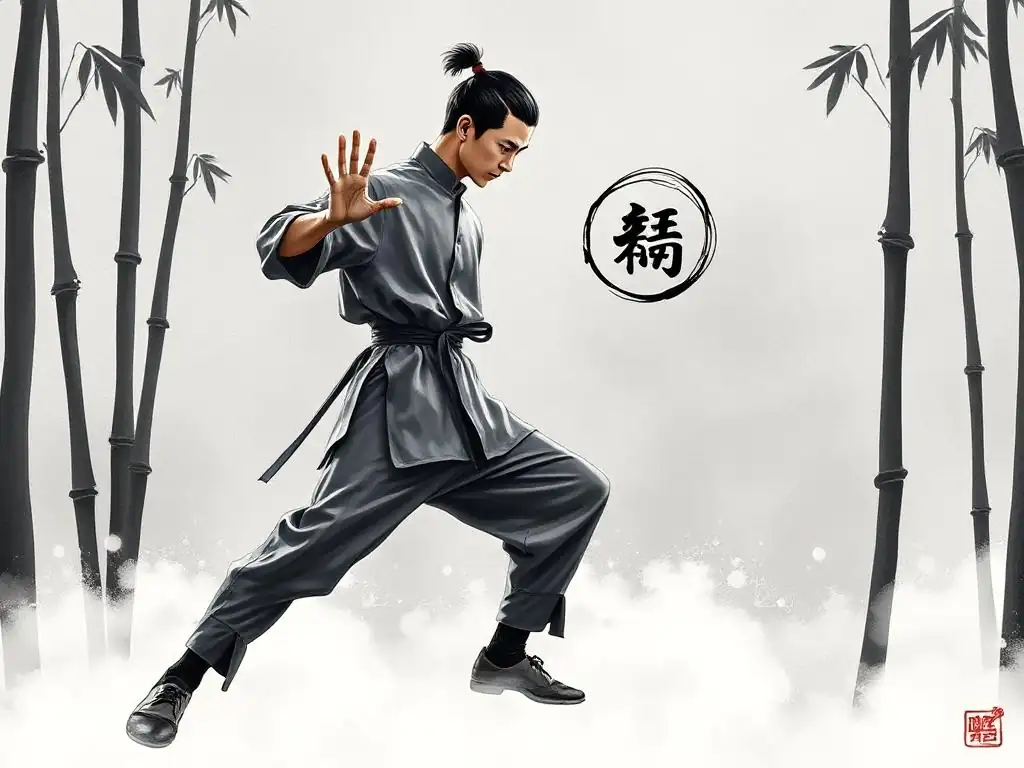
Hand Strikes Targeting Pressure Points
Southern Mantis Kung Fu employs a diverse array of hand techniques, many of which are naturally suited for delivering precise strikes to Dim Mak pressure points due to their short-range power generation and emphasis on using specific parts of the hand. The "Phoenix Eye Fist" (Fung Ngahn Kuen), where the striking surface is the protruding knuckle of the index finger, is particularly effective for targeting small, specific points with focused force. Other hand formations include the "Dragon Head Fist" (lung tau kuen), using the back of the curled fingers, or various finger jabs and palm strikes.
These hand strikes are delivered with explosive, short-range power, often generated through coordinated body mechanics including waist rotation and sinking the stance. The goal is not wide, sweeping movements but direct, penetrating force aimed at a small area. For example, a quick Phoenix Eye strike to a point near the temple (like Taiyang, an extra point) or under the nose (Du 26, Renzhong) can cause immediate pain and disorientation. The compact nature of Southern Mantis techniques allows practitioners to weave these precise strikes into rapid-fire combinations at very close quarters, exploiting openings created by trapping or seizing actions.
Footwork and Body Mechanics for Effective Dim Mak Delivery
Effective Dim Mak pressure point striking in Southern Mantis relies heavily on the style's characteristic footwork and body mechanics. The footwork is agile and low, allowing for rapid changes in angle and distance, crucial for closing the gap and positioning the body optimally for a precise strike. The "Mantis step" and other shuffling or stepping patterns enable practitioners to stick close to the opponent and maintain balance while delivering techniques.
Body mechanics in Southern Mantis emphasize sinking the weight, maintaining a strong, rooted structure, and generating power through the coordinated movement of the entire body, particularly the waist and hips. This allows for explosive, focused energy to be delivered through the striking limb to the small target area. Proper alignment ensures that the force is transmitted efficiently.
For instance, striking a point on the torso requires the practitioner to be correctly angled, with their weight sunk and waist rotated, to deliver a penetrating strike rather than a glancing blow. The sensitivity developed through training allows practitioners to feel their opponent's structure and movement, creating the split-second opportunities needed for accurate Dim Mak pressure point application.
Dim Mak Combinations and Sequences in Southern Mantis Forms
Dim Mak pressure point applications are often integrated into the forms (Tao Lu) of Southern Mantis Kung Fu. While forms teach the general movements and principles of the style, advanced forms or specific sections within forms may contain sequences specifically designed to practice striking vital points in combination. These sequences often mimic close-quarters exchanges involving trapping, seizing, and then delivering a precise strike to a vulnerable area.
For example, a sequence might involve parrying an incoming strike, simultaneously seizing the opponent's arm, and then immediately following up with a short-range Phoenix Eye strike to a point on the arm or chest. Another might involve stepping inside an opponent's guard and delivering a rapid-fire series of strikes to points on the head or neck.
These combinations are practiced repeatedly to develop the muscle memory, timing, and precision required to execute Dim Mak pressure point techniques effectively under pressure. While the forms provide the framework, live training drills are necessary to develop the sensitivity and adaptability needed to apply these principles in dynamic situations.
Training Methods for Dim Mak in Southern Mantis
Proper Stance and Alignment for Dim Mak Accuracy
Training for Dim Mak pressure point accuracy in Southern Mantis begins with mastering the foundational stances and body alignment. The low, rooted stances like the 'Horse Stance' (Ma Bo) and 'Bow and Arrow Stance' (Gung Bo) are essential for developing stability and generating power from the ground up. Proper alignment ensures that the body's structure is connected, allowing force to be transferred efficiently from the feet through the legs, torso, and out through the striking limb.
Accuracy in Dim Mak pressure point striking is paramount; hitting the wrong spot diminishes or negates the intended effect. Therefore, training emphasizes precise body positioning relative to the target. Practicing stances and movements while visualizing or actually targeting specific points on a dummy or training partner helps refine this spatial awareness and alignment. Maintaining a relaxed yet connected structure is key, as tension inhibits the smooth generation and delivery of focused power required for effective Dim Mak pressure point strikes.
Developing Sensitivity and Precision for Pressure Point Striking
Sensitivity (Ting Jing) is a cornerstone of Southern Mantis and crucial for Dim Mak pressure point application. It involves developing the ability to feel an opponent's balance, tension, and intentions through physical contact. This sensitivity allows the practitioner to identify openings and vulnerabilities as they arise in a dynamic exchange, providing the opportunity to deliver a precise strike to a Dim Mak pressure point.
Training methods to develop sensitivity include various pushing hands (Tui Shou) or sticking hands (Chi Sao) drills, adapted to Southern Mantis principles. These drills teach practitioners to maintain contact, feel the opponent's force and direction, and exploit weaknesses in their structure or movement. Precision is honed through repetitive drilling on anatomical diagrams, wooden dummies (like the Mook Yan Jong), or padded targets specifically marked with vital points. Practicing striking small targets with specific hand formations, focusing on penetration rather than just surface impact, builds the tactile feedback and muscular control needed for accurate Dim Mak pressure point targeting.
Specific Southern Mantis Drills for Dim Mak Application
Beyond general stance and sensitivity training, specific drills are employed in Southern Mantis to practice Dim Mak pressure point application. One common method involves striking padded dummies or partners with anatomical charts overlaid, focusing on hitting specific points with the correct hand formation and power generation. Drills might involve a partner offering different angles or levels of resistance, requiring the practitioner to adjust their footwork and body mechanics to maintain optimal striking position.
Another type of drill involves practicing combinations that incorporate trapping or seizing followed immediately by a precise strike to a target point. For instance, a drill might simulate an opponent reaching, the practitioner trapping the arm, and then delivering a quick Phoenix Eye strike to a point on the chest or neck. These drills are often done slowly at first to ensure accuracy and understanding of the target, gradually increasing speed and intensity as proficiency grows. Ethical considerations are crucial, with safety gear and control being paramount when practicing Dim Mak pressure point applications on partners.
Dim Mak vs. Other Striking Methods: A Comparison
Differences Between Dim Mak and Conventional Striking Techniques
The primary difference between Dim Mak pressure point striking and conventional striking techniques lies in the target and the intended effect. Conventional striking methods, common in boxing, Muay Thai, or Karate, typically focus on delivering maximum blunt force trauma to large, structurally significant areas like the jaw, ribs, or limbs to cause knockout, breakage, or muscle incapacitation. The power is often generated through large body movements and momentum.
Dim Mak, conversely, focuses on delivering precise, focused force to small, specific points on the body, often using specialized hand formations like finger tips or knuckles. The power generation emphasizes internal coordination and penetration rather than brute force. The intended effect is not just blunt trauma but the disruption of physiological function, whether through nerve disruption, circulatory interference, or energy imbalance according to TCM. While a conventional strike might break a bone, a Dim Mak pressure point strike aims to disable a nerve or disrupt an organ's function with less apparent external damage.
Advantages of Dim Mak in Close-Quarters Combat Scenarios
In the close-quarters combat scenarios characteristic of Southern Mantis, Dim Mak pressure point techniques offer distinct advantages. At extremely close range, generating the full force of conventional power punches or kicks can be difficult due to lack of space. Dim Mak, however, relies on short-range, focused power and precision, making it highly effective in grappling, trapping, or clinching ranges.
The ability to target small, vulnerable points means that even a strike delivered with limited external movement can have a disproportionately large effect. This is particularly useful when space is restricted or when an opponent is attempting to control your limbs.
A quick jab to a nerve point on the arm can disrupt their grip, or a precise strike to the neck can cause disorientation, creating an opening for follow-up techniques or escape. Furthermore, the less visible nature of Dim Mak pressure point strikes compared to powerful conventional blows can make them harder for an opponent to defend against or anticipate.
Limitations of Dim Mak and Countermeasures
Despite its potential advantages, Dim Mak pressure point striking has significant limitations. Its effectiveness relies heavily on precise targeting, which is incredibly difficult to achieve on a moving, resisting opponent in a chaotic self-defense situation. A strike that misses the specific point by even a small margin may have little to no effect beyond minor discomfort. This contrasts with conventional strikes, where hitting a general area (like the jaw) can still cause significant effect.
Furthermore, the efficacy of many claimed Dim Mak pressure point effects, particularly the delayed ones, lacks robust scientific validation and is debated even within traditional circles. Factors like individual physiology, adrenaline levels, and even the time of day are said to influence effectiveness, adding layers of complexity.
Countermeasures against Dim Mak pressure point attacks include maintaining constant movement to make targeting difficult, using protective gear (though not practical in self-defense), and potentially applying pressure to specific points to mitigate the effects of a strike, although the latter is highly advanced and specific to the point targeted. Ultimately, relying solely on Dim Mak pressure point techniques in combat is often impractical; they are best viewed as enhancing skills within a broader martial art system like Southern Mantis.
Ethical Considerations and Safety Precautions
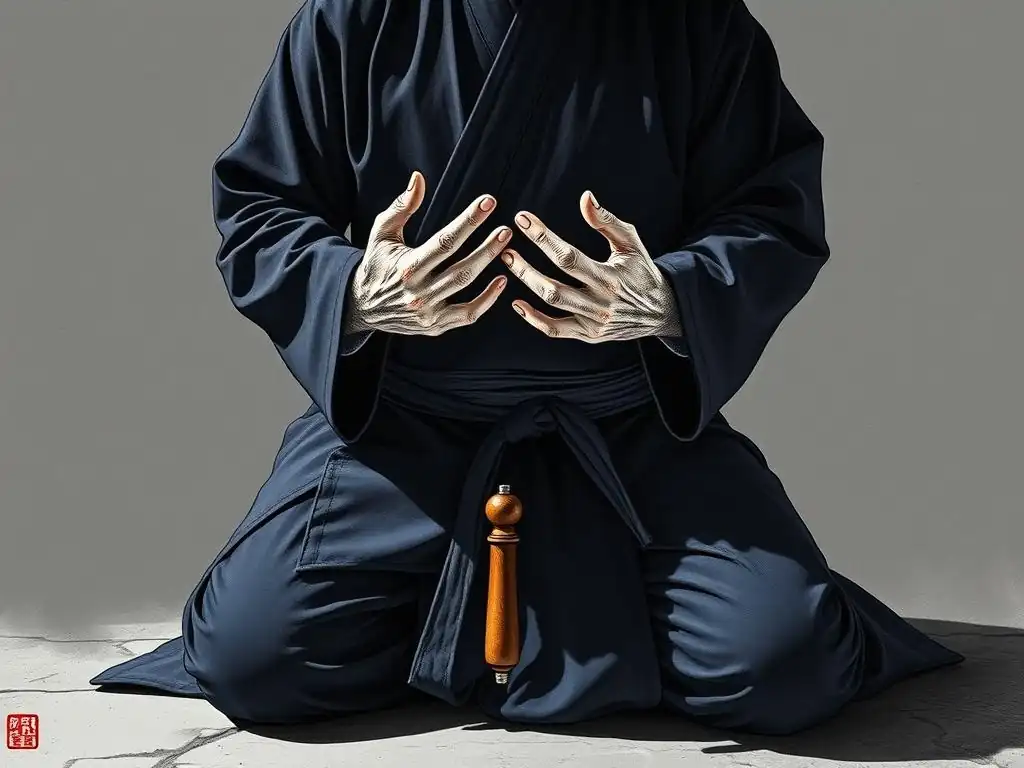
Responsibility and Control in Dim Mak Training
Given the potential for serious injury or even death attributed to some Dim Mak pressure point applications, the ethical considerations and the need for absolute control during training are paramount. Students learning Dim Mak must be taught the profound responsibility that comes with this knowledge. Training partners must understand the risks involved, and techniques should initially be practiced with minimal force, focusing solely on accurate targeting and understanding the principles.
Instructors have a moral and ethical obligation to vet students carefully, ensuring they possess the maturity and discipline required to handle such potentially dangerous techniques. Training should progress gradually, with increasing force only introduced under strict supervision and with appropriate safety gear when targeting less sensitive areas. The focus in training should always be on understanding the points and effects for defensive or theoretical purposes, rather than practicing harmful application. This responsible approach ensures that the art is preserved without causing undue harm.
Knowledge of first aid and basic medical treatment is essential for both instructors and advanced students practicing Dim Mak pressure point techniques. Accidents can happen, and understanding how to respond to injuries is crucial. While severe, delayed effects are highly debated, immediate consequences like dizziness, disorientation, temporary paralysis, or even loss of consciousness can occur from strikes to sensitive areas.
Basic first aid for such incidents might include ensuring the person has clear airways, placing them in the recovery position if unconscious, and monitoring their vital signs. Knowledge of resuscitation techniques (CPR) is also advisable. For specific point strikes, traditional remedies or counter-pressure techniques on related points are sometimes discussed in martial arts lore, but these should not replace professional medical evaluation if a serious injury is suspected.
Any strike causing prolonged symptoms, severe pain, or loss of consciousness requires immediate professional medical attention. Safety protocols should dictate that a trained first responder is available during advanced Dim Mak pressure point training sessions.
Legal Implications of Using Dim Mak for Self-Defense
Using any martial arts technique for self-defense carries legal implications, and techniques specifically associated with "Dim Mak pressure point" striking, particularly those claimed to cause severe or delayed injury, can complicate matters significantly. In most legal systems, the use of force in self-defense must be reasonable and proportionate to the perceived threat. Using a technique perceived as inherently lethal or causing disproportionate harm could lead to criminal charges, even if used defensively.
If an attacker suffers serious injury or death as a result of a Dim Mak pressure point strike, the legal scrutiny will be intense. Proving that the force used was both necessary and reasonable under the circumstances can be challenging, especially if the technique is portrayed as a "death touch."
While the scientific basis for the most extreme claims is debated, the perception of using a highly dangerous or esoteric technique can prejudice a case. Practitioners should understand that while martial arts provide skills for self-protection, the legal right to use force is strictly limited, and employing techniques with potentially severe consequences requires careful consideration of the potential legal ramifications.
Practical Applications of Dim Mak for Self-Defense
Using Dim Mak for Disabling an Attacker
In a real-world self-defense situation, the practical application of Dim Mak pressure point principles focuses primarily on using the understanding of vital points to achieve immediate incapacitation or disruption of an attacker. Rather than attempting complex, esoteric strikes for delayed effects, the focus is on targeting accessible points that cause pain, disorientation, or temporary paralysis, creating an opportunity to escape or control the situation.
For instance, a strike to a point near the collarbone (like Stomach 12, Quepen) can cause significant pain and disrupt the arm structure, making it difficult for an attacker to grab or strike effectively. A quick jab to the side of the neck (near Gallbladder 21, Jianjing) can cause disorientation or temporary dizziness.
Targeting points on the limbs can break an attacker's grip during a grab or grapple. The key is to integrate knowledge of these vulnerable points into the natural flow of Southern Mantis close-quarters combat, using them as targets of opportunity during exchanges rather than relying on them as the sole method of defense.
Situational Awareness and Preemptive Dim Mak Strategies
Effective self-defense, regardless of the techniques used, begins with situational awareness. Recognizing potential threats and avoiding dangerous situations altogether is always the best strategy. However, if confrontation is unavoidable, awareness extends to understanding the attacker's body position, movement, and potential vulnerabilities. This is where knowledge of Dim Mak pressure points becomes relevant in a preemptive sense.
By observing an attacker's stance or movements, a practitioner familiar with Dim Mak pressure points might identify accessible targets. For example, if an attacker reaches or exposes their neck, these areas become potential targets for a quick, disruptive strike aimed at a vital point. Preemptive strategies don't necessarily mean striking first without justification, but rather being prepared to exploit immediate opportunities should the attacker initiate physical aggression. Integrating this awareness of vital targets into Southern Mantis's emphasis on intercepting and controlling the opponent enhances the practitioner's defensive capabilities.
Case Studies: Examples of Dim Mak Application in Self-Defense Scenarios
Documented, verifiable case studies of individuals successfully using "Dim Mak pressure point" techniques specifically named as such in real-world self-defense scenarios are extremely rare and often anecdotal or part of private martial arts lore. The effectiveness in such chaotic, high-adrenaline situations is difficult to prove definitively and often overshadowed by the general effectiveness of the martial art system employed.
However, we can look at general principles. Consider a scenario where a smaller individual is grabbed from the front by a larger attacker.
A Southern Mantis practitioner might use trapping techniques to control the arms and simultaneously deliver a sharp, focused strike with a Phoenix Eye Fist to a vulnerable point on the attacker's chest (like Spleen 18, Tianxi) or neck (like Large Intestine 18, Futu). While not necessarily labeled "Dim Mak" in a police report, the principle of targeting a vital area to create pain and disruption aligns with the application of pressure point knowledge within a combat context.
Another example might involve breaking a rear chokehold by targeting points on the attacker's hand or forearm (like Heart 3, Shaohai, or Pericardium 3, Quze) with focused strikes to cause pain and release. While specific point names might not be known or used by the defender, the underlying principle of targeting vulnerable physiological areas is the practical application derived from Dim Mak pressure point training.
Advanced Dim Mak Concepts in Southern Mantis
Using Chi (Qi) in Pressure Point Striking
An advanced concept often associated with Dim Mak pressure point striking, particularly in internal martial arts styles or those with strong internal components like some Southern Mantis lineages, is the use of Chi (Qi). Beyond mere physical force, it is believed that projecting or focusing one's internal energy (Qi) into the strike enhances its effect on the opponent's own Qi and meridian system. This is distinct from external force, focusing instead on a penetrating, disruptive energy.
Training to use Chi in Dim Mak pressure point strikes involves developing internal power through practices like Qigong or specific internal cultivation methods within the Southern Mantis system. The idea is that a strike delivered with focused intent and internal energy can bypass superficial resistance and directly impact the opponent's vital energy flow, leading to more profound and potentially delayed effects. While highly esoteric and difficult to verify scientifically, this concept is a significant part of the traditional understanding and advanced training of Dim Mak pressure point application within some lineages.
Dim Mak and the Concept of Delayed Effects
The concept of delayed effects is one of the most mysterious and controversial aspects of Dim Mak pressure point striking. It is traditionally claimed that strikes to certain points, sometimes delivered at specific times of the day or in specific combinations, can cause injury or dysfunction that does not manifest immediately but appears hours, days, or even weeks later. These effects are often attributed to slow disruption of Qi and blood flow, cumulative damage to internal organs, or long-term nervous system dysfunction.
Examples from lore include strikes that supposedly cause organ failure days later, or techniques that lead to chronic debilitating illness over time. From a traditional perspective, understanding the body's natural energy cycles (like the Qi clock, which dictates peak energy flow in different meridians throughout the day) is crucial for delivering strikes that exploit these cycles to cause delayed impact. While skepticism about the more extreme claims is warranted from a modern scientific viewpoint, the concept remains a significant part of the traditional theoretical framework of advanced Dim Mak pressure point knowledge.
Advanced Southern Mantis Forms Featuring Dim Mak Applications
Advanced forms within Southern Mantis lineages often contain more intricate and subtle applications of Dim Mak pressure point principles. These forms move beyond basic striking and trapping to incorporate complex seizing, twisting, and manipulating techniques aimed at controlling an opponent's limbs and body structure while simultaneously exposing vital points for striking or manipulation.
Forms might include sequences demonstrating how to apply pressure to specific points during a joint lock or how to deliver a series of rapid, precise strikes to multiple points in quick succession. The movements might appear simple externally but require a deep understanding of anatomy, meridian theory, and internal power to be performed effectively as Dim Mak pressure point applications. Masters often teach that the true meaning and application of these advanced forms are only revealed to dedicated students who have first mastered the foundational principles and developed the necessary sensitivity and internal skill.
Conclusion: Mastering Dim Mak for Enhanced Combat Prowess
The Future of Dim Mak Research and Training
The future of Dim Mak pressure point research and training lies in balancing the preservation of traditional knowledge with responsible, evidence-based exploration. While the more sensational claims may remain within the realm of lore, the underlying principles of targeting vulnerable physiological points for tactical advantage are undeniably relevant to martial arts and self-defense. Future research could potentially focus on understanding the physiological basis for the more plausible effects of striking specific points (e.g., nerve responses, circulatory effects) from a modern medical perspective.
Training methodologies may evolve to incorporate safer, scientifically informed approaches to practicing vital point targeting, perhaps using advanced sensors on dummies to provide feedback on accuracy and force application. There may also be a greater emphasis on integrating vital point knowledge into general self-defense training as a means of enhancing existing techniques rather than viewing Dim Mak pressure point striking as a separate, mystical art. Preserving historical forms and texts while critically examining their practical application will be key to the future of this fascinating aspect of martial arts.
Continuing Your Dim Mak Journey in Southern Mantis Kung Fu
Embarking on the journey to understand and potentially apply Dim Mak pressure point principles within Southern Mantis Kung Fu is a path requiring dedication, discipline, and ethical responsibility. It is not a shortcut to combat prowess but rather an advanced layer of skill built upon a solid foundation of stances, footwork, body mechanics, and basic striking and trapping techniques.
Continuing this journey involves seeking out qualified instructors within authentic Southern Mantis lineages who possess genuine knowledge of vital points and their application. It requires diligent practice of the style's forms and drills, with a conscious focus on accuracy, sensitivity, and internal power development.
Moreover, it necessitates a commitment to the ethical implications, understanding that this knowledge carries the potential for harm and must be used only for legitimate self-defense and within the bounds of the law. By approaching Dim Mak pressure point training with respect and diligence, practitioners can gain a deeper understanding of the human body and enhance their effectiveness in the close-range combat scenarios characteristic of Southern Mantis.
Frequently Asked Questions
What is Dim Mak and how does it relate to Southern Mantis Close Combat?
Dim Mak, often translated as "death touch," refers to the art of striking specific pressure points on the body to cause delayed or debilitating effects. In Southern Mantis, it's a key component of close-range combat, aiming to quickly incapacitate an opponent.
Is Dim Mak based on legitimate anatomical knowledge or is it purely mystical?
While Dim Mak incorporates elements of traditional Chinese medicine, particularly acupressure points and meridian theory, its effectiveness is debated. Practical application in Southern Mantis emphasizes targeting vulnerable areas for maximum impact, regardless of mystical beliefs.
How does training in Southern Mantis incorporate Dim Mak principles?
Training involves learning the locations of vital points, understanding their effects when struck, and practicing techniques to accurately target them. Southern Mantis focuses on efficient and rapid strikes to exploit these vulnerabilities in close-quarters situations.
What are the ethical considerations of learning Dim Mak techniques?
Given the potential for serious injury, responsible training emphasizes self-control and ethical use of the techniques. Dim Mak should only be used for self-defense in life-threatening situations, never for aggression or intimidation.
Are there any risks associated with practicing or receiving Dim Mak strikes?
Yes, there are inherent risks. Even controlled strikes can cause temporary pain, bruising, or nerve damage. Unskilled or malicious application can lead to serious injury or even death, highlighting the need for careful training and responsible practice.
Final Reflection: The Enduring Mystery of Dim Mak
The exploration of Dim Mak, or pressure point striking, within the context of Southern Mantis close combat reveals a fascinating intersection of martial skill and esoteric knowledge. While its efficacy remains debated in modern scientific terms, the very concept continues to captivate and inspire martial artists and enthusiasts alike, highlighting the enduring allure of ancient traditions in a world increasingly dominated by empirical data.
The influence of Dim Mak extends beyond the dojo, permeating popular culture and shaping our understanding of martial arts as something more than just physical prowess. The mystique surrounding this practice, whether grounded in reality or embellished by legend, serves as a reminder that the true power of martial arts lies not only in technique but also in the cultivation of inner energy and mental discipline. The ultimate aim of martial arts is not to win battles, but to avoid fighting altogether.
This quote, often attributed to Sun Tzu, resonates deeply with the principles of Dim Mak, emphasizing the importance of understanding the body's vulnerabilities and using that knowledge for defense rather than aggression.
As we conclude this exploration of Dim Mak pressure point striking, I invite you to consider the deeper implications of this ancient art. Reflect on the potential for both harm and healing that resides within each of us, and strive to cultivate a deeper understanding of the human body, not just as a physical entity, but as a complex and interconnected system.
Let the mystery of Dim Mak inspire you to explore the hidden potential within yourself and to approach the world with a sense of wonder and respect for the traditions that have shaped our understanding of human capability.
Unleash Your Inner Power: Take Action Now!
Thank you for diving into the secrets of Dim Mak with us! We hope you've gained valuable insights into this fascinating and powerful aspect of Southern Mantis Kung Fu. Now, it's time to translate that knowledge into action.
Here's how you can continue your journey:
- Begin mapping key pressure points on your own body and training partner (with their consent, of course!). Focus on locating and gently stimulating these points to understand their sensitivity.
- Share this article with a fellow martial artist and spark a discussion about incorporating Dim Mak principles into your training regimen.
- Experiment with visualizing energy flow within your body to enhance your awareness and connection to pressure points.
What's the first pressure point you'll explore, and how will you incorporate it into your training this week?