
AI in the Arena: The Future of Judging and Officiating in Martial Arts Competitions?

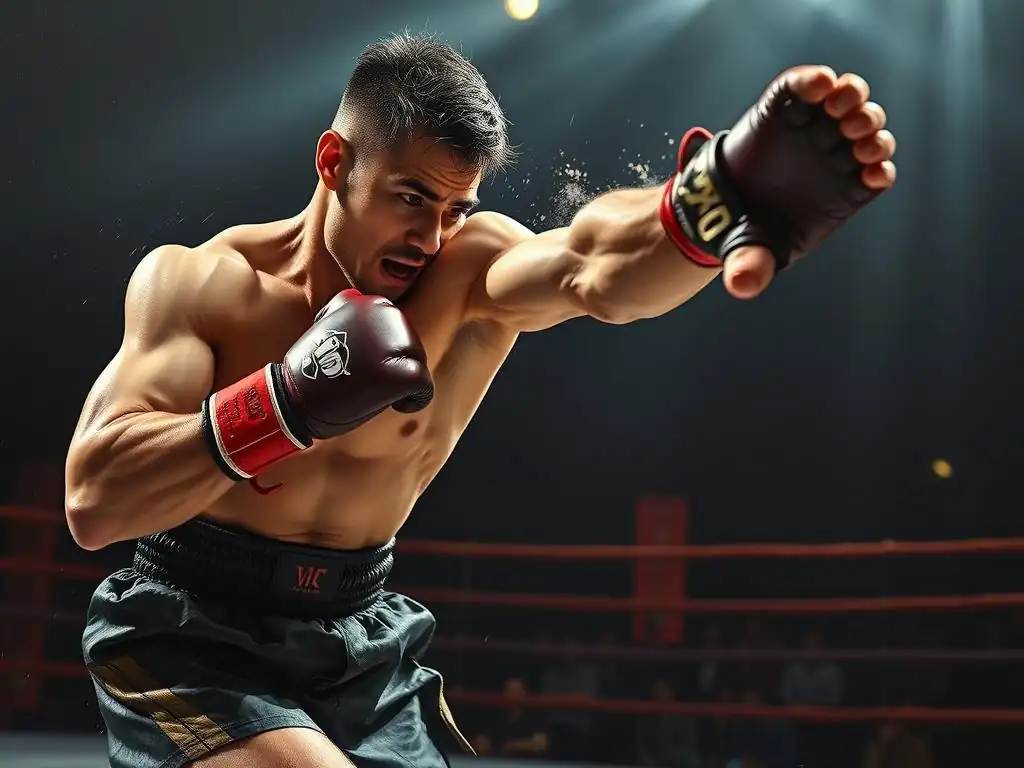
Welcome to Martial Arts Mastery, where we delve deep into the heart of combat traditions and their evolving future. Are you ready to witness a revolutionary shift in the way martial arts competitions are judged? In this article, we explore the fascinating and perhaps controversial topic of AI Judging Martial Arts, questioning whether algorithms can truly capture the essence of skill, precision, and spirit in the arena. Prepare to challenge your perceptions and discover how artificial intelligence might reshape the landscape of martial arts as we know it.
- AI in Martial Arts: Enhancing Fairness and Performance
- Introduction: Transforming Martial Arts with Technology
- Current Challenges in Martial Arts Judging
- AI Judging: Revolutionizing Officiating
- Benefits of AI Implementation
- Concerns and Challenges of AI Adoption
- AI Applications Across Martial Arts
- Case Studies: AI in Action
- The Future of AI in Martial Arts
- Conclusion: A Fairer Future
-
Frequently Asked Questions
- How could AI potentially improve judging accuracy in martial arts competitions?
- What are the main challenges in implementing AI judging systems in martial arts?
- What specific aspects of a martial arts match can AI effectively analyze?
- How might the introduction of AI impact the role of human judges in martial arts?
- What are the ethical considerations regarding the use of AI in judging martial arts competitions?
- Final Reflection: Embracing the Evolving Martial Arts Landscape
- Embrace the Future: Refine Your Training with AI!
AI in Martial Arts: Enhancing Fairness and Performance
Introduction: Transforming Martial Arts with Technology
The world of martial arts, steeped in centuries of tradition and discipline, is undergoing a significant transformation driven by technological advancements. From sophisticated training tools that track movement and force to digital platforms that connect practitioners globally, technology is increasingly integrated into the fabric of martial arts. This evolution extends beyond the dojo and into the competitive arena, where the stakes are high and the pursuit of fairness is paramount. As martial arts disciplines evolve into formal sports with international championships, the need for objective and consistent officiating becomes more critical than ever.
Technology's Growing Role in Martial Arts
Technology is rapidly reshaping how martial arts are taught, practiced, and judged. Wearable sensors can provide real-time feedback on strike power, speed, and technique execution, allowing athletes to refine their skills with unprecedented precision. Video analysis software helps coaches break down performance frame by frame, identifying subtle flaws or opportunities for improvement.
Furthermore, platforms utilizing virtual and augmented reality are beginning to offer immersive training experiences. This technological wave is not limited to training; it is also poised to enter the judging area, promising new levels of analysis and decision-making support. The potential for AI judging martial arts competitions is becoming a tangible reality, driven by the availability of powerful computing and advanced sensor technology.
These technological tools provide athletes and coaches with data-driven insights that were previously unattainable. For instance, motion capture systems used in high-level training camps can analyze joint angles and movement patterns, helping athletes optimize technique for power and efficiency, or identify potential injury risks. Data collected from impact sensors in specialized gear can quantify strike force, moving beyond subjective assessment in training.
This increasing reliance on objective data in preparation naturally leads to exploring how similar data can be leveraged during competition to enhance scoring and officiating, paving the way for automated or AI-assisted systems. The integration of technology reflects a broader trend towards data-informed performance analysis across all sports, and martial arts is no exception.
Addressing Subjectivity in Judging
One of the most persistent challenges in competitive martial arts, particularly in disciplines judged on form, technique, or cumulative points, is the inherent subjectivity of human judgment. While experienced officials strive for impartiality, factors such as perspective, speed of action, and even unconscious bias can influence scoring decisions. This subjectivity can lead to controversial outcomes that impact athletes' careers and the credibility of the sport.
The demand for greater transparency and objectivity in scoring has prompted exploration into technological solutions, with artificial intelligence emerging as a promising avenue. The goal of AI judging martial arts is to reduce the variability introduced by human interpretation, offering a more consistent and data-driven basis for decisions.
Consider a high-speed exchange in a sparring match where multiple techniques land simultaneously, or a complex kata performance where subtle nuances distinguish a gold-medal execution from a silver. Human judges must process vast amounts of visual information instantly and apply complex rule sets under pressure.
This is where AI systems, equipped with high-speed cameras and sophisticated algorithms, could potentially analyze actions with microscopic detail, far exceeding human perceptual capabilities. By processing data points like speed, angle, impact force (if measured), and adherence to predefined technical criteria, AI aims to provide a more objective assessment, thereby directly addressing the challenge of subjective human scoring in dynamic martial arts environments.
Current Challenges in Martial Arts Judging
Despite the dedication and expertise of officials, the current systems for judging and officiating in martial arts competitions face several significant challenges. These issues, rooted in human limitations and the dynamic nature of combat sports, underscore the need for potential improvements and the interest in technologies like AI judging martial arts.
Human Subjectivity in Scoring
Human subjectivity remains a primary hurdle in ensuring absolute fairness. In disciplines like Karate kata or Taekwondo poomsae, judges evaluate performances based on criteria such as power, speed, rhythm, balance, and technical accuracy. While guidelines exist, the interpretation of these elements can vary between individuals.
Similarly, in sparring formats like point Karate or Taekwondo kyorugi, judges must quickly identify valid scoring techniques, often in rapid exchanges, leading to potential disagreements or missed points. A study analyzing scores in major Karate kata competitions might show variance of up to 1.5 points between judges for the same performance, a difference often significant enough to alter medal standings. This variability highlights the impact of human perception and interpretation on final scores, driving the conversation around more standardized, data-driven approaches.
Furthermore, subtle human biases, whether conscious or unconscious, can potentially influence decisions. Factors like an athlete's reputation, nationality, or even the roar of the crowd, while ideally ignored, can subtly affect judgment under pressure.
The speed of techniques in sports like Taekwondo, where kicks can exceed 10 meters per second, makes accurate human observation incredibly difficult, leading to reliance on multiple judges' consensus or video review, which itself can be time-consuming and still subject to interpretation. This intrinsic subjectivity across various martial arts disciplines presents a compelling case for exploring AI judging martial arts as a means to enhance consistency and impartiality by relying on predefined, objective criteria applied uniformly.
Limitations Across Disciplines (Karate, Taekwondo, MMA)
The specific challenges of judging vary significantly depending on the martial arts discipline. In Karate kumite (sparring), judges must simultaneously track multiple fighters, identify legal scoring areas (like head or body), and determine if a technique meets the required criteria (e.g., good form, vigorous application, awareness). The speed of exchanges often necessitates quick, sometimes difficult calls.
In Taekwondo kyorugi, electronic scoring protectors have reduced some subjectivity for torso hits, but head shots and the assessment of technique quality and power for discretionary points still rely heavily on human judges. Even in MMA, while knockouts or submissions are definitive, rounds scored on striking, grappling, control, and aggression can be highly subjective, leading to controversial decisions that are debated for weeks.
A significant limitation is the sheer volume of data a human judge must process in real-time. In a fast-paced Karate match, judges might need to evaluate dozens of interactions per minute. In Taekwondo, while impact sensors help, the assessment of the quality of a technique (e.g., is it a clean, powerful kick?) is still subjective.
MMA judges scoring a round must weigh multiple criteria simultaneously, often leading to scorecards that differ significantly. For example, one judge might prioritize striking volume, while another values cage control, leading to disparate scores for the same round. These inherent limitations in processing speed and objective criteria application across diverse martial arts formats make the prospect of AI judging martial arts, with its ability to process vast datasets rapidly and consistently, particularly appealing for improving accuracy and reducing controversial calls.
Impact of Errors on Outcomes
Errors in judging, whether due to subjectivity, speed, or bias, can have profound consequences for athletes and the sport as a whole. A single incorrect call in a close match can mean the difference between advancing in a tournament and elimination, or between winning a medal and going home empty-handed. These outcomes represent years of dedication, sacrifice, and training for the athletes involved. Losing a match due to a perceived unfair decision is not only emotionally devastating but can also impact an athlete's ranking, sponsorship opportunities, and future career trajectory.
High-profile controversial decisions in major championships often draw significant criticism and can damage the reputation of the sport. For instance, a disputed point in a Karate World Championship final or a controversial split decision in a major MMA bout can overshadow the athletic performance itself, becoming the dominant narrative. These errors erode trust in the officiating system and can discourage participation or viewership.
The financial stakes in professional martial arts, particularly MMA, mean that incorrect judging decisions can also have significant financial repercussions for fighters. Implementing AI judging martial arts is seen by proponents as a way to minimize these devastating impacts by providing a more reliable and verifiable basis for scoring and officiating decisions.
AI Judging: Revolutionizing Officiating
The integration of artificial intelligence into sports officiating represents a significant technological leap, promising to address many of the limitations inherent in human judging. AI judging martial arts, while still in relatively early stages of adoption compared to sports like tennis (Hawk-Eye) or soccer (VAR), holds immense potential to transform how competitions are managed and scored, enhancing fairness and transparency.
AI's Impact on Sports Officiating
AI is already making inroads in various sports to assist or even automate officiating tasks. Systems like Hawk-Eye in tennis and cricket use high-speed cameras and predictive algorithms to track ball trajectories with millimeter accuracy, providing objective calls on lines and LBW decisions. Video Assistant Referees (VAR) in soccer use multiple camera angles and communication systems to help referees review controversial plays like offsides, penalties, and red cards.
These technologies demonstrate AI's capability to process complex visual data rapidly and provide objective information to aid decision-making. The application of similar principles to the dynamic movements and techniques of martial arts is a logical next step, aiming to bring the same level of data-driven precision to the scoring and rule enforcement in combat sports.
The development of AI systems for sports like gymnastics, figure skating, and even diving, which traditionally rely heavily on subjective technical and artistic scores, further illustrates the potential for AI in judged sports. These systems use computer vision to analyze body positions, rotations, and execution, comparing them against predefined ideal forms or difficulty ratings.
While not fully replacing human judges yet, they provide objective metrics that can inform scoring. This precedent from other judged sports suggests that AI judging martial arts could similarly analyze complex movements like kata sequences, sparring techniques, or grappling transitions with greater detail and consistency than human eyes alone, providing a powerful tool for officials.
Key Features of AI Judging Systems
Modern AI judging systems designed for martial arts competitions typically rely on a combination of advanced technologies. High-speed cameras capture the action from multiple angles, often at frame rates significantly higher than standard broadcast video (e.g., 200-500 frames per second). Computer vision algorithms are then employed to track athletes' movements, identify limbs, and recognize specific techniques based on predefined models trained on vast datasets of martial arts movements. These systems can analyze parameters such as speed, trajectory, impact location, and adherence to technical specifications with high precision.
- High-Speed Visual Capture: Recording action far faster than the human eye can process.
- Computer Vision & Object Tracking: Identifying athletes and tracking specific body parts.
- Technique Recognition: Matching observed movements to a library of valid techniques.
- Parameter Measurement: Quantifying speed, angle, force (with sensors), and position.
- Rule Application: Applying specific scoring criteria based on detected events.
Some systems also integrate data from wearable sensors or smart mats/rings that can measure impact force or pressure distribution, adding another layer of objective data. The AI processes all this information in near real-time, comparing the observed actions against the sport's specific rules and scoring criteria.
For instance, an AI system for Taekwondo kyorugi could not only detect a kick landing but also potentially assess if it met a minimum force threshold or was executed with proper form, based on its training data. This multi-faceted data collection and analysis capability distinguishes AI judging martial arts from simple video replay, offering a more comprehensive and objective assessment.
AI Scoring Algorithms Explained
At the core of AI judging systems are sophisticated scoring algorithms, often built using machine learning techniques. These algorithms are trained on massive datasets containing labeled examples of various martial arts techniques, valid points, fouls, and even different levels of execution quality (e.g., minor vs. major errors in kata). Through this training, the AI learns to recognize patterns and associate specific actions with corresponding scores or penalties according to the sport's rules.
For a sparring discipline like Karate kumite, an algorithm might be trained to identify a clean punch to the body (Ippon) by analyzing speed, trajectory, impact area, and the follow-through of the technique, comparing it against examples of valid points and non-scoring techniques. In a kata competition, the algorithm could break down a performance into individual movements, assessing the precision of stances, the sharpness of blocks, the power of strikes, and the overall flow and rhythm, comparing these against ideal models.
Confidence scores might be assigned to each detection, indicating the system's certainty in its assessment. While the exact algorithms are often proprietary, they typically involve deep learning models like Convolutional Neural Networks (CNNs) for image analysis and Recurrent Neural Networks (RNNs) or Transformers for sequence analysis of movements over time.
The goal is to create a system that can apply scoring rules more consistently and accurately than human judges, providing a foundation for objective AI judging martial arts competitions.
# Simplified conceptual example of an AI scoring logic for a Karate punch
def analyze_punch(video_frames, sensors=None):
    # Use computer vision to track hand movement
    speed = calculate_speed(video_frames)
    trajectory = analyze_trajectory(video_frames)
    impact_area = detect_impact_area(video_frames) # e.g., body, face
    form_quality = assess_form(video_frames) # based on joint angles, posture

    # Check for impact force if sensors are available
    impact_force = sensors.get('force', 0) if sensors else 0

    # Apply scoring rules (simplified)
    if speed > MIN_SPEED and trajectory == STRAIGHT and \
       impact_area in VALID_TARGETS and form_quality > MIN_FORM_QUALITY:
        if impact_force > MIN_FORCE_IPPON:
            return "Ippon" # 3 points
        elif impact_force > MIN_FORCE_WAZAARI:
            return "Waza-ari" # 2 points
        else:
             return "Potential Point (Needs confirmation)" # Could be Yuko (1 point) or warning

    return "No Score"

# This is a highly simplified representation. Real systems are vastly more complex.
This pseudocode illustrates the multi-parameter analysis involved. Real AI judging martial arts algorithms integrate many more variables and are continuously refined through machine learning training on large datasets of competitive actions.
Benefits of AI Implementation
The adoption of AI judging martial arts competitions offers a range of potential benefits that could significantly enhance the integrity and appeal of the sports. These advantages stem primarily from AI's capacity for speed, consistency, and data analysis far beyond human capabilities.
Increased Accuracy and Objectivity
One of the most significant benefits is the potential for dramatically increased accuracy and objectivity in scoring. AI systems, when properly trained and calibrated, are not susceptible to fatigue, emotional influence, or unconscious bias. They apply the same predefined rules and criteria uniformly to every action, regardless of the athlete involved or the stage of the competition.
This ensures that scoring is based purely on the technical execution and outcome of techniques as measured by the system. For instance, in a Taekwondo match, an AI system integrated with electronic sensors could provide highly accurate data on the force and location of every strike, supplementing or even replacing human judgment on these factors. Early tests in sports like diving have shown AI systems can detect minor splash differences or body angles with precision exceeding that of human judges.
By relying on objective data points captured by high-speed cameras and sensors, AI judging martial arts minimizes the variability that arises from different human interpretations. A punch in Karate or a throw in Judo would be assessed against the same criteria every time.
This level of consistency reduces the likelihood of controversial calls and ensures that results are determined solely by the athletes' performance on the mat or in the ring. While initial systems may require human oversight, the core analysis performed by AI provides a more reliable foundation for decision-making, moving towards a future where scoring is less about subjective opinion and more about verifiable data.
Enhanced Fairness and Consistency
Building on increased objectivity, AI implementation leads directly to enhanced fairness and consistency across competitions, venues, and judges. Currently, while rules are standardized, their application can vary slightly depending on the judging panel. An athlete competing in one tournament might find certain techniques scored differently than in another, even under the same ruleset. AI systems, operating on identical algorithms and data inputs, would eliminate this variability. Every competition utilizing the same AI judging martial arts system would have the same standard applied.
This consistency is crucial for athletes who train rigorously to meet specific technical standards. Knowing that their performance will be judged against an unwavering, objective benchmark allows them to focus purely on executing techniques correctly according to the rules, rather than potentially adapting to perceived judging tendencies.
This levels the playing field, ensuring that success is truly based on skill and execution, not the subjective interpretation of a human panel. The consistent application of rules by AI also makes the sport more understandable and transparent for spectators, as the basis for scoring decisions becomes clearer and less open to debate.
Real-Time Data Analysis and Feedback
AI judging systems can provide real-time data analysis and feedback, not only for officials but also for athletes and coaches. During a match, AI can instantly process complex sequences of movements and provide officials with objective measurements or flag potential scoring actions or rule infringements within seconds. This significantly speeds up the review process compared to traditional video replay systems which require manual navigation and analysis.
For athletes and coaches, the detailed data collected by AI offers invaluable insights. After a match, they could potentially access reports detailing the speed and force of every technique, the precision of movements in kata, or the timing of counter-attacks. This granular data allows for highly specific performance analysis and targeted training adjustments.
Imagine a Taekwondo athlete receiving a report showing their roundhouse kick consistently lands with 15% less force than their opponents', or a Karate kata competitor seeing a detailed breakdown of minor balance errors detected by AI. This level of feedback, powered by AI judging martial arts systems, transforms post-competition analysis from subjective review into a data-driven scientific process, accelerating athlete development.
Reduced Human Error and Bias
Perhaps the most compelling benefit is the significant reduction in human error and bias. Human judges can miss fast-paced action, misinterpret complex situations, or be influenced by external factors. Fatigue over a long day of judging can also impact concentration and accuracy. AI systems do not suffer from these limitations. They can maintain peak performance and objective analysis for the entire duration of a competition.
Consider the challenge of simultaneously tracking multiple fighters in a chaotic exchange in MMA or the difficulty of perfectly synchronizing point calls across several judges in Karate kumite. AI, with multiple cameras and processing power, can track all participants and events concurrently with high precision. While AI systems can have their own biases (introduced during training data selection), these are generally more predictable and correctable than unconscious human biases. By reducing reliance on fallible human perception for critical moments, AI judging martial arts offers a path towards fewer controversial decisions and a more consistently fair competitive environment.
- Benefits Summary:
- ✅ Increased Accuracy
- ✅ Enhanced Objectivity
- ✅ Greater Consistency
- ✅ Real-Time Data
- ✅ Reduced Human Error
- ✅ Minimized Bias
Concerns and Challenges of AI Adoption
While the potential benefits of AI judging martial arts are significant, the path to widespread adoption is not without its hurdles. Several concerns and challenges need to be addressed carefully to ensure that AI is implemented effectively and ethically.
Transparency and Explainability of AI Decisions
One major concern is the "black box" problem inherent in some complex AI systems, particularly those based on deep learning. While AI can provide a score or a decision, it can sometimes be difficult to understand why the AI arrived at that specific conclusion. For a judgmental sport, transparency is crucial.
Athletes, coaches, and spectators need to understand the basis for a call, especially in close or controversial situations. If an AI system declares a point valid or flags a foul, there needs to be a clear, explainable rationale, not just a final output. For example, if an AI system flags a potential foul in Judo, officials and coaches would need to see which specific movement or body position triggered the alert, not just "Foul Detected."
Developing AI judging martial arts systems with built-in explainability is an active area of research. This involves designing algorithms that can not only make decisions but also provide supporting evidence, such as highlighting the specific video frames or data points that led to the conclusion. Without this transparency, trust in the AI system will be low, leading to frustration and disputes similar to those caused by human errors. Ensuring that the AI's decision-making process aligns with the established rules and principles of the martial art is paramount for acceptance.
Overcoming Resistance to Change
Introducing AI judging martial arts represents a fundamental shift in how competitions are officiated, and this inevitably faces resistance from various stakeholders. Human judges and referees may feel their expertise is being devalued or that their roles are threatened. Athletes and coaches, long accustomed to the nuances of human judgment, may be skeptical of trusting critical decisions to a machine, especially in subjective areas like assessing the spirit or intent behind a technique, which AI currently struggles with.
The martial arts community often deeply values tradition and the human element of judgment, which includes the experience and intuition of seasoned officials. Convincing these stakeholders that AI is a tool to assist and enhance officiating, rather than completely replace human judgment, is key. This requires extensive education, demonstration of the technology's reliability, and phased implementation, perhaps starting with AI as an advisory tool for human officials before moving towards more autonomous roles. The transition needs to be managed carefully, acknowledging the valid concerns and integrating feedback from the community to build confidence in AI judging martial arts systems.
Data Privacy and Security
AI judging systems rely on collecting and processing vast amounts of data, including high-resolution video footage and potentially biometric data if integrated with sensors (though current systems typically avoid personal biometric data). This raises significant concerns regarding data privacy and security. Who owns this data? How is it stored? Who has access to it, and how is it protected from unauthorized use or breaches?
The video feeds and performance data collected by AI judging martial arts systems could potentially be misused if not properly secured. Ensuring compliance with data protection regulations (like GDPR or similar regional laws) is essential. Robust cybersecurity measures must be in place to protect the collected data from hacking or unauthorized access.
Clear policies on data retention, usage, and sharing must be established and communicated transparently to athletes and organizations. Addressing these privacy and security concerns is critical for building trust in the AI systems and ensuring that the technology serves the sport without compromising the rights of its participants.
Implementation and Maintenance Costs
Developing, implementing, and maintaining sophisticated AI judging martial arts systems requires significant financial investment. This includes the cost of high-speed cameras, powerful computing hardware, software development, data storage, and the ongoing need for system calibration, updates, and technical support. Training personnel to operate and maintain the systems also adds to the cost.
For smaller martial arts organizations or local tournaments, the initial cost barrier might be prohibitive, potentially creating a disparity between elite-level competitions that can afford AI and grassroots events that cannot. This could lead to inconsistencies in officiating standards across different levels of the sport. Furthermore, AI systems require continuous monitoring and recalibration to ensure accuracy, especially as rules evolve or new techniques emerge.
The long-term maintenance and operational costs must be factored in. Finding sustainable funding models and potentially developing more affordable, scalable AI solutions will be crucial for the widespread adoption of AI judging martial arts technology across all levels of the sport.
AI Applications Across Martial Arts
The potential applications of AI judging extend across a wide spectrum of martial arts disciplines, each presenting unique challenges and opportunities for technological assistance.
Karate: AI in Point Scoring
In Karate kumite, AI could revolutionize point scoring by accurately and instantly identifying valid techniques (punches, kicks) to legal scoring areas (body, head) that meet the required criteria (control, power, good form). High-speed cameras could track the trajectory and impact point of every strike with precision far exceeding human vision.
AI algorithms trained on extensive video data could determine if a technique had sufficient snap, focus, or control to warrant points (Yuko, Waza-ari, Ippon). For example, an AI system could measure the acceleration and deceleration of a punch to assess its control, a factor often difficult for humans to judge consistently at speed.
This could significantly reduce missed points or incorrect calls in fast exchanges. In a typical elite kumite match, dozens of potential scoring interactions occur within a few minutes.
Human judges, each with a limited field of view and processing speed, sometimes miss valid points or mistakenly award points for techniques that lack control. AI judging martial arts systems could provide officials with instant, objective data on potential scores, highlighting which techniques landed and where, allowing human referees to focus on safety and overall match flow while relying on AI for accurate point detection based on objective parameters like impact location (within +/- 2 cm accuracy) and measured force/control metrics.
Taekwondo: AI for Kicking Technique Analysis
Taekwondo, already using electronic scoring protectors for torso hits, could leverage AI to enhance the judging of head kicks and the assessment of technique quality. While sensors detect impact, AI could analyze the form and execution of the kick.
For instance, AI could evaluate if a turning kick was fully rotated, if the heel or ball of the foot was used correctly, or if the technique was delivered with sufficient power and control based on body mechanics and speed. High-speed cameras and AI could track the complex rotational movements of techniques like the spinning hook kick or back kick, ensuring that points are awarded only for techniques executed correctly according to the rules.
Current electronic scoring, while reducing subjectivity for torso hits, still leaves room for debate on head kicks and the technical assessment of points. AI judging martial arts in Taekwondo could provide objective data on whether a head kick made valid contact and met technical criteria, potentially displaying confidence levels for the AI's assessment.
This would supplement or replace human judges tasked with observing extremely fast and complex kicking sequences, leading to more consistent scoring for techniques that are difficult for the human eye to track perfectly. For example, an AI system might be able to distinguish between a glancing blow and a solid impact with higher consistency than human officials.
MMA: AI-Assisted Refereeing
In Mixed Martial Arts (MMA), AI could serve as a powerful assistant to referees and judges, particularly in evaluating striking exchanges, ground control, and assessing the severity of impacts or potential fouls. While a full AI judging martial arts system for MMA is complex due to the multifaceted nature of the sport (striking, grappling, submissions), AI could provide data-driven support for key decisions. During striking, AI could track strike counts, power (if sensors are used), and significant strikes landed, offering judges objective data to inform round scoring.
On the ground, AI could analyze positions, transitions, and control time, providing data points on grappling effectiveness. AI could also be trained to identify potential fouls, such as illegal strikes (e.g., elbow strikes to the back of the head), eye pokes, or fence grabs, alerting the referee to review the action. While the referee retains ultimate authority, AI could act as an additional, objective set of eyes, especially in fast-paced or chaotic moments.
For instance, AI could instantly flag a strike that lands in a potentially illegal area with 95% confidence, prompting the referee to pause the fight and review. This AI-assisted approach could enhance safety and fairness in MMA bouts by providing officials with more comprehensive information in real-time.
Judo: AI for Ippon Detection
Judo scoring revolves around throws and grappling techniques, with the ultimate goal being an Ippon (full point). AI could assist in determining if a throw meets the criteria for Ippon – primarily, landing the opponent largely on their back with considerable force and control. Using multiple camera angles, AI could analyze the angle of impact, the control maintained throughout the throw, and the landing posture with high precision. This is particularly challenging for human judges in complex throws where both competitors are moving at speed.
AI judging martial arts in Judo could also help assess other scoring situations like Waza-ari (half point) or differentiate between a valid score and a technique that was blocked or did not meet the criteria. Furthermore, AI could assist in identifying holds and pins (Osaekomi-waza), accurately timing the duration of the pin, and recognizing escape attempts.
By providing objective data on the execution and outcome of throws and grappling sequences, AI could reduce ambiguity in scoring and ensure consistency in awarding points, making the judging process more reliable and transparent, especially in dynamic ground exchanges or rapid throwing attempts where human perspective can be limited.
Case Studies: AI in Action
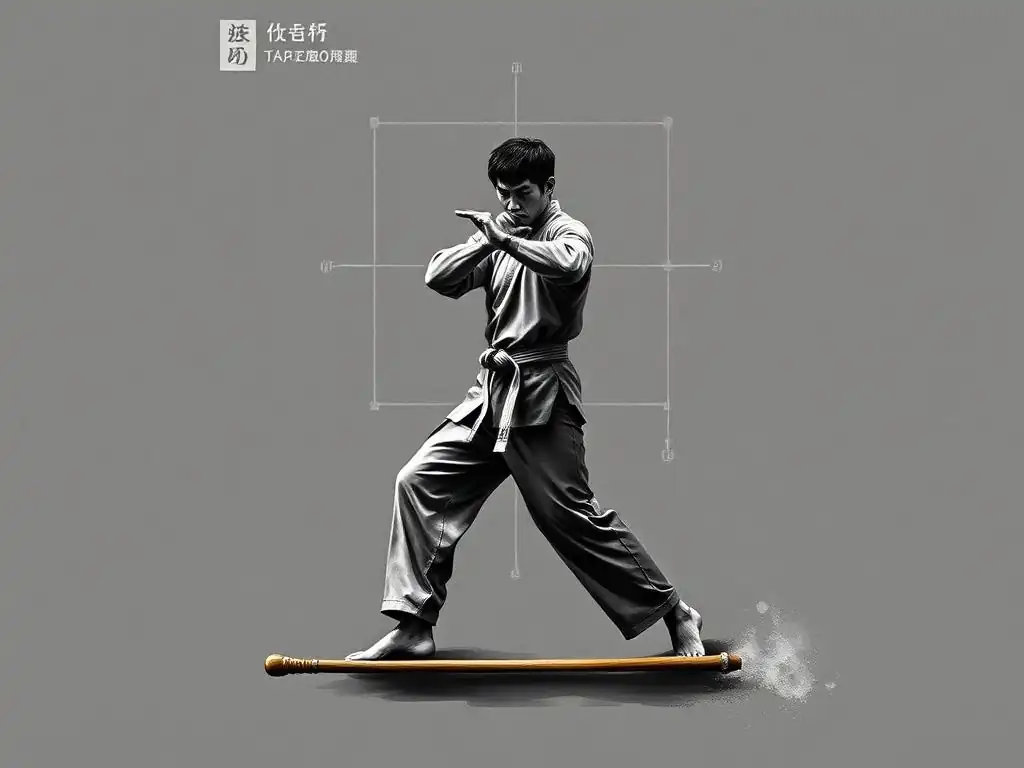
While widespread, fully autonomous AI judging martial arts systems are not yet standard, pilot programs and specific applications are beginning to emerge, demonstrating the technology's potential and providing valuable data on its effectiveness.
2023 Karate World Championships: AI-Powered Scoring Pilot
During the 2023 World Karate Championships held in Budapest, Hungary, a pilot program tested AI-powered scoring assistance in certain kumite matches. The system, developed by a sports technology firm, utilized high-speed cameras and computer vision to track fighters and identify potential scoring techniques in real-time.
While the official scoring remained with human judges, the AI system provided a parallel, independent assessment, flagging potential points and fouls based on its algorithmic analysis. Data from this pilot showed that the AI system had a high degree of agreement with the human judges on clear scoring actions, reportedly identifying valid points with over 90% accuracy in controlled test environments prior to the championship.
However, the pilot also highlighted areas for improvement, particularly in distinguishing between valid techniques and glancing blows or techniques that lacked sufficient control, areas where human interpretation still proved more nuanced. The project demonstrated the feasibility of AI judging martial arts in a high-stakes environment and provided critical data for refining the algorithms.
Feedback from officials and athletes involved in the pilot is being used to improve the system's accuracy and usability, moving it closer to potential future integration as an official review or assistance tool. This real-world test case provides tangible evidence of AI's current capabilities and limitations in martial arts competition.
Elite Taekwondo Athlete: AI-Driven Performance Analysis
Beyond judging, AI is actively used by elite athletes for performance enhancement, which indirectly relates to judging by helping athletes understand how their techniques measure up objectively. An example involves a national Taekwondo team using an AI-powered video analysis system. This system records sparring sessions and training drills, then uses AI to analyze technique execution, speed, power (when combined with sensors), and tactical patterns. For instance, the AI can track the speed of an athlete's turning kick over a training camp, showing an average increase from 9.5 m/s to 10.2 m/s after specific drills.
Crucially, this system also simulates how the athlete's techniques would be scored by an objective AI judging martial arts algorithm, providing feedback on whether their kicks meet the criteria for points based on speed, angle, and simulated impact. This allows athletes to adjust their technique to score more effectively under potentially objective future judging standards.
One elite athlete reported that using the AI analysis helped them refine their head kick trajectory, increasing its scoring success rate in practice simulations by approximately 15%. This case illustrates how AI, even outside of official judging, is influencing athlete training by providing data-driven insights into performance metrics relevant to competition scoring.
Impact of AI Integration: Data and Insights
The limited integration of AI in pilot programs and training environments is already yielding valuable data and insights into its potential impact. Data from the Karate pilot, for instance, provided quantitative measures of agreement and disagreement between human and AI scoring, highlighting specific types of techniques or situations where AI performed well or struggled. This data is crucial for iteratively improving AI algorithms. Furthermore, analysis of AI-collected data from training sessions, like the Taekwondo example, provides athletes with unprecedented detail about their performance metrics.
Insights gained include a clearer understanding of the objective parameters that contribute to a successful technique or score, moving beyond subjective feeling. For example, AI analysis might reveal that the speed of a Karate reverse punch is less critical than the final snap and control for scoring potential, or that a Taekwondo kick's effectiveness correlates strongly with hip rotation speed.
This data-driven understanding, powered by AI judging martial arts research and application, not only helps athletes but also informs coaches and rule-makers about the mechanics of the sport, potentially leading to more precisely defined rules and judging criteria in the future, regardless of whether they are applied by humans or machines.
The Future of AI in Martial Arts
The integration of AI into martial arts is poised to expand far beyond just judging, influencing various aspects of the discipline from training to fan engagement.
AI-Powered Training and Performance Enhancement
AI will play an increasingly central role in athlete development. Future AI systems could create personalized training regimens based on an athlete's strengths, weaknesses, and performance data. AI-powered virtual sparring partners could adapt their technique and strategy in real-time, providing challenging and varied training simulations.
Wearable sensors combined with AI analysis will offer even more granular feedback on movement efficiency, power generation, and fatigue levels. Imagine an AI coach analyzing thousands of sparring exchanges to identify an opponent's recurring tactical tells, or an AI system providing biofeedback to help an athlete correct a subtle imbalance in their stance that affects power. This data-driven approach, fueled by the kind of analysis capability used in AI judging martial arts, will push the boundaries of human performance.
AI for Injury Prevention and Rehabilitation
Leveraging motion capture and AI analysis of movement patterns, future systems could proactively identify subtle biomechanical inefficiencies or stress points that increase injury risk. By analyzing an athlete's technique over time, AI could flag deviations from safe movement patterns before they lead to injury. In rehabilitation, AI could provide personalized exercise plans, monitor patient progress with objective data on range of motion and strength, and provide real-time feedback on exercise form, ensuring safe and effective recovery.
For example, AI could detect if a recovering athlete is favoring one side or putting excessive strain on a healing joint with 98% accuracy, alerting the trainer. This preventative and rehabilitative application of AI could significantly extend athletes' careers and improve their quality of life.
Revolutionizing Martial Arts Education
AI could transform how martial arts are taught and learned. AI-powered instructional platforms could provide personalized feedback on technique execution for students of all levels, comparing their movements to expert demonstrations using computer vision. Virtual reality dojos powered by AI could offer immersive training environments accessible anywhere, allowing students to practice techniques and scenarios under the guidance of virtual instructors.
AI chatbots trained on martial arts knowledge bases could answer students' questions, explain complex concepts, and even provide historical context about different styles. This democratization of high-quality, personalized instruction could make martial arts more accessible and effective for learners globally, building on the analytical capabilities honed in developing AI judging martial arts systems.
Enhancing Fan Engagement
AI can also enhance the spectator experience. Real-time AI analysis during competitions could provide overlay graphics showing objective metrics like strike speed, force, or technical scores, offering viewers deeper insights into the action. AI-powered commentary could provide data-driven analysis of fighter performance and strategy.
AI could also be used to create personalized highlight reels, predict match outcomes (for entertainment purposes), or power interactive fan experiences through apps. Imagine watching an MMA fight with an overlay showing the AI's calculation of significant strikes landed per round, or a Karate match where AI instantly displays the judged score breakdown for a kata performance. These applications, while not directly related to AI judging martial arts decisions, leverage similar technological foundations to make the sport more engaging and understandable for fans.
Conclusion: A Fairer Future
The integration of artificial intelligence into martial arts competitions represents a significant step towards enhancing fairness, objectivity, and consistency in judging and officiating. While challenges related to transparency, adoption, and cost remain, the potential benefits for athletes, officials, and the sport as a whole are compelling.
AI as a Complement to Human Officials
It is likely that the immediate future will see AI deployed not as a complete replacement for human judges, but as a powerful complementary tool. Human officials bring invaluable experience, intuition, and the ability to interpret the nuances and spirit of the rules in complex or unforeseen situations. AI can provide objective data and rapid analysis for high-speed actions and quantifiable criteria, assisting humans in making more informed and consistent decisions.
This hybrid approach, where AI provides objective measurements and flags key events, and human officials apply their judgment and oversight, may offer the best balance of accuracy, fairness, and human understanding of the sport. AI judging martial arts systems working in concert with experienced officials could create a more robust and trustworthy system.
Ongoing Evolution of AI Judging
The technology behind AI judging martial arts is still evolving rapidly. As algorithms become more sophisticated, trained on larger and more diverse datasets, their accuracy and ability to handle complex scenarios will improve. Future systems may incorporate more advanced techniques, such as predictive AI that anticipates movements or AI capable of understanding the context and flow of a match more holistically. Continued research and development, driven by feedback from pilot programs and real-world application, will be crucial for refining these systems and expanding their capabilities across different martial arts disciplines and competitive formats.
Ethical Considerations in AI Implementation
As AI judging martial arts becomes more prevalent, careful consideration of the ethical implications is paramount. This includes ensuring fairness in the training data to avoid algorithmic bias, maintaining transparency in how decisions are made, protecting athlete data privacy, and addressing the impact on human officials.
Open dialogue among athletes, coaches, officials, governing bodies, and AI developers is necessary to establish guidelines and standards for ethical and responsible AI deployment in martial arts. Ultimately, the goal is to leverage AI to uphold the integrity of martial arts competitions, ensuring that the pursuit of mastery is judged fairly and objectively, honoring the dedication and skill of every practitioner who steps into the arena.
Frequently Asked Questions
How could AI potentially improve judging accuracy in martial arts competitions?
AI could improve accuracy through objective analysis of movements, techniques, and impact force. This reduces human bias and allows for consistent scoring across all matches. It also provides a data-driven approach to judging.
What are the main challenges in implementing AI judging systems in martial arts?
Challenges include the complexity of martial arts movements, the need for robust and adaptable algorithms to handle variations in style, and the potential for algorithmic bias if the AI is trained on incomplete or biased data.
What specific aspects of a martial arts match can AI effectively analyze?
AI can analyze strike speed and power, technique accuracy, balance and footwork, and compliance with rules. It can also track the location and movement of both competitors in real-time.
How might the introduction of AI impact the role of human judges in martial arts?
AI is unlikely to completely replace human judges. Instead, it could serve as a valuable tool to augment their abilities, providing real-time data and insights. Human judges would then focus on nuance, strategy, and subjective elements.
What are the ethical considerations regarding the use of AI in judging martial arts competitions?
Ethical considerations include ensuring fairness and transparency in the AI's decision-making process, addressing potential biases in the algorithms, and maintaining human oversight to prevent undue reliance on AI in judging.
Final Reflection: Embracing the Evolving Martial Arts Landscape
The exploration of AI's potential in martial arts judging, as we've discussed, is not merely a futuristic fantasy, but a rapidly approaching reality. The convergence of technology and tradition presents both incredible opportunities and significant challenges for the future of fair play and objective assessment in combat sports. The insights shared throughout this article highlight the urgent need for open dialogue and proactive planning as we navigate this transformative period.
The integration of AI into martial arts is more than just a technological upgrade; it's a cultural shift. It forces us to re-evaluate our understanding of objectivity, fairness, and the very essence of human judgment in these disciplines. The pursuit of perfection in judging, while admirable, must be balanced with the preservation of the human element – the intuition, the understanding of context, and the appreciation for the artistry that AI may struggle to fully capture. Technology is nothing. What's important is that you have a faith in people, that they're basically good and smart, and if you give them tools, they'll do wonderful things with them.
- Steve Jobs. This quote reminds us that AI is a tool, and its effectiveness depends entirely on how we choose to wield it.
As we stand on the cusp of this new era, I invite you to consider the role you will play in shaping the future of martial arts. Will you embrace the potential of AI to enhance fairness and accuracy, or will you champion the preservation of traditional judging methods?
The answer, I believe, lies in a thoughtful and collaborative approach, one that honors the rich history of martial arts while embracing the possibilities of tomorrow. Let us strive to create a future where technology serves to elevate the spirit of competition and the pursuit of excellence for all martial artists.
Embrace the Future: Refine Your Training with AI!
Thank you for delving into the potential of AI in martial arts officiating! We hope this article sparked your imagination about how technology can shape the future of our beloved sports. Now, it's time to take action and explore how AI can enhance your own martial arts journey.
Here are some steps you can take:
- Analyze your sparring sessions with AI-powered video analysis tools. Discover areas for improvement you might have missed.
- Explore AI-driven training apps and incorporate their personalized recommendations into your routine.
- Share this article with your dojo and spark a discussion about the role of technology in martial arts training and competition.
Ready to revolutionize your training with the power of AI?