
Decoding Headgear: Your Ultimate Buyer's Guide to Brain Protection in Combat Sports

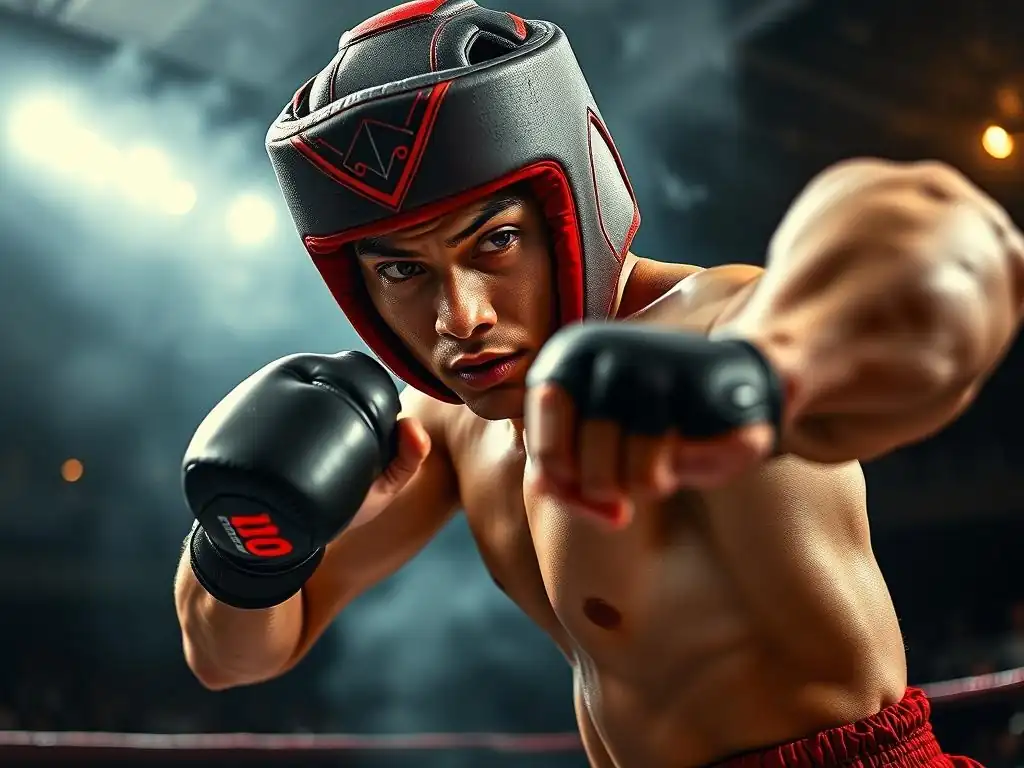
Welcome to Martial Arts Mastery, your premier destination for exploring the rich tapestry of martial arts!
Ever wondered how to best protect your most valuable asset – your brain – while engaging in combat sports? Our comprehensive " Combat sports headgear buyer’s guide" dives deep into the world of protective equipment, offering unparalleled insights into selecting the right gear for your needs. Discover the crucial factors to consider, the latest advancements in headgear technology, and how to choose the perfect fit to maximize safety and performance. Prepare to unlock a new level of understanding and make informed decisions that safeguard your well-being as you pursue your martial arts journey. Let's begin!
- Combat Sports Headgear: A Comprehensive Buyer's Guide
- Understanding the Importance of Combat Sports Headgear
- Types of Combat Sports Headgear
- Key Features to Consider
- Top Headgear Recommendations
- Maintaining Your Headgear
- Maximizing Your Investment
- Conclusion: Choosing the Right Headgear.
-
Frequently Asked Questions
- What are the primary types of headgear available for combat sports, and what are their main differences?
- How do I determine the correct headgear size for optimal fit and protection?
- What materials are commonly used in combat sports headgear, and what are their advantages and disadvantages?
- How often should I replace my combat sports headgear, and what are the signs that it needs replacing?
- Besides protection, what other factors should I consider when choosing combat sports headgear?
- Final Reflection: Safeguarding Minds, Shaping Futures
- Unleash Your Inner Warrior: Gear Up for Greatness!
Combat Sports Headgear: A Comprehensive Buyer's Guide
Understanding the Importance of Combat Sports Headgear
Why Headgear Matters: Mitigating Impact and Injury
Engaging in combat sports inherently involves the risk of impact, particularly to the head. High-quality combat sports headgear is designed specifically to mitigate the forces transferred during strikes, such as punches, kicks, and knees. While no headgear can completely prevent concussions, it significantly reduces the risk of superficial injuries like cuts, bruises, and abrasions, and can lessen the severity of some impacts. The primary mechanism of headgear is to absorb and disperse kinetic energy through layers of foam and padding, slowing down the acceleration and deceleration of the head during impact.
Moreover, wearing headgear provides a psychological benefit, allowing practitioners to spar with greater confidence, knowing they have a layer of protection. This can lead to more realistic training scenarios and better skill development over time. For instance, during boxing sparring sessions, headgear can reduce the incidence of facial lacerations, which are common even in controlled environments and can sideline an athlete from training or competition. A well-fitted piece of headgear acts as a crucial buffer, turning potentially damaging blows into manageable forces, essential for anyone following a combat sports headgear buyer’s guide.
The Risks of Not Wearing Headgear: Acute and Chronic Brain Trauma
The absence of protective headgear in combat sports training dramatically increases the risk of both acute and chronic head injuries. Acute injuries include concussions, which are traumatic brain injuries caused by blows that shake the brain within the skull. While headgear doesn't prevent concussions entirely, it reduces the likelihood and severity of many impacts that could otherwise cause them. Without headgear, the direct force of a punch or kick is absorbed solely by the skull and brain tissue, leading to higher peak forces and potentially more significant neurological disruption.
Beyond acute risks, repeated impacts, even those considered sub-concussive (not causing immediate symptoms), are linked to chronic neurological conditions. Cumulative trauma from sparring without adequate protection can contribute to conditions like Chronic Traumatic Encephalopathy (CTE) over a long career.
While the direct link between headgear and CTE prevention is still researched, reducing the overall load of impacts and mitigating the force of significant blows is a clear benefit. Statistics from amateur boxing show a lower incidence of visible head injuries when headgear is mandatory compared to professional bouts where it is often not used, highlighting its role in preventing immediate trauma.
Advancements in Headgear Technology: Enhanced Safety and Performance
The design and materials used in combat sports headgear have seen significant advancements over the past few decades, moving beyond simple padding. Modern headgear incorporates multi-layer foam constructions, often combining different densities of foam to manage varying impact levels. For example, some designs use a softer inner layer for comfort and minor impacts, paired with a denser outer layer to absorb and spread the force of harder blows. This layered approach is a key consideration for any serious combat sports headgear buyer’s guide.
Innovative materials and structural designs also play a role. Some brands now use specialized gels or air pockets integrated into the padding for targeted impact absorption. Furthermore, shell materials have improved for durability and energy dispersion. The focus has also expanded to include features like improved ventilation systems to manage heat and sweat, enhancing comfort during long training sessions, and more ergonomic shapes that provide wider peripheral vision without compromising protection. These technological leaps mean today's headgear offers a better balance of safety, comfort, and performance than ever before.
Types of Combat Sports Headgear
Boxing Headgear: Coverage vs. Visibility
Boxing headgear is designed primarily to protect against punches. The choice between different types often boils down to a trade-off between maximum facial coverage and unobstructed visibility. Both full-face and open-face variations exist, each suited for different training priorities or personal preferences within boxing. A key aspect of any combat sports headgear buyer’s guide for boxing is understanding this fundamental distinction.
Traditional boxing headgear typically focuses on protecting the forehead, temples, cheeks, and chin. The design needs to be robust enough to absorb repetitive impacts from jabs, hooks, and uppercuts while remaining secure and stable on the head. The internal padding and external shell materials are critical for effective energy management. The fit is paramount; loose headgear can shift during impacts, reducing protection and obstructing vision.
Full Face Boxing Headgear: Maximum Protection
Full face boxing headgear offers the highest level of protection for the face. It includes substantial padding around the cheeks and often features a chin protector bar or reinforced chin padding. Some designs even incorporate a nose bar or plastic face shield for maximum defense against direct facial impacts, significantly reducing the risk of broken noses or severe cuts. This type is favored by individuals who prioritize facial integrity above all else, especially during intense sparring or when recovering from a facial injury.
While providing superior protection, the extensive padding of full-face headgear can slightly restrict peripheral vision compared to open-face alternatives. This trade-off is acceptable for many, particularly beginners or those engaging in very hard sparring, who value the reduced risk of cuts and bruises. Brands like Title Boxing and Ringside offer popular full-face models known for their durable construction and protective qualities, making them common mentions in a combat sports headgear buyer’s guide.
Open Face Boxing Headgear: Enhanced Visibility
Open face boxing headgear, also known as traditional or training headgear, leaves the nose and mouth more exposed but provides excellent visibility. The padding focuses on the forehead, temples, cheeks, and chin, but without a connecting bar or excessive front coverage. This design allows for a wider field of view, which is crucial for seeing incoming punches and reacting quickly. Many experienced boxers prefer open-face headgear for sparring as it more closely simulates the visibility conditions of a real bout.
The enhanced visibility aids in defensive maneuvers and offensive timing. While the risk of cuts or nose injuries is higher than with full-face gear, many users find the ability to see clearly and react more effectively outweighs this risk. Popular examples include the Cleto Reyes traditional headgear, known for its excellent fit and durable leather, and the Rival Guerrero Pro, praised for its balance of protection and visibility. This style is a staple in any comprehensive combat sports headgear buyer’s guide for boxing.
MMA Headgear: Striking and Grappling Considerations
MMA headgear must account for the diverse nature of mixed martial arts, which includes striking (punches, kicks, knees) and grappling (wrestling, jiu-jitsu). This requires a design that offers adequate protection against impacts while remaining relatively lightweight and allowing for clinch work, takedowns, and ground fighting without excessive bulk or obstruction. The specific needs of MMA training distinguish its headgear from purely boxing or grappling gear, a crucial point in an MMA-focused combat sports headgear buyer’s guide.
The challenge in MMA headgear design is balancing impact protection with the need for maneuverability and comfort during grappling exchanges. Headgear that is too bulky can hinder clinch fighting, make it difficult to escape submissions, or even pose a risk to a training partner. Therefore, MMA headgear often features streamlined designs and strategic padding placement to minimize bulk while maximizing protection in key areas like the forehead, temples, and cheeks.
Open-Face MMA Headgear: Lightweight for Clinch Work
Open-face MMA headgear is the most common type used for sparring in mixed martial arts. Similar to open-face boxing headgear, it leaves the nose and mouth exposed but offers good visibility. The key difference often lies in the padding profile, which might be slightly less bulky around the cheeks to facilitate clinching and avoid obstructing the neck during grappling. These designs prioritize a balance suitable for transitions between striking and grappling.
This style is preferred by many MMA practitioners because it provides necessary protection during stand-up exchanges without becoming a significant impediment during wrestling or ground fighting. The reduced weight and bulk allow for better head movement and less restriction during takedown attempts or while working from various ground positions. Brands like Sanabul and Anthem Athletics offer popular open-face MMA headgear options known for their versatility, a common recommendation in a combat sports headgear buyer’s guide for MMA.
Padded MMA Headgear: Increased Protection for Sparring
Some MMA headgear designs offer increased padding, sometimes bordering on full-face coverage, aimed at providing maximum protection during intense striking-focused sparring sessions. While not as common as the open-face style for integrated MMA training, this type is valuable for days dedicated primarily to stand-up striking practice where the risk of significant impact is highest. These might feature thicker cheek protectors or more extensive coverage around the chin.
This heavily padded headgear sacrifices some grappling ease for enhanced safety during striking. It's a choice made when the training focus is specifically on stand-up technique and power, minimizing the risk of cuts, bruises, and potentially reducing the force of blows that could lead to concussions. While less versatile for full MMA training, it serves a specific protective purpose. Combat Sports International offers models that fall into this category, appealing to those prioritizing striking safety in their combat sports headgear buyer’s guide considerations.
Muay Thai Headgear: Clinch and Impact Focus
Muay Thai, the "Art of Eight Limbs," involves punches, kicks, elbows, and knees, with a significant emphasis on the clinch. Muay Thai headgear must provide robust protection against these varied strikes while also allowing for effective clinch work. The design often reflects the sport's unique demands, balancing comprehensive coverage with mobility. Understanding these specific needs is vital when consulting a combat sports headgear buyer’s guide for Muay Thai.
Given the use of elbows and knees, Muay Thai headgear often features more extensive padding on the forehead and sides of the head compared to standard boxing gear. The ability to maintain head position and movement within the clinch is also crucial, meaning the headgear shouldn't be excessively bulky around the neck or jawline, which could impede movement or create leverage points for opponents.
Full Coverage Muay Thai Headgear: Comprehensive Protection
Full coverage Muay Thai headgear provides extensive padding across the forehead, temples, cheeks, and often features a reinforced chin or jawline area. This type is designed to offer maximum protection against the wide array of strikes used in Muay Thai, including potential accidental elbows or knees during sparring. The padding is often dense and distributed to absorb powerful impacts effectively.
This style is particularly beneficial during hard sparring sessions where the intensity is high. While it may offer slightly less peripheral vision than open-face options, the comprehensive protection against varied angles of attack is a significant advantage. Trusted Thai brands like Boon Sport and Sandee are known for their durable, full-coverage headgear favored by practitioners seeking maximum safety, making them essential mentions in a combat sports headgear buyer’s guide for Muay Thai.
Open Top Muay Thai Headgear: Enhanced Breathability
Some Muay Thai headgear designs feature an open top, similar to wrestling ear guards, combined with padding for the sides, forehead, and cheeks. This open-top design significantly enhances ventilation, helping to keep the practitioner cooler during intense, prolonged sparring or clinch work. While slightly reducing protection against direct downward strikes to the crown of the head, the main impact zones (forehead, temples, cheeks) remain well-protected.
The enhanced breathability is a major comfort factor, especially in hot training environments or during long sparring rounds. The reduced material on top can also make the headgear feel lighter and less restrictive. Brands like Yokkao offer stylish and functional open-top headgear that balances protection with comfort and airflow, appealing to those who prioritize ventilation in their combat sports headgear buyer’s guide selection.
BJJ Headgear: Ear Protection
Brazilian Jiu-Jitsu (BJJ) primarily involves grappling, submissions, and ground fighting, with minimal striking. Therefore, BJJ headgear, commonly referred to as ear guards or wrestling headgear, is designed specifically to protect the ears from friction and compression that can lead to cauliflower ear. Unlike striking headgear, impact absorption for the rest of the head is not the primary function. This distinct purpose sets BJJ headgear apart in a general combat sports headgear buyer’s guide.
Cauliflower ear is a common condition in grappling sports caused by trauma to the ear cartilage, leading to swelling and potentially permanent disfigurement if not treated. BJJ headgear works by covering and protecting the ears, preventing the friction and crushing forces that cause this damage during scrambles, submissions, and positional grappling.
Soft Shell Ear Guards: Minimalist Protection for BJJ
Soft shell ear guards offer a more minimalist approach to ear protection for BJJ. They typically feature soft padding or neoprene material that covers the ears, held in place with straps. The "shell" is pliable rather than rigid. These guards are lightweight, comfortable, and less intrusive, making them popular among BJJ practitioners who want protection without excessive bulk or discomfort during rolling.
While they may offer slightly less rigid protection against direct impacts or severe compression compared to hard shell guards, they are often sufficient for preventing the friction-induced trauma that causes cauliflower ear in BJJ. Their low profile makes them less likely to interfere with grips or submissions. Brands like Gold BJJ offer soft shell options known for comfort and effectiveness in preventing cauliflower ear, a key feature in a BJJ-focused combat sports headgear buyer’s guide.
Hard Shell Ear Guards: Maximum Cauliflower Ear Prevention
Hard shell ear guards feature a rigid outer shell, often made of durable plastic, covering a padded interior that protects the ears. These offer the highest level of protection against direct impacts and severe compression forces. They are commonly used in wrestling, where impacts to the head and ears are frequent, but are also popular in BJJ for maximum cauliflower ear prevention.
The rigid shell provides a robust barrier against trauma. While potentially slightly less comfortable or bulkier than soft shell options, they offer superior protection, especially for individuals prone to cauliflower ear or those engaging in very intense grappling. Examples include traditional wrestling headgear from brands like Cliff Keen or Adidas, which are widely used in BJJ and wrestling for their proven effectiveness, making them a standard recommendation in a combat sports headgear buyer’s guide focused on grappling.
Key Features to Consider

Impact Absorption: Foam Density and Distribution
The core function of combat sports headgear is to absorb and distribute impact energy away from the brain. This is primarily achieved through the internal foam padding. The type, density, and layering of the foam are critical factors influencing how effectively the headgear protects against blows. Different densities of foam are used for different purposes within the headgear structure, a key technical detail in a combat sports headgear buyer’s guide.
High-quality headgear often uses multiple layers of foam with varying densities. Softer foam might be placed closer to the head for comfort and to handle minor impacts, while denser, more rigid foam is positioned externally to absorb the initial force of powerful strikes and prevent it from reaching the inner layers. The distribution of this foam is also important, with thicker padding often concentrated on the forehead, temples, and cheeks – areas most vulnerable to common strikes.
Open-Cell Foam: Breathability and Cushioning
Open-cell foam consists of interconnected pores, allowing air to pass through freely. In headgear, this type of foam is often used in inner layers or as a comfort lining due to its softness and breathability. It provides good initial cushioning and helps with ventilation, reducing heat buildup inside the headgear during training. However, open-cell foam typically offers less impact resistance against high-force blows compared to closed-cell foam.
While comfortable and breathable, open-cell foam can absorb moisture (sweat), which can lead to odor and bacterial growth if not properly maintained. Its primary role in headgear is usually for comfort and managing low-level impacts, rather than the primary energy absorption from powerful strikes. Understanding the role of different foam types is essential when evaluating options in a combat sports headgear buyer’s guide.
Closed-Cell Foam: High Impact Resistance
Closed-cell foam is made of tiny, sealed pockets of air or gas. This structure makes it denser, less permeable to air and moisture, and significantly more effective at absorbing and dispersing high-impact forces. It's the workhorse of protective padding in combat sports headgear, used in outer or core layers to handle the brunt of punches, kicks, and other strikes.
Due to its density, closed-cell foam provides excellent energy management, deforming under impact to spread the force over a larger area and slow down the acceleration of the head. It's also less prone to absorbing sweat, making it more hygienic and durable over time. Premium headgear, such as models from Winning or Cleto Reyes, often utilizes high-quality closed-cell foam compositions tailored for superior impact absorption, a critical feature highlighted in any comprehensive combat sports headgear buyer’s guide.
Fit and Comfort: Secure and Adjustable
A secure and comfortable fit is non-negotiable for effective headgear. Headgear that is too loose can shift during impacts, reducing protection and obstructing vision. Headgear that is too tight can cause headaches and restrict blood flow. A proper fit ensures the protective padding stays correctly positioned relative to your head and face during movement and impact. Adjustability is key to achieving this secure fit for different head shapes and sizes.
Comfort is also vital for long training sessions. Headgear should not cause excessive pressure points or irritation. Features like soft internal linings, ergonomic shaping, and adequate ventilation contribute to comfort. A comfortable piece of headgear is more likely to be worn consistently and without distraction, enhancing training quality and safety. When reading a combat sports headgear buyer’s guide, prioritize models known for their fit systems.
Adjustable Straps and Closures: Customizable Fit
Most combat sports headgear utilizes adjustable strap systems to secure the headgear and customize the fit. Common closure types include hook-and-loop (Velcro) straps at the chin, back of the head, and sometimes across the top. Some high-end headgear may use laces at the back for a more traditional, snug fit, while others might incorporate buckle systems. These adjustment points allow the user to tighten or loosen the headgear for a secure, personalized fit that prevents slipping.
Multiple adjustment points, such as those at the chin, occipital (back of head) area, and crown, offer greater control over how the headgear conforms to the head. A well-designed strap system ensures the headgear remains stable during dynamic movements and absorbs impacts without shifting, which is crucial for maintaining protective coverage. Evaluating the quality and adjustability of the closure system is a key step in using a combat sports headgear buyer’s guide.
Moisture-Wicking Lining: Enhanced Comfort
Internal linings in headgear play a significant role in comfort, particularly during strenuous workouts that generate a lot of sweat. High-quality headgear often features moisture-wicking linings, made from materials like specialized synthetic fabrics or treated natural fibers, that draw sweat away from the skin and towards the outer surface of the lining where it can evaporate. This helps to keep the wearer drier and more comfortable.
Beyond comfort, moisture-wicking linings also contribute to hygiene by reducing the amount of sweat absorbed into the padding, which can otherwise become a breeding ground for bacteria and cause unpleasant odors. Some linings also incorporate anti-microbial treatments to further inhibit bacterial growth. Features like these enhance the overall training experience and are worth noting when reviewing options in a combat sports headgear buyer’s guide.
Head Measurement and Sizing: Accurate Fit
Selecting the correct size based on head measurements is perhaps the most critical step in ensuring a proper fit. Manufacturers typically provide sizing charts based on head circumference, usually measured just above the eyebrows and ears. Taking an accurate measurement and comparing it to the manufacturer's chart is essential. Trying on headgear is ideal, but if buying online, relying on precise measurements is necessary.
A properly sized headgear should feel snug but not uncomfortably tight. It should not move significantly when you shake your head. The eye openings should align correctly with your eyes, and the protective padding should cover vulnerable areas like the cheeks and chin without obstructing vision excessively. Ignoring sizing guidelines is a common mistake that undermines the protective capability of the gear, emphasizing the importance of this step in a combat sports headgear buyer’s guide.
Visibility: Peripheral Vision
In combat sports, the ability to see incoming strikes is fundamental to defense. Headgear, by its nature, can sometimes restrict peripheral vision due to the padding around the cheeks and eyes. However, good headgear designs strive to maximize visibility while maintaining adequate protection. The size and shape of the eye openings are primary factors influencing the field of view.
Finding the right balance between protection and visibility is a personal preference and depends on the sport and training focus. While full-face headgear offers maximum protection, open-face designs typically provide superior peripheral vision. Evaluating how a specific headgear design impacts your ability to see is crucial for effective training and safety. A helpful combat sports headgear buyer’s guide will discuss how different designs affect visibility.
Wide Eye Opening Designs: Maximum Visibility
Headgear with wide eye openings and streamlined cheek padding is designed to offer the broadest possible field of view. This allows the practitioner to see more of their opponent's body language, footwork, and incoming strikes from the sides. This is particularly valued in sports like boxing and MMA where reaction speed is critical for defense.
Designs that minimize padding around the immediate eye area while still protecting the cheekbones aim to optimize peripheral vision. While potentially offering slightly less protection directly adjacent to the eye sockets compared to more restrictive designs, the increased visibility often allows for better defensive reactions, reducing the number of direct impacts received. Many open-face designs prioritize wide eye openings to enhance the user's visual awareness during sparring.
Narrow Eye Opening Designs: Enhanced Protection
Headgear with narrower eye openings or more substantial padding immediately surrounding the eyes prioritizes protection of the orbital bones and areas directly around the eyes. While this can slightly reduce peripheral vision, it offers an extra layer of defense against glancing blows or impacts that might slip past cheek protection.
This type of design is sometimes found in headgear focused on maximum facial protection, potentially including integrated nose bars or reinforced cheek padding that extends higher up the face. The trade-off is reduced visibility compared to wider openings. Choosing this style depends on the user's priority: maximum defense for the immediate eye area versus broader peripheral awareness. A thorough combat sports headgear buyer’s guide should explain this trade-off.
Durability: Material and Construction
The durability of combat sports headgear is crucial for ensuring it maintains its protective qualities over time and withstands the rigors of regular training. The materials used for the outer shell, the quality of the stitching, and the overall construction methods significantly impact the lifespan of the headgear. Investing in durable headgear is a cost-effective choice in the long run, reducing the need for frequent replacements.
High-quality materials and robust construction prevent tearing, cracking, and premature degradation of the padding. The outer material, often leather or synthetic leather, must be able to withstand abrasion and resist cracking from repeated flexing and impacts. The stitching holds the entire structure together and must be strong enough not to unravel under stress. These aspects are important considerations when using a combat sports headgear buyer’s guide.
Leather Headgear: Premium Durability
Genuine leather is traditionally considered the premium material for combat sports headgear outer shells. It is known for its exceptional durability, flexibility, and ability to age well. Leather headgear can withstand years of heavy use if properly cared for. It conforms slightly to the user's head over time, potentially enhancing the fit. The natural properties of leather make it resistant to tearing and cracking under normal training conditions.
While typically more expensive than synthetic alternatives, the longevity of leather headgear often justifies the higher cost for serious practitioners. Brands like Cleto Reyes and Winning are renowned for their high-quality leather headgear that lasts for many years. The feel and performance of genuine leather are often preferred by experienced athletes, making it a top consideration in a high-end combat sports headgear buyer’s guide.
Synthetic Leather Headgear: Cost-Effective Alternative
Synthetic leather, often referred to as PU (polyurethane) or vinyl, is a popular alternative to genuine leather for combat sports headgear. Modern synthetic leathers have significantly improved in quality and durability over the years. They offer good resistance to abrasion and are often easier to clean than genuine leather. Synthetic options provide a more affordable entry point into quality protective gear.
While generally less durable than premium genuine leather over the very long term, high-quality synthetic leather headgear can still provide excellent protection and last for a considerable period with proper care. They are a great option for beginners, recreational practitioners, or those on a budget. Many reputable brands offer excellent headgear made from durable synthetic materials, providing a viable and cost-effective choice highlighted in any comprehensive combat sports headgear buyer’s guide.
Reinforced Stitching: Long-lasting Construction
Beyond the materials, the quality of the stitching is fundamental to the headgear's durability. Areas under stress, such as seams connecting different panels, chin straps, and ear protectors, require robust, reinforced stitching. Double or triple stitching, often using heavy-duty nylon thread, prevents seams from splitting or unraveling, which can compromise the integrity of the headgear.
Inspecting the stitching is a good indicator of overall construction quality. Look for tight, even stitches without loose threads. Poor stitching is a common point of failure in lower-quality gear. High-quality brands pay close attention to stitching details to ensure the headgear remains structurally sound through countless training sessions, a sign of a well-made product worth seeking out in a combat sports headgear buyer’s guide.
Top Headgear Recommendations
Best Boxing Headgear Options
Selecting the right boxing headgear is crucial for safety and performance. The market offers a wide range, from traditional designs to modern, technologically advanced options. These recommendations represent some of the most highly regarded choices known for their balance of protection, durability, and comfort, based on user reviews and industry reputation, serving as specific examples within this combat sports headgear buyer’s guide.
When choosing boxing headgear, consider your sparring intensity, preference for coverage versus visibility, and budget. The options below cater to different needs and price points, but all are recognized for providing reliable protection necessary for safe boxing training.
Cleto Reyes Traditional Headgear: Premium Leather and Protection
Cleto Reyes headgear is a legendary choice in boxing, known for its exceptional quality, durable genuine leather construction, and excellent fit. The traditional design offers solid protection for the forehead, temples, and cheeks with an open face for good visibility. Many professional boxers and serious amateurs favor Cleto Reyes for its proven performance and longevity.
The headgear features a lace-tie adjustment at the back and a hook-and-loop chin strap, allowing for a secure, customizable fit. The padding is dense and effective at absorbing impacts. While one of the more expensive options, its durability and reputation for safety make it a worthwhile investment for those serious about boxing, often listed as a top-tier option in a combat sports headgear buyer’s guide.
Rival Guerrero Pro Headgear: Excellent Visibility and Comfort
Rival Boxing Gear's Guerrero Pro headgear is designed to offer a balance of protection and superior visibility. It features a streamlined design with strategically placed padding that protects vulnerable areas while minimizing obstruction of the field of view. This headgear is popular among those who prioritize being able to see incoming punches clearly.
The Guerrero Pro often incorporates advanced padding materials and a comfortable internal lining. It typically features multiple adjustment points for a secure fit. Users frequently praise its comfort and how little it interferes with their vision during sparring. It represents a modern approach to boxing headgear design, blending safety with performance features, making it a strong contender in a combat sports headgear buyer’s guide.
Hayabusa T3 Headgear: Advanced Impact Absorption
Hayabusa is known for incorporating innovative technology into its combat sports gear, and the T3 headgear is no exception. It features a multi-layer foam composition designed for advanced impact absorption and distribution. The design often includes integrated ear protection and a secure closure system for a stable fit during movement and impact.
The T3 headgear typically uses a V-shaped closure system at the back for a snug, adjustable fit and a comfortable, anti-microbial lining. Its focus on using scientifically developed materials for protection makes it a top choice for those seeking cutting-edge safety features. The Hayabusa T3 is often highlighted in a combat sports headgear buyer’s guide for its emphasis on performance and protective technology.
Top MMA Headgear Options
MMA training requires headgear that can handle both striking impacts and the demands of grappling. The best MMA headgear balances protection, weight, and maneuverability. These recommendations are well-regarded for their performance across the different phases of MMA, providing practical examples for a combat sports headgear buyer’s guide focused on mixed martial arts.
Choosing MMA headgear involves considering factors like how much grappling you incorporate into your sparring and your preference for bulk versus protection. The options below are known for their versatility and protective qualities within the context of MMA training.
Sanabul Battle Forged Headgear: Durable and Affordable
Sanabul offers quality MMA gear at accessible price points, and their Battle Forged headgear is a popular choice for its durability and value. It typically features synthetic leather construction and multi-layer foam padding providing solid protection for striking. The design is often an open-face style, suitable for transitions into grappling.
This headgear is praised for holding up well under regular training and offering reliable protection without a high cost. It's a great option for beginners or those looking for effective, no-nonsense headgear that performs adequately for both striking and light grappling in MMA sparring. Its combination of price and performance makes it a frequent recommendation in a budget-conscious combat sports headgear buyer’s guide.
Combat Sports Max Strike Headgear: Enhanced Cheek Protection
Combat Sports International (CSI) is a long-standing provider of combat sports equipment. Their Max Strike headgear often features more extensive padding, particularly around the cheeks and jawline, offering enhanced protection against punches and kicks compared to more minimalist MMA designs. This makes it suitable for striking-heavy MMA sparring sessions.
While providing increased protection, this headgear might be slightly bulkier than open-face options, potentially impacting grappling slightly. However, for practitioners prioritizing striking safety during stand-up exchanges, the added padding is a significant benefit. It's a solid choice for those seeking maximum protection in the striking phase of MMA, often noted in a combat sports headgear buyer’s guide focusing on impact resistance.
Anthem Athletics Advanced MMA Headgear: Comfortable and Secure
Anthem Athletics aims to provide high-quality gear for combat sports. Their Advanced MMA Headgear is known for its comfortable fit and secure design, often featuring a combination of dense padding for protection and an ergonomic shape that stays in place during dynamic movements, including grappling.
This headgear typically uses durable synthetic or genuine leather and a reliable strap system for adjustability. Users appreciate its comfort during extended sparring sessions and its stability during transitions between striking and grappling. It offers a good balance of protection and wearability for general MMA training, making it a well-rounded option in a combat sports headgear buyer’s guide.
Top Muay Thai Headgear Options
Muay Thai headgear needs to protect against a wider range of strikes than boxing headgear, including knees and elbows, while still allowing for clinch work. These recommendations are favored by Muay Thai practitioners for their specific design features catering to the sport's unique demands, providing examples tailored for a combat sports headgear buyer’s guide for Muay Thai.
When selecting Muay Thai headgear, consider the need for robust protection on the forehead and sides, as well as how the design impacts your ability to clinch effectively. The options below are trusted brands known for their Muay Thai-specific gear.
Boon Sport Headgear: Traditional Thai Craftsmanship
Boon Sport is a respected Thai brand known for its high-quality, handmade Muay Thai gear. Their headgear features durable genuine leather and dense, multi-layer padding distributed across the forehead, temples, cheeks, and chin. The construction is traditional and built to withstand the heavy impacts common in Muay Thai.
Boon headgear offers excellent protection and is known for its longevity. While the design is classic, it provides the essential coverage needed for Muay Thai sparring. Many serious practitioners and gyms trust Boon gear for its authenticity and reliable protection, making it a staple recommendation in a combat sports headgear buyer’s guide focused on traditional Thai equipment.
Yokkao Headgear: Stylish and Functional
Yokkao is another popular Thai brand that blends traditional craftsmanship with modern designs and materials. Their headgear often features vibrant aesthetics alongside functional protection. Yokkao headgear typically uses high-quality leather or synthetic leather and provides solid padding for key areas, sometimes with open-top designs for ventilation.
Yokkao headgear is known for its comfortable fit and durability. The range includes options with varying levels of coverage to suit different preferences. Their gear is popular globally for its quality and stylish appearance, appealing to those who want effective protection with a modern look, often featured in a combat sports headgear buyer’s guide with a focus on popular, contemporary brands.
Sandee Headgear: Trusted Brand for Muay Thai Training
Sandee is a well-established brand in the Muay Thai community, known for producing durable and reliable protective gear. Their headgear is designed specifically for the demands of Muay Thai, featuring robust padding on the forehead, cheeks, and chin, and often using high-quality leather.
Sandee headgear is built to last and provides excellent protection against the varied strikes used in Muay Thai. It's a no-nonsense option trusted by gyms and practitioners worldwide for its consistent quality and protective performance. Sandee gear is a reliable choice for anyone seeking dependable head protection for Muay Thai sparring, a solid recommendation in a combat sports headgear buyer’s guide for the sport.
Top BJJ Headgear Options
For BJJ, the primary concern is ear protection. BJJ headgear (ear guards) prevents cauliflower ear. These recommendations are widely used in the grappling community for their effectiveness and comfort during rolls, providing specific examples for a combat sports headgear buyer’s guide focused on BJJ and grappling.
When choosing BJJ headgear, consider the level of protection needed (soft vs. hard shell) and how comfortable it feels during grappling exchanges. The options below are known for keeping ears safe without excessively hindering movement.
Adidas Wrestling Ear Guard: Low Profile and Comfortable
Adidas produces wrestling ear guards that are widely adopted by the BJJ community due to their low profile and comfortable fit. These often feature a soft shell or minimal hard shell coverage, focusing on protecting the ears while remaining unobtrusive during grappling. They typically use adjustable straps for a secure fit.
The Adidas ear guards are praised for staying in place during rolls and not causing discomfort or interference with grips or positions. They provide sufficient protection against the friction and compression that cause cauliflower ear without the bulk of some heavier wrestling headgear. Their popularity makes them a common mention in a combat sports headgear buyer’s guide for grapplers.
NAGA Ear Guard: Designed for Grappling
NAGA (North American Grappling Association) is a prominent grappling organization, and their branded ear guards are designed specifically with the needs of grapplers in mind. These often feature a balance of protection and flexibility, using materials and designs suited for the unique movements and pressures of BJJ and submission grappling.
NAGA ear guards are typically durable and provide reliable protection against cauliflower ear. They are designed to stay secure during dynamic movements and transitions on the ground. Choosing gear designed by a grappling organization can provide confidence that it meets the specific demands of the sport, making it a relevant option in a combat sports headgear buyer’s guide for BJJ.
Gold BJJ Ear Guard: Durable and Effective
Gold BJJ is a brand focused specifically on Brazilian Jiu-Jitsu gear. Their ear guards are designed for comfort, durability, and effective protection against cauliflower ear during BJJ training. They often feature materials and construction optimized for the friction and pressure encountered during rolling.
Gold BJJ ear guards are known for their secure fit and robust construction, holding up well to regular use on the mats. They provide the necessary protection while aiming for maximum comfort during long training sessions. As a brand dedicated to BJJ, their ear guards are a trusted choice for practitioners prioritizing gear made specifically for their sport, a solid recommendation in a combat sports headgear buyer’s guide for BJJ.
Maintaining Your Headgear
Proper maintenance is crucial for extending the lifespan of your combat sports headgear and ensuring it remains hygienic and effective. Sweat, bacteria, and impacts can degrade materials over time if the headgear is not cared for correctly. Regular cleaning and proper storage are key aspects of maintaining your investment.
Neglecting headgear maintenance can lead to unpleasant odors, material breakdown, and reduced protective capability. A clean and well-maintained piece of headgear is not only more pleasant to wear but also safer and more durable. This section provides essential tips for anyone using a combat sports headgear buyer’s guide to make their purchase last.
Cleaning and Disinfecting: Preventing Odor and Bacteria
Sweat absorbed into headgear padding and linings creates a prime environment for bacterial growth, leading to unpleasant odors and potential skin issues. It is essential to clean your headgear regularly after each training session. Wipe down the interior and exterior surfaces with a damp cloth and a mild soap or a specialized sports gear disinfectant spray. Avoid harsh chemicals or excessive water that can damage the materials.
For genuine leather headgear, use a leather cleaner and conditioner periodically to keep the material supple and prevent drying or cracking. For synthetic headgear, a simple wipe-down is usually sufficient. Ensure the headgear is completely dry before storing it to prevent mildew. Some practitioners also use headgear deodorizers or sprays between deep cleans. Consistent cleaning is the best defense against odor and bacterial buildup.
Proper Storage: Maintaining Shape and Integrity
How you store your headgear when not in use significantly impacts its longevity and shape. Never store sweaty or damp headgear in a closed gym bag. Always allow it to air dry completely in a well-ventilated area, away from direct sunlight or heat sources which can dry out and damage materials. Hanging the headgear or placing it on a shelf allows air to circulate freely.
Avoid storing heavy items on top of your headgear, which can compress the padding and distort its shape. Keeping it in a dedicated gear bag with good ventilation or on a hook helps maintain its structure and prevents it from being crushed or damaged. Proper storage ensures the padding retains its loft and protective qualities over time, a simple yet vital step after consulting a combat sports headgear buyer’s guide and making a purchase.
Replacement Indicators: Recognizing Wear and Tear
Even the most durable headgear will eventually need to be replaced. Recognizing the signs of wear and tear is crucial for maintaining effective protection. Inspect your headgear regularly for visible damage such as cracked or compressed padding, torn outer material (leather or synthetic), broken or frayed straps, or loose stitching.
Significant compression or hardening of the foam padding is a major indicator that the headgear's impact absorption capabilities are compromised. If the headgear no longer fits securely or shifts easily during training, the adjustment system may be failing, or the internal structure could be breaking down. A general guideline is to consider replacing headgear every 1-3 years depending on usage intensity, but visual inspection for these specific signs is the most reliable method. Don't compromise safety by using worn-out gear; refer back to your combat sports headgear buyer’s guide when it's time for a replacement.
Maximizing Your Investment
Choosing the right combat sports headgear is an investment in your safety and training longevity. Beyond selecting a quality product, there are strategies you can employ to ensure you get the best value and make an informed purchase. Comparing prices, seeking expert advice, and looking for deals can help maximize your investment after consulting a combat sports headgear buyer’s guide.
Making a thoughtful purchase involves more than just picking a brand; it's about finding the right gear at the right price from a reliable source. Whether you prefer shopping online or in person, understanding your options helps secure the best headgear for your needs without overspending.
Online Retailers: Price Comparison
Online retailers offer the widest selection of combat sports headgear and provide the convenience of shopping from anywhere. Major online sports equipment stores and specialized martial arts suppliers often carry a vast inventory of different brands, types, and price points. This allows for easy comparison shopping to find the best price for a specific model.
However, buying headgear online means you cannot try it on before purchasing, making accurate head measurement and reliance on sizing charts crucial. Look for retailers with good return policies in case the fit isn't right. Reading customer reviews on fit and durability can also provide valuable insights when using online resources as part of your combat sports headgear buyer’s guide research.
Local Retailers: Expert Advice and Trial Fitting
Shopping at local martial arts supply stores or pro shops offers the significant advantage of being able to physically inspect and try on headgear before buying. This is the best way to assess the fit, comfort, visibility, and feel of different models. An accurate fit is paramount, and trying headgear on is the most reliable way to ensure it is snug, comfortable, and doesn't obstruct your vision or shift easily.
Local retailers often have knowledgeable staff who can provide expert advice based on your sport, training level, and specific needs. They can help you measure your head correctly and guide you towards options that are known to fit certain head shapes well. While prices might sometimes be slightly higher than online, the ability to ensure a perfect fit and get personalized recommendations can be well worth it for a critical piece of safety gear like headgear, complementing your use of a combat sports headgear buyer’s guide with practical experience.
Discounts and Promotions: Saving Money
Combat sports gear retailers, both online and local, frequently offer discounts, promotions, or sales events. Keeping an eye out for these opportunities can help you save money on your headgear purchase. Seasonal sales (like Black Friday or holiday sales), back-to-school promotions, or clearance events are common times to find deals.
Signing up for newsletters from your favorite retailers or following them on social media can alert you to upcoming sales. Some brands or retailers might offer discounts on bundled gear purchases (e.g., headgear and gloves). While you should prioritize quality and fit over price, taking advantage of legitimate discounts allows you to potentially acquire higher-quality headgear within your budget, maximizing the value derived from your combat sports headgear buyer’s guide research.
Conclusion: Choosing the Right Headgear.
Selecting the appropriate combat sports headgear is a critical decision for anyone participating in striking or grappling disciplines. It's not just a piece of equipment; it's a primary layer of defense for your most vital asset – your brain. As this combat sports headgear buyer’s guide has shown, understanding the specific demands of your sport, the different types of headgear available, and the key features to consider are all essential steps in making an informed choice.
Whether you need robust protection against varied strikes in Muay Thai, a balance of striking defense and grappling maneuverability in MMA, or dedicated ear protection for BJJ, there is headgear designed for your needs. Prioritize fit, impact absorption, visibility, and durability. By carefully evaluating your options, ideally trying headgear on, and considering reputable brands known for quality, you can find headgear that provides effective protection, enhances your training confidence, and lasts for years to come. Investing time in research using resources like this combat sports headgear buyer’s guide pays off significantly in terms of safety and training quality.
Frequently Asked Questions
What are the primary types of headgear available for combat sports, and what are their main differences?
The main types include open-face, closed-face, and full-face headgear. Open-face offers minimal coverage, closed-face protects cheeks and chin, while full-face provides the most comprehensive protection, including the nose and mouth.
How do I determine the correct headgear size for optimal fit and protection?
Measure the circumference of your head around the forehead. Consult the manufacturer's sizing chart and prioritize a snug but comfortable fit that doesn't shift during movement. Proper fit is crucial for effective protection.
What materials are commonly used in combat sports headgear, and what are their advantages and disadvantages?
Common materials include leather, synthetic leather, and high-density foam. Leather is durable but more expensive; synthetic leather is more affordable but less durable; foam provides impact absorption but can degrade over time. Material choice impacts durability and comfort.
How often should I replace my combat sports headgear, and what are the signs that it needs replacing?
Replace headgear every 1-2 years with regular use, or immediately after a significant impact. Signs of wear include cracks, tears, compressed padding, and a loose or ill-fitting structure. Regular inspection is key to safety.
Besides protection, what other factors should I consider when choosing combat sports headgear?
Consider visibility, comfort, breathability, and adjustability. Headgear should allow for a wide field of vision, feel comfortable during training, and allow for airflow to prevent overheating. Overall comfort improves focus and performance.
Final Reflection: Safeguarding Minds, Shaping Futures
The information presented throughout this Combat Sports Headgear Buyer's Guide underscores a critical truth: protecting the brain is paramount in any contact sport. Beyond the thrill of competition and the pursuit of victory, the long-term health and well-being of athletes must be the unwavering priority. Ignoring this reality has devastating consequences, and prioritizing proper headgear is a crucial step in mitigating those risks.
This guide reflects not just the technical specifications of headgear, but also the evolving understanding of brain health and the growing awareness of the importance of preventative measures. The impact of CTE and other brain injuries on athletes' lives is a stark reminder of the stakes involved. An ounce of prevention is worth a pound of cure,
a sentiment that resonates deeply when considering the potential long-term effects of repeated head trauma. The cultural shift towards prioritizing athlete safety is slow but essential, and informed choices about headgear are a vital part of this change.
As you navigate the world of combat sports, remember that your brain is your most valuable asset. This guide is a starting point, a tool to empower you to make informed decisions about your safety. Consider the information presented here, research further, and prioritize quality headgear that offers the best possible protection. Invest in your future, safeguard your mind, and ensure that your passion for combat sports doesn't come at the cost of your long-term health.
Unleash Your Inner Warrior: Gear Up for Greatness!
Thank you for diving into the world of headgear! We hope you’ve gained valuable insights to protect your most valuable asset while pursuing your passion. Now it's time to put that knowledge into action!
Here's how to take the next step:
- Boldly invest in the right headgear. Visit a local martial arts supplier or browse trusted online retailers, armed with the information from this guide. Prioritize fit, comfort, and the type of protection best suited for your training style.
- Share your newfound wisdom! Spread the word about the importance of headgear safety and this guide with your training partners and online communities.
- Consider joining a headgear review group. Offer your opinion on existing products and help other enthusiasts find the best model for their needs.
What are your top priorities when choosing headgear, and how will this guide influence your next purchase?