
Cultivating Inner Peace: The Surprising Martial Arts Benefit of Meditation

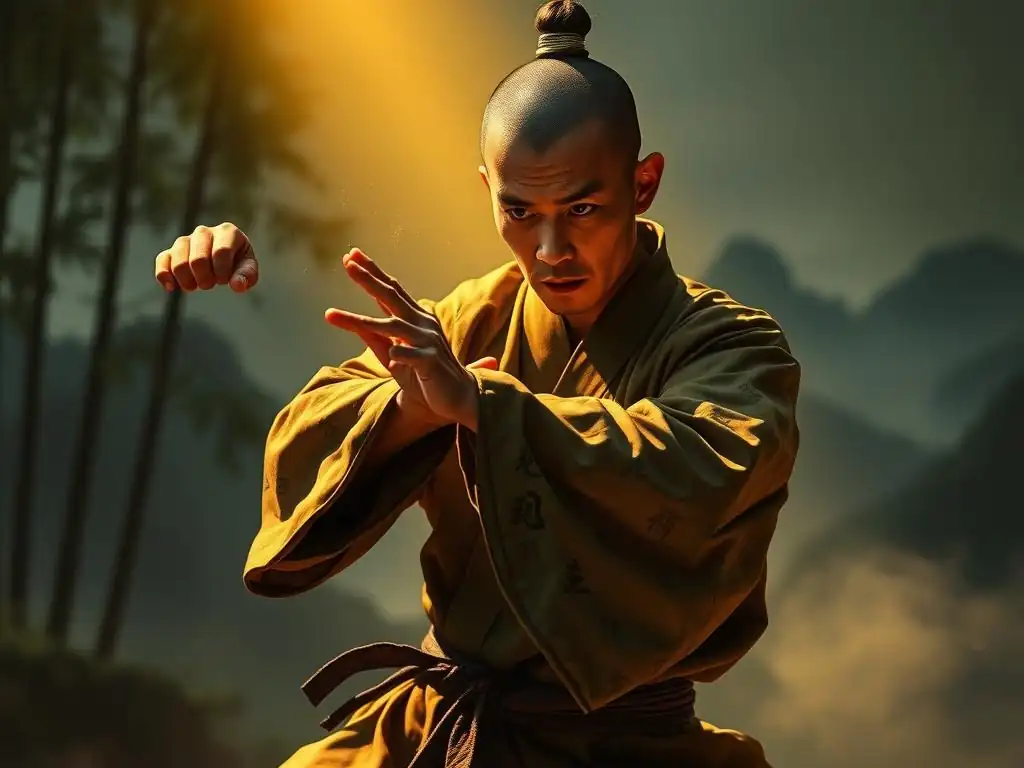
Welcome to Martial Arts Mastery, where we delve into the profound depths of combat disciplines. But what if true mastery wasn't just about physical prowess, but also about inner peace? In this article, we explore how meditation improves martial arts focus, unlocking a surprising advantage for practitioners of all styles. Discover the ancient link between mindfulness and martial excellence, and prepare to sharpen not only your body, but also your mind.
- Introduction: The Unexpected Link Between Meditation and Martial Arts Mastery
- Understanding Meditation for Martial Artists
- How Meditation Enhances Martial Arts Performance
- Practical Meditation Techniques for Martial Arts Practitioners
- Integrating Meditation into Your Martial Arts Training Regimen
- The Philosophical Underpinnings: Zen and the Art of Martial Arts
- Real-World Examples: Martial Arts Masters and Their Meditation Practices
- Overcoming Challenges in Meditation for Martial Artists
- Conclusion: Unleashing Your Potential Through Inner Peace and Focus
-
Frequently Asked Questions
- How does meditation directly improve focus for martial artists?
- What types of meditation are most beneficial for martial arts practitioners?
- Can meditation help with managing stress and anxiety in martial arts?
- How often should martial artists meditate to see noticeable improvements in their training?
- Are there any specific meditation techniques tailored for martial arts training?
- Final Reflection: The Quiet Strength Within
- Embrace Inner Harmony: Start Meditating Today!
Introduction: The Unexpected Link Between Meditation and Martial Arts Mastery
For centuries, martial arts have been perceived primarily as disciplines focused on physical prowess, combat techniques, and self-defense. While these aspects are undeniably central, true mastery in martial arts extends far beyond the physical realm. It delves deep into the mental and spiritual dimensions, demanding not just a strong body, but also a focused mind and a calm spirit.
This is where the ancient practice of meditation surprisingly intersects with the path of the martial artist, offering profound benefits that enhance performance, resilience, and overall well-being. The connection is often subtle, yet fundamental, linking the controlled aggression of combat with the serene stillness of inner reflection.
The pursuit of excellence in martial arts requires an intricate balance of physical training, technical precision, and unwavering mental fortitude. Practitioners constantly seek ways to sharpen their reflexes, improve their decision-making under pressure, and maintain composure in high-stakes situations. While sparring drills and conditioning build the body, it is often the cultivation of mental discipline that unlocks the next level of skill. Meditation, traditionally associated with spiritual or stress-reduction practices, emerges as a powerful tool for developing this crucial mental edge, providing a pathway to enhance focus, clarity, and emotional regulation—qualities indispensable to any serious martial artist.
Martial Arts Mastery and the Pursuit of Inner Peace
Achieving mastery in any martial art is a lifelong journey that involves relentless dedication to refining techniques, understanding strategy, and conditioning the body. However, the most profound levels of mastery often manifest not just in external power or speed, but in the inner qualities of the practitioner: calmness under pressure, intuitive understanding of movement, and the ability to act decisively without hesitation. This pursuit inherently involves navigating one's own fears, frustrations, and limitations, making the development of inner peace a vital, albeit often overlooked, component of the martial arts path.
The concept of inner peace in martial arts is not about avoiding conflict, but about achieving a state of mental and emotional equilibrium that allows for optimal performance during conflict. Legendary masters across disciplines, from the swordsmen of feudal Japan to modern-day grandmasters, have emphasized the importance of a tranquil mind. This state permits clearer perception of an opponent's intentions, faster processing of complex scenarios, and the execution of techniques with effortless precision, free from the interference of fear or anger. It is a state where the body and mind are perfectly aligned, acting as one integrated unit.
Meditation Improves Martial Arts Focus: An Overview
One of the most significant benefits that meditation offers to martial artists is its remarkable ability to enhance focus. In the dynamic and often chaotic environment of sparring or self-defense, the ability to maintain concentration, filter distractions, and attend to the most critical information is paramount. A lapse in focus, even for a fraction of a second, can mean the difference between success and failure, or even safety and injury. Meditation provides a structured method for training the mind to become more attentive and less susceptible to wandering.
Research into the effects of meditation on cognitive function has consistently shown improvements in areas directly relevant to martial arts performance. Studies using techniques like fMRI have observed changes in brain regions associated with attention control, such as the prefrontal cortex and the anterior cingulate cortex, in experienced meditators. For instance, a study published in Psychological Science demonstrated that just a few weeks of meditation training could improve attention and reduce mind-wandering by roughly 50% in participants.
This heightened ability to direct and sustain attention translates directly to the dojo or the street, helping practitioners stay present, anticipate movements, and execute techniques with greater precision. Ultimately, this demonstrates a clear mechanism by which meditation improves martial arts focus.
Understanding Meditation for Martial Artists
Meditation, often visualized as sitting cross-legged with eyes closed, is a diverse practice encompassing numerous techniques aimed at training attention and awareness. For the martial artist, understanding meditation goes beyond simply achieving a state of calm; it's about cultivating mental faculties that directly enhance physical and strategic capabilities. It's a form of mental conditioning, just as physical training is a form of bodily conditioning.
The goal isn't necessarily to empty the mind, but rather to become more aware of its contents—thoughts, feelings, sensations—without getting swept away by them. This non-reactive awareness is crucial for observing an opponent's subtle cues or managing adrenaline during a confrontation. Different styles of meditation offer varied approaches to developing this awareness, making some techniques particularly well-suited for the specific demands of martial arts training and application.
Defining Meditation: Beyond Stillness
Meditation can be broadly defined as a set of techniques designed to encourage a state of focused attention and heightened awareness. While quiet sitting is a common form, it's not the only one. The core principle involves training the mind to relate differently to thoughts and feelings, observing them without judgment or immediate reaction. This practice builds mental resilience and emotional regulation, teaching the practitioner to remain centered even amidst internal or external disturbance.
Think of meditation as mental strength training. Just as lifting weights builds muscle, meditation builds the capacity for sustained attention, impulse control, and non-reactivity. It involves repeatedly bringing the mind back to a chosen point of focus—be it the breath, a mantra, or bodily sensations—whenever it wanders. This process, though simple in concept, requires discipline and perseverance, mirroring the dedication required to master a complex martial arts technique.
Types of Meditation Techniques for Enhanced Focus
Numerous meditation techniques exist, each with its own approach to cultivating awareness and focus. For martial artists, certain types offer particularly relevant benefits:
- Mindfulness Meditation: This involves paying attention to the present moment without judgment. By focusing on breath, bodily sensations, or sounds, practitioners train themselves to stay anchored in the 'now'. This is invaluable in sparring, where being present is critical for reacting appropriately.
- Concentrative Meditation: This technique involves focusing all attention on a single object, like a candle flame, a sound, or a specific point in the body. This directly trains the ability to maintain intense focus, a skill essential for executing precise techniques or observing minute details in an opponent.
- Walking Meditation: Practicing mindfulness while walking, this technique integrates awareness into movement. It helps martial artists develop mindful movement, crucial for balance, coordination, and spatial awareness during dynamic action.
Each technique offers a different path to cultivating the mental attributes that enhance martial arts skill. For example, a study published in the Journal of Cognitive Enhancement found that participants who practiced mindfulness meditation showed significant improvements in sustained attention and conflict monitoring tasks compared to a control group. This research provides concrete evidence of how focused attention, honed through practices like mindfulness, directly underpins cognitive performance, thereby demonstrating how meditation improves martial arts focus.
The Science Behind Meditation's Impact on the Brain
The positive effects of meditation on the mind are not merely anecdotal; they are increasingly supported by robust scientific research, particularly in the field of neuroimaging. Studies have revealed that regular meditation practice can lead to measurable changes in brain structure and function, impacting areas critical for attention, emotion regulation, and self-awareness—all vital for martial arts.
Neuroscientists have observed that experienced meditators often exhibit increased gray matter density in brain regions like the hippocampus (associated with learning and memory) and areas of the prefrontal cortex (involved in planning, decision-making, and executive function). Conversely, studies often show decreased gray matter volume in the amygdala, the brain's fear center, suggesting a reduced reactivity to stress and threat.
For instance, a study by Sara Lazar at Harvard found that participants who completed an 8-week mindfulness meditation program showed significant increases in gray matter in brain regions associated with self-awareness and compassion, while their amygdala size decreased. These physiological changes underscore how meditation doesn't just feel calming; it fundamentally rewires the brain in ways that support enhanced mental control and emotional resilience, clearly illustrating a biological basis for how meditation improves martial arts focus.
How Meditation Enhances Martial Arts Performance
The transition from understanding meditation's principles to applying its benefits in the context of martial arts training and combat is direct and impactful. The mental discipline cultivated through regular practice translates into tangible improvements in various aspects of performance, from basic technique execution to complex strategic thinking under duress.
Meditation provides a mental laboratory where the martial artist can train their mind to be sharper, calmer, and more responsive. It builds the inner strength needed to push through physical fatigue, overcome mental blocks, and maintain composure when faced with unexpected challenges. The benefits extend beyond individual techniques, influencing overall strategy, adaptability, and the ability to learn and integrate new skills more effectively.
Meditation Improves Martial Arts Focus by Sharpening Mental Clarity
Mental clarity is the ability to perceive situations accurately, process information efficiently, and make sound judgments without being clouded by internal noise like distracting thoughts, fears, or anxieties. In martial arts, this is crucial for reading an opponent's movements, understanding the dynamics of a situation, and choosing the appropriate response in real-time. Meditation directly addresses this by training the mind to reduce clutter.
By practicing bringing attention back to a single point, meditators strengthen the 'attentional muscle', improving their ability to filter out irrelevant stimuli and concentrate on what matters. This enhanced focus means less time lost to hesitation or confusion during sparring or self-defense scenarios. For example, if an opponent feints, a martial artist with sharp mental clarity, honed through meditation, is less likely to be deceived and more likely to perceive the true attack, reacting appropriately and swiftly. This heightened ability to discern and react is a direct result of how meditation improves martial arts focus.
Enhancing Reaction Time Through Mindfulness Meditation
Reaction time is a critical component in martial arts, often separating proficient practitioners from masters. The ability to perceive a threat or an opportunity and respond instantaneously requires not only physical speed but also rapid cognitive processing. Mindfulness meditation, with its emphasis on present moment awareness, has been shown to improve this crucial ability.
Research suggests that mindfulness training can improve both simple reaction time (responding to a single stimulus) and complex reaction time (responding differently based on the stimulus). One study involving athletes found that mindfulness training led to faster reaction times in a computerized task, suggesting that the practice enhances the speed at which the brain processes information and initiates a response.
While specific reaction time improvements can vary, studies often report gains in milliseconds, which are significant in fast-paced combat. By cultivating a heightened state of alert, non-judgmental awareness of internal and external stimuli, mindfulness helps the martial artist perceive events more quickly and initiate action without the delay caused by overthinking or emotional reactivity.
Reducing Stress and Anxiety: A Key to Peak Performance in Martial Arts
Stress and anxiety are detrimental to peak performance in martial arts. They can cause muscle tension, impair judgment, reduce reaction speed, and lead to panicked decision-making. Whether it's the stress of a competition, a grading test, or a real-life self-defense situation, managing these emotional responses is essential for performing at one's best. Meditation is a widely recognized and effective tool for stress and anxiety reduction.
Regular meditation practice has been shown to lower levels of stress hormones like cortisol. A meta-analysis of over 47 studies involving more than 3,500 participants concluded that meditation significantly reduced psychological distress, including anxiety and depression. By training the mind to observe anxious thoughts and physical stress responses without getting overwhelmed, meditation helps martial artists remain calm and composed under pressure. This ability to stay centered allows them to access their full physical and mental capabilities when they are needed most, preventing the performance degradation often associated with high stress levels.
Meditation for Improved Decision-Making Under Pressure in Combat
Combat and sparring situations often require split-second decisions with significant consequences. Should I block, evade, or counter? What is the opponent's likely next move? Making the optimal choice in such a high-pressure environment demands clarity of thought and the ability to process complex information rapidly. Meditation enhances the cognitive functions underlying effective decision-making.
By improving focus, reducing stress, and increasing self-awareness, meditation helps martial artists access their intuitive knowledge and analytical skills more effectively under duress. The practice strengthens the prefrontal cortex, the area of the brain responsible for executive functions including decision-making and impulse control. This means less likelihood of making rash or panicked choices and a greater ability to execute strategic responses.
For example, in a chaotic grappling situation, a meditator might be better able to quickly assess limb positions and leverage points without being overwhelmed by the physical struggle, leading to a more effective technique application. This demonstrates how meditation improves martial arts focus, which in turn enhances tactical decision-making.
Practical Meditation Techniques for Martial Arts Practitioners
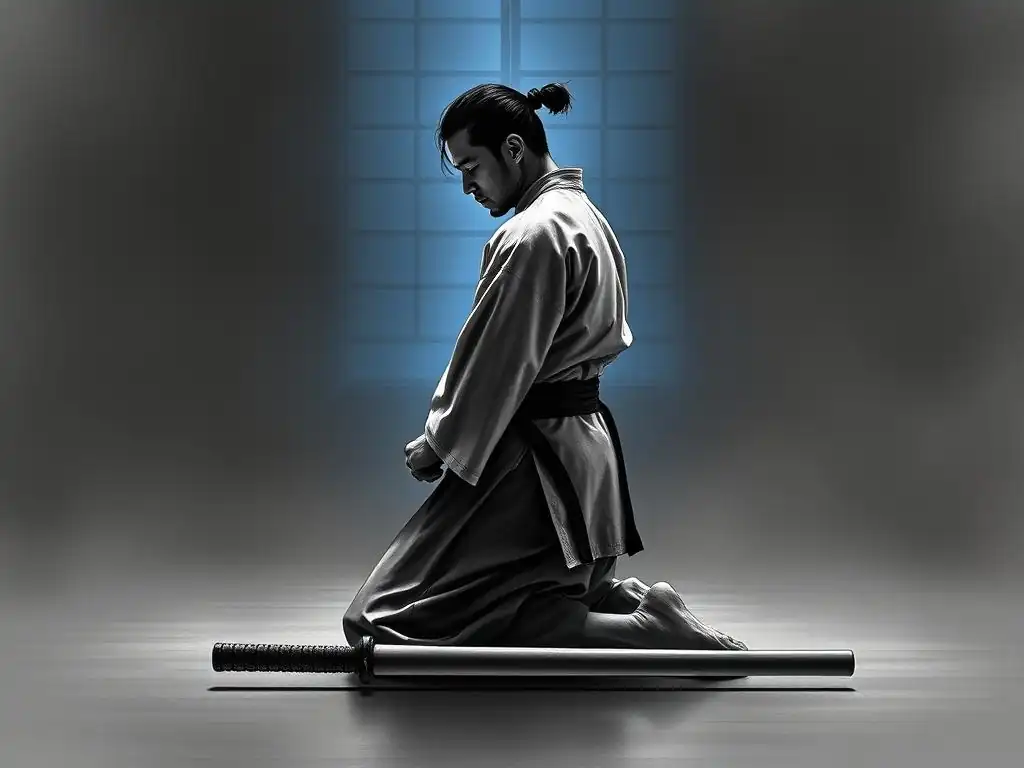
Integrating meditation into a martial arts regimen doesn't require hours of daily practice or complex rituals. Even short, consistent sessions can yield significant benefits. The key is finding techniques that resonate and fit into a busy training schedule. Here are a few practical techniques particularly useful for martial artists.
Starting with just 5-10 minutes a day can be a manageable goal. The focus should be on consistency rather than duration. Finding a quiet time and space, even if imperfect, is more important than waiting for ideal conditions. The techniques below can be practiced sitting, standing, or even incorporated into warm-ups or cool-downs.
Breathwork Exercises for Centering and Focus
Breath is the anchor of many meditation practices and a fundamental element of life and movement. Controlling the breath is also crucial in martial arts for managing energy, maintaining rhythm, and absorbing impact. Breathwork meditation leverages this connection to center the mind and improve focus.
- Simple Mindful Breathing: Sit comfortably, close your eyes, and simply observe your breath as it enters and leaves your body. Don't try to change it, just notice the sensation. When your mind wanders (and it will), gently bring your attention back to the breath. Practice for 5-10 minutes.
- Box Breathing (4-4-4-4): Inhale for a count of four, hold for a count of four, exhale for a count of four, hold empty for a count of four. Repeat. This technique is used by military and athletes to quickly calm the nervous system and sharpen focus. It can be practiced before sparring or a challenging training session.
These simple breathing exercises provide an immediate way to shift attention inward, quiet the mental chatter, and prepare the mind for focused action. Regular practice outside of training makes them more effective when needed during intense physical activity.
Body Scan Meditation for Increased Body Awareness
Body awareness, or proprioception, is essential in martial arts. It's the sense of where your body is in space, how its parts relate to each other, and the sensations within it. A high level of body awareness allows for precise movement, better balance, and the ability to detect and respond to subtle physical cues from an opponent or your own body's fatigue. Body scan meditation is specifically designed to cultivate this awareness.
To practice a body scan, lie down or sit comfortably. Bring your attention sequentially to different parts of your body, starting from the toes and moving up to the head. Notice any sensations—tingling, warmth, tension, relaxation—without judgment. The goal is simply to observe. This practice helps martial artists become more attuned to their physical state, improving balance, coordination, and the ability to identify and release unnecessary tension that hinders movement.
Walking Meditation: Cultivating Mindfulness in Motion
While seated meditation is valuable, martial arts are inherently dynamic. Walking meditation bridges the gap between stillness and movement, training mindfulness while the body is active. This practice can enhance awareness during footwork, forms (kata), and even sparring.
To practice walking meditation, find a quiet space where you can walk slowly back and forth for 10-15 paces. Bring your attention to the sensations of walking: lifting the foot, moving it forward, placing it down. Notice the subtle shifts in balance and weight. You can coordinate this with your breath. The goal is to be fully present with the act of walking. This trains the mind to remain focused and aware even when the body is in motion, directly applicable to maintaining presence and adaptability during dynamic martial arts movements.
Recommended Meditation Apps for Martial Artists
For beginners or those seeking guided practices, meditation apps can be invaluable resources. They offer structured sessions, timers, and guided meditations tailored to various goals, including focus and stress reduction. While not a replacement for dedicated practice, they can provide helpful support.
Some popular and well-regarded apps include:
- Calm: Offers guided meditations, breathing programs, and sleep stories. Has sessions specifically focused on focus and performance.
- Headspace: Provides themed courses on topics like focus, stress, and anxiety. Known for its simple, accessible approach.
- Insight Timer: Features a vast library of free guided meditations from various teachers, including many focused on specific needs like focus or athletic performance. Includes a customizable timer for unguided practice.
- Waking Up (Sam Harris): More philosophical, but offers rigorous instruction on mindfulness and consciousness, which can deepen the understanding behind the practice for serious students.
Using an app can help establish a consistent routine and provide variety in techniques. Many offer short, 5-10 minute sessions perfect for fitting into a busy training schedule, further reinforcing how readily meditation improves martial arts focus.
Integrating Meditation into Your Martial Arts Training Regimen
Making meditation a consistent part of your martial arts journey requires conscious effort and planning. It's not just something you do occasionally; it should become a complementary practice that supports and enhances your physical training. Think of it as training your internal 'dojo'.
Successful integration depends on finding practical ways to incorporate meditation into your existing routine, whether it's before training, after training, or at a separate time of day. The benefits accumulate over time, making consistency the most important factor.
Creating a Consistent Meditation Practice Schedule
Consistency is more important than duration when building a meditation habit. Aim to meditate daily, even if only for a few minutes.
Here's a simple task list to help establish a schedule:
- [ ] Decide on a specific time each day (e.g., first thing in the morning, before training, before bed).
- [ ] Start small: Commit to 5-10 minutes daily.
- [ ] Set a reminder (e.g., phone alarm, calendar entry).
- [ ] Track your progress (e.g., mark it on a calendar or use a habit-tracking app).
- [ ] Be flexible but persistent: If you miss a day, don't dwell on it, just resume the next day.
Finding a time that works consistently within your existing martial arts training schedule is key. For example, meditating for 10 minutes immediately before heading to the dojo can help you arrive centered and ready to focus.
Finding a Quiet Space for Meditation
While some advanced practitioners can meditate in noisy environments, finding a relatively quiet and undisturbed space is helpful, especially when starting.
Your meditation space doesn't need to be elaborate. It just needs to be somewhere you can sit or lie down comfortably without significant interruptions. This could be:
- A corner of your training room or dojo (if available before/after classes).
- A quiet room in your home.
- A park bench or natural setting outdoors.
- Even a quiet spot in your car before heading into a stressful situation.
The key is creating a consistent environment that signals to your mind that it's time to focus inward. Over time, as your practice deepens, you'll find it easier to access a state of focus even in less-than-ideal surroundings, which is highly beneficial for maintaining composure in unpredictable martial arts scenarios.
Combining Meditation with Physical Training
Meditation doesn't have to be separate from physical training; it can be integrated directly. Mindfulness can be brought into warm-ups, forms practice, or even sparring.
Consider these ways to combine practices:
- Mindful Warm-ups: Pay full attention to the sensations in your body during stretching and conditioning.
- Mindful Forms (Kata): Execute forms with complete presence, focusing on each movement, breath, and transition. This turns forms into a moving meditation.
- Pre-Sparring Centering: Spend 2-3 minutes focusing on your breath and body before sparring begins to calm nerves and sharpen awareness.
- Post-Training Reflection: Use a few minutes after training to sit quietly, notice bodily sensations, and reflect on the session without judgment.
By consciously bringing mindfulness into physical activities, you reinforce the connection between mind and body, making both your meditation practice and your martial arts training more effective. This integrated approach further solidifies how meditation improves martial arts focus in a practical setting.
Sample 15-Minute Meditation Routine for Martial Arts
Here is a simple routine that can be practiced daily to support your martial arts training:
- Minute 1-2: Settle In.: Find a comfortable seated position. Close your eyes or soften your gaze. Take a few deep breaths, inhaling through the nose and exhaling slowly through the mouth, letting go of tension.
- Minute 3-10: Mindful Breathing.: Return to natural breathing. Bring your attention to the sensation of the breath wherever it is most prominent (nostrils, chest, abdomen). Simply observe each inhale and exhale. When your mind wanders, gently guide it back to the breath.
- Minute 11-14: Body Scan (Partial).: Briefly scan your body, noticing any significant physical sensations. Pay particular attention to areas often used in your martial art (e.g., hands, feet, core). Notice tension and consciously try to release it with an exhale.
- Minute 15: Open Awareness/Intention.: Broaden your awareness to include sounds and sensations around you. Set an intention for your day or upcoming training session (e.g., "May I train with focus and presence," "May I remain calm and centered"). Take one more deep breath and gently open your eyes.
This routine is flexible and can be adjusted. The key is to practice it consistently to build the mental muscle required for enhanced focus and presence in your martial arts practice.
The Philosophical Underpinnings: Zen and the Art of Martial Arts
The connection between meditation and martial arts is not just about practical benefits; it is deeply rooted in philosophical traditions, particularly Zen Buddhism. Many traditional martial arts, especially those originating in Japan, were heavily influenced by Zen principles, which emphasize mindfulness, intuition, and the concept of "no-mind."
Understanding this philosophical foundation can provide a deeper appreciation for why practices like meditation are considered integral to achieving true mastery, not just technical proficiency. It highlights that martial arts are not merely fighting systems, but paths of self-cultivation.
The Connection Between Zen Buddhism and Martial Arts Philosophy
Zen Buddhism arrived in Japan from China centuries ago and profoundly influenced various aspects of Japanese culture, including the arts and the way of the samurai (Bushi). Zen emphasizes direct experience, intuition, and rigorous meditation practice (zazen) as paths to enlightenment and self-realization. These principles resonated strongly with the demands of martial arts, where instantaneous reaction and intuitive action are paramount.
The shared philosophy centers on stripping away intellectualization and achieving a state of heightened, non-judgmental awareness. In Zen, this leads to spiritual insight; in martial arts, it leads to effortless, spontaneous action. Concepts like discipline, perseverance, living in the moment, and transcending the ego are central to both Zen practice and the pursuit of martial arts mastery. Many historical martial arts schools incorporated Zen meditation into their training regimens, recognizing its power to cultivate the necessary mental state.
Cultivating "Mushin" (No-Mind) Through Meditation
Perhaps the most significant philosophical concept linking Zen and martial arts is Mushin (無心), often translated as "no-mind" or "empty mind." Mushin is a state of mind achieved during combat or performance where the mind is free from thoughts, emotions, and preconceived notions. It is a state of pure awareness and spontaneity, allowing the practitioner to react instantly and appropriately without conscious deliberation.
Achieving Mushin is not about having a blank mind, but about having a mind that is not fixed or preoccupied. It is open, fluid, and fully present, capable of responding intuitively to the ever-changing situation. Meditation is considered a primary method for cultivating Mushin.
By repeatedly letting go of distracting thoughts and returning to the present moment, meditators train the mind to release its grip on analytical thinking and emotional reactivity, paving the way for spontaneous, unhindered action in combat. A mind trained through meditation is less likely to freeze or hesitate, demonstrating how meditation improves martial arts focus to the point of intuitive action.
The Importance of Mindfulness in Achieving Mastery
Mindfulness, the practice of paying attention to the present moment without judgment, is a cornerstone of both meditation and advanced martial arts performance. It is the ability to be fully engaged in the here and now, whether practicing a form, sparring, or facing a real threat.
In martial arts, mindfulness allows the practitioner to:
- Observe keenly: Notice subtle shifts in an opponent's posture, weight distribution, or breathing.
- Listen deeply: Hear the nuances of movement or the environment.
- Feel precisely: Be acutely aware of bodily sensations, muscle tension, balance, and contact.
- Act spontaneously: Respond effectively without the delay of conscious analysis.
Mastery is often characterized by this effortless, mindful action. Techniques are executed with precision because the mind is fully present and responsive, not lost in planning or worrying. Meditation provides the fundamental training ground for cultivating this state of pervasive mindfulness, reinforcing how consistently meditation improves martial arts focus and overall presence.
Real-World Examples: Martial Arts Masters and Their Meditation Practices
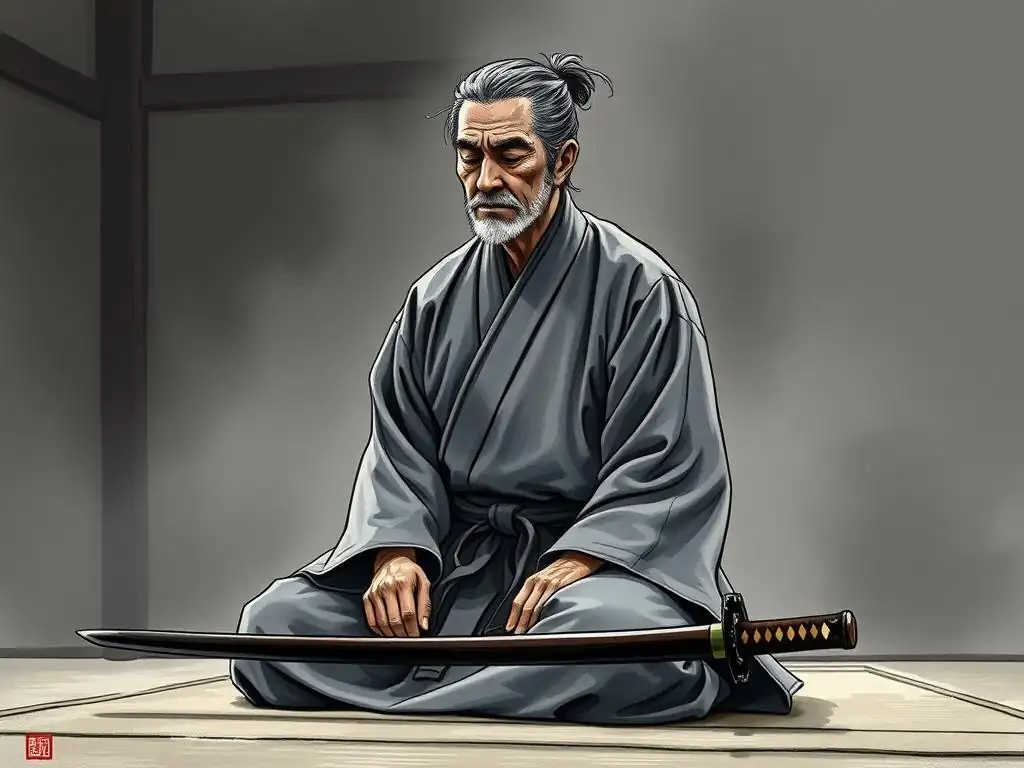
The integration of meditation and contemplative practices is not just theoretical; it has been a vital component in the training and philosophy of many renowned martial arts masters throughout history. Their lives and teachings often highlight the profound impact of inner discipline on outer performance.
Examining the practices of these individuals provides tangible examples of how cultivating inner peace and focus through methods akin to meditation contributed to their extraordinary skill and influence.
Profile of Morihei Ueshiba: Aikido Founder and Spiritual Practice
Morihei Ueshiba (1883-1969), the founder of Aikido, is a prime example of a martial artist whose path was deeply intertwined with spiritual and meditative practices. While his physical skill was legendary, O-Sensei (Great Teacher), as he is known, increasingly emphasized the spiritual dimensions of Aikido, viewing it not just as a fighting art but as a path to harmonize with the universe and achieve self-purification.
Ueshiba incorporated various spiritual practices, including Misogi (purification rituals, sometimes involving cold water or intense physical exertion combined with chanting) and Shinkokyu (a powerful breathing technique often likened to active meditation), into his daily routine. He sought to connect with the underlying energy (Ki) of the universe and move in harmony with it. His emphasis on a calm mind, centeredness, and non-resistance (blending with an attack rather than meeting force with force) reflects principles cultivated through meditative states.
His later teachings often focused more on love and universal harmony than on combat techniques, demonstrating a mastery that transcended physical conflict, rooted in deep inner work. His journey exemplifies how profound inner cultivation, akin to meditation, improves martial arts focus not just on technique but on the underlying principles of harmony and connection.
Case Study: Meditation's Impact on Kyudo (Japanese Archery)
Kyudo, the Japanese "Way of the Bow," is a martial art that provides a compelling case study for the direct application of meditative principles to physical action. Unlike Western archery, Kyudo is less about hitting a physical target with brute force and more about the process, the form, and the state of mind of the archer. It is often described as "standing meditation."
Every movement in Kyudo, from preparing the bow to releasing the arrow, is performed with deliberate mindfulness and ritualistic precision. The focus is intensely on the present moment and the internal state. Practitioners spend years refining their form and mental state, striving to achieve a state of Mushin before the release.
The shot (離れ - hanare) is seen not as a forceful act, but as a natural, spontaneous release that occurs when the mind and body are perfectly aligned and free from intention or thought. The target is less important than the quality of the shot itself, which is seen as a reflection of the archer's inner state. This intense focus on process, breath, and mental stillness demonstrates how meditation improves martial arts focus to such an extent that the external outcome becomes secondary to internal perfection.
Overcoming Challenges in Meditation for Martial Artists
While the benefits of meditation are significant, establishing a consistent practice can be challenging, especially for active martial artists accustomed to physical exertion and external focus. Common obstacles like a restless mind, lack of time, or physical discomfort can hinder progress.
Recognizing these challenges and developing strategies to overcome them is crucial for making meditation a sustainable and beneficial part of your training. Patience and persistence are key, much like mastering a difficult martial arts technique.
Addressing Common Obstacles: Distractions and Restlessness
The most frequently encountered obstacles in meditation are a wandering mind and physical or mental restlessness. Martial artists, with their trained energy and often competitive spirit, may find it particularly difficult to sit still and quiet their thoughts.
- Distractions: The mind is naturally prone to thinking. Thoughts about training, upcoming events, or daily worries will inevitably arise. The key is not to eliminate thoughts, but to change your relationship with them. Acknowledge the thought without judgment, and gently return your attention to your chosen anchor (breath, body sensation). This act of returning is the core practice that strengthens focus.
- Restlessness: Physical discomfort, fidgeting, or a strong urge to move are common. Try adjusting your posture to be comfortable yet alert. If restlessness is overwhelming, try a walking meditation or a few minutes of mindful stretching before sitting. Recognize that restlessness is a temporary state and observe it without giving in to the urge to stop.
Consistency in practice, even short durations, gradually reduces the intensity of these obstacles. Think of each time you return your attention as a successful repetition, building mental strength just like physical reps build muscle.
Tips for Maintaining Focus During Meditation
Maintaining focus is the primary goal of concentrative meditation and a key outcome of mindfulness. Here are some tips specifically relevant for martial artists:
- Use the Breath as an Anchor: Your breath is always with you. Focusing on the physical sensation of breathing provides a constant point of reference to return to when the mind wanders.
- Body Scan Check-ins: If your mind is very active, do a quick body scan to ground yourself in physical sensation before returning to breath focus.
- Short, Frequent Sessions: If sitting for 15 minutes feels daunting, start with 5 minutes. Multiple short sessions can be more effective than one long, frustrating one.
- Be Kind to Yourself: Don't get frustrated when your mind wanders. It's normal. The practice is in noticing the wandering and gently bringing it back, not in achieving perfect stillness immediately.
- Connect to Your Martial Arts Goals: Remind yourself why you are meditating – to improve focus, calmness, and performance in your martial art. This motivation can help maintain discipline.
By reframing wandering as an opportunity to practice bringing focus back, you turn the primary challenge into the practice itself. This iterative process is exactly how meditation improves martial arts focus over time.
Troubleshooting Common Meditation Issues
Beyond distractions and restlessness, other issues can arise:
- Falling Asleep: If you frequently fall asleep, ensure you are not meditating when overly tired. Try sitting upright rather than lying down, and ensure the space is not too warm. Open your eyes slightly or focus on a point on the floor.
- Physical Discomfort: Experiment with different postures. Use cushions or a chair if needed. The goal is to be comfortable enough to focus, not to endure pain. If a specific area is uncomfortable, gently bring mindful attention to it without tensing around it.
- Feeling Bored or Impatient: Recognize these feelings as just another form of thought or sensation. Observe them without judgment and return to your anchor. Boredom is often a sign that the mind is resisting the lack of external stimulation.
- Lack of Perceived Progress: Meditation is not always a linear path. Some days will feel easier than others. Trust that consistent practice is having a cumulative effect, even if you don't notice dramatic changes immediately. The subtle improvements in focus and reaction time in your martial arts training are often the most tangible signs of progress.
Addressing these issues with patience and a problem-solving mindset, rather than frustration, will help maintain a consistent and beneficial meditation practice.
Conclusion: Unleashing Your Potential Through Inner Peace and Focus
The journey towards martial arts mastery is multifaceted, demanding dedication to physical technique, strategic thinking, and, crucially, mental discipline. While the external forms of combat are visible, the inner cultivation of focus, calmness, and awareness is often the unseen force that elevates a practitioner from skilled to truly masterful. Meditation, an ancient practice focused on training the mind, provides a powerful and accessible pathway to unlock this inner potential.
By integrating meditation into their routine, martial artists gain tools to navigate the challenges of training and combat with greater clarity, resilience, and presence. The ability to quiet the internal noise, manage stress, and remain fully focused on the present moment translates directly into improved reaction times, better decision-making, and more effective execution of techniques. It is a practice that supports the martial artist not just in combat, but in cultivating a balanced and centered approach to life itself.
The Transformative Power of Meditation in Martial Arts
The transformative power of meditation lies in its ability to fundamentally change the practitioner's relationship with their own mind and emotions. This change is not just about feeling calmer; it's about building a robust internal foundation that supports peak performance in high-pressure situations.
Meditation enhances self-awareness, allowing martial artists to recognize their own physical and mental states—tension, fatigue, fear—and manage them effectively. It improves emotional regulation, preventing anger or panic from overriding training or strategy. Most importantly, it sharpens focus, enabling the practitioner to be fully present and responsive, whether practicing a familiar form or facing an unpredictable opponent. This inner transformation leads to a more fluid, intuitive, and powerful external expression of their martial art.
Meditation Improves Martial Arts Focus: A Final Word
The evidence, both anecdotal from the lives of masters and increasingly from scientific research, strongly supports the claim that meditation improves martial arts focus. By training the mind to sustain attention, resist distraction, and remain present, meditation directly enhances the cognitive skills essential for high-level martial arts performance.
It's not a substitute for rigorous physical training, but a vital complement. Just as you train your muscles and techniques daily, training your mind through meditation builds the internal strength and clarity needed to fully utilize your physical skills. The focused mind, cultivated through consistent practice, becomes a powerful weapon in its own right, enabling quicker reactions, smarter decisions, and a deeper connection to the art form.
Start Your Meditation Journey Today
If you are a martial artist seeking to deepen your practice and unlock your full potential, consider starting your meditation journey today. Begin with just a few minutes each day, focusing on your breath or bodily sensations. Use guided apps if they help. Find a consistent time and space, and be patient with yourself.
The path to mastery in martial arts is one of continuous learning and refinement, extending beyond the physical. By committing to training your mind through meditation, you are investing in your ability to perform with greater focus, calmness, and presence, ultimately leading to a richer, more effective, and more fulfilling martial arts experience. Embrace the surprising benefit of inner peace, and watch how meditation improves martial arts focus and transforms your practice from the inside out.
Frequently Asked Questions
How does meditation directly improve focus for martial artists?
Meditation trains the mind to reduce distractions and cultivate present moment awareness, enabling martial artists to react more quickly and effectively during training and combat. It strengthens the neural pathways responsible for attention.
What types of meditation are most beneficial for martial arts practitioners?
While various techniques exist, mindfulness meditation and focused attention meditation are particularly useful. These methods enhance concentration and help martial artists maintain composure under pressure, improving reaction time.
Can meditation help with managing stress and anxiety in martial arts?
Yes, meditation is a proven method for stress reduction. By regularly practicing, martial artists can better manage pre-fight jitters, anxiety during sparring, and the overall pressure of competition, leading to improved performance.
How often should martial artists meditate to see noticeable improvements in their training?
Consistency is key. Even short, daily sessions (10-15 minutes) can yield significant benefits over time. More frequent or longer sessions may accelerate progress, but regular practice is more important than duration.
Are there any specific meditation techniques tailored for martial arts training?
Certain techniques, such as visualization, can be adapted to martial arts. Martial artists can mentally rehearse techniques or combat scenarios during meditation, enhancing muscle memory and strategic thinking.
Final Reflection: The Quiet Strength Within
The journey through understanding how meditation improves martial arts focus reveals a profound truth: inner peace is not merely a desirable state, but a powerful tool for enhanced performance and self-mastery. The techniques and insights explored demonstrate that the discipline of quieting the mind directly translates to sharper awareness, improved reaction time, and a deeper connection to the present moment, all crucial elements in the martial arts.
This connection between stillness and action has deeply influenced how we perceive the potential of the human mind. The realization that inner peace can be actively cultivated and used to enhance physical prowess challenges the conventional separation of mind and body. It underscores the holistic nature of well-being and highlights the importance of integrating mental and physical training. The mind is everything. What you think you become.
- Buddha. This quote perfectly encapsulates the transformative power of meditation, not just in martial arts, but in all aspects of life.
Now, consider the implications of this understanding in your own life. How can you incorporate the principles of meditation – mindfulness, focus, and self-awareness – to cultivate your own inner peace and enhance your performance, whether in your chosen discipline or in your daily interactions? Embrace the quiet strength within, and discover the surprising benefits that await you on the path to self-mastery.
Embrace Inner Harmony: Start Meditating Today!
Thank you for exploring the profound connection between meditation and martial arts. We hope you've gained valuable insights into how mindfulness can enhance your training and cultivate inner peace. Now, let's put these principles into action!
Here are a few ways to integrate meditation into your life and martial arts journey:
- Commit to just five minutes of daily meditation: Focus on your breath and let thoughts pass without judgment. Even this short practice can dramatically impact your mental clarity and focus.
- Explore different meditation techniques, such as walking meditation or mindful movement, to find what resonates with you best.
- Share your experiences with meditation and martial arts with fellow practitioners. Your insights can inspire others to embark on their own journey to inner peace.
What specific meditation technique will you try first to enhance your martial arts training and overall well-being?