
The Dojo Kun in Daily Practice: Living by Martial Arts' Ethical Codes


Welcome to Martial Arts Mastery, your gateway to unlocking the profound depths of martial arts. Ever wondered how ancient ethical codes can transform your training and daily life? Dive into "The Dojo Kun in Daily Practice," where we explore how these timeless principles, like those emphasized in Dojo kun daily practice, can cultivate not just physical prowess, but also unwavering character and unwavering focus. Discover the philosophy that elevates technique to true mastery – and how you can integrate it into your own journey.
- Understanding Aikido Principles: A Foundation for Ethical Living
-
Frequently Asked Questions
- How does MartialArtsMastery.org define the Dojo Kun?
- Why is daily practice of the Dojo Kun emphasized?
- What are some examples of key principles often found in a Dojo Kun?
- How does MartialArtsMastery.org connect the Dojo Kun to self-defense strategies?
- How can someone effectively integrate the Dojo Kun into their daily life outside of martial arts training?
- Final Reflection: Embracing the Dojo Kun's Wisdom
- Embrace the Dojo Kun: Transform Your Life Today!
Understanding Aikido Principles: A Foundation for Ethical Living
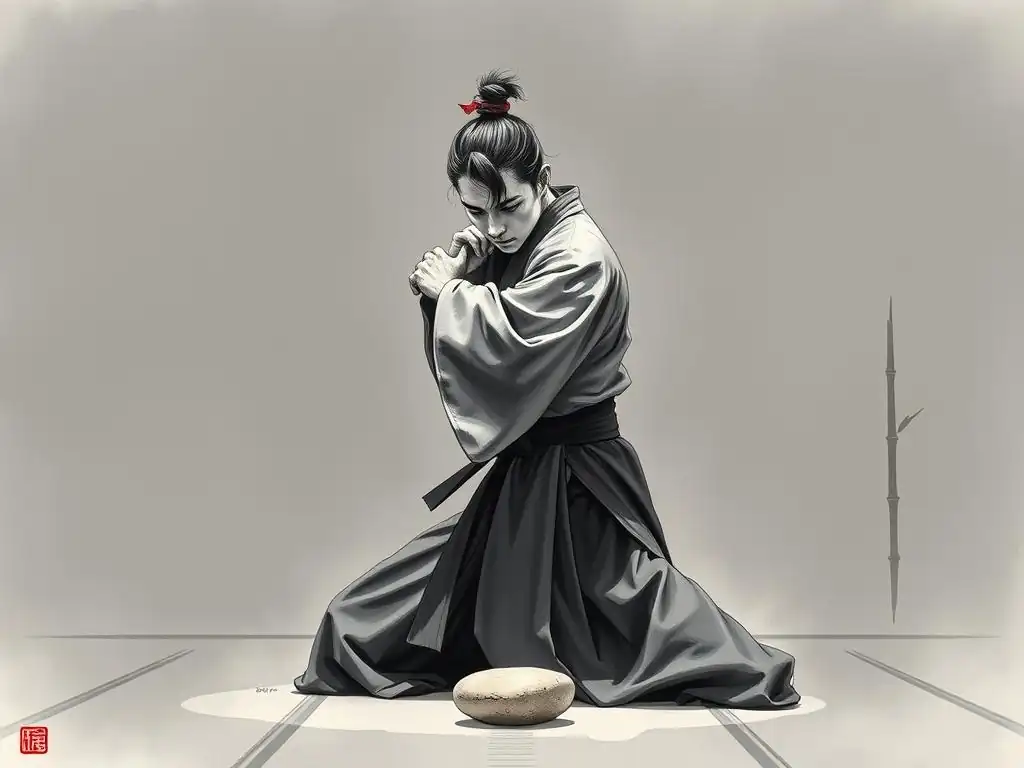
Aikido, often referred to as the "Art of Peace," is more than just a physical discipline; it is a comprehensive system deeply rooted in ethical and philosophical principles. Unlike martial arts solely focused on combat prowess, Aikido emphasizes harmony, non-violence, and personal growth, making its principles highly applicable to living a virtuous life.
Understanding these foundational concepts is the first step in truly applying Aikido's wisdom, much like understanding the tenets of a Dojo kun daily practice. This art provides a framework for navigating interactions and challenges with integrity and composure, fostering a mindset that seeks resolution and mutual respect over conflict.
The study of Aikido principles offers a practical pathway for cultivating inner discipline and ethical awareness. By engaging with its movements and philosophy, practitioners learn to control their reactions, understand the dynamics of conflict, and seek peaceful outcomes. This internal work is crucial for translating mat training into real-world behavior, influencing how one interacts with family, colleagues, and the wider community. The commitment to living by Aikido's ethical codes is a continuous journey of self-reflection and improvement, aiming to embody its principles in every action and decision.
The Historical Significance of Aikido's Ethical Foundation
The ethical foundation of Aikido is intrinsically linked to the life and philosophy of its founder, Morihei Ueshiba (1883-1969), often called O-Sensei. Having extensively studied various traditional Japanese martial arts (including Jujutsu and Kenjutsu), Ueshiba underwent profound spiritual and philosophical transformations throughout his life.
His experiences, particularly during periods of intense training and reflection, led him to believe that the true purpose of martial arts was not merely to defeat opponents but to cultivate the self and contribute to universal harmony. This shift occurred significantly in the post-World War II era, a time when Japan was grappling with immense change and seeking new paths forward.
O-Sensei envisioned Aikido as a means to reconcile conflict, protect others, and unify the world. He moved away from techniques designed purely for destruction, refining them into movements that blend with an attacker's energy to neutralize aggression without unnecessary harm. This philosophical pivot was revolutionary, setting Aikido apart from many contemporary martial disciplines.
His teachings emphasized divine love, protection of all beings, and the concept of Masakatsu Agatsu (True Victory is Self-Victory), underscoring that overcoming one's own ego and negative tendencies is the ultimate triumph. This historical context highlights that Aikido's ethical dimension was not an afterthought but the very core of its creation, intended as a path for personal and societal betterment, echoing the purpose of a robust Dojo kun daily practice.
Core Principles Embodied in Aikido: A Detailed Overview (Harmony, Non-Violence, Self-Improvement)
At the heart of Aikido lie several interconnected core principles that guide its practice and philosophy. Wa (和), meaning harmony, is perhaps the most central. In Aikido, harmony is not just about getting along; it's about blending with the energy of an attack rather than meeting force with force. This principle extends off the mat to seeking harmonious solutions in interpersonal conflicts, finding common ground, and minimizing friction in all interactions. It encourages flexibility, adaptability, and a focus on positive resolution.
Non-violence, or Aiki, is another critical principle. While Aikido techniques involve throws and joint locks, the intent is to neutralize aggression and control an attacker without causing severe injury if possible. This contrasts sharply with martial arts focused on striking or inflicting damage. The philosophy teaches practitioners to de-escalate situations and use minimal force necessary, prioritizing safety for both oneself and the potential aggressor. This principle requires significant self-control and a deep understanding of conflict dynamics.
Finally, self-improvement ( Shugyo) is a continuous thread throughout Aikido training. It encompasses physical conditioning, technical skill development, and, importantly, moral and spiritual growth. Practitioners are encouraged to confront their own limitations, fears, and negative traits, striving to become better individuals. This lifelong journey of refining character and skill is fundamental to applying Aikido principles daily and living an ethical life.
Frequently Asked Questions
How does MartialArtsMastery.org define the Dojo Kun?
The Dojo Kun represents a set of ethical guidelines or precepts, acting as a moral compass for martial arts practitioners. It promotes personal development and responsible conduct both inside and outside the dojo.
Why is daily practice of the Dojo Kun emphasized?
Daily practice helps to internalize the principles of the Dojo Kun. By consistently reflecting on and applying these principles, martial artists cultivate virtue and character.
What are some examples of key principles often found in a Dojo Kun?
Common principles include seeking perfection of character, defending the path of truth, fostering the spirit of effort, respecting others, and refraining from violence. These vary by style.
How does MartialArtsMastery.org connect the Dojo Kun to self-defense strategies?
The Dojo Kun provides a moral framework that guides the use of self-defense skills. It emphasizes that self-defense is a last resort to be used responsibly, prioritizing de-escalation.
How can someone effectively integrate the Dojo Kun into their daily life outside of martial arts training?
By consciously applying the principles to everyday situations, such as treating others with respect, striving for excellence in their work, and maintaining self-control in challenging circumstances.
Final Reflection: Embracing the Dojo Kun's Wisdom
The principles of the Dojo Kun, once confined to the walls of martial arts schools, now resonate with profound relevance in our increasingly complex world. The pursuit of self-improvement, respect, and ethical conduct, as embodied in the Dojo Kun, offers a powerful antidote to the cynicism and division that often pervade modern society. By consciously integrating these values into our daily lives, we can cultivate a more harmonious and fulfilling existence, not just for ourselves, but for those around us.
The Dojo Kun's enduring influence lies in its ability to transcend the physical realm of martial arts and touch the core of our humanity. This journey of self-discovery, guided by principles like honesty and perseverance, is a lifelong pursuit that enriches every aspect of our lives. The ultimate aim of martial arts is not to win battles, but to avoid fighting altogether.
This quote, often attributed to various martial arts masters, underscores the true essence of the Dojo Kun: a commitment to peace, understanding, and the betterment of oneself and society.
Now, as you step away from this exploration of the Dojo Kun in daily practice, I invite you to reflect on how these timeless principles can shape your own path. Consider how you can embody courage, humility, and integrity in your interactions, your decisions, and your aspirations. Let the Dojo Kun be more than just words; let it be a guiding force that empowers you to live a life of purpose, compassion, and unwavering ethical strength.
Embrace the Dojo Kun: Transform Your Life Today!
Thank you for diving into the wisdom of the Dojo Kun. We hope you found inspiration in the profound ethical principles that can guide not only martial arts practice but also your everyday life. Now, it's time to put that inspiration into action!
Here's how you can begin your journey of living by the Dojo Kun:
- Commit to reflecting on one line of the Dojo Kun each day, considering how it applies to your interactions and decisions.
- Share your interpretations and experiences with fellow martial artists online or in your dojo, fostering a deeper understanding within the community.
- Challenge yourself to incorporate a specific principle (e.g., "Seek Perfection of Character") into a daily task, like practicing patience during your commute or demonstrating respect in a challenging conversation.
What's one concrete action you'll take this week to more fully embody the spirit of the Dojo Kun in your daily life?