
More Than Kicks and Punches: The Everyday Power of Martial Arts Discipline


Welcome to Martial Arts Mastery, where we delve beyond the physical techniques to uncover the profound impact of martial arts. But what really happens when you dedicate yourself to a discipline like Karate, Kung Fu, or Muay Thai? In this article, "More Than Kicks and Punches: The Everyday Power of Martial Arts Discipline," we explore the surprising ways martial arts discipline benefits life, extending far beyond the dojo and into your everyday existence.
Prepare to discover how the lessons learned on the mat can forge a stronger, more resilient, and ultimately, more fulfilling you. Curious to see how this ancient practice can revolutionize your modern life? Read on!
- The Core Principles of Martial Arts Discipline
-
Frequently Asked Questions
- What are some of the key martial arts disciplines covered on MartialArtsMastery.org?
- How does martial arts discipline specifically benefit life outside of the dojo?
- Can MartialArtsMastery.org help me choose the right martial arts discipline for my needs and goals?
- What types of self-defense strategies does MartialArtsMastery.org cover?
- How does the history of martial arts contribute to understanding its benefits in life today?
- Final Reflection: Embracing Discipline's Ripple Effect
- Unleash Your Inner Warrior: Start Your Journey Today!
The Core Principles of Martial Arts Discipline
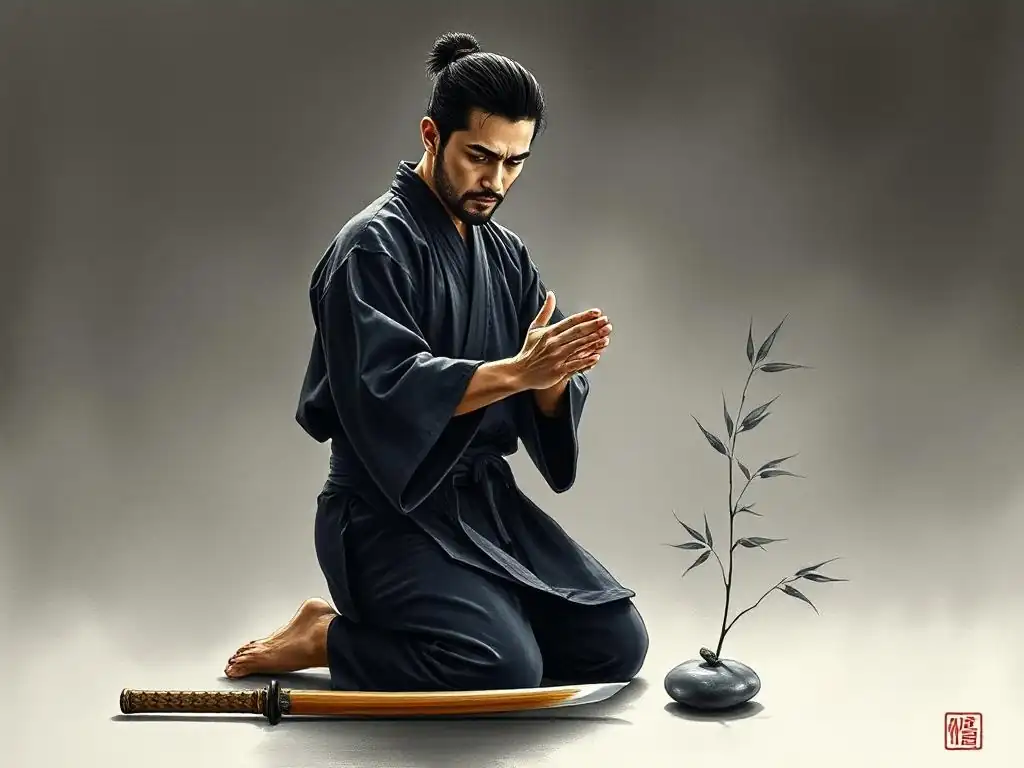
Martial arts training is often perceived primarily as a physical endeavor focused on combat techniques. However, at its heart lies a profound system of discipline that shapes not just the body, but also the mind and spirit. This internal cultivation is arguably the most valuable aspect, providing a framework of principles that extend far beyond sparring matches or kata performances. Understanding these core tenets reveals how deeply martial arts discipline benefits life, influencing behavior, thought processes, and interactions in the everyday world.
These foundational principles are universally recognized across diverse martial arts styles, from the ancient traditions of Karate and Kung Fu to the modern practices of Judo and Taekwondo. They are instilled from the very first lesson and reinforced through consistent practice and guidance from instructors. Embracing these principles is essential for progress within the art itself, and crucially, they serve as powerful tools for navigating the complexities and challenges of daily existence, highlighting the transformative power of martial arts discipline.
Respect: The Foundation of Martial Arts and Life
Respect is the bedrock upon which all martial arts are built. It is demonstrated through bowing to the instructor, training partners, and the training space itself – a physical acknowledgment of the knowledge passed down and the effort shared. This isn't mere formality; it signifies humility, gratitude, and an understanding of one's place within a lineage and community. Learning to listen attentively to instruction, accept constructive criticism gracefully, and treat all fellow practitioners with courtesy, regardless of rank or skill level, are direct applications of this principle.
The cultivation of respect within the dojo provides a crucial foundation for applying martial arts discipline benefits life beyond training. Individuals who internalize this principle are often better equipped to navigate social and professional environments. They show deference to elders and authority figures, listen actively during conversations or meetings, and treat colleagues, friends, and family members with consideration and empathy. This enhanced ability to respect others' boundaries, opinions, and contributions fosters stronger relationships and reduces conflict, demonstrating a tangible way that martial arts discipline improves interpersonal dynamics.
Focus: Cultivating Mental Clarity for Success
In martial arts, focus is paramount. Whether executing a complex form, practicing a specific technique repeatedly, or engaging in controlled sparring, complete mental presence is required. Distractions can lead to errors, injury, or failure to learn effectively. Students are trained to quiet the internal chatter, concentrate solely on the task at hand, and maintain awareness of their body, their environment, and their opponent (if applicable). This intense mental effort strengthens the ability to concentrate for sustained periods, a skill increasingly valuable in a world filled with constant stimuli.
The sharp focus developed through dedicated martial arts training directly translates to improved performance in various aspects of life, showcasing how martial arts discipline benefits life in academic and professional pursuits. Students find it easier to concentrate during lectures, while studying for exams, or completing homework, potentially leading to improved grades. Professionals can maintain concentration during long work tasks, leading to increased productivity and reduced errors. The ability to block out distractions and dedicate full attention to a goal is a powerful advantage honed through the disciplined mental demands of martial arts practice.
Self-Control: Mastering Emotions and Impulses
Martial arts discipline inherently involves mastering one's own reactions and impulses. This is evident in controlled sparring, where practitioners must maintain composure under pressure, manage fear or frustration, and refrain from using excessive force. It's also practiced in resisting the urge to give up when tired or a technique is difficult, or controlling the impulse to react negatively to perceived slights or setbacks during training. This constant practice in regulating emotional and physical responses builds significant internal fortitude.
Applying this self-control learned through martial arts discipline benefits life in countless daily scenarios. Individuals become better able to manage anger and stress, responding thoughtfully to challenging situations rather than reacting impulsively. This can manifest in healthier lifestyle choices, such as resisting unhealthy food cravings or sticking to an exercise routine, or in financial responsibility, like avoiding impulse purchases. The capacity to pause, assess, and choose a measured response over an immediate, potentially detrimental reaction is a direct outcome of cultivating self-control through martial arts training.
Perseverance: The Key to Overcoming Challenges
Mastering martial arts requires immense perseverance. Techniques that look simple take hundreds, often thousands, of repetitions to execute correctly and effectively. Achieving higher ranks takes years of consistent training, pushing through fatigue, injury, and plateaus in skill development. There are moments of frustration, failure, and doubt, but the discipline of martial arts teaches students to keep showing up, keep practicing, and keep striving for improvement, even when progress seems slow or nonexistent.
This relentless perseverance cultivated in the dojo is a powerful engine for achieving goals outside of martial arts, demonstrating clearly how martial arts discipline benefits life by fostering resilience. Whether pursuing an advanced degree, working towards a career promotion, training for a marathon, or building a business, the ability to persist through difficulties and setbacks is crucial.
Martial artists learn that failure is not an endpoint, but a signal to adjust one's approach and try again. This resilient mindset, forged through consistent effort and overcoming physical and mental hurdles in training, equips individuals to tackle life's challenges with determination and grit.
Frequently Asked Questions
What are some of the key martial arts disciplines covered on MartialArtsMastery.org?
MartialArtsMastery.org explores a wide range of disciplines, including Karate, Judo, Taekwondo, Aikido, and Kung Fu. We also delve into less well-known styles, focusing on historical overviews and practical techniques.
How does martial arts discipline specifically benefit life outside of the dojo?
Martial arts discipline cultivates qualities like self-control, focus, and perseverance. These traits translate directly into improved academic performance, professional success, and personal relationships.
Can MartialArtsMastery.org help me choose the right martial arts discipline for my needs and goals?
Yes! We offer resources to help you understand the nuances of different styles. Our content includes discipline comparisons, information on required physical fitness, and philosophical underpinnings of each art.
What types of self-defense strategies does MartialArtsMastery.org cover?
We provide practical self-defense strategies based on various martial arts. This includes techniques for de-escalation, escape, and effective physical responses to threats.
How does the history of martial arts contribute to understanding its benefits in life today?
Understanding the history reveals the core values and principles behind each art. This knowledge helps practitioners connect with the deeper meaning and apply the life lessons learned to their everyday experiences.
Final Reflection: Embracing Discipline's Ripple Effect
The journey through the world of martial arts, as we've explored, is far more than just physical prowess; it's a profound exploration of self-discipline. This cultivation of discipline, honed through rigorous training, extends far beyond the dojo, shaping our character and influencing our actions in every facet of life. The benefits we've discussed – enhanced focus, resilience, and respect – are not merely abstract concepts, but tangible tools that empower us to navigate the complexities of the modern world with greater grace and effectiveness.
The enduring influence of martial arts discipline on the cultural landscape is undeniable. It fosters a sense of community, promotes self-awareness, and instills a deep respect for oneself and others. Personally, witnessing the transformative power of discipline in martial arts has reinforced my belief in its universal applicability. Discipline is the bridge between goals and accomplishment.
- Jim Rohn. This quote perfectly encapsulates the essence of what we've uncovered: the unwavering commitment to self-improvement that martial arts instills is a powerful catalyst for achieving our aspirations, both within and beyond the training mat.
As we conclude this exploration of martial arts discipline, I invite you to consider its potential in your own life. How can you incorporate the principles of focus, perseverance, and respect into your daily routines? Embrace the challenge of cultivating discipline, not as a restrictive burden, but as a liberating force that empowers you to unlock your full potential and live a more purposeful and fulfilling life. The journey of a thousand miles begins with a single step – take that step today, and discover the transformative power of martial arts discipline within yourself.
Unleash Your Inner Warrior: Start Your Journey Today!
Thank you for exploring the transformative power of martial arts with us! We hope this article has inspired you to see the discipline and focus cultivated in martial arts as tools applicable to every aspect of your life. Now, it's time to translate that inspiration into action.
Here's how to get started:
- Find a local martial arts school and attend a trial class. This is the most direct way to experience the benefits firsthand. Don't be intimidated; all skill levels are welcome!
- Share this article with a friend who could benefit from the discipline of martial arts. Spreading the knowledge can help them, and might even inspire you to train together.
- Meditate for 5 minutes each day this week, focusing on cultivating inner peace and discipline.
What small, disciplined action will you commit to this week to embody the spirit of martial arts in your daily life?