
The Unseen Power: Understanding Meditation's Role in Martial Arts Mastery

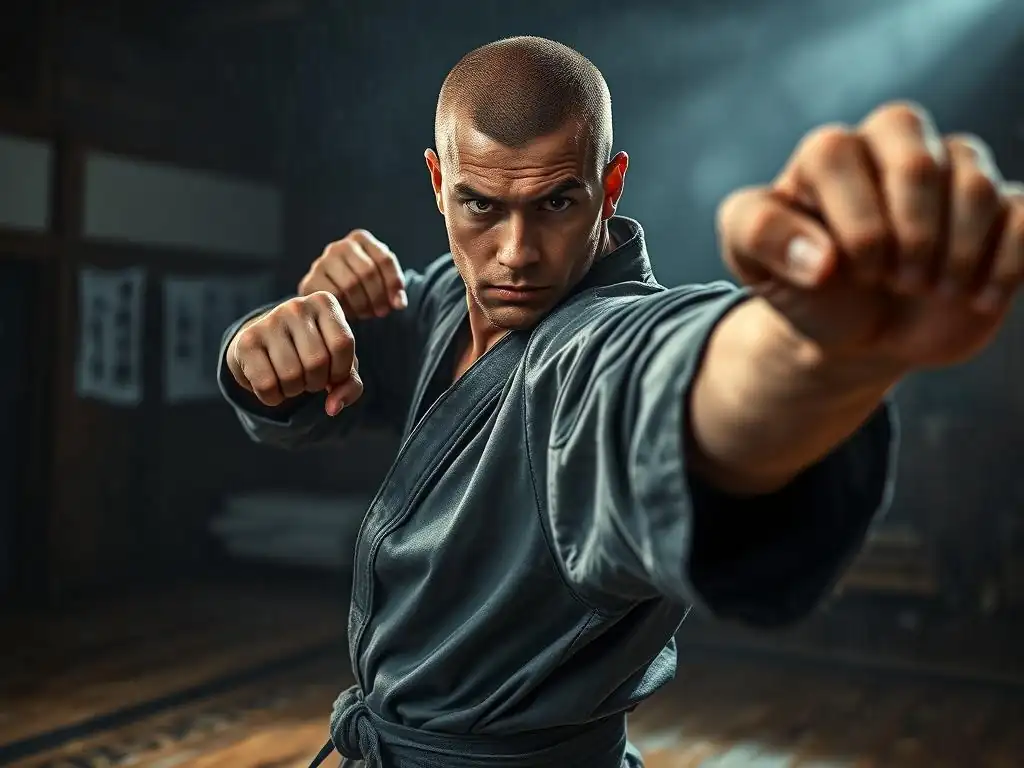
Welcome to Martial Arts Mastery, where tradition meets technique.
Ever wonder how the greatest martial artists achieve unparalleled focus and precision? Discover the unseen power behind their skill in our in-depth exploration of how meditation enhances martial arts. Delve into the profound connection between mental discipline and physical prowess, and unlock the secrets to elevating your own martial arts journey. What if the key to your next breakthrough lies not in another rep, but in a moment of stillness?
- Introduction: Unveiling the Connection Between Meditation and Martial Arts
- Enhancing Martial Arts Performance Through Meditation: Key Benefits
-
Meditation Techniques for Martial Artists: A Practical Guide
- Mindfulness Meditation: Cultivating Present Moment Awareness for Improved Sparring
- Samatha-Vipassana Meditation: Developing Calmness and Insight for Strategic Thinking
- Walking Meditation: Integrating Mind-Body Connection in Movement and Forms
- Visualization Meditation: Mastering Techniques and Developing Precise Striking Power
- The Science Behind Meditation's Benefits for Martial Arts
-
Meditation and Specific Martial Arts Disciplines
- Meditation in Karate: Enhancing Kata Performance and Kumite Strategy
- Meditation in Aikido: Cultivating Centeredness and Harmonious Movement
- Meditation in Taekwondo: Improving Focus and Precision in Poomsae and Sparring
- Meditation in Kung Fu: Integrating Mindfulness into Forms and Combat Applications
- Integrating Meditation into Your Martial Arts Training Routine
- Overcoming Challenges in Meditation: Tips for Martial Artists
- Case Studies: Legendary Martial Artists Who Practiced Meditation
- Conclusion: Embracing Meditation for Ultimate Martial Arts Mastery
-
Frequently Asked Questions
- How does meditation specifically benefit martial arts training?
- What types of meditation are most effective for martial artists?
- Can meditation improve my physical performance in martial arts?
- Is prior experience in meditation required to see benefits in martial arts?
- How does meditation connect to the philosophical underpinnings of martial arts?
- Final Reflection: Cultivating Inner Strength
- Unlock Your Inner Warrior: Embrace the Meditative Path!
Introduction: Unveiling the Connection Between Meditation and Martial Arts
The Synergy of Stillness and Action in Martial Arts Training
Martial arts training often appears to be solely focused on dynamic movement, powerful strikes, and swift defenses. However, beneath the surface of physical exertion lies a profound connection to stillness, cultivated through practices like meditation. This synergy acknowledges that true mastery isn't just about what you do with your body, but also about the control and clarity you possess within your mind. The ability to transition seamlessly from intense focus and action to calm observation and reflection is a hallmark of a skilled practitioner, demonstrating how meditation enhances martial arts capabilities beyond mere physical conditioning.
Consider the intense concentration required to execute a complex form (kata or poomsae) perfectly, or the split-second decision-making needed in sparring. These situations demand a level of mental discipline that active physical training alone may not fully develop. Meditation provides the foundational mental training – the ability to quiet internal noise, remain present, and direct focus intentionally.
It's the quiet preparation before the storm, the internal anchor that allows the external action to be precise, powerful, and effective. This duality of stillness and action is deeply embedded in many traditional martial philosophies, recognizing the mind as the ultimate weapon and shield.
Why Meditation is More Than Just Relaxation for Martial Artists
While relaxation is certainly a pleasant byproduct of meditation, its role in martial arts extends far beyond simply de-stressing. For martial artists, meditation is a rigorous mental discipline comparable to physical conditioning. It trains the mind to be focused, resilient, and adaptable – qualities essential for high-level performance and effective self-defense. It's not about emptying the mind, but about gaining control over it, learning to observe thoughts and feelings without being overwhelmed by them, especially in high-pressure scenarios.
The benefits are tangible: improved reaction time, enhanced body awareness, greater emotional regulation during conflict, and sharper strategic thinking. A martial artist who meditates regularly is better equipped to handle the adrenaline rush of a confrontation, maintain composure when facing a formidable opponent, and make intelligent decisions under duress. This cultivation of inner strength and mental fortitude is precisely why meditation enhances martial arts prowess in ways that purely physical training cannot, building a more complete and capable practitioner.
Enhancing Martial Arts Performance Through Meditation: Key Benefits
Improved Focus and Concentration: Sharpening the Martial Arts Mind
One of the most immediate and impactful benefits of meditation for martial artists is a significant improvement in focus and concentration. Martial arts demand unwavering attention, whether performing intricate techniques, observing an opponent's subtle tells, or maintaining awareness of your surroundings. Regular meditation practice strengthens the brain's ability to sustain attention and resist distractions, much like lifting weights strengthens muscles. Studies, such as those on long-term meditators, have shown increased activity in brain regions associated with attention control, like the prefrontal cortex.
This enhanced focus translates directly into better performance. During sparring, a practitioner with a trained mind can better track their opponent's movements, anticipate attacks, and identify openings, rather than getting lost in thoughts or anxieties. In practicing forms, improved concentration allows for deeper immersion, leading to greater precision, power, and understanding of the movements' applications. For instance, concentrating intently on the connection between breath and movement during a long Wing Chun form requires a level of mental discipline significantly boosted by consistent meditation, demonstrating how meditation enhances martial arts technique execution.
Reduced Stress and Anxiety: Maintaining Composure Under Pressure in Combat
Martial arts, especially in competitive or self-defense contexts, inherently involve stress and anxiety. The pressure to perform, the fear of injury, or the adrenaline of a real threat can easily overwhelm an untrained mind, leading to hesitation, panic, and poor decision-making. Meditation provides powerful tools for managing these physiological and psychological responses. Techniques like mindful breathing help regulate the nervous system, lowering heart rate and reducing the release of stress hormones like cortisol.
By practicing observing stressful thoughts and feelings without judgment during meditation, martial artists develop the ability to do the same in high-pressure situations. Instead of being consumed by fear, they can acknowledge it and still maintain a clear, functional state of mind. This composure is critical in sparring, allowing a fighter to stick to their strategy even when under attack, or in self-defense, enabling a calm, effective response to danger. The ability to remain centered when chaos reigns is a direct result of the mental resilience cultivated through meditation, illustrating how meditation enhances martial arts readiness for real-world application.
Enhanced Body Awareness: Cultivating Kinesthetic Intelligence for Martial Arts
Exceptional martial arts skill requires deep kinesthetic intelligence – a refined awareness of one's own body in space, its posture, balance, tension, and movement. Meditation, particularly mindfulness meditation, cultivates this awareness by directing attention to physical sensations: the feeling of the breath, the weight of the body, the subtle shifts in posture. This practice sharpens the internal feedback loop, making practitioners more attuned to their physical state.
This heightened body awareness is invaluable. A martial artist can detect unnecessary tension that is hindering speed or power, correct subtle imbalances that affect stability, or feel the precise moment to shift weight for maximum force generation. For example, a judoka with high body awareness can feel exactly when their opponent's balance is compromised, enabling a timely throw.
A Karateka can better feel the connection between their core, hips, and strike for optimal power. This internal sensitivity, honed through meditative practice, is a fundamental component of fluid, efficient, and powerful movement, proving how meditation enhances martial arts execution from the inside out.
Faster Reaction Time: Meditation's Impact on Reflexes and Decision-Making
In the dynamic environment of martial arts sparring or combat, reaction time can be the difference between success and failure. While physical reflexes are important, the cognitive component – processing information and deciding on a response – is equally crucial. Meditation has been shown to improve cognitive processing speed and efficiency. By training the mind to be less cluttered and more focused, practitioners can perceive incoming stimuli more clearly and respond more quickly and appropriately.
Research, including studies using tasks requiring rapid responses to visual cues, suggests that regular meditators exhibit faster and more consistent reaction times compared to non-meditators. This isn't just about physical speed, but about reducing the mental lag between perception and action. A martial artist who meditates is better able to quickly analyze an opponent's attack, select the most effective counter-technique from their repertoire, and initiate the movement without hesitation. This improved processing speed and reduced cognitive load are key ways meditation enhances martial arts responsiveness in fast-paced exchanges.
Meditation Techniques for Martial Artists: A Practical Guide
Mindfulness Meditation: Cultivating Present Moment Awareness for Improved Sparring
Mindfulness meditation is perhaps one of the most accessible and directly applicable forms of meditation for martial artists, particularly for improving performance in dynamic situations like sparring. It involves paying deliberate attention to the present moment without judgment – focusing on sensations, thoughts, and feelings as they arise, and gently bringing the attention back when the mind wanders. For sparring, this means being fully present with your opponent, observing their stance, breathing, and movements with heightened awareness, rather than being preoccupied with past mistakes or future outcomes.
Practicing mindfulness outside of training helps build the capacity to remain calm and observant during sparring. Instead of reacting impulsively out of fear or frustration, a mindful martial artist can observe an incoming attack, process it calmly, and choose the most strategic response. This non-reactive awareness allows for better timing, distance management, and adaptability. For instance, being mindful of your own body tension can help you relax and move more fluidly, while mindful observation of your opponent can reveal subtle openings you might otherwise miss. This cultivation of present-moment awareness through mindfulness meditation enhances martial arts sparring significantly.
Samatha-Vipassana Meditation: Developing Calmness and Insight for Strategic Thinking
Samatha (calm abiding) and Vipassana (insight) are two pillars of Buddhist meditation often practiced together. Samatha focuses on developing deep concentration and mental tranquility, typically by focusing on a single object like the breath. Vipassana builds upon this calm foundation to cultivate insight into the nature of reality, including the impermanence of thoughts, feelings, and physical sensations. For the martial artist, Samatha provides the mental stability needed to remain calm and focused in chaotic situations, while Vipassana offers a deeper understanding of dynamics, patterns, and the fluid, changing nature of combat.
Developing Samatha helps in maintaining composure during intense training or competition, preventing the mind from becoming scattered or overwhelmed. This calm focus is essential for executing complex sequences or maintaining strategic awareness over extended periods. Vipassana, on the other hand, can sharpen a practitioner's ability to see patterns in an opponent's movements, understand the underlying principles of techniques, and develop a more intuitive sense of timing and distance.
For example, through Vipassana, a martial artist might gain insight into how their own mental state affects their physical performance, leading to adjustments in training or approach. This dual practice of Samatha-Vipassana meditation enhances martial arts strategy and mental resilience.
Walking Meditation: Integrating Mind-Body Connection in Movement and Forms
While often associated with seated practice, meditation can also be performed while walking. Walking meditation involves paying mindful attention to the physical sensations of walking – the lifting and placing of the feet, the movement of the legs, the swing of the arms, the rhythm of the breath. This practice is particularly beneficial for martial artists as it directly integrates mindfulness with movement, bridging the gap between still meditation and dynamic physical activity.
Regular walking meditation improves proprioception and body awareness while in motion, qualities directly applicable to martial arts forms (kata, poomsae, etc.) and free movement. It trains the mind to remain present and focused even when the body is active, fostering a deeper connection between mind and body during techniques.
For instance, practicing mindful walking can improve balance and coordination, making transitions within a form smoother and more grounded. It also helps in developing a more conscious awareness of weight distribution and energy flow during movement, crucial for generating power and maintaining stability. This type of meditation enhances martial arts movement quality and internal connection.
Visualization Meditation: Mastering Techniques and Developing Precise Striking Power
Visualization meditation involves creating vivid mental images of actions, techniques, or scenarios. This is a powerful tool for martial artists to refine techniques, prepare for competition, and enhance performance without physical strain. It leverages the brain's capacity to simulate actions, activating similar neural pathways as performing the action physically. By mentally rehearsing a technique with precision – visualizing the movement, the feeling, the target, and the desired outcome – practitioners can improve muscle memory and execution.
For example, a boxer might visualize throwing a perfect jab, seeing the trajectory, feeling the rotation of their hips, and imagining the impact. A Tae Kwon Do practitioner might visualize executing a difficult kick, focusing on balance and timing. This mental rehearsal not only refines the technique but can also help in developing focused intent and generating precise power. Furthermore, visualizing sparring scenarios can help martial artists mentally prepare responses to various attacks, improving reaction time and strategic thinking in a safe environment. This targeted visualization meditation enhances martial arts technical proficiency and mental preparedness.
The Science Behind Meditation's Benefits for Martial Arts
Neuroscience of Meditation: How It Impacts Brain Function and Performance
Neuroscientific research provides compelling evidence for how meditation enhances martial arts capabilities by altering brain structure and function. Studies using fMRI scans have shown that long-term meditators often exhibit increased gray matter density in areas associated with attention, self-awareness, and emotional regulation, such as the prefrontal cortex and the insula. Conversely, activity and gray matter volume in the amygdala, the brain region associated with fear and the fight-or-flight response, can decrease.
These changes have direct implications for martial arts performance. Enhanced activity in the prefrontal cortex supports improved focus, planning, and decision-making under pressure. Increased insula activity correlates with greater body awareness and interoception, crucial for technique refinement and balance. Reduced amygdala reactivity helps martial artists manage fear and anxiety in combat situations, allowing for calmer, more effective responses. This neuroplasticity, the brain's ability to change in response to experience, underscores the profound way meditation enhances martial arts skills at a fundamental neurological level.
Stress Reduction and Cortisol Levels: The Physiological Benefits for Martial Artists
Chronic stress is detrimental to physical and mental performance, leading to muscle tension, impaired cognitive function, and slower recovery. The stress hormone cortisol, released by the adrenal glands, plays a key role in the body's stress response. While an acute release can provide a temporary boost, prolonged elevated cortisol levels can suppress the immune system, hinder muscle repair, and negatively impact mood and focus – all counterproductive to martial arts training.
Meditation is a powerful tool for regulating the body's stress response. Numerous studies have demonstrated that regular meditation practice can significantly lower baseline cortisol levels. By activating the parasympathetic nervous system, meditation promotes relaxation and counteracts the effects of the sympathetic nervous system (responsible for the fight-or-flight response). This physiological calming effect helps martial artists recover faster from intense training, maintain better physical health, and approach training and competition with a more relaxed yet focused mindset. This reduction in physiological stress response is a concrete way meditation enhances martial arts recovery and overall well-being.
Heart Rate Variability (HRV) and Resilience: Building Mental Toughness Through Meditation
Heart Rate Variability (HRV) is the variation in time between heartbeats. It's a key indicator of autonomic nervous system health and reflects the body's ability to adapt to stress and recover. Higher HRV is generally associated with better physical health, greater stress resilience, and improved emotional regulation – all vital qualities for a martial artist facing the demands of training and potential conflict. Low HRV is linked to increased stress, anxiety, and poorer health outcomes.
Meditation, particularly practices involving mindful breathing and focused attention, has been shown to increase HRV. By promoting a balanced state between the sympathetic and parasympathetic nervous systems, meditation helps the body become more adaptable and resilient. For a martial artist, improved HRV means better recovery between intense rounds of sparring, greater capacity to handle the physiological and psychological stress of competition, and enhanced mental toughness to persevere through challenging training sessions. This physiological measure provides tangible evidence for how meditation enhances martial arts practitioners' ability to recover and perform under pressure.
Meditation and Specific Martial Arts Disciplines
Meditation in Karate: Enhancing Kata Performance and Kumite Strategy
Meditation holds a significant place in traditional Karate, often seen as integral to developing zanshin (remaining mind or awareness). For Kata performance, seated meditation (zazen) or focused breathing exercises (like ibuki breathing within Kata) cultivate the intense focus and presence required to execute complex sequences with power, precision, and flow. It helps the practitioner connect deeply with each movement, ensuring it is performed with full intent and awareness, rather than just going through the motions.
In Kumite (sparring), the benefits shift to strategic awareness and emotional control. A Karateka who meditates is better equipped to maintain mushin (empty mind), a state of heightened awareness without conscious thought, allowing for spontaneous and effective reactions. They can observe their opponent's movements without getting distracted by fear or ego, identify openings, and execute techniques with clarity. The mental discipline from meditation enhances martial arts strategy by fostering patience, adaptability, and the ability to remain calm amidst the rapid exchanges of Kumite.
Meditation in Aikido: Cultivating Centeredness and Harmonious Movement
Aikido, often referred to as the "Art of Peace," is deeply intertwined with spiritual and philosophical principles, with meditation being a fundamental practice for cultivating hara (center) and developing Ki (life energy). Centering practices, often derived from Zen or Shinto traditions, help practitioners develop a strong, grounded core, both physically and mentally. This physical and mental centeredness is essential for executing Aikido techniques, which rely on blending with an opponent's energy and redirecting force from the core.
Meditation also fosters the non-resistance and harmonious connection central to Aikido's philosophy. By practicing mindful awareness of self and others, Aikidoka learn to perceive and respond to an attacker's energy without meeting force with force. This requires a calm, clear mind capable of reading subtle cues and maintaining a state of relaxed alertness. The spiritual and mental discipline gained through meditation enhances martial arts like Aikido by building the internal foundation necessary for executing its unique techniques and embodying its peaceful principles.
Meditation in Taekwondo: Improving Focus and Precision in Poomsae and Sparring
Taekwondo, known for its dynamic kicks and sharp movements, benefits significantly from the mental discipline provided by meditation, particularly in the execution of Poomsae (forms) and the strategy of sparring (Kyorugi). Precision, balance, and power are paramount in Poomsae, requiring intense focus to execute each stance, block, and strike correctly and with the appropriate intensity. Meditation helps practitioners maintain this focus throughout the entire form, ensuring consistency and technical accuracy.
In Kyorugi, the fast-paced exchanges demand rapid decision-making, timing, and the ability to read an opponent. Meditation enhances martial arts sparring performance by improving reaction time and reducing the mental clutter that can lead to hesitation or poor choices. A Taekwondo practitioner who meditates can maintain composure under pressure, better observe their opponent's feints and openings, and execute techniques with the necessary speed and precision. The mental clarity cultivated through meditation directly contributes to the sharpness and effectiveness required in competitive Taekwondo.
Meditation in Kung Fu: Integrating Mindfulness into Forms and Combat Applications
Kung Fu encompasses a vast array of styles, many with deep roots in Chan (Zen) Buddhism and Taoism, where meditation is a core practice. In Kung Fu forms, mindfulness meditation helps practitioners connect deeply with the flow of movement, breath, and intent. It's not just about performing the physical sequence, but about embodying the spirit and application of each posture and transition with full awareness and internal energy. This mindful approach enhances the fluidity, power, and internal strength developed through form practice.
For combat applications, meditation cultivates essential qualities like adaptability, sensitivity, and strategic insight. Many Kung Fu styles emphasize sensing an opponent's energy and adapting instantly, which requires a high degree of present-moment awareness and a calm, non-reactive mind. Practices like standing meditation (Zhan Zhuang) build rootedness and internal energy, while seated meditation sharpens focus and develops the ability to remain calm in unpredictable situations. This integration of mindfulness and internal cultivation through meditation enhances martial arts effectiveness by fostering a deeper connection between mind, body, and energy in combat.
Integrating Meditation into Your Martial Arts Training Routine
Starting Small: Beginner-Friendly Meditation Practices for Martial Artists
Integrating meditation into an already demanding martial arts training schedule might seem daunting, but it doesn't require hours of sitting cross-legged. For beginners, starting small is key to building a sustainable habit. Even just 5-10 minutes of focused breathing meditation per day can yield significant benefits over time. Find a quiet place, sit comfortably, close your eyes, and simply focus on the sensation of your breath entering and leaving your body. When your mind wanders (which it will), gently acknowledge the thought and return your attention to the breath.
Another simple practice is a body scan meditation, where you bring mindful awareness to different parts of your body, noticing sensations without judgment. This is particularly useful for martial artists to enhance body awareness. These short, focused sessions are manageable and help build the foundational skills of concentration and mindfulness. Consistency is far more important than duration in the initial stages. By starting small, you make meditation an achievable addition to your routine, demonstrating how even brief meditation enhances martial arts preparation and recovery.
Consistency is Key: Building a Sustainable Meditation Habit
Like physical training in martial arts, the benefits of meditation are cumulative and require consistent practice. Sporadic meditation sessions, while potentially offering temporary relaxation, won't lead to the deeper, lasting changes in focus, emotional regulation, and cognitive function that enhance martial arts mastery. Aim for daily practice, even if it's only for a few minutes. This regularity helps rewire the brain and integrate the meditative state into your daily life and training.
Building consistency can be easier if you tie your meditation practice to an existing habit. For example, meditate for 10 minutes immediately after waking up, before your first meal, or right after your martial arts class cool-down. Using a meditation app can also provide structure, guidance, and reminders. Don't be discouraged by days when your mind feels particularly restless; simply show up and practice. Over time, consistent effort will build mental strength and make meditation a natural and integral part of your journey, solidifying how consistent meditation enhances martial arts progress.
Finding a Quiet Space: Creating an Environment Conducive to Meditation
While advanced practitioners can meditate amidst noise and distraction, finding a quiet space is crucial when you're starting out. A dedicated, peaceful environment minimizes external stimuli and makes it easier to focus your attention inward. This doesn't require a specialized meditation room; a quiet corner of your home, a peaceful spot in a park, or even a few minutes alone in your dojo before or after class can suffice.
Ensure the space is relatively free from interruptions. Turn off your phone notifications, let others in your household know you need a few minutes of quiet time. The goal is to create a sanctuary where you can consistently retreat to practice. While eventually you'll learn to meditate in less ideal conditions, establishing a quiet, dedicated space initially helps cultivate the habit and allows you to experience the benefits more readily. This simple step makes it easier to incorporate meditation, which in turn enhances martial arts training by improving mental discipline.
Combining Meditation with Physical Training: A Holistic Approach to Martial Arts Mastery
The most effective approach for martial artists is to integrate meditation directly with their physical training, creating a holistic practice. This can involve meditating for 5-10 minutes before warming up to center your mind and set intentions for the training session. It can also mean practicing mindfulness during training – paying attention to the sensations of movement, the connection of breath to technique, and the subtle cues from your body or training partner.
Post-training meditation, perhaps during the cool-down phase, can aid in recovery, help process the session's challenges, and integrate the lessons learned. Practices like walking meditation can be incorporated into warm-ups or cool-downs. This interwoven approach ensures that mental and physical training are not separate disciplines but two sides of the same coin, each supporting and enhancing the other. By combining these elements, the martial artist pursues mastery not just of techniques, but of their entire being, illustrating the comprehensive way meditation enhances martial arts development.
Overcoming Challenges in Meditation: Tips for Martial Artists
Dealing with Distractions: Maintaining Focus During Meditation
One of the most common challenges in meditation, especially for active individuals like martial artists, is dealing with a restless or wandering mind. It's easy to get discouraged when thoughts about upcoming training, past mistakes, or daily tasks flood your awareness. The key is to understand that the goal isn't to stop thinking, but to train your ability to notice when your mind has wandered and gently bring it back to your chosen anchor, such as the breath.
Think of it like physical conditioning: each time you notice your mind drifting and return your focus, you're performing a "rep" for your mental muscles. Don't judge yourself for getting distracted; it's a natural function of the mind. Simply acknowledge the thought ("Okay, I was thinking about sparring") and redirect your attention back to your breath or other anchor. Over time, the periods of focused attention will lengthen, and the distractions will become less disruptive. This persistent effort in handling distractions through meditation enhances martial arts mental fortitude.
Cultivating Patience: The Importance of Perseverance in Meditation Practice
Just as mastery in martial arts takes years of dedicated practice, so too does the cultivation of deep meditative states and their benefits. It's important to cultivate patience and avoid the expectation of immediate, dramatic results. Some sessions will feel calm and focused, while others will feel restless and challenging. Both are part of the process. The true benefit comes from the consistent effort over the long term, not from achieving perfect stillness in every sitting.
Remember that meditation is a practice, not a destination. There will be days when you feel you made no progress, or even regressed. This is normal. The discipline of simply showing up and sitting, even when it's difficult, builds resilience and perseverance – qualities highly valued in martial arts. Trust that the cumulative effect of your consistent effort is subtly rewiring your brain and enhancing your capabilities, even if you don't feel it immediately. This long-term perspective on meditation enhances martial arts development by fostering patience and dedication.
Seeking Guidance: Finding a Qualified Meditation Teacher or Using the Headspace App
While it's possible to learn the basics of meditation from books or online resources, seeking guidance can significantly deepen your practice and help you navigate challenges. A qualified meditation teacher can provide personalized instruction, answer questions, and offer support as you progress. They can help you refine your technique, understand the nuances of different meditation styles, and address specific difficulties you encounter.
Alternatively, numerous guided meditation apps are available that offer structured programs, guided sessions of various lengths, and specific meditations tailored to different goals, such as focus, stress reduction, or body awareness. Headspace is a popular example, offering guided meditations suitable for beginners and more experienced practitioners alike. Using such resources can provide the structure and encouragement needed to establish a consistent practice. Seeking guidance, whether from a teacher or an app like Headspace, makes the journey smoother and more effective, ensuring that your meditation enhances martial arts training efficiently.
Case Studies: Legendary Martial Artists Who Practiced Meditation
Yagyu Munenori: The Swordsman-Philosopher's Zen Practice
Yagyu Munenori (1571-1646) was a renowned Japanese swordsman, head of the Yagyu Shinkage-ryu school, and a chief sword instructor for the Tokugawa shogunate. He was also a prominent figure in the development of Japanese philosophy, heavily influenced by his practice of Zen Buddhism under the guidance of the famous monk Takuan Soho. Munenori's integration of Zen principles into his swordsmanship is documented in his influential treatise on martial arts and strategy, Heiho Kadensho (The Book of Family Traditions on the Art of War).
His Zen practice cultivated a state of mushin (empty mind), allowing him to react spontaneously and effectively in combat without conscious thought or hesitation. He wrote extensively on the importance of a calm, clear mind, free from attachment or fear, as the ultimate advantage in a duel. His philosophy emphasized understanding the opponent and the situation intuitively, a skill honed through meditative awareness. Munenori's life and teachings stand as a historical example of how deeply meditation enhances martial arts, transforming technical skill into true mastery rooted in mental and spiritual cultivation.
Morihei Ueshiba: The Founder of Aikido's Spiritual Integration
Morihei Ueshiba (1883-1969), the founder of Aikido, was a martial arts genius whose practice evolved into a profound spiritual path. While he mastered various traditional martial arts, including Daito-ryu Aiki-jujutsu, his creation of Aikido was deeply influenced by his spiritual insights and meditative practices. Ueshiba, often referred to as O-Sensei (Great Teacher), integrated elements of Shintoism, esoteric Buddhism, and other spiritual disciplines into his training and philosophy.
His daily routine included rigorous physical practice alongside intensive prayer, meditation, and spiritual cultivation. He sought to unify mind, body, and spirit, viewing Aikido techniques not just as physical movements but as expressions of universal energy (Ki) and divine principles.
His meditative practices cultivated a state of profound centeredness, enabling him to blend with and redirect an opponent's force effortlessly. Ueshiba's emphasis on love, harmony, and the interconnectedness of all things, born from his spiritual discipline, is fundamental to Aikido and exemplifies how meditation enhances martial arts by elevating them beyond mere combat techniques to a path of personal and spiritual growth.
Conclusion: Embracing Meditation for Ultimate Martial Arts Mastery
The Path to Inner Peace and Martial Prowess: A Lifelong Journey
The pursuit of martial arts mastery is a holistic endeavor, one that requires dedication not only to physical conditioning and technical refinement but also to mental and emotional cultivation. Embracing meditation is a crucial step on this path, offering a powerful means to develop the inner qualities essential for peak performance and personal growth. It is a lifelong journey of self-discovery, where the stillness of meditation informs the dynamism of movement, and the challenges of physical training deepen the understanding gained in quiet contemplation.
Integrating meditation into your routine is an investment in your overall well-being and your potential as a martial artist. The benefits – enhanced focus, reduced stress, improved body awareness, faster reaction time, and greater mental resilience – contribute to a more effective, intelligent, and composed practitioner. This dual pursuit of inner peace and martial prowess is a testament to the profound connection between mind and body, illustrating how consistent meditation enhances martial arts capabilities across all dimensions.
Meditation as a Cornerstone of Martial Arts Philosophy and Practice
Throughout history and across various disciplines, meditation has been recognized not merely as a supplementary practice but as a cornerstone of martial arts philosophy and effective practice. From the Zen-influenced swordsmanship of the Samurai to the spiritual principles embedded in Aikido and the internal cultivation found in many Kung Fu styles, the training of the mind is seen as inseparable from the training of the body. It is the internal discipline that provides the foundation for external skill.
By dedicating time to meditation, martial artists align themselves with a tradition that understands that true power comes from within. It provides the mental clarity to learn complex techniques, the emotional regulation to perform under pressure, and the self-awareness to continually refine one's art. As you continue your martial arts journey, consider meditation not just a beneficial addition, but an integral part of your training, a practice that genuinely and fundamentally enhances martial arts potential and leads towards a more complete and profound level of mastery.
Frequently Asked Questions
How does meditation specifically benefit martial arts training?
Meditation enhances martial arts by improving focus and concentration, leading to quicker reflexes and better decision-making in combat. It also helps with stress reduction, allowing practitioners to remain calm under pressure.
What types of meditation are most effective for martial artists?
While many types can be beneficial, mindfulness meditation and visualization techniques are particularly effective. Mindfulness cultivates present moment awareness, crucial in combat, while visualization hones technical skills.
Can meditation improve my physical performance in martial arts?
Yes, indirectly. By reducing stress and improving focus, meditation allows for more efficient energy usage and enhanced recovery after training. This leads to improved overall performance and reduced risk of injury.
Is prior experience in meditation required to see benefits in martial arts?
No. Even beginners can experience benefits from short, regular meditation sessions. Consistency is key, even just a few minutes a day can make a noticeable difference over time.
How does meditation connect to the philosophical underpinnings of martial arts?
Meditation aligns with the core principles of many martial arts, emphasizing self-discipline, inner peace, and mental clarity. It promotes a deeper understanding of oneself and one's relationship to the world.
Final Reflection: Cultivating Inner Strength
The journey through understanding how meditation enhances martial arts reveals a profound truth: true mastery extends far beyond physical prowess. The ability to quiet the mind, focus intention, and cultivate inner peace is not merely a supplement to martial arts training, but a foundational element that unlocks its deepest potential. This connection is more relevant than ever in our increasingly chaotic world, where the ability to find stillness within is a superpower in itself.
The impact of meditation on martial arts, and indeed on life itself, continues to resonate deeply. The practice fosters a heightened sense of self-awareness, resilience, and compassion, qualities that transcend the dojo and permeate every aspect of our being. The mind is everything. What you think you become.
- Buddha. This quote perfectly encapsulates the transformative power of meditation, reminding us that our inner landscape shapes our outer reality, influencing not only our martial arts performance but also our interactions with the world.
As we conclude this exploration, I invite you to reflect on the power of stillness in your own life. Consider how cultivating a meditative practice, even for a few minutes each day, can enhance your focus, reduce stress, and unlock a deeper understanding of yourself. Embrace the unseen power within, and discover how meditation can not only enhance your martial arts journey, but also transform your life into a masterpiece of mindful action and inner peace.
Unlock Your Inner Warrior: Embrace the Meditative Path!
Thank you for diving into the world of meditation and its profound impact on martial arts. You've now glimpsed the unseen power that can elevate your training to new heights. Ready to integrate this knowledge into your practice?
Here's how you can get started:
- Begin with just 5 minutes of daily meditation, focusing on your breath to cultivate mindfulness and enhance your presence in every move.
- Explore different meditation techniques (e.g., walking meditation, body scan) to find what resonates with your unique style and preferences.
- Share this article with fellow martial artists and spark a conversation about how meditation can transform their training experience.
What immediate shift in your mindset or training are you inspired to make after exploring the link between meditation and martial arts mastery?