
The Art of Kuzushi: Unbalancing Opponents with Advanced Joint Setups (CrossStyle)

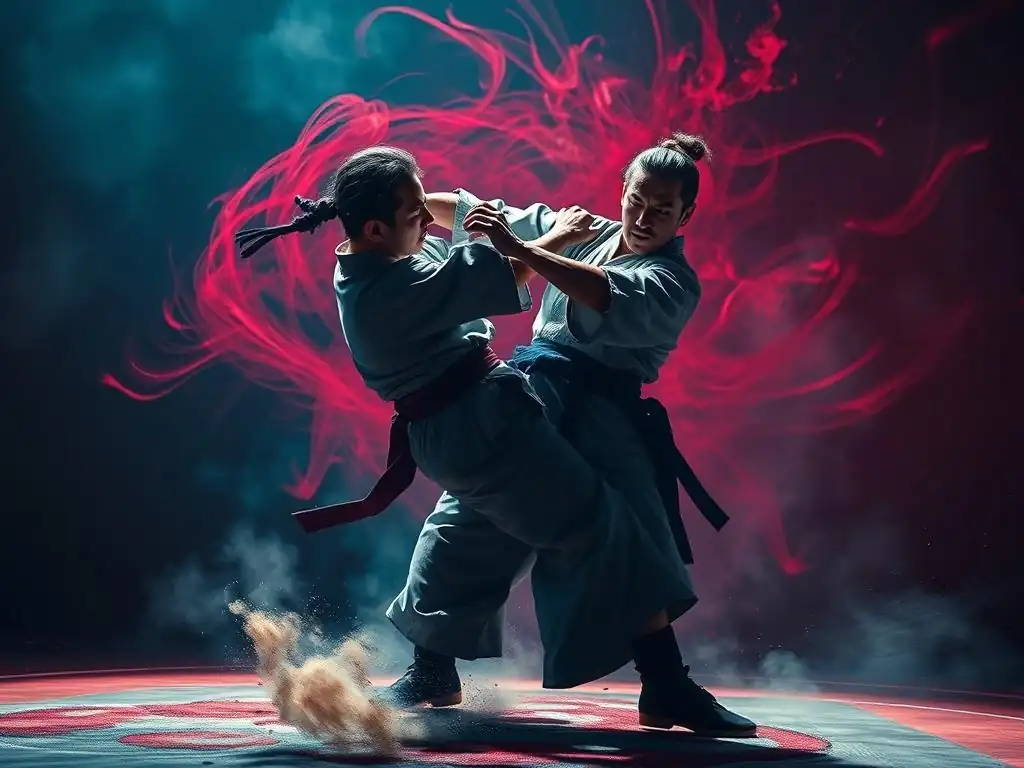
Welcome to Martial Arts Mastery, where we delve into the depths of combat traditions! Have you ever wondered how a skilled martial artist can topple a larger opponent with seemingly effortless ease? Today, we unlock the secrets of Kuzushi joint setups techniques, exploring how these precise movements can create devastating imbalances. Prepare to expand your understanding of leverage, angles, and the art of disrupting your opponent's stability. Read on to master the delicate dance of Kuzushi and elevate your martial arts prowess!
- Introduction to Kuzushi in Martial Arts: Beyond Basic Unbalancing
- Advanced Kuzushi Techniques for Joint Control
- Specific Kuzushi Joint Setup Techniques: A Detailed Breakdown
- Integrating Kuzushi into Your Joint Manipulation Training
- Avoiding Common Mistakes in Kuzushi Joint Setups
- The Importance of Ethical Considerations in Kuzushi Training
- Conclusion: Mastering Kuzushi for Superior Joint Control
-
Frequently Asked Questions
- What is Kuzushi in the context of martial arts, particularly regarding joint setups?
- How does Kuzushi differ from simply overpowering an opponent when applying joint locks?
- What are some common Kuzushi methods used before applying joint manipulation techniques?
- Why is understanding Kuzushi important for mastering joint lock techniques?
- Can Kuzushi principles be applied in martial arts disciplines beyond those traditionally focused on joint locks?
- Final Reflection: Mastering the Subtle Art of Unbalancing
- Unlock Your Opponent's Weakness: Begin Your Kuzushi Mastery Today!
Introduction to Kuzushi in Martial Arts: Beyond Basic Unbalancing
Understanding Kuzushi: The Core Principle of Off-Balancing
Kuzushi, a fundamental concept originating primarily from Japanese martial arts like Judo and Aikido, translates simply to "the action of destroying the opponent's balance." It is the crucial first step in executing throws, takedowns, or indeed, joint manipulations. Without effective kuzushi, attempting to apply force against a stable, balanced opponent is akin to pushing against a wall – requiring excessive strength and often leading to failure or being countered. Mastering kuzushi means understanding how to disrupt an opponent's posture and center of gravity, creating a momentary window of vulnerability.
This principle isn't limited to grappling. Even in striking arts, a well-timed feint or footwork can cause an opponent to shift their weight awkwardly, creating an opening. The depth of kuzushi lies in its subtlety; it's not always a dramatic push or pull. It can be achieved through slight shifts in weight distribution, controlling the opponent's head or limbs, using their own movement against them, or exploiting psychological reactions. A classic example from Judo involves pulling an opponent forward just as they are stepping back, leveraging their momentum to break their balance towards their rear.
Kuzushi and Joint Manipulation: A Synergistic Approach
While often associated with throws, kuzushi is equally, if not more, critical for effective joint manipulation and control. Attempting a joint lock or submission on an opponent who is firmly planted and resisting requires significant strength and precision, making it difficult to apply leverage correctly and easy for the opponent to escape or counter. By first applying kuzushi, you destabilize their structure, making the targeted joint less supported by their body's natural alignment and much more susceptible to control or locking pressure.
Consider a wrist lock: applying it when an opponent has their weight centered and their arm is strongly supported by their core is challenging. However, if you use kuzushi to pull them slightly forward and to the side, their weight shifts off their base, their posture is compromised, and the wrist becomes an isolated point of control, allowing the Kuzushi joint setups techniques to be applied with far less effort and greater effect. This synergy means that sophisticated joint manipulation techniques become significantly more potent and reliable when built upon a solid foundation of off-balancing.
Cross-Style Application of Kuzushi: Adapting to Different Martial Arts
The principles of kuzushi are universal biomechanically, even if the terminology differs across martial arts. In Brazilian Jiu-Jitsu (BJJ), concepts like "breaking posture" or "creating angles" serve a similar function – disrupting the opponent's stable base to facilitate sweeps, submissions, or transitions.
In wrestling, "getting off-balance" or "controlling ties" directly relates to achieving a state of kuzushi before a takedown. Even in arts focused on striking, like Karate or Muay Thai, footwork and feints are used to make an opponent commit weight or shift balance, setting them up for powerful strikes or combinations; this is a form of striking-based kuzushi.
Applying kuzushi in a cross-style context involves recognizing the underlying principles regardless of the specific technique used to achieve it. For instance, a Judo player's lapel-and-sleeve grip kuzushi can be adapted for BJJ gi techniques, while the BJJ concept of using guard retention to constantly disrupt an opponent's top pressure is a form of defensive kuzushi.
Mastering Kuzushi joint setups techniques across styles requires understanding how to apply pressure, tension, and leverage to disrupt balance from various positions – standing, kneeling, or on the ground – utilizing grips, body mechanics, or even strikes as the initial catalyst for off-balancing before transitioning to joint control.
Advanced Kuzushi Techniques for Joint Control
Leveraging Posture and Movement for Effective Kuzushi
Effective Kuzushi for joint manipulation heavily relies on understanding and manipulating an opponent's posture and natural movement patterns. A standing opponent's balance is maintained within their base (the area between their feet); shifting their center of gravity outside this base, or forcing them to move a foot to regain balance, constitutes kuzushi. This can be achieved by pulling or pushing along their lines of stability or instability.
For example, pulling an opponent directly towards you when their weight is on their heels will likely break their balance backward. Conversely, pushing them when their weight is forward breaks them backward. The key is timing – coordinating your action with their natural weight shifts during movement or exploiting vulnerabilities in static posture.
On the ground, posture and movement are equally critical. A strong, upright posture in someone's guard makes submissions difficult. Using grips (on the gi, limbs, or head) and body weight to flatten their posture, bringing their head towards their hips, is a form of ground kuzushi. This compromises their ability to generate force, move effectively, or defend joints. Similarly, during transitions or scrambles, opponents are inherently off-balance. Recognizing these transitional moments and applying pressure or control at the right instant allows for highly effective Kuzushi joint setups techniques, leveraging their instability rather than fighting their structure.
Identifying Weak Points: Targeting Vulnerable Joints
Successful application of Kuzushi joint setups techniques requires not just off-balancing the whole body but also understanding how specific joints become weak points when the body's structure is compromised. When an opponent's balance is broken, their limbs often become isolated and less supported by core tension and skeletal alignment. For example, if an opponent is pulled forward and their weight is shifted onto the balls of their feet, their arms might extend or become momentarily rigid as they try to regain balance, making the wrist or elbow particularly vulnerable to locking pressure.
Furthermore, certain joints are inherently weaker or more easily manipulated depending on the angle and direction of force. The knee, for instance, is strong against force applied along the line of the leg but weak against lateral or rotational force. The shoulder's stability is highly dependent on the surrounding musculature and can be compromised by hyperabduction or internal/external rotation when the opponent is off-balance. Identifying which joint is most vulnerable in that specific moment of kuzushi is crucial. This skill is honed through countless repetitions and careful observation of opponent's reactions to off-balancing stimuli.
Combining Kuzushi with Joint Locks: Amplifying Control
The true power of Kuzushi joint setups techniques lies in their seamless integration with the joint lock itself. Kuzushi isn't just a precursor; it's often maintained and utilized during the application of the lock to increase pressure, prevent escape, and enhance control.
For example, while applying an armbar from guard, maintaining downward pressure on the opponent's posture (kuzushi) prevents them from sitting up and relieving pressure on the elbow. Similarly, during a standing wrist lock, continuing to pull or push the opponent off-balance while applying the lock makes it harder for them to use their body to resist the wrist manipulation.
This combined approach ensures that the joint lock is not merely an isolated technique but part of a dynamic system of control. The off-balance created by kuzushi limits the opponent's ability to use their entire body to defend the joint, focusing their resistance solely on the point of pain or pressure. This significantly reduces the strength required from the person applying the technique and increases the likelihood of a successful submission or control position. Mastery involves transitioning smoothly from the off-balancing action directly into the joint control, often in a single, fluid motion.
Specific Kuzushi Joint Setup Techniques: A Detailed Breakdown
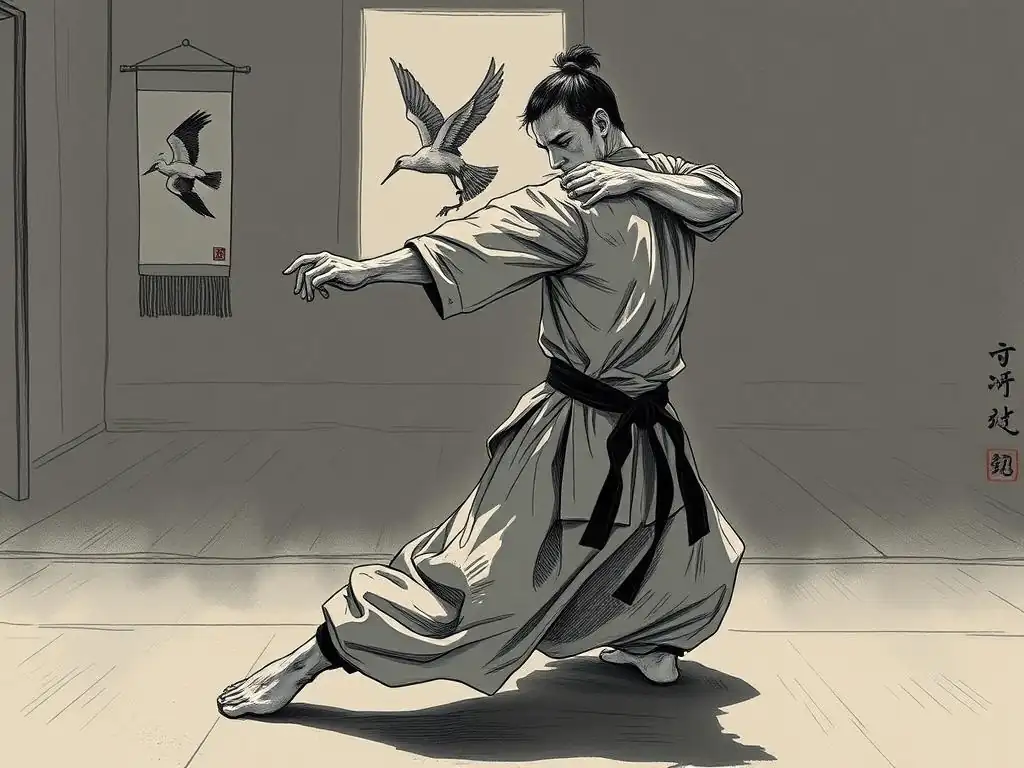
The Wrist Lock Kuzushi: Creating Openings for Joint Manipulation
Wrist locks are highly effective Kuzushi joint setups techniques because the wrist is a relatively small, complex joint that is often exposed and susceptible to manipulation when the opponent is even slightly off-balance. The key is to use the off-balancing action to either isolate the wrist or position the opponent's body such that applying pressure to the wrist becomes disproportionately effective.
For instance, pulling an opponent forward to break their balance can cause their arms to instinctively stiffen or reach out, presenting a vulnerable wrist. Alternatively, pushing them backward might cause them to post a hand, again exposing the wrist.
A common principle involves creating tension along the arm away from the shoulder, which destabilizes the entire limb and makes the wrist joint the primary point of resistance. This tension is a form of localized kuzushi. Once this tension is established through a pull, push, or rotation that off-balances the opponent's structure, the specific grip and leverage for the wrist lock can be applied with much greater efficacy. The off-balance prevents the opponent from easily rotating their shoulder or moving their entire body to alleviate the pressure on the wrist.
Applying Kuzushi to Wrist Joint Setups: Step-by-Step
- Establish Control/Grip: Secure a grip on the opponent's wrist or sleeve that allows you to control the direction of force. A common grip might involve holding their wrist with one hand and their sleeve/lapel with the other to create connection to their core.
- Initiate Kuzushi: Use body movement (stepping, pulling, pushing) to gently or sharply disrupt their balance. If standing, a subtle pull forward as they lean back, or a push backward as they lean forward, can be enough. If on the ground, using guard grips to lift their posture or pull them sideways works.
- Isolate the Wrist: As their balance breaks, maintain tension along the arm. This could involve pulling their arm straight, rotating it slightly, or bending it in a specific direction to isolate the wrist joint from the support of their stronger proximal joints (elbow, shoulder).
- Apply Wrist Lock Leverage: While maintaining the off-balance and arm isolation, apply the specific leverage needed for the desired wrist lock (e.g., bending it backward, forward, or twisting it). The kuzushi makes their resistance weaker, allowing the lock to engage with less force.
- Maintain Kuzushi: Continue to use your body weight and grip to keep the opponent off-balance throughout the application of the lock until the submission is achieved or control is established.
Drills for Mastering Wrist Lock Kuzushi
- Walking Kuzushi Drill: Stand with a partner holding wrists loosely. Practice walking forward and backward, using only subtle pulls/pushes on the wrist and body weight shifts to make your partner take a step to maintain balance without letting go. Focus on sensitivity.
- Resistance Kuzushi Drill: Partner applies light, static resistance. Practice initiating different types of kuzushi (forward, backward, sideways) by pulling/pushing on the wrist/sleeve connection until their posture visibly shifts or they step. Do not apply the lock yet, just focus on breaking balance.
- Flowing Kuzushi to Setup: Partner moves naturally. Practice identifying moments of natural instability and immediately transitioning from the off-balance action into the grip setup for a wrist lock, but stopping just before applying significant pressure. Repeat, focusing on smooth transitions.
- Task List: Wrist Lock Kuzushi Checklist
- [ ] Can I feel my partner's weight distribution through the connection?
- [ ] Am I using my whole body, not just my arms, to create the off-balance?
- [ ] Does the off-balance action make their arm feel lighter or more isolated?
- [ ] Can I transition smoothly from breaking balance to securing the wrist lock grip?
The Elbow Lock Kuzushi: Unbalancing Through Leverage
Elbow locks, such as armbars or Kimura variations, are powerful submissions, but require precise positioning and leverage. Kuzushi is vital here to compromise the opponent's structure and make their elbow joint vulnerable. For example, in an armbar from guard, controlling the opponent's posture (pulling them down) is fundamental kuzushi. This prevents them from stacking you and relieves pressure on their arm, making the extension of the elbow possible. Without this postural kuzushi, they can simply stand up or drive forward, nullifying the technique.
Another example involves standing elbow locks or arm drags that lead to elbow control. Using a sharp pull or push that spins the opponent or pulls them past their center of gravity creates a moment where their arm is extended or isolated. This off-balance makes it difficult for them to use their core strength or retract their arm effectively, setting up the Kuzushi joint setups techniques targeting the elbow. The principle is to use the off-balance to remove the skeletal and muscular support that normally protects the elbow joint.
Achieving Kuzushi for Elbow Joint Locks: Principles and Application
Achieving effective kuzushi for elbow locks often involves extending the opponent's arm away from their body's core line, or preventing them from bending it to defend. From a standing position, techniques like Osoto Gari (Major Outer Reaping) can be set up by pulling the opponent onto one leg (kuzushi), making it difficult for them to defend an arm drag that isolates the opposite arm for an elbow lock entry. On the ground, passing the guard often involves using pressure and movement to break the opponent's frame and flatten their back (kuzushi), making their arms susceptible to controls that lead to armbars or Kimura attacks.
The application is dynamic. For an armbar from mount, for instance, the initial kuzushi might involve driving your weight down to flatten their posture and then using your legs and hips to control their head and prevent them from posturing up. This maintenance of postural kuzushi is ongoing as you transition to isolate the arm. The off-balance isn't always a single action but can be a sustained state of discomfort and instability that forces the opponent to prioritize regaining balance over defending the joint. This is a key aspect of advanced Kuzushi joint setups techniques.
Training Scenarios for Elbow Lock Kuzushi
-
Guard Posture Break Drill: From closed guard, partner maintains strong, upright posture. Practice using different grips (collar, sleeve, head) and leg pressure to break their posture down, focusing solely on getting their head below the level of your chest (kuzushi). Do not attempt a submission yet.
-
Arm Isolation Drill: From side control, partner keeps elbows tight. Practice using chest pressure, hip pressure, and slight shifts in weight to force one of their elbows away from their body, creating space for an arm attack setup. This is a form of isolating kuzushi.
-
Standing Arm Drag Kuzushi: Practice executing an arm drag on a partner who is standing naturally. Focus on the pull and rotational force that makes them take a step or spin slightly (kuzushi), immediately securing control of the arm as it extends. Repeat, aiming for fluidity.
-
Block Quote: Elbow Lock Kuzushi Principle
To extend the joint, you must first collapse the structure supporting it. Kuzushi is that collapse.
The Shoulder Lock Kuzushi: Maximizing Rotational Control
Shoulder locks, such as the Kimura, Americana, or Omo Plata, attack the complex shoulder joint using various angles of rotation and leverage. Kuzushi for shoulder locks often involves controlling the opponent's upper body rotation and preventing them from aligning their shoulder joint in a strong defensive position. For example, a Kimura attack from side control is significantly easier if you can use your weight and grips to prevent the opponent from turning into you or flattening out – this control of their movement and base is the kuzushi.
Another common setup involves rotating the opponent's body or isolating their arm across their centerline. When an opponent is turned away from you, their shoulder becomes vulnerable to external rotation attacks (like the Kimura or Omo Plata). Using grips on their back or gi to initiate this rotation, forcing them to twist their torso, is a powerful form of kuzushi that directly exposes the shoulder joint for attack. These Kuzushi joint setups techniques exploit the shoulder's limited range of motion under rotational stress, especially when the opponent's core is destabilized.
Utilizing Kuzushi for Shoulder Joint Setups: A Comprehensive Guide
Effective kuzushi for shoulder locks often requires controlling the opponent's head, torso, or hips to dictate their body's alignment. For a Kimura from side control, pinning their head and shoulder to the mat while using your hips to prevent them from bridging or turning is essential kuzushi. This keeps their shoulder isolated and prevents them from escaping the rotational force. Similarly, for an Omo Plata from guard, using your legs to control their posture and rotate their body is the primary kuzushi that positions their arm for the attack.
The angle of attack is critical. Applying a shoulder lock when the opponent is perfectly aligned and strong is difficult. By using kuzushi to shift their weight, turn their body, or pin a part of their structure, you change the angle of the joint relative to their body's strength, making the same amount of leverage far more effective. This might involve driving your shoulder into their chest to create rotational kuzushi or pulling their arm across their body with tension. Mastering these Kuzushi joint setups techniques for the shoulder requires a deep understanding of body mechanics and leverage points.
Advanced Shoulder Lock Kuzushi Drills
- Side Control Pinning Drill: From side control, focus on using your weight and pressure to keep your partner completely flat on their back. Practice shifting your weight slightly to prevent them from turning towards you or away. This is pure positional kuzushi.
- Kimura Setup Rotation: From side control, establish the Kimura grip. Practice using hip pressure and slight pulls/pushes on their trapped arm to rotate their upper body away from you, creating the necessary angle for the lock, without yet applying submission pressure.
- Omo Plata Body Rotation: From guard, practice using your legs and grips to sweep or rotate your partner onto their side, specifically positioning their arm across your body for the Omo Plata setup. Focus on the rotational kuzushi achieved by your lower body.
- Task List: Shoulder Lock Kuzushi Checkpoints
- [ ] Is my partner's torso rotation controlled?
- [ ] Is their head position preventing them from escaping the angle?
- [ ] Am I using my body weight to maintain the off-balance/isolation?
- [ ] Is the targeted arm sufficiently isolated from their core support?
The Knee Lock Kuzushi: Exploiting Lower Body Weakness
Knee locks and leg attacks target the knee joint, which is strong axially but vulnerable to lateral, rotational, or hyperextension forces. Kuzushi in the context of knee locks often involves controlling the opponent's hips and preventing them from aligning their leg to resist the pressure. For example, in a basic kneebar, controlling the opponent's upper body and preventing them from turning towards the attacked leg is crucial kuzushi. This keeps their knee isolated and prevents them from using their hip flexibility or turning into the pressure.
Another common setup involves reaping the leg or controlling the opponent's opposite leg to restrict their movement and balance. By controlling one leg and attacking the other, you deny them a stable base, making it difficult for them to adjust their weight or posture to defend the knee. This off-balance created by controlling their lower body structure makes applying the Kuzushi joint setups techniques to the knee significantly more effective and harder to escape. The goal is to create instability in their lower half while simultaneously isolating the target knee.
Kuzushi and Knee Joint Manipulation: Practical Techniques
Practical application of kuzushi for knee manipulation often starts by breaking the opponent's guard or passing their legs to gain control of the lower body. Techniques like passing half-guard or entering into leg entanglement positions (like the Ashi Garami family) are inherently forms of kuzushi, disrupting the opponent's ability to use their legs defensively and creating angles of attack on the knee. Once in a leg entanglement, maintaining control of their hips and preventing them from rotating or escaping is ongoing kuzushi that keeps the target knee vulnerable.
Consider a situation where an opponent is attempting a takedown. If you can sprawl and gain control of one of their legs while they are still driving forward, their balance is already compromised (kuzushi). This immediate off-balance makes transitioning into a leg attack, like a kneebar or ankle lock, much easier than if they were standing upright and stable. The key is to capitalize on moments of instability or to actively create them by controlling their base and alignment. These Kuzushi joint setups techniques require precise timing and control of the opponent's lower body mechanics.
Safe and Effective Knee Lock Kuzushi Training
- Leg Entanglement Control Drill: From Ashi Garami (leg entanglement) position, partner tries to escape by rotating hips or pulling leg free. Practice maintaining tight control with your legs and arms, focusing on preventing their movement and keeping them off-balance in the position, without applying submission pressure.
- Hip Control Drill: From side control on the legs (like a leg pin), partner tries to turn hips towards you or away. Practice using your weight and grips to keep their hips flat or controlled in the desired direction, which is critical kuzushi for many leg attacks.
- Transition to Kuzushi: Practice transitioning from common positions (e.g., passing guard, sprawling a shot) into leg entanglement positions, focusing on how the entry disrupts the opponent's balance and immediately sets up the leg attack angle.
- Task List: Knee Lock Kuzushi Safety Points
- [ ] Am I communicating clearly with my partner?
- [ ] Am I applying control, not pressure, during the setup phase?
- [ ] Can my partner signal submission easily?
- [ ] Am I focusing on breaking balance before applying the lock?
Integrating Kuzushi into Your Joint Manipulation Training
Drills for Developing Kuzushi Sensitivity and Timing
Developing a deep understanding of kuzushi requires sensitivity – the ability to feel your opponent's weight distribution, tension, and intention through physical contact. This sensitivity is honed through specific drills that focus on connection and subtle manipulation rather than brute force. A simple exercise involves standing chest-to-chest with a partner, hands lightly on their shoulders, and attempting to make them take a step by subtly shifting your weight or applying minimal pressure, feeling how their body reacts.
Timing is the other critical component. Kuzushi is most effective when applied at the precise moment an opponent is transitioning weight, initiating a movement, or is momentarily static but unsupported. Drills that involve reactive movement, where one partner initiates a slight action (like shifting weight to one foot) and the other immediately attempts to capitalize on that instability with a specific kuzushi action, are invaluable. These drills help practitioners recognize and exploit the fleeting windows of opportunity for Kuzushi joint setups techniques.
Partner Exercises for Realistic Kuzushi Application
Realistic partner exercises simulate the dynamic nature of live interactions, allowing practitioners to apply kuzushi in a less predictable environment. Instead of static drilling, where the opponent offers no resistance, realistic exercises involve light to moderate resistance or specific scenarios (e.g., "partner tries to maintain strong posture," "partner attempts a slow pass"). This forces the practitioner to actively work for the off-balance rather than being given it.
Scenario-based training is particularly useful for integrating Kuzushi joint setups techniques. For example, starting from a common position like standing clinch or closed guard, the goal isn't just to hit a specific lock, but to first achieve a clear state of kuzushi that enables the lock, even if the partner is resisting. This could involve spending several seconds or even minutes working to break posture or create an angle before the joint attack becomes viable. Such exercises bridge the gap between isolated technique drilling and live sparring.
Combining Kuzushi with Striking and Grappling
While kuzushi is often discussed in grappling contexts, its principles extend to striking arts and mixed martial arts (MMA). In striking, feints and footwork are primary tools for creating kuzushi. A feinted jab might cause the opponent to flinch or shift weight defensively, creating an opening for a power shot or a takedown entry. Using footwork to cut off angles or force the opponent to step awkwardly also breaks their balance, albeit temporarily, making them vulnerable.
In MMA, the combination of striking and grappling provides numerous opportunities for kuzushi. Landing a strike can momentarily stun or off-balance an opponent, immediately setting up a takedown or a clinch entry where joint controls can be applied. Similarly, attempting a takedown can force an opponent to sprawl, and controlling their head or a limb during the sprawl creates kuzushi that can transition into leg attacks or upper body joint controls. Integrating Kuzushi joint setups techniques in a combined context means using strikes to create grappling opportunities and using grappling pressure to create striking openings or control points.
Avoiding Common Mistakes in Kuzushi Joint Setups
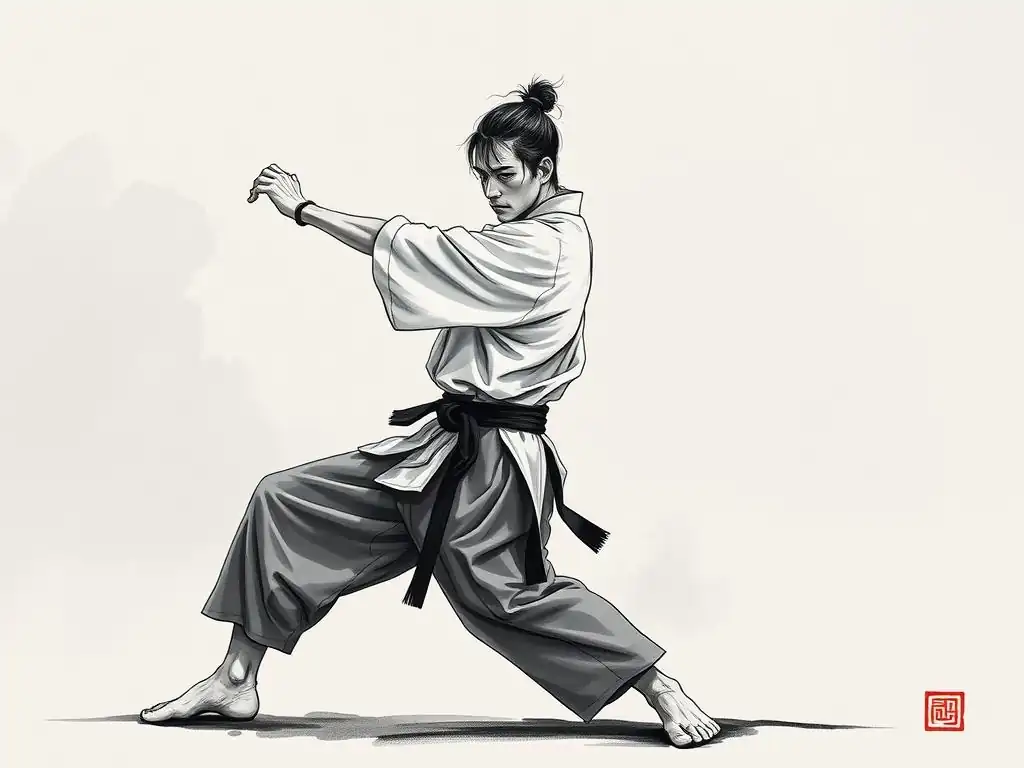
Overcoming Resistance: Adapting to Opponent's Movements
A common mistake is applying a static kuzushi action against a dynamic, resisting opponent. If you pull when they are strongly rooted and pushing back, you are fighting their strength. Effective kuzushi involves feeling the opponent's energy and redirecting or amplifying it. If they are pushing, pull; if they are pulling, push. This requires constant micro-adjustments based on their reactions. Failing to adapt means the opponent can easily regain balance or counter your action.
Another error is applying kuzushi in only one direction. Skilled opponents will quickly learn to base out in that direction. Mastery of Kuzushi joint setups techniques involves the ability to off-balance in multiple directions (forward, backward, left, right, diagonally, rotationally) and chaining these actions together. If a forward pull doesn't work, transition immediately to a sideways pull or a rotational force, probing for the path of least resistance. This dynamic adaptation is key to overcoming determined opposition.
Maintaining Balance: Preventing Counter-Attacks
While attempting to break an opponent's balance, it's crucial not to sacrifice your own. Overcommitting to a pull or push can leave you vulnerable to sweeps, throws, or counter-submissions. For example, pulling someone strongly forward without maintaining your own base can cause you to fall forward with them. Applying a rotational force without stable footwork can lead to you being spun off-balance yourself.
Maintaining your own strong base, posture, and center of gravity while applying kuzushi is paramount. This allows you to generate force efficiently, maintain control, and quickly react if your opponent attempts a counter. Think of yourself as a stable pivot point from which you disrupt their balance. This requires core strength, good footwork (in standing), and proper weight distribution (on the ground). Training Kuzushi joint setups techniques must always include drills that emphasize maintaining personal stability throughout the process.
Understanding the Limits of Kuzushi: When to Transition
Not every attempt at kuzushi will immediately lead to a successful joint setup. Sometimes the opponent is too strong, too skilled at regaining balance, or the position simply doesn't offer a viable angle. A mistake is to stubbornly cling to a failed kuzushi attempt or a specific joint lock setup when the opportunity has passed. This often leads to expending excessive energy, getting stuck in a bad position, or being countered.
Understanding the limits of the current kuzushi application means recognizing when the opponent has successfully based out or defended. At this point, instead of forcing the issue, the practitioner must be ready to transition. This might mean transitioning to a different type of kuzushi, changing the target joint, moving to a different technique (like a sweep or transition), or disengaging to reset the position. Effective Kuzushi joint setups techniques are part of a larger system; knowing when to switch gears is a sign of advanced understanding.
The Importance of Ethical Considerations in Kuzushi Training
Safe Training Practices for Joint Manipulation
Training Kuzushi joint setups techniques and subsequent joint manipulation carries inherent risks if not practiced safely. The power of leverage means that joints can be injured very quickly, often before the partner can even react. Therefore, safety must be the absolute priority in all training environments. This includes practicing techniques slowly and with control, especially when applying pressure to a joint. The focus in training should be on understanding the mechanics of the off-balance and the setup, not on forcing a submission.
Partners must agree on the level of resistance and intensity before starting drills. Communication is vital; partners should feel comfortable signaling discomfort or tapping early before any pain is felt in the joint. Instructors play a crucial role in supervising training, ensuring techniques are taught correctly with an emphasis on safety, and fostering a training culture where ego is set aside for the sake of safe learning.
Respecting Your Training Partners and Opponents
Respect is a cornerstone of martial arts, and it is particularly important when practicing techniques that can cause injury. Training partners are essential to skill development; they are not opponents to be "beaten" in practice. This means treating their physical safety with the utmost care and attention. When drilling Kuzushi joint setups techniques, apply the off-balance and setup with enough realism to practice effectively, but always be ready to release pressure instantly if your partner taps or is in danger.
This respect extends to understanding the purpose of training – mutual improvement. Pushing a technique too hard in practice, causing pain or injury, is counterproductive to both your partner's learning and your own long-term development. A good partner allows you to practice effectively, and you owe them the same consideration. This ethical approach ensures a sustainable and positive training environment for everyone involved in learning these powerful techniques.
The Responsible Application of Kuzushi Techniques
The ability to effectively apply Kuzushi joint setups techniques and joint manipulations grants significant power. This power comes with the responsibility to use these techniques ethically and appropriately. In a self-defense situation, these techniques can be invaluable for controlling a threat or creating an opportunity to escape. However, their application should be proportionate to the threat faced, and the goal should be de-escalation or escape whenever possible, rather than causing unnecessary harm.
In competitive settings, understanding and adhering to the rules regarding joint locks and reaping is crucial. Applying an illegal technique, or applying a legal technique recklessly, demonstrates a lack of discipline and respect for the sport and opponents. The responsible application of kuzushi and joint control, whether in training, self-defense, or competition, is a reflection of the practitioner's character and understanding of the deeper principles of martial arts.
Conclusion: Mastering Kuzushi for Superior Joint Control
The Path to Advanced Kuzushi Skills
Mastering Kuzushi joint setups techniques is not a destination but a continuous journey requiring dedication, sensitivity, and practice. It involves moving beyond simply learning the mechanics of joint locks to understanding the subtle art of off-balancing that makes them truly effective. This path includes countless hours of focused drilling, realistic partner exercises, and careful observation of how bodies move and react under pressure. It requires developing proprioception – the awareness of your own body in space and how it connects to your partner's – and learning to read their subtle cues of tension and weight distribution.
Advanced practitioners constantly refine their kuzushi, making it more efficient, less reliant on strength, and harder for opponents to detect and counter. They explore variations of Kuzushi joint setups techniques, adapting them to different body types, postures, and levels of resistance. This level of mastery transforms joint locks from isolated techniques into fluid extensions of control, seamlessly integrated into transitions, sweeps, and positional control.
Kuzushi: A Cornerstone of Effective Martial Arts
Kuzushi is far more than just knocking someone off balance; it is the fundamental principle of disrupting an opponent's stability to create opportunity. For joint manipulation, it is not merely helpful but essential, amplifying the effectiveness of techniques and reducing the reliance on brute strength. The application of Kuzushi joint setups techniques across various joints – wrist, elbow, shoulder, knee – demonstrates the universal applicability of this core concept.
Whether practicing Judo, BJJ, Aikido, or any other martial art that involves controlling an opponent, a deep understanding and skillful application of kuzushi will significantly enhance your ability to execute techniques, maintain control, and train safely and effectively. It is a cornerstone principle that underpins superior joint control and overall martial arts mastery.
Frequently Asked Questions
What is Kuzushi in the context of martial arts, particularly regarding joint setups?
Kuzushi refers to unbalancing an opponent. In the context of joint setups, it's the initial manipulation that makes them vulnerable to a technique. It's not solely about strength, but about disrupting their posture.
How does Kuzushi differ from simply overpowering an opponent when applying joint locks?
Kuzushi focuses on leveraging an opponent's balance and momentum. Overpowering relies on brute strength, while Kuzushi utilizes subtle movements and positioning to create openings for joint locks. It's about efficiency over force.
What are some common Kuzushi methods used before applying joint manipulation techniques?
Common methods include pushing or pulling to create forward or backward imbalance. Others involve shifting weight to one side, or using circular movements to disrupt their stance prior to the joint lock.
Why is understanding Kuzushi important for mastering joint lock techniques?
Without proper Kuzushi, joint locks become significantly more difficult to apply effectively. Kuzushi creates the necessary weakness and vulnerability in an opponent's posture, making the joint lock far more likely to succeed. It is integral to successful application.
Can Kuzushi principles be applied in martial arts disciplines beyond those traditionally focused on joint locks?
Yes, the principles of Kuzushi are universally applicable across many martial arts. Creating imbalance is fundamental to striking, grappling, and takedowns in various styles, making it a valuable concept to understand.
Final Reflection: Mastering the Subtle Art of Unbalancing
The exploration of kuzushi joint setups techniques transcends mere physical manipulation; it's a deep dive into understanding leverage, balance, and the subtle art of disrupting an opponent's equilibrium. This understanding, far from being confined to the dojo, offers invaluable insights into navigating the imbalances we encounter in everyday life, from interpersonal dynamics to complex problem-solving. The principles of kuzushi, when applied metaphorically, empower us to identify and address the root causes of instability, fostering resilience and adaptability in a constantly shifting world.
The profound influence of kuzushi extends beyond the martial arts, shaping our perception of interaction and strategy. Personally, I've found that understanding the concept of unbalancing, both physically and mentally, has significantly improved my communication and negotiation skills. It's about finding that critical point of weakness, that subtle shift in weight or perspective, that allows for effective influence. The greatest victory is that which requires no battle.
This quote, often attributed to Sun Tzu, perfectly encapsulates the essence of kuzushi – achieving a desired outcome through skillful manipulation of balance, rather than brute force.
Now, consider how you can apply the principles of kuzushi in your own life. Are there areas where you feel unbalanced, where you're struggling to gain leverage? Take a moment to reflect on the subtle shifts you can make, the strategic adjustments you can implement, to regain your footing and achieve your goals. Embrace the art of unbalancing, not as a tool for domination, but as a pathway to understanding, connection, and ultimately, a more balanced and fulfilling existence.
Unlock Your Opponent's Weakness: Begin Your Kuzushi Mastery Today!
Thank you for delving into the art of Kuzushi! We hope you’ve found a deeper understanding of how to unbalance your opponents using advanced joint setups. Now, it's time to translate that knowledge into action.
Here's how you can continue your Kuzushi journey:
- Dedicate 15 minutes daily to specifically practicing the Kuzushi techniques outlined in this article. Focus on the sensitivity and timing needed to effectively disrupt your opponent's balance.
- Share this article with a training partner and challenge each other to identify Kuzushi opportunities during sparring sessions. See who can implement the principles most effectively!
- Research historical martial arts texts for unconventional Kuzushi applications. You might be surprised what secrets you uncover!
What unique Kuzushi opportunities have you identified in your own martial arts practice? Share your insights in the comments below!